
Non-fiction: James Wright: A Life in Poetry
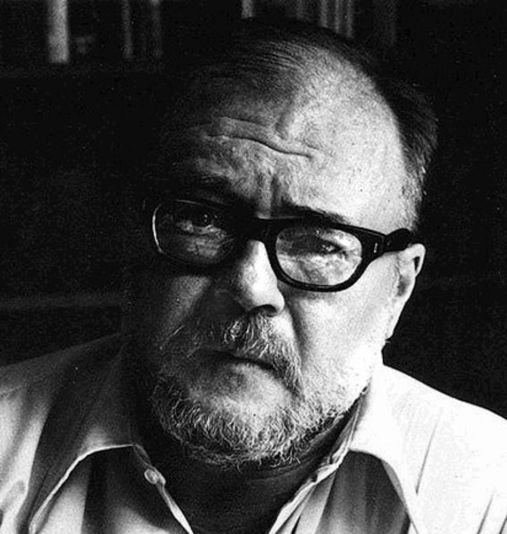
- Author: J. Blunk
- Title: James Wright: A Life in Poetry
- Published: 2017
- Trivia: 1972 Collected Poems won the Pulitzer Prize.
- List Reading Challenges 2018
- Monthly planning
- #20BooksOfAutumn
Introduction:
- You know how once in a while you run into a book that’s
- so good you don’t want it to end,
- so you draw read it very slowly, drawing it out?
- For me, this is one of those books.
- I just had a few pages more to read
- ….but stopped and started to end my night’s reading last night and
- ….went to bed.
- I just did not want Jimmy to leave me last night.
Conclusion:
- James Wright is one of the best poets I’ve ever read.
- (Seamus Heaney…is the very best!)
- Why?
- His poems are written in plain language that can connect with the reader.
- Too many poets are cryptic
- ….they think the purpose of poetry is to be cryptic.
- Poetry should be plain and simple
- …but that does not mean it cannot be complex.
Strong point:
- The book packs an emotional punch without cliche.
- Blunt succeeds in conveying a portrait of James Wright’s
- frenzied urgency, his depression, struggle with alcoholism
- …and the obsession to know what makes us tick.
James Wright (1927-1980)
- He was the poet of the downtrodden in mind and body,
- the castaways of society,
- the commonplace victims trapped in the poor streets.
James Wright
- He did not walk around, observing the world and
- coining apt analogies for what appears most striking.
- He suffered to express is emotions….
James Wright
- He had an appetite for new materials during sabbaticals in Europe
- …especially his beloved Verona.
- “ I’d rather be dead in Verona than immortal in Ohio.”
James Wright
- He suffered from depression and his poems were
- his newly invented safe rooms.
- Places we might not have noticed until Wright showed them to us.
James Wright
- A poem has physical landscapes….”my grave, my ditch of defeat.”
- Martins Ferry, Ohio was the center of James Wright’s poetic imagination
- …hardscrabble existance.
- It was a touchstone and other landscapes are tried against it.
James Wright
- He gives vivid impression of grief and longing.
- …when he wrote an elegy for the scholar Philip Timberlake.
- He was one of Wright’s first mentors in 1949.
- The title is in itself a poem… What Can a Man Bear.
- It is sorrow distilled into eight lines:
…alone
All afternoon, I take my time to
mourn.
I am too cold to cry against the
snow
Of roots and stars, drifting above
your face.
Why is this poem to poignant?
- James Wright seems to….
- extend a hand to the reader and say:
- “Come here, with me and lets share
- …this experience of language.”
Last thoughts:
- Reading this book these last 5 days
- …felt like breathing pure oxygen.
- Being immersed with such a troubled and
- …brilliant poet has shaken me to the core.
- Wright’s poems contain a density of emotion that stirs the soul.
- Who did Wright emulate? Meister Eckhart.
- Wright reminds himself often of Eckahrt’s way toward an orderly life:
- “…simply to do the next thing.”
- Wright was tormented by depression and loneliness
- …not of the body, but loneliness of the soul.
- I think the title of one of his
- …most famous collections sums it up:
- “The Branch Will Not Break”

 NancyElin.blog
Trackbacks & Pingbacks