
#Annie Ernaux Nobel Prize 2022

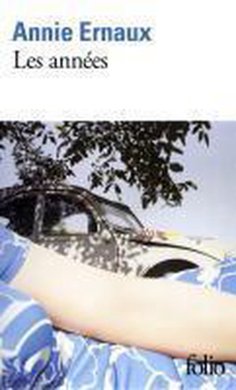
- Author: Annie Ernaux
- Title: Les années
- Published: 2008, translated 2017 (English)
- Genre: novel…but heavily autobiographical
- Contents: 256 pages, no chapters!
- Language: French
- #20BooksOfSummer20
- #WITMonth
- le prix Marguerite-Duras
- le prix François-Mauriac de la région Aquitaine
- le prix de la langue française
- le prix Strega européen.
Conclusion:
- I will use a quote by a
- reader Susan Clark Germaine on Goodreads.com
- who just finished the book yesterday.
- She took the words right out of my mouth:
- “…very long and tedious, and I had to force myself to continue to read it.”
- There were some strong points (see review) and
- …some memorable quotes but all in all this book was
- …not worth the effort it took to read it in French.
- All credit to Ms Ernaux for creating such a complex book.
- There is so much reality (politics, philosophy, literature) mixed into her memoires
- …it is just a bit too much to take in.
- She overwhelmed this reader to the point that
- …I was struggling to finish the book.
- But….at least I’m reading again!
Strong point: Nice feature of Ernaux’s writing
…she takes the reader into a shoebox of photographs
…of the past and guides us with her memories.
Book is filled with….
“…les sentiments, images et sensations…”
1940s – The book spans the time frame from the author’s birth in 1940 up to 2006,
and moves from her working-class upbringing in Normandy to her years teaching French literature in a lycée….living in the Parisian suburb of Cergy, raising two sons and eventually divorcing.
1950s – Ernaux writes both personally and collectively, situating
her own story within the story of her generation,
without ever confusing the two.
There is no “I”…..only “one” and “we”.
1960s – emphasis of politics and how the younger generation will
be able to create a better future
1970s – the ideals of May ‘68 convert themselves into
objects (fridge, Hi-Fi music player, color TV), entertainment and starting families.
1980s – the desire to vacation without the husband and children
Fluctuating between the desire and fear of losing everything.
Wife and mother contemplating….divorce.
Ready for anything to regain, find the desire of a future.
Weak point: Difficult to stay engaged with this book.
There is not really a traditional story.
It is just a continuous summation of life lived
1940s-2000 with some ah-ha moments:
1960s transistor
1980s deaths of Barthes, Satre, Beauvoir, assassination attempt Pope John Paul II
Surprised Chernobyl is cover in one sentence…this was a major incident!
1990s – Mitterrand dies, Marguerite Duras dies….mobile telephones.
‘Elle’ …her last lover…her last retreat.
Note: this is NOT a ‘touchy-feel-ly’ fictive memoir….it is filled with
references to literature, philosophy, existentialism, politics, protests, sit-in, gender issues, French Algeria (Harkis, Pied-noirs)
revolution/liberation (May ‘68 in Paris, Chili, Cuba, Vietnam, Czechoslovakia)
Strong point: page 166 Ms Ernaux describes the moment she decided to write this book.
A book like ‘Une Vie’ 1940-1985….’le destin ( the fate) de la femme’
She wants to re-live the passage of time in and around her in the
dispossession of (freeing oneself) people, things and events.
Last thoughts:
I have been taking photos during my daily walks during the COVID Lockdown.
It was a way to enjoy life that is still within a 5 km radius from my home.
The last sentence in this book reminded met of the importantce of photos:
“Sauver quelque chose du temps, où on ne sera plus jamais.”
Save something of time….where we will never be again.
#Classic Bend in the River

Author: V.S. Naipaul
Title: A Bend in the River
Published: 1979
Contents: 278 pages
Trivia: Naipaul was awarded the Nobel Prize 2001.
#Classic… I never thought I would read….b/c I dislike V.S. Naipaul as a person after reading a revealing article about his dysfunctional marriage.
- List of Challenges 2019
- Monthly reading plan
- #20BooksOfSummer20
Analysis:
1. Explain the title. In what way is it suitable to the story?
A Bend in the River is a metaphor for the vanishing Arab power in Africa. “…at the bend in the river there had grown up a European and not an Arab town.” (pg 23)
2. Who is the single main character about?
A Bend in the River takes place in an unnamed country, but it can safely be identified as Democratic Republic of Congo. Salim is a young man who starts a business in a town on ‘a bend in the river’.
3. What sort of conflict confronts the leading character or characters?
a. External – escape the stifling of home vs trying to go back home, the other place (pg 285)
b. Internal – Salim is constantly ‘sniffing out the falseness in others’ (pg 182)
4. Who tells the story? First person narrator (Salim)
5. Where does the primary action take place?
Naipaul does not name the river in this novel, nor the town, country or its president.The town is at the end of the navigable river, just below the cataracts. Naipaul’s description has been interpreted to point to the town of Kisangani on the Congo river. What is the timeline? I estimate between 1970 – 1977.
6. What is the structure of the story? The books is in four parts:
The Second Rebellion (Salim’s back round)
The New Domain (economic prosperity through corrupt sources)
The Big Man (Salim’s relationships and the rise of power of the President)
The Battle (seizing foreign-held businesses)
7. How does the story get started?
Salim is driving in his Peugeot from the east African coast towards interior Congo. Nazruddin, a man from his village, had sold Salim his shop cheap. He was going to “be the master of his fate only if I stood alone.” (pg 22)
8. Briefly describe the rising action of the story.
Salim works hard to find the “short-cut to power and money” (pg 105.) Unfortunately ‘the Big Man’s ( Mobutu) “Zairianization” seizes foreign-held businesses and transfers their ownership to Zairians. This is what happened to Salim (ch 16-17)
9. What is the high point, or climax, of the story?
Salim is put in preventive detention before the President visits the town. Salim cannot bribe the police, he has no money. Yet it seems Salim does have an unexpected friend in the government.
10. Discuss the falling action or close of the story.
Salim makes a frenzied dash to buy a ticket and escape ‘a bend in the river’ on the last steamer leaving.
11. What is the general theme of the story?
Africans struggle to prosper after the liberation from European colonization.
12. Did you identify with any of the characters?
a. Hunter: Ferdinand: He was frightening.This is how he will look when he sees the victim’s blood.
b. Hunted: Salim: You don’t feel malice towards your prey. You set a trap for him. (pg 63)
13. Does this story contain any of the following elements?
a. Allusion: the Latin phrase that was engraved on a monument outside the dock gates: “Miscerique probat poulos et foedera jungi” The gods would approve a mingling of peoples and making treaties in Africa. The monument was no sooner erected…than it was torn down. Not many africans in the town agreed with this truth.
b. Foreshadowing: Ferdinand is a young boy who Salim shelters in his home and guides his education. Yet this character with his lies and exaggerations makes Salim feel as if “a web was being spun around me. I had become prey.” (pg 62)
c. Deus ex machina: unexpected intervention to rescue Salim and resolve the story’s conflict.
d. Epithet: short nickname Big Man – Naipaul never mentions the name of the the President…but it is must be Mobutu. Naipaul does mention the African leader’s walking stick and leopard-skin cap.
14. How does author use symbols to propel the plot…deeper levels of meaning about the themes?
a. Masks – Salim compares the face of Ferdinand to…certain kinds of African masks in which features are simplified and strengthened. (pg 42). It was the effect of his face on Salim ..I saw then and later as one of great power. Africans don’t show what they are feeling…but when there’s danger “His face had been like a mask at the beginning. Now he was showing his frenzy.”
b. Water Hyacinths – The symbol of water hyacinths is mentioned in many chapters: lilac-colored flowers on rubbery green vines that floated on and on, night and day. On page 183 Naipaul gives us his explanation – hyacinths, floating on during the days of rebellion they had spoken of blood, […] white in the moonlight, they had matched the mood of the particular evening. Now lilac on bright green…they spoke of other people moving on.
15. What did I NOT like?
Raymond and Yvette: reading these sections….I almost fell asleep. Raymond was the right hand man to the president and Yvette’s husband. He writes history books and speeches for the ‘Big Man’. When he realizes that none of his work is meeting the president’s standards they both just disappear!
16. What is the writing style? I read the book while listening to the audio version. I recognized a ‘rhythm’ in Naipaul’s sentences. Then I started to underline certain words and discovered that Naipaul ‘repeats’ words and phrases to make his writing flow. On page 87 beginning with the paragraph [The President… ending with …captured by the rebels], if you look at these three paragraphs in chapter 5 you will see what I mean!
Style: Naipaul tells us what he is doing on page 158: I find the most difficult thing in prose narrative is linking one thing with another. The link might just be a sentence, or even a word. It sums up what has gone before and prepares one for what is to come.
17. Does the story contain a single effect or impression for me?
The book expresses Salim’s feeling of being an outsider. He feels isolated in his little part of the world. The quote that impressed me was on page 124:
“I’d been homesick for months. But home was hardly a place I could return to. Home was something in my head. It was something I had lost.”
18. Does the story have a thematic message?
Bitter resentment among the African people towards the former European colonizers.
Conclusion:
This is a good book…but not great.
I can’t put my finger on it, but there is something missing….
The title drops you into an empty river town and lets you just … wander around.
You stumble on the right spots.
You uncover bits of a story.
There is no hook and no characters to relate to.
A Bend in the River is based on V. S. Naipaul’s observations during a 1975 visit to Zaire.
This also reminded me of the book CONGO by D. van Reybrouck, a Belgian journalist.
Both authors give vivid insights into the country of changing names:
Congo Free State, Belgian Congo, Zaire
…now the Democratic Republic of the Congo.
Last Thought:
- Personally I preferred Congo by Van Reybrouck which is available in English.
Score: 3
#Non-fiction The Room Where It Happened
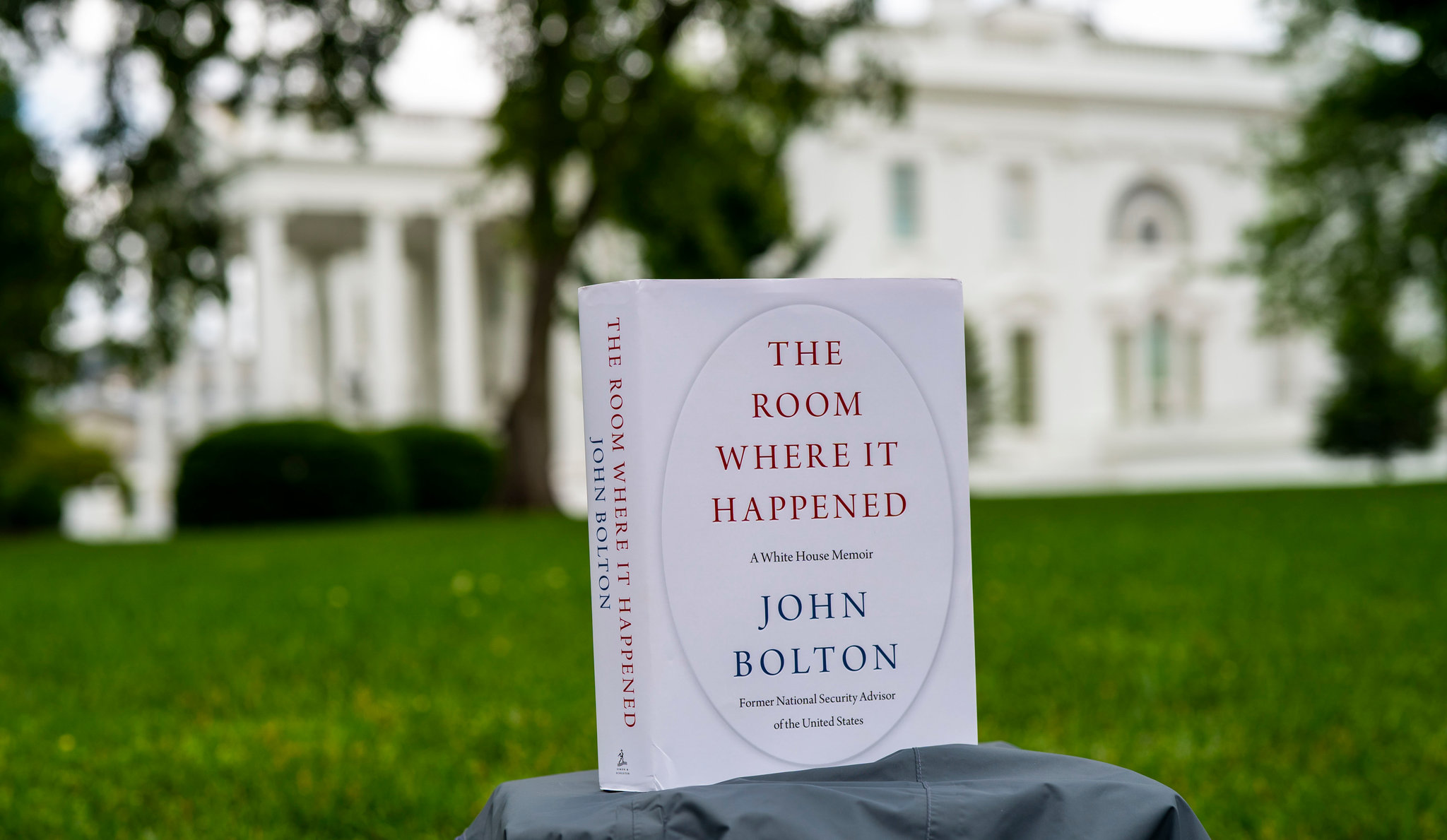
Finished: 09.07.2020 “The Room Where It Happened”
Genre: non-fiction
Rating: F
Author: John Bolton
Conclusion:
- I have read John Bolton’s book The Room Where It Happened.
- Weak point: It is like pulling teeth…difficult, tiresome and tedious.
- Weak point: The book was too ‘detailed’ for the average reader:
- dates, time of day, and number of minutes for every meeting,
- every conversation, page after page.
- Strong point? …none
- Is this the book Trump wanted to stop selling?
- If you have kept up on the news….
- Bolton revealed nothing ‘earth shattering’
- ….that hasn’t been leaked pre-publication.
- Trump should worry about his niece’s book
- Too Much and Never Enough by Mary Trump.
- The New York Times said,
- “…the memoir was ‘bloated’ with self-importance,
- even though what it mostly recounts is Bolton
- not being able to accomplish very much”.
- I rest my case.
- #WasteOfReadingTime
#Non-fiction Bolívar

- Author: Marie Arana
- Genre: biography
- Title: Bolivar: American Liberator
- Published: (2013)
- Table of Contents: 18 chapters, 468
- Timeline: 1783 – 1830
- Setting: South America
- Trivia: M. Arana won the LA Times Book Award biography 2014.
- List of Challenges 2020
- Monthly reading plan
- #20BooksOfSummer20
Introduction
- Bolivar was compared to Napoleon or Julius Caesar.
- But Bolivar realized that he could unite South America
- …freed of Spanish rule, but could not unite the South Americans.
- He had to take drastic steps: Bolivar declared himself ‘dictator’
- …in August 1828 due to growing internal conflicts among his commanders.
- As Bolivar said: “No one achieves greatness with impunity:
- No one escapes the fangs of envy along the way”. (pg 406)
- There were several assassination attempts
- …thought to be instigated by his old friend, and commander F. Santander.
- Bolivar used psychological warfare, surprise,
- …deception and fear to defeat his enemies.
- But he could not defeat his last foe
- ….he succumbed to tubercleosis in 1830 at the age of 47 years old.
Conclusion:
Strong point: Bolivar reads like a great novel!
Strong point: Epilogue: great summation with references to modern South America.
- This was not a boring biography.
- Marie Arana is first and foremost a
- talented writer and knows how to create
- ….a book that would capture the reader’s attention.
- She has succeeded in melting all the biographical facts
- …about the American Liberator into a unique mold.
- The result is a ‘bronze bell’ named ‘Bolivar’ whose
- …tremendous sound resonated across
- …the South American continent.
- #ExcellentRead
Last Thoughts:
- I was surprised that Bolivar read Voltaire, Locke,
- Montesquieu and his hero Rousseau instead of theorists of war:
- Prussian Von Clausewitz (1780-1831) or French Jomini (1779-1869).
- Bolivar was a child of The Enlightenment.
- The only way I can sum him is to refer to John Locke’s book
- An Essay Concerning Human Understanding,
- …page 220 where Locke discusses ‘power’.
- Bolivar saw that the countries in his beloved South America
- …were just spokes in a wheel all pointing to the hub, Spain.
- He felt that there was the possibility of making this simple idea change.
- And so we come to the idea that Locke explained as: ‘power’.
- Bolivar had this ‘power’:
- “thus we say, fire has a power to melt gold,
- …to destroy the consistency of its insensible parts and
- …consequently its hardness and make it fluid.” (Locke)
Twitter thoughts:
#TakingNoPrisoners
Bolivar: History of liberated South America …. is not for the fainthearted.
What a man…he could outride, outwit and outfight any enemy!
#SurgicalStrikes and countless stragagems later Bolivar is not afraid to take up the pen….
#ManInLove with Manuela…
#ReadMoreBiography Blood trickles down the roads, heads roll out from under the bushes. This is not magical realism… this is history!
#Non-fiction Between the World and Me
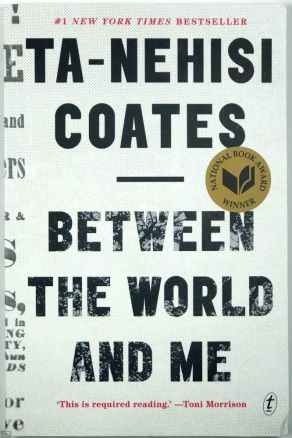
Finished: 24.06.2020
Genre: epistolary nonfiction
Rating: A++
#20BooksOfsummer20
Conclusion:
Between the World and Me is written in the
form of a letter from Ta-Nehisi Coates to his son.
It thus falls into the category of epistolary nonfiction.
The book itself is broken into three parts, and
each part includes an epigraph from a prominent black writer
Sonia Sanchez, Amiri Baraka, and James Baldwin, respectively.
Part1: Coates’s life prior to birth of son
Part 2: is set after the birth of Samori
Part 3: Coates’s visit to Mable Jones, the mother of Prince Jones, whose death Coates discusses
After the dreams of Martin Luther King Jr. and
the hopes of Barack Obama
we have the hard truths of Ta-Nehisi Coates.
Coates is a realist. This realist approach enables Coates
to see the way white supremacy works through institutions,
ideas, interests, and identities.
#MustRead …and I hope taught in high-schools/college.
#20BooksOfSummer20 The New Jim Crow
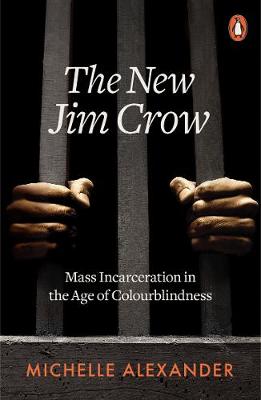
Finished: 23.06.2020
Genre: non-fiction
Rating: A
#20BooksOfsummer20
Conclusion:
This book was on my bookshelf for a few years.
But the cover was so confronting…I kept putting off reading this book.
Then the tragedy on 25 May 2020 in Minneapolis….happened.
As I listened to many experts discussing this crisis…
David Simon was interviewed.
A Former Baltimore Sun crime reporter, David Simon is is also the creator of both the Baltimore-based show, The Wire (2002).
Simon was asked what is the first thing US must do to start improving the systemic racism in USA.He was the ONLY person who mentioned: “Stop the war on drugs”.
That was the trigger to finally learn more about this strategy.
This is the emergence of a new caste system—a system of social excommunication that has denied millions of African Americans basic human dignity.
“The New Jim Crow” is an eye-opener….#MustRead.
#20BooksOfSummer20 Democracy In Black
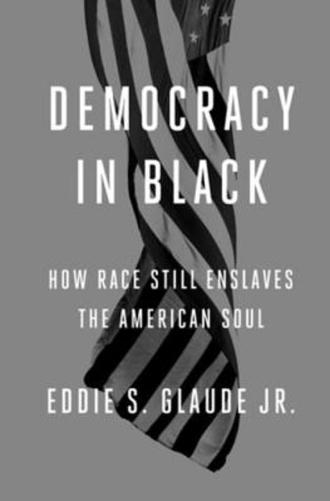
- Author: E.S. Glaude jr.
- Title: Democracy in Black: How Race Still Enslaves the American Soul
- Published: 2016
- List of Challenges 2019
- Monthly reading plan
- #20BooksOfSummer20
- Finished: 17.06.2020
Genre: non-fiction
Rating: B+
Conclusion:
For some...
….not a lot of groundbreaking information on
…American race problem (lackluster scholarship).
For others…
The history of the United States is usually
taught in school from the perspective of the dominant white culture.
The lessons lay out some of the struggles,
… but without fully explaining the causes
…particularly the racist policies and actions of the U.S. government.
Books about black lives (including this one) can be eye-openers!
It just depends what you’ve been taught or experienced.
#20BooksOfSummer20 D’un cheval l’autre
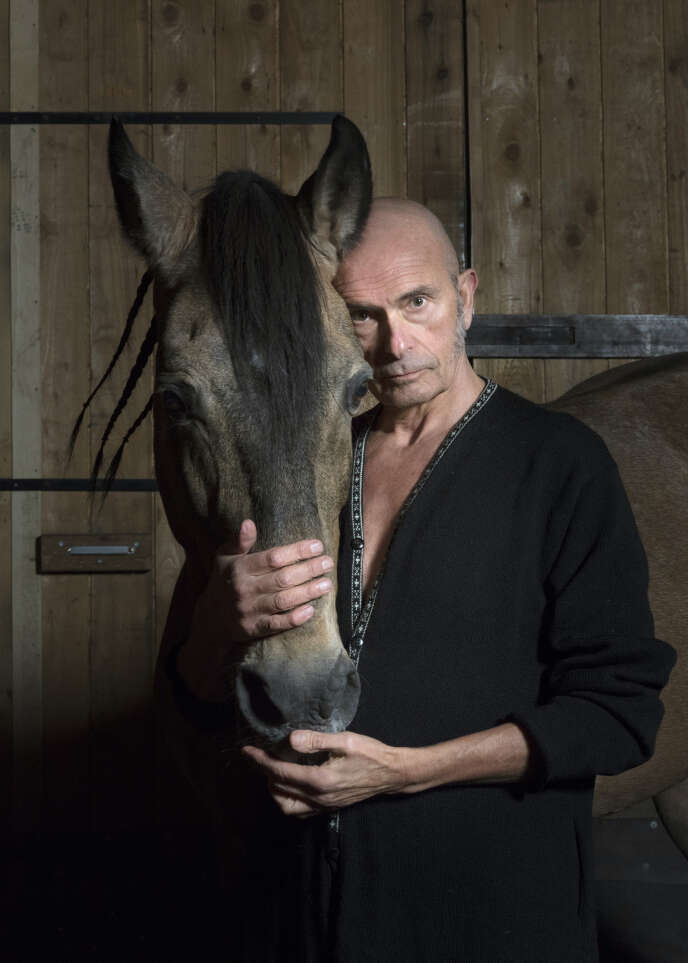
- Author: Bartabas (Clément Marty) (1958)
- Title: D’un cheval l’autre
- Published: 2020
- Language: French
- #20BooksOfSummer20
- Bartabas is the performing name of the internationally
- acclaimed French horse trainer, choreographer, artist,
- film producer and director.
- In 1984, he founded the Famous equestrian performing show, “Zingaro”.
- Zingaro, the Italian word for Gypsy, is the name
- given to Bartabas’ first own cherished horse, a spectacular Friesian,
- NB: ...YES!! This breed is from Friesland, The Netherlands where I live!!
- whom he owned for more than 20 years and who also was the first star of his show.
- What a beauty !

Bartabas is considered one of the most talented trainers currently living.

- In choosing performers and horses,
- Bartabas seeks personality more than mere skill.
- “I meet horses and respond to their charm.
- In 2002, he founded the Academy of Equestrian Arts in the Grand Ecurie (stables)
- of the Palace of Versailles in order to ensure the continuation of the art.
Conclusion:
- For the first time Bartabas tells us about the horses who touched his life.
- Bartabas traces his memoires with “la pointe du cœur”. (…from the heart)
- …a text filled with passion and poetry!
- The horses are called…..
- Zingaro, Quixote, Dolaci, Felix, Horizonte, Le Caravage and many more.
- I opened this book with some trepidation.…
- I know at a certain time
- …a owner must say goodbye to a beloved animal.
- Let me assure you
- …Bartabas describes even this phase in the life of his
- horses with a delicacy that will not break your heart
- ….it will uplift it!
- #CoupDeCoeur (…this book is a delight!)
Last thoughts:
- Words: There is a whole new vocabulary about
- …all things horse...I had to look up.
- That made reading feel slow…stop and go.
- Chapter Chaparro included the description of
- …a horse being brought to the abattoir.
- I skipped this one, no need to read that.
- Descriptions: there are many paragraphs in which
- Batabras poetically describes the movements of the horse
- during its training. It is nice, but after a while it loses something.
- Intimate: chapters are all love letters to his beloved horses.
- Lesson learned from Batabras about horses:
- “Horses are not born just for someone who wants the perfect horse.
- One must try to reveal the treasures they conceal
- …and even celebrate their faults.” (pg 51)
- The author adds: “…this is my approach to horses and people.”
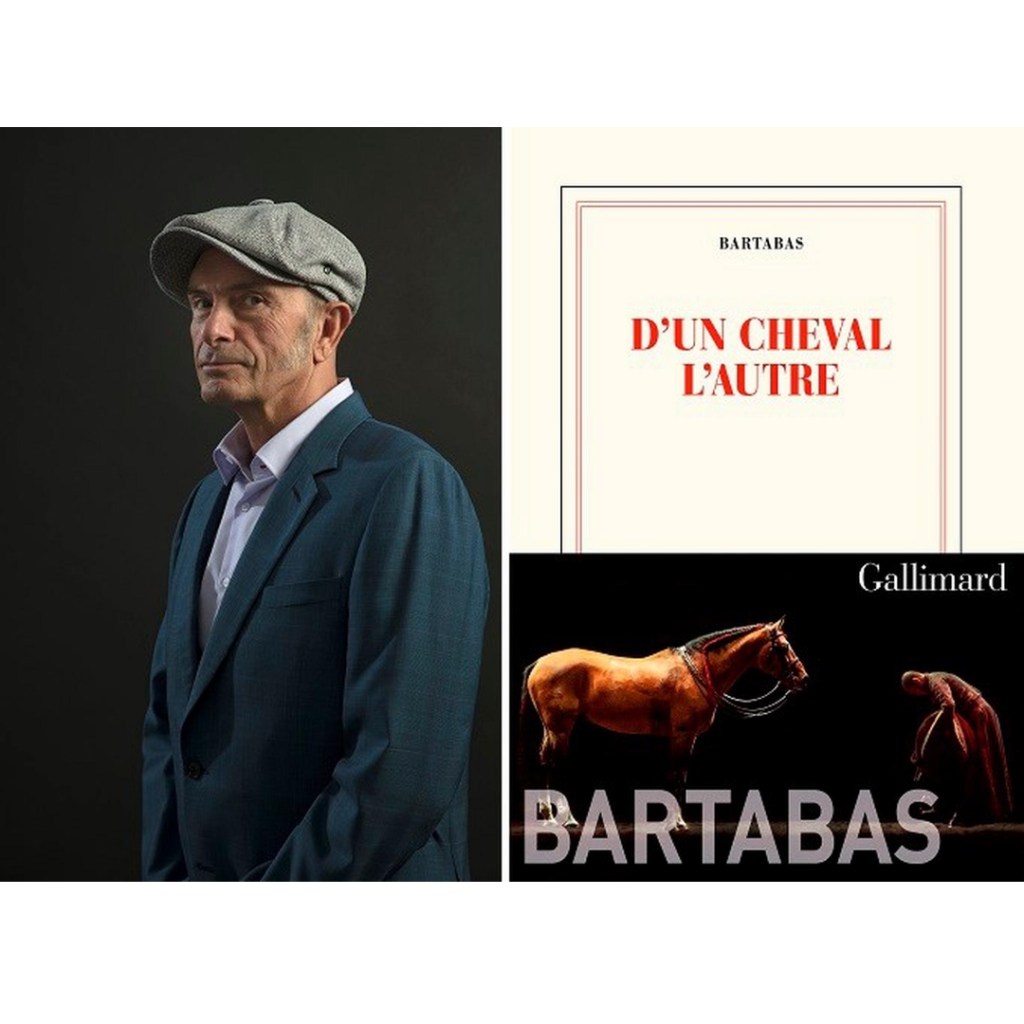
#20BooksOfSummer 2020 Reading List
 Sunrise 25 May 2020, Leeuwarden The Netherlands
- #20BooksOfSummer hosted by Cathy
- Blog: 746books.com
- I selected books that
- …I REALLY REALLY want to read.
- List of Challenges 2020
- Monthly reading plan
- #20BooksOfSummer20
Here is my reading list:
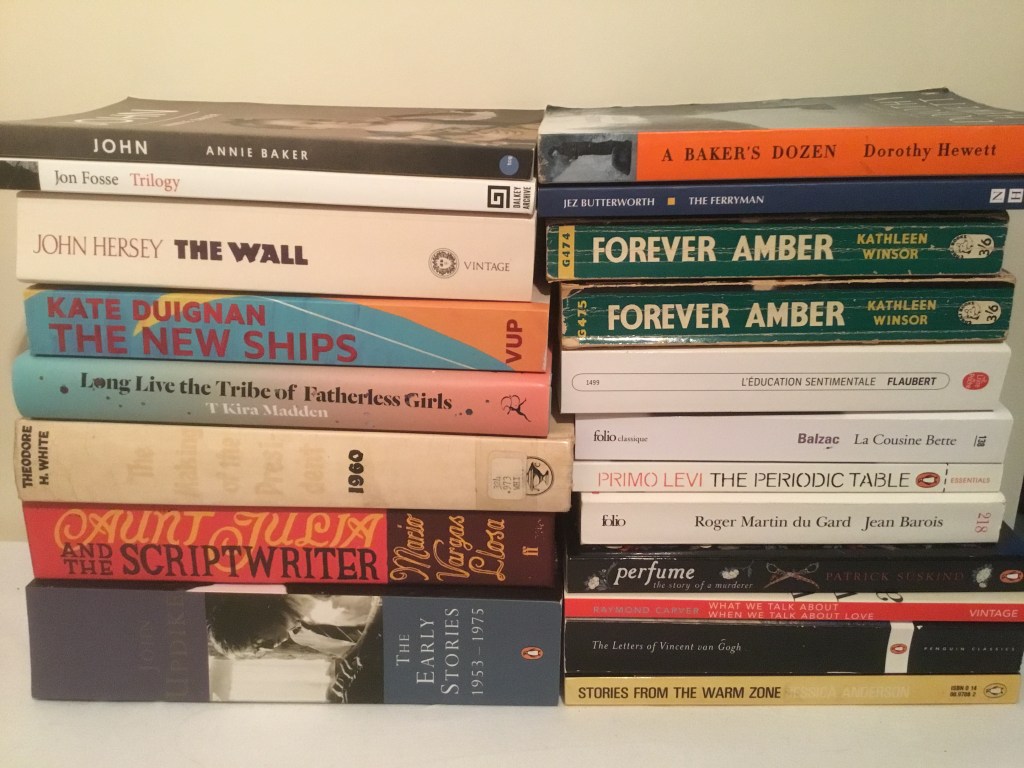
Update: 30.05.2020 L’Éducation sentimental – G. Flaubert – DNF
I tried to read L’Education Sentimental…got through part 1 but had to stop.
The heart of the novel is the love affair between Frederic and Madame Arnoux, a fictionalized version of the relationship between the young Flaubert and Elisa Schlesinger, the wife of a well-known music publisher, who is the prototype for the art dealer Monsieur Arnoux.
The reading in French is not the problem…I just cannot concentrate on this simple story while I see the news and watch the USA in chaos. It is just awful. Pandemic, skyrocketing unemployment and now race riots. To make matters worse…Trump is tweeting messages to incite violence. Twitter has hidden 2 of his tweets glorifying violence! I cannot believe this is the most powerful man on earth! (…end of rant, time to start dinner!)
Update: 18.06.2020
- Tears We Cannot Stop – M. Dyson – Review
- The Accidental President – A.J. Baime – Review
- Democracy In Black – E. S. Glaude jr. – Review
- Jean Barois – R.M. de Gard – Review
- D’un cheval l’autre – Bartabas (Clément Marty) – Review
- How To Be An Antirascist – I.X. Kendi – Review
 NancyElin.blog