
Position Doubtful

Tanami Desert Australian Sunset
- Author: Kim Mahood
- Title: Position Doubtful
- Published: 2016
- Genre: autobiography
- Trivia: (NT) #AusReadingMonth @Brona’s Books
- Trivia: #AWW @AusWomenWriters
- Trivia: List of Challenges 2017
- Trivia: #NonFicNov
- Trivia: #WorldFromMyArmchair challenge 2017
- Trivia: Position Doubtful was shortlisted for the
- 2017 Victorian Premier’s Award for non-fiction
- 2017 National Biography Award Australia and
- 2017 WON Australian Book Industry Award for the Small Publishers’ Adult Book of the Year.
Title:
- The book is named after a term Mahood came across
- …in her father’s account of his expedition
- across the Tanami Desert in 1962.
- He observed that the only landmark marked anywhere near his route
- …was marked Position Doubtful.
Kim Mahood:
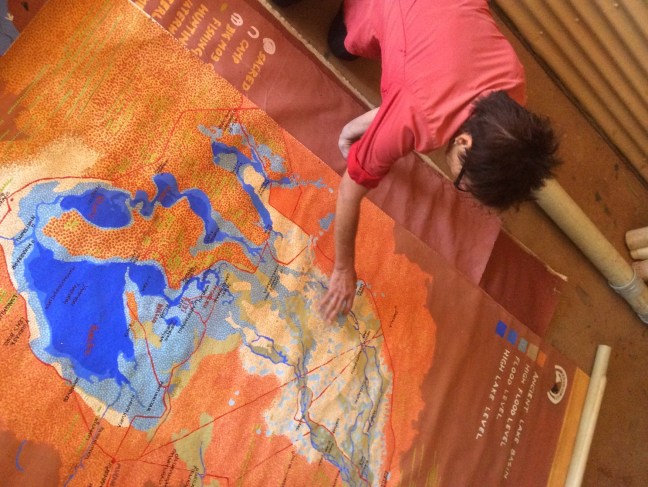
Kim, daughter of a Tanami rancher…
- grew up in the region of Tanami Desert
- …on a cattle station in East Kimberley.
- She was raised in part by Aboriginal people.
- She has a distinctly different and deeper relationship
- with the community here…
- living and working in Mulan for three months out of the year.
- Mahood has been painting a set of very large canvases
- that are at first simple topographical maps of the land.
- The maps are both works of art, but also
- documents that can help influence politics and policies.
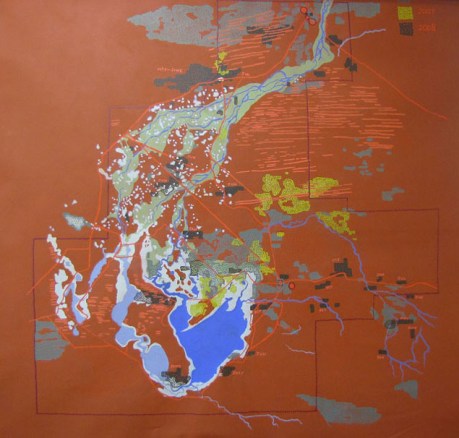
In this book Mahood takes us with her as she returned for
- 20 years to a remote pocket of inland Australia that extends
- across the Tanami Desert to the edge of East Kimberley.
- A one time pilgrimage to the country of her late childhood has
- morphed into yearly field trips with her artist friend Pam Lofts.
- “We were like migratory birds, driven to return year after year.” (pg 290)
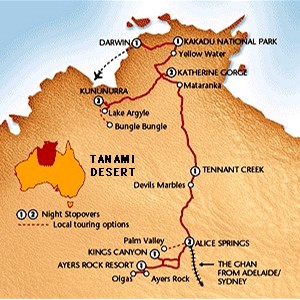
There were very arcane chapters in which Manhood explains
- how she uses archaeological grids as an intermediary between
- her map making project and observance of aboriginal paintings.
- She learns to read the desert landscape with skill.
- Mahood uses these skills to give her maps and paintings the
- visual shimmer of the desert breathing the Aboriginal essence into her works.
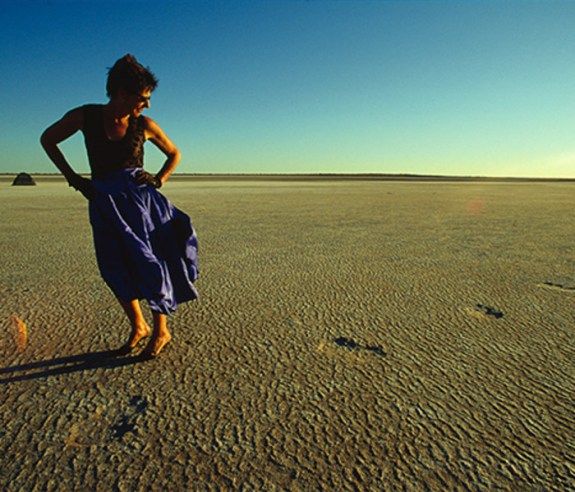
On a personal note….Mahood touchingly reveals her grief for
- friend Pam Lofts as she dies from MND (Lou Gehrig’s disease).
- She describes the map of their friendship.
- Mahood’s also makes peace with dog ghosts
- — Old Sam who made the first pilgrimage,
- Slippers for seven trips and now her pal Pirate.
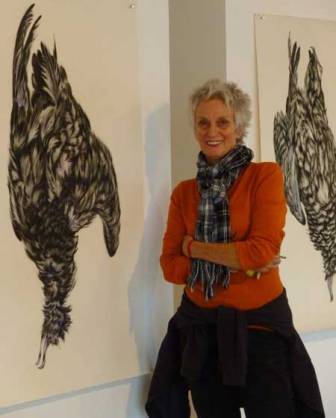
The best chapters are the last 3:
- Requiem
- Unstable Horizons
- Undertow
- …just because they are so personal. (pg 286 – 339)
Last thoughts:
- This was a very informative but more importantly moving book.
- Kim Mahood can PAINT and WRITE !
- It is a combination of Jung and Geography
- It confirms what I also feel
- ….place, memory and emotion are inextricably linked.
- Bravo…Kim Mahood
- #MustRead or #MustListen audiobook.
- PS: For @Brona’s Books
- …I learned another word that pops into my head
- ….when I think of Australia: “the cockroach bush!”

A Town Like Alice
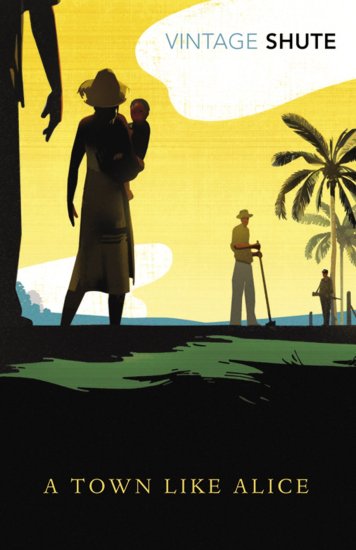
Author: Nevil Shute (1899-1960)
Title: A Town Like Alice (1950)
Genre: fiction (Australian classic)
Trivia: (NT) #AusReadingMonth @Brona’s Books
BINGO COMPLETED!! I went ‘the whole hog’ !!
- If you’re feeling a little touched by the sun, then
- …the Whole Hog may be for you.
- Read NINE books this November from all of the 8 states and territories
- …plus one freebie.
- The FREEBIE can be any book by an Australian author or
- or a book written by an overseas author but set entirely in Australia.
Introduction:
- Noel Strachan, an ageing and widowed solicitor,
- …had almost forgotten his client Douglas Macfadden
- …when in 1948 he received a telegram announcing his death.
- Strachan becomes trustee to McFadden’s niece Jean Paget
- who has inherited quite substantial sum from her uncle.
- The real story swings into action:
- Jean’s WW II experiences in Malaya and
- …what takes her to Australia is as much a
- …surprise for her as it is for the reader.
Conclusion:
- This was a delightful story.
- Jean’s work in England as a typist, her hardships during the
- WWII and most of all her adventures in Australia.
- It is a war story, a love story and how one person can change a town.
- I followed Jean Paget’s journeys on a map…
- flying from Darwin to Alice Springs to Carins and back in a Dragon!

- Reading A Town Like Alice felt like a road trip ‘in a road trip’
- Title: the only reference to it is in chapter 10.
- A book should whisk the reader on a ‘magic carpet’ to far off places.
- After reading A Town Like Alice I would love to visit Brisbane.
- Carins, Alice Springs and if I really could dream….
- visit Green Island where Jean and Joe
- …finally pledged their love for each other.

Last thoughts:
- I’ve read 3 books by Nevil Shute… (all during past.. #AusReadingMonth )
- On the Beach (1957)
- Trustee from the Toolroom (1960) and
- A Town Like Alice (1950).
- I saved the best for last!
- #GreatAussieRead
- #Inspiring
A Boat Load of Home Folk

Winslow Homer
- Author: Thea Astley (1925-2004)
- Title: A Boat Load of Home Folk
- Published: 1968
- Genre: social satire
- Setting: Coral Sea Island
- “…it was Maugham country” (tropical setting)
- “…Everything was Gauguinesqe.”
- Timeline: 48 hours
- Weather: “..it rained hammers of wet.”
- Trivia: #AWW AusWomenWriters
- Trivia: List of Challenges
Conclusion:
- The book recounts the effect of a hurricane on a group of Australians
- …stranded on a Coral Island.
- Love, infidelity, passion and prejudice
- …all come together in the ‘eye of a hurricane’.
- The plot is cleverly set within the saying of the Mass by a local Catholic Bishop.
- The characters are overwhelmed by their sinful unworthiness.
- “Domine, non sum dignus…” (Lord, I am not worthy…).
- Astley left the Catholic Church…..but she is not without God.
- She show us how her characters (…as well as Astley)
- found God outside of Christian practice.
- Thea Astley is blessed with a ‘nose for the lurking detail’.
- That is what makes her writing so exceptional in my opinion.
- What is unique about Astley was her readiness to take a side track.
- Her satire about the ‘steamy’ side of the Catholic clergy’s sexual urges
- ….that we now know more of… is bold!
- Priest Father Lake is just bout to ‘crack’ under the oppressive heat and his vocation.
- “…he could observe tantalizingly the brown John Terope (house boy)
- …padding between the lime trees towards the water tanks behind the school.” (pg 27)
- Even in the 1960’s Astley could see how it all
- tied up and was not afraid to publish it in her books!
- Tone: biting satire
- Astley criticizes the Catholic belief system…yet again!
- She exposes the weaknesses of the church adherents and the
- …bishop is very unsympathetic
- …and there is nothing ‘divine’ about him!
- #MustRead
- … Astley is a master writer!
Don’t you wish you could write like this?
Marriage:
- The bliss flaked off within months and there they were…
- the contestants, one battered, one victor…
- and the ropes sagging all around the ring.” (pg 60)
Lover:
- “Taking a lover was no more to her than…
- …an after work gin …” (pg 75)
PS: One of my favorite images:
- Miss Paradise and Miss Trump..
- …genteel ladies trying to graciously climb into a dinghy to go ashore.
- Astely captures this perfectly!
- “…the orgy of leg and thigh and overbalance…” (pg 16)

C.J. Dennis
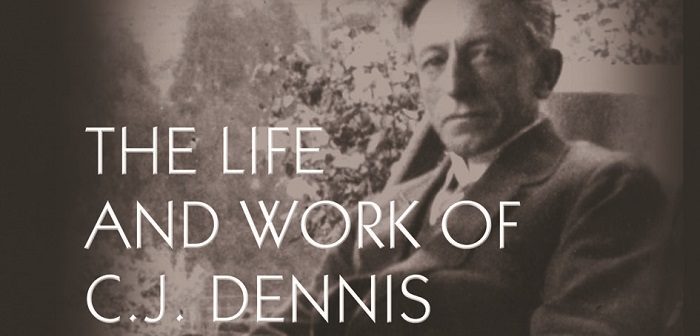
Author: P. Butterss
Title: The Life and Works of C.J. Dennis
Published: 2014
Trivia: (SA) #AusReadingMonth @Brona’s Books
Trivia: Winner National Biography Award 2015
Trivia: #NonFicNov
Trivia: List Reading Challenges 2017
Who was this man?
- C.J. Dennis (1876-1938) was an Australian poet known for his
- humorous poems and also his politically tinted verse about topical subjects.
- He is considered among Australia’s most famous poets. (…with H. Lawson and B. Paterson)
What are the main characteristics of his writing?
The essential ingredient was the reader’s emotional response.
His poetry was easy to understand and beneath the slangy twang
1. rolling rythm – rhyme
2. street slang
3. stage cockney
4. phonetic spellings
Best chapter:
- Best chapter 6:
- In this chapter we learn more about the poet’s, subtle meanings …..very insightful.
- Other chapters are awash with names of Dennis’s
- literary circles ( Sunnyside, Melbourne).
Title:
- Dennis wrote about a ‘sentimental bloke’…but he wasn’t sentimental at all.
- Throughout his career he was a hard-nosed business man.
- He does not want to advertise his change of political views
- ….it may annoy his readers/sales.
- The author everything to make sure his books were a ‘marketing success’.
- He asked the popular H. Lawson to write a foreward.
- He made his publisher agree to print his book BEFORE Christmas (sales?) and
- …publish a small pocket edition of ‘The Songs of a Sentimental Bloke
- …so that families could send it to the troops fighting at the front WWI.
- The book would boost the soldier’s morale….and earnings for Dennis!
Timeline: 1920’s – 1930’s:
- Author started to drink heavily again
- suffered from periods of depression an asthma.
- C.J. Dennis was the unofficial poet laureate of Australia!
- But slang an dialect were becoming unfashionable.
- light topical verse (politically tinted) that filled newspapers
- was in decline.
Conclusion:
- I enjoyed this book….and it is a shame that C.J. Dennis is practically
- …an unknown by a large reading public outside of Australia.
- His books are on Kindle for a mere 1 or 2 euro’s….
- I bought them all!
Major works:
- Major work: The Songs of a Sentimental Bloke
- Dennis acknowledges class division
- and then goes on to minimize it in his poems.
- “…how life and love can be splendid for
- …the common bloke as for the cultured (pg 113)
- Dennis used the archetypal Australian male values of the
- bushman…and channeled unruliness into hard work for his family.
- Major work: The Moods of Ginger Mick
- Dennis brings the bush values into a city setting
- ‘Mick’ was also important helping a nation (Australia)
- grieve after losing so many soldiers in WWI.
- Dennis used the archetypal Australian male values of the
- bushman…and channeled a backstreet fighter (larrikin) into an Anzac soldier.
- Major work: Poem: Comin’ Ome Frum Shearin’
- Conflict:
- Man’s domestic duty to provide for his family VS
- The delights of a wilder and freer masculine life
- Attraction of drinking VS destructiveness
- Major work: Poem: The Play
- Humorous parody recognizable to anyone with the minimun
- knowledge of Romeo & Juliet…
- …don’t forget Mick Curio !
My Place
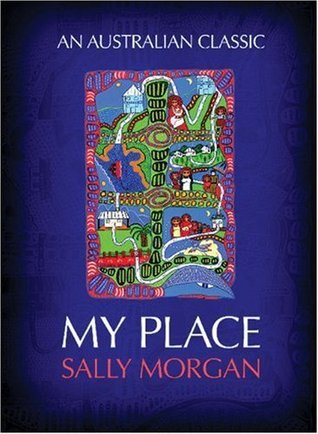
- Author: S. Morgan
- Title: My Place
- Published: 1987
- Genre: memoir
- Trivia: November Clean Up Challenge
- Trivia: (WA) #AusReadingMonth @Brona’s Books
- Trivia: List Reading Challenges 2017
What do we know about Sally Morgan?
- I knew nothing about Sally Morgan until I read
- Brona’s Books post in 2016 about her children’s book Sister Heart.
- Then I stumbled upon her simple poem Janey Told Me.
- In just a few words you feel something hidden…a stigma no one must know!
- During my weeks searching for books for #AusReadingMonth @Brona’s Books
- …I found myself curious about the plight of the Aboriginal race in Australia.
- So I decided to read My Place (memoir) by Ms Morgan.
- Brona tells us in her post:
- “Sally Morgan’s autobiography, My Place was
- one of the publishing super stories of the late 1980’s.
- Her story was fascinating but has since been
- …surrounded by various controversies and academic debates.”
Introduction:
- Sally Morgan tell us how she learned of her Indigenous Australian heritage.
- Morgan visits family, old acquaintances in the land of her ancestors.
- She tape-recorded the monologues of her relatives and they take over the narration.
Quote: pg 192
- Sally: I found out that there was a lot to be ashamed of.
- Mum: You mean we should feel ashamed?
- Sally: No, I mean Australia should.
Conclusion:
- This is one one of the first books written from the Aboriginal point of view.
- “No one knows what it was like for us.” (pg 208)
- People must realize that identity is a complex thing.
- Identity is often not fully dependent on
- …your culture or the way you look.
- Morgan’s family shame…
- was so strong that she had not been told she was indigenous.
- She was well into her teens when her mother admitted the truth. (pg 170-71)
- Sally Morgan’s book My Place was written 30 years ago.
- But is is still a very relevant
- She is an excellent storyteller…and her family history will touch a heart string.
- It touched mine!
Last thoughts:
- I started this book My Place yesterday in the train
- I never looked out the window because
- this story was very moving.
- The book really picks up steam in chapter ‘Owning up’ (pg 165).
- Pages 7-164 deal with Morgan’s childhood.
- Basic info…but not overly interesting.
- So you must decide is ‘skimming’ in the beginning
- …of the book is a good idea,
- Despite the slow start… the book engaged and entertained me
- ….that is what good books do!
The Hands

- Author: S. Orr
- Title: The Hands
- Published: 2015
- Genre: novel (pastoral)
- Trivia: November Clean Up Challenge
- Trivia: (NSW) #AusReadingMonth @Brona’s Books
- Trivia: List Reading Challenges 2017
What do we know about Stephen Orr?
- Stephen Orr studied ecology at university before starting to write fiction.
- He has taught Biology, Agriculture, and English.
- His most recent novel, The Hands (2015),
- describes a farming family trying to scratch a living from
- drought affected grazing country.
- Orr is a skilled analyst of small towns…vanishing part of Australian life.
Introduction:
- Setting: Australian cattle station
- 7 characters – 3 generations
- Structure: 3 parts
- Timeline: 3 years
- Grandfather: Murray, holder of the deed…no intention of selling his property
- Father: Trevor Wilkie, working cattle station… future he no longer believes in.
- Sons: Harry and Aiden, struggling to deal with their father.
Central question:
- Can these characters arise from a bad situation
- …to find the silver lining in the cloud that is death, drought, debt ?
Cover:
- The first thing I noticed on the cover is ‘An Australian Pastoral’.
- I don’t know what a ‘pastoral’ really means in literature.
- In this book a pastoral is simply and escape…place of retreat.
- Physical retreat (bush) for a simple way of life.
- Emotional retreat with 3 generations of men who have difficulty
- …communicating their feelings.
- Retreat: a place where on can explore the past (Murray the grandfather)
- …an imagine an alternative future (Trevor and his sons)
Theme:
- This is a redemptive story of men whose failures,
- accidental or intended, seem insurmountable
- ….but are resolved.
- Grandfather, son and grandsons grieve for the
- the loss of life (a grandfather, wife, mother)
- the loss of the rural working life
- the loss of the land.
- …and the difficulties of putting a self back together.
Conclusion:
- This was a good book…but not great.
- It did not sweep me off my feet.
- Perhaps other readers have a different reaction to this book.
- It was shortlisted for Miles Franklin 2016
- …so Stephen Orr must be doing something right!
Into the Heart of Tasmania
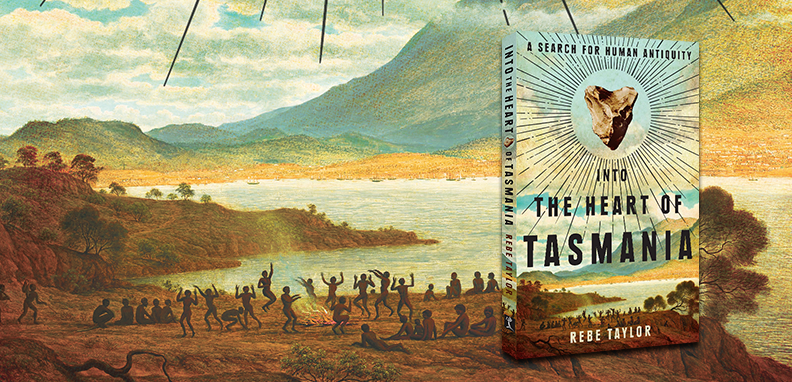
Title: Into the Heart of Tasmania (2017)
Author: Rebe Taylor
Genre: non-fiction; history
Trivia: (TAS) #AusReadingMonth @Brona’s Books
Trivia: #WorldFromMyArmchair Challenge (Tasmania)
Trivia: #NonFicNov
Trivia: #AWW @AustralianWomenWriters
- Trivia: Dr. Rebe Taylor is an Australian historian.
- Her book Into the Heart of Tasmania: A Search for Human Antiquity
- won the University of Southern Queensland History Book Award 2017.
Introduction:
- Into the Heart of Tasmania is a new history of Aboriginal Tasmania
- …the eccentric Englishman Ernest Westlake (geologist)
- ….and his hunt for man’s origins.
Who was Ernest Westlake? (1855-1922)
- English amateur scientist Ernest Westlake from about 1870 to 1920.
- The man who loved stones and the history they revealed!
- Westlake was officially a geologist… unofficially a self taught anthropologist
- The story of Ernest Westlake his collections is brought to life this book.
- I was most interested in what I could learn about Tasmania by reading Rebe Talylor’s book.
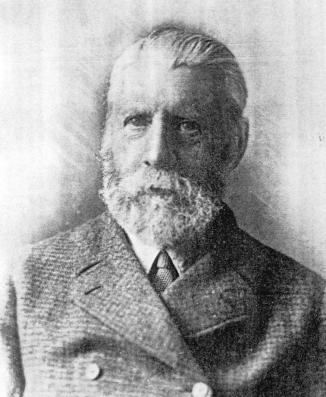
What did Westlake do?
- In 1908 E. Westlake packed a tent, a bicycle and forty tins of food and
- sailed from Liverpool to Port Melbourne Australia.
- He believed he found on the island of Tasmania the remnants (stone tools)
- …of an extinct race the Tasmanian Aboriginals.
- In the remotest corners of the island
- …Westlake did encounter via interviews
- ….the living indigenous communities.
Why were the Tasmanians so important for anthropology?
- The Tasmanians are believed to have been the most isolated race on earth.
- Their importance is their status as a cultural beginning.
- Because of their isolation and slow transformation
- …the Tasmanians ‘may have gone on little changed from early ages’ (pg 100)
What evidence do we have that the Tasmanian Aboriginals first human beings?
- Edward B. Tylor, ‘the father of anthropology’ after viewing an aboriginal stones
- …’the Taunton Scraper’ declared the Tasmanian Aboriginals as the ‘dawn of humanity.’

What was Westlake’s goal?
- Westlake wanted to rewrite history.
- In the process he finds and documents a living culture
- ...that had been declared extinct, Tasmanian Aboriginals.
Conclusion:
- I knew NOTHING about the Aboriginals or Tasmania!
- Strong point: Westlake lets the frontier violence done to the Aborigines
- seep through his anthropological journey.
- …(Risdon Cove Massacre, The Black War in Tasmania)
- I have never read about the injustice done to this race. #Shameful
- All in all did discover Tasmania….following Westlake’s journey on a digital map.
- Warning: Be prepared to ‘push’ through the first 50% of the book.
- I had to…. at times Westlake’s life back in England
- …was not so interesting after his return from Tasmania.
Structure:
- 1-8% – introduction to the man Ernest Westlake and his family and education
- 9-32% – described Westlake’s 1,5 year trip to Tasmania
- …Flinder Island and Cape Barren Island.
- 42-45% – Westlake’s return to England and his studies…and his death in 1922.
- 46-48% – Westlake’s Tasmanian stone collection and notes were now open to
- …Rhys Jones, University of Sydney earning his PhD in Tasmanian archeology (1966).
- 49- 57% The book gathers steam with the very interesting
- …escavations by R. Jones and his team (1965)
- Finally Dr. Rebe Taylor shines as she pulls all the diverse theories
- …together of past explorers into a ‘page turning’ last few pages!
- 57-100% – notes and other resource
Last thoughts:
- Rhys Jones the ‘cowboy archeologist’ once said:
- “Australian archaeological treasure is not gold or silver
- …it is time itself.”
- I thoroughly enjoyed this book despite a ‘few slow pages’.
- Dr. Rebe Taylor deserves
- …University of Southern Queensland History Book Award 2017
- Tasmania, the heart-shaped island, takes on a new meaning for me!
Dr. Rebe Taylor:

BTW:
I visited new museum websites:
The Grief Hole
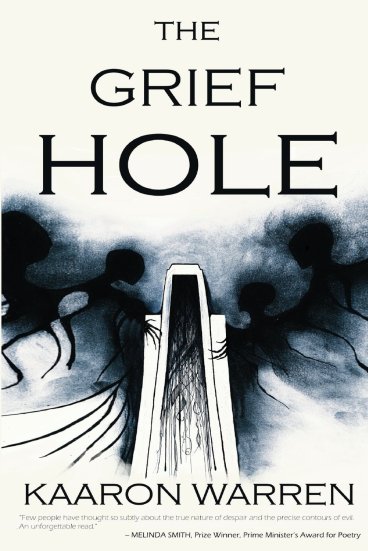
- Author: K. Warren
- Title: The Grief Hole
- Published: 2016
- Trivia: (ACT) #AusReadingMonth @Brona’s Books
- Trivia: #AWW2017 @AusWomenWriters
- Trivia: List of Challenges 2017
- Trivia: Won Best Horror/Paranormal Novel 2016 Aurealis Awards
- Introduction:
- Theresa helps to place abused clients in a safe house.
- She can see ghosts around the clients
- ….and the clients will probably die by their hands.
- She watches the ghosts...and she sometimes intervenes.
- Sometimes she does NOT intervene .
- …but makes small choices, small changes…..hoping it was enough.
- After an intervention Theresa
- ….suffers physical pain, headaches, boils, vomiting.
- Style: Novel’s most frightening elements remain
- unspoken…they lay beneath the surface.
- This is similar to the style of Shirley Jackson.
- Jackson said:
- “A story must have a surface tension which can be stretched
- ….but not shattered.” ( pg 483, Shirley Jackson: A Rather Haunted Life)
- Cover: One of Amber’s sketches is the book’s cover
- …what secrets does it contain?
- I see eyelashes (stripe lines) = sketch is Amber’s vision….what she sees.
- I stared long and hard….with a little extra distance and I saw
- Amber’s face!
- long open door in middle = bridge of her nose
- left: sweeping lines = eyelashes
- right: if you look there is a short white band that resembles an underlid of the eye
- pupils: use your imagination to visualize the white spaces about lids….as eye pupils
- black shadows = are coloring for eye sockets
- ….and the shadows take human forms
- …. as menacing ghosts tormenting Amber.
- …and IF YOU TURN THE COVER UPSIDE DOWN
- …do you see what I see?
- Fish: small fish can be seen in the ‘open space’ in bridge of the nose
- …this must be a connection to the sea, beach or drowning.
- This is just a guess ….!
- Questions: Warren uses the classic technique to
- …keep the reader gripping the book….a page turner.
- Warren drops clues…and we MUST know the answers.
- Warren makes us ask questions…
- Paranormal skills….is this a family ‘curse’ ? (Amber, Theresa, Prudence)
- …and the paranormal world
- Amber’s paintings changed radically a year ago
- …after Aunt Prudence has contact with Amber.
- …what happened to Amber?
- Clues: Aunt Prudence uses cryptic messages
- ….to make Theresa and the reader think and
- ….try to solve the puzzle.
- — Each monster has one way to die
- — Not all death can be seen
- — I see the victims…you see the monsters…her mother sees the shadows.
- — Every killing lays a curse
- Symbol: Balloons....what does Prudence mean to do with them?
- Aunt Prudence has grey ash….on her cheek….on her balloon
- …what does this mean?
- Sol Evictus ( Sun latin…or homonym for ‘soul’ )
- (Evictus = latin conquered)
- ….has something to do with the strange things in this book.
- Art Collection done by Amber….disappears!
Conclusion:
- I am not going to write more about this book
- ….you must discover it yourself.
- What I can say is…
- …this book is very good and the ‘bloody horror’ is NOT
- …over emphasized.
- Thank goodness from this faint-at-heart reader!
- The book is good enough to convince me
- to read more paranormal/horror fiction!
- That in itself is an achievement!
- I never gave this genre a chance.
- Kaaron Warren has a ‘position’ in paranormal/horror writing world.
- But I must admit Shirley Jackson still has a ‘presence’.
- Jackson is still queen of ‘shivers down your spine’
- Kaaron Warren won Best Novella Shirley Jackson Awards 2012
- …she is definitely a rising star!
Last thoughts:
- I’m not very much into junior fiction or YA or paranormal...but I just finished
- The Grief Hole (K. Warren) and am tempted to read more.
- At the moment I’m starting (…really going out of my comfort zone)
- Controlling the Elements (The Manipulator Series Book 1) by N.R. Spratlin.
- What does this book have that sends its readers into list of superlatives and ‘wow’s’?
- I aim to find out!
- #TakeAChance

True History of the Kelly Gang
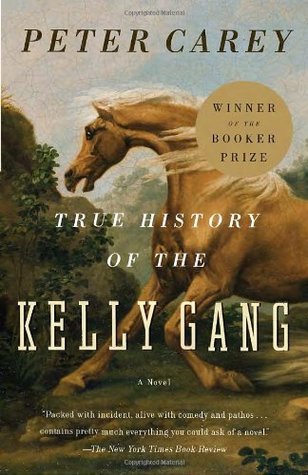
- Author: P. Carey (1943)
- Title: The True History of the Kelly Gang
- Published: 2000
- Genre: historical novel
- Trivia: Awarded Man Booker Prize for fiction 2003
- Trivia: November Clean Up Challenge
- Trivia: (VIC) #AusReadingMonth @Brona’s Books
- Trivia: List Reading Challenges 2017
Introduction:
- The book opens during the
- …famous shoot-out between Ned Kelly and the law
- that finally ended his years on the run.
- Told in first-person, from Kelly’s perspective,
- …the fictional work draws from historical accounts
- of the gang’s movements across the Australian bush.
Conclusion:
- The story is one long letter to Ned Kelly’s unborn daughter.
- Instead of a sequence of dated letters
- …Carey has divided the book into 13 parcels of manuscripts.
- Ned tells his story in his own distinctive style.
- There is little in the way of punctuation or grammar:
- “I said I were”… “effing, eff, “
- Weak point: It took time to get used to reading this!
- The language shows Ned’s lack of education and his Irish heritage.
- The narrative is fragmented jumping from one episode to another:
- highway robbery, horse theft, slaughter calf,
- ….buying dresses for sweetheart Mary Hearn.
- Strong point: Carey recreates the gritty realism of Australia.
- He fictionalizes the legendary, traditional story that concerns
- …the infamous bushranger Ned Kelly.
- A fun read for anyone who enjoys a lovable outlaw,
- …..or wants to learn more about Australia’s “Robin Hood.”



 NancyElin.blog