
- Language shapes our thinking.
- Indigenous languages see the world in particular ways.
- There are three stories:
- Poppy Albert – built a dictionary of his language
- Granddaughter August – returned home for his funeral
- Reverend Ferdinand Greenleaf – defender of
- ….“the decent Natives whom I have lived amongst”
6
Nov
#AusReadingMonth 2021 Cookbook nr 1
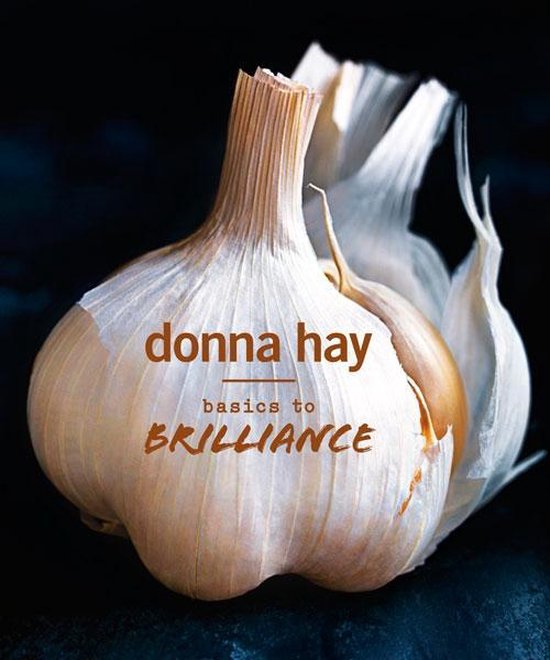
- Author: Donna Hay
- Title: Basics to Brillance
- Published: 2016
- Monthly plan
- #NonFicNov 2021
- #AWW 2021
- #AusReadingMonth2021 @bronasbooks
Background and authority.
- Donna Hay (1971)
- Author of 27 bestselling cookbooks
- Her books are known for their simple recipes
- …and beautiful photography.
Identify the intended audience.
- Foodies: love her recipes
- Professionals: irritated that this self starter has become rich and
- famous by peddling recipes that a child could master.
- Nancy: not one of Donna Hay’s fans…after reading her book!
Conclusion:
- Strong point:
- If you love beautiful food photography…this is you book.
- I am more interested in cooking….and not picture gazing.
- This coffee table size cookbook is not
- …something that is easy to use in the kitchen!
- Strong point:
- Ms Hay includes handy “notes” in each recipe.
- Weak point:
- Many recipes include references to basics…
- for example: chicken base soup “see basic recipe”
- or…basil pesto “see basic recipe”
- …but I wish she would include the
- page number where the reader can
- …FIND the ‘basic recipe”.
- I lost time and interest searching in this
- chunkster of a cookbook!
- Weak point:
- Buyer beware!
- ratio price/quality
- 36% of the book is filled with full page food photography
- 32% recipes (some were spread over 2 pages that easily could have been 1 page)
- 32 % miscellaneous – glossary, measurements, bio of Ms Hay, Thank-you note and index
- Weak point: personal note…all recipes are printed on black paper
- …depressing and difficult to read!
- Last thought: not recommended
5
Nov
#Novella nr 2: NovNov – AusReadingMonth 2021

- Author: Nigel Featherstone
- Title: I’m Ready Now (pg 156)
- Genre: novella
- Published: 2012
- Monthly plan
- #AusReadingMonth2021 @Bronasbooks
- #NovNov @746Books
- @bookishbeck
Quick Scan:
- Chapters 1-12
- Introduction characters and backstories
- …marriages, childhood, deaths, abandonment.
- Chapters 13-16
- The tension rises to a boiling point: Gordon (son),
- Mother and Levi (Gordon’s lover) are all about to make
- a life changing decisions but it
- …is unclear to the reader what that will be!
- Conflict: should mother just listen to her son’s plans
- …or try to stop him from making a grave mistake?
- Chapters 17 – 23
- The story reaches the climax
- ….during Gordon’s 30th birthday dinner celebration.
- Chapters 24 – 32
- The resolution…each character embarks on their own paths.
- ..and perhaps those paths will cross each other in the future
- ….at least Nigel Featherstone ends the book on an optimistic note!
- Conclusion:
- Ending:…feels like the sound of a bell ringing.
- #Bravo !!! Nigel!
- Strong point: Structure – Alternating narrator:
- ch 1 Son (Gordon) and ch 2 Mother (Lynne)…etc
- Strong point: Thoughts and inner dialogue
- 70% of the book is inner dialogue that
- raises the emotional level in every scene!
- It reveals the truth, the darkness, hopes and dreams
- …that are often lost in direct dialogue.
- Mother (Lynne) is worried about her son
- …but cannot let him notice her concern.
- Son (Gordon) feels his heart is torn in half.
- ..one part for his lover (Levi) the other part
- for his determination to continue with
- …the “Year of Living Ridiculously”.
Major theme: loss, abandonment
- In chapter 9 we hear Mother say words that left me puzzled.
- Gordon: “Is there anything you need while I’m up the street?
- Mother: “No, just make sure you come home.”
- Gordon “…of course I’ll come home…”
- Mother: “Than that’s all I need.”
- As you read Nigel Featherstone adds layers
- with backstories about the characters and their lives.
- Only then does this short dialogue between mother and son make sense.
Characters:
- Gordon (Donian, nickname) 29 yr, born 23 October 1981
- Levi Greenguard (Jewish social worker, Gordon’s lover)
- Mother (Lynne)
- Eddie (stepfather) – recently deceased
- Margie Ardmore (friend of Mother…feels like an aunt for Gordon)
- Patric Finn (…just mentioned as mother’s first love)
- Minnie and Lenah ( Gordon’s step-sisters)
- Ailis Kildare (Lynne’s mother, from Ireland, died in Hobart 62 yr)
- Father – (name?) died 6 months later
- Shanie Doyle – G’s childhood friend …followed him from Hobart to Sydney
- Delia Canola – Shanie’s fiancée
Best Quote: chapter 19
- “I think birthplace is a matter of DNA.
- You can try running from it….
- ….but it’s always in you, mapping you out.”
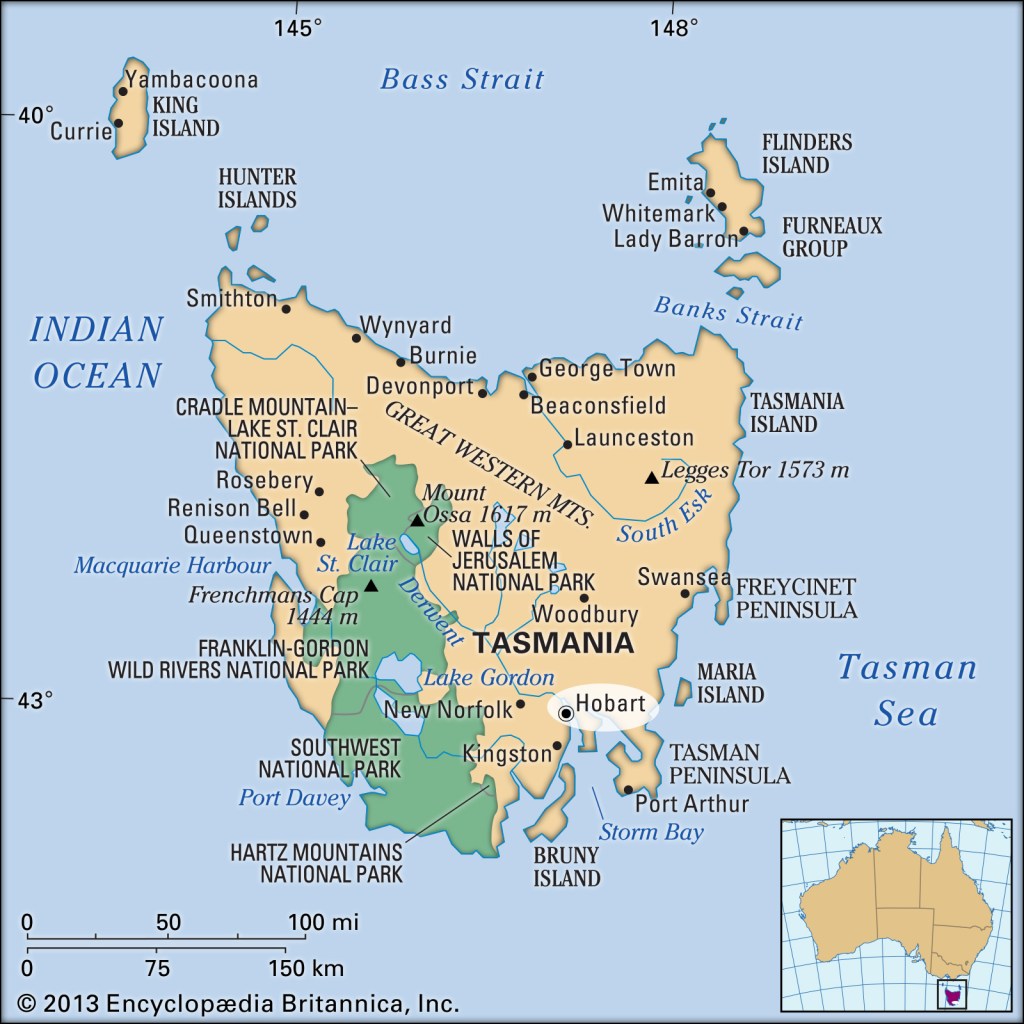
Locations:
- Mother takes a flight from Hobart, Tasmania to…
- Sydney – Gelbe, NSW (inner-city suburb) – Gordon’s appartment
- Convict-era cottage on 11 Union Street (polished doorknob) (backstory)
- Point Puer (place where Patric Finn made a film)
- Battery Point…where Shanie used to live
- Battery Point House – owned by mother Lynne
- Gleeson House (1839) (..the family home Hampton Road, Hobart)
- …is about to be sold at an auction…so Mother is visiting her son Gordon.
- Sydney apartment (Eddie’s place at Manly on the Corso)
Title: “I’m Ready Now”
- Ch 27 – quote … to bookend the story:
- Mother: “There’s a future in abandonment, so it seems.
- I’m ready for it.”
- Ch 30 – quote … as Levi leaves he says to Gordon:
- “marriage is not out of the question”..in the future.
- Levi calls for a taxi and says “Yes, I’m ready now”.
4
Nov
#Novella nr 1: NovNov – AusReadingMonth 2021
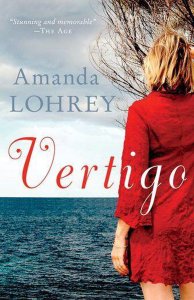
- Author: Amanda Lohrey
- Title: Vertigo ( pg 144)
- Genre: novella
- Published: 2019
- Monthly plan
- #AusReadingMonth2021 @Bronasbooks
- #NovNov @746Books
- #NovNov @bookishbeck
- #AWW
Introduction:
- Sometimes I search days for a good book
- …and sometimes one just falls into my lap!
- I ordered this book a year ago.
- This year for #AusReadingMonth I am determined to
- sweep through my Kindle TBR and read as many Aussie
- authors as I can.
- Also this review is ….for #NovNov @746Books
Conclusion:
- Veritigo is a stunner.
- Luke and Anna, thirty-something…. decide on a change.
- Worn down by city life they flee to a sleepy village by the coast.
- One senses that the change of living area is only nothing more than as escape
- for a couple who have difficulty communicating.
- The neighbours are strange but authentic.
- The problem is the drought.
- The book felt like a compact box of chocolates.
- I ate the first few bonbons (part 1) and
- as I continued to remove the layers (part 2) of paper
- only to come deeper (part 3) into an exquisitely crafted novella.
- Chocolate and this story are
- so addictive that one cannot stop reading/eating it.
-
“this book is unputdownable!”
- The last layer was one one the best descriptions I’ve
- ever read of a bush fire….incredible!
- #MustRead
- …absolutely a “coup de coeur”.
27
Dec
#Fiction The Yield
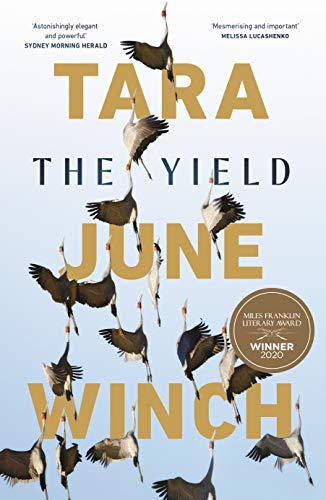
- Author: Tara June Winch (1983)
- Title: The Yield
- Published: 2020
- Genre: novel (42 chapters, pg 352)
- Winner of the Prime Minister’s Literary Award 2020
- Winner of the Miles Franklin Award 2020
- Shortlisted for the 2020 Stella Prize
- List of Challenges 2021
- Monthly plan
Quickscan:
Strong point:
- Each narrative has a distinct writing style…remarkable!
- The ways that the author uses words, sentence structure
- …and sentence arrangement all work together
- to establish mood, images.
Strong point:
- A sentence in chapter 6 struck a nerve.
- Thinking about all the people
- who have died in USA due to Covid-19.
- How the families must now cope with such grief and loss.
- …Ms Winch captures the moment for me:
- “…And just like that the home became just a house…”
- Albert: 40% of the book
- What does your this character want in the story?
- Determined to answer the call of the spirits (ancestors)
- …urging him to remember. (Prosperous Mission)
- – personal narrative about family told in the form of
- …definitions of aboriginal words.
- Rev. Greenleaf: 23% of the book
- What does your this character want in the story?
- Determined to set the record straight
- …as to what happened at the Prosperous Mission.
- Rev. Greenleaf mentions it was
- “not the sentiments that
- divided us…but the words.” (pg 148)
- Central in the book is the…
- importance of the Albert’s dictionary.
- August: 37% of the book
- What does your this character want in the story?
- Determined to honor her grandfather Albert (Poppy)
- …and save ancestral lands from a mining company.
Conclusion:
- To be honest….the book was OK.
- I enjoyed 2 narratives:
- Poppy’s dictionary and Rev. Greenblatt’s letters.
- August?
- Ms Winch writes with great insight of the
- unraveling of August…when exposed to loss.
- She has made some mistakes when her
- life seems to be careening out of control.
- But I felt the “unraveling” was a bit too lengthy.
- August keeps floundering around in their own distress
- …until chapter 33 when she finally decides to stay with her family.
- The last 9 chapters were full of action
- …and August’s new found purpose.
10
Nov
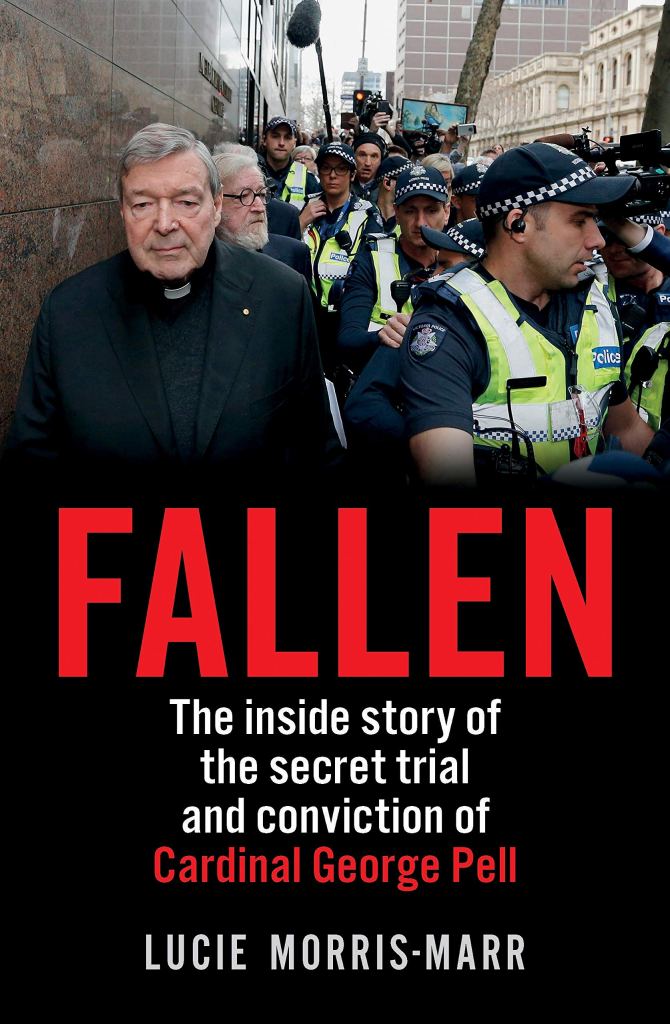
#Non-fiction Fallen
- Title: Fallen
- Author: Lucie Morris-Marr
- Genre: non-fiction
- Published: 2019
- #NonficNov
- #AWW2020 @AustralianWomenWriters
- Trivia: Walkley Award
Introduction:
- Lucie Morris-Marr is an award-winning freelance investigative journalist
- …who has covered the entire Pell case.
- The long-anticipated decision of the jury…what did they decide?
- Did Pell win the appeal?
- Did the verdict trigger a storm of feelings
- …among advocates and survivors?
Conclusion:
- I read Cardinal published by Louise Milligan in 2017.
- Ms Milligan peeled back the layers of George Pell’s life to reveal in detail:
- G. Pell’s youth
- the building of the case against…the cardinal from historical documents
- the cover-up by the Catholic Church concerning alleged child abuse by G. Pell.
- It was an impressive book and won
- ..The Walkley Book of the Year 2017.
Why is Ms Lucie Morris-Maar’s book different?
- Ms Morris-Marr continues the narrative where Cardinal ended
- …the inside story of the Pell trial.
- The “Cathedral Trial” started nearly 14 months after the cardinal
- was first charged for multiple allegations of child sexual abuse.
- A choirboy may have been a small, powerless adolescent soprano
- but his voice will resonate for years to come.
Last thoughts:
- Strong point:
- Ms Morris-Marr revealed her personal struggle (mentally and physically)
- while writing this book.
- Ms Milligan on the other hand… remained outside the narrative of Cardinal.
- Weak point: it is difficult to make a trial procedure exciting
- …only Helen Garner can do that!
- Personally, I enjoyed Cardinal: The Rise and Fall of George Pell
- more than I did Fallen.
- Ms Miligan’s book made my whole body go cold….
- Ms Morris-Marr’s book is seeking the extraordinary in the ordinary
- …a trial procedure: questioning witnesses, jury deliberation, mistrial and retrial.
- Weak point: Fallen – Ms Morris-Marr connects the dots of research.
- …but does not give me much emotion about the trial.
- Strong point: Cardinal – Ms Milligan creates with the help of
- research, observation, description and reflection
- an intense book…full blast… drama.!
- So, I don’t think Fallen will win The Walkley Award 2020
- ….my advice read Cardinal ….the winner of The Walkley 2017!
UPDATE: 10.11.2020
- Today an unprecedented report
- about Cardinal McCarrick of the United States
- who was defrocked of his red hat and
- …dismissed from the clerical state for
- sexual abuse and harassment was released
- in 2017 by Pope Francis I.
- Why so important?
- For the first time the Vatican is willing to confront
- the MISTAKE made by a pope and now saint, John Paul II
- in appointing Theodore McCarrick as Archbishop of Washington DC in
- 2000…and a cardinal the following year.
- Mea culpa, mea culpa, mea maxima culpa!
Timeline:
- 29 June 2017 – Victoria Police announced they were charging Pell with a series of sexual assault offences with several counts and several victims.
- 1 May 2018 – Pell was committed to stand trial on several historical sexual offence charges.
- August 2018 – The Cathedral Trial …for the allegations of misconduct in St Patrick’s Cathedral.
- 13 March 2019 – sentencing Pell to serve 6 years in jail Pell was also registered as a sex offender.
- 21 August 2019 – the Court of Appeal issued its ruling, which upheld the conviction.
- January 2020 – special leave to appeal Pell’s conviction should be overturned.
- 7 April 2020 – the High Court unanimously granted leave to appeal, quashing Pell’s convictions.
- 14 April 2020 – it was reported that Pell was under a secret investigation by Victorian police regarding a separate allegation of child sexual abuse committed in Ballarat in the 1970s.
- October 2020 – allegations that €700,000 had been transferred from Vatican accounts to a witness against Pell. (Pay-Off??).
- “Vatican categorically [denied]” interference in the trial of Pell.
- Hmmm, I wonder….
21
Jan
#AWW2020 Wild Sea: a history of the southern ocean
- Author: Joy McCann
- Title: Wild Sea: a history of the southern ocean (258 pg)
- Published: 2018
- Genre: non-fiction
- Rating: C+
- Trivia: 2019 Australian Book Industry Awards (ABIA) longlist
- List of Challenges 2020
- Monthly plan
- #AWW2020 @AusWomenWriter
The Southern Ocean:

- Solo sailors call it ‘the South’, as if to emphasize its alien difference.
- The Southern Ocean is a place most of us have never been to
- …and never wish to visit.
- It is a realm of cold grey skies and raging winds
- …that eternally circulate round the bottom of the world.
Antartic Circumpolar Ocean Current:

Ch 1 Ocean – continental drift
- Pangaea –> current pattern of continents –> creation of oceans
- The continents don’t change or move independently
- …but are transported by the shifting tectonic plates.

Ch 2 Winds
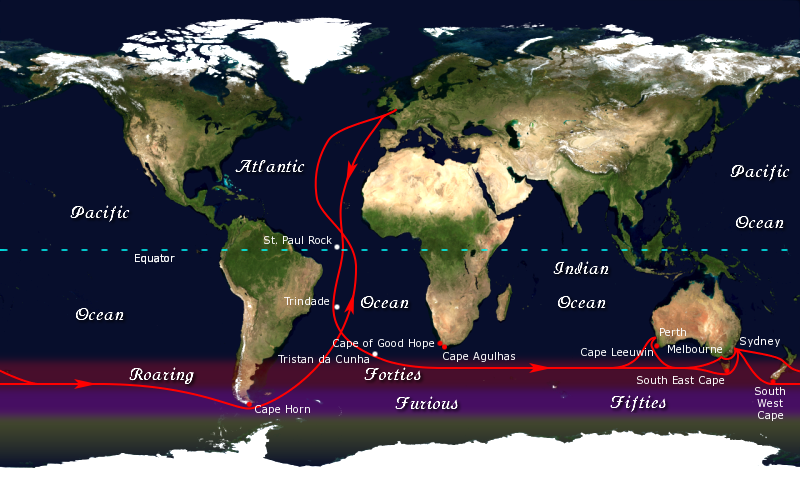
Clipper Route…. took advantage of the Roaring Forties and Furious Fifties winds….92 days London — Sydney 1862.
Ch 3 Coast
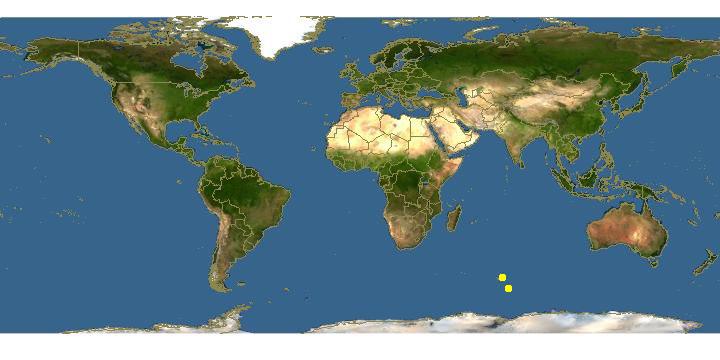
Located in the southern Indian Ocean off the eastern coast of Africa and just north of Antarctica are the Kerguelen Islands. A French territory, this island group (known as Îles de la Desolation in French) is considered to be one of the most isolated places on Earth. (…2 little white dots!)
Ch 4 Ice
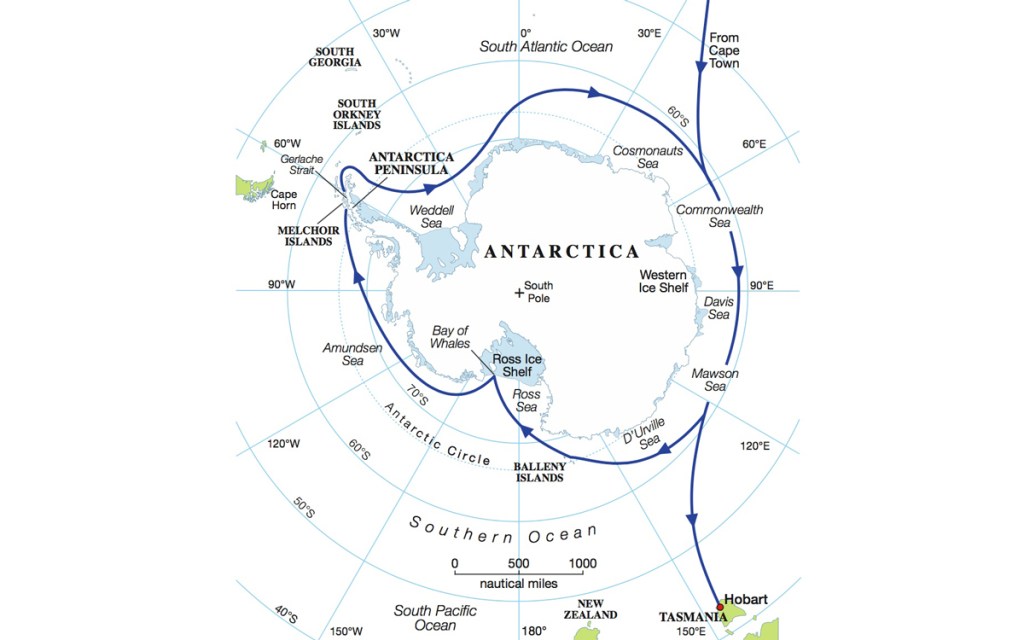
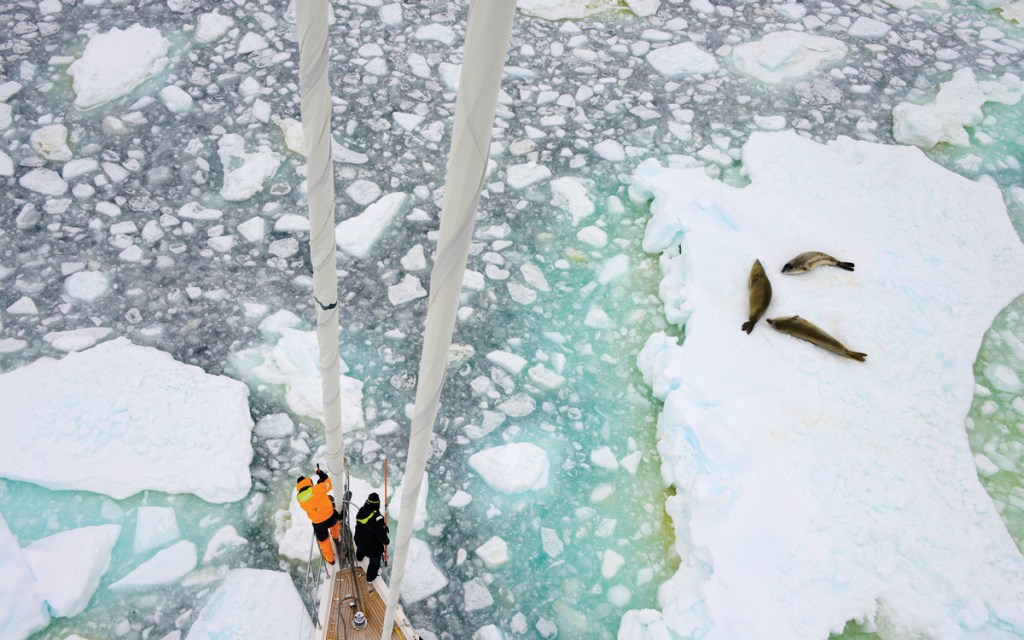
- To sail from the Southern Ocean towards the open waters of the Ross Sea you have to push through the ice a number of times….an ice barrier 100 miles wide.
- As the Southern Ocean is dominated by strong westerly winds it encourages a clockwise route.
- Antartica is only accessible for a few weeks in summer (January-February).
- By March ships risk being trapped in sea ice until the next spring.
- The ice begins to close in trapping you for the winter
- ….an experience no one is likely to survive.
Ch 5 Deep
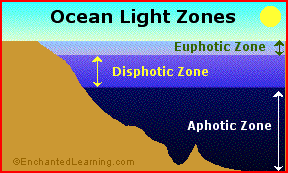
- The ‘twilight zone is formally known as the dysphotic zone.
- Below 1000 meters lies the midnight zone…complete darkness.
Ch 6 Current
- ANIMATION of Antarctic Bottom Water
- A remarkably detailed animation of the movement of the
- …densest and coldest water in the world around Antarctica.
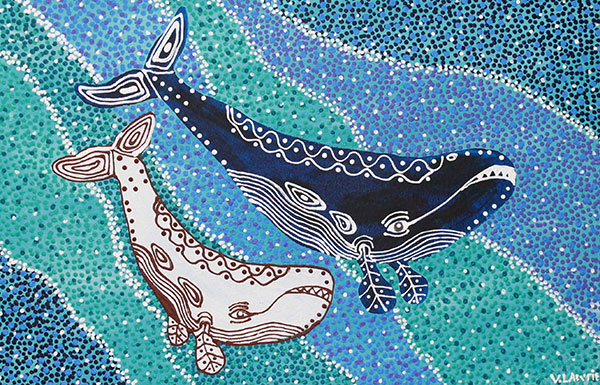
- The whale is the totem of the Mirning people (Ngargangurie)
Ch 7 Convergence
- The Southern Ocean is no longer simply a remote space devoid of human habitation.
- The Earth is dependent upon the ocean’s heartbeat of seasonal ice
- …its carbon-filled lungs and slow circulation of its deep currents.
- Ocean covers 80 per cent of the Southern Hemisphere.
- Australia sits at an ocean cross-roads.
- Changes in the southern oceans may also alter the
- ….climate processes that control rainfall over Australia.
- We need to understand the influence of the
- …southern oceans on climate and sea levels.
- This book is a good place to start!
- #Bravo Joy McCann

Conclusion:
- Detailing a mysterious realm that’s as vital to our existence as the air we breathe.
- Wild Sea: a history of the southern ocean
- is
- As the title says …it is a history
- …and Joy McCann uses many 19th C references.
- I must applaud the author because in her NOTES
- …she also includes many links to websites
- …(Kindle edition) with a trove of information.
- The only weak point in the book is
- ….I was always tempted to leave the text to often and explore
- the links she provided!
- PS: book contains some beautiful illustrations
- ….perfect viewing with Kindle!
- (…I never knew an albatross could be so big!! …see foto)
- Reading tips:
- Roving Mariners: Australian Aboriginal Whalers and Sealers in the Southern Oceans (2012)
- Slicing the Silence: Voyaging to Antarctica – T. Griffiths (2010)
23
Dec
#AWW 2019 True Stories
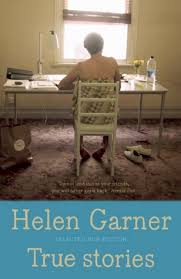
- Author: Helen Garner
- Title: True Stories
- Published: 1996
- Genre: essays
- Rating: A+++++
- List of Challenges 2019
- Monthly plan
- #AWW2019 @AusWomenWriter
Conclusion:
- Yet again, another Helen Garner book
- …that I did NOT want to end!
- She is a magnificent wirter and I am
- glued to the page with the vivid details she provides.
- I kept this book under my pillow (IPod audio book)
- to transport me to the ‘reading room’ between
- being awake ….and asleep.
- Some stories I had to listen to twice
- …fell asleep before the ending.
- Who does not wake up at 3 am sometimes for no reason?
- This audio book was the perfect ‘sleeping pill’.
- Helen Garner’s voice is soothing and you drift off quickly.
Last thoughts:
Favorites:
- Selections about her sisters
- Cruising on Russian ocean liner
- Five train trips in the region of Melbourne
- Stories about authors, Patrick White and Elizabeth Jolley
- The Insults of Age
- Marriage
- Death
- Labour Maternity Ward, Penrith
- These are only a few that really impressed me.
- One story I started but could not finish:
- Killing Daneil.
- Garner is known for her true crime books
- …and this story was just too distressing (child abuse)
- So, you are warned….you can just skip it…as I did.
- Helen Garner delves deeply into a crime
- so vivdly it is impossible to read….and I imagine
- just as hard to put on paper.
- It is an extraordinary way of writing.
- She has to take care that
- ..she is not “drawn into the darkness”
- …of the subject she is writing about.
- Her books, for example This House of Grief
- have taken an emotional an
- physical toll on Helen Garner.
#MustMustRead
- A book to read leisurely….
- that stays with you for a lifetime.
17
Dec
#AWW 2019 Drylands
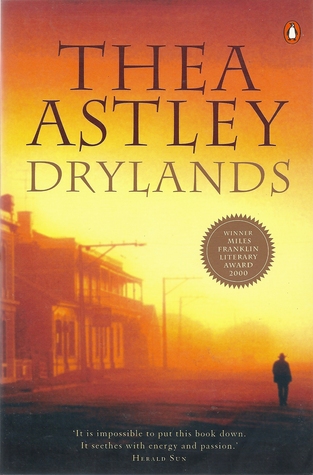
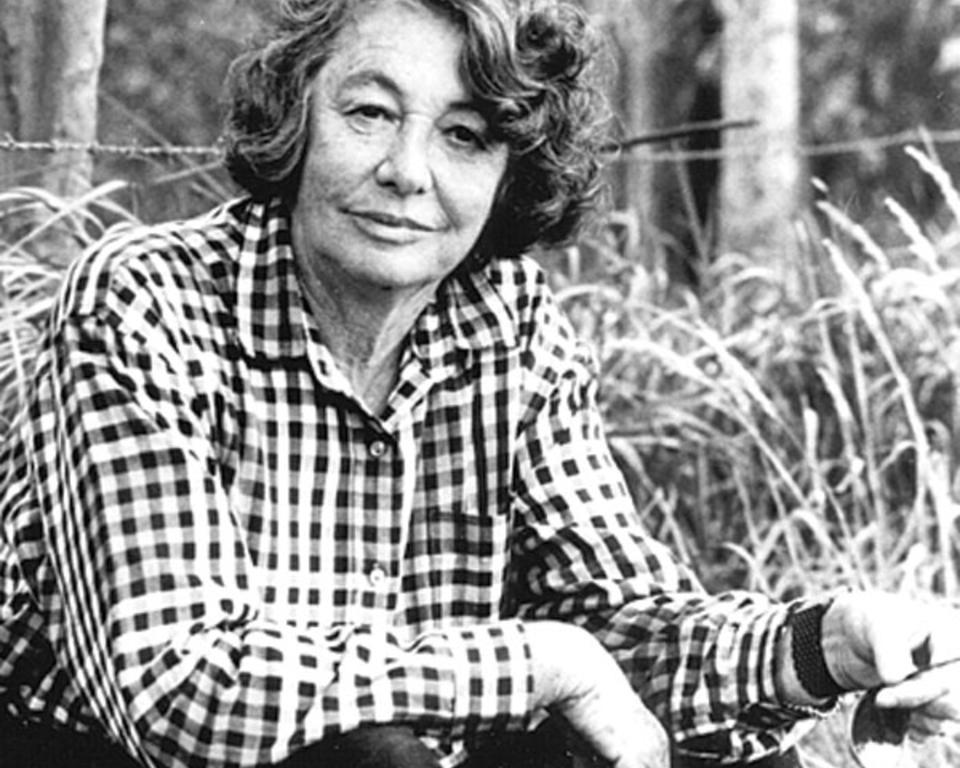
- Author: Thea Astley (1925-2004)
- Title: Drylands
- Published: 1999
- Genre: novel
- Setting: Drylands and nearby town of Red Plains
- Trivia: 2000 winner Miles Franklin Literary Award
- List of Challenges 2019
- Monthly plan
- #AWW2019
- @AusWomenWriter
Introduction:
- Helen Garner once said in an interview: ‘
- Not being able to read after cataract surgery for 10 days
- …..was unbearable”
- I know how she felt.
- Desperate to quench my reading thirst
- ….I’m listening to Drylands by Thea Astley. (7 hrs 17 minutes)
- Perhaps when I can enjoy better vision
- ….I will re-read the paperback version.
- Astely’s prose is worth savoring again.
Conclusion:
- In her flat above Drylands’ newsagency,
- Janet Deakin (voice of the author herself…)
- is writing a book for the world’s last reader.
- She describes a cast of oddball characters
- in the small bush town of Drylands.
- ...desperate housewife’s ‘Walk to Canossa”
- …unnerving bar noise ‘seeping in like conscience’
- …staring at the closed bar ‘the Legless Lizard’ with
- its door bolt ‘hanging like a limp hand’
- But the town is being outmaneuvered by drought
- and begins to empty
- “…pouring itself out like water into sand.”
- As Janet decides to sell her store
- “it wasn’t dust she wanted to shake off her feet
- ….it was memories”
- Last scrawled message on her desk: ‘Get a life…‘
- Her response: ‘Too late.‘
- These are just a few tidbits
- I remembered while listening
- to Thea Astley’s last masterpiece.
- #Bravo
16
Dec
#AWW 2019 Victorian Literary Best YA Novel
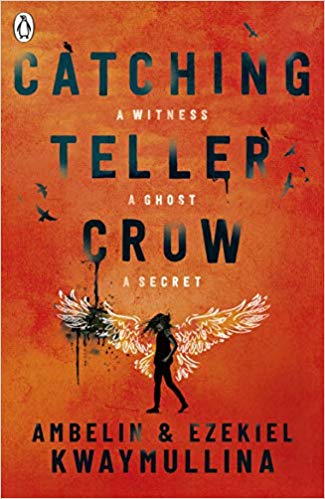
- Author Ambelin & Ezekiel Kwaymullina
- Title: Catching Teller Crow
- Genre: ghost story (speculative fiction)
- Reading time: 2 hrs 40 min
- Published: 2019
- List of Challenges 2019
- Monthly plan
- #AWW2019
- @AusWomenWriters
- Trivia: 2019 Winner Aurealis Award Best Young Adults Novel
- Trivia: 2019 Winner Victorian Premier’s Literary Awards
- Best Writing for Young Adults.
Introduction:
- A ghost girl who is staying with her father while he grieves.
- In doing so, she begins to help him with a murder mystery.
Hook:
- The hook is the concept that Officer Teller’s
- assistant while investigating a series of murders
- …is his daughter’s…ghost!
- Another hook is the witness’s statement that
- “This thing didn’t start with the fire…It started at sunset” (pg 24)
- And who is Tansy Webster and her angels? Wings flapping? (pg 94)
- Now readers are turning pages
- ….curious….tension!
Themes
- Loss of a loved one and the stages of mourning or
- …grief are overriding themes.
- Injustice towards the Aboriginal people
- …is also a strong theme.
Parallels: Mike Teller vs Derek Bell
- Both Officer Michael Teller (Beth’s Dad) and
- Officer Derek Bell grew up in small town and
- their fathers were also cops!
- Gerry Bell and Officer Teller sr.
Parallels: Father and daughter –> epiphany moments (pg 132)
- Both Beth (daughter) and Mike Teller (father) have
- epiphany moments:
- Beth realizes she does not belong here (with the living). (pg 130)
- Mike Teller realizes he is blaming himself
- …for an accident he could not prevent.
- He feels he failed his daughter.
- He was holding on to a burden
- …something that was not his to bear. (pg 133)
Contrasts: Father vs son (pg 132)
- Officer Michael teller does not want to be like his
- racist father. He was a police officer who did not do
- enough to protect the Aboriginals.
- Mike did not want to be one of those
- people who didn’t pay attention.
- Officer Teller took any injustice
- ….personally (wife was Aboriginal)
- when Aboriginals are not treated right.
Contrasts: Beth in “Catching Teller Crow” vs Else in “The Endsister”
- Narrator Beth is just about the same age as Else in The Endsister
- One is dead….one is still alive
- …one is cheerful….and one is confused, isolated.
- Beth shows no signs of ‘the teenage brain’ as did Else.
- It seems once you’ve died…all your problems disappear!
- ….mood swings, erratic behavior, ill-tempered….
- I will try to find a moment in Beth’s
- narration that shows her in a bad mood!
- Yes, she does cry….she had to make an important decision
- …about the colours.
Strong point: Beth’s ghost is Detective M. Teller’s assistant
- This is a great plot device.
- Beth can linger in places once
- her father has left to eavesdrop
- on suspects conversations and actions!
- #Clever
Strong point: Role reversal literary device (pg 11)
- “He and I were the reverse of each other:
- I couldn’t remember my death;
- Dad couldn’t remember my life…” (pg 11)
- Another role reversal….
- Dad was looking after Beth when his wife died.
- That had kept Dad going.
- Now Beth was looking after her Dad
- ….to keep him going. (pg 13)
Strong point: Writing style varies… for certain effects!
- Chapters about CATCHING...
- Isobel speaks in staccato sentences.
- Staccato sentences are short and often emphatic to
- focus the reader or listener on content.
- This technique borrowed from poetry intensifies
- Catching’s aboriginal storytelling…
- with base emotions….earthy!
- This conveys certain kinds of emotions in particular,
- namely fear, anxiety, anger, confusion and stress.
Strong point: Izzy’s storytelling
- These chapters are fun to read.
- You can lose yourself in them…
- let you imagination soar.
- I’m sure YA readers can find something
- in these tellings to hold on to.
- I enjoyed these next few lines:
- — Courage eats fear.
- — Joy eats sadness.
- — Choose the opposite of grey.
#NoWeakPoints !!
Conclusion:
- This was absolutely a stunning novel!
- I’ve never been so entertained reading YA fiction.
- I think the storytelling (Aboriginal influences) was spot on.
- But the most important part of the book for me
- ….was how people dealt with grief. (Officer Mike Teller)
- They say time is a healer.
- But grief is always in the hollow of your heart.
- It’s just waiting for something to shake it out.
- Beth was there to shake it out of her Dad.
- Because loss never really leaves you.
- Loss alters you.
- #MustRead….worthy winner
- Victorian Premier’s Literary Awards
- Best Young Adults Novel 2019
11
Dec
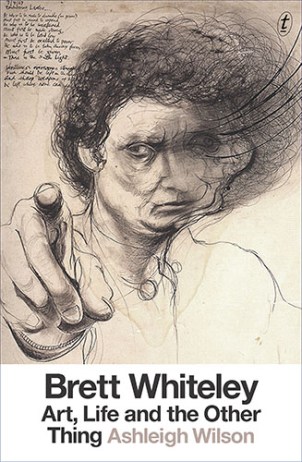
Brett Whiteley Australian Artist
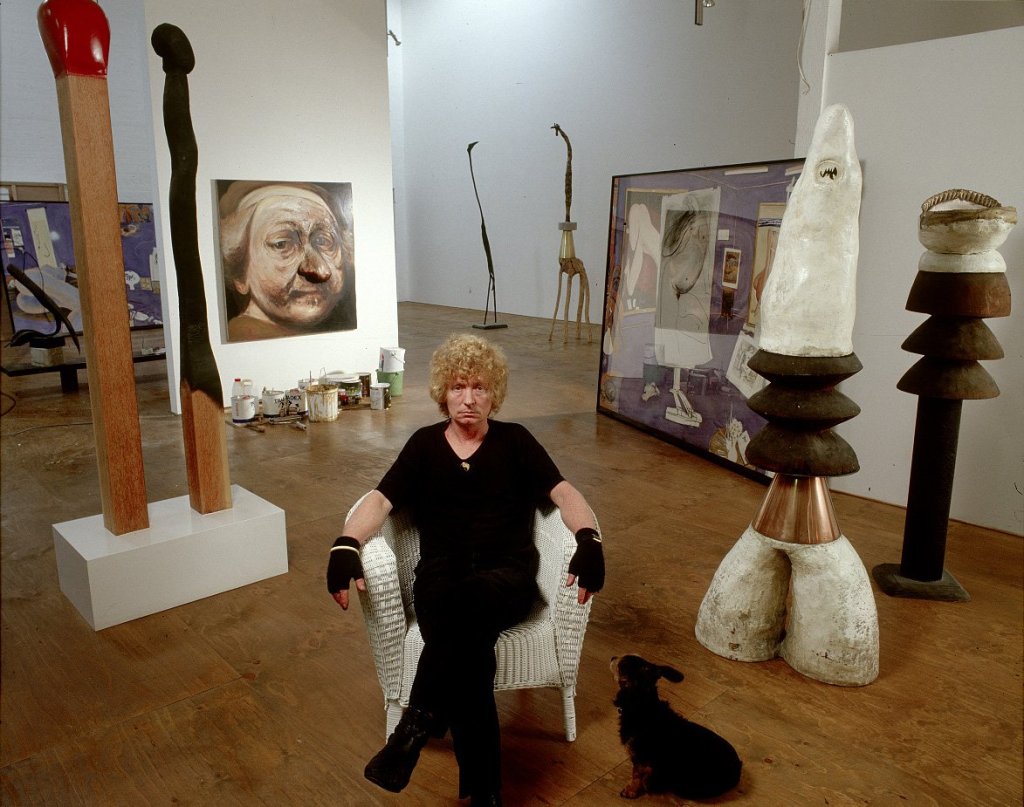
- Author: Ashleigh Wilson
- Title: Brett Whiteley: Art, Life and the Other Thing
- Genre: biography
- Reading time: 13 hours 25 min (audio book)
- Published: 2017
- List of Challenges 2019
- Monthly plan
- Trivia: #ABIA 2017 short list (Australian Book Industry Awards)
- @ashleighbwilson
- @artgalleryofNSW
- @ABIAs_Awards
Introduction:
- Of all the Australian painters who emerged during the mid
- 20th century Brett Whiteley was the (Wikipedia link for more info)
- most mercurial, the most ambitious
- to make an impact on the world at large.
- I had NEVER heard of Brett Whiteley
- …and realize it was my loss.
- Delighted to discover this brilliant
- biography by Ashleigh Wilson.
Brett Whitely:
- Born in Australia, Whiteley moved to Europe in 1960 determined to make an impression.
- Before long he was the youngest artist to have work acquired by the Tate.
- With his wife, Wendy (1941), and daughter, Arkie (1964-2001), Whiteley
- then immersed himself in bohemian New York.
- Despite many affairs…Brett proclaims that
- he and his wife Wendy “We’re lifers.”
- His art depended on his relationship to Wendy.
- It had been that way since his early abstractions.
Ashleigh Wilson:
- He has been a journalist for almost two decades.
- He received a Walkley Award for his reports on unethical behavior
- in the Aboriginal art industry, a series that led to a Senate inquiry.
- He has been The Australian’s Arts Editor since 2011.
- Wilson follows the chronological order of Whiteley’s paintings:
- Early works
Abstraction
Bathroom series (sensual sketches of Wendy)
John Christie (serial killer) & London Zoo
Lavender Bay, Australia
Portraits
Birds
Landscapes
The studio & late works
Conclusion:
- Brett Whiteley (1939 – 1992)
- died from a drug overdose.
- He was an heroin addict.
- The deeper problem was that his
- dependency was entwined with his art.
- Like many addicts he found it hard to imagine life sober.
- Heroin provided stability...
- …and to live without it was like to peering into darkness.
- It was one thing to be clean for his health
- …but what would it mean for his art?
- He was found dead at the Beach Motel, Thirroul Australia.
- This expansive biography
- Wilson gave the essential details about the death. (ch 22)
- Chapters 1-21 concentrate on the
- …richness and variety of Whiteley’s work
- …and the many exhibitions he held and prizes won.
- #ExcellentBiography
- Worth your reading time!
Strong point:
- Ashleigh Wilson Wilson takes the reader through a
- virtual art gallery describing and assortiment
- …of Brett Whiteley’s paintings.
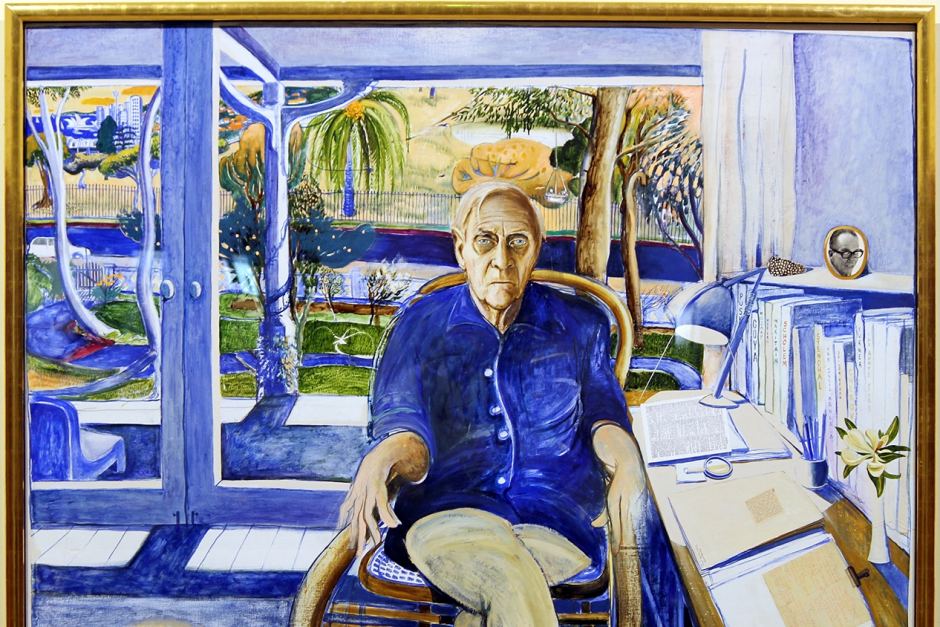
Portrait of Patrick White (Brett Whiteley)
- Photo in frame….Emmanuel George “Manoly” Lascaris
- Look at White’s eyes and
- ….Centennial Park in the backround.
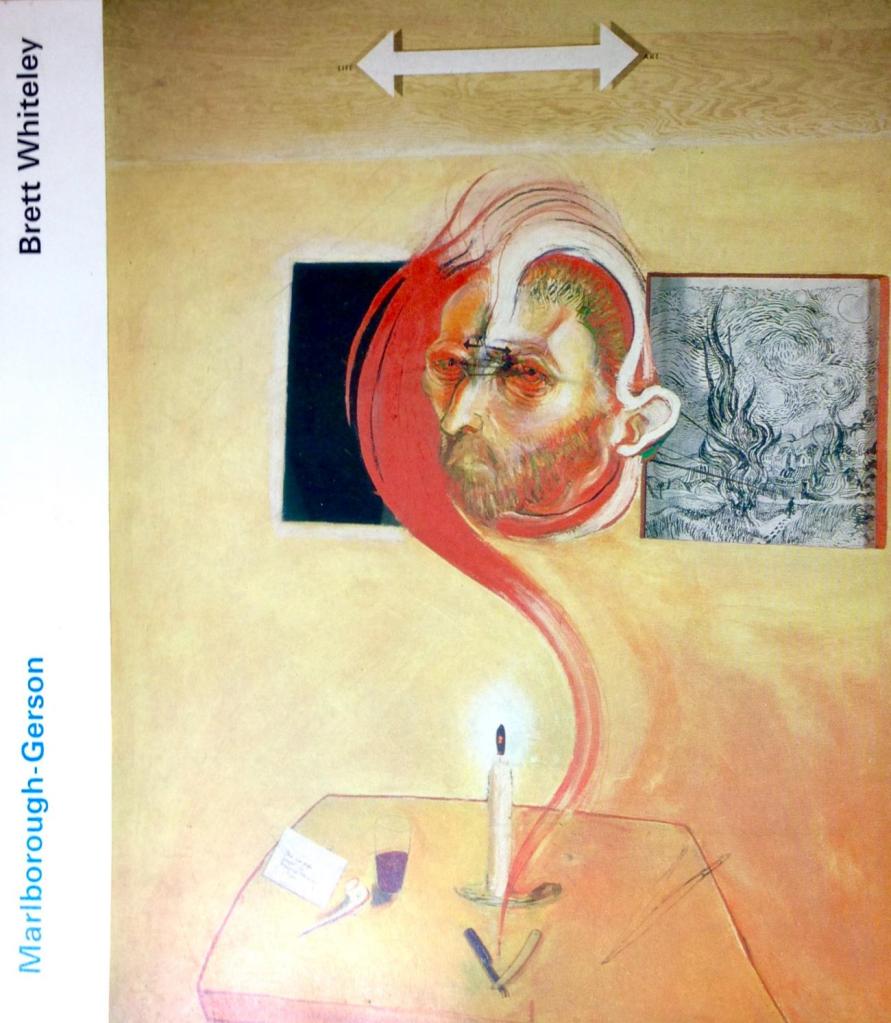
Portrait Vincent van Gogh
- On the table….a candle, a pipe, a letter to Theo and a razor.
- Two arrows:
- towards the right = good, light and sanity
- towards the left = evil, darkness and madness
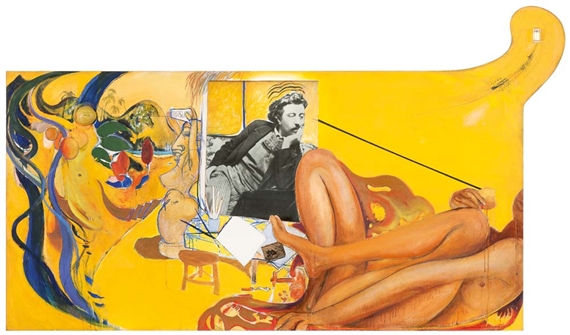
Portrait of Gauguin
- Gaughin on the eve of his attempted suicide
- We see ‘The Tree of Knowledge, photograph of Van Gogh and a woman’s body.
- Brett had extended the right side to an ear shape with a bottle with a white substance
- labled ‘Arsenic’.
Portrait Wendy (wife)
- Brett Whiteley was a master draughtsman.
- This sketch reveals his command of line.
- The way Brett could capture the essence of his
- subject with only a few simple sweeps.

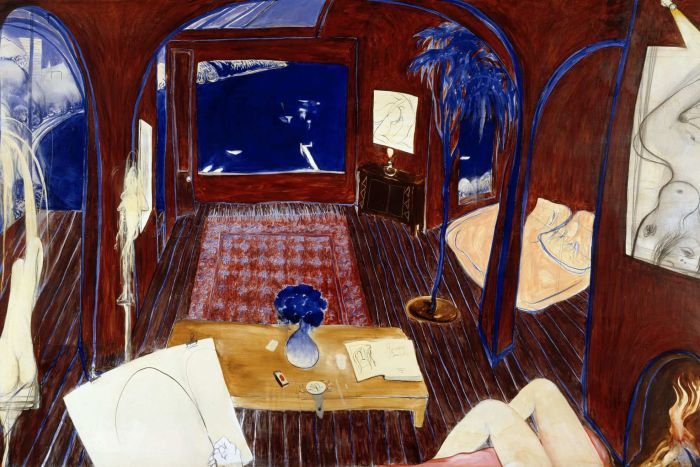
Henri’s Armchair
- This is Brett Whiteley’s debt to Matisse.
- He painted the interior of Lavender Bay where the
- …water can be seen through the window
- …frame at the end of the room beyond the arches.
- It is a domestic workmanlike scene.
- Two legs on the couch and used matches
- …are scattered on the coffee table.
- There is a vase and notebook on which is written the title of the painting.
- As in the works of his historical model, Matisse,
- ….there are notes of domesticity:
- bed, open fire, and several works of Whiteley in the room
- …a sculpture, a nude drawing and an erotic drawing.
- There is a deep red brown color in the house
- …but the blue is all around.
My Armchair
- This was the most expensive painting in Brett’s
- September 1976 Australian Galleries exhibition.
- This painting’s was priced for 10.000 dollars.
- This was a companion piece for “Henri’s Armchair”.
- The blue soaked canvas inside Brett’s studio including
- pictures (B/W = ‘Inside an Avocado Tree’), sculptures
- …a view out to the Sydney Harbour and the chair in which
- …he sat to reflect on the art around him.

Another way of Looking….Vincent
- Whiteley pays homage to Vincent van Gogh and
- …the profound influence this Dutch post-impressionist
- painter had on Whiteley throughout his career.
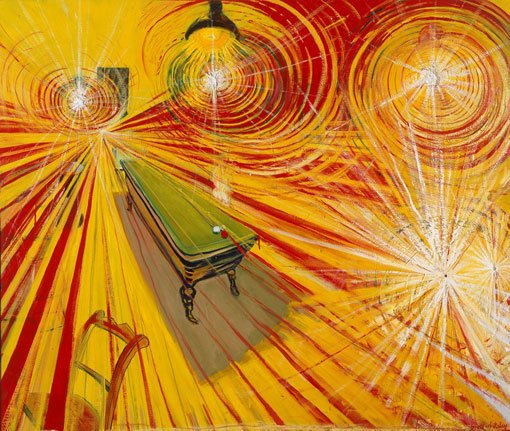
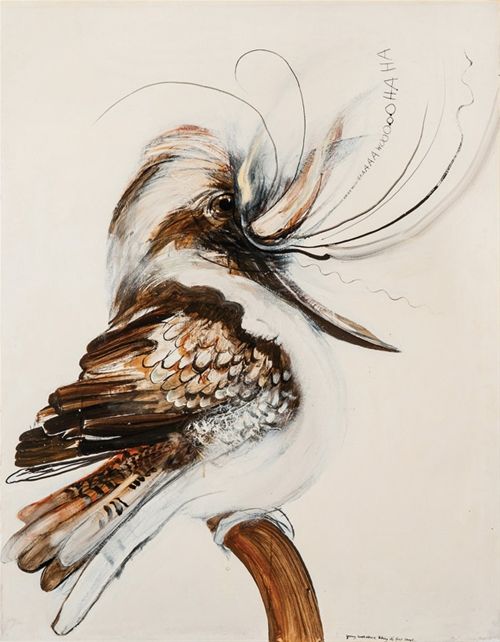
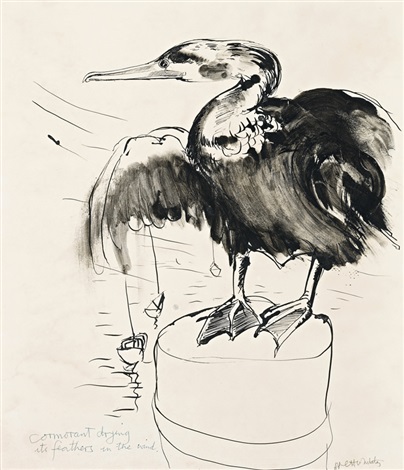
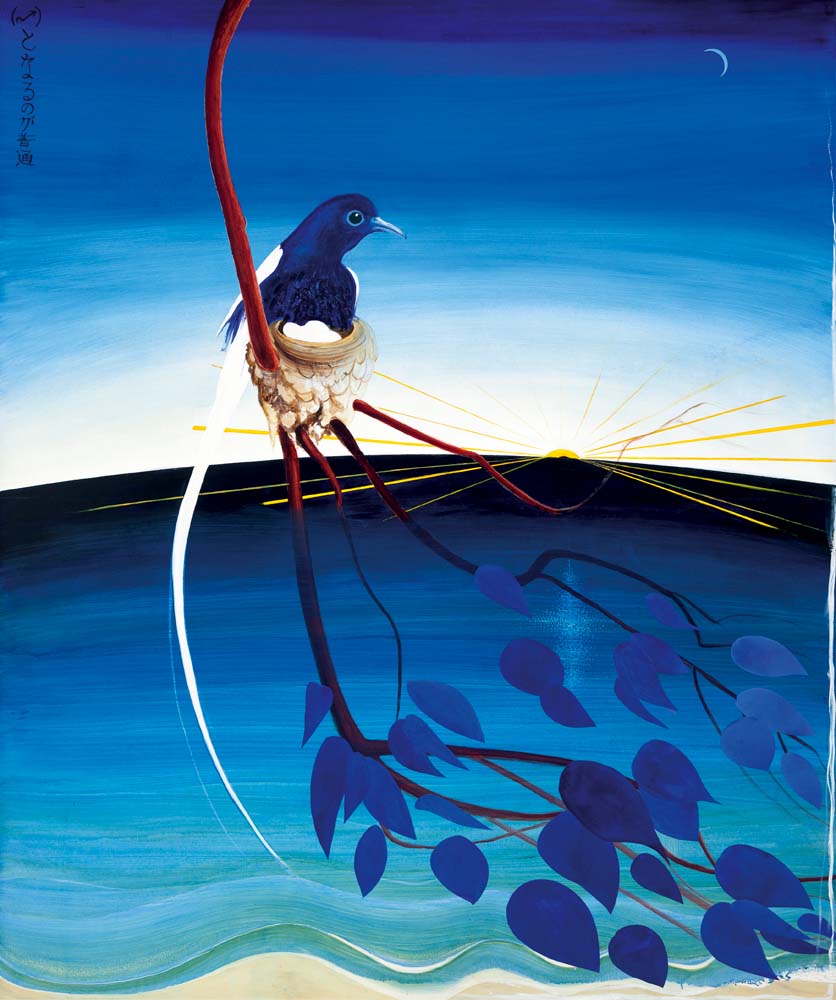
Birds:
- I had to include some of the most beautiful sketches/paintings of birds!
- Whiteley first came to notice the captivating beauty of birds
- …in July 1969 during a blissful five-month stay in a small cottage
- in the village of Navutulevu, about eighty kilometres from Suva in Fiji.
- The couple, with their five year-old daughter Arkie,
- lived simply and happily and enjoyed their
- island paradise after the turmoil and bustle of New York.
- Wendy Whiteley summed the period up well: ‘We really did live in Paradise there.”
Kookaburra
Cormorant
The sunrise, Japanese: Good morning
Bookcover: (self-portrait)
 NancyElin.blog