
#AWW 2019 Nine Lives: Women Writers
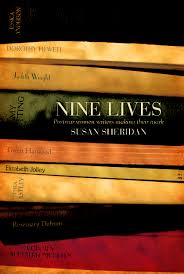
- Author: Susan Sheridan
- Title: Nine Lives: Postwar Women Writers Making Their Mark
- Published: 2011
- Genre: non-fiction
- Rating: A
- Trivia: This book has been sitting on my TBR for two years!
- List of Challenges 2019
- Monthly plan
- #AWW2019 @AusWomenWriters
NOTE:
- Trying to get back to books with
- …’one’ very good eye after cataract surgery
- …the the other eye ready for correction in 2 weeks.
- #NeedCoffee
Introduction:
- Why did I wait so long to read this wonderful book?
- I think the bland bookcover did not catch my eye.
- Ms Sheridan should have used thumbnail photos of te
- …talented Australian writers she was about to introduce to this reader!
- This books contains
- nine condensed, compact biographies of Australian Women writers
- Sheridan highlights a generation of women writers
- overlooked in the Australian contemporary literary scene.
- These women writers who were born between 1915-1930:
- Judith Wright
Thea Astley
Dorothy Hewett
Rosemary Dobson
Dorothy Aucherlonie Green
Gwen Harwood
Jessica Anderson
Amy Witting
Elizabeth Jolley
- All had children...
- J. Wright and D. Green were the sole support of their families.
- The nine women were versatile writers
- poet, playwright, novelist, short stories,
- non-fiction (autobiography), literary critic and editor.
- T. Astely won Miles Franklin Award 4x, Jessica Anderson 2x and E. Jolley 1x.
- All shared a sense of urgency…
- their vocation, their ‘need’ to be a writer
- that would not let them rest.
- Judith Wright – was an important name in the emerging postwar literature.
- She was one of the few Australian poets to achieve international recognition.
- Ms Wright is the author of of several collections of poetry,
- including The Moving Image, Woman to
- Man, The Gateway, The Two Fires, Birds,
- The Other Half, Magpies, Shadow, Hunting Snake, among others.
- Her work is noted for a keen focus on the Australian environment.
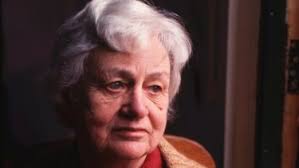
- Thea Astley – I am a huge fan of this writer.
- I did learn more tidbits of info about this woman.
- Critics were not always kind to Thea Astely.
- The ending of The Slow Natives
- …was “…too sentimental and melodramatic.
- I didn’t think so!
- Even Patrick White was harsh.
- Criticism should be like rain
- …gentle enough to nourish growth without
- …destroying the roots.
- White’s fault finding ended their friendship.
- Thea Astley won Miles Franklin Award four times!
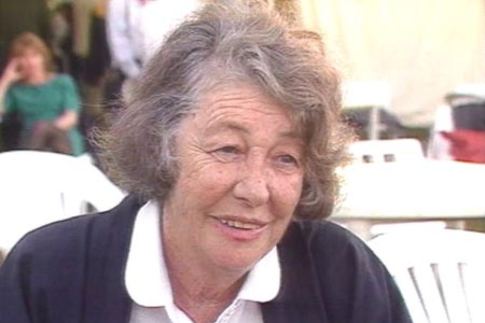
- Dorothy Hewett – After reading Ms Hewett’s short biography in this book the
- only thing that suited this woman is the song: Born to be Wild !!
- Once I read about the tumultuous life of Dorothy Hewett I knew
- I had to read her books.
- I ordered Baker’s Dozen ( 13 short stories)…
- …cannot wait to read it!

- Rosemary Dobson – She was fully established as a poet by the age of 35.
- She published 14 collections of poems.
- The Judges of the NSW Premier’s Literary Awards in 1996
- described her significance as follows:
- “The level of originality and strength of
- Rosemary’s poetry cannot be underestimated…”
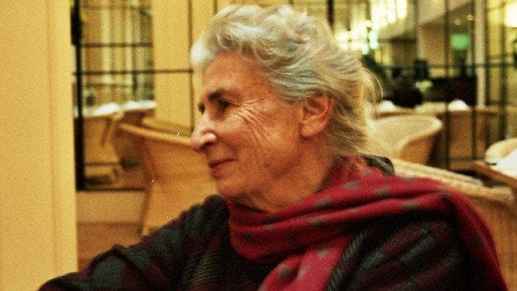
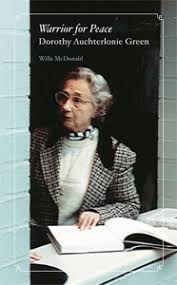
- Dorothy Auchterlonie Green – She saw herself primarily as a scholar.
- Ms Green felt overworked and
- under-recognized, trapped by circumstances of her life and unsure of her capacity as a poet.
- She won widespread admiration for her poetry, literary scholarship
- her reviews and social criticism and inspirational teaching.
- Gwen Harwood – She was sick of the way poetry
- editors (Meanjin) treated her…no accepting her work.
- Ms Harwoon created several nom de plume: Geyer , Lehmann and Stone.
- Geyer and Lehmann were regularly invited to meet editors for lunch next time they were in Sydney
- or Melbourne. Geyer was evern invited to read at the Adelaide Festival.
- ….he respectively declined.
- Awards
- Jessica Anderson – She was in a male-dominated and
- Anglocentric publishing world.
- How did she survive?
- She cultivated the qualities of character and
- strategies of survival necessary to
- sustain enough belief in herself to go on writing.
- She won the Miles Franklin Award twice…1978 and 1980.
- Amy Witting – For many years Amy Witting was invisible in the literary world.
- She won the Patrick White Award 1993
- for writers who have not received adequate recognition.
- I am waiting for her book of short stories to arrive…Marriages
- …I’m sure Amy Witting will have much to tell about this institution!
- Elizabeth Jolley – In a single year she received 39 rejection slips
- …yet she persisted.
- She won Miles Franklin Award 1986.
#AUSReadingMonth Aurealis Award Best Horror Novel 2018

- Author Kaaron Warren
- Title: Tide of Stone
- Genre: Speculative fiction (horror)
- Published: 2018
- List of Challenges 2019
- Monthly plan
- #AusReadingMonth @Brona’s Books
- #AWW2019
- @AusWomenWriters
- Trivia: 2018 Winner Aurealis Award Best Horror Novel
Introduction:
- Once again I am leaving my comfort zone.
- Will this book leave me white-kunckled
- ….cringing in fear with
- …heightened pulse, sweaty palms and a
- sinking feeling in the pit of my stomach.
- I am about to find out!
Plot:
- Phillipa is a nurses aide in a home
- for the elderly (all….dementia patients).
- She is leaving for a 1 year internship in The Time Ball Tower.
- Phillippa: ” The tower never left me.
- I’d dream about it, hallucinate it when I was away.
- It calls to the best of us, they say.”
- Cover: The Time Ball Tower
- Symbolism: Ball dropping every day, keeping time
- Setting: small town in Australia, Tempuston (tempus; Latin for time)
- Motif: camera.…Phillipa is constantly taking photographs!
Conclusion:
- Chapter 1: Phillipa Muskett
- This must be the longest first chapter
- …I ever read! (reading time: 2 hours!)
- But Kaaron Warren is setting the scene
- ...leaving a path ‘hooks, moments of tension’
- …that overwhelmed this reader.
- …I noted at least 24 moments of reflection by Phillipa
- giving the reader a good impression about
- her wants (be famous), fears and hopes for the future.
- Many characters stop to give her advice before she
- leaves for a year in The Time Ball Tower
- Burnett (suffers from dementia, was keeper in 1868!)
- ….is still patient in elderly home! (time travel?, ghost?)
- BFF Renata (grandmother is a witch!)
- Phillipa’s Grandmother (Frances Styles, keeper 1938)
- Photography teacher
- and especially Kate Hoff (keeper 2010)
- She gives Philippa the most important advice:.
- how to act with the prisoners
- because they can
- …“Smell of a woman…makes them difficult.”
- Kate also give Phillipa all the report files
- …written by keepers who have served
- in The Tower in the past!
- I am sitting on the edge of my seat because
- …Philippa is about to read them all!
- I expect a lot of ‘shock and awe” in this book!
Weak point:
- After an exciting first chapter (18 % of the book)
- we read the ‘secret files’ from the Tower keepers.
- Quirky, repetitive…but not scary at all! (44 % of the book).
- Warren often refers to a personage from history
- Hess, Jacob H. Smith, Baron von Sternberg
- …and you have to consult Wikipedia to learn more about
- some unfamiliar names.
- Every file ends in a report that is identical for all keepers
- with an exception for Frances Styles, an a few mention that
- the prisoner does not need a bath.
- This just felt gimmicky.
- It does not add to the horror element of the book.
Strong or weak point?
- Palpable sexually oriented glaze over many elements
- of the story when Phillippa
- …is finally the keeper in The Tower. (62 % of the book)
- Does this increase the ‘horror element”
- …or is it good for book sales?
- You decide.
- Personally…I wish Warren was
- a more creative writer
- …rather than use the pornographic angle.
Weak point:
- There isn’t very much tension in the last section
- Phillipa as keeper.
- Prisoners babble on and on…nothing we haven’t
- heard before in the book.
- I try to keep engaged by noting how Phillipa
- is changing from the first day as keep….until her last.
- That is the only real interesting part at this point
- Where’s the horror?
- I’m not seeing it!
- I expected much more from a
- an Aurealis Awards prize
- …Best Horror book of 2018!
Weak point:
- Well, I did not find the shock and awe
- …I expected in this book
- Warren gives the reader and ‘information dump’ in chapter 1
- ….and now you have to try to connect that information with
- the individual keepers who have written reports.
- This involved flipping back and forth to chapter one.
- This is one way to structure a book
- …but I found it ruined the flow of the narrative.
- It became irritating.
Last Thoughts;
- Honestly, I enjoyed Warren’s book (2017)
- The Grief Hole much more than this book!
- 44% of the book was ‘filling” – keeper’s files.
- Plot twists with a bit of tension started
- on page 346…..91% of the book!
- I was expecting lightning in a bottle
- …and only I got static electricity on the rug!
- #Disappointment
Kaaron Warren
#AWW 2019 Gabbie Stroud “Teacher”
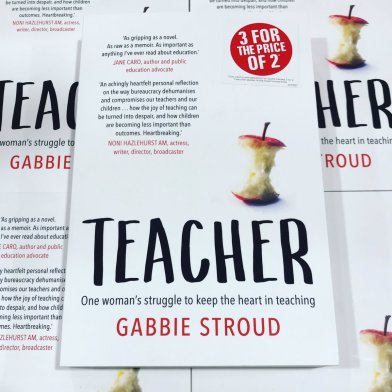
- Author: Gabbie Stroud
- Title: Teacher
- Published: 2018
- Genre: biography (290 pg)
- Trivia: 2019 ABIA Awards short list
- List of Challenges 2019
- Monthly plan
- #AWW2019
- @AusWomenWriter
Introduction:
- Gabrielle Stroud was a primary school teacher from 1999 to 2015.
- In 2014, Gabrielle Stroud was a very dedicated teacher.
- Months later, she resigned in frustration and despair.
- She realized that the Naplan-test education model
- …was stopping her from teaching individual children
- …according to their needs and talents.
- Gabrielle tells the full story:
- how she came to teaching…
- what makes a great teacher…
- what our kids need from their teachers…
- and what it was that finally broke her.
Conclusion:
- This book is a good effort of a teacher moving
- from the classroom into a writing career.
- I’m sure we will be hearing more from Gabbie Stroud
- and I hope her writing skills will be even better.
- I have seen many reviews on Goodreads and I
- cannot agree: this is not a 5 star book.
- It is enjoyable but not profound.
- In my opinion...less is more:
- less family backround
- — mother, sisters, boyfriend, chit-chat with daughters
- even more reflections about teaching
- — chapter 16 a teaching adventure at a Heritage School
- in Canada was wrapped up in less than a chapter!
- I’m sure there must be more to tell.
- Writing style: this all comes down to the reader’s
- own preferences.
- I felt that Stroud could improve her writing by
- less use of clichés...
- Ch 8:
- “I felt older, fatigued but the cup was still half full….”
- Ch 26:
- “…the glass is half full…but the water didn’t taste right.”
- Ch 30:
- “We all fall down Gab, our true measure is how we rise up.”
- Ch 30
- ” I did’t leave teaching….teaching left me.”
- Dialogue: is conversational, simple.
- Pathos: There were very few experiences
- …that stirred up my emotions of pity, sympathy, and sorrow.
- Problems were mentioned..but in a light, fluffy tone.
- I was not swept away by Stroud’s story
- …as I was with the personal essays of written
- Ashleigh Young in “Can You Tolerate This?“
- This is the type of depth in the writing I hoped
- Stroud would tell me about….the teaching profession.
- What finally broke Stroud? (..in my opinion)
- Teaching was changing too fast
- …and Stroud’s adaptation was too slow.
- Jack Welch…CEO of General Electric Company 1981-2001
- phrased it perfectly.
- ..and we all can learn from it:
- “When the rate of change on the outside
- …exceeds the rate of change on the inside
- …then the end is near.”
Last Thoughts:
- There was one spark in chapter 5 that
- I thought would ignite the book:
- Core message…
- ” You showed me how to teach
- …now show me how to be a teacher.”
- Unfortunately this memoir/biography…fizzled out.
- I hate flat soda.
#AWW2019 ‘My trip Down Under’

Green Island Reef, Carins Australia
- It is time to turn off NETFLIX and
- ….get back to reading!
- I’ve made a list for
- ….my literary trip Down Under
- reading some great Australian female authors.
- It’s summer down there so here I come!
- List of Challenges 2019
- Monthly reading plan
- #AWW2019
- @AusWomenWriters
My List:
- Everywhere I Look – Helen Garner – READ
- A Kindness Cup – Thea Astley – READ – paperback (…need magnifying glass!)
- Drylands – Thea Astley – audio book
- It’s Raining in Mango – Thea Astley – audio book
- True Stories – Helen Garner – audio book
- Wild Sea: A History of the Southern Ocean – Joy McCann – Kindle
- Say No To Death – Dymphna Cusack – Kindle
- The Timeless Land – Eleanor Dark – Kindle
- The Man on the Headland – Kylie Tennant – Kindle
- The Commandant – Jessica Anderson – Kindle
- The Torrents (play) – Oriel Gray – Kindle
- Highway of Lost Hearts (play) – Mary Anne Butler – Kindle
- Transparency (play) – Suzie Miller – Kindle
- SHIT (play) – Patricia Cornelius – Kindle
- Honour (play) – Joanna Murray-Smith – Kindle
- The Dead Still Cry Out: Story of a Combat Cameraman – Helen Lewis – Kindle
- Danger Music – Eddie Ayres – Kindle
- Dr Space Junk vs The Universe: Archaeology and the future – Alice Gorman – paperback
- An Item from the Late News – Thea Astley – paperback
#AWW2019 Mary Anne Butler (playwright)

- Author: Mary Anne Butler
- Title: Broken
- Published: 2016
- Genre: play
- Rating: A+++++
- Trivia: 2016 Victorian Premier’s Literary Awards (drama)
- Trivia: 2016 Victorian Premier’s Literary Awards (literature)
- List of Challenges 2019
- Monthly plan
- #AWW2019
- @AusWomenWriter
- #AusReadingMonth @Brona’s Books
Conclusion:
- Some plays should not be analyzed…they just have to sink in.
- Mary Anne Butler
- …has written a phenomenal script.
- It is intimate, realistic and breathtaking drama.
- Three characters weave their story
- ….criss-crossing their lives with each other.
- I read the play 4 times:
- 1 x reading the role of Ham (man driving on desert road)
- 1 x the role of Ash (female in car accident)
- 1 x Mia (Ham’s wife…home alone after a great loss).
- Now I was ready to read the play
- with the voices echoing in my mind.
- This is THE best play I’ve read in a very….long time!
- Strong point:
- Stellar example of dramatic construction (dramaturgy)
- and …inventive dialogue!
- #MustRead….really a must!

#Poetry Omar Musa inspiring Australian voice!

- Author: Omar Musa
- Title: Parang
- Published: 2014
- List of Challenges 2019
- Monthly plan
- #TBR challenge update
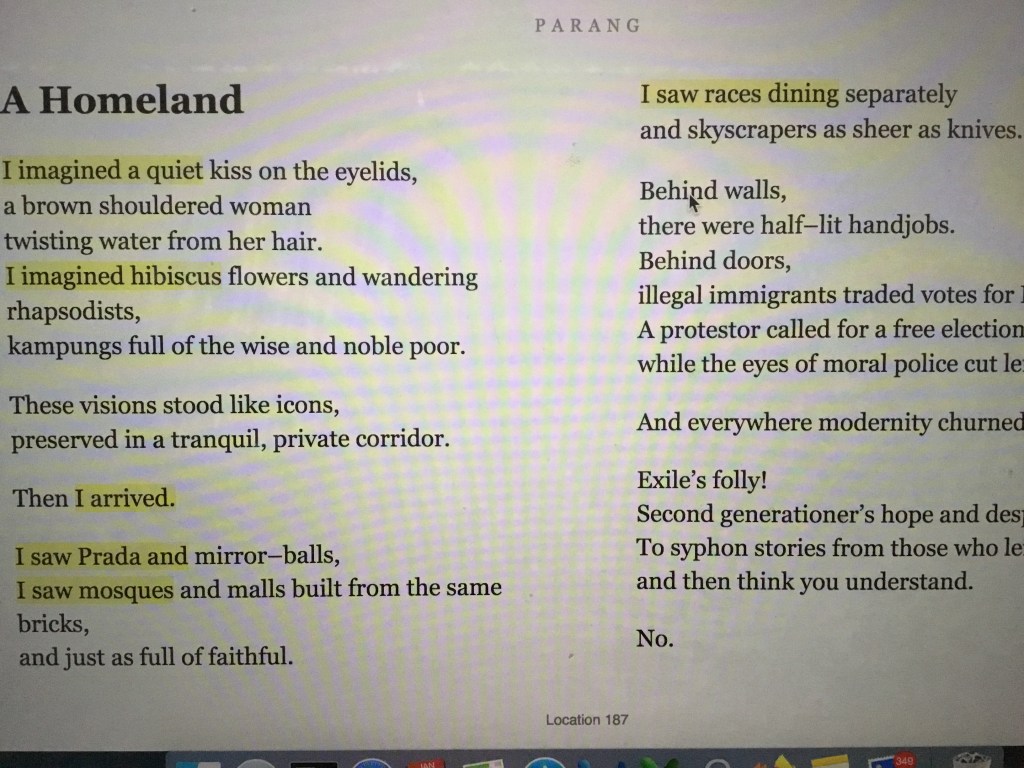
Poem: A Homeland
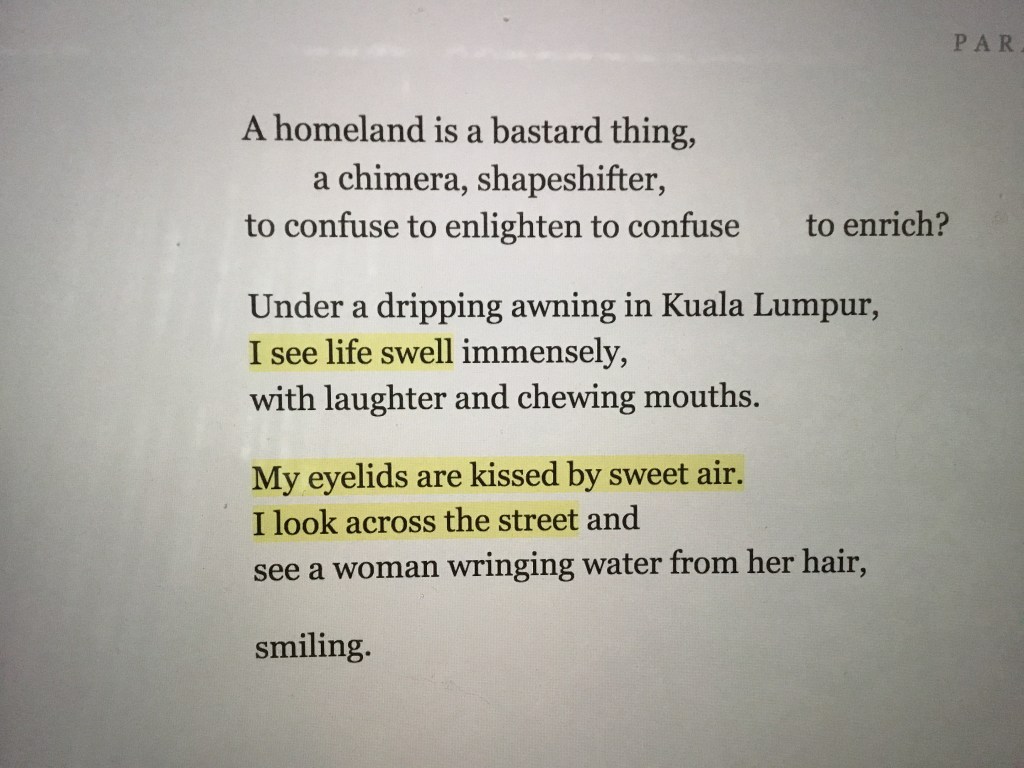
Conclusion:
Parang – with a name like this (knife)
I expected blood, gore, guts.
I got insight, openness, much humanity,
at times a palpable joy.
No ‘Hippa to Da Hoppa’ rap beat
…only the beating of a true poet’s heart.
#EXCEPTIONALLY GOOD!
- LISTEN…THIS MAN HAS A WAY WITH WORDS!
- Omar Musa gets standing ovation in Sydney 2013 TEDx talk:
My notes:
What does ‘Parang’ mean?
Malaysian short stout straight-edged knife
Who is Omar Musa?
Omar bin Musa (1984)
is an award-winning author, poet and rapper from Australia.
He has released three solo hip hop records and three books of poetry.
His debut novel Here Come the Dogs was published in 2014.
Here Come the Dogs was long-listed for the Miles Franklin Award.
Musa was named one of the Sydney Morning Herald’s Young Novelists of the Year in 2015.
What is his background?
Musa is the son of Australian arts journalist Helen Musa and
Malaysian poet Musa bin Masran.
He is of Suluk, Kedayan and Irish ancestry.
He studied at the Australian National University
and the University of California, Santa Cruz
Musa was the winner of the Australian Poetry Slam of 2008
that gives him a bit of clout
Structure:
Part 1 – Parang (14 poems) = 9 are excellent….5 are very good!
Part 2 – Lost Planet (8 poems)
Part 3 – Dark Streets (5 poems)
- My notes for part 1
- …I’ll let you discover the rest of Musa’s poems!
- They are a joy to read!
Part 1
Trance – very good – poet feels contact with story telling ancestor
Parang – very good contrasting images of ‘parang’ guardian angel of gangsters
….but also house builder and opener of paths
Belonging – very good “crystal thread of belonging”
…in touch with ancestoral as “steam unwinds from stories”
Blowpipe – very good – weapon of the forests shoot at “…the throat of the past.”
The Old Rooster – excellent– triangle: poet – parang – arrogant, stutting rooster
Muhammad and Muhammad – excellent– nephew and baby cousin meet
…” his feet bicycling in air” sees “…tigers the size of pillows”
The Rotten Tooth – very good…never put off a dentist appointment!
“…tooth turned sewer-black”
Collapsed Star – excellent
young man meets old man…who taught him chess…”a collapsing star”
Lightnig Over Sandakan – excellent – young man visits dying grandmother
“…memory trembles, rain-written”
FELDA – excellent “…perfect pattern of oil-rich trees minting money
…there was jungle here once, fecund”
(The Federal Land Development Authority is a Malaysian government agency that was founded to handle the resettlement of rural poor into newly developed areas and to organise smallholderfarms growing cash crops.)
Sunyi – (Sanskrit ‘silent,empty’) – excellent – very touching jungle story
Forest Fire – excellent – jungle plundered for profit
A Homeland – excellent – poet’s return to his homeland…but it has changed! “Exile’s folly”
The Parang (knife) and the Keris (dagger) – excellent description of poet’s own blade
“…I made it….found the iron ore….beat it into the Italic font I….sharpened it.
#Poetry Selina Tusitala Marsh Poet Laureate NZ

- Author: Selina Tusitala Marsh
- Title: Fast Talking PI (32 poems)
- Publshed: 2009
- Triva: 2010 New Zealand Society of Authors (NZSA)
- Jessie Mackay Award for Best First Book of Poetry Winner
- Trivia: Selina Tusitala Marsh (1971) is a poet and academic
- …and is the New Zealand Poet Laureate for 2017–2019
- List of Challenges 2019
- Monthly plan
- #AWW2019
- @AusWomenWriters
- #TBR challenge update
Selina Tusitala Marsh:
- Selina Tusitala Marsh is of Samoan, Tuvalu, English and French descent.
- She was the first Pacific Islander to graduate
- with a PhD in English from the University of Auckland and
- is now a lecturer in the English Department, specialising in Pacific literature.
- Oh, reading these poems with many
- Samoan words/references
- is going to be a challenge.
- Thank goodness….
- Ms Marsh has added a glossary for words the reader
- probably won’t understand.
- Thank you, poet laureate!
My notes on a few poems….
Googling Tusitala – Very good…and clever!
Marsh has listed the choices Google returns
when she googles ‘Tusitala’.
Last line is the clincher that brings a laugh:
‘The tusitala bookshelf in barcelona@bookcrossing.com
— there’s no wrong way to eat a rhesus.”
(BookCrossing is the act of releasing your books
“into the wild” for a stranger to find via the website)
Not Another Nafanua Poem – good
First I have to look up nafanua!
— Nafanua is the Samoan goddess of war
Afaksai (half-caste) – very good, rich with Samoan words!
Calabash Breakers – good
Hone Said – so-so..too cryptic…see glossary!
Things on Thursdays
Very good… should sound familiar to all struggling
female writers balancing family, work and writing!
Song for Terry – good…intriguing because I cannot discover who “Anne” is!
Langston’s Mother (very short poem…)
absolutely stunning because this poem led me to Langston Hughes’ poem
Mother To Son….breathtaking.
Mother to Son (Langston Hughes)
Well, son, I’ll tell you:
Life for me ain’t been no crystal stair.
It’s had tacks in it,
And splinters,
And boards torn up,
And places with no carpet on the floor—
Bare.
But all the time
I’se been a-climbin’ on,
And reachin’ landin’s,
And turnin’ corners,
And sometimes goin’ in the dark
Where there ain’t been no light.
So boy, don’t you turn back.
Don’t you set down on the steps
’Cause you finds it’s kinder hard.
Don’t you fall now—
For I’se still goin’, honey,
I’se still climbin’,
And life for me ain’t been no crystal stair.
(…if you don’t get ‘skin shivers after reading this..you don’t have a pulse!)
Cardboard Crowns – very good
Sum of Mum – good, very clever!
Wild Horses – …need help understanding this one
Three to Four – intense…memories of a car accident
Le Amataga – not able to find something in this poem by myself…need the glossary!
Spare the Rod – This poem brings to mind ancient rock engravings…. not easy to grasp
A Samoan Star-chant for Matariki – too cryptic
…need more knowledge of Samoan words/myth
(In the Māori language Matariki is both the name of the Pleiades star cluster
and also of the season of its first rising
in late May or early June.
This is a marker of the beginning of the new year.)
Circle of Stones – Poems don’t have to be just understood…they can lead you to other things. This poem put in in touch with the Fale Pasifika at University of Aukland. Fale is the name a a Samoan building, the center of the community. On You Tube you can watch History of the Fale Pasifika….just filled with spiritual meaning for this University to let all Pacific people know they belong.
Guys Like Gaughin – very good…clever!
Nails for Sex – very good! This is based on history and is worth reading about before you start this poem…then it all will make sense!
Mutiny on Pitcairn – average
Two Nudes of a Tahitian Beach, 1894 – good…based on this painting by Gauguin
Venus in Transit – poem mentions many well known connections to Venus in Transit…..but who is Rowan? The poet refers to NZ author Rowan Metcalfe’s book Venus in Transit (2004). This novel tells the story from a new and unexpected perspective, that of the Tahitian women who joined the Bounty mutineers and sailed away with them to make new lives.
Realpolitik (expansionist national policy) -…reflecting on Capt. Cook/crew, who brought disease to Tahitian women.
Contact 101 – how different people (philosopher, scientist, anthropologist) see South Pacific women
Has the whole tribe come out from England? – Wellington has been overrun by the British
What’s Sarong With This – pun…”What’s Wrong with This?” – very good, very intense!

The Curator – …description of a poem reading (Ms Marsh?) in a museum, sharp-edged.
Hawai’i: Prelude to a Journey – very good, glimpse of all sides of Hawaii and visitors….also a reference to a Hawaiian deity Pele, goddess of volcanos “…Pele’s pen, her black ink lava ever pricking the night.” There is so much in this poem you could spend some time investigating many aspects of this poem!
Touring Hawaii and Its People – very good….looking for ?? with a flowering crown in a museum. (..one of the Hawaiian monarchy?)
Alice’s Billboard – strange….can’t make head or tails of this one, sorry!
Fast Talkin’n PI – (title poem) – Oh, I think I finally found who “ANNE” is if the poem….”Song for Terry”!
Fast Talking PI (pronounced pee-eye) = pacific islander
reflects the poet’s focus on issues affecting
Pacific communities in New Zealand, and
indigenous peoples around the world
… including the challenges and
…triumphs of being afakasi (mixed race).
LISTEN TO THE POET HERSELF!
#Poetry Blakwork (title poem)
- Author: Alison Whittaker
- Title: Blakwork
- Published: 2018
- Publisher: @MagabalaBooks
- Trivia: 2019 shortlist Victorian Premier’s Award Indigenous Writing
- Trivia: 2019 WINNER Mascara Lit Review Avant-garde Award for literature
- Trivia: 2019 shortlist ABIA Small Publishers’ Adult Book of the Year
- List of Challenges 2019
- Monthly plan
- #AWW2019
- @AusWomenWriters
- Trivia: Review: poem Cotton On (pg 15)
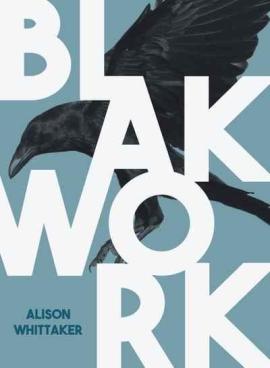
Cover:
- I was staring at the book turning it front to back.
- Why the choice of a bird on the cover?
- Perhaps if you live in Australia you know what it means.
- I had to find out more about the metaphor of a blackbird.
- Difficult to read….
- Origin of the term ‘blackbirding’:
- The term may have been formed
- …directly as a contraction of ‘blackbird catching’.
- ‘Blackbird’ was a slang term for the local South Pacific indigenous people.
- It might also have derived from an earlier phrase,
- ‘blackbird shooting’, which referred to
- …recreational hunting of Aboriginal people by early European settlers
Title poem: Blakwork (pg 3)
- The sun rises 0530 am on this side of the world.
- No matter how hard I try…I’m wide awake at 0600 am.
- My eyes are not yet focused so I use a magnifying glass to
- …read the first poem in the chapter Whitework.
- Blakwork: 41 words that pack a punch.
- I didn’t realize that today (26 May) is #SorryDay in Australia
- This poem sums up the sentiment of
- …reconciliation from an other perspective.
- Type of Poem: poet-in-conversation (present tense)
- Who is speaking? Alison Whittaker the poet
- Who is ‘you’ in the poem? White Australia
- Title: Blakwork
- Australia’s slavery started because other countries abolished it.
- Aboriginal people were used in
- the pearling, sugar cane and cattle industries.
- They suffered terrible abuse and were denied their wages.
Conclusion:
- There is an energy…tension in this poem.
- I tried to discover the starting subject and
- …then the discovered subject in a poem.
- There is always a door to be opened the
- will lead you down another path
- …in this poem a ” cynical path”.
- Starting subject:
- blakfella works –> payment callous hands –> profit to white Australia
- Door: words “white guilt”
- Discovered subject:
- Blakfella works –> payment now bound by contract (indentured)
- profit –> white Australia can have “soothing” feeling of reconciliation
- “nine to five forgiving you.”
- #powerful
BLAKWORK
- Fresh blakwork; industrial complexes
- hands with
- smooth and flat palm callouses.
- Soothing re —
- –conciliation
- That dawdling off-trend meme
- white guilt. To survive it; well,
- it’s naff to say, but compul–
- –sory to do. Indentured blakwork, something like
- nine to five, forgiv–
- –ing you.
- Words I had to look up for a clear meaning of the poem:
- industrial complexes – (self-interest ahead of the well being of the Aboriginal people)
- dawdling – wasting time, idle, trifle
- meme – behavoir
- naff – clichéd, unstylish
- indentured – bound by contract
#Poetry Alison Whittaker “Blakwork”
- Author: Alison Whittaker
- Title: Blakwork
- Published: 2018
- Publisher: @MagabalaBooks
- Trivia: 2019 shortlist Victorian Premier’s Award Indigenous Writing
- Trivia: 2019 winner Mascara Lit Review Avant-garde Award for literature
- Trivia: 2019 shortlist ABIA Small Publishers’ Adult Book of the Year
- List of Challenges 2019
- Monthly plan
- #AWW2019
- @AusWomenWriters
- Trivia: Review: poem Blakwork (pg 3) (title poem)
Conclusion:
- This book consists of 15 chapters and 94 poems.
- I still am trying to learn how to read a poem.
- I am going to read a poem …then really try to figure
- …out what the message is…or what do I see in the poem.
- More of my reviews about these poems
- …will appear during the summer..in drips and drabs.
- These poems will take time to read.
- The author has put so much thought into her words
- …I don’t want to rush my reading
- Poetry does not need a story…that is not its function.
- That is why poems sometimes make people cringe!
- The reader speaks English, the poem is in English
- and still the reader (me) has no idea what it means.
- This will be my biggest poetry reading challenge.
- Just look at the way the poems sit on the page!
- I glanced through the book and see images, emojis,
- poems with unique shapes, punctuation and lists.
- I am not going to review them in lofty poetic terms
- …but just by asking myself some basic questions.
- What is the shape of the poem? Who is speaking?
- What images does the poet use? Allusions?
- How do they make me feel? Stumped or enlightened?
- I’m even going to read the poems to the cat
- …I need to hear the sound!
- Poems tells us the history of the human heart.
- All poets are struggling with the different things:
- loneliness, racism, gender roles, sexuality
- colonialism, family, class, history,
- …violence, culture, pleasure, joy.
- I’m eager to learn what Alison Whittaker….
- …is struggling with.
Poem: Cotton On (pg 15)
let’s compare hands s t r e t c h
tendons wrists across o c e a n s
here: a common wound.
Cotton On:
- My FIRST reading: 12 words placed on the page leaving a 10×10 cm blank center page. words describe hands ready for planting and harvesting. The key word is ‘oceans‘ referring to the overseas labor force that is used in this industry. The blank page could indicate a field that is planted with cotton seeds. Title: Cotton On is perhaps a reference to seeds…starting.
- I then contacted the poet via Twitter:
- “I’m just starting to read poetry and I admit I don’t understand it after a first reading…so I re-read alot. Reading: Cotton on (pg 15) in Blakwork. May I ask…why the big open space in the poem? What am I missing! Thank you for your time #justasking”
- Reply from Alison Whittaker:
- “I try to not be too prescriptive with the poetry, but in Cotton on, the spaces denote the physical space across the pacific between communities wounded by cotton, and the act of stretching out to touch. it’s whatever you make of it!”
- My SECOND reading: Then I put my thinking cap on.
- Who was wounded by cotton?
- USA the slaves on the plantations.
- AUS the aboriginals who see their sacred rivers drying up.
- The aboriginals say: “If there’s no river, where’s our culture?”
- The landholders (cotton farms) are pumping all the water out
- for irragation and water management.
- Now I see the connection in the poem.
- The slaves and aboriginals are stretching their hands
- across the Pacific Ocean.
- Both wounded by cotton.
- “The last line “here: a common wound.
#AWW2019 Maxine Beneba Clarke

Introduction:
- I needed to share
- Maxine Beneba Clarke’s poem on my blog.
- There is something so rewarding in this poem
- if you are willing to
- …let go of what you already know.
Ritual
We’ll go cardboard-boothed
to the primary schools
community centres
and the churches to boot
and friendly neighbours
ideologically opposed
will avert their eyes
as they fold up their votes
Last thoughts:
You want a poem to unsettle something…
- Maxine Beneba Clarke has done it
- ..about Australian elections 2019
- There’s not a word wasted in these clean, spare lines.
- We could use this poem for elections all over Europe!
- You can read THE ENTIRE POEM HERE
- Thank you @slamup
 NancyElin.blog