
#Stella Prize 2019 shortlist Enza Gandolfo
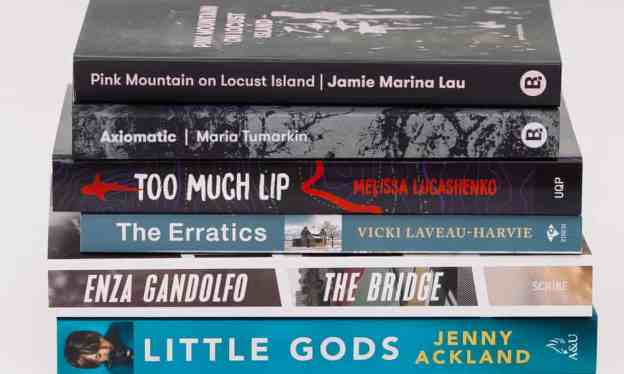
- Well, here is my next shortlist: Stella Prize 2019
- I won’t have much time to read them all because
- the prize will be announced on 09 April 2019.
- But I will give it ‘the old college try’
- …is it only to make an informed decision
- …as to which book I THINK should win!
Shortlisted books: 1/6
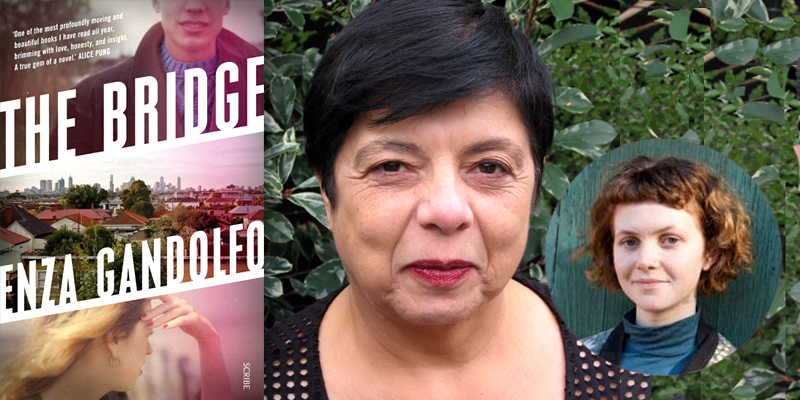
- Author: Enza Gandolfo (1973)
- Title: The Bridge
- Published: 2018
- Trivia: shortlisted 2019 Stella Prize ($ 50.000 prize!)
- List of Challenges 2019
- Monthly plan
- #StellaPrize
- #AWW2019
- @AusWomenWriters
Quickscan:
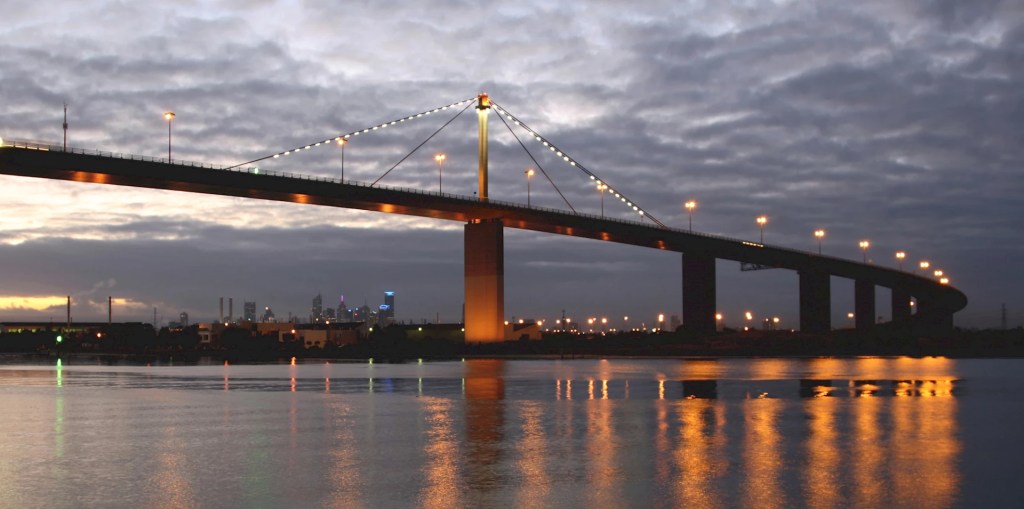
- Backdrop: On October 15, 1970, while it was under construction
- …the West Gate Bridge collapsed, killing 35 workers.
- It was Victoria’s worst ever workplace accident.
- Main plot is driven by Jo Nielson (19 yr)
- She is racked with guilt after the car she drove
- crashed against the basr of the bridge.
- Her BFF Ashleigh was killed.
- Subplot: Nello (bridge rigger) Ash’s grandfather
- …is suffering PTSS
- He survived the bridge collpase and his friends died.
- Now he is haunted…the bridge takes another victim.
- Nello’s world and Jo’s world
- …come crashing down on them.
Timeline:
- 1970 – Ch 1-3 Dramatic description of bridge collapse.
- 39 yrs later…
- 2009 – Ch 4-23 Friendship Jo and Ashleigh, car accident, funeral, Jo’s depression
- 2010 – Ch 24-30 Jo’s day in court.
Conclusion:
Weak point: too many narratives to follow
- This weakens the drive of the story.
- I felt the novel never came alive
- …it just dragged on and on.
- The large cast of characters
- ..gives the book that TV soap opera feel.
- I don’t mean that as a criticism.
- But there is just too much in a book of 384 pages!
- It is a maze of…
- teenagers – parents, teachers,
- grandparents, great-grandparents,
- lawyer – lawyer’s best friend Ada
- …in-laws , ex-husbands
- old friends who worked on the bridge,
- …their wives, children or miscarriages!
- A series of connected stories
- …that revolve around the collapsed bridge.
- The death of Ashleigh (major character) feels like
- ..another one of the stories going on, rather than the main plot.
Weak point: too much backstory:
- We all want to know about a character’s past.
- Gandolfo should decide whose story she’s telling.
- You can’t tell everything.
- I’m overwhelmed byall the flashbacks
- dream sequences and the
- …memories that keep surging and spilling
- every time Jo (main character) touches the fabric of a dress,
- …hears a song
- or opens a pink ballerina journal.
Weak point: book needs editing!
- The author is often the one least able to see what need to be removed!
- Ask a reader! Ask an editor!
- Gandolfo needs someone to tell her
- …which scenes are unnecessary or should be shortened.
- Here are a few things that I noticed:
- Bridge collapse:
- I did not need…
- technical specifics about the bridge.
- Ch 1-3
- felt like Wikipedia with some dialogue,
- moaning of iron girders, crashing slabs of concrete
- ..bolts snapping and explosions.
- This information could have been concise
- …and compact in one short exposition chapter.
- Sarah the lawyer:
- I did not need…
- to know her weight problems and
- the haunting death of her BFF Ada (jumped from the bridge).
- I think the lawyer’s backstory was ‘filling’ to evoke emotions.
- Ch 17 Funeral
- I did not need…
- to know every detail of funeral service
- …..who attended, style of the mourning clothes on family members,
- the color of coffin and flowers and
- rosary beads wound around gandmother’s fingers.
- I think this could have been written in a few sentences
- Establish somber mood with a description of the weather. (rain?)
- Remember the service while riding home from church.
- Cherish the tearful hug given by parents or friends. Done!
Weak point: dialogue.
- Feels static, heavy and does not shines off the page.
Weak point: Gandolfo is killing her novel with details!
- Pages of details that slow the pace and aren’t interesting or relevant.
- Example ch 15 – Ash’s journal is found and Jo places in Grandpa’s safe.
- Wonderful!
- But don’t go on to tell me the history of the safe
- …that is was a bargain and
- …grandma’s precious pearls that are kept there.
- I don’t care!
- Often what you don’t say is just as important as what you do.
- Few things will turn readers off
- ..quicker than pages of trivia!
Last thoughts:
- Unfortunately I could not find any strong points
- …about this book. Believe me, I tried.
- It is impossible to grasp fully that this book
- would be considered for the Stella Prize.
- Where is the jury’s report?
- I’d like to read it!
- Did you read this book?
- #HonestOpinion
#Non-fiction: The Art of Time Travel
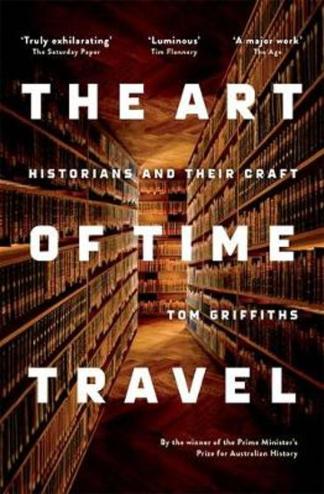
- Author: T. Griffiths
- Title: The Art of Time Travel: Historians and Their Craft
- Published: 2016
- List of Challenges 2019
- Monthly plan
- Non-Fiction Reading List
- The book contains 14 chapters
- …some more interesting than others.
- My favorite historians after reading this book are:
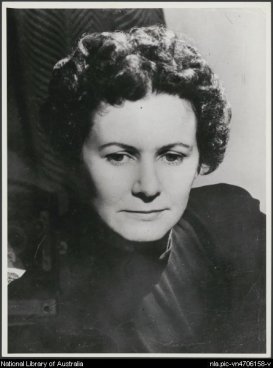
- Eleanor Dark: (1901-1985) (novelist).
- Eleanor Dark has been seen to be neglected
- as a female writer, social critic, Australian novelist and
- also as an historian.
- I want to read her book The Timeless Land.
- Greg Dening (1931-2008) just captured my heart.
- He demanded that his students take risks and and at times even fail.
- History is a discipline without a discipline.
- Nothing is discovered finally.
- This chapter gave me skin shivers when I read the last words.

- Henry Reynolds: (1938) This chapter was an eye-opener for me.
- I learned ..about the ‘forgotten war’ and aboriginal lawyer, historian Noel Pearson.
- Reynolds has always been a ‘just-do-it’ historian.
- His style is lean, linear and logical.
- Reynolds does not depend on the lyrical language
- used by Australian histories to evoke the brutality of the past.
- He is straightforward.
- Forgotten War by H. Reynolds is on my TBR.
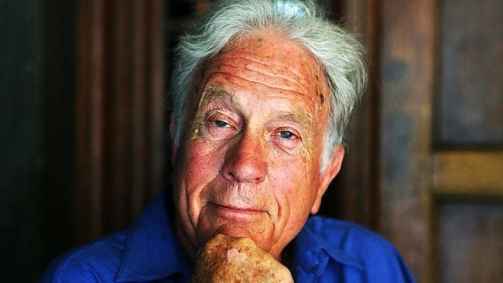
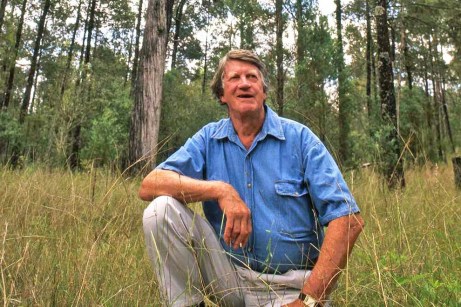
- Eric Rolls: A Million Wild Acres
- Tom Griffiths said this would be THE book about Australia he
- …would put in the hands of any visitor to his country to help them understand it.
- I just ordered Rolls’ book all the way from Australia!…can’t wait to read it.
- Griffiths considers this book the BEST environmental history written of Australia!
Conclusion:
- This was a wonderful read
- …I learned so much about Australia!
- #GreatNonFiction
#AWW2019 Louise Mack
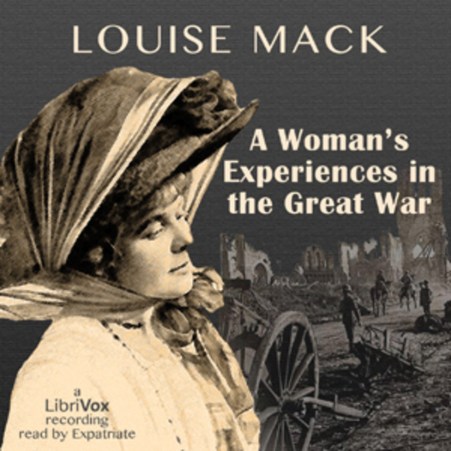
- Author: Louise Mack (1870-1935)
- Title: A Woman’s Experiences in the Great War
- Genre: non-fiction
- Published: 1915
- List of Challenges
- Monthly planning
- Non-Fiction List
- #AWW2019
- AWW Gen 2 Bill @The Australian Legend
Quickscan:
- In 1914 when war broke out Louise Mack was in Belgium
- where she continued to work as the first woman
- war correspondent for the
- Evening News and the London Daily Mail.
- This book is her eye-witness
- …account of the German invasion of Antwerp.
- 28 September – 10 October 1914 (1 week and 5 days)
Conclusion:
- While I read to this book I had to think of
- …the difference between Marie Colvin (1956-2012)
- foreign affairs correspondent for the British newspaper
- The Sunday Times and Louise Mack (1870-1935).
- While the Zeppelin returns to attack Antwerp
- I read Louise Mack saying:
- “…I saw my powder puff. I saw my bag.”
- “…no slippers came under my fingers,
- and I wanted slippers
- in case of going out into the streets.“
- I must just accept that this book
- …was written more than 100 years ago.
Last thoughts:
- Weak point: choppy writing style.
- Strong point: The chapters 46-47 were of special
- interest for me (I live in Netherlands)
- They describe Louise Mack’s impression
- of the Dutch welcoming
- …Belgium refugees after the fall of Antwerp.
- Good eye-witness reporting.
- …but very outmoded.
#AWW2018: Chloe Hooper “The Tall Man”

- Author: Chloe Hooper
- Title: The Tall Man
- Published: 2009
- List of Challenges 2018
- Monthly planning
- Non-Fiction Reading List
- #AWW2018 Challenge
- @AusWomenWriters
Introduction:
- This is the story of Palm Island, the tropical paradise
- …where one morning Cameron Doomadgee swore at a policeman
- ….and forty-five minutes later lay dead in a police cell.
- This is also the story of that policeman Christopher Hurley
- …and of the struggle to bring him to trial.
Conclusion:
- Chloe Hooper is asked to document
- ….the murder inquest that is about to begin.
- This book is a documentary with words.
- The author admits her ignorance about Palm Island that
- could fill a book…and it did.
- Ms Hooper was curious if readers would feel the outrage
- about this terrible death.
- It takes place against a complicated backdrop
- ….that many people tended to look away from.
- Strong point: Ms Hooper uses factual language
- …to create emotion!
- Strong point: Clear and direct way of telling the human side of
- …the Doomadgee case and its broader implications.
- Strong point: the book focuses on justice rather than crime.
- The narrative draws its power NOT from the human suffering
- …but from exposing the effects of decisions made around that suffering.
- #PageTurner

- Trivia: …..look at this list of awards!
- Winner- 2009 NSW Premier’s Literary Awards – Douglas Stewart Prize
- Winner – 2009 Australian Book Industry Award – General Non-fiction
- Winner – 2009 Victorian Premier’s Literary Awards – Non-fiction
- Winner – 2009 The Indie Book of the Year Award – Non-fiction
- Winner – 2009 Queensland Premier’s Literary Prize
- Winner – 2009 Davitt Award – Best True Crime
- Winner – 2009 John Button Prize
- Winner – Victorian Premier’s Literary Award 2009
- Winner – 2009 Ned Kelly Award – Non-fiction
- Winner – 2008 Western Australia Premier’s Literary Awards – Book of the Year & Non-Fiction
#AWW 2018: Anita Heiss

- Editor: Anita Heiss
- Title: Growing Up Aboriginal in Australia
- Published: 2018
- List of Challenges 2018
- Monthly plan
- #AWW2018 @AusWomenWriters
Finished: 20.12.2018
Genre: non-fiction
Rating: B+
#TBRNovember
Conclusion:
- All these stories are important.
- People are being so open and
- …honest telling us
- what makes them be who they are.
- I took something from all these selections
- …but most of all I loved Marlee Silva.
- Her father used a great analogy
- …to explain to his young daughter
- what it means to be a product of two cultures.
- Her father poured two cups of black coffee
- …adds creamer to one of them.
- “..no matter how much milk you add: they’ll never not be coffee.”
- Marlee uses this image as a shield to this day.
- This book was an eye-opening education
- …for me about
- growing up Aboriginal in Australia.
- #MustRead
#AWW2018 Alicia Sometimes (poet)

- Author: Alicia Sometimes
- Poem: Kilonova
- #AWW2018
- Published: in The Best Australian Science Writing 2018
Introduction:
- This artist’s impression video shows how two tiny but very dense
- neutron stars merge via gravitational wave
- radiation and then explode as a kilonova.
- At its most basic, the gravitational wave discovery
- confirmed the existence of black holes, which is no mean feat.
- Thankfully, we have art – and poetry – to help us visualize
- ….what the discovery of gravitational waves will mean.
- Click HERE to watch the video ……and read the poem.
- You will be amazed how beautifully Alicia Sometimes
- …has explored the connection between
- …science & poetry & visual art.
Kilonova
We are detectives
We eavesdrop
Billions of years ago
two neutron stars
circle each other
desperate and breathless
finishing their last
pressing conversation
Remnants of once intense lives
cascade into a final spiral
until they embrace
smashing platinum
and gold into existence
a violent coalescence
outshining at least 100 billion suns
their collided mass
propagating gravitational waves
across the fabric of space
at light speed
gamma rays detected
only a moment after
We were watching
We were listening
We saw them encompass
each other completely
with their final words
rippling right through us
Last thoughts:
You can enjoy this poem on many levels:
Language:
- POV: first person plural, personal experiences
- We = scientists
- They = two neutron stars
- Personification: two star-crossed lovers
- breathless
- having conversation
- they embrace
- with their final words…
- Form: Line length, stanza breaks, white space
- mirror the emotion annd rhythm of its content.
- Title: Kilonova – a star that suddenly becomes thousands of times brighter
- Vocabulary: the poet uses words found in scientific articles
Scientific back round:
What is the science used in this poem? – gravitational waves
- Astronomers detected particles being accelerated by a
- rapidly rotating neutron star as it passed by the massive star it orbits.
2013:
- Source of a gravitational wave, created by
- merger of two neutron stars observed for the first time.
- This merger created a kilonova that ejects
- heavy elements such as gold and platinum into space.
2017:
- First detection of a collision of two neutron stars
- This produced a gravitational wave and a a short gamma-ray burst.
- The ripples in spacetime are known as gravitational waves.
- Several teams of scientists have managed to get
- the first observational proof for a kilonova.
- Of the 100 billion stars in our galaxy,
- less than 10 are known to be this type of
- …massive star with a neutron star orbiting around it.
Alicia Sometimes

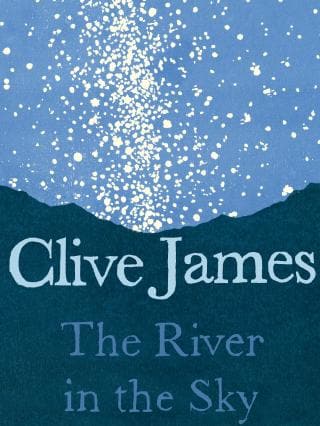
Clive James: poem ‘The River in the Sky’

- Author: Clive James
- Title: The River in the Sky (epic poem)
- Published: 2018
- List of Challenges 2018
- Monthly plan
- #20BooksOfAutumn
Quickscan:
- Genre: autobiographical epic poem
- Topic: meditation on aging…lost golden age…now inaccessible
- Tone: We find Clive James in ill-health but high spirits
- ….clear impassioned wisdom alwys quietly carving sage words.
- Form: dramatic monologue (epic poem with Clive as the hero)
- Language: unadorned, forceful with many flyaway cultural observations
- …and allusions that should be investigated!
- Trauma: Father’s death
- “I was there to watch my mother take the news.
- It still now deprives me of speech,”
- James said his life’s works “ springs from that one dreadful moment”.
- First line: “All is not lost….out past the journey’s edge.” (repeated line: 77)
- It is a reference to Milton’s poem Paradise Lost.
How did Clive James write this book?
- I think the writer sat in his kitchen/library and
- …just starred at the walls
- ..his thoughts take us on an autobiographical journey.
- Books are beautiful.
- He compares his wall of books
- …to the painted colorful frescoes in a Pharaoh’s tomb.
- James mentions his daughters:
- “…of this tomb when you helped me weed my books”.
- These are the walls he sees first thing in the morning.
- It is a work of art, with all of the
- different size books and their color bindings.
- Clive James is a master at creating images:
- “.. (I am) ..but the living god (Pharaoh)
- in the departure lounge (tomb/kitchen-library) surrounded
- …by his glistering aftermath–. (books)
What does Clive James want to achieve in this book?
- James is dying….and he has know this for many years.
- He is: “Planning last strategies…employ these closing hours
- to write its seedlings down“. (seedlings of poetry)
- “This is a river song linking vivd foci where
- once my mind was formed that now must fall apart.”
- The turning point in the writer’s life was
- the death of his father in a plane crash. (1945)
- The flight was to return this prisoner of war WW II to his wife and son
- ….10 days after the war ended.
- We read “…strength ebbs from my limbs” but James wants to…
- “…my fragile treasures link together in review.”
What is the structure of the book?
- This is an epic poem with Clive James as the hero.
- He shifts constantly….from the ancient past with
- Egyptian, Greek mythology to his childhood
- …Jannali in the summer heat, Clifton Gardens, Botany Bay;
- college days (dedicated book May Week was in June (1990)
- …to Tom Weiskel.…college friend who died;
- life in Australia with memories about
- Keith Miller (cricket player, war pilot) and
- Kim Bonython (war pilot, lover of jazz, race cars and art)
- Darcy Dugan (Australian bank robber)
- and of course the Hill at the SCG, Sydney Cricket Ground.
- There are many overlaps between
- …events and states as presented by the text.
- This requires some dedication from the reader
- to investigate items mentioned by Clive James.
- If you take the time to do this
- …it will enrich the reading experience.
What was the sentence(s) – image that impressed me the most?
- QUOTE:
- “Gliding is what I do, here at the finish, in the final hour.”
- Note: This can also be a reference to the title
- The River in the Sky.
- The writer tells us he will be gliding…
- “in the star clusters, in the gulf between the galaxies.” (pg 4)
- IMAGE:
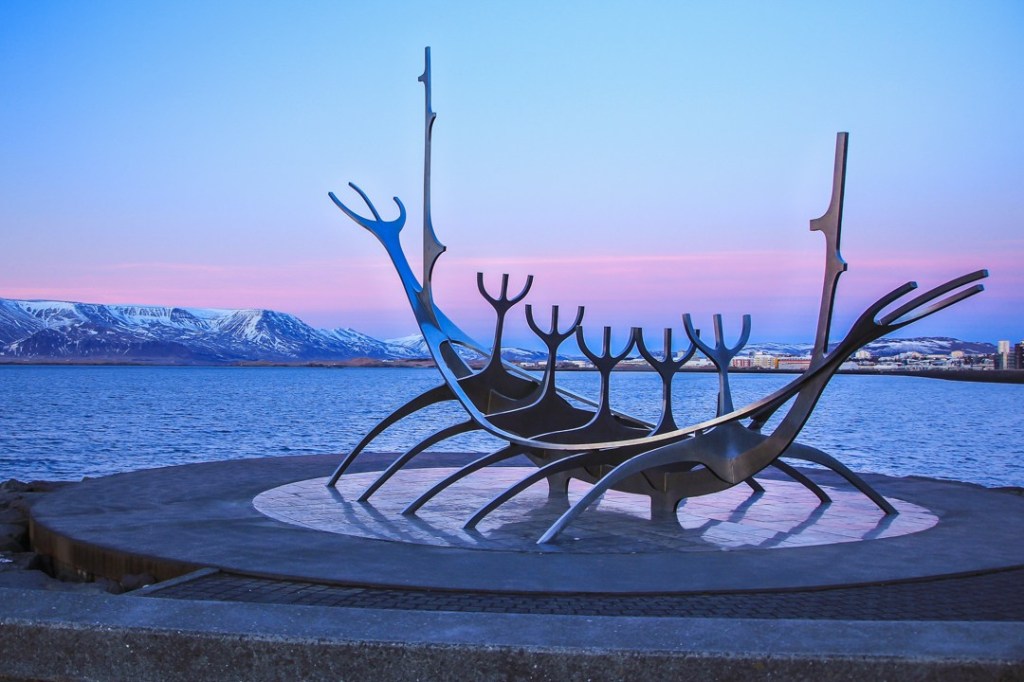
- Clive James compares himself to the Sun Voyager.
- The Sun Voyager in Reykjavik Iceland was
- …essentially envisaged as being a dreamboat
- …an ode to the sun symbolizing light and hope.
Conclusion:
- If you read this book be prepared to follow Clive James
- through a maze of memories.
- He backtracks, looks forward and stands still amazed that he is still alive!
- He’s danced the tango in Rio with a beautiful blind woman.
- He’s met the love of his life while listening to Maria Callas
- He’s pampered by two beautiful daughters.
- James is a poet and some of his insights took my breath away:
- “Time, it is thereby proven, is the sea
- …whose artifacts are joined by separateness.”
- Strong point: James shows us his spirit of youth.
- Even in old age, and his refusal to resign and face life passively.
- “If my ashes end up in an hour-glass….I can go on working.”
- Note: I’m reading this poem slowly, carefully line for line
- this my be the last time I can enjoy
- ….Clive James while he is still with us.
- I don’t want to read his books in grief…but in joy.
- #MustRead
- #MustReflect
#AWW 2018 The Enigmatic Mr. Deakin
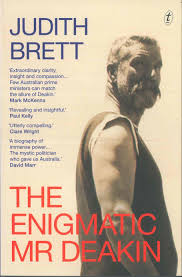
- Author: Judith Brett
- Title: The Enigmatic Mr. Deakin
- Published: 2018
- Trivia: Winner National Biography Award 2018
- List of Challenges 2018
- Monthly plan
- #AWW2018 @AusWomenWriters
Conclusion:
- This is a book about the history, politics and philosophy
- of Australian liberals.
- It is Australian politics leading up to Deakin Government
- and his years as Prime Minister 1903-1908.
- As a brilliant speaker Deakin became one of the kind of people
- who are very good at playing the political game.
- Judtih Brett has done almost the impossible
- …make a shy, studious, religious man seem interesting.
- Remember this is not a literary biography but a political biography.
- It’s going to be full of elections, and policy making.
- So if you are not really interested in this topic
- ….the book will be a tough read.
Last thoughts:
- It is not easy to write a political biography
- It is not easy to condense an entire life into the form of a book
- …an interesting book.
- You have to find the right balance between
- historical fact and emotion to give the subject a pulse.
- I felt only a regular missed heartbeat.
- The author did not punch me with enough
- little details that make the character relatable.
- It is difficult to read the book you are writing
- as if you were the reader…instead of a writer.
- Perhaps that may have improved this book.
#AWW 2018 Atomic Thunder (NF)
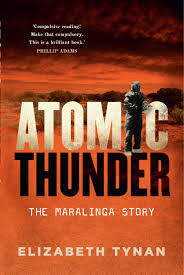
- Author: E. Tynan
- Title: Atomic Thunder: The Maralinga Story
- Published: 2016
- Winner CHASS Award 2017 Australia Book Prize
- Winner Prime Minister’s Literary Award 2017 in the Australian History
- List of Challenges 2018
- Monthly plan
- #AWW2018 @AusWomenWriters
Who is Elizabeth Tynan?
- Elizabeth Tynan is a science writer and academic
- at the James Cook University in Queensland, Australia.
- She completed a PhD on aspects of British nuclear testing in Australia.
What is Atomic Thunder about?
- Britain wanted to join the nuclear club.
- Britain needed Australia’s geographic assets (testing ground)
- …and its distance from the British electorate.
- Britain conducted three atomic explosions at
- the Monte Bello Islands off the coast of Western Australia
- …and nine at Maralinga and Emu.
- This book chronicles the scandals that ensued:
- 1950 Australian prime minister Robert Menzies
- agreed to atomic tests without informing his government
- the overall levels and distribution of radioactivity
- …that wreaked havoc on Indigenous communities
- …and turned the land into a radioactive wasteland
- the uncovering of the extensive secrecy around British testing
- This book is the most comprehensive account of the whole saga.
- After the British departed they left an unholy mess behind.
Conclusion:
Strong point:
- Mw Tynan shows in the last chapters
- the transformation Australia society has endured.
- What a difference a generation makes
- …layers of secrecy and inertia are lifted!
- Investigative journalists and media are not
- ….interested in comforting the powerful
- No more stonewalling….
- The people of Australia demand accountability!
Quote: pg 290
- “Britain knew in the 1960’s that radioactivity at its former nucelar
- test site in Australia was worse than first thought.
- But it did not tell the Australians.“
Quote: pg 300
- “Australia in the 1950s and early 1960s was essentially
- ….an atomic banana republic…
- useful only for its resources…especially uranium and land.”
- Chilling and selfish attitude of Britain
- treating Australia as a lackey. Disgraceful
Last thoughts:
- The whole story is shocking but while I was reading
- chapter 9 Clean-ups and Cover-ups I put my hands
- over my lips in absolute horror.
- Clean up crews were working 12-hr shifts scooping
- up topsoil that was liberally
- …dotted with plutonium-contaminated fragments.
- No-one says any thing about this to George Owen (British Army recruit).
- After 5 months working at Maralinga he is discharged.
- Soon after he notices strange growths on his hands.
- This is plutonium-239….
- 1 millionth of a gram may be sufficient to
- cause lung cancer if inhaled.
- How much dust did Owen inhale?
- Speechless….
- #MustRead
- PS…I read it in one day…could NOT put it own!
Short stories: Like a House on Fire
- Author: Cate Kennedy
- Title: Like a House on Fire (15 short stories)
- Published: 2012
- Trivia: Shortlisted Stella Prize 2013
- Trivia: Winner Queensland Literary Award 2013 short story collection
- List Reading Challenges 2018
- Monthly reading planning
- #20BooksOfSummer
Notes:
Flexion – excellent – great last sentence – wife-husband relationship.
Ashes – excellent – great last sentence – son-mother and recently deceased father relationship.
Laminex and Mirrors – wonderful….very funny yet touching.
Narrator is an 18 yr cleaning girl in hospital who establishes a connection with an old dying man. The matron keeps a close eye on our young girl when she lingers too long with her new friend: ”matron calls her in a tone of permafrost…she snaps in an enraged whisper.” The old man is whisked away by the girl for a surprise hot steaming bath. ” Haven’t felt this way in years…weightless.” The old man also gets at the desired but forbidden cigarette from this young cleaner…he’s elated and says “Your blood is worth bottling.”
Tender – Honest, often-hilarious perspective of family life with the backdrop of an approaching appointment for the mother’s biopsy. She remains the Rock of Gibraltar for her family despite her fears.
Like a House on Fire – Hilarious description of father who is chief child-care provider (…suffering from lower back pain)…while he gets the Christmas decorations from the attic…puts the tree in the bucket with bricks to anchor it. The children are not in the Xmas mood but Dad says: “TV of off until every piece of tinsel is on the tree!” Family life and on Christmas eve and relationship with wife endearing and told in details we all see around the house! – Absolutely terrific!! It seems every story gets better and better! Bravo Cate Kennedy, this was the BEST story!
Conclusion:
- These are the notes I made about the first five short stories.
- It seem every story got increasingly better!
- Unfortunately….the rest of the stories failed to dazzle me.
- The first 5 stories tasted like a sparking glass of champagne
- ….they went straight to my head!
- The last 10 stories tasted like sparkling water
- … refreshing but without the ‘bubble buzz’.
 NancyElin.blog