
The Trauma Cleaner

- Author: S. Krasnostein
- Title: The Trauma Cleaner
- Published: 2018
- List Reading Challenges 2018
- Monthly reading planning
- Trivia: Winner Victorian Premier’s Literary Award 2018 (non-fiction)
Finished: 17.04.2018
Genre: non-fiction
Rating: A+++
Review:
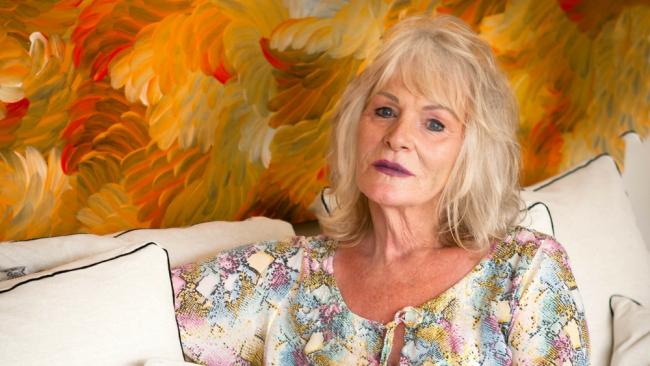
Who is Sandra/Peter?
She is a transgender, a survivor of a dysfunctional childhood, a husband, wife,
father, svelte star of many brothels and a savvy businesswoman.
What did I learn from Sandra?
Keep you life uncluttered…keep only what makes you happy.
Sandra: “I’ve made an executive decision.
This is shit”… and we are tossing it out!
- I just was so inspired by the strength Sandra showed
- ..when life threw her a curve ball.
- She helps her clients throw the junk out of their lives.
- She comforts them and always
- ...feels warm (character), like a car engine that’s been driving for hours.
Who was my favorite client?
Marilyn
A 70-ish “iron-tongued warrior in silken finery and bold beads.
Marilyn puttering around the house filled with junk and debris that almost sweeps the ceiling… with the aid of a gliding walker while balancing a gin and tonic on it in the early-morning light. Marilyn is a Christmas junkie… 2 artificial trees, Christmas-themed rugs, strings of lights an lots of Santas.
Hoarding does not discriminate on the basis of income or intelligence.
Strong point: Sarah Krasnostein can write! I am so impressed and happy I discovered this new writer.If this is a first book…I hope to read may more by Sarah!
Strong point: The book moved me to tears.
…and I mean that in a good way.
The narratives of the hoarders are as messy as their houses.
But Sandra has managed to maintain harmony in
her home and life as a means of survival.
Last thoughts:
- Sandra’s personal life is a rollercoaster ride of emotion.
- Hold on to your hat!
- But the chapters alternated with her work as trauma cleaner
- …..showing a compassion that just took my breath away.
- Sandra runs a tight ship when it comes to her business
- …but takes time to sit on the side of the bed with
- …’Marilyn’ in her lavender bathrobe.
- She assure her client that nothing is
- …tossed out with out her permission.
- Nothing goes in the dishwasher.
- Her workers will hand wash every utensil in the kitchen.
- Marilyn sighs a deep breath of relief.
#MustRead !
Sandra
From the Wreck Aurealis Award 2018 Best SF Novel
- Author: J. Rawson
- Title: From the Wreck
- Published: 2017
- Trivia: Winner Aurealis Award 2018 Best SF-novel
- Trivia: Aurealis Award recognises the achievements of
- Australian science fiction, fantasy, horror writers.
Why is From the Wreck considered science fiction?
- SF is not always about space ships, aliens, monsters,
- ..robots or giant man-eating insects.
- The first requirement for SF is that it should be possible!
- Realistic fiction is what could have happened,
- …fantasy is about events that could not have happened
- …SF is about events that have not happened, or have not happened yet!
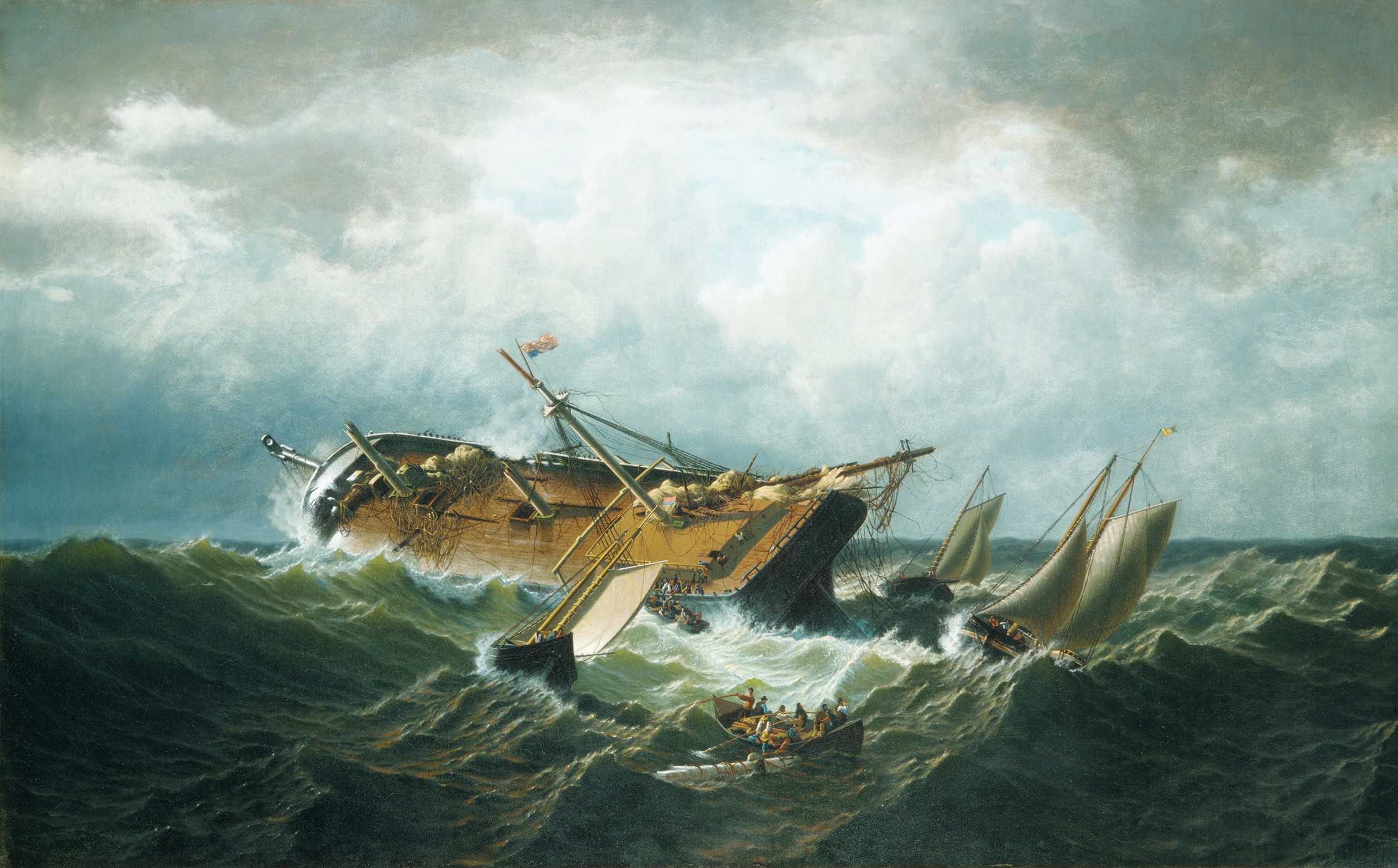
- This book is based upon the shipwreck of the SS Admella in 1859.
- But what has Jane Rawson done in her story to
- …bring this narrative into the science fiction category
- …and not historical fiction?
- I’m determined to find out.

Narrator:
- Third-person, non-participant narrator
- There are six chapters narrated by the ‘being from another dimension”
Structure:
- The Wreck – 2 chapters
- Life on Land – 4 chapters
- Henry – 9 chapters
- Cured – 4 chapters
- Some Journeys – 12 chapters
Setting:
- Rosewater (small town above Adelaide)
- Portland (George works in Seaman’s Home in this town)
- Adelaide (George travels to this city to meet some characters)
Introduction:
- From the Wreck tells the remarkable story of George Hills.
- He survived the sinking of the SS Admella off the South Australian coast in 1859.
- George “..rolled into the waves…but they would not have him…”
- the waves …”instruments of the Lord“
- People trying to help save George….he calls them
- “monstrous humans declaring death is near”
- “What do they know?
- George thinks
- “Death was not for him.
- He lived now in another world.”
- “Why had the waves not taken him? Why was he here?“
- He is haunted by his memories and the
- …disappearance of a fellow survivor.
- She is a woman from another dimension
- ...and George must find her.
- She can…
- lure him
- destroy him
- return scraps of his health and sanity
- tell him what he had done was only a dream.
What was the hook that drew me into the book?
- Rawson begins her book with the description of the
- ship wreck by three different points of view.
- Rawson writes an amazing ‘cryptic’ second chapter
- …and I was hooked.
- In chapter two Rawson switches constantly among
- four personal pronouns: WE — I — THEY — IT.
- If you read this chapter too quickly your eyes will glaze over.
- I read line-for- line making a note as to what/who the
- …pronoun was referring. It changes!
- This was the only chapter I had to read in this way
- …the rest was easy going.
- But it is important to understand who is talking in ch 2!
- Believe me..after you finish the book
- …you should re-read chapter 2.
- The pieces of the puzzle will now fall into place!
Theme: abandonment, loneliness, and guilt.
- The George suffers from all these feelings
- …which Rawson has translated into a story.
Tone: Gothic
- Part 1:
- whitened swollen ghosts had dragged themselves across the deck
- ghosts who wanted nothing more now but to be left alone
- looked at the ghosts about him…they were gone —
- He is a creature of the devil.
- Ocean-fed devils
- Part 3:
- “You’ve seen these ghosts“
- …headless monsters walking the streets after dark wringing out
- …the bodies of cats and rats to drink their blood..”
- It is a sprawling birthmark.
- …was throbbing, rippling, pulsing. “Another brain in my brain…”
- …seethes and stretches, the edges crawling across his back..”
- Part 4:
- “What do you know about haunting? he asked.
- Or spells. Potions. Do you know anything about
- …spells to stop a haunting?’
Strong point: inner dialogue
- Internal narrative is the life’s blood of any story.
- Readers don’t just want to see what’s happening to your character.
- they want to know what he thinks.
- For example: George has thoughts that he
- …would LIKE to tell his brother-in-law
- ....but cannot.
Strong point: tension
- Suspense drives the narrative.
- Good example is in ch1 part 2.
- Tension is building.
- Rawson is withholding information.
- She keeps the reader
- …waiting and waiting for a shocking revelation.
- The character is keeping his secret from his family.
- The reader will soon know the secret as well.
- Tension:
- Why does Henry…George’s son of 5 yr
- …use words like niche and reprobate?
- Uncle William is amazed by small Henry.
- Does it mean he is ‘different’? (big words for little kid!!)
Strong point: pace
- I never really took notice of ‘pace’
- …until I started reading books more carefully.
- A writer uses her craft to equally balance action, drama, and plot elements
- …and I just miss it completely!
- Rawson mixes slow and quick pace chapters part 3 “Henry” .
- Quick: Dialogue: question – answer b/t characters (George – Alice Jarvis)
- Slow – reflections – inner dialogue, dream sequence – Henry dreams of ocean.
- Quick: wife about to give birth…George is rushing around get the doctor!
- Slow: introduction of new characters with long descriptions, back round
- Quick: …heart throbbing revelation for Henry!
Conclusion:
- Question?
- Alien being has its own philosophy… but what is it?
- Why is alien being implanting itself into humans?
- Why does it insist on adapting to new shapes and forms?
- What has happened to push George or the edge?
- He is so committed to finding the truth
- …that he’s willing to physically die for it.
- These questions and more, you will have to answer
- yourself after reading this
- Aurealis Award 2018 …winning SF novel!
- #MustRead…..amazing!
Last thoughts:
- As a reader who is not drawn to the science fiction genre
- …this book delighted, surprised and inspired me
- …to read more of Jane Rawson.
- I must give science fiction a chance!
- This book is original, so well-written
- ….clean, sharp and spooky.
- I’ll never look at my cat in the same way….!
Jo Chandler: Feeling the Heat
- Author: Jo Chandler
- Title: Feeling the Heat
- Published: 2011
- List of Challenges 2018
- Monthly reading plan
- #AWW2018 @AusWomenWriters
- #WorldFromMyArmchair (Antarctica)
- Trivia: Breaking News BBC 09.04.2018 Antarctica
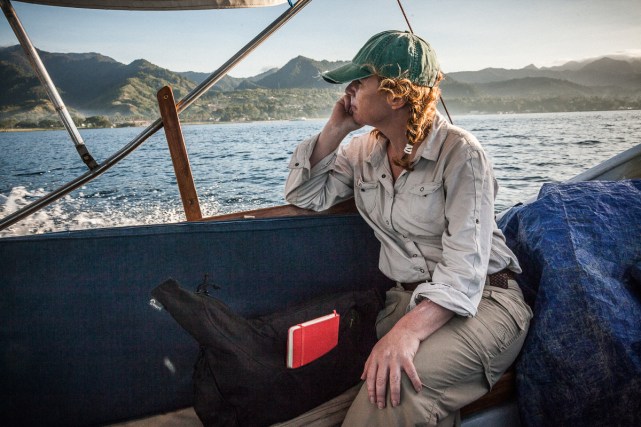
Who is Jo Chandler?
- Chandler is a freelance journalist and author.
- She won the Walkely Award 2017 Freelancer of the Year.
- I discovered Jo Chandler in The Best Australian Essays 2016
Introduction:
- In a attempt to understand what is happening to our planet,
- Chandler travels to climate science frontiers
- Antarctica, the Great Barrier Reef, the Wimmera and
- North Queensland’s tropical rainforests.
- Jo Chandler puts together some of the
- …pieces in the climate puzzle
- …meets many passionate and eccentric characters
- …discovers what makes them tick, and
- …learns a thing or two about herself.
What is Chandler’s goal in this book?
- The purpose of the book is to tell the authentic,
- raw story of science at the real-world climate frontiers.
- Narrator: Chandler is of a non-scientist and journalist
- ….a questioning observer.
- Chandler presents scientist’s evidence as clear as
- possible and then takes a step back as all scientists do.
- “Our leaders must define the path which will get
- …us to where we need to go.” (pg 228, epilogue)
What did Chandler find personally?
- Chandler uses the metaphor
- …the difference between bearing and heading.
- Explorers note physical markers to register
- …their drift and shift against satellites.
- Heading is not always the
- …direction you are moving towards.
- Heading is the direction you are pointing.
- If we fail to define the
- …coordinates of our objective (…in life)
- …drift out of course due to crosswinds
- …we plough blindly forward
- …without heed for perils along the way.
- It is important to find your bearing.
- …your position with reference to a known (land)mark.
- “”..it feels like a revelation. A strategy to better find my way
- …when I return to earth.” (pg 40, ch 3)
Storm Front
- Jo Chandler’s departure from Hobart to Casey Antarctica:
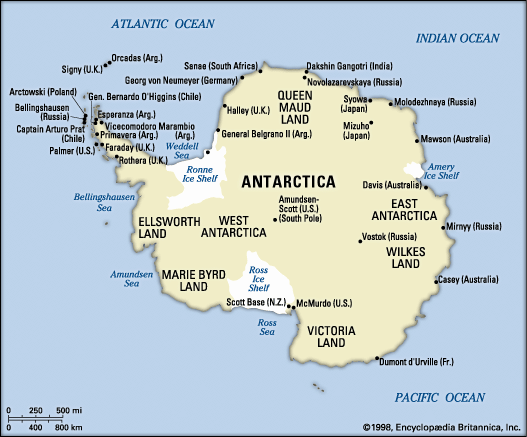
Flight of the Albaross – Arriving at Casey Base:
- 5 hr flight from Hobart
- 70 km (4 hrs rough riding from Wilkins Airport)
- 4000 km south of Perth
- Flight attendant Airbus landing at Wilkens Inter Airport:
- ” Welcome to Antarctica…it’s not bad out there today
- ..mild mid-summer -6 C.”
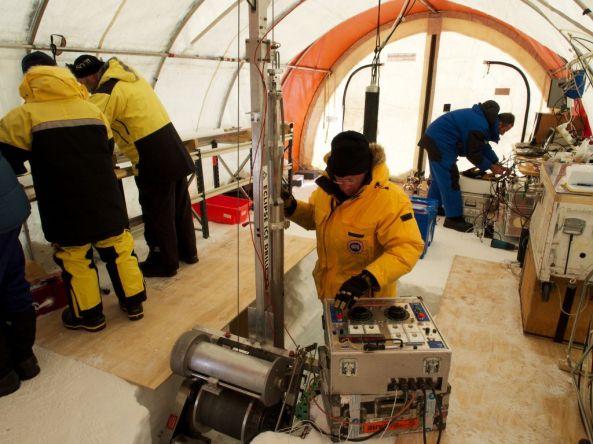
Buried Treasure
- Fact: Antarctica holds 70% of the fresh water on the planet.
- Irony: Antarctica is the driest place on earth.
- Personal: Chandler experiences Antarctica
- …as more than an scientific platform.
- She felt moments of connection with nature
- …which ache so powerfully
- …it is like the instant of finding love.
- Antarctica divines or future….and archives our past.
- Reasearch: Ice samples pulled from Law Dome
- contain bubbles of the atmosphere
- ….dating back 90.000 years!
- Expert: scroll down to see beautiful
- …video (3 min) of Antarctica with
- … Dr. Tas van Ommen
Revisiting Gondwana
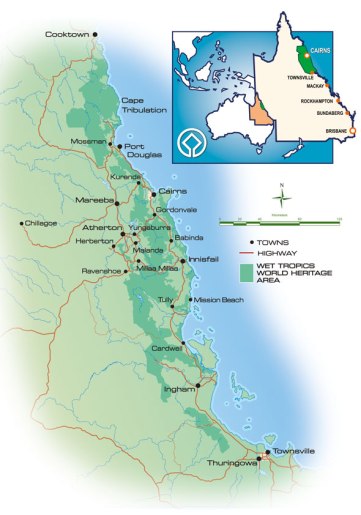
- Chandler now moves to the Wet Tropics of Australia.
- …the subtropical Gondwana Rainforests of Australia World Heritage Area
- Despite its small size these tropics host the highest biodiversity in the country.
- The forest throbs with life.
- Just take the time to LISTEN to the sounds of the rainforest….so relaxing!
- I listened…while reading!

- Some of the wettest areas on Earth where forests are so
- …often shrouded in cloud they truly are “cloud forests”.
- Clouds condense on leaves and drip to saturate soils below
- But the rainforests are deeply vulnerable
- …to human induced climate-change.
- Cyclones are a part of the north
- …they have always come…and they always will.
- But what happens when warmer oceans
- …feed the frequency and fury of the storms?
- Will the rainforest have the opportunity to recover between blasts?
- Cyclone Yasi 30.01.2011 CAT 5 ..most furious storm to visit east coast
- …of Australia in a century!
- Personal: Chandler feels unsettled in this place with a high ‘ick’ factor.
- It takes some days to come to terms with
- …the tight grasp of this menacing environment.
The Sleeping Giant:
- Climatic change is everywhere in the news.
- If you want to get the most out of this book
- …I would suggest while you are reading
- …to google for images that will help you see what chandler is discussing.
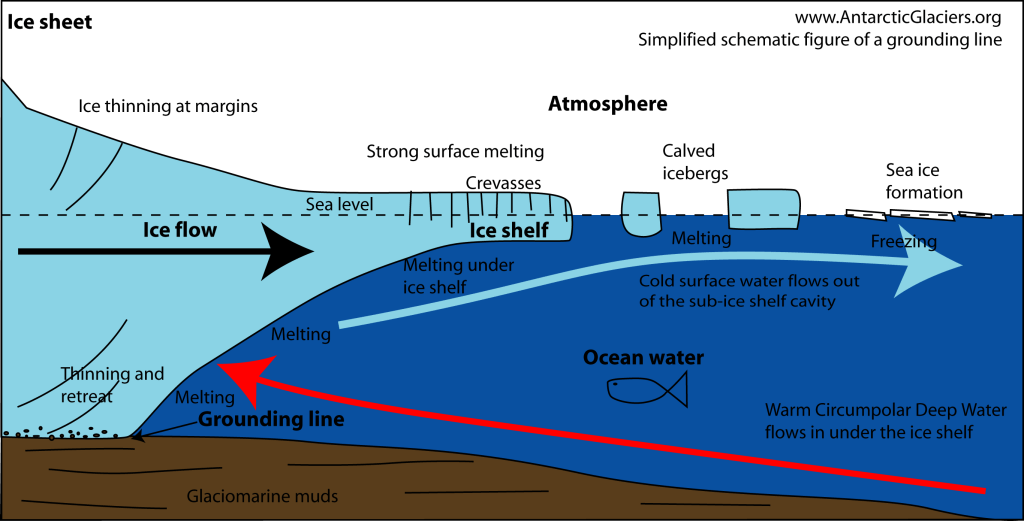
- The Sleeping Giant refers to the East Antarctica ice sheets.
- They are now relatively stable.
- But Chandler explains that the character of the ice is changing.
- (warm current sweeping under the ice sheet)
- Without this image for instance …I would not have
- ..understood what Chandler meant.
- Antarctica is difficult to imagine!
- Personal: Chandler feels in Antarctica “..very isolated, very small,
- …very lucky and a little afraid.” (pg 112, ch 6)
Strong point:
- Explanations are clear and in accessible language.
- It is not academic book but very strongly supported
- citing numerous articles in science magazines and research papers.
- The main topics that are being investigated in Antarcitca are:
- Ice sheets – ice melt – atmosphere (ozone hole) – ice cores (drilled to study the past)
Strong point:
- This is the first book I ever read about climatic change.
- Chandler’s perspective as a non-scientist observer
- …made me feel at ease.
- I was learning….as she was.
- Chandler helped me with her journalistic style ‘here are the facts’ and
- …clever analogies (bathtub = hidden underbelly of the Totten Glacier, ch 6).
Strong point:
- You can read all the chapters one after another
- …but I found I was
- drowning in information overload.
- You can also read the book as a series of essays
- …put the book down and let the information settle.
Strong point:
- Chandler’s book made me more aware of the consequences
- of climate change that I experience myself:
- frequent storms, diluvian cloudbursts and sweltering heatwaves.
Weak point: no illustrations!
Conclusion:
- This book is a great read emphasizing that
- …the clock is ticking and issues like
- …ice melt and sea-level rise are urgent.
- If there is even the smallish risk
- …of a very big adverse outcome
- ..due to sea rise and ice-melt (Antarctica and Greenland)
- it would be wise to do something about it.
- “Once the thaw starts the risk is that the
- …tipping point is tripped...” (pg 122, ch 6)
- But as we know action is blocked by
- Big Oil and Big Coal.
- I think one of the things I or any other citizen of the world
- …can do is #VoteThemOut
- Vote out the politicians
- …and leaders of countries who are on the
- ..fossil fuel industries…payroll!
Last thoughts:
- Chandler’s mission:
- Explore and explain the dynamics of
- …the forces at work in a changing world.
- Personally..
- …I was most fascinated by the Antarctica.
- Jo Chandler’s storytelling is
- ….personal (ch 6-7 and especially the epiloge)
- … mixed with scientific: for example…
- man-made ocean acidification ch 8
- Great Barrier Reef and Heron Island ch 9-10-11-12
- Penguins Antarctic Adélies, elephant seals
- …and mosses, the most advanced plants
- …on continental Antarctica! ch 13

- It is an amazing feat to
- …digest all this scientific information
- …clarify all the jargon for the readers
- …who just dabble in science, like me.
- One thing I DID LEARN...
- What caused the biting cold Polar Vortex
- …24 February – 01 March 2018 that brought
- ..The Netherlands back to ice skating on the canals?
- There is more heat coming off the relatively ice-free Arctic waters
- …increasing air pressure and
- …pushing the polar cold air south …in my direction!
- #MustRead

The Acolyte
- Author: Thea Astley
- Title: The Acolyte
- Published: 1972
- Trivia: Winner Miles Franklin Award 1972
- List of Challenges 2018
- Monthly reading plan
- #AWW2018 @AusWomenWriters
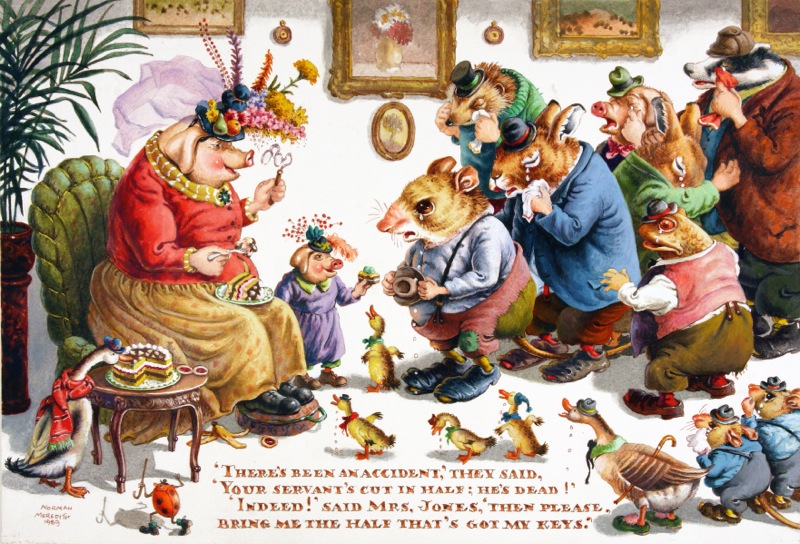
Epigraph: (see photo above)
- Written by Harry Graham know for his Ruthless Rhymes
- full of black humor.
- Black humor is the humorous portrayal of incidents which should not be laughable.
- We find ourselves laughing, but quickly realize the horror that lies beneath
- …the seemingly amusing situation.
Introduction: (exposition)
- Setting: Grogbusters, Australia
- Timeline: 28 years
- Characters: …a hideous Greek chorus of yes-men (pg 7)
- This story is not a love triangle.…
- …lines that connect but never never never intersect.
- ..You have us, a trapezoid. (pg 88)
- Sisters born in Australia: Hilda and Ilse
- Hilda – Hilda wife of Holberg, retained only the
- cuckoo-clock vestiges of their fatherland. (pg 12)
- Hilda patiently bears his cruelty and indifference,
- …along with his frequent infidelities, and remains
- humble and servile, even to the
- …point of feigning blindness at times.
- Ilse – flax-coloured hair, fragility of bone, cottage cheese skin (pg 12)
- Jack Holberg – …sweated confidence (pg 25)
- …the beer-hall piano player turned
- …high priest of avant-garde serious music.
- “Men can shrivel women in a marriage.
- …I’ve watched Hilda shrivel” (pg 73)
- Paul Vespers – (narrator…and in love with Hilda)
- …non-achiever, no-hoper, failure,
- …parental slap in the face of gratitude. (pg 10)
- ..becomes “valet Vesper” for Holberg.
- Paul describes himself:
- Cyclops Vesper, the twelfth man
- (non-playing reserve in 11-player cricket side)
- a dog in his responses
- ….the gauche butler, harem pander, dusting maid. (pg 115)
- Paul is ‘The Acolyte” in the title
- …willingly giving up his own life, sacrificed for art and celebrity.
What is the first plot point? (act 1)
- “I’ve burnt my bridges” ( pg 67) – Paul makes a major decision.
- This is the point of no return.
- Paul has crossed his personal Rubicon.
- He will soon act in a way that cannot be undone.
- This decision to leave ‘the outside world’
- … drives the plot forward. (tension)
- Paul has no clear idea of what he’s really getting himself into.
Middle: (act 2) (religious allusions)
- Paul feels he is being punished for following Holberg.
- “Holberg is my cross and I’m nailed to him...” (pg 70)
- Paul adresses the reader: “Have you noticed as I have noticed
- …that since the taking of vows (7 yrs with Holberg) my
- …style has been bruised?” (pg 80)
- “This the beginning of the crack-up?” (pg 80)
What is the second plot point? (act 3….and resolution)
- Holberg is totally unconcerned about Paul’s feelings.
- Holberg is the kicker.
- He pushes, jabs, pokes and thumps Paul to a breaking point.
- Paul: major character change…reactive –> pro-active
- Holberg: what does he really want? (pg 117) (..no spoiler)
- Climax: Paul and Holberg clash. (pg 117-118) (no spoiler)
- Resolution: “It was the laugh that did it.” (pg 155)
- Holberg finally comes alive “cracking for the first time” (pg 157)
- He does not care about Paul…until valet Vesper gets in his way!
- Last words of Holberg: ” I’ll finish you Vesper!…Finish you for this.”
Theme:
- Blindness (disability)
- Irony: blindness is something worthy, characters long for it.
- Sense of sight
- Irony: gift of sight becomes burdensome.
- Paul says near the end of the book (reads Holberg’s journal in braille)
- …that he had to throw off his gift of sight to finally see
- …Jack Holberg for what he really is
- …and gain ultimate enlightenment!
Conclusion:
- Strong point: Astley leaves a trail of clues for the reader.
- “…an epiphany that brought me to a self-sense for the minute…”
- parable of trees (pg 22) (Judges 9: 8-15 …look it up!)
- Every character is either physically or metaphorically blind!
- Astley fills the novel with subtle references
- ” I buried my outrage in sherry.” (not wanting to see) pg 7
- Sadie (Holberg’s guardian)
- fakes blindness herself…
- “Sadie has sensibly turned her back on all of us.” (pg 119)
- Statues in garden
- “Their blind eyes stare at…fruit the will never touch”(pg 67)
- While you read the book…just notice who cleverly Astley does this!
- Strong point: Astley writes a roman à clef
- “…she vented her rage at ‘followers’ of all kinds
- …a critique of ‘followers’ of the literary critical establishment.”
- ref: Thea Astley: Inventing Her Own Weather by K. Lamb, pg 214)
- Pg 153: Holberg plays with a sling-shot Paul made:
- “What’s the purpose of it? Let me guess…Beleaguered by the
- public and the critics, we aim this pretty thing in our defense. Is that it?”
- Astley’s book represents the ‘sling-shot’.
- Pg 55: The wolf-pack will be on to me.
- Bite and snap till you’ve made it,
- …then fawn to the very end.”
- ….sounds like Thea Astley speaking!!
- Strong point: clever metaphors, allusions to music,
- …Catholic rituals and history, poetry.
- Half the fun is trying to find all
- …these ‘gems’ hidden in the text!
- Weak point: ch 3 and ch 7 where the story
- …begins to drag and feels stretched
- …but just keep on reading!
Personal favorites:
- pg 15: “Pulling on my clothes was like robing for tenebrae. There was a death somewhere and no communion” This is a brilliant allusion.
- Tenebrae is Latin for “darkness”. It is a religious service consisting of matins and lauds of the last three days of Holy Week. (Holy Thursday, Good Friday and Holy Saturday.
- Tone: ominous, gloom.
- pg 17: ” I was whacking away towards Canossa in an instant, putting genuine arms around her this time…..and sensing Hilda’s curious eyes!” (Paul seeking pardon from mother.)
- In January 1077 the Holy Roman emperor Henry IV did penance at the castle Canossa to obtain a pardon from his excommunication by Pope Gregory VII.
- Tone: funny
Last thoughts:
- I had to re-read chapter 1.
- I have missed so many clues.
- The first four paragraphs are in the far future.
- Don’t worry about Nielsen, music critic, in the first sentence…
- “true earthworm in the garden of art (pg 149)
- …he pops up in the last chapter.
- I tell you this so you won’t make the mistakes I made!
- Paul is older and his remarks reveal how he feels.
- “ I’d been in the habit of giving for years.
- …But my tongue was in clamps.”
- I have to finish The Acolyte today but it will be rough going.
- The book is intense every word packs a punch and
- …this takes a toll on my brain.
- It is an exhausting book….but also exhilarating.
- I see the craft in the writing and this comes
- ..from Astley’s depth of knowledge of syntax, poetry,
- literary devices (irony, anaphora, metaphor, homonym).
- Her Catholic heritage and love of music add the finishing touches.
- Astley uses latin phrases, catholic history ( “…wacking towards Canossa” pg 17)
- autos-da-fé (ritual of public penance of condemned heretics) pg 147.
- details of the catholic rituals (tenebrae) and many
- references to composers, (Dag Wiren) their works and the
- vocabulary of music (cadenza, allegro, triad, allegretto (pg 139).
- Astley’s story structure is nothing more or less than a
- ..recognition of how life works.
- She recreates it in a dramatic, satirical way on the page.
- It took Astley 3 years to write this book.
- It took me 4 days to read….158 pages!
- I was relieved, nobody died at the end.
- No headaches….tonight…just a feeling that I have
- …read great literature!
- #MustRead
Cover:
- This book is not available as an E-book
- so I had to order it from Australia.
- This is the cover I received from University Queensland Press
- …and is not available on Amazon.

A Writing Life Helen Garner and Her Work
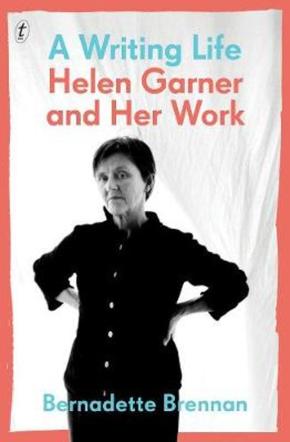
- Author: B. Brennan
- Title: A Writing Life Helen Garner and Her Work
- Published: 2017
- Triva: Longlist Stella Prize 2018
Conclusion:
- Helen Garner writes fiction but has accrued
- …quite a bit of attention with her non-fiction books:
- Joe Cinque’s Consolation ( 2004) and
- The House of Grief (2014).
- She delves deeply into a crime, follows the
- judicial process carefully, speaks to expert
- psychologists/psychiatrists/doctors/pathologists and the family members.
- It is an extraordinary way of writing.
- She has to take care that
- ..she is not “drawn into the darkness”
- …of the subject she is writing about.
- It has taken an emotional an
- physical toll on Helen Garner.
- I had my doubts on page 80.
- I nearly abandoned this book. Why?
- I knew nothing about Helen Garner.
- I had difficultlygetting through her …early writing years ( Monkey Grip)
- But I found the muscle to keep going after a slow start.
- Once Helen Garner moved to non-fiction
- …I was hooked while reading chapter 7.
- Strong point: Garner’s her ability to get into people’s heads.
- Strong point: Garner operates as a filter for ideas.
- Strong point: Garner presents the evidence of the crime
- but into a form that builds the narrative tension.
- Last thoughts:
- The book is an impressive undertaking.
- Bernadette Brennan did a stellar job.
- The book deserved to be mentioned
- …on the longlist for Stella Prize 2018.
- I am only sorry the jury did
- …not place it on the Stella Prize shortlist.
- But we all know...sometimes the real winners
- …are on the long list!
- You just have to look for them!
Anna Sargo-Ryan You Know How It Is (short story)

- Author: Anna Spargo-Ryan
- Title: You Know How It Is
- Published: 2018 @islandmagtas #Island152
- List Reading Challenges 2018
- Monthly reading planning
- #DealMeIn2018 Jay’s Bibliophilopolis
Conclusion:
- You Know How It Is by Anna Spargo-Ryan is a story
- I found in the literary magazine Island nr 152.
- The magazine is shipped to me …all the way from Hobart Tasmania!
- There is some great writing and writers to be discovered ‘down under’.
- The Anna Spargo-Ryan has learned the first lesson in writing:
- “hook” the reader in the first sentence.
- “The first thing Les Harrison catches on his
- …new line is a shark with his wife’s hand inside”.
- This shock start sets the stage .
- This is going to be a husband (Les) who
- …discovers his missing wife…dead (Claire).
- Claire announces earlier (flashback) that she is traveling
- …with some teachers to Sidney for a conference,
- …no partners allowed.
- Les is afraid his wife is leaving him.
- Spargo-Ryan stitches the layers of the narrative together
- …alternating the present (5x) with flashbacks (4x).
- She creates a seam of tension that kept pulling me through the story.
- I discovered Anna Spargo-Ryan in The Best Australian Essays 2016.
- Her story How to Love Football
- …about her grandfather and his favorite football team the Norwood Redlegs
- …was heartwarming, good-feeling story.
- In You Know How It Is
- Anna Spargo-Ryan shows her darker side with a whiff of humor.

Tracker

- Author: Alexis Wright
- Title: Tracker
- Published: 2017
- Trivia: Shortlisted for the Stella Prize 2018
- Trivia: #AWW2018
- #NonFicReads18 Doing Dewey (Katie)
Conclusion:
- Before starting this book….I read NO reviews about it.
- I wanted to begin it with a clean slate.
- I read the introduction and the prologue in the
- …hope it would prepare me for an interesting book.
- This is a collection of short personal narratives.
- Wright fails to create an interesting situation.
- Excessive description:
- long winded, no powerful prose to ‘hook’ the reader.
- Irrelevant information:
- The first few lines of your story are crucial
- Wright gave me trivial information…nothing I could sink my teeth in!
- The writing in this chapter is at elementary level.
- I hope Wright changes her writing style
- …otherwise I may not last 650 pages of this.
- 4 chapters are written in first person point of view.
- Each chapter had more than 7 changes of voice.
- Chapter 1 and 3 had a whopping
- …16 different changes of perspective.
- This is not the way to ‘grab’ a readers attention!
- There is certainly nothing wrong
- …with multiple first-person narrators.
- We avoid getting only one person’s view of the action.
- But it should be done well!
- There are pages of nothing but
- …I did this, I did that, I was thinking, So I said to him…
- I made it through part 1, 20% of the book.
- Time to look forward…
- there were pages and pages
- …of the same waiting for me.
- This is an exhaustive form of
- experimental ‘collective’ memoir.
- I think A. Wright decided to write her book in
- this style because she wanted not to refer to emotion but
- …to re-create it in the first person narrative.
- I just could not manage 650 pages of it.
- Narrative sounds like the flow of casual talk
- …campfire yarns…and in my opinion no great craft.
- You may like it….I did not.
- #DNF
Last Thoughts:
- If you are interested in the power of contemporary Aboriginal storytelling
- …then I suggest you read My Place by Sally Morgan.
Position Doubtful

Tanami Desert Australian Sunset
- Author: Kim Mahood
- Title: Position Doubtful
- Published: 2016
- Genre: autobiography
- Trivia: (NT) #AusReadingMonth @Brona’s Books
- Trivia: #AWW @AusWomenWriters
- Trivia: List of Challenges 2017
- Trivia: #NonFicNov
- Trivia: #WorldFromMyArmchair challenge 2017
- Trivia: Position Doubtful was shortlisted for the
- 2017 Victorian Premier’s Award for non-fiction
- 2017 National Biography Award Australia and
- 2017 WON Australian Book Industry Award for the Small Publishers’ Adult Book of the Year.
Title:
- The book is named after a term Mahood came across
- …in her father’s account of his expedition
- across the Tanami Desert in 1962.
- He observed that the only landmark marked anywhere near his route
- …was marked Position Doubtful.
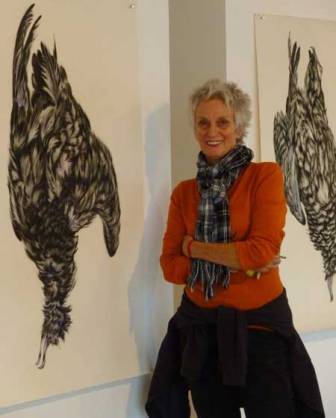
Kim Mahood:
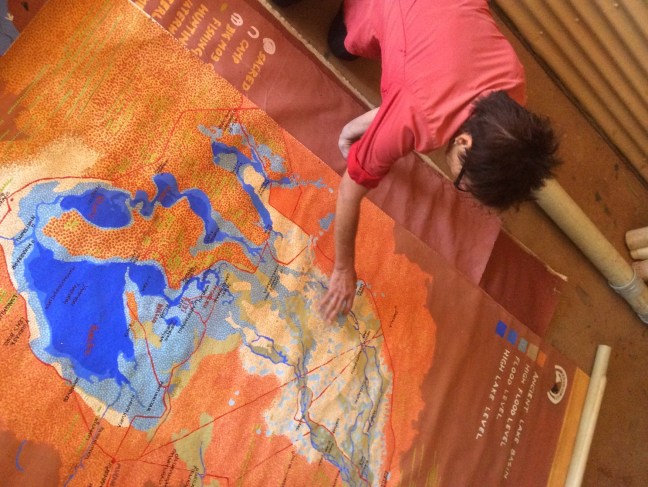
Kim, daughter of a Tanami rancher…
- grew up in the region of Tanami Desert
- …on a cattle station in East Kimberley.
- She was raised in part by Aboriginal people.
- She has a distinctly different and deeper relationship
- with the community here…
- living and working in Mulan for three months out of the year.
- Mahood has been painting a set of very large canvases
- that are at first simple topographical maps of the land.
- The maps are both works of art, but also
- documents that can help influence politics and policies.
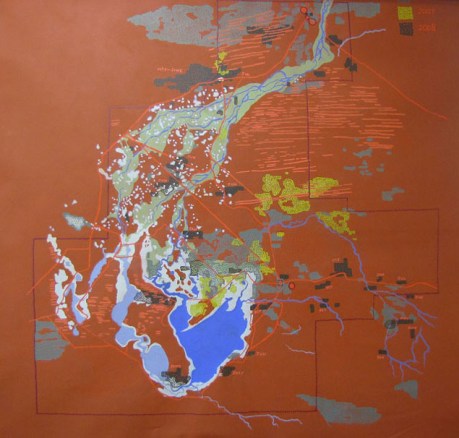
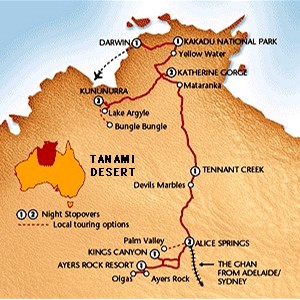
In this book Mahood takes us with her as she returned for
- 20 years to a remote pocket of inland Australia that extends
- across the Tanami Desert to the edge of East Kimberley.
- A one time pilgrimage to the country of her late childhood has
- morphed into yearly field trips with her artist friend Pam Lofts.
- “We were like migratory birds, driven to return year after year.” (pg 290)
There were very arcane chapters in which Manhood explains
- how she uses archaeological grids as an intermediary between
- her map making project and observance of aboriginal paintings.
- She learns to read the desert landscape with skill.
- Mahood uses these skills to give her maps and paintings the
- visual shimmer of the desert breathing the Aboriginal essence into her works.
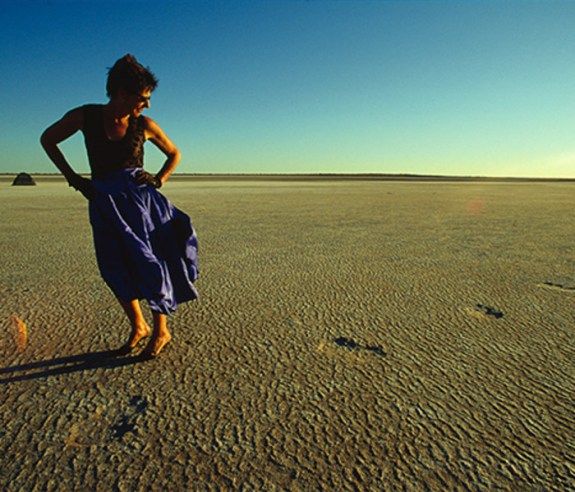
On a personal note….Mahood touchingly reveals her grief for
- friend Pam Lofts as she dies from MND (Lou Gehrig’s disease).
- She describes the map of their friendship.
- Mahood’s also makes peace with dog ghosts
- — Old Sam who made the first pilgrimage,
- Slippers for seven trips and now her pal Pirate.
The best chapters are the last 3:
- Requiem
- Unstable Horizons
- Undertow
- …just because they are so personal. (pg 286 – 339)
Last thoughts:
- This was a very informative but more importantly moving book.
- Kim Mahood can PAINT and WRITE !
- It is a combination of Jung and Geography
- It confirms what I also feel
- ….place, memory and emotion are inextricably linked.
- Bravo…Kim Mahood
- #MustRead or #MustListen audiobook.
- PS: For @Brona’s Books
- …I learned another word that pops into my head
- ….when I think of Australia: “the cockroach bush!”
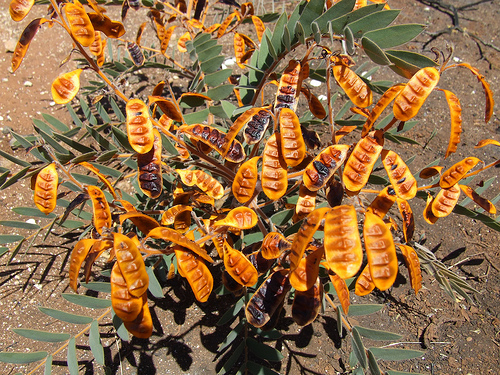
A Boat Load of Home Folk

Winslow Homer
- Author: Thea Astley (1925-2004)
- Title: A Boat Load of Home Folk
- Published: 1968
- Genre: social satire
- Setting: Coral Sea Island
- “…it was Maugham country” (tropical setting)
- “…Everything was Gauguinesqe.”
- Timeline: 48 hours
- Weather: “..it rained hammers of wet.”
- Trivia: #AWW AusWomenWriters
- Trivia: List of Challenges
Conclusion:
- The book recounts the effect of a hurricane on a group of Australians
- …stranded on a Coral Island.
- Love, infidelity, passion and prejudice
- …all come together in the ‘eye of a hurricane’.
- The plot is cleverly set within the saying of the Mass by a local Catholic Bishop.
- The characters are overwhelmed by their sinful unworthiness.
- “Domine, non sum dignus…” (Lord, I am not worthy…).
- Astley left the Catholic Church…..but she is not without God.
- She show us how her characters (…as well as Astley)
- found God outside of Christian practice.
- Thea Astley is blessed with a ‘nose for the lurking detail’.
- That is what makes her writing so exceptional in my opinion.
- What is unique about Astley was her readiness to take a side track.
- Her satire about the ‘steamy’ side of the Catholic clergy’s sexual urges
- ….that we now know more of… is bold!
- Priest Father Lake is just bout to ‘crack’ under the oppressive heat and his vocation.
- “…he could observe tantalizingly the brown John Terope (house boy)
- …padding between the lime trees towards the water tanks behind the school.” (pg 27)
- Even in the 1960’s Astley could see how it all
- tied up and was not afraid to publish it in her books!
- Tone: biting satire
- Astley criticizes the Catholic belief system…yet again!
- She exposes the weaknesses of the church adherents and the
- …bishop is very unsympathetic
- …and there is nothing ‘divine’ about him!
- #MustRead
- … Astley is a master writer!
Don’t you wish you could write like this?
Marriage:
- The bliss flaked off within months and there they were…
- the contestants, one battered, one victor…
- and the ropes sagging all around the ring.” (pg 60)
Lover:
- “Taking a lover was no more to her than…
- …an after work gin …” (pg 75)
PS: One of my favorite images:
- Miss Paradise and Miss Trump..
- …genteel ladies trying to graciously climb into a dinghy to go ashore.
- Astely captures this perfectly!
- “…the orgy of leg and thigh and overbalance…” (pg 16)

My Place
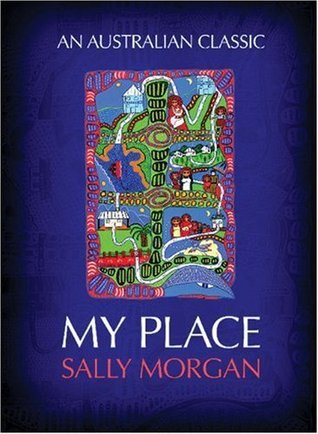
- Author: S. Morgan
- Title: My Place
- Published: 1987
- Genre: memoir
- Trivia: November Clean Up Challenge
- Trivia: (WA) #AusReadingMonth @Brona’s Books
- Trivia: List Reading Challenges 2017
What do we know about Sally Morgan?
- I knew nothing about Sally Morgan until I read
- Brona’s Books post in 2016 about her children’s book Sister Heart.
- Then I stumbled upon her simple poem Janey Told Me.
- In just a few words you feel something hidden…a stigma no one must know!
- During my weeks searching for books for #AusReadingMonth @Brona’s Books
- …I found myself curious about the plight of the Aboriginal race in Australia.
- So I decided to read My Place (memoir) by Ms Morgan.
- Brona tells us in her post:
- “Sally Morgan’s autobiography, My Place was
- one of the publishing super stories of the late 1980’s.
- Her story was fascinating but has since been
- …surrounded by various controversies and academic debates.”
Introduction:
- Sally Morgan tell us how she learned of her Indigenous Australian heritage.
- Morgan visits family, old acquaintances in the land of her ancestors.
- She tape-recorded the monologues of her relatives and they take over the narration.
Quote: pg 192
- Sally: I found out that there was a lot to be ashamed of.
- Mum: You mean we should feel ashamed?
- Sally: No, I mean Australia should.
Conclusion:
- This is one one of the first books written from the Aboriginal point of view.
- “No one knows what it was like for us.” (pg 208)
- People must realize that identity is a complex thing.
- Identity is often not fully dependent on
- …your culture or the way you look.
- Morgan’s family shame…
- was so strong that she had not been told she was indigenous.
- She was well into her teens when her mother admitted the truth. (pg 170-71)
- Sally Morgan’s book My Place was written 30 years ago.
- But is is still a very relevant
- She is an excellent storyteller…and her family history will touch a heart string.
- It touched mine!
Last thoughts:
- I started this book My Place yesterday in the train
- I never looked out the window because
- this story was very moving.
- The book really picks up steam in chapter ‘Owning up’ (pg 165).
- Pages 7-164 deal with Morgan’s childhood.
- Basic info…but not overly interesting.
- So you must decide is ‘skimming’ in the beginning
- …of the book is a good idea,
- Despite the slow start… the book engaged and entertained me
- ….that is what good books do!
 NancyElin.blog