
READY: #Classic Dombey and Son
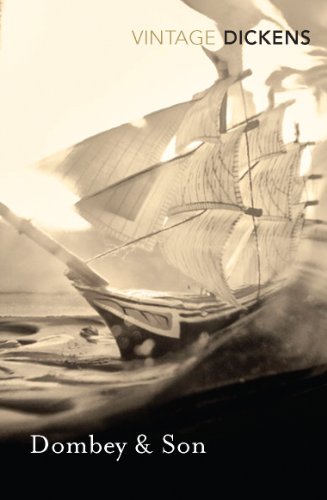
- Author: C. Dickens
- Title: Dombey and Son
- Published: 1847
- List Reading Challenges 2018
- Monthly planning
- Classic Club Master list
1. Explain the title. In what way is it suitable to the story.
Dombey & Son was the name of a well respected shipping/trading business. The title is the basis of a study of a Victorian middle-class family, the British trade with the colonies. Dickens described in ch 1: “The earth was made for Dombey & Son to trade in, and the sun and moon were made to give them light.” Dombey & Son was the centre of the ‘universe’. The narrative will tell the reader of this famliy’s rise and fall.
2. What is the predominant element in the story? Characterization
3. What is the setting? London, Brighton, Leamington Spa, Barbados
4. How does the author handle characterization?
a. Dombey is glad to hear the the nanny say: ” She hoped she knew her place”. (Mrs. Toodles). Dombey wants to be absolutely dominant (as does his social class) but needs somebody to dominate. The butler, footman, maids…“Mr. Dombey’s household subsided into their several places in the domestic system.” …but his daughter will not be so governed. When Florence leave the house she breaks Dombey’s domination. He looses control of his property, inheritance his classes’s values. Edith, Dombey’s second wife feels her marriage is enslavement; “ He sees me at the auction and he thinks it well to buy me” (ch 27)
b. Florence: the book begins with a the description of her as “base coin”. Dombey judges his daughter with ‘trade and capitalism’ in mind. She has little worth for him. But at the end of the book she is the “golden link” (ch 14) and “glorious sunshine” (ch 59) of her father’s life.
5. What sort of conflict confronts the leading character or characters?
a. External – Dombey is powerful, rich and feared..but is incapable of loving another person
b. Internal – Dombey must admit his ‘alienating flaw’ and try to redeem himself.
c. External – Florence is rejected by her father after the death of his heir, Paul.
d. Internal – Florence searches for the ‘magical behaviour‘ that will make her father love her.
6. How is the conflict resolved? No spoilers, this time!
7. Who tells the story? Third person omniscient
8. What is the timeline?
Florence is six years old. in chapter 1.
Florence is married with Walter Gay and has 2 children, Paul and Florence.
I estimate the time line between 20-25 years.
9. How does the story get started? What is the initial incident?
Mr. Dombey is a widower with two children; however, he only considers his son, Paul, to be worthy of his attention.
His daughter, Florence, is merely a “bad boy.”
Paul was to carry on the family name, but died of an illness that shattered Mr. Dombey’s hopes for an heir.
10. Briefly describe the rising action of the story.
Dombey’s neglect of his daughter Florence which caused problems his second wife, Edith.
Dombey trusts James Carker his devious business manager.
11. What is the high point, or climax, of the story?
After the sinking of SS Son and Heir Dombey & Son is bankrupt.
12. Discuss the falling action or close of the story.
Unfortunately Dombey loses his business and his wealth.
Dombey realizes that his daughter was the only person who truly cared for him, even when he had nothing left.
He reconnects with Florence in his later years and gains an heir through his son-in-law.
13. Does this story create any special mood?
Dickens uses houses, rooms and their decorations to create different moods that he needs in the narrative.
The book starts with images of a darkened room, crib in front of a warm fire. The new born son is compared to a muffin “ it was essential to toast him brown as he was very new”. (ch 1) The mood shifts after the death of Mrs Dombey. The house is cold, not fires glowing. The blank house inside and out, after the funeral the furniture was covered with great winding sheets, rooms ungarnished, windows-blinded, lookingglasses being papered up, lustre (chandelier) muffled in holland (cloth) looked like a monstrous tear depending from the ceilings eye.
14. What is the general theme of the story? The redeeming power of love.
15. Did you identify with any of the characters?
Florence: rejected by her father, does not let this influence her self-worth. She leaves her father’s house in disgrace and anger, finds happiness with Wally yet returns to save her father.
16. Does this story contain any of the following elements?
Symbol – bottle of Madeira: Bottle is opened to celebrate Wally’s employment as a clerk at Dombey & Son. “…we shall drink the other (last) bottle, Wally, he said, when you come to good fortune.” (ch 4). The bottle of Madeira has crossed and recrossed the trading routes. It has been shipwrecked and resurfaces and survives. These are all things that Wally will also do!
Irony: Wally sails and is shipwrecked on the SS Son and Heir. This is the beginning of Wally’s survival and start of a happy life. Ironically this is the end of Dombey who spirals into bankruptcy and depression.
Irony: Dombey cannot find love in his heart for his daughter. “But now he was ill at ease about her. She troubled his peace.” […] “– he was afraid that he might come to hate her. (ch 3) Ironically in the end Florence was the only one who could give him peace of mind!
Irony: Dombey considers Edith (2nd wife) as the only the person he can possess completely. He has lost possession of his daughter. Ironically at the end of the book the roles are reversed. Florence lives for Dombey’s love and Edith only scorns him.
Foreshadowing: Polly’s husband tells Dombey the worst that could happen to him was if he would lose one of his sons.(Toodle) “I couldn’t hardly afford but one thing in the world less, Sir. (Dombey) ” What is that?” (Toodle) ” To lose ’em Sir.” (ch 2). This foreshadows the death of Dombey’s son Paul.
Foreshadowing: father – daughter relationship – “Young as she was […] he felt as if she held the clue to something secret in his breast…” (ch 3)
Foreshadowing: Solomon Gills and Wally recall anecdotes of shipwrecks, casks of wine (Madeira = Wally) rolling about (Baltic Sea 1749) and SS George II breaking loose along the Cornwall coast (1771), SS Polyphemus (West Indies) catching fire and sinking. This foreshadows Wally’s shipwreck of the coast of Barbados. Suddenly Solomon Gills gave a short dry cough, and said: “Well, suppose we change the subject.” (ch 3)
27. Does the story contain a single effect or impression for the reader?
The remark made by nanny Susan Nipper impressed me the most: “girls are thrown away in this house”. This emphasizes the role of the woman in Dombey’s eyes. ‘Base coin’ , not currency that can be spent or invested. The first time we see Florence she is “in a corner”. Dickens does a wonderful job developing Florence with images and symbolism. The dying mother ‘clinging fast to the slight spar within her arms [as she] drifted out upon the dark and unknown sea that rolls around the world” (ch 1). This ‘slight spar’ will be the only thing her father can cling to and save his life.
READY: #AWW2019 Henry Handel Richardson
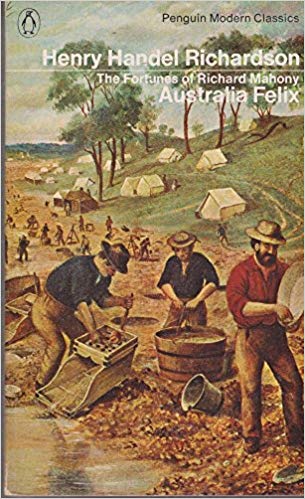
- Author: Henry Handel Richardson
- Genre: novel
- Title: Australia Felix (mentioned in John Turnham’s speech pg 255)
- Published: 1917
- Table of Contents: 4 parts, 385 pages, 40 chapters
- Theme: Sky, not spirit, do they change, those who cross the sea. (Horace)
- Trivia: Richard Mahony is a complex portrayal of Richardson’s own father.
- List of Challenges
- Monthly planning
- AWW Gen 2 @The Australian Legend
Why read the preface?
- In the preface Richardson describes the setting:
- You feel as if you are there in Ballarat Victoria Australia.
- I was going to skip it but am glad I did not.
- I was ready for chapter one with the ‘initiating’ event and
- could place the action in the landscape of ‘The Flat’.
- The writer continues to describe the open roads, ridges and
- …bush country around Warrenhiep and Buninyong as Mahony continues on his life’s journey.
Quickscan:
- Australia Felix is the story of
- …Dr. Richard Townshend Mahony’s coming to
- …Australia from Ireland as a young man (1851)
- He struggles to keep his head above water
- Soon he meets Mary Turnham (16 yr) and marries her.
- Mahony begins his medical practice again.
- …becomes the most skillful and prosperous doctor in Ballarat.
- Mahoney decides to sell his practice.
- …and sets sail with Mary to England.
- The next part of the trilogy will describe his English life.
Timeline: 14 years
Part 1: Mahoney is 28 yrs – 2 months…my estimate
Part 2: Polly is 16 yrs – 2 years
Part 3: 2 years
Part 4: skip 4 years between part 3-4
End: Mahoney is 42 yrs and Polly is 30
Life Events: Richardson ends each part with ‘life events’:
Part 1 = marriage to Polly
Part 2 = return to the medical profession and remain in Ballarat
Part 3 = investment earns RM a profit and is out of poverty’s grip
Part 4 = about to embark on a journey
What is the turning point in the book?
- Part 1-4: chronological order with flashbacks to childhood in Dublin.
- Part II ch 8: TURNING POINT in the book.
- Mahony dies NOT to leave Ballarat, returns to the medical profession.
What is the moment of ‘epiphany’ for Mahony?
- Part 4 ch 3: Mahony meets the owner of a
- small chemist’s shop, Mr Tangye. (pg 288-294)
- Tangyne is ‘the warning’ that was foreshadowed in the poem
- Lochiel’s Warning by Thomas Campbell !! (pg 113)
- Mahony is despondent.
Strong point: sense of place
- I liked Richardson’s detailed
- …descriptions of scenes of ‘gold-digging‘ (preface);
- sudden thundering storm (part III ch 8)
- busy election day in town (part III ch 11).
- She includes the fossickers,
- ….sounds of digging and tools that are used.
- The the colors and sounds of the weather:
- …doors rattling loose like teeth in their sockets.
- The marching bands, fife and drums,
- …straggling processions…dragging banners
- in the middle of noise-makers and schoolchildren.
Weak point: too many subplots…felt almost Dickensian!
- There are too many characters and subplots that detract from the main narrative.
- I felt overwhelmed.
- Six subplots is too many for any length of book.
- I decided to just concentrate on the major characters and
- …let the secondary ones just drift in one ear and out the other.
subplot: John Turnham’s rise to prominent place in society
subplot: Ned and Jerry Turnham – one is lazy and wants to make a fortune
subplot: Sarah Turnham: – flighty, kittenish, town-bred airs,”French” genteel elegance.
subplot: Family Beamish: Mr + Mrs., Jinny, Tilly
subplot: Family Ocock , father and sons Henry, Tommy and Johnny
subplot: Purdy and his pursuit of riches at the Ballarat site
subplot: Family Glendennings – child abuse, alcoholism, adultry
What impressed me most in Richardson’s writing style?
- The book just did not capture my heart!
- Alliteration, use of color, personification were average
- I found only a few really good metaphors!
- Mahony’ s struggle with religion appeared at intervals. (Part II ch 8 – Part III ch 3)
- Perhaps Richardson felt it important to include this side of her character,
- but I didn’t feel it enhanced the story.
- Finally when got to Part 4 I realized how important the ‘religious’ aspect is for the book!
- Bravo, H.H. Richardson….now you HAVE captured my heart.
Best chapters: Part 4 chapter 3 – 6 – 7 (very powerful !)
What are the ‘allusions’ that Richadson uses in the story?
Allusions connect the text with the larger world.
Allusion: Dorcas: (Bible) a charitable woman of Joppa (Acts 9:36-42);
Allusion: Phoebus: Greek Mythology; Apollo, the god of the sun.
Allusion: “O tempora o mores” is a sentence by Cicero.
Allusion: James Syme (1799 – 1870) pioneering Scottish surgeon.
Allusion: Backdrop Crimean War (1853-1856)
Allusion: David Syme (1827 – 1908) was a Scottish-Australian newspaper proprietor of The Age.
Allusion: Paintings “Battle of Waterloo” and “Harvey discovering the circulation of blood.”
Alllusion: Horace: – wonderful, really expresses the ‘essence’ of the book!
Sky, not spirit, do they change, those who cross the sea.
How does the character of Mahony change?
- Mahony strives for extreme happiness
- …but (wife, good job and finances, comfortable environment).
- He needs to learn to be less rigid in this thinking.
- Learn to balance his emotions.
- CHANGE: Mahony does consider Polly’s situation
- …when he promised not to argue with Mrs. Beamish
- …while she attended to Polly’s last days of pregnancy.
What is Mahony’s great character flaw:
- Mahoney is in the grip of black and white thinking.
- It robs him of the balance in his life
- Mahoney does not see that people are ‘gray’.
- No one is just good or bad.
- Mahony does not realize that he is
- …never going to be everything he wants to be.
- We’re human, we’re imperfect.
- CHANGE: (pg 144) Mahoney is learning to listen…
- “One was forced almost against one’s will to listen to him (Ned) …
- …Mahony toned down his first sweeping judgement of his young relative.”
Conclusion:
- I read every sentence closely and
- ….it took me 2 weeks to read 385 pages.
- In the beginning The Fortunes of Richard Mahony
- …didn’t meet up to my expectations.
- It was good…but not great.
- Yet as I progressed.
- I finally saw the connections, the deeper meaning that
- …Richardson wanted to expose.
- I persevered… and discovered part 4 is the best!!
Last thoughts:
- Sometimes one writer’s strength (Ruth Park, characterization)
- is another’s weakness.
- Richardson outshines Ruth Park with her
- dialogue, allusions, sense of place and gestures.
- I enjoyed Ruth Park’s The Harp in the South and
- …Nevil Shute’s On The Beach but
- ..The Fortunes of Richard Mahony was even better
- I found the best description of Richard Mahony
- …in a quote by André Malraux:
- “Man is not what he thinks he is…He is what he hides.
#Play No Man’s Land
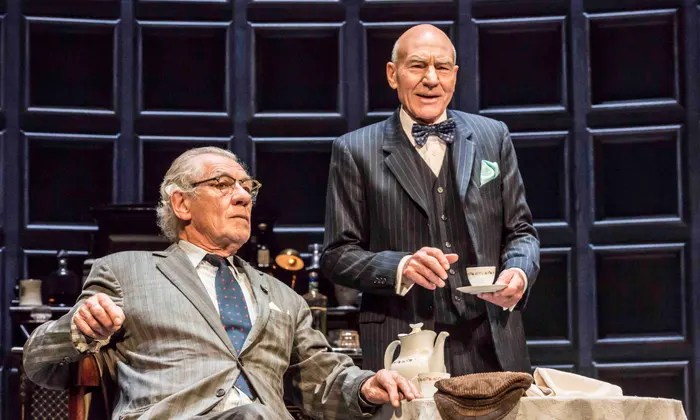
FEBRUARY
??.  by
by  Harold Pinter
Finish date: 15 February 2022
Genre: Play
Rating: B
Review:
Good news: Two ageing writers: Hirst is a wealthy but crippled by his memories
…early stages of dementia. Spooner re-invents himself from memory as he goes along. The two old men reminisce about cottages they may have had. Pinter mocks social privilege of the upper class in England The lively conversation soon turns into a revealing power game. when two servants, Briggs and Foster enter the room. The relationships among these men are exposed, with trouble and hilarity. It’s a bleak, disturbing, small, intense and bitter play also very funny!
Good news: Style: Witty banter; awkward pauses (intentional to “wake up the audience”.
Language is used as a weapon. Memory…or lack of is not just as a dramatic device ….but as a key to understanding of the play. Title and end of play: No Man’s Land (reference to dementia)
Personal:
Strong point: this play whose dialogue is ‘fueled with alcohol’
It will make you laugh….and touch a heart string.
Strong point: Language is a like a cross-word puzzle…at times confusing.
Weak point: it must be seen on stage…and preferably with
…great actors like McKellen and Stewart!
What did I learn by reading this play?
Literary device: subtext
Pinter, however, preferred to focus on the subtext and tension beneath dialogue.
Example subtext in No Man’s Land:
Spooner asks Hirst if he often hangs “around Hampstead Heath”
and the pub Jack Straw’s Castle.
Both are notorious for homosexual activity in the 1960s and ‘70s.
Something one might miss…but this subtext is there.
#Novella Captains Courageous
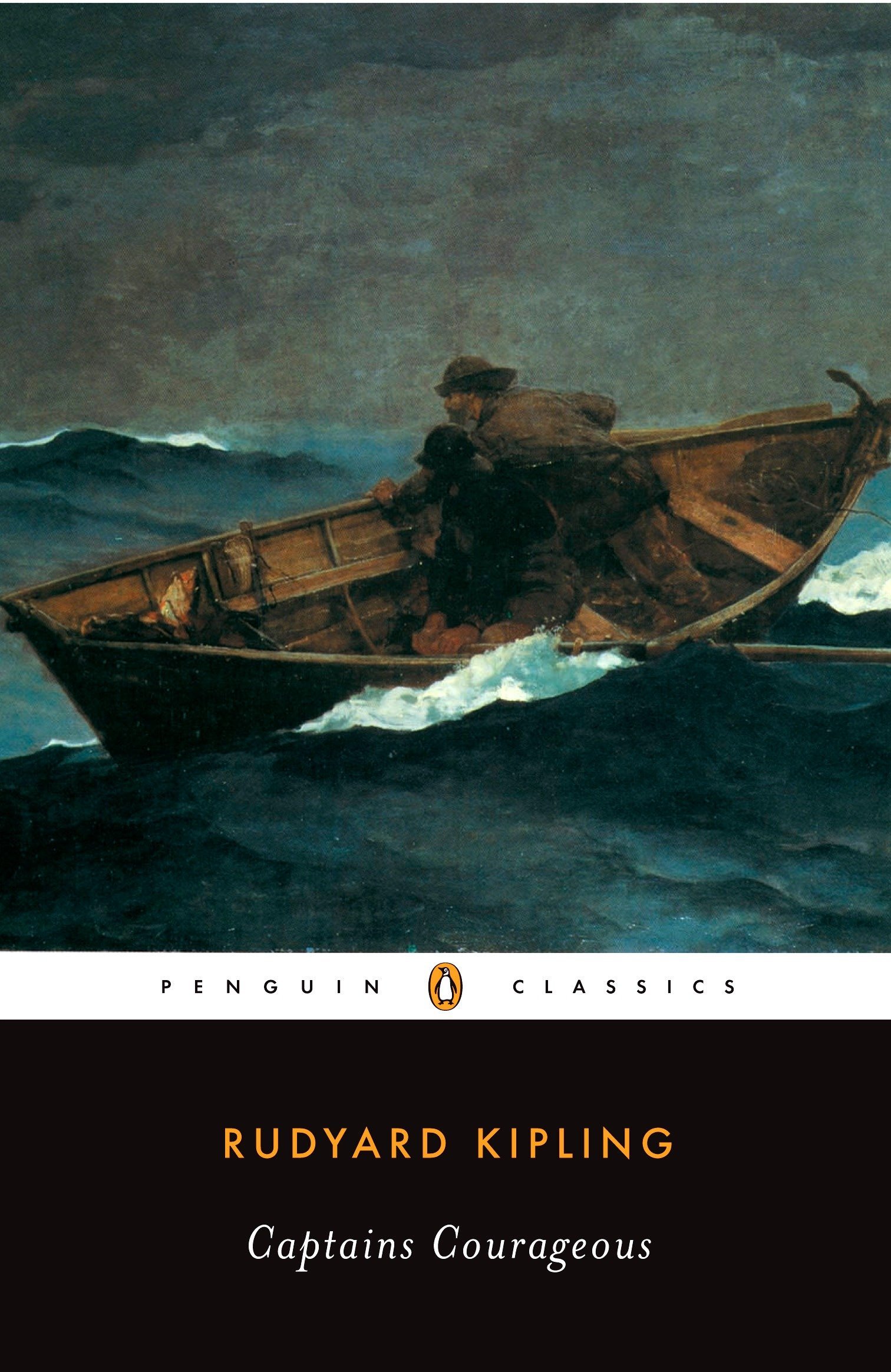
JANUARY
13.  by
by  Rudyard Kipling
Finish date: 17 January 2022
Genre: novella
Rating: F
Review:
Bad news:
I think this would be one of the most difficult book to teach young readers. Dialogue?
Fergit ut. (forget it) ‘T wuz… (it was…)
They’ll tell that tale again us fer years.
Fwhat’s th good ‘o bodderin’ fwhat…
Ha’af on the taown, and ‘t’ other ha’af blame fool. (awful!)
Bad news: While reading Captains Courageous I had difficulty with the dialogue. Despite my attempt to read the book…while listening to the and audio version the story never appealed to me. Kipling describes the boats, sail, cross-trees, trawl-buoys, rigging
…in excessive nautical detail. Pages and pages of ‘tall tales’ the crew members tell each other …and the ‘sing-alongs’ sounded corny. My only hope was to find some ‘cracker-barrel philosophy’ in the text (somewhere)…that would inspire young readers.
Personal
The book is unbalanced: 70% boats, sea conditions, fishing – 20% the crew – 10% Harvey Kipling eventually rejected the novel as simply a “boy’s story” …and he was right. I doubt a young reader would really enjoy this story.
This book was written in 1897 and times….and children have changed.
#NotFavorite childern’s classic…at all!
#Play A Doll’s House
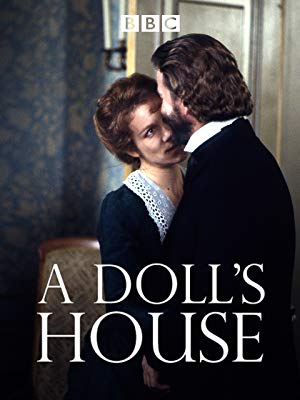
- Playwright: Henrik Ibsen (1828-1906)
- Title: A Doll’s House
- Genre: play
- Opening night: 1879
- Reading time: 30-45 min
- List of Challenges 2020
- Monthly reading plan
Conclusion:
- This was a very easy play to read.
- The dialogue is …
- clean, simple, evocative, alive and easily spoken.
- In Act III when Nora finally finds her voice she
- pummels her husband….who can’t handle the truth!
- #MustRead classic play!
- This play is an audience favorite:
- Film adaptations with Julie Harris, Claire Bloom, Jane Fonda and Juliet Stevenson
- Stage production is planned June 2020 London with Jessica Chastain.

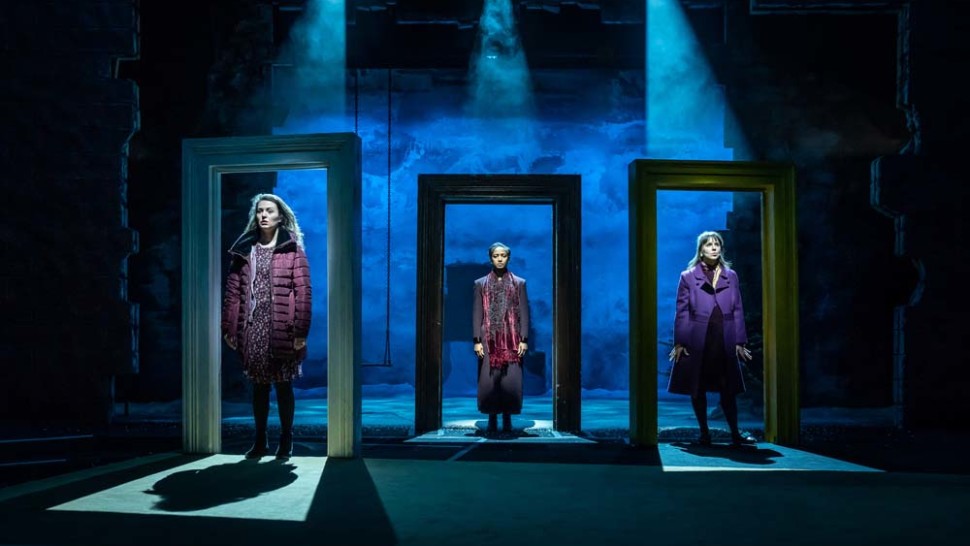
- At the moment a spin-off is on stage in London.
- Nora: A Doll’s House –> Young Vic Theatre in London.
- Stef Smith’s adaptation of the Ibsen play sends the title character on a time-traveling mission,
- exploring how far women’s rights have progressed in the last 100 years.
- The play re-frames the drama in three different time periods:
- the women’s suffrage movement,
- the Swinging ’60s in London, and
- present day.
- The play was recently named a finalist for the 2020 Susan Smith Blackburn Prize.
Structure: Three act play:
Act 1: exposition (married life, Christine returns)
Act 2: rising action (Nora’s secret is discovered!)
Act 3: climax and resolution occur simultaneously (Nora…walks out the door with her baggage!).
Well-made play:
- This created a sensation in 19th C Royal Theatre Denmark on 21 December 1879!
- Ibsen broke with the traditional well-made play structure.
- The well-made play from 19th C first codified by French dramatist Eugène Scribe
- …with 5 equal parts in 5 acts: exposition, rising action, climax, falling action, denouement.
Genre:
- Problem play…
- …character Nora is in conflict with a social issue or institution ( marriage)
- Ibsen presents in A Doll’s House the
- treatment of women (..as unequal)
- particularly the entrapment of women …in marriage
- in a very realistic manner.
Timeline: 3 days
- The play begins on Christmas Eve and
- concludes the day after Christmas… the 26th.
Main characters:
- Nora and Torvald (married)
- Christine (BFF)
- Nils – employee at Torvald’s bank
- Dr Rank (family friend)
Quickscan: (…no spoilers)
- — The institution of marriage was sacrosanct in 19TH C
- — This play was highly controversial and elicited sharp criticism.
- — Nora Helmer gains the reader’s empathy.
- — Nora’s change: sheltered 19th C child wife….to mature woman who finds her voice
- — Theme: woman trapped in a patriarchal society (…loveless marriage)
- — Foils: Nora —> Christien (friend); Torvard (husband) —> Nils (employee)
- — Foils: partners Nora and Tovard —> partners Christine and Nils
- — Symbol: most important is the Christmas tree —> beautiful, admired, decorated
- …parallel with Nora. During the play the tree loses it’s splendour, ornaments as does Nora
- …appearing in a bedraggled state.
Contrast relationships:
Nora and Tovald:
NO…communication openly.
NOT honest with each other
NO respect for each other
KEEP secrets (…at least Nora does…)
UNEQUALS – man controles and is above wife
NO true love
Christine and Nils —> exactly the opposite!
YES…communication openly.
YES honest with each other
YES respect for each other
NO kept secrets
EQUALS
#Classic The Lottery
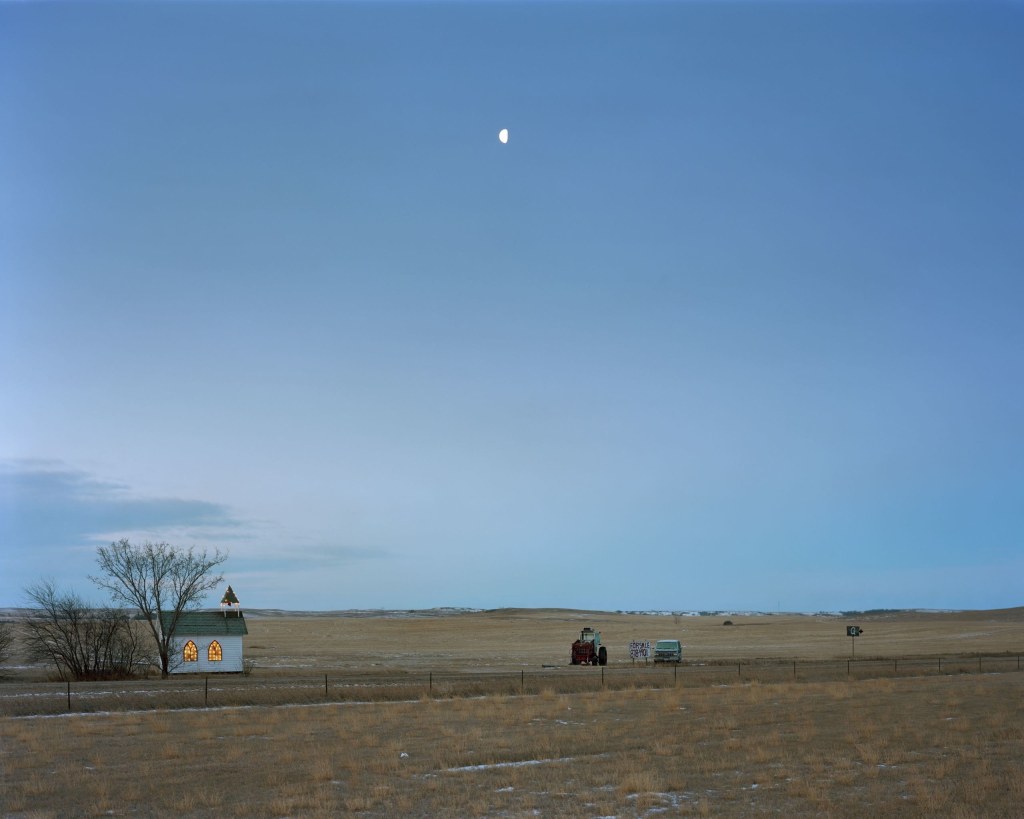
- Author: Shirley Jackson (1916 – 1965)
- Title: The Lottery
- Genre: Short story, horror, realism
- Published: June 26, 1948 ( The New Yorker)
- Reading time: 6 minutes
- Classic Club Master List
- List of Challenges 2020
- Monthly plan
Conclusion:
- Even thought I knew how the story ended
- …I felt a dread.
- This horror of the ending and the even cheery,
- …atmosphere of the scene
- …small town USA just rattled this reader.
- Narrative style: deadpan, 3rd person
- Strong point: unexpected shock of the ending
- Tone: calm
- Point of the story: expose how people seize upon a scapegoat
- …release the cruelties that people seem to have dammed up within themselves.
- Trivia: story is taught in high school for decades
- …often referred to as the best-known short story of the 20th century.
- #Classic
#Classic The Quiet American
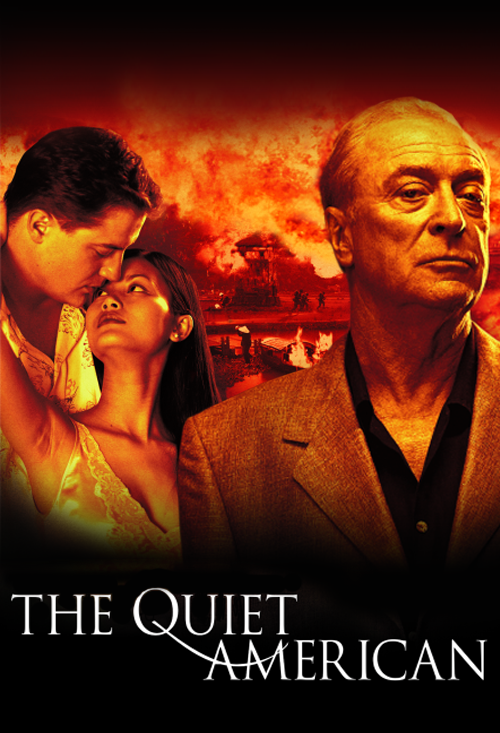
- Author: Graham Greene (1904 – 1991)
- Title: The Quiet American (210 pg)
- Genre: novel
- Published: 1955
- Trivia: 2019 BBC News lists The Quiet American
- ….as on of the 100 most influential novels
- List of Challenges 2020
- Monthly plan
Conclusion:
- This was an excellent book. (reading time: 4 hrs)
- I needed to detach myself for one day
- from the political turmoil on TV #Election2020 USA.
- Novels are a means to escape reality…
- yet they describe in ‘fiction’ what many don’t want to acknowledge.
- I wanted discover Graham Greene’s view of U.S. foreign policy.
- USA –> ill-advised and ill-informed
- …sounds still very relevant in 21st C!
- Greene portrays the French/British colonialism and American involvement in the
- Vietnam War ….as a love triangle: Fowler – Phoung – Pyle
- Central issue: the politics of intervention in a foreign nation.
- Strong point: characters
- …Britain (Fowler), America (Pyle), France (Vigot) Vietnam (Phoung)
- Fowler:…..repeating “I’m not involved. Not involved.”
- Pyle:…naive as he stumbles around Vietnam creating havoc wherever he goes
- Inspector Vigot: “We are fighting your (US/UK) wars, but you leave us the guilt”.
- Phoung: treated like property, to be passed among different nations.
- #MustRead
#Classic Alice Munro Nobel Prize 2013

- Author: Alice Munro
- Title: Runaway (8 stories, 352 pg)
- Genre: short stories
- Published: 2004
- Trivia: 2013 winner Nobel Prize (first female since 1901)
- List of Challenges 2020
- Monthly plan
Conclusion:
- Good news: Munro develops the characters and
- creates the mood with a sense of place: small town Canada.
- Bad news: These are NOT short short stories!
- Ms Munro writes short stories exclusively.
- Just because these stories are less than novel-length
- …does not mean they are simpler.
- IMO Ms Munro is a skillful writer, winner of Nobel Prize 2013
- …but I did not experience the reading pleasure I hoped for.
- Her stories are not intensely compressed and
- seem…to be endless. I lose interest very quickly.
- I don’t think I will attempt another Munro collection soon, sorry.
- I hightly recommend Amy Witting
- ….for some TOP short stories.
- She is an Australian writer who you probably never heard of!
What trends did I find in the stories?
- Protagonists are all women.
- Story is usually about 4 main characters.
- Ms Munro likes to start a story
- ….then jump 40 years to the past revealing memories. (Tricks, Passion)
- 3 stories form a ‘novella’ (Chance, Soon, Silence) with a 40 yr timeline
- The story Powers moves from beginning to end covering 40 years.
- 7/8: stories a character dies.
- 2/8: stories are coming of age stories (Passion, Tricks)
- 6/8: are about marriage
- …ties that bind, yet sometimes the ties can chafe – and strangle
- 8/8: stories …at the end Munro’s women characters are left alone.
- You can feel loneliness even in a marriage!
Runaway
- POWERFUL ENDING
- Ms Munro retains a feeling of complexity and mystery about
- The marriage of Carla and her husband.
- The greatest reading pleasure is leaving it up
- To the reader to decide what is going to happen.
- Themes: freedom
- … Carla runs away from the marriage
- …at the end Carla runs away from the truth!
- When will Carla get her revenge?
- Ending suggests she will contain her rage….for now.
- This was the kick-off story
- …the literary ‘amuse’ before
- the main course!
Chance – Soon – Silence
- Strong point
- Munro really knows how to describe
- a character, physiology and attire.
- She describes people with all their quirks.
- Themes: freedom, faith, elderly parents, distant daughter, where is your HOME?
- Strong point: Very powerful ending….a moving stories.
- Writing skill: snapshot of a love affair, family life, parent’s marriage (Soon)
- …looking back at the pain (loss of contact with daughter Silence)
- …and the pleasure of remembering. (Chance)
- I would consider these 3 stories a beautiful novella!
- CHANCE – beginning of affair with Eric. BEGINNING
- SOON – 13 months later visits mother….she is dying ENDING
- SILENCE – daughter cuts off all communication….ISOLATION
Passion
- Coming of age….flashback
- What was Grace really looking for?
- Memories of her first feeling of passion….that summer?
- 20% dialogue that reveals very little about the people in the story.
- 80% POV 3rd person backstory about the characters.
- Strong point again….POWERFUL ending.
- That is Ms Munro’s trademark.
- She knows the last few lines will linger in the reader’s mind
- Writing technique: Flashback….40 years ago
Trespasses
- 70% dialogue
- 30% POV 3rd person
- Themes: Children, adoption, misunderstandings, loneliness
- Writing technique: frame story
- Ms Munro begins at the end and moves into a flashback.
- This way she tells how the characters came to be where they are.
- The story being drawn out by an eager listener, the teen-age daughter Lauren
- …demanding the her story from her parents…am I adopted?
- Title: says it all….Trespasses = sins
Tricks
- 15% dialogue
- 85% POV 3rd person
- ….very touching story
- starts in the past….then jumps 40 years.
- Star-crossed lovers
- Robin and Daniel who meet
- …for a brief intense moment
- …like ships pass in the night.
- #Pathos
Powers
- The last story in the collection is a curious mix of
- diary and third-person narration.
- with the focus on Nancy,
- …an impertinent, egocentric woman
- who never seems to understand what is occurring. (OOPS!)
- 2 married couples
- whose lives intertwine….but in a sad way.
- This was the LONGEST story
- ….and IMO not very good.
- It does not adhere to the basics of a short story.
#Classic Ayn Rand
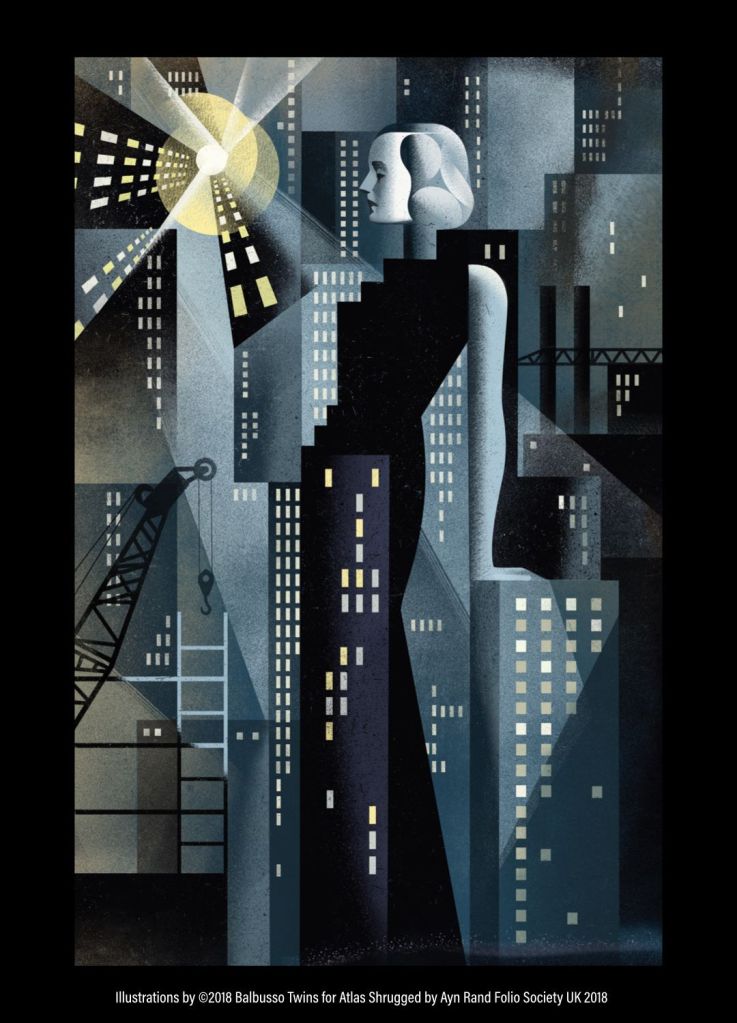
Ayn Rand
- Author: Ayn Rand (1905 – 1982)
- Title: Atlas Shrugged (1168 pg)
- Genre: fiction
- Published: 1957
- List of Challenges 2020
- Monthly plan
Conclusion:
- You either LOVE the book or you HATE it.
- I can’t state it more simply.
- This is crystalline capitalistic philosophy spun in the
- warm cocoon of a novel to make it more digestible.
- I continued to soldier on being pummeled by waves and waves
- of soap opera stuff, profound statements and superfluous details.
- I read with my cat in front of the fireplace
- …and keep falling asleep!
- The cat slept as well.
Last thoughts:
- Sorry I have to agree with one of my GF Friends ‘Bridget’
- and give this book a score of 1!
- I read Atlas Shrugged to understand
- why a friend of mine liked it so much.
- Bad News: I did not like Atlas Shrugged
- Good News: We are still friends!
- The book is 350 pages too long.
- It is unnecessarily padded with character sketches
- of some of the politicians, engineers, scientists and activists involved.
- A swirl of useless descriptions and
- facts makes this book….unbearable.
- #ReadAtYourOwnRisk
- …I wasted many reading hours.
-
Chapters are too cynical, too sour, too claustrophobic.
- #Bah
- Worst book I’ve read in a very long time!
- Who wants to hang out with these awful people?
#RIPXIV: E.A. Poe Imp of the Perverse
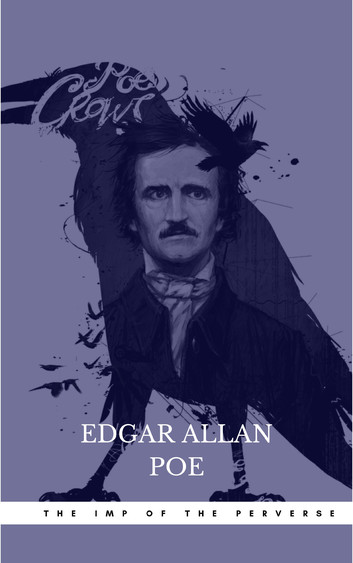
• Author: Edgar Allan Poe
• Genre: short story in the horror genre
• Title: The Imp of the Perverse
• Published: July 1845 in Graham’s Magazine
• Length of story: 4 pages [16 paragraphs]
• Published by Penguin Books
• Setting: 1830-1840’s in prison cell, narrator tells his story…how he got on death row
• Theme: an impulse forcing people to act irrationally
Introduction:
• The Imp of the Perverse is a short story that begins as an essay.
• It discusses the narrator’s self-destructive impulses, embodied as The Imp of the Perverse.
• Poe wrote it to justify his own actions of self-torment and self-destruction.
• Many of Poe’s characters display a failure to resist The Imp of the Perverse.
• Murder in The Black Cat
• Narrator in Tell Tale Heart
• The opposite is displayed in the character C. Auguste Dupin.
• He exhibits reason and deep analysis.
Structure:
• Part 1 Is written in essay style mentioning subjects
• in philosophical terms (primum mobile, à posteriori) ), logic (phrenology) and mysticism (Kabbala)
• Poe cleverly reveals the ‘narrator’s own ‘imp’ by being so wordy!
• The narrator admits he has always wanted to anger the listener (reader) with confusing language.
• “The impulse increases to a wish, the wish to a desire, the desire to an uncontrollable longing….”
• “I am one of the many uncounted victims of the Imp of the Perverse.” (pg 281)
• Part 2 contains the narrators story….
• He inherits an estate after murdering its owner.
• He ends up on death row after a perverse impulse causes him to confess the murder.
Characters:
• The Narrator: An apparently demented man who appears intelligent and well educated.
• The Listener: Unnamed person listening to the narrator’s story.
• Madame Pilau: Woman who died after inhaling the smoke from an accidentally poisoned candle.
• The Murder Victim: Unnamed person whose property passed to the narrator.
• Pedestrians: People who witness the narrator’s confession.
Style: first person point-of-view with an unreliable narrator
• Had I not been thus prolix, you might either have
• misunderstood me altogether or […] fancied me mad. (pg 283)
Symbols: Imp
• This is a spirit that tempts a person to do things….they would normally not do.
• Poe explains that the ‘imp’ is an impulse in each person’s mind.
Language:
• Alliteration: laconic and luminous language (pg 281)
• Climax: Poe uses a climax words that are arranged to increase their importance.
• “The impulse increases to a wish, the wish to a desire, the desire to an uncontrollable longing, and the longing ( to the deep regret and mortification of the speaker and in defiance of all consequences) in indulged.” (pg 282)
Voice of Poe:
• Poe states we use the word ‘perverse’ without really knowing what is means.
• Perverse = headstrong, obstinate, contradictory
• Poe is a master when it comes to entering human thoughts.
• He describes how we ‘put off until tomorrow that we could do today’ because we are perverse.
• With each passing day the anxiety grows.
• I do exactly what Poe describes…
• when I have to make an appointment for the dentist!
• “The clock strikes, and is the knell of our welfare.” (pg 282)
Voice of Poe:
• In paragraph 6 we read one of the famous lines:
• “ We stand upon the brink of a precipice.”
• Poe describes the uncontrollable urge to jump.
• I could only think of the Austrian, Felix Baumgartner.
• In 2012 he stood who on the ‘precipice’ of space before making his famous skydive from the stratosphere!
• Goosebumps!
Conclusion:
• This is one of Poe’s lesser known works.
• I expected great writing and got loopy sentences going on and on about nothing!
• After further reading I realized this was Poe’s intention….to irritate the reader!
• The story just kept getting better and better.
• Weak point: the first 4 paragraphs are difficult to get through.
• This almost deterred and discouraged me…but I did not stop!
• Strong point: the story in itself is ‘perverse’ .
• Poe deliberately uses confusing writing and structure to irritate the reader.
• A writer usually wants to please the reader!
• Poe preforms this “perverse” act that defies logic and reason.
Last thoughts:
• I thought I would just breeze through 4 pages of The Imp of the Perverse.
• How wrong I was.
• I have read each and every word in this story…twice!!
• That is an accomplishment in itself.
• Below is a summation of each paragraph.
• Read it ….or read the story first ……your choice.
• I was surprised by the style, structure and plot.
• Tales and Poems of Edgar Allan Poe are works of art….
• …and deserve a high score.
 NancyElin.blog