
#Classic Death of a Salesman
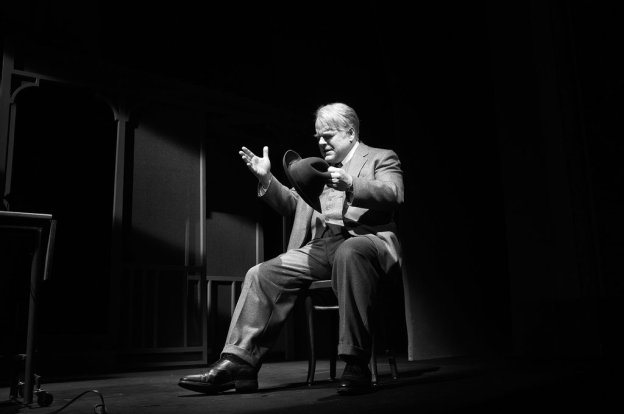
- Author: A. Miller
- Title: The Death of a Salesman
- Opening: February 10 1949
- Genre: tragedy of a common man
- Trivia: 1949 Pulitzer Prize for Drama and 1949 Tony Award for Best Play
- 50 Best Plays of the Past 100 years.
- List of Challenges 2018
- Monthly plan
- List of Plays
- Classic Club Master list
Quickscan:
- Before we begin the book….we know how it will end!
- The story revolves around
- …Willy Loman, (…notice name “low man”).
- He is a 63 yr salesman, who cannot understand
- …how he failed and cannot live the American Dream.
- Central: the hardships that come with trying
- …to meet social expectations in America.
- Irony: We never learn in the play what Willy sells!
Characters: major
- Willy Loman – insecure, self-deluded traveling salesman.
- He mirrors an everyday “character” of Post WWII American society
- inflexible to advice he just shuts people out and refuses to listen
- Tragic flaw: ridiculous idea of being “well-liked” as a way to succeed.
- Linda Loman – quintessential 50s housewife, devoted doormat
- blinded by loyality.
- Biff is telling her the truth but she is not listening.
- Hap Loman: son who represents Willy’s sense of importance,
- ambition, servitude to expectations.
- He lived in Biff’s shadow all of his life, ignored.
- Biff Loman: son who represents Willy’s vulnerable, poetic, tragic side.
- He has had twenty to thirty jobs,
- all of them fail to improve his station in life.
- But Biff is the only character in the play
- who changes from ignorance to knowledge.
Theme: betrayal
- Generations of Loman men betray their family.
- They place their desires above their families well-being.
- Grandfather: suddenly leaves when Willy was 4 yr.
- Father: suddenly leaves to find success in Alaska.
- Willy: betrays family (wife) with s sordid affair.
- Sons: Biff and Hap, abandon father
- in restaurant to trail after 2 women.
Theme: suicide as a means
- Willy is determined to eliminate himself in
- what has turned out to be an unfulfilling life.
- The payment of his insurance policy will help family survive.
- Suicide is a method for something else.
- Irony: Willy Loman is worth more dead
- ….than alive.
Structure:
- Structure: 2 acts + Requiem (118 pg)
- Reading time: 2,5 hours
- The acts are divided into conversations
- about the past and present.
- Timeline: an evening and the following day.
- The he action is interrupted by
- flashbacks or memories of a
- period approximately 17 years earlier.
- late 1920s – early 1930s (The Depression)
Staging the past and present:
- Shakespeare never tried to show the past as the present.
- His characters describe a past event in dialogue.
- Miller uses the forestage to illustrate
- Willy’s imaginings the of past.
- Flashbacks track Willy’s mental decline.
Modernism:
- Miller was modern because of his staging (forestage)
- and he believed a tragic downfall can happen
- to a common man, as Willy Loman.
- Aristotle stated a tragic hero is always
- a very important person.
Conclusion:
- This is one performance I wish I had seen March 2012
- Death of a Salesman (link play review NYT, 2012)
- with Philip Seymour Hoffman.
- It is a novel in a nutshell…so powerful!
- I’ve watched the movie (1985) starring Dustin Hoffman.
- To my delight I found the complete audio recording
- of the Broadway play (2012) click here
- and listen to Hoffman’s stunning performance!
- The voices mesmerized me.
- You could hear Willy hallucinatory….delusional.
- Death of a Salesman is considered the best play
- …written by an American playwright.
Feedback: comment Cleo @ClassicalCarousel (new blog!)
This play was just a complex as a novel…and only 2,5 hrs reading time!
I did not even go into the symbols in the play (rubber hose, silk stockings and a flute)…but you can discover them your self. I did notice after reading the play that Arthur Miller used music as a symbol. If I had not listened to the 2012 version on You Tube…I’d never known! You miss this symbol if you are not aware that the play begins and ends with flute music…and at other times in the play. It is a reminder to Willy that he could have chosen a free and wild life in the country like his father did. Lost opportunity…poor Willy
Last thought: my favorite quote:
- “Willy was a salesman.
- He’s a man way out there in the blue
- …riding on a smile and a shoeshine,”

#Classic The Aeneid
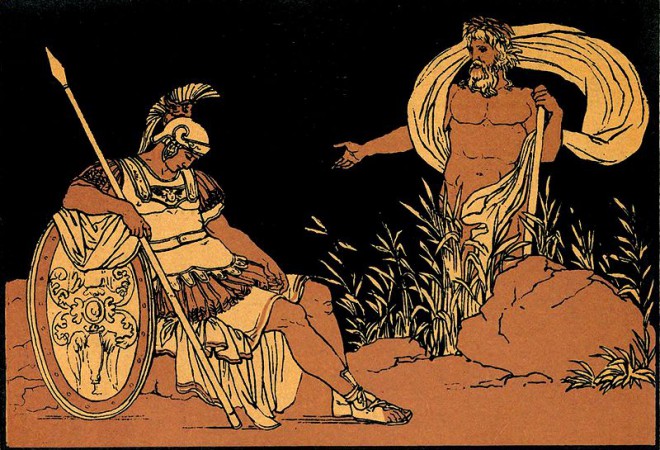
- Author: Virgil
- Title: The Aeneid
- Genre: epic poem 12 chapters (178 pg)
- Written: between 29 and 19 BC
- List Reading Challenges 2018
- Monthly planning
- Classic Club Master list
Conclusion:
- Read all about this epic poem on the Wikipedia page The Aeneid
- I am as exhausted as Aeneas in this photo above!
- ….too exhausted to ruminate further about the poem.
- It has been a long 2 months
- …no binge reading but slowly just chapter by chapter.
- #MustRead.
My notes:
September 27, 2018
Ch 1
Shipwrecked, tired and wrapped in a cloud of mist by his mother Venus..Aeneas stumbles into Dido’s palace.
The gods above discuss the hero’s fate: this romance between two star crossed lovers…is doomed.
October 24, 2018
Ch 5
Never a dull moment on Sicily!
Athletic games, slithering snake over burial mound
Goddess Iris throws flaming tourch in the boats
and when we thought we’d seen enough…down comes
the god of sleep and shake dew off a bough.
Poor Palinurus falls asleep at the rudder and drowns….but nobody missed him!
October 26, 2018
Ch 6: Turning point in The Aeneid: From the underworld
Anchises (Aeneas’s father) commands Aeneas goes further and follow his destiny.
November 15, 2018
Ch 7 and 8
Modern readers enjoy ch 1-6 but for Virgil’s original readers the good part of the book begins now…war!
Who would have thought a war in this classic would start b/c somebody shot an arrow at the pet deer of Sylvia.
#AccidentsCanHappen
November 15, 2018
Ch 8 Re-read because I fell asleep with the audio book playing…missed a few things: Aeneid’s dream about a white sow and 30 piglets, Vulcan vomiting flaming fire searching for his stolen bulls and we met important character for the last chapters…Pallas the son of King Evander
#NeverDullMoment with Virgil
November 18, 2018
Ch 10-11
I’ve survived 3 generations: father (Anchieses) hero (Aeneas) child (Ascanius)
jilted lover (Dido) and whirlwind trip to see old friends in Hades
death of a pet deer….war drums…more dreams scenes than I can count!
I must finish this today!
November 19, 2018
Ch 12 grand finale!
Turnus has killed Pallas (…beloved friend of Aeneas)
Turnus is determined to fight Aeneas.
Loved by Turnus but betrothed to Aeneas, Lavina
becomes the prize for which the leaders contend in a bloody tribal war.
Aeneas leaves for the fight departs from his son
…’kisses him through his helmet’. (strange)
The fight begins.
Aeneas attacks Turnus… he is down for the count.
Aeneas hesitates for a moment but seeing the
sword belt of Pallas gleaming on Turnus’ shoulder
….he deals the final blow and kills his opponent.
End of story!
#Classic Mrs. Dalloway
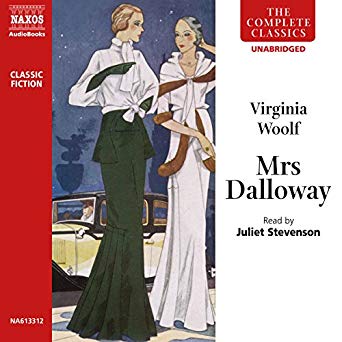
- Author: V. Woolf
- Title: Mrs Dalloway
- Published: 1925
- Genre: novel (224 pg)
- Themes: mental illness, feminism, bisexuality
- Writing style: free indirect discourse
- List Reading Challenges 2018
- Monthly planning
- Classic Club Master list
Introduction:
- Oxford World Classic is an excellent choice to read.
- ISBN 9780199536009
- There is a trove of extra information available
- …even a map of Mrs. Dalloway’s London!
- I also listened to the audio book ( 7 hours 5 minutes)
- I like to know what I’m getting myself into before I read a classic.
- This book is best read after doing some research.
Scrope Purvis is name of arms dealer who made a huge amount of money for Nobel Explosives Company that provided arms for WW I (WW I)
Lady Bexborough : is the woman Clarissa most admired Lady Bexborough refers to Kathrine Mansfield who died in 1923. (good friend of V. Woolf)
Structure: There are no chapter headings. Big Ben: The chiming of Big Ben is a structure technique. “First a warning, musical; then the hour irrevocable.” Also the storyline is an overlapping of observations. We read of moments of ‘near misses’. People whose paths cross but are never meeting. This feels like pathos that appeals to our emotions…the “what if'”-situations.
Images: Many images take you into WW I. Septimus experiences many hallucinations. He sees Evans coming out of the trees. “But the branches parted. A man in grey was actually walking towards them. It was Evans!” Shortly after WWI there was a project to plant young trees as a memorial to the war dead.
Favorite quote: description of friends Septimus and Evans
“It was a case of two dogs playing on the hearth-rug; one worrying a paper screw, snarling, snapping, giving a pinch, now and then at the old dog’s ear, the other lying somnolent, blinking at the fire, raising a paw, turning and growling good temperedly.” Amazing!
Favorite quote: description of Elizabeth (Clarissa’s daughter)
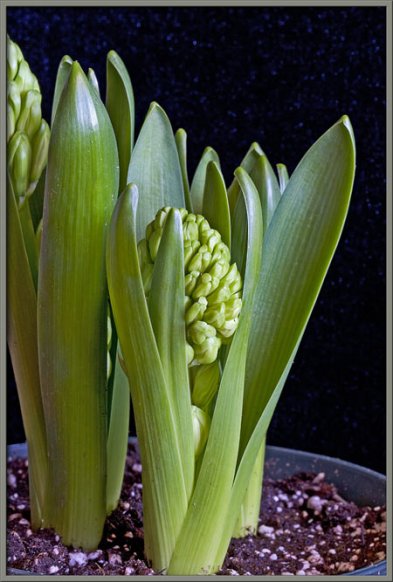
“..like a hyacinth sheathed in glossy green, with buds tinted a hyacinth which has had no sun.”
Sexuality: We think with a title like Mrs. Dalloway the book wil be all about marital bliss….but Clarissa was in love with Sally Seton “a kiss that turned the world upside down.” Sally has a radiance as she enters the party unexpectedly! We read the Clarissa’s erotic desires. Woolf also creates a critique up the social system that restrains people. Virginia Woolf creates fluid characters and a fluid sexuality is included in them.
Marriage: Clarissa and Richard…”They went in and out of each other’s lives without any effort” There is a need for space and freedom within a relationship.
Conclusion:
- I knew one day I would read Virginia Woolf.
- It has taken me decades to get to this point.
- Mrs. Dalloway is a day in the life novel.
- Mrs.Dalloway reflects on her choices made 30 years earlier.
- …marriage proposal by Peter Walsh
- …decides to marry Richard and ends up in a ‘chilly’ relationship.
- It is centers around four intersecting lives in Edwardian England.
- Woolf shows the interaction between
- ….proper British people who speak politely to one another.
- The reader senses that there are
- …fierce and passionate undercurrents and
- ..thoughts that seems to be unspoken.
- Read: the E-book…as I listened to the audio book.
- Juliet Stevenson is an excellent narrator!
- Movie: watched Vanessa Redgrave as Mrs. Dalloway
- Movie: watched The Hours (N. Kidman, M. Streep and J. Moore)
- The book was better than any film!
Strong point: something new for the 1920’s
- It’s a novel that takes place in a single day in June.
- This was new and certainly different in 1925.
- James Joyce did it in 1922. (Ulysses )
Last thoughts:
- Mrs. Dalloway is considered Woolf’s masterpiece.
- She deals with mental illness (shell-shock WW I, Septimus).
- How the mental ill are handled and especially
- …how difficult is was
- …to care (Rezia) for a person suffering mental issues.
- Woolf also able to encode lesbian-erotic into the text (Sally Seton)
- …that passed the censors in 1925!
- #MustRead…at least once in your life!
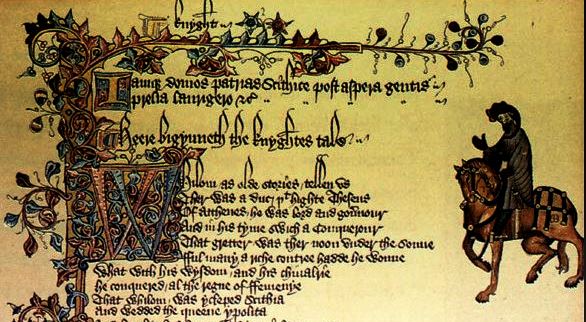
#Classic Canterbury Tales The Knights Tale
- Author: Chaucer
- Title: The Knights Tale
- Published: 1386
- (Read England, Kent – Pre-printing press)
- List Reading Challenges 2018
- Monthly planning
- Classic Club Master list
Conclusion:
- The Knight’s tale is the longest.
- Firstly I read the summary of the tale (1 hr)
- At times the tale felt never ending,
- ….but it was worth every minute!
- Impressive and very touching.
Characters: Palamon, Arcite, Emily, Duke Theseus
Plot: a love triangle Palamon – Emily – Arcita with backdrop of courtly love
Structure:
- Parts 1-4 end either with reflective question
- …(which lover suffers most?) or cliffhangers.
- Young knights battling ankle-deep in blood;
- proclaiming rules for jousting; final showdown to decide victory.
Strong point: dramatic irony
- The reader knows something the characters don’t know.
- Disguise: Arcita is disguised as a servant in Duke Theseus’ court
- Mixed messages: Arcita (Mars) and Palamon (Venus) pray to these gods
- to help them win Emily’s hand in marriage.
- Emily prays to Diana:
- “That I would be a virgin all my life, and would be neither mistress, no, nor wife”.
Strong point: mise-en-abyme
- Palamon and Arcita fight after praying to the gods.
- Theseus stops them.
- The gods who help each lover also fight, Mars and Venus.
- Jupiter stops them.
Memorable passages:
- Descriptions of temples (Mars, Venus, Diana)
- Palamon’s prayer to Venus in the language of chivalry
- Duke Theseus forgiveness speech to fighting rivals (Palamon, Arcita)
- Blow-by-blow description of jousting preparations and battle.
Last thoughts:
- This was a good classic read before I immerse myself into
- …Mrs. Dalloway by Virgina Woolf.
- I’m sure her book will take some time to process!
#Play Electra

- Author: Sophocles
- Title: Electra
- Written: 410 BC
- Revenge is a dish best served cold.
- Plot: read the backround and storyline on Wikipedia.
- Reading time: 1 hour 15 min
Introduction:
- This was truly a exceptional play.
- One settting…a few characters a
- …pressure-cooker domestic drama
- …that keeps us waiting for the climax!
Characters:
- Electra – princess of Argos
- King Agamemnon – king of Argos
- Clytemnestra – queen of Argos (father was the king of Sparta) sister of Helen of Troy
- Iphigenia – princess of Argos (sacrificed to gods by her father)
- Orestes – prince of Argos (twin brother Electra)
- Aegisthus – cousin of King Agamemnon….lover of Clytemnestra
- Chrysothemis – princess of Argos ( tries to calm Electra down!)
- Unlike her sister….she does not seek vengeance against her mother.
Tragedy:
- Pity: Lavinia is killed under false pretenses
- Fear: imagining what we would have done if we were in Electra’s shoes
- Flaw: Electra fails to balance passion (grief father’s murder) with reason.
- Recognition: Orestes pretends to be dead; he returns to Mycenae…is reunited with Electra.
- Pathos: Electra evokes our pathos when she
- ….says after hearing of the death of her brother
- ….there is no one to protect her. (appeals to our emotions…)
- “No. There was someone (brother). Here are his ashes.”
- Electra uses pathos: When she still believes her brother is dead,
- she makes an emotional speech over his urn,
- …begging to be dead and put into the urn as well.
- Here, she is using pathos in an attempt
- …to convince a higher power to take her life
Conclusion:
- Fast moving play filled with dramatic irony
- …WE know more than the characters.
- That will keep any Greek on the edge of their chair!
- Question:
- Did Sophocles ever watch TV show Sisters (1991-1996)
- Here are my thoughts about that!
- Major themes: is definitely betrayal, justice and revenge.
- Agamemnon betrays is wife Clytemnestra
- by to sacrificing his daughter (Lavinia) to the goddess Artemis.
- Clytemnestra betrays her husband
- ….by her affair with Aegisthus (King’s cousin) while he was at sea.
- Loyalty: Family loyalty surpasses loyalty to the state.
- For Electra vengeance remains necessary.
- Murders: wife kills husband (avenge her daughter’s death)
- With the aid of Electra, Orestes kills both his mother and her lover.
- Victims of crimes become criminals themselves.
- Strong point: Chrysothemis This character gave the play a modern feeling!
- She is a superficial girl.
- ..accepts the status quo in the family (remarriage mother)
- ..but remains very protective and close to Electra.
- Strong point: Dialogue: Chrysothemis speaking to Electra
- This sounds like an
- …episode of the TV show ‘Sisters’ (1991-1996)
- Now is the time to start being sensible.
- Don’ ruin your life in sheer stupidity.
- You won’t listen to reason at all, will you?
- Don’t throw your life away on plain stupidity.
- When you are sane you can think for both of us.
- Let’s just say there are times when justice is too big a risk.
- Control yourself!
Last thoughts:
- Greek plays are fun to read and ‘read about’.
- I always have to prepare dinner before starting a Greek play.
- Once I start reading and researching it…I forget to eat!
- But the hardest part is trying to find something new to say
- …about a play that has been
- …with us since time immemorial.
- It is just a…
- #MustRead
#Classic Great Expectations
- Author: C. Dickens
- Title: Great Expectations
- Published: 1861
- List Reading Challenges 2018
- Monthly planning
- Classic Club Master list
- Trivia: Victorian Reading (1861); Reading England (Kent)
Finished: 11.11.2018
Genre: novel ( 461 pg)
Rating: C-
Conclusion:
- This book starts out fatigued and colorless.
- Joe the smithy and Mrs, Joe (Pip’s acerbic sister) flat characters.
- Limping convict Magwitch midst the muskets in the marsh
- …we know he will be a pivotal person in Pip’s life.
- Waiting for the Gothic parts of the book and Miss Havisham.
- But unfortunately cobwebs, a faded wedding dress and
- …clocks all stopped at 8:40 am do not a classic make.
- This book just missed something
- …it felt incomplete like:
- burger without a shake
- coffee without cake
- pie without the filling.
- I know Dickens can do better!
Last thoughts:
- The book got off to to a rough start.
- The audio book I was using was awful.
- I just could not read with
- …voices that kept screeching! (Mrs. Joe)
- Luckily Audible.com accepts book exchanges.
- I would NOT recommend Great Expectations
- (narrator Matt Lucas) 2018.
- The best narrator is
- ….Simon Prebble’s version date 2011.
- Great Expectations
- Length: 18 hrs and 32 mins
- Unabridged
My Dickens template.…
- Deaths : Mrs Joe Gargery (Pip’s sister) – Drummle (dies in an accident)- Miss Havershim – Magwitch (in hospital)- Compeyson (drowns in Thames)
- Nicknames: Philip is called “Pip”, old chap, Handel and Wolf; Dummmle is called ‘Spider’. Whopsle takes a stagename as actor Waldengarver – Orlick called himself Dolge – Magwitch (Provis or Mr Campbell) Mr. Barley (Clara’s father) nicknamed “GrufAndGrim”.
- Star crossed lovers: Estella and Pip
- Little person (dwarf): None
- Little baby dies: None
- Prop: (secret) letters sent from Pip to Wemmick; Miss Havisham to Pip – Wemmick to Pip (burn after reading!) – sent by Orlick to lure Pip into an ambush – letter from Joe for Pip
- Eccentric but loving: None (no great caricature like Mr. Micawber in DC)
- Lawyer: Mr Jaggers – confidential agent for others, all with secrets to be kept!
- Unrequited love: Miss Havershim….jilted by the altar by her fiancé
- Profesional money lender: None
- Villian: Dolge Orlick (murderer)
- Trusting and naive girl: None
- Young lower class girl…reached a good position: Estella, ( adopted by Miss H.)
- Marriage: Biddy and Joe Gargery – Wemmick and Miss Stiffens – Clara and Herbert
- Simpleton….but very loving: Mr. Joe Gargery
- Schoolmaster: Mr Matthew Pocket, Pip’s tutor (education always in Dickens’s novels)
- Fairy godmother: Miss Havisham…but in a Gothic way
- ….unlike the lovable Aunt Betsey in DC.
- Dickens likes to toss shoes for luck: …as Pip leaves for London;
- …old shoe tossed …for Barkis and Peggoty when they get married! (DC)
- What is a ‘toady neighbor? Mrs. Coiler (flatterer; sycophant)
- Quirky names:
- Flopson: nurse for the Pocket’s family… described as a non-commissioned officer
- Pumblechook…Dickens creates a new adjective
- ….”Pumblechookian parlour” (beautifully decorated)
- Bentley Drummle: who was so sulky a fellow that he even took up a book
- …as if its writer had done him an injury.
- Georgiana: indigestive single woman, who
- …called her rigidity religion, and her liver love.
- Son caring for father: Wemmick cares for his father (hard of hearing) “The Aged”
- Daughter caring for father: Clara Barley and her father ‘GrufAndGrim’ Barley.
- Theater: description of the hystrical amateur performance of Hamlet (ch 31)
- Friends for life: Herbert Pocket and Pip (…in DC it was Tommy Traddles and Davy)
- Pub: The Three Jolly Bargemen ….in DC it was The Six Jolly Fellowship Porters
- Strangest quote:
- “Brag is a good dog, but Holdfast is a better.” (ch 18)
- What does this mean?
- …it’s alright to talk big (brag) but it is better to act on
- …what you say and keep your word (holdfast).
#Classic: Ibsen “Rosmersholm”

- Author: H. Ibsen
- Title: Rosmersholm
- Published: 1886
- Trivia: This play is considered one of Ibsen’s masterpieces.
- List of Challenges 2018
- Monthly plan
- List of Plays
- Classic Club Master list
Finished: 08.11.2018
Genre: play (94 pages)
Rating: A++++
Quickscan:
- The play opens one year after the suicide at mill-race pond
- …of Rosmer’s wife, Beata.
- Rebecca had previously moved into the family home Rosmersholm
- ….as a friend of Beata.
- It becomes plain that she and Rosmer are in love
- …but he insists that their relationship is completely platonic.
Characters:
- Johannes Rosmer: former clergyman; owner of Rosmersholm
- Rebecca West: resident at Rosmersholm
- Professor Krol: Rosmer’s brother-in-law
- Brendel: Rosmer’s childhood tutor
- Mortensgaard: newspaper editor
- Mrs. Helseth: housekeeper at Rosmersholm
Motif: water (mill-race pond)
- Act 1:
- Rosmer has difficulty walking on the mill-path near mill-race pond
- Act 2:
- Kroll: “No. You (Rosmer) must solve the mystery of the mill-race
- …according to your conscience.”
- Act 3:
- Rosmer: “You can’t possibly judge of (guilt). But I–
- ( Rosmer points out the window) The mill-race. (pond)
- Act 4:
- Mill-race pond…..symbol of redemption, cleansing
- that appeals to both the intellect and the emotions.
Strong point: detailed stage directions
- Ibsen tells the reader: charcter is hesitating,
- …speaking in subdued voice
- …a faint smile, sitting wearily on sofa,
- …springing up, wringing her hands etc.
- This helps me (only reading play…no stage preformance)
- …to create a vivid mental picture.
- Ibsen was less detailed about lighting:
- …lamp with shade over it, lighting the lamp.
Strong point: dramatic scene endings
- For example…
- Act 1:
- Rebecca mentions the myth of the white horse.
- Housekeeper mutters: Will someone die soon?
- Act 2:
- Why does Rebecca refuse to marry the man she loves?
- These curtain calls are the muscle that drives the play forward!
- Every closing scene will effect the next…until the climatic moment!
Strong point: characterization by stage exits
- The character’s inner life on stage by their ‘exits’! (external action).
- For example:
- Act 1:
- Mrs. Helseth (housekeeper)
- shaking her head and muttering to herself
- ..she is confused about strange conversation with Rebecca
- Act 2:
- Rosmer slaming the door shut
- …seeking relief from tension: Rebecca refuses to marry him!
- Act 3:
- Rebecca and Mrs. Helseth…leaving stage
- …in search of Rebecca’s ‘ travel trunk. (…suddden journey?)
- Act 4: …no spoilers
Quote: puzzling
- Act 4 Rebecca: “Now I’ve submitted to an alien law.”
- What does this mean?
- Rebecca has been infected by the Rosmer view of life…
- …it enobles, but kills joy.
Prop: secret letter
- Plot turns on a letter written on fine paper, red sealing wax
- sent from Rosmersholm to publisher of the Beacon, a newspaper.
- The letter is passed from character to character:
- Beata (Mrs Rosmer) –> Mrs. Helseth, housekeeper –> Mortensgaard
- The reader feels tension about the letter throughout the play
- …concealment, interception, revelation of secrets?
Foreshadowing:
- Act 2:
- There is nothing like quoting a commandment
- …to give the reader a clue about the plot!
- Kroll –> Mortensgaaard (publisher newspaper)
- “…we shall not bear false witness against our neighbour…”
- Act 2: Kroll –> Rosmer:
- “…here in your house some game or other’s going on behind your back.”
Irony:
- Rosmer criticizes (as a former clergyman)
- …Mortensgaard’ s behavior (affair with woman)
- ….but Rosmer does exactly the same!
- Monrtensgaard: …SHE wants to marry him ..HE could not manage it.
- Rosmer: ….HE wants to marry….SHE could not manage it.
Conclusion:
- Read introduction and Act 1-4
- Each act takes 40 minutes to read
- …it feels like a novella!
- We meet Johannes Rosmer leading a
- …stormy personal and political life.
- The only way to really appreciate all the
- subtle clues in this play…is to read it twice!
- Once you know what happens in
- Act 4
- …the poignant conversation between
- Rebecca and Rosmer in the beginning of
- Act 3
- …will amaze you.
- You will realize the reaction of Rebecca is based on
- a long hidden secret that is gnawing at her heart.
- Theme: is obvious….confession of sins.
- The characters (Rosmer and Rebecca) examine
- their consciences without the help of the clergy.
- Theme: seen in many Ibsen’s plays
- …the redemptive power of love.
- Act 4:
- Dark in parts….but an ending
- with crackling dialogue
- ….between Rosmer en Rebecca
- ….filled with guilt and forgiveness.
- Act 2:
- Lesson learned?
- What is your most precious possession?
- …your ideals.
#Classic David Copperfield
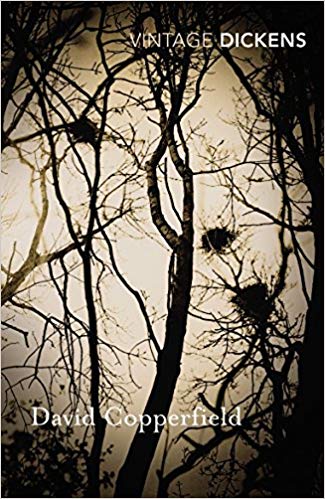
Cover:
- This is one of the few covers NOT showing a small orphaned boy...David Copperfield
- ….but the rook nests that surrounded his first home The Rookery.
- Author: C. Dickens
- Title: David Copperfield
- Published: 1849
Finished: 04.11.2018
Genre: novel
Rating: A++++
Quickscan:
- David Copperfield is the story of a young man’s adventures
- …on his journey from an unhappy and impoverished childhood
- to his vocation as a successful novelist.
- David Copperfield—the novel he described as his “favorite child”.
- Dickens drew revealingly on his own experiences to create
- …one of his most popular works.
- It is filled with tragedy and comedy. (Mr. and Mrs Micawber!)
Literary device: foreshadowing
- David is blind to the love that has been in front of him
- …since childhood, Agnes Wickfield.
Ch 35: blindness – foreshadowing
- David Copperfield:
- “If I thought Dora could ever love me.
- …or ever love somebody else…I don’t know what I’d do
- — go out of my mind , I think.”
- Aunt Betsey:
- Shaking her head and smiling gravely: “Blind, blind, blind.
- “Oh, Trot…blind, blind”
- David Copperfield: “…and without knowing why I felt a
- vague unhappy loss or
- ….want of something overshadow me like a cloud.
Ch 58: blindness – foreshadowing
- David Copperfield:
- “For many months I travelled with this ever-darkening cloud upon my mind.
- Some blind reasons that I had for NOT returning home…”
Ch 60: blindness – foreshadowing
- David Copperfield…about to see Agnes after 3 years abroad
- “…for I could not be here once more and so near Agnes
- …without the revival of those regrets...”
- “Oh, Trot, I seemed to hear my aunt say once more;
- …and I understood her better now
- — Blind, blind, blind.“
Conclusion:
- I want to read all of Charles Dickens’s novels the next 12 months.
- Having read Our Mutual Friend and David Copperfield in the last 8 weeks
- …I looked for the similarities between the two novels.
- I seems Dickens has a ‘layout’ in his mind that he repeats!
David Copperfield:
- Deaths : Clara Copperfield (mother DC) – DC’s baby brother – Aunt Betsey’s estranged husband – Steerforth – Dora DC’s wife – Ham ( ex-love, devoted to Emily) – Mr. Barks (married to DC’s nurse Peggoty) – Mr Spenlow (Dora’s father)
- Star crossed lovers: Agnes Wickfield and David Copperfield
- Little person (dwarf) : Miss Mowsher (Steerforth’s hairdresser)
- Little baby dies – DC’s baby brother
- Eccentric but loving: DC’s great-aunt Aunt Betsey Trotwood
- Daughter caring for father: Miss Agnes and her father Mr Wickfield
- Lawyer: Tommy Traddels
- Unrequited love: Miss Rosa Dartle for Steerforth
- Money lending – greedy – corrupt: Uriah Heep
- Villian: Mr. Murdstone, Uriah Heep
- Trusting and naive girl: Emily
- Young lower class girl…lives happily ever after: Martha Endell (married)
- Marriage:
- Aunt Betsey (divorced)
- Annie Strong ( married to much older man)
- Dora (thinks she made a mistake marrying David Copperfield)
- Tommy Traddles nd Sophy (ultimate match)
- Mr. and Mr. Micawber (supports each other to the bitter end.)
- Simpleton….but very loving: Mr Dick
- Schoolmaster: Mr Creakle (education included in Dickens’s novels)
Our Mutual Friend:
- Deaths: Betty Higden – baby Johnny (her great-grandson) – Jesse ‘Gaffer Hexam’ – “Mr Dolls” – Bradley Headstone – Rogue Riderhood – John Harmon (….presumed dead but is resurrected!)
- Star crossed lovers: Bella Wilfer and John Harmon (aka J. Rokesmith, J. Hanford)
- Little person (dwarf): Miss Jenny Wren the doll clothes maker
- Little baby dies – Johnny (was to be adopted by Mrs Boffin)
- Eccentric but loving: – Mr. and Mrs Boffin
- Daughter caring for father: Miss Wren and her alcoholic father “Mr. Dolls” – Lizzie Hexam and her poor ‘Gaffer’ Hexam (father) – Bella Wilfer always caring for her doting father Reginald ‘Rumpty’ Wilfer – Pleasant Riderhood and her abusive father Rogue Riderhood
- Lawyers: Mortimer Lightwood and Eugene Wrayburn
- Unrequited love: Miss Peecher for Bradley Headstone
- Money lending – greedy – corrupt: – Mr. ‘Fascination’ Fledgby
- Villian – Bradley Headstone, Rogue Riderhood, Silas Wegg
- Trusting and naive girl: Georgiana Podsnap
- Young lower class girl…lives happily ever after: Lizzie Hexam (married)
- Marriage:
- ‘Rumpty’ Wilfer (henpecked husband) –
- Lizzie Hexam (woman desired in marriage by two men—>Headstone and Wrayburn) –
- Alfred and Sophronia Lammle (ultimate miss-match )
- Mr. and Mr. Boffin (support each other to the bitter end)
- Simpleton….but very loving: Sloppy
- Schoolmaster: Bradley Headstone (education included in Dickens’s novels)
My notes on David Copperfield:
Ch 8/64: Oh, what a sad start in life…..but David Copperfield is loved
by his mother and nurse Peggotty. This book does not have the ‘comical’ tone as did Our Mutual Friend…but I’m sure there will be a few eccentric characters!
Ch 18/64: Call it insanity or intoxication…but three cheers for Aunt Betsy Trotwood as she call a spade a spade! “Mr Murdstone you are a tyrant…not get out of my house!” (…and take your sister with you!)
Ch 27/64: David Copperfield has many nicknames:
my pet Davy (Peggoty) – Brooks of Sheffield (stepfather Mr. Murdstone) – Mr Copperfull (landlady) – Daisy (Steerforth) – Trot(wood) (Aunt Betsey) – Doady (wife, Dora)
Ch 37/64: Aunt Betsey has lost patience with Uriah Heep as he jerks about intolerably after receiving a compliment. Aunt Betsey wins the prize for quote of the day:
“Deuce take the man….what’s he about? Don’t be so galvanic , sir!
Ch 44/64:
The ‘child-wife’ Dora …housekeeping books, servants and meals are all
In chaos..but David Copperfield is deeply in love. Aunt Betsey tells Copperfield….be patient, marriage takes time….and remember Rome was not built in a day.
Ch 57/64: Micawber is hysterical. “…I am tossed in all directions by the elephants — I beg your pardon; I should have said the elements!”
Last thoughts:
- I loved it!
- I must advise the reader to listen to
- …the audio book narrated by R. Armitage
- produced by Audible.com (2016)
- I read the book while listening to
- …the most wonderful voices:
- feisty Scottish accent of Aunt Betsey Trotwood
- swarthy seaman’s sound of Mr. Peggoty
- asthmatic wheezing of Mr Omer the undertaker and coffin maker
- snidely, supercilious sneers of Uriah Heep
- and last but not least the grandiloquent Mr. Micawber!
- #Classic
- #MustRead!
#Classic: A Raisin in the Sun

- Playwright: Lorraine Hansberry
- Title: A Raisin in the Sun
- Opening: New York City on March 11, 1959
- List of Challenges 2018
- Monthly plan
- List of Plays and handy links
Quickscan:
- Walter is a chauffeur who lives with his wife, son,
- sister and mother in their mother’s rattrap of a Chicago tenement apartment.
- He hopes to convince his mother to give him the $10,000
- from the life insurance payment after the premature death of his father.
- Walter Lee wants to invest that money in a liquor store.
- Lena, who has faced a lifetime of disappointments
- with an adamant religious faith
- … doesn’t want to be in the liquor-selling business.
- She has other dreams for that money:
- …buy a house in Clybourne Park
- …a fictional all white neighborhood in Chicago.
Main characters:
- Walter Lee Younger jr.
- — man with big dreams, full of masculine pride and need to be the famliy’s provider.
- Lena Younger
- — mother and meddlesome grandmother as a source of strength.
- Beneatha
- — Lena’s daughter….also the voice of the playwright L. Hansberry
- as an ambitious, idealistic, intellectual college student).
- Ruth — Walter’s wife
- Travis — Walter’s son
Theme 1: pride
- There is the most obvious theme in this play
- …the importance of pride.
- A Raisin in the Sun contains one of the most moving
- monologues in all of American Theater.
- Act 3: Walter is speaking:
- “Me and my family…we are very plain people,”
- …he (father) was a laborer most of his life…
- …we come from people who had a lot of pride.
- I mean — we are a very proud people.
Theme 2: assimilation
- But I think if you notice Beneatha’ s
- …similar passionate monologue
- ….you come to the crux of the play.
- Beneatha:
- Act 2: ” Because I hate assimilationist Neroes!“
- “…it means someone who is willing to give up his own
- …culture and submerge himself compelely in the dominant
- …and in this case oppressive culture.”
- The Younger family is moving to an all-white neighborhood.
- Walter:
- Act 3: “We don’t want to make no trouble for nobody
- …and we will try to be good neighbors.”
- Hansberry (via Beneatha) makes it clear
- ….that she has had a good look at ‘this society‘
- …what makes you think she wants to be accepted?
- As James Baldwin said during a round table discussion
- March 1 1964 for Commentary magazine:
- “It’s not a matter of acceptance or tolerance.
- …We’ve got to sit down and rebuild this house.“
Play history:
- 1959 original Broadway play
- S. Portier nominated best actor Tony Awards 1960
- 2004 revival: starring Audra McDonald and Phylicia Rashad
- who both won Tonys for their performances.
- 2014 Denzel Washington…considered ‘age-blind casting’.
- Washington is 59 yr and looks it…but
- because of his ‘audience drawing power’ he is
- casted as 35 yr Walter Lee Younger jr.
- Hansberry was the first black female playwright
- whose play was produced on Broadway.
- A Raisin in the Sun made theater history.
- Never had so…much truth about black people’s lives
- ….been seen on the stage.
Trivia:
- In Act III Hansberry mentions a character named Rufus.
- After reading Hansberry’s biography….I know that
- this refers to a man who became a
- …famous Civil Rights Activist in 1960’s.
- Who is it?
- .read the biography Looking for Lorraine
- …by Imani Perry.
Trivia:
- Remember…Lena Younger has bought a house in
- fictive all-white Clybourne Park
- …neighborhood with the insurance money.
- Clybourne Park (2010) is also the title of Bruce Norris’s play which
- updates and riffs on A Raisin in the Sun.
- It uses some of Lorraine Hansberry’s characters.
- Clybourne Park won the Pulitzer Prize for Drama 2011.
- This award was ironically was not bestowed on Hansberry
- who died tragically young in 1965
- …at the age of 35 after a 2 year battle with cancer.
- PS: this play is on my TBR
- …so I can compare the two playwrights!
Strong point:
- Hansberry weaves in so many issues
- …from abortion to African colonial struggles
- …to the African-American generational shift
- …heritage vs economical success.
- But A Raisin in the Sun never feels
- …like a heavy-handed political play.
- It is a portrait of three generations of a family.
- Last thought: #MustReadClassic
Title: – is from Langston Hughes poem:
Harlem
What happens to a dream deferred?
Does it dry up
like a raisin in the sun?
Or fester like a sore—
And then run?
Does it stink like rotten meat?
Or crust and sugar over—
like a syrupy sweet?
Maybe it just sags
like a heavy load.
Or does it explode?
#RIPXIII Classic: Frankenstein
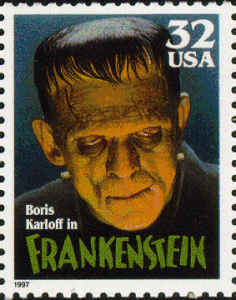
Author: Mary Shelley
Title: Frankenstein
Published: 1818
- List Challenges 2018
- Monthly planning
- Classic Club Master list
- #RIPXIII and #ccdare
Structure:
Shelley uses the classic ‘ 3 act’ structure.
introduction characters and location — conflict — resolution of problem.
Weak point: the re-birth of the ‘fiend’ and
…his discovery of nature, his senses and language.
33 sentences recording the creature’s every movement and or thought. (part 2, pg107).
I just lost interest.
The constant use of “the first person” narrative was numbing.
Deja-vu: death scene page 180 is exactly the same as
…episode #1.1 UK detective series “Broadchurch”.
Audio book:
I read the book while listening to the audio version.
I wanted the full experience.
Narrator: Dan Stevens (Downton Abbey) is excellent as Victor Frankenstein.
Unfortunately the voice of ‘the creature, the fiend’ sounded
….like he was constantly on the verge of tears.
…not threatening enough.
Gothic: Frankenstein is an example of this genre.
The Gothic tradition rejected reason, clarity and rational thinking.
It focused heavily on imagination, emotion and extreme passion.
Themes: death (10 people die in the book!), decay, terror, confinement, entrapment.
Main character: (Victor) feels trapped in his own guilt….while shouting for relief and help.
Antagonist (grotesque creature) is confused and isolated.
Literary device: epistolary technique
Letters reveal back round and gives Shelley means to logically end the story.
Letters are a portrait of the soul, confession, mask.
Letters connotate privacy and intimacy.
Letters are used as a ‘frame story‘ (mise-en-abyme) – story within a story.
Setting:
Shelley is not as skillful in this area. The book is filled with generic descriptions (snow capped mountains, dashing waterfalls,) and she fails to use color to paint a picture of the sun (mentioned 45x), moon (21x) and stars (12x). Shelley’s favorite colors promote the gothic mood of darkness (black 17x) and light (white 11x)
Symbols:
I could only find one symbol.
Ice (mentioned 41x) – represents Victor’s fate.
The creature leaves him a message:
“Follow me; I seek the everlasting ices of the north,
…where you will feel the misery of cold and frost…”
Conclusion:
I was not impressed with this novel.
It does have its lyrical moments…..but lacked gravitas.
Weak point: too much dull, stolid repetition of same words
…instead of lively, fleet narration.
repetitive: fiend (33x), guilt/guilty/guilt-ridden (27x), abhor (17x) and I/he/she/it found (89x)
Weak point:
Shelley describes nature, moon, stars, sun (sun,sunshine,sunset 60x)
…mist, storms, Mont Blanc, glaciers, sea, waves
…lakes, rocks, wind, Alps, Valley Chamounix… etc ad nausem.
Pages and pages with descriptions of wanderings
… of Victor and the creature.
It feels like ‘book-stuffing.
It just gets to be a bit too much. (Pages 94 – 103 are examples)
Strong point: This book is an amazing achievement
…for a young 19 year old woman, non-writer, failed poet in 19th C literary scene.
If you want a great gothic….read Dracula and leave this one on the shelf.
 NancyElin.blog