
Classic: G. de Maupassant
- Author: G. de Maupassant
- Title: Une Vie
- Published: 1883 ( first novel)
- Language: French
- List Challenges 2018
- Monthly planning
- Classic Club Master list
Conclusion:
- There is more to this book than meets the eye.
- Maupassant did not want to just tell a story.
- He wanted us to understand the meaning behind events.
- This was an eye-opener for me.
- How often do I read a story and say I liked it or not.
- I learned in this book to look at the structure..it has a hidden meaning.
- I noticed if Jeanne (MC) traveled…where to? …and how it changed her.
- In the first line we read ‘she packed her bags’
- …this reveals she is moving.
- “Jeanne, ayant fini ses malles…”
- Jeanne is in transition…from life during a convent education.
- to new places
- She travels 4 times.
- How did each voyage change her?
Themes: Love, marriage, motherhood, adultery, ruthless ambition
- What was Maupassant’s message in this book?
- Marriage is a trap!
Commentary:
- The decline of the ‘noblesse’ class who are incapable to adapt to the times
- The provincial morals and values Normandy in the 19th C
- The power of the Catholic Church and its prelates on the social order.
- Marriage: woman has the duty to be a good wife and mother
- …in exchange for losing any control over one’s life!
Look closely at the structure:
- Part 1 is filled with unbridled happiness.
- This is done to contrast the depths of
- Jeanne’s disillusionment in part 2… at the end of her life.
Look for a minor character:
- Tante Lison:
- There are many characters in the book
- …but I singled out one that touched my heart.
- No one noticed her, cared about her
- …she was ‘object familier, un meuble viviant.’
- Her nonexistence her isolation is obvious in the book
- ….but Maupassant put her in the spotlight!
- She is in every important scene even
- …as reader I had the tendency to just pass her by!
- preparing trousseau for Jeanne’s wedding
- is the only guest invited to Jeanne’s wedding
- godmother to Jeanne’s son Paul
- discovers Julien’s infidelity
- cares for Paul’s religious education
- attends family funerals and
- ….steps in as second mother to Jeanne.
Strong point:
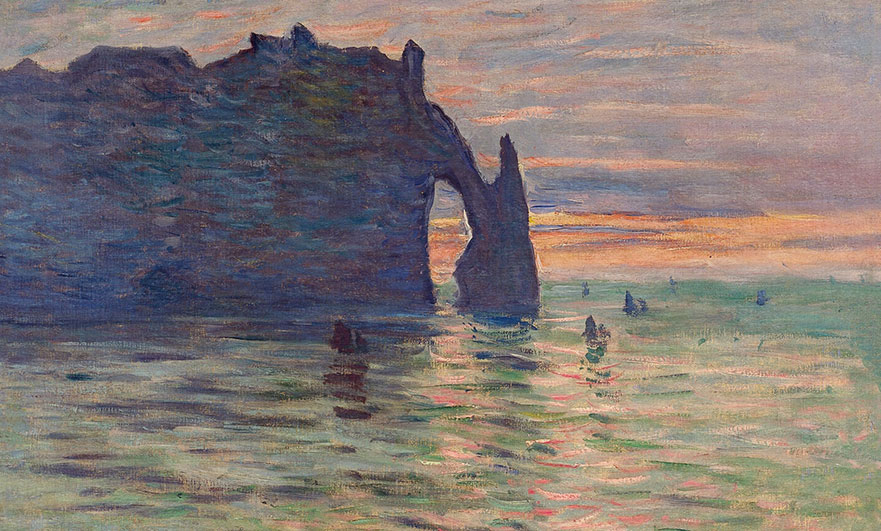
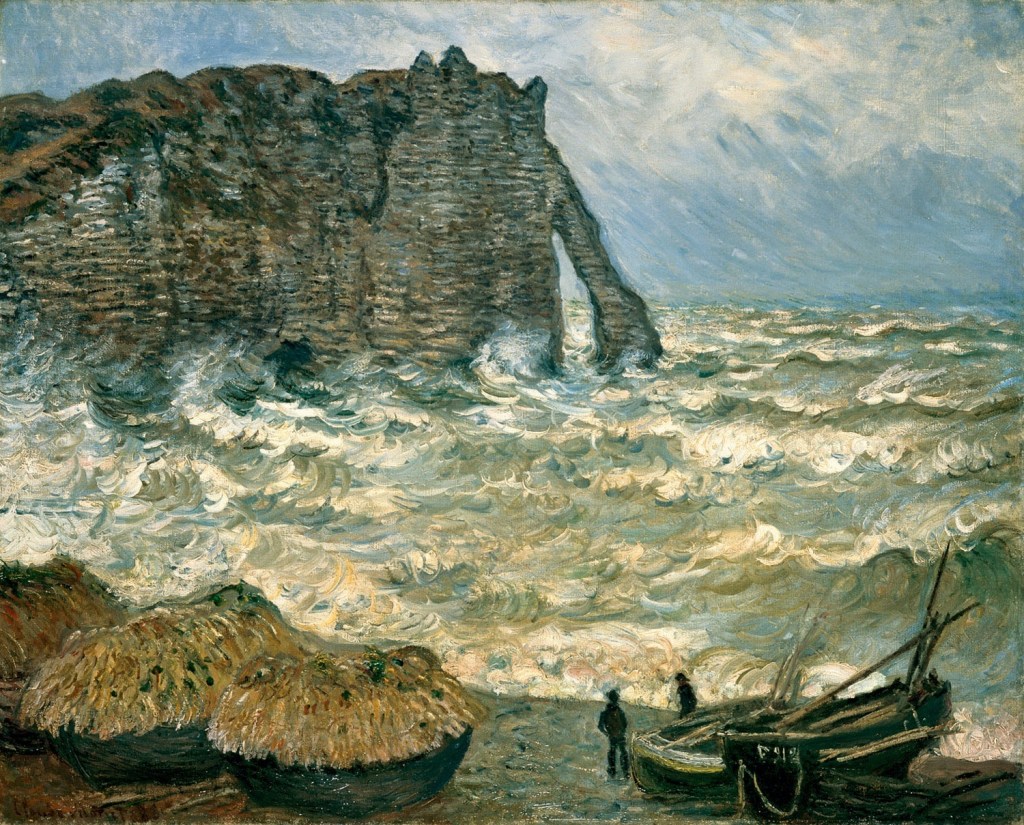
- I liked the descriptions of nature especially the coast of Normandy.
- Fishermen, their families, job, boats, beaches and cliffs.
- You can just smell the salt in the air of
- his beloved homeland, Etretat, France
- La mer – Jeanne’s strong feelings for the coast of Nomandy.
- The sea represents the infinite that stretches out before Jeanne
- and the many possibilities Une Vie has to offer her.
- La pluie – represents melancholy.
- Le soleil – represents joy
- Mausassant uses the changes in
- …seasons and nature to reflect Jeanne’s moods.

Last thoughts:
- The main character, Jeanne, is based on
- …Maupassant’s mother, Laure le Poittevin.
- She was a victim on an uphappy marriage and submitted
- herself to an adulterous and violent husband.
- Laure made a strong move…supported by her friend G. Flaubert
- and left her husband which was unusual in the 19th C.
- She concentrated all her attention on her son, Guy.
- As you read the book you can see the similarities
- between Laure and Jeanne.
- I enjoyed this book after I gave it time to settle in my mind.
- Maupassants’s Bel-Ami is his most polished novel.
- Both books are #Classics!
Spin #18: Means of Ascent LBJ

- Author: R. Caro (1935)
- Title: Means of Ascent
- Published: 1990
- Audio book: 22 hr
- Narrator: Grover Gardner (excellent voice)
- Trivia: #ccspin nr 18
- Means of Ascent is …..a modern non-fiction classic
- Monthly planning
- List Challenges 2018
- Classic Club Master list
Quickscan:
- Robert Caro is writing The Years of Lyndon Johnson.
- Four volumes have been published and he is working on vol 5.
- As of 2017 400 pages were typed for this last book.
- Now Caro is moving to Vietnam to continue the writing process.
- I cannot emphasize enough
- …what a monumental historical document
- …Robert Caro is giving us.
- I read volume 1 The Path to Power…it was very good.
- All of the volumes are chunksters and the only way I can
- read them is using an audio version on my IPOD.
- I listen during my walks, while doing household chores,
- riding my bike to the grocery store….and 30 min before sleeping.
- LBJ and Nancy have become very close!
Conclusion:
- Volume 2 is a blow-by-blow account of the drama
- concerning the back-round and outcome of the
- 1948 Senate seat of Texas election.
- Caro reveals an exhaustive amount of
- …details only recently available to historians.
- There are long testimonies given in court by individuals who
- conspired with LBJ to STEAL the election!
- Needless to say.
- …the Johnsons family is not fond of Robert Caro.
- This book was about LBJ but it did spur me on
- …to learn more about the defeated candidate in the race:
- ‘Coke’ Stevens and the demcratic political boss
- that put LBJ in the 1948 senate, The Duke of Duval
- …George Berham Parr
- #MeanerThanABarnyardDog
Last thoughts:
- Means of Ascent paled in comparison to
- …the blockbuster volume 1 The Path to Power.
- A senatorial race in Texas 1948 may seem to be a turning point
- …in modern politics but is was just a ‘run-of-the-mill’
- type of campaign in USA even today!
- The only difference being the role of
- Twitter, FB social media and the
- …phenomenon of ‘fake news’ websites!
- Backroom deals, bibes, intimidation even ballot-box stuffing
- …it is STILL going on.
- LBJ is just one of many USA politicians that have entered office
- by these distinct patterns or methods of operation
- ……Modus Operandi.
- Oh, don’t forget there are also rich fathers who make sure
- their son is the first Catholic president in the White House.
- I recommend the book about
- the MAN behind JFK…
- The Patriarch by David Nasaw (2012).
- #EyeOpener
My notes:
August 3, 2018
Listened to introduction that lasted 1 hour 11 min on IPOD!
This book will look at 7 years 1941-1948. LBJ won a senate seat in election 1948…by just 87 votes. Why was this election a watershed moment? It was the end of ‘ol school politics’ ( handshaking, backslapping and the three B’s: beef steak, bourbon and blondes) and the start of the new school politics (media, TV, backroom deals of pressure and persuasion).
August 7, 2018
August 14, 2018
…for being able to endure her insensitive husband.
August 15, 2018
August 16, 2018
Well, it’s official…LBJ did not buy his Texas senate election 1948…he stole it! Putting this man in high office…changed the course of history (Vietnam).
How many subsequent US elections have been stolen….I wonder.
Classic: Le Roman de la Rose (amour courtois)

- Author: G. de Lorris (1200-1240) et J. de Meun (1240-1305)
- Title: Le Roman de la Rose
- Published: 13th C
- Edition: Folio classique, ISBN 9782070375189
- Language: French
- List Challenges 2018
- Monthly planning
- Classic Club Master list
- Trivia: The first section of the poem was written by G. de Lorris
- 40 years later the work was completed by Jean de Meun.
- Trivia: This long poem was translated into Middle English verse by Chaucer
- The whole poem was translated into Modern English verse by F.S. Elilis
- Trivia: I’m reading the translation into Modern French by André Mary
Chapter 1
The Garden of Pleasure
- Wonderful descriptions of a paradise like garden
- with paintings decorating the wall of
- the énciente (enclosure) of virtues and vices.
- We meet some ladies and gentlemen frolicking
- and dancing (caroler).
- De Lorris describes there physical attributes
- lavish clothes (samit – heavy silk fabric)
- un riche samit décoré
Chapter 2:
The Spring of Narcissus:
- Descriptions are becoming increasingly more difficult.
- Do you know how many flowers, trees, herbs, grasses, insects….
- …are blooming and buzzing around in this orchard?
- Not to mention Narcissus falling for the ‘reflection trap’ in the pond
- Our narrator/poet seems to be hypnotized by the rose buds!
- Amour shoots five arrows flying into the heart of our narrator/poet.
- Ouch!
Chapter 3:
Hope and Despair
- This was the best chapter…..so far!
- Le Dieu d’Amour explains to our poet the
- his 13 commandments for courtly love.
- These rules were written in 13th C
- …but they seem timeless!
Conclusion:
- I will let you discover the rest of the book
- …does our poet/narrator
- …finally kiss his rose bud love?
- This is one of the oldest books
- …I’ve read this year (exclu myths).
- And I discovered….
- People have always been people.
- Cultures change, but humans don’t.
- Remember….. l’amour
- “The struggle is excessive and the joy is short-lived.” (pg 66)
- (La peine est excessive et la joie de courte durée.)
Last thoughts:
- Reading this book after struggling with the
- fire and brimstone religious text of Blaise Pascal felt like
- a relaxing, refreshing summer shower
- …after 4 week heat wave!
- Believe me I know how that feels!
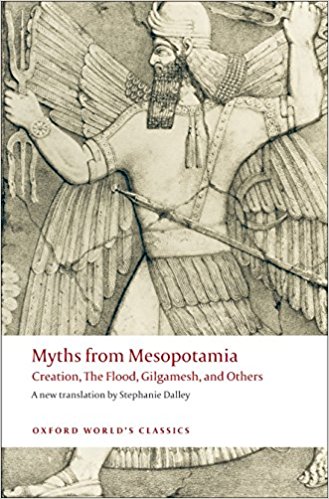
Classic: Mesopotamian Myths
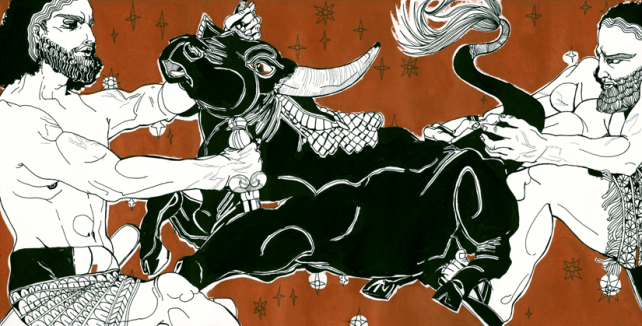
- Author: Anonymous, Stephanie Dalley
- Title: Myths from Mesopotamia
- Published: 2009 ( originally 1750)
- List Challenges 2018
- Monthly planning
- Classic Club Master list
- Trivia: Glossary: pg 317 – 331
- …but I found the ‘flipping’ back to pages irritating
- The book is easier to read if you use Wikipedia.
- #ReadingTip – HERE is an excellent list in right sidebar
- …of many characters in these myths.
Quickscan: Myth:
- The ancient civilization of Mesopotamia thrived between ….
- the Tigris and Euphrates rivers over 4,000 years ago. .
- These myths include parallels with the biblical stories
- …of the Creation and the Flood and
- …the famous Epic of Gilgamesh.
- This is a the tale of a man of great strength,
- heroic quest for immortality is dashed
- through one moment of weakness.
What is the Epic of Gilgamesh?
- The Epic of Gilgamesh is a collection of fragments of tablets
- …of the epic date from 2100 B.C.
- What is widely read today is a 19th C translation.
What does Gilgamesh learn at the end of his journey?
- He learns that wisdom and kindness are
- …far superior to immortality.
Who is Gilgamesh?
- Gilgamesh is the King of …Uruk (modern day Warka, Iraq).
- He is the wisest, strongest demigod with 2/3 god 1/3 man.
- He served as the representative of the gods to his people.
- He was NOT divine….but was supposed to enforce the
- …will of the gods on earth
Who is Endiku?
- Enkidu is a unknown demigod created by Anu (god of Uruk).
- Enkidu is a product of the wilderness, 2/3 animal 1/3 god.
Conclusion: Epic of Gilgamesh
- It is time to shift gears and enter the world of myths!
- It’s not about the goal…to find immortality
- …it’s about the journey. (transformation)
- Part 1: journey of of physical action in the world…fights/fun with Enkidu
- Part 2: journey into the spiritual…find the meaning of life
- Gilgamesh want to be spared the frightening experience of death
- …such his good friend as Enkidu suffered.
- Moral: the lesson of wisdom Gilgamesh learns
- …mortal death transforms the human form
- ..though the essence continues.
- The spirit of Endiku will remain with Gilgamesh forever.
- Last thoughts: The Epic of Gilgamesh….
- …I am able to say: “I read it”!
- #Classic
Structure: There are 10 myths in this book.
- Epic of Gilgamesh is the longest.
- There are 2 versions of the epic in this book
- I read the longest one that was complete. (pg 50-125)
- It took me 1 hr 45 min to read the epic.
- It is filled with repetition of verses.
- 10 x ” the sky-bolt of Anu (supreme sky god) …”.
- Especially in ch 10…
- there is a lot of moaning and gnashing of teeth
- …as Gilgamesh weeps at the loss of
- “My friend who I love has turned to clay.”
Other shorter myths:
- Atrahasis: Flood story (parallels with the Bible)
- The gods created man….
- but “the noise of mankind has become too much.”
- The Flood roared like a bull.
- But Enki ( god of fresh water and wisdom)
- …made sure life was preserved!
- He warned Antrahasis….”build a boat”.
- First impression: chaotic text until I got used to the repetition.
- Names of gods an goddesses went over my head.
- The Descent of Ishtar to the Underworld:
- Ishtar was a powerful goddess.
- There are benefits from worship of Ishtar because
- …she brings fertility to the land and the people.
- Ishtar goes to the underworld to
- …ask her sister Ereshkigal (Queen of Underworld)
- ..to let her lover Dumuzi free.
- Not going to happen….yet!
- This myth was very short ….
- the work is looking up the names of gods/goddesses.
- If I don’t do that…
- I’ll won’t understand what’s going on!
- Nergal and Ereshkigal:
- This was filled with names…just so confusing.
- The main message: Nergal (god) can move up and down the
- …stairway between heaven and the underworld.
- Ereshkigal (Queen of Underworld) seduces him
- ….but Nergal knows
- …”absence makes the heart grow fonder.”
- He secretly flees back ‘up the staircase’.
- Ereshkigal is livid.
- Nergal decides to return to her loving arms
- …and becomes her husband.
- That is just what he wanted….
- …now he is CHIEF demonic god in the underworld!
- Research: looking up names – 50 min
- Reading time: 30 min
- Adapa:
- Simple short myth…not many characters….very easy to read.
- Mortal man who refuses the gift of immortality (…was tricked!)
- Reading time: 20 min
- Etana:
- Sumerian king of Kish….what is going to happen in his realm?
- King begs for the plant of birth (heir). He hops on the back of
- an eagle to visit heaven…Ishtar, the mistress of birth.
- The eagle brings him to the doors of heaven.
- Etana pushes them open and goes inside…end of story!
- The Sumerian scribes must have run out of tablets.
- Research: looking up names – 20 min
- Reading time: 30 min
- Anzu:
- ..is a lion headed eagle…that’ll cause a stir!
- Plot: centers around Tablet of Destinies
- It is believed whoever possesses tablet is master of the universe
- Will the bird Anzu steal the tablet?
- Who will receive the stolen document?
- Research: 1 hr 15 min
- Reading time: 10 min
- Conclusion: for all the myths the work is in the research.
- Many god/ goddesses have multiple names! Grrr.)
- #Confusing #NeedCoffee
- The Epic of Creation: ..this is going to be a long read!
- Plot: The whole family is determined to kill goddess Tiamat.
- She is one of the first gods (primordial) to be created from the void.
- Remember…this is a myth so
- her great-great-great-great grandson Marduk has been
- chosen to do the deed!
- Research: 8 min intro book ( skim)
- To understand this myth you
- …have to note the family tree starting
- …with Abzu and Timaat –> Marduk the hero-god of the story.
- Reading time: 1,5 hr
- This is a long myth so I am going to read and search names
- …at the same time.
- Large pages of the myth is a list of gods and
- …their duties. Just skim through this….
- Conclusion: this was the easiest of all the myths to read….
- …felt like a fluid, normal narrative.
- Theogony of Dunnu: (…short read – 1 page!)
- Tale of successive generations of Gods .
- Mythical tale of successive generations of gods
- ..who take power through
- …parricide and live incestuously with their mothers.
- #GodsBehavingBadly
- Erra and Ishum:
- …Hmmm Erra is another name for Nergal…
- he is the god who can go up and down
- …the stairway to heaven and the underworld!
- Remember him?
- Erra (god of war) is bored and wants to fight!
- Ishum his assistant is obliged to follow.
- This not a story but a series of ‘fiery speeches’
- …by Erra, 7 Sebetti warrior gods, Ishum and Marduk.
- Plot: Erra is called upon to
- ..lead the destruction of mankind. (Again?)
- Mankind is causing havoc
- …our cattle tremble and turn to clay!
- Ishum tries to mollify Erra’s wakened violence, to no avail.
- Research: 8 min
- Reading time: 45 min
Conclusion:
- This was of all the myths the most boring story
- .…or perhaps I’ve
- ...reached my “myth saturation point”.
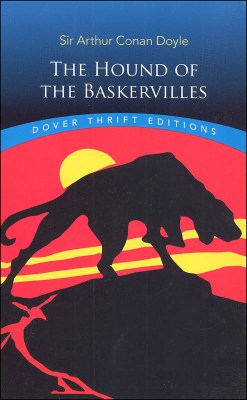
Classic: The Hound of the Baskervilles
- Author: A. C. Doyle (1859 – 1930)
- Title: The Hound of the Baskervilles
- Published: 1902 (15 chapters, 128 pages)
- Audio book: 6 hr 26 min
- List Reading Challenges 2018
- Monthly reading planning
- Classic Club Master list
- #ccbookreviews
- Trivia: This book is nr 128 of 200 on BBC’s
- The Big Read poll of UK’s ‘best-loved novel’.
Quickscan:
- This is an eerie tale—the legend of the Hound of the Baskervilles.
- The devil-beast has haunted the lonely moors
- …around the Baskervilles’ ancestral home.
- The tale warned the descendants of that
- …ancient family never to venture out on the moor.
- Sherlock Holmes is called to the English moors
- …to save Sir Henry Baskerville… from what?
Conclusion:
- The book is a wonderful read on a hot summer day!
- Every chapter is filled with Sherlock’s
- scientific use of his imagination.
- He balances probabilities and choose the most likely.
- A chiming clock, rustle of the ivy on the wall
- and the sob of a woman draws the reader further
- …into the mystery of the grand House of Baskervilles!
- Narrator:
- Derek Jacobi is a recognizable British
- voice that is warm in tone .
- No gestures, no costumes, no set, nothing
- to indicate anything except Jacobi
- ..who lifts the words from the pages
- …and into my imagination!
- #Classic
Last Thoughts:
- This was my first Sherlock Holmes mystery.
- I enjoyed the classic element used in many mysteries:
- characters withhold information or lie about it.
- This added to the “Ah-ah’ feeling when I read the last
- chapter in which Holmes explains details
- …..I really missed!
Classic: Jane Austen
- Author: J. Austen
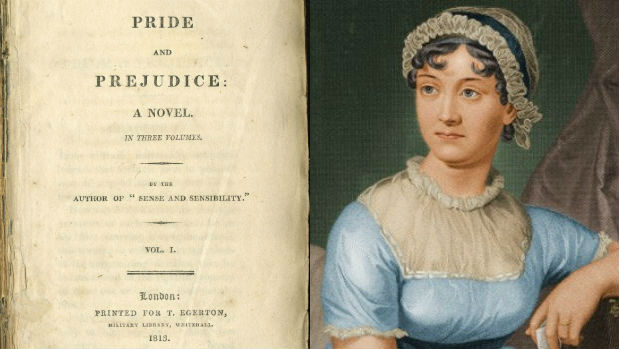
- Title: Pride and Prejudice
- Published: 1813
- List Challenges 2018
- Monthly planning
- Classic Club Master list
- #AllAboutAusten @Brona’s Books
- RE-READ: June 2025
01.08.2018: Sign-up post
What type of novel is Pride and Prejudice?
Formal realism
- This type of novel most satisfies readers wishes
- ..for close correspondence between life and art.
What is formal realism?
- Formal realism is defined as truth
- discovered by the individual through his or her senses.
Which authors are famous for formal realism?
- E. Zola, J. Joyce, J. Austen, H. Balzac,
- D. Defoe and S. Richardson are a few examples.
Pride and Prejudice: quickscan
- The marriage plot is between
- Elizabeth Bennet and Fitzwilliam Darcy.
- Elizabeth rejects Mr. Darcy’s proposal.
- Elizabeth proceeds in the normal course of her life.
- She encounters Mr. Darcy both at Rosings and
- …while she is on a visit to his estate at Pemberley.
- After she has had time to understand who he really is,
- …to learn the truth of his fine character
- …she comes to love and admire him.
- She hopes and wishes that he would propose again.
- By the end of the novel, she is of a different mind.
Conclusion:
- The plot?
- We all know it by heart!
- I read the book in high-school and
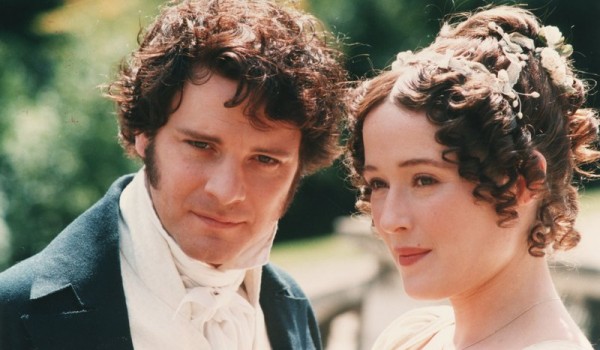
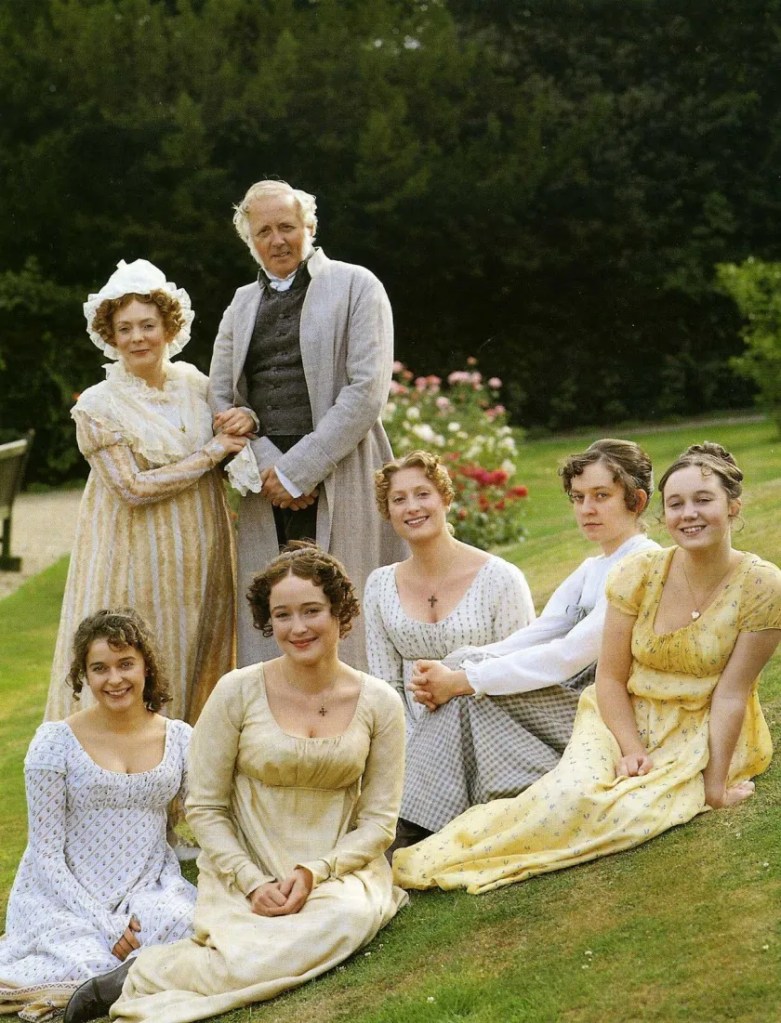
- watched the BBC series in 1995 Pride & Prejudice.
- This adaption of Jane Austen’s novel was done to such perfection.
- As I read the book I saw the actors and actresses in this series
- ….flash before my eyes.
- Jennifer Ehle has done the impossible
- …she is forever will be, Elizabeth.
- The beauty, wit, and sparkling liveliness of the
- …character are perfectly captured in her performance.
- And Colin Firth’s Mr. Darcy is an exact match for her.
- His smoldering good looks portraits an unforgettable aristocratic reserve.
- Favorite scene in book and dvd?
- Darcy and Elizabeth engage in a long and stately dance together
- …in the midst of a crowd.
- They only have eyes for each other yet
- …remained controlled and exciting.
- The series and the book are classics in their own medium.
- After reading the book…
- I look forward to a #AllAboutAusten weekend
- re-watching this production!
- Thank you @BronasBooks f
- …or hosting #AllAboutAusten
- I read a Jane Austen book….and loved it!
08.06.20215 – Orgueil et préjugés. (50 pages) ch 30
- The most surprising revelation in the re-reading of this book was about a
- character that I usually just dismiss as a “BFF” of Elizabeth.
- Charlotte.
- While trying to translate a simple sentence in chapter 22
- ….I discovered the pivotal role Charlotte played.
- Charlotte reveals she is about to accept Mr. Collins’s offer of marriage.
- Why is this important?
- It illustrates the difference between the characters of the two young women:
- Elizabeth, an idealist, seeks happiness in love, while
- Charlotte, more pragmatic, accepts the reality of her time.
- This choice influences the narrative by creating a break between the two friends.
- It highlights the social constraints that weigh on women of their class.
- Charlotte’s decision makes Elizabeth reflect even MORE about marriage.
- Elizabeth is sad to realise that her BFF who she thought she knew
- would choose a marriage motivated by a sense of responsibility to assure her future ($)
- …rather than for love.
09.06.2025
- Why is Mr. Bingley SO indebted to Mr. Darcy?
- The answer is all rooted in Darcy’s protective and guiding role in their friendship.
- — helps MB in navigating society
- — helps MB dealing with financial matters
- — helps MB to shield himself from heartbreak/unsuitable marriage partner
- Darcy feels compelled to protect him from those
- …who might take advantage of Mr. Bingley’s good nature.
- Darcy’s intervention, while often overbearing, is motivated by a desire to ensure
- …Bingley’s happiness rather than by selfishness or pride alone.
- Why does Mr Darcy fear this news would be made known?
- Darcy’s interference, particularly in separating Bingley from Jane Bennet,
- was based on his judgment of the unsuitability of the match,
- but he is aware that such meddling, if revealed, would be seen as intrusive
- …and could be deeply unpleasant for all parties concerned
- Why is Col. Fitzwilliam… in the book? (pg 159)
- He is a vehicle for exposition or revelation.
- He reveals to Elizabeth Bennet that Mr. Darcy
- …had intervened in Mr. Bingley’s relationship with Jane.
- Col Fitzwilliam does not drive the central narrative or participate in most major events.
- He serve as catalyst for plot development by providing background information,
- …exposing secrets that the main characters might not reveal themselves.
10.06.2025
- Loved chapter 1, vol III…Elizabeth’s visit to Pemberly and chance meeting with Mr. Darcy
- It is the “feel good chapter” the reader has been longing for
- …do they still love each other?
WORDS:
- bonheur – 87 X = happiness!
- toutefois – 74 X = however (major adverb used constantly!)
- désormais – 62 X – from now on..
- ressenti = 60 X = felt ( ressentir, to feel)
- politesse = 40 X = politeness; manners; civility
- affecté – 31 X – changed, moved or stirred emotionally
- supposé – 27 X = (supposer) to assume, believe
- prévu – 23 X = (prévoyez) expected; planned
- (se) comporter – 22 X = to behave; to conduct oneself
- bien-être – 12 X = piece of mind, well-being
- affligée – 7 X = distressed
- affligeant – 4 X = distressing
- contrariétés 7 X = annoyances
- courtois. 23 X = polite; courteous
- courtoisie 10 X = politeness
10.06.2025 FINISHED – Pride & Prejudice
Classic: Oscar Wilde

- Author: O. Wilde
- Title: The Birthday of the Infanta
- Published: 1891
- List Challenges 2018
- Monthly planning
- Classic Club Master list
- #DealMeIn2018 Jay’s Bibliophilopolis
Quickscan:
- Infanta is given a birthday party by her father the King.
- He arranges whirling gypsies, an African juggler, a snake charmer,
- a mock bullfight and…a dancing dwarf.
- The birthday girl throws the dwarf a white rose!
- The dwarf is ‘éperdument amoureux’
- … and wanders through the garden…filled with happiness.
- He slips into the palace to find the Infanta and tell her of his love.
- The only thing he finds is his reflection
- …in a mirror exposing his own grotesque.
- Now he know why the infanta was laughing at him
- … he was a ‘petit monstre’.
- No spoilers…ending that packs a punch.
Conclusion:
- This story is a gem!
- All we know of the Infanta (10% of the story):
- she is the most graceful of all
- she shrugs her shoulders when her father does not attend the mock bullfight
- the Infanta laughs, applauds the dancing Dwarf, flutters her fan and
- with the sweetest smile throws him a white rose.
- This is her beautiful exterior.
- All we know of the dwarf (35% of the story):
- he has crooked legs, a wagging huge head and a hunched back.
- He has always lived in the forest and was unaware of his own grotesque.
- This is his ugly exterior.
- Yet the interior of the dwarf is loving, generous and kind.
- The interior of the Infanta is
- …stamping her foot, cries out commands and
- her rose-leaf lips curl in pretty disdain when she hears
- …why the dwarf cannot dance for her again.
Strong point: anthropomorphism (literary device)
- Oscar Wilde give plants and animals human attributes.
- They voice feelings (lesson or a moral) that the…
- Tall tulip flowers (high-society) have about the ugly dwarf.
- The milk “white” peacock says everyone knows that the
- children of Kings were Kings and the children of
- charcoal (black)-burners were charcoal-burners (class differences)
- …”and it was absurd to pretend that it wasn’t so“.
Last thoughts:
- Oscar Wilde juxtaposes the Infanta vs the dwarf.
- Ugliness inside a beautiful exterior.
- Beauty inside a grotesque exterior.
- Oscar Wilde pokes fun at the grotesque as
- …did Victor Hugo (Hunchback Notre-Dame).
- Both authors wanted to forget their own misery:
- …Wilde ‘otherness’ (homosexuality)
- …Hugo a physical deformity.
Classic: Seneca Letters From a Stoic
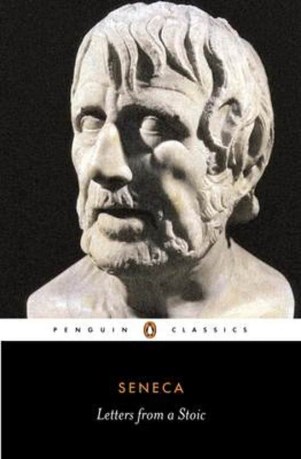
- Author: Seneca ( 4 BC – 65 AD)
- Title: Letters From a Stoic
- Published: 124 letters written at the end of his life.
- Trivia: Letters were written to Lucilius a CFO in Sciliy in 65 AD
- Topic: how to become a devoted stoic
- List Challenges 2018
- Monthly planning
- Classic Club Master list
Conclusion:
- For more information about Seneca and Stoicism
- …I refer you to the links in the header.
- This book is perfect bed-time reading.
- Tone is casual.
- Focus is on practical moral advice.
- Your mind can relax after a hectic day and let
- Seneca bring you back to basic thoughts about:
- mercy, anger, kindness, fate, happiness, and peace of mind.
- Strong points: writing style is full of brevity and sparkle.
- There are so many quotes that have lingered
- …too many to sum up.
- At the end of the book…the last letter (letter CXXIII)
- Seneca left me with these thoughts I use daily:
- Nothing is burdensome if taken lightly
- …nothing need arouse one’s irritation so long as one
- …doesn’t make it bigger than it is by getting irritated!
- It is in no man’s power to have whatever he wants
- …but he has it in his power not to wish
- …for what he hasn’t got.
- And as a person who struggles with an aching lower back
- Seneca spoke to me with these words:
- I’m deriving immeasurable satisfaction from the way my
- …tiredness is becoming reconcile to itself.
- What was brought on by exertion
- …rest is taking away.
Classic: Stendhal The Charterhouse of Parma
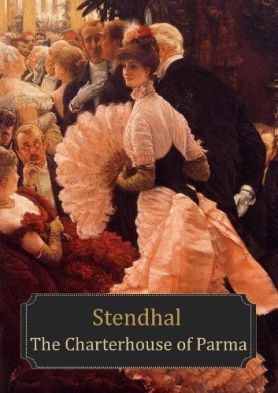
- Author: Stendhal
- Title: The Charterhouse of Parma
- Published: 1839
- Language: French
- List Reading Challenges 2018
- Monthly planning
- List of my French Books
- #CCBookReviews
Conclusion:
- Fabrice del Dongo, a young archbishop
- …gives his all to romance rather than to the Church.
- This creates complications for everyone around.
- Love triangle duchess Gina-Fabrice-Clélia is the basis of the book.
- The book collapses a few times:
- Battle of Waterloo, l’abbé Blanes reads the omens in Fabrice’s life.
- It takes 40 pages from the meeting with Giletti (hero’s rival over a love interest)
- to the knife fight resulting in Giletti’s death that puts Fabrice in prison.
- These are all scenes that don’t advance the action
- …and exhausted this reader.
- The story really gets underway when Fabrice enters prison
- …and falls in love with the jailer’s daughter, Clélia.
- This happens in chapter 18 that is more than halfway through the book.!
- If you can be patient and wait until the half way mark….
- you may enjoy this French classic.

 NancyElin.blog