
Victorian Premier’s Award Drama 2017
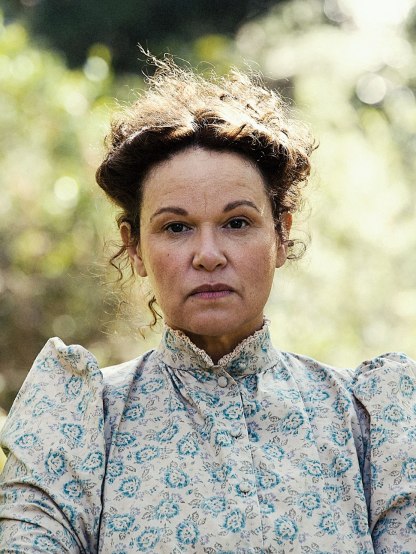
- Playwright: Leah Purcell
- Title: The Drover’s Wife (adapted from H. Lawson’s short story)
- Published: 2017
- List Reading Challenges 2018
- Monthly reading planning
- Trivia: Winner Victorian Premier’s Literary Award 2017 (drama)
Leah Purcell: youngest of seven children born to an Aboriginal mother and caucasian father in the small Queensland town of Murgon (pop. 2000). Her work includes TV series and films. She has also had a formidable impact on the stage as actress, director and playwright. She has appeared in more than 20 productions.
So, I ask myself…why have I never heard of her?
It was time to discover some of the best that Australian literary world has to offer: Henry Lawson’s story – The Drover’s Wife adapted for the stage by playwright Leah Purcell
If I could get the opportunity to see Leah Purcell preform on stage I’d book tickets immediately! If you live in Australia…you are so lucky to have this talent on your doorstep!
Introduction:
- The Drover’s Wife is confronted by a threat in her yard, but now it’s a man.
- He’s bleeding, he’s got secrets, and he’s black.
- She knows there’s a fugitive wanted for killing whites,
- ….and the district is thick with troopers.
- But something’s holding the Drover’s Wife back from turning this fella in.
Setting:
- A two room shanty, in the dense scrub land of
- ….Alpine country of the Snowy Mountains.
- A chopping block sits in the middle of the stage.
- An axe buried deep in it.
- Timeline: 3 days
Theme: survival
- The woman (Drover’s wife) is trapped
- …in a world of male dominance.
- The man (Yadaka) is trapped
- ….in a world of racism.
- They both do what they have to do to survive.
- Scene 2: Drover’s wife:
- “Cross me and I’ll kill ya.
- I’ll shoot ya where ya stand and bury ya where ya fall.”
- Scene 7: Drover’s wife:
- “But fight for my life, my children’s, I will.
- Make no excuses for.”
- Scene 6: Yadaka
- “My only true charge, missus is ‘Existin’ whilst black’.
- But fight for my life, I will, and make no excuses for it.“

What is the emotional power in the play?
- The emotional power in the play
- is the anticipation of the fate of Yadaka.
- The shifts in the conditions of Yadaka and Molly Johnson
- at the shabby cabin….guide the direction of the dialogue.
- Another important emotional issue is the growing
- friendship between Yadaka and the Drover’s wife
- …be it coded and sometimes implied in gestures not words.
Backround:
- Leah Purcell took some qualities she admired
- in her Aboriginal family members and
- infused them into Lawson’s orginal cast.
- Purcell brought more characters on the stage and
- deepend the dramatic impact of the story.
Characters:
- The Drover’s Wife – full of fight and life – 40
- The main character is a women whose qualities in this play were inspired by the
- …people Leah Purcel has personally known:
- …generous, assertive, resilient women
- …who hold the world on their shoulders.
- Molly Johnson, the drover’s wife is a woman who is
- proud, works hard, plays hard and never gives up who she is.
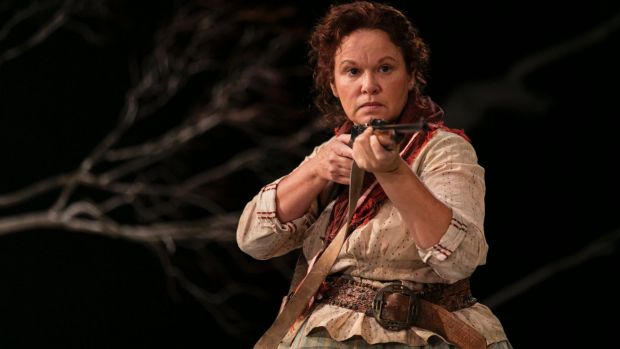
- Yadaka (black) – 38
- Danny (Drover’s wife’s son) – 14
- Thomas McNealy (swagman) – 60
- Douglas Merchant (peddler) – 35-40
- Spencer Leslie (trooper) – 35
- Robert Parsen (stockman) – 45
- John Mcpharlen (stockman) – 25
Strong point:
- The dialogue is thick and fast.
- It emerges from the character’s reaction to prior events.
- Yadaka’s backstory, Drover’s wife… her marriage and children
- and the direct interaction between these
- …characters in the nine scenes.
Strong point:
- Strong point: Henry Lawson provided a look at
- …bush life that appealed to his audience in the 19th C.
- Leah Purcell provides a look at bush life….that should
- …appeal to all in the 21st C.
- People who are now seeking a change from the
- …stereotypes of the colonial past
- …that were the basis of Australian life.
Stage design:
- Provides the atmosphere and environment
- …of a particular scene or piece of action.
- The Drover’s Wife stage is minimalist:
- There is a piece of dead tree,
- chopping block with axe wedged deep into it
- …and a curtain.
- Stage decor reinforces the action and
- gives the action depth
- …and a realistic context.
- Props: rifle, axe, prisoner’s iron collar, small coffin
- …boots, set of clean clothes, wood-heap, tribal spear.
Conclusion:
- How does it feel to be a problem? (blacks)
- Yet being a problem is a strange experience
- …for one who has never been anything else.
- Leah Purcell is determined to change this situation.
- Classic Australian story adapted for the 21st C.
- …Leah Purcell has turned the plot upside down by re-imaging
- Henry Lawson’s classic story ‘The Drover’s Wife”.
- The black man is not the menacing element
- … ironically it is the white man!
- Leah Purcell shows a strong connection
- to her aboriginal culture and community.
- She has surprised the theatrical world with is powerful play!
- I imagine a conversation between Henry Lawson and Leah Purcell.
- Lawson has just read The Drover’s Wife to Purcell.
- Her response:
- “Great story filled with action, grit and passion...
- but I think I will ‘reimagine’ your story
- just once….my way!”
- There is an unexpected….twist in the plot.
- #Bravo Leah Purcell!
Pulitzer Prize 1984: Ironweed

- Author: W. Kennedy (1928)
- Title: Ironweed
- Genre: novel
- Published: 1983
- Trivia: nr 92 on Modern Library 100 Best Novels
- List of Challenges 2018
- Monthly reading plan
- Trivia: Pulitzer Prize Fiction 1984
Theme: Redemption: The ghost of Francis’ infant son tells his father that he
must perform acts (of kindness) to exorcise his demons.
Motif: Gothic details, in recurrent images of gloomy and haunted settings, supernatural events (ghosts in cemetery), full moon (moonlight), Halloween (goblins).
Setting and timeline: the story takes place in Albany over two days and two nights, Halloween and All Saints’ Day of 1938.
Main characters: Francis Phelan and Helen Archer are bums, back in their birth city. She was a singer on the radio, he a major league pitcher. Francis Phelan is resilient. Helen Archer has traveled with and lived with Francis for nine years. She is “shapeless, windblown weed blossom of no value to anything.” (pg 127). She is not meant for survival.
Title: Ironweed refers to the main character. Francis Phelan is a survivor and hard to break. The ironweed flower is a plant known for its toughness of the stem.
Introduction:
- The presence of death appears throughout this novel.
- In the first chapter Kennedy cleverly uses the scene of a cemetery.
- Francis is digging graves for small cash.
- He has returned to his home town for the first time since
- …Francis abandoned his family after
- …the death of his infant son Gerald.
- “I never stop thinking’ about him’.
- Kennedy portrays the human condition as tragic, but it is precisely
- …in confronting this situation, that Francis experiences hope.
Conclusion:
- Sometimes an image is all you need
- …to inspire you to read this book. (see above)
- This is one of the better novels on
- …the Modern Library List Best 100 Novels 20th C.
- #Classic
Fahrenheit 451
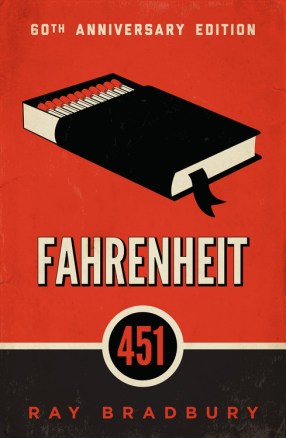
- Author: Ray Bradbury
- Title: Fahrenheit 451
- Genre: Dystopian SF
- Published: 1953
- Trivia: Hugo Award Best SF novel 1954
- List of Challenges 2018
- Monthly reading plan
What makes Ray Bradbury’s novel so important?
- Science fiction had graduated from pulp magazines
- …to novels in the 1950‘s.
- Science fiction was being taken more seriously.
- Bradbury’s novel was one on the first paperback originals.
- The reason Fahrenheit 451 is on classic book lists:
- …the book was a response to
- …what was happening in Americn society at the time.
What were the satirical targets in Fahrenheit 451?
- National:
- The rise of television as a mass media
- Rise of Senator McCarthy and his witch hunts
- Fears of censorship
- International:
- Cultural purge staged by Stalin
- Book burning of the Nazis
- Fear of nuclear war (see end of the book)
Introduction:
- The narrative in Fahrenheit 451 is well-know.
- Bradbury imagines a repressive future society in which
- …books are prohibited.
- Firemen instead of putting out fires
- ….seek out caches of book and burn them.
- Montag, main character, begins to have doubts about
- the fireman system.
- Books make people think.
- People don’t ask what….they ask why?
- The government considers this is a dangerous trend.
- Plot point: Montag is willing to read the books he’s stolen.
- He wants to understand why they burn books
- …why there is so much hate in the world.
- Conflict: Beatty (fire chief) and Montag play a cat and mouse game
- …until Beatty finally has the evidence he needs to arrest Montag.
Conclusion:
- Fahrenheit 451 is rather blunt and has an unmistakable message.
- It has become a popular classic and
- …has never been out of print.
- It is often read in schools.
- But ironically the book itself
- …has been under attack.
- Parents in Florida, Mississippi and Texas
- …tried to get the book removed from school libraries!
- I enjoyed the book because it is a classic and
- it is important to know what it is about.
- I am not a SF-fan…
- …it is always a challenge for me to read this genre.
- The inclusion of a mechanical (killer) dog was a bit over the top.
- Bradbury was having some fun with this firehouse dog .
- I did not understand the fighter jets flying around.
- They seemed to just appear!
- At the end of the book….we know their mission.
- I listened to the audio book
- …because I needed a ‘nudge’ to keep
- …me interested in the book.
- So I got out my bike…IPOD and cycled 45 km today
- …and finished the book!
- #Classic #MustRead …be it reluctantly!
The Acolyte
- Author: Thea Astley
- Title: The Acolyte
- Published: 1972
- Trivia: Winner Miles Franklin Award 1972
- List of Challenges 2018
- Monthly reading plan
- #AWW2018 @AusWomenWriters
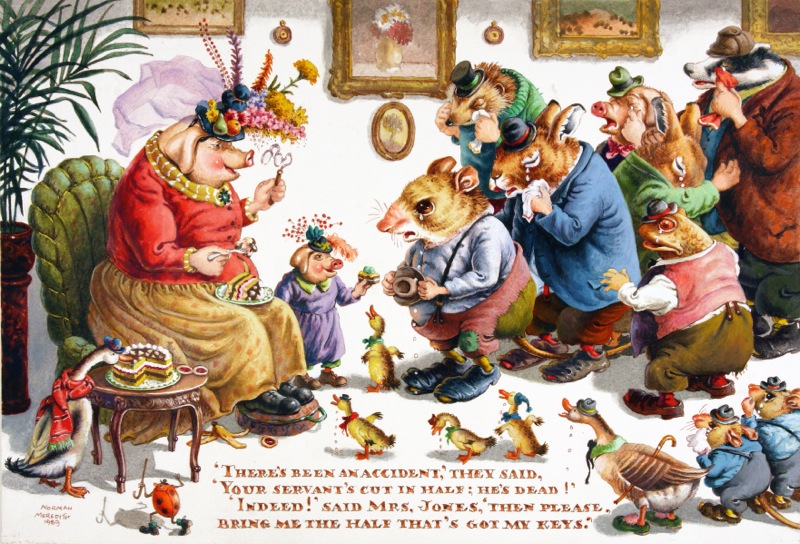
Epigraph: (see photo above)
- Written by Harry Graham know for his Ruthless Rhymes
- full of black humor.
- Black humor is the humorous portrayal of incidents which should not be laughable.
- We find ourselves laughing, but quickly realize the horror that lies beneath
- …the seemingly amusing situation.
Introduction: (exposition)
- Setting: Grogbusters, Australia
- Timeline: 28 years
- Characters: …a hideous Greek chorus of yes-men (pg 7)
- This story is not a love triangle.…
- …lines that connect but never never never intersect.
- ..You have us, a trapezoid. (pg 88)
- Sisters born in Australia: Hilda and Ilse
- Hilda – Hilda wife of Holberg, retained only the
- cuckoo-clock vestiges of their fatherland. (pg 12)
- Hilda patiently bears his cruelty and indifference,
- …along with his frequent infidelities, and remains
- humble and servile, even to the
- …point of feigning blindness at times.
- Ilse – flax-coloured hair, fragility of bone, cottage cheese skin (pg 12)
- Jack Holberg – …sweated confidence (pg 25)
- …the beer-hall piano player turned
- …high priest of avant-garde serious music.
- “Men can shrivel women in a marriage.
- …I’ve watched Hilda shrivel” (pg 73)
- Paul Vespers – (narrator…and in love with Hilda)
- …non-achiever, no-hoper, failure,
- …parental slap in the face of gratitude. (pg 10)
- ..becomes “valet Vesper” for Holberg.
- Paul describes himself:
- Cyclops Vesper, the twelfth man
- (non-playing reserve in 11-player cricket side)
- a dog in his responses
- ….the gauche butler, harem pander, dusting maid. (pg 115)
- Paul is ‘The Acolyte” in the title
- …willingly giving up his own life, sacrificed for art and celebrity.
What is the first plot point? (act 1)
- “I’ve burnt my bridges” ( pg 67) – Paul makes a major decision.
- This is the point of no return.
- Paul has crossed his personal Rubicon.
- He will soon act in a way that cannot be undone.
- This decision to leave ‘the outside world’
- … drives the plot forward. (tension)
- Paul has no clear idea of what he’s really getting himself into.
Middle: (act 2) (religious allusions)
- Paul feels he is being punished for following Holberg.
- “Holberg is my cross and I’m nailed to him...” (pg 70)
- Paul adresses the reader: “Have you noticed as I have noticed
- …that since the taking of vows (7 yrs with Holberg) my
- …style has been bruised?” (pg 80)
- “This the beginning of the crack-up?” (pg 80)
What is the second plot point? (act 3….and resolution)
- Holberg is totally unconcerned about Paul’s feelings.
- Holberg is the kicker.
- He pushes, jabs, pokes and thumps Paul to a breaking point.
- Paul: major character change…reactive –> pro-active
- Holberg: what does he really want? (pg 117) (..no spoiler)
- Climax: Paul and Holberg clash. (pg 117-118) (no spoiler)
- Resolution: “It was the laugh that did it.” (pg 155)
- Holberg finally comes alive “cracking for the first time” (pg 157)
- He does not care about Paul…until valet Vesper gets in his way!
- Last words of Holberg: ” I’ll finish you Vesper!…Finish you for this.”
Theme:
- Blindness (disability)
- Irony: blindness is something worthy, characters long for it.
- Sense of sight
- Irony: gift of sight becomes burdensome.
- Paul says near the end of the book (reads Holberg’s journal in braille)
- …that he had to throw off his gift of sight to finally see
- …Jack Holberg for what he really is
- …and gain ultimate enlightenment!
Conclusion:
- Strong point: Astley leaves a trail of clues for the reader.
- “…an epiphany that brought me to a self-sense for the minute…”
- parable of trees (pg 22) (Judges 9: 8-15 …look it up!)
- Every character is either physically or metaphorically blind!
- Astley fills the novel with subtle references
- ” I buried my outrage in sherry.” (not wanting to see) pg 7
- Sadie (Holberg’s guardian)
- fakes blindness herself…
- “Sadie has sensibly turned her back on all of us.” (pg 119)
- Statues in garden
- “Their blind eyes stare at…fruit the will never touch”(pg 67)
- While you read the book…just notice who cleverly Astley does this!
- Strong point: Astley writes a roman à clef
- “…she vented her rage at ‘followers’ of all kinds
- …a critique of ‘followers’ of the literary critical establishment.”
- ref: Thea Astley: Inventing Her Own Weather by K. Lamb, pg 214)
- Pg 153: Holberg plays with a sling-shot Paul made:
- “What’s the purpose of it? Let me guess…Beleaguered by the
- public and the critics, we aim this pretty thing in our defense. Is that it?”
- Astley’s book represents the ‘sling-shot’.
- Pg 55: The wolf-pack will be on to me.
- Bite and snap till you’ve made it,
- …then fawn to the very end.”
- ….sounds like Thea Astley speaking!!
- Strong point: clever metaphors, allusions to music,
- …Catholic rituals and history, poetry.
- Half the fun is trying to find all
- …these ‘gems’ hidden in the text!
- Weak point: ch 3 and ch 7 where the story
- …begins to drag and feels stretched
- …but just keep on reading!
Personal favorites:
- pg 15: “Pulling on my clothes was like robing for tenebrae. There was a death somewhere and no communion” This is a brilliant allusion.
- Tenebrae is Latin for “darkness”. It is a religious service consisting of matins and lauds of the last three days of Holy Week. (Holy Thursday, Good Friday and Holy Saturday.
- Tone: ominous, gloom.
- pg 17: ” I was whacking away towards Canossa in an instant, putting genuine arms around her this time…..and sensing Hilda’s curious eyes!” (Paul seeking pardon from mother.)
- In January 1077 the Holy Roman emperor Henry IV did penance at the castle Canossa to obtain a pardon from his excommunication by Pope Gregory VII.
- Tone: funny
Last thoughts:
- I had to re-read chapter 1.
- I have missed so many clues.
- The first four paragraphs are in the far future.
- Don’t worry about Nielsen, music critic, in the first sentence…
- “true earthworm in the garden of art (pg 149)
- …he pops up in the last chapter.
- I tell you this so you won’t make the mistakes I made!
- Paul is older and his remarks reveal how he feels.
- “ I’d been in the habit of giving for years.
- …But my tongue was in clamps.”
- I have to finish The Acolyte today but it will be rough going.
- The book is intense every word packs a punch and
- …this takes a toll on my brain.
- It is an exhausting book….but also exhilarating.
- I see the craft in the writing and this comes
- ..from Astley’s depth of knowledge of syntax, poetry,
- literary devices (irony, anaphora, metaphor, homonym).
- Her Catholic heritage and love of music add the finishing touches.
- Astley uses latin phrases, catholic history ( “…wacking towards Canossa” pg 17)
- autos-da-fé (ritual of public penance of condemned heretics) pg 147.
- details of the catholic rituals (tenebrae) and many
- references to composers, (Dag Wiren) their works and the
- vocabulary of music (cadenza, allegro, triad, allegretto (pg 139).
- Astley’s story structure is nothing more or less than a
- ..recognition of how life works.
- She recreates it in a dramatic, satirical way on the page.
- It took Astley 3 years to write this book.
- It took me 4 days to read….158 pages!
- I was relieved, nobody died at the end.
- No headaches….tonight…just a feeling that I have
- …read great literature!
- #MustRead
Cover:
- This book is not available as an E-book
- so I had to order it from Australia.
- This is the cover I received from University Queensland Press
- …and is not available on Amazon.

The Divine Comedy
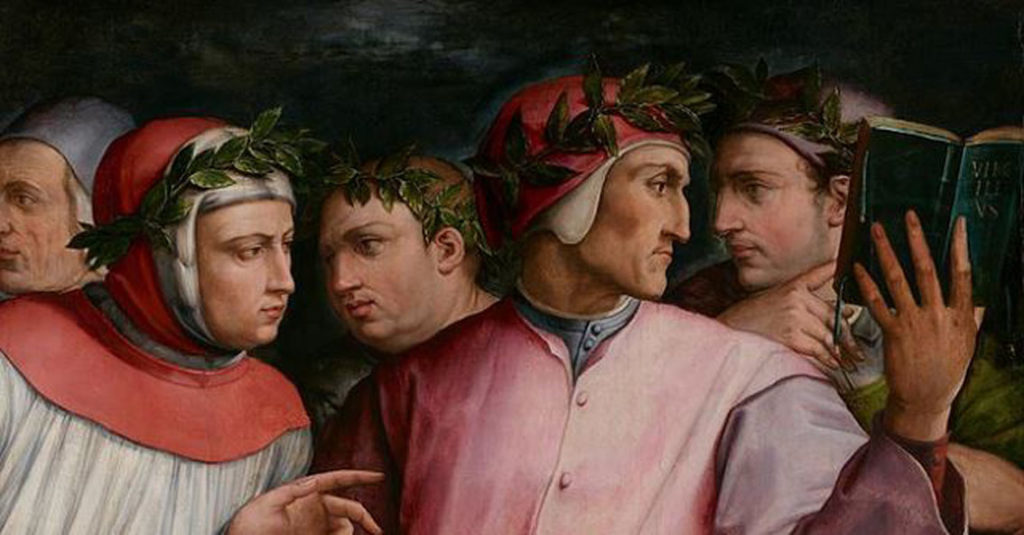
- Author: Dante Alighierie
- Title: The Divine Comedy
- Trivia: Title is called a comedy because it narrates Dante’s salvation.
- This was considered comic in the medieval sense.
- Trivia: Topics are politics (Italy, Florence), poetry, papacy, theology, literature.
- Published: 1320
- List of Challenges 2018
- Monthly reading plan
Inferno – Dante distances himself from the sinners – DOWN 9 circles of hell
- Dante meets his guide, Virgil….
- Virgil was heaven sent (a feeling of grace)
- The way to rise…you must first go down. (Hell)
- Virgil tells the pilgrim that he will help him.
- Dante is not enthusiastic
- ….he even wants out of the deal!
- Virgil has been sent by others….to guide Dante.
- For the way of salvation you have to go another route.
- Virgil will stay with Dante for 2/3 of the way.
- Abandon all hope …he who enter here.
- Dante’s response: “these words are cruel.”
- The sign says this is a place of justice
- but the pilgrim does not accept these words…yet.
Purgatorio – Dante goes UP 7 story mountain (terraces)
- Beatrice arrives in 3 colors white, green and red (Faith, Hope, Love).
- Dante consults his guide Virgil. But Virgil was not there!
- This is the handing off from Virgil to Beatrice.
- Beatrice begins by speaking sternly to Dante
- …to take him to task for all for the things he has failed to do.
- Part of Beatrice’s function is to be a stern judge.
- Beatrice tells him he had so many talents
- …why was this potential so unfulfilled in you?
- You should re-orientate yourself to only ‘very high things.
- Dante does not go defensive
- …because he saw so many do that and they are in Hell!
- He must go back into the world and help other
- sinners by writing when this journey has been completed.
Paradiso: Dante goes OUTWARD to 7 planets where souls contemplate God.
- Who does Dante meet on the Moon, Mercury, Venus?
- Dante meets ex-sinners who lack the virtues of faith, hope and love.
- Conclusion: heaven is not reserved for people who have led perfect lives.
- Who is on the Sun? (wisdom)
- Famous scholars …St Thomas Aquinas, Albertus Magnus
- …but there are some simple folks there.
- Conclusion: wisdom does not equal scholarship.
- Who is on Mars, Jupiter and Saturn?
- We meet Dante’s great-great-grandfather,
- just rulers (Emperor Trajan), monk (Peter Damian).
- On the Fixed Stars Dante meets the Virgin Mary.
- Then Dante reaches the Primum Mobile.
- Dante finally sees God as an intensely bright point of light.
- Beatrice has not disappeared as Virgil did…
- …but Dante can still see her in the mystical rose (love)
- Now St Bernard of Clairvaux stands next to Dante.
- Why St Bernard as the last guide?
- This man was a mystic and a poet.
- He is the final mediator in this journey.
- Virgil prepared Dante for Beatrice.
- Beatrice has prepared Dante for St Bernard
- …..and St. Bernard prepares Dante for God.
Goal:
- Dante sees God,
- …the Triune God, the Mystery of the Trinity.
- Dante tries to describe this mystical experience.
Last thoughts:
- After 14,233 lines that are divided into three canticas
- Inferno, Purgatorio, and Paradiso each and
- …the total number of cantos to 100
- I can finally say I have read this great classic!
- There are many allusions that were difficult to discover
- in the Purgatorio
- eagle = Emperor Constantine, first Christian Roman emperor
- chariot in procession = Catholic Church
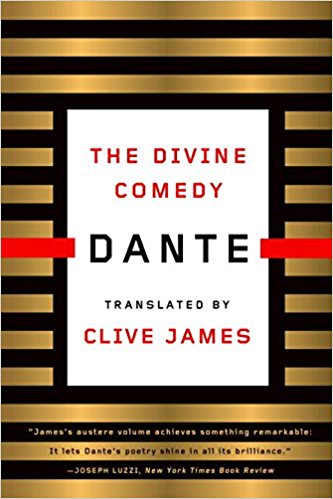
- I am deeply impressed with Clive James’ translation, bravo!
- Also I would recommend reading + listening to The Divine Comedy
- with Audible version.
- It helped me…to push on through 100 cantos!
- #MustRead Classic….once in your lifetime!
Tartuffe
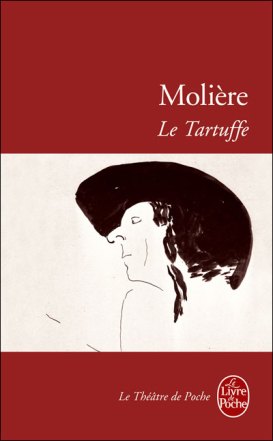
- Author: Molière
- Title: Tartuffe
- Language: French
- Preformed: 1669 first time Paris, Palais-Royal
- after being censured for years by the King.
- Trivia: List Reading Challenges 2018
- Monthly reading planning
- List of French Books
- List of Plays ( TBR)
Definition tartuffe:
- A person under the cover of a profound religious
- devotion and virtue tries to seduce
- his followers (entourage) for his own profit.
| Character | Description |
|---|---|
| Orgon | Head of the house and husband of Elmire, he is blinded by admiration for Tartuffe. |
| Tartuffe | Houseguest of Orgon, hypocritical religious devotee who attempts to seduce Elmire and foil Valère’s romantic quest. |
| Valère | The young romantic lead, who struggles to win the hand of his true love, Orgon’s daughter Mariane. |
| Madame Pernelle | Mother of Orgon; grandmother of Damis and Mariane |
| Elmire | Wife of Orgon, step-mother of Damis and Mariane |
| Dorine | Family housemaid, who tries to help expose Tartuffe and help Valère. |
| Cléante | Brother of Elmire, brother-in-law of Orgon |
| Mariane | Daughter of Orgon, the fiancée of Valère and sister of Damis |
| Damis | Son of Orgon; and brother of Mariane |
| Laurent | Servant of Tartuffe (non-speaking character) |
| Argas | Friend of Orgon who was anti-Louis XIV during the Fronde (mentioned but not seen). |
| Flipote | Servant of Madame Pernelle (non-speaking character) |
| Monsieur Loyal | A bailiff |
| A King’s Officer/The Exempt | An officer of the king |
Dramatic irony:
- M. Orgon is “blind”.
- He thinks Tartuffe will help him attain a place in heaven
- through pious devotion.
- Orgon offers Tartuffe a place in his home,
- his assets and even betrothed his daughter to the rascal.
- The family members (except his mother Mme Perenelle)
- and audience are aware of Tartuffe’s hypocrisy.
Plot:
- The plot is easy to follow and you can find all that information
- on the Tartuffe wikipedia page.
Conclusion:
- Reading this play was hard work.
- But I put in the hours and have made some discoveries.
- Molière was writing for his time and the play feels outdated.
- France had just witnessed the manipulation of
- Queen Anne of Austria by the
- La Compagine du Saint-Sacrement, a fundamentalist religious society.
- Anne was named regent upon her husband’s death (Louis XIII).
- Their four-year-old son was later crowned King Louis XIV of France.
- Moliere wanted to denounce by means of the play ‘Tartuffe”
- the power of this society.
- The society denounced heretics,
- …libertine morals and other pastimes the French love.
- it functioned as a sort of Inquisition!
- The King of France and the Bishop of Paris had the play banned!
Last thoughts:
- After reading the play I felt I was missing something.
- I decided to watch a french version on
- ….You Tube and follow the script.
- It was awful!
- The stage design was minimalist
- …costumes were drab (looked like rags….)
- …and the actors did not bring the nuances I hoped to find.
- All they did was shout!
- Again…I felt I was missing something.
- I decided to watch the Royal Shakespeare Company
- TV version broadcast in November 1985 on BBC
- …adapted by the Oscar winner writer Christopher Hampton.
- It was an absolute delight to watch such great English actors as
- Nigel Hawthorne as Orgon and Sir Anthony Sher as Tartuffe.
- Sher is unquestionably a Tartuffe that even Molière would love!
- I’m sure the film is available at better libraries…
- and here is the link for the play on You Tube.
- My advice? Read the play in English
- …if you are feeling adventurous …read it in French.
- Then sit down and enjoy this wonderful production
- of Tartuffe by Molière.
Trivia:
- Christopher Hampton (British playwright, 1946)
- has penned a new adaptation of Molière’s
- classic comedy Tartuffe, which will begin performances
- May 25 2018 at the Theatre Royal Haymarket, London.
- It will be directed by Gerald Garutti.
- In this new adaptation, the 17th century comedy moves to America, where a
- French film tycoon finds his life uprooted by Tartuffe.
- He is a radical American evangelist.
- Hmmm…interesting!

P
St. Joan
- Author: G.B. Shaw
- Title: St. Joan (1412-1431)
- Produced : 29 March 1924, New Theatre London
- Three-time Tony nominee Condola Rashad will take on the title role.
- Shaw wrote the play when he was 70 years old.
- The title role had been written with Sybille Thorndike specifically in mind.
- Trivia: Nobles Challenge
- Trivia: Shaw was awarded the Nobel Prize for Litrature 1925
- Trivia: This play helped Shaw win Nobel Prize for Literature 1925
- Trivia: St Joan will open on Broadway on the 25th of April 2018.
- Trivia: Monthly planning 2018
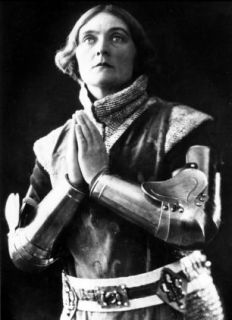
Characters:
- St. Joan
- Robert de Baudricourt (local squire where Joan lives)
- Richard de Beauchamp (Machiavellian English Earl of Warwick)
- Peter Cauchon, Bishop of Beauvais, tried to find Joan a loophole in the Inquisition.
- John De Stogumber is Warwick’s chaplain (religious fanatic).
- Dauphin, Charles (heir to the throne)
- Archbishop of Rheims
- Dunois, Commander of the French troops at Orleans
- ..and God and France are also major players in this play
Introduction:
- We all know the plot: (1 act with 7 scenes)
- Joan of Arc, claiming to have been told directly by God to
- flush the English out of northern France.
- She was granted control of the French army in 1429.
- She went on to break the siege of Orléans, only to be captured by the English.
- In the end she was tried for heresy and burnt at the stake.
- Timeline:
- scenes 1-5 (February – July 1429);
- scene 6 (May 1431, trial and burning at the stake)
- scene 7 (25 years later…1456) epilogue
Conclusion:
- This is a tragedy …with comic moments.
- Shaw’s melancholy attitude in part the result of his reaction to WWI.
- It took the Church of Rome nearly 500 years
- ….to decide whether she was a heretic or a saint.
- It took the Church of Rome only 30 minutes to burn her!
- Shaw wrote the play 3 years after St. Joan’s canonization.
- The play contains some of the playwright’s most acerbic writing.
- Strong point: Girl power
- the role of Saint Joan is …considered the actress’s equivalent of Hamlet
- It is not an easy role.
- Joan gushes sentimentality and melodrama yet she must…
- make Joan believable with her passion for both soldiering and religion.
- Strong point: epilogue
- This is THE most powerful part of the play….magnificent!
- #MustReadClassic …once in your lifetime!
- I read the play (free online)
- and listened to an audio version.
- I highly recommend St. Joan with Siobhan McKenna.
- It is available at Downpour.com
Last thoughts:
- I was surprised to learn that Shaw made specific notes about the play.
- He did NOT want it to be preformed in a medieval setting!
- On opening night…..faced with medieval stage decor, Shaw said:
- “They’ve killed my play.”
- National Theatre London broadcast on 16th February 2017
- St. Joan with Gemma Arterton live from the Donmar Warehouse.
- Here is a short trailer just to give you an impression.…
- I hope this performance will be available on DVD soon.
Les Misérables ch 10 – 14

Update: 10.01.2018 – ch 10 …very long reading today!
- I was glad I read the notes before I started this chapter.
- Two characters have a long conversation.
- One is L’évêque de Digne and the other is
- le conventional G. (luminère inconnue)
- It seems Hugo has put much of himself, his own thoughts
- and feelings about his exile into the mouth of
- …le conventional G. (luminère inconnue).
After a debate with ‘vieux scélerat de G. Climax: Myriel’s political conversion. Irony: Myriel came to give a blessing but he receives one from G redoubling tenderness for ‘les souffrants’ Moral: Don’t judge someone until you’ve walked a mile in their shoes. #lesmisreadalong ch X

Update: 11.01.2018 ch 11 …flashback 1809-1815
This was a difficult chapter to follow in French.
Metaphors: Hugo uses the metaphors between light and dark. M. Myriel had his bitter moments (heure d’amertume), his clouded thoughts (son nuage). But he never lost sight of the three pure lights: truth, justice and charity.
Napoléon: was a surrogate father chosen by Hugo to replace his Royalist general father. His father deserted the family for a mistress.
In this chapter the great writer in exile (Hugo) lets M. Myriel give a touching analysis of the great fallen emperor Napoléon.
Symbol: Imperial Legion of Honor medal created by Napoléon 1802 was changed by the Louis XVIII. The images of Napoleon and his eagle were removed and replaced by the image of King Henry IV.
Hugo relates the anecdote of a porter of the town hall. He refused to wear the medal adorned with 3 fleur-de-lys (les trois crapauds = toads).
I tried to figure out why the comparison with toad? I think this picture will explain! You see the curved petal of the flower resembles the legs of the amphibian!

Late Empire Légionnaire insignia: the front feature Napoleon‘s profile and the rear side of the medal , the imperial Eagle. An imperial crown joins the cross and the ribbon.

Louis XVIII era (1814) Knight insignia: the front features Henry IV‘s profile and the rear side of the medal the arms of the French Kingdom (three fleurs de lis). A royal crown joins the cross and the ribbon.

Update: 12.01.208 ch 12 ….this was a puzzle!

- One of the shortest chapters….but one of the most confusing chapters.
- This chapter adds nothing to the narrative.
- It was inserted after the original publication date in 1862.
- Les Misérables was expensive book and
- …not accessible to the general reading public.
- The critiques were the first ones to print their reactions.
- Harsh criticism came from Alexandre Dumas.
- Trivia: In 1833 Hugo supported the accusations of plagerism against
- Dumas and his book The Three Muskateers.
- At that point friends became rivals.
- Dumas was quick to seek revenge.
- He described reading Les Misérables “like wading through mud“
- In ch XII Hugo alludes to Dumas
- “ils appellent Beauté la figure de Mousqueton…”
- But the last sentence ( in my opinion) is a direct jab at Dumas!
- He confuses the chasm, the abyss of constellations and stars
- where Hugo lets his thoughts as a poet and novelist roam…
- …with the imprints left in the mud by ‘canards‘
- ….simple animals that plod along (Dumas).
- Dumas was a feuilletoniste who wrote
- …serials because he was pressed for cash.
- Hugo thought Dumas wasted his talent.
- Hugo was haunted by shadows but the
- …darkness of the cosmos was his source of inspiration.

Update: 13.01.2108 ch 13 and 14 …end vol 1 book 1 – end of week 2!
- I read these chapters and they were probably inserted to
- …guide the narrative away from a contemplative ‘saint’.
- George Sand deplored the use of a bishop of Digne to open a book
- …concerned about socialist issues.
- Hugo closes volume 1, book 1 and we are ready for the real action!
Les Misérables Chapter-a-Day Read-along

Twitter: @burns_nancy
01-07 January: weekly summation of my thoughts.
- Nick Senger @ onecatholiclife.com is hosting a year long
- …read-along of Les Misérables by Victor Hugo.
- I have been reading French for the past 5 years
- I started with the 20 book by Emile Zola
- …the Les Rougon-Marquart series.
- That took me two years to finish.
- Often I try to find a really good book French Book
- … but even Goncourt Prize winners are lacking.
- Now I have decided to return to the classic Victor Hugo.
- I have never read anything about this novel, not seen movie or musical.
- This is a read-along with a writer I expect will not disappoint!
- I will follow the informative posts that Nick will publish
- …downloaded the reading schedule and
- …hope to finish this book by the end of the year!
- I will be reading it in French….nothing lost in translation, :)
- #LesMisReadalong
Quick Reads 5-7 December

Finish date: 05 December 2017
Genre: fiction
Rating: A
Review: Short listed for Miles Franklin Award 2017…
I read this book in 24 hours. I was fascinated by the profiles of Australian authors I never heard of! The story of Matilda Young (poet)…touched a heartstring and Stephen Pennington’s life long struggle to write A. Fernsby’s biography was a page-turner. This is an excellent book…that engaged and entertained me. That is what good books do!
#MustRead
- Update: 05 December 2017 (Carol on Goodreads)
- Sounds great – I’m looking forward to it. But this book is fiction.
- These are not real writers so
- ….it’s not surprising you’ve never heard of them.
- Not that that really matters, I guess.
- I’m assuming it’s all an elaborate joke?
- Update: 06 December 2017
- I really thought these writers were real! OMG
- Thank you Carol….for setting me straight.
- The joke is on me!
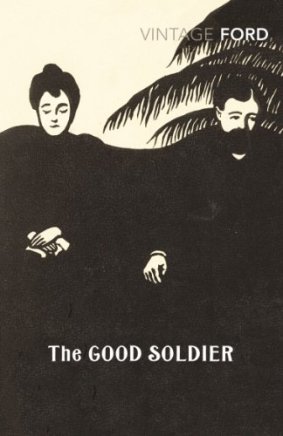
Finish date: 07 December 2017
Genre: fiction
Rating: C+
Review: This book is yet another ‘fin de siècle’ novel about the marriage in England. It describes two couples of ‘good people’ living according to codes maintained by their class.
The tone is tragic and I closed this book with a feeling of relief. The characters keep ‘doing the right thing’ but end up bitter (Leonora) mad (Nancy), dead (Florence and Edward) or bemused (narrator) without finding a drop of redemption along the way.
This is on the Modern Library 100 Best Novels list and deservedly so.
The book just could not charm this reader but others may get value out of it.
#HoHum
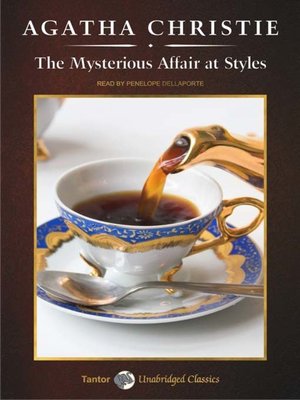
Finish date: 06 December 2017
Genre: Crime fiction
Rating: B
Review: Poirot has method in his madness.
Who handed Mrs. Ingelthorp the coffee on the fatal night?
One must find the missing ‘other’ coffee cup!
Smoking gun? Last will and testament found destroyed
in the grate of Mrs. Ingelthorp’s fireplace.
Poiroit knows someone is guilty
but he has to have the evidence
Until he finds the last link in the chain
….he must stay behind the scenes.
Agatha Christie is…
#QueenOfMystery
 NancyElin.blog