
Paris in July 2019

- Oh, is it July already?
- Let’s have a glass of wine and
- think of some things to do for…
2018 POSTS:
- Paris in July Food Journal
- Crème du Citron
- French Wine
- Biscuits Breton
- Cocktail: Kir Royale
- Cocktail: Soixante-quinze ’75’
- Cocktail: What do I do with Campari, Marguerite Duras?
- Cocktail: Who Pays the Bartender?
- Madeleines
- Biography: Berthe Morisot
- Quiche Lorraine
- List of French Books
- Retour à Killybegs – S. Chalandon (2019)
- Mousse aux éclats de chocolat (2019)
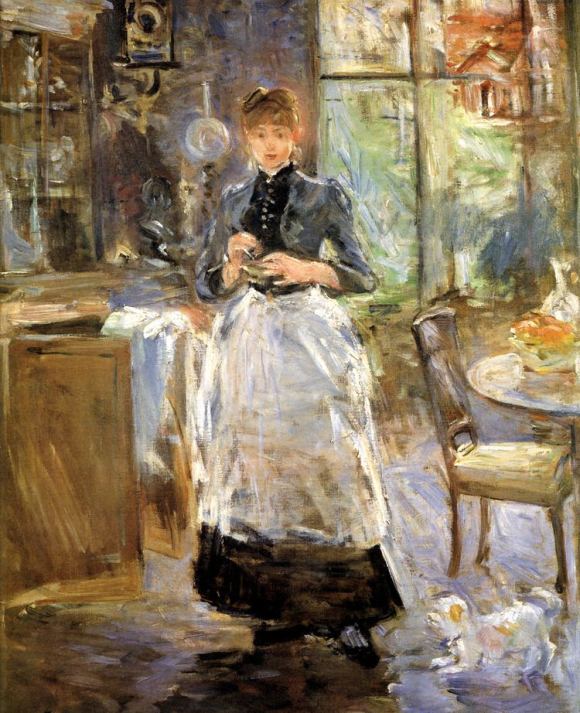
Paris in July
- Paris in July is a French themed blogging
- …experience running from the 1st – 31st July this year.
- The aim of the month is to celebrate our French experiences through
- actual visits, or through reading, watching, listening,
- observing, cooking and eating all things French!
- For more instructions how to share your posts go to Thyme for Tea.
- There will be no rules or targets …just blog about anything French
- …and you can join in! Some ideas might include;
- reading a French themed book – fiction or non-fiction,
- watching a French movie,
- listening to French music,
- cooking French food,
- experiencing French, art, architecture and travel.
- #ParisInJuly2019
#Prix Fémina 2018 Phillipe Lançon

- Author: Phillipe Lançon
- Title: Le Lambeau
- Published: 2018
- Trivia: Awarded Prix Fémina 2018
- Trivia: Awarded a ‘special’ Prix Renaudot 2018
- Language: French (translation in English 12 November 2019)
- List Reading Challenges 2019
- Monthly reading planning
- List of French Books.
Quickscan:
- January 7 2015 during a editorial meeting at Charlie Hebdo
- terrorists entered the room and killed 12 people and injuring 11.
- Phillipe Lançon, journalist, was shot in the face left in critical condition.
- Lançon reveals that he did not write the book in order to surivive.
- He wrote it years later when he felt his life was settled.
- The surgeon adviced him to ‘revenir à la normale’
- ….but that is easier said than done.
- The title says it all: Le Lambeau
- “All that is left of me is shreds”
Conclusion:
- 30% of the book is a description of the days before the attack
- …the attack itself and how his brother took charge and
- helped him pick up the pieces.
- 30 % is about the long and painful
- reconstruction of his face.
- 40% is about Lançon’s physical and mental decline
- …balanced between healing and hope.
- The first 8 chapters are gripping.
-
It is surreal to read the dream like quality of if
- Lançon’s first impressions after the attack as he
- …lay in a swamp of blood.
-
The text is so emotional.
- The second half of the book concentrates on
- the reconstruction of the author’s jaw
- …and the close connection he feels for his surgeon Cholé.
- An important part of the book is Lançon’s style of
- interlacing his life after the attack with literature.
- He often refers to Proust, Kafka and Shakespeare
- …and several books that are important for him.
Last thoughts:
- This book reminded me of
- …Dante’s journey into the inferno:
- “Abandon all hope, ye who enter here.”
- I wouldn’t say a hospital is comparable to Hell
- …but no one likes going there.
- The book is draining because you follow
- the author in a labryinth of his PTSS mind.
- There is a mixture of facts, hallucinations and dreams.
- He sees his parents suffer
- …but he does not suffer.
- He is the suffering.
- …very existential at times.
- Because Lançon shares so much with the reader
- ..the book is long.
- You have to persevere to finish it.
- The epilogue….was confronting.
- The Bataclan attack occured only 10 months
- …after Charlie Hebdo on 13 November 2015
- This event shook Lançon to the core.
- #IntenseReadingExperience
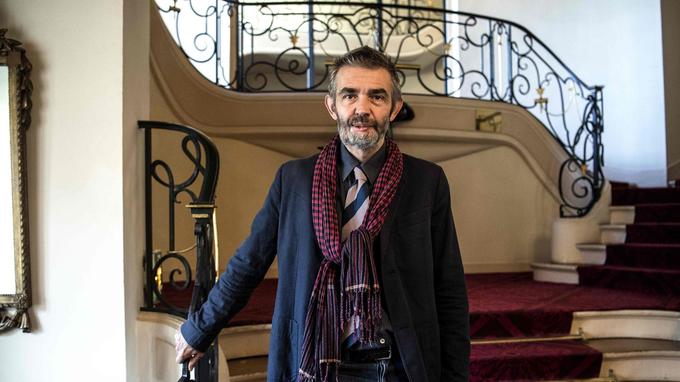
Phillipe Lançon.…after the trauma of the attack and jaw recontruction.
#Classic: Essays by Montaigne
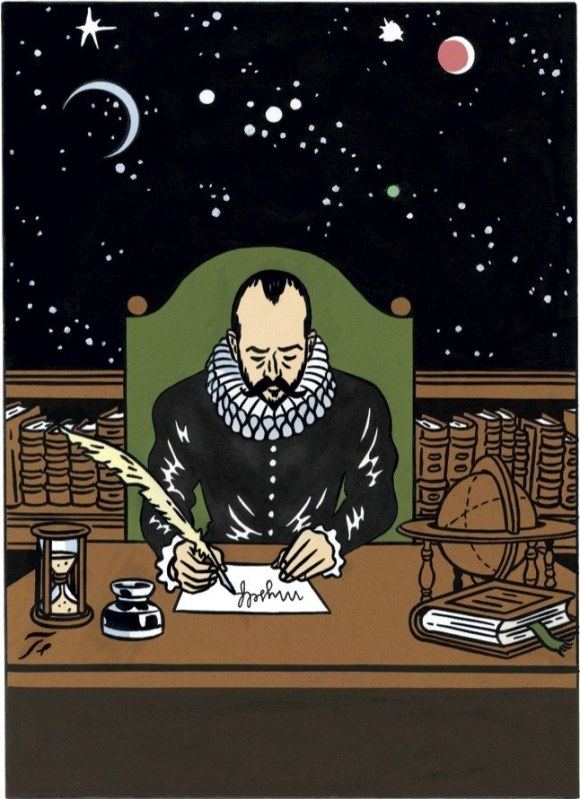
- Author: M. de Montaigne (1533-1592))
- Title: The Complete Essays
- Published: 1580
- Edition: Penguin Classic (1344 pages) + audio book 49 hrs 56 min
- List of Challenges 2019
- Monthly plan
- Classic Club Master list
Introduction:
- Michel de Montaigne explores the human condition
- …in a very personal and clever manner.
- His essays chart the course of 20 yr of self-investigation.
- He pretends to most of the vices.
- If there be any virtue in him, he says, it got in by stealth.
Conclusion:
- I enjoyed the most personal essays:
- Book I
- This selection of essays is ‘the hook’.
- They are personal and frank.
- Unfortunately there are also many essay in
- book II and III …. I consider ‘duds’.
Saddnes
Idleness
Liars
Fear
Happiness not be judged until after our death
Pedantry
Educating children
Friendship
Moderation
Solitude
Sleep
Prayers
Age
Book II
- …including 140 pages entitled “Apology for Raymond Sebond’
- The “Apology for Raymond Sebond” is
- three times as long as any other essay that Montaigne wrote
- The essay has been seen as an attack on authoritrian religion and
- a covert threat to Christian faith.
- It was a slog to listen to….and
- I just started to do some household chores
- …and let the words go in one ear and out the other!
- This essay sticks out like a sour thumb
- If you encounter this essay and feel as I did
- …just skip it!
Drunkenness
Conscience
Practice
Affection of fathers for children
Books
Cruelty
Glory
Thumbs
Cowardice
Anger
On resemblence of children to fathers
Book III (…there were only 3 essays I liked)
Repentance
Physiognomy
Experience
Last thoughts
- Montaigne is the frankest and honestest of all writers.
- He does have opinions that still ring true today.
- Strong point: Montaigne writes about themes that charm the
- reader ( see my list of favorites).
- We relate to them.
- Strong point: Montaigne’s style is not dry….but daring
- …filled with depth and witty observations.
- Weak point: don’t approach these essays expecting
- that they are an easy read (21st C standard)…they are not!
- The book was published 1580 and
- …written to one sex only.
- A certain nakedness of statement was permitted
- …which our manners of a literature addressed
- …equally to both sexes, do not allow.
- Montaigne could have used the advice of one of his
- favorite authors:
- “The eloquence that diverts us to itself harms its content.” (Seneca)
- #SomeEssaysBoring
French: Prix Fémina longlist Je reste ici
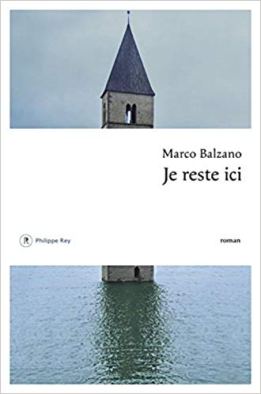
- Author: M. Balzano
- Title: Je reste ici
- Genre: historical fiction
- Language: French (translated from Italian)
- Published: 2017
- Trivia: Shortlisted for the Italian literary prize LXXII Premio Strega 2018
- Trivia: Longlisted for the French literary prize Prix Fémina 2018
Historical backround:
In 1939 South Tyroleans were faced with the ‘Grand Option’ of remaining at home and becoming entirely Italianised, thereby relinquishing their German culture, or of moving into the German Reich. Initially the majority of South Tyroleans opted for emigration. This ‘Option’ went down as one of the greatest traumas in the history of the South Tyrolean people.
Society was divided, families split up and those who opted to stay behind were branded as traitors. Here begins the core of the story.
The Hook:
If I had to find a ‘hook’ that kept me reading was the the mother daughter bond described in chapter 1. The main character, mother Trina, reflects on her daughter’s (Marcia) childhood. Their relationship ended abruptly when the daughter was taken to Germany by her aunt 20 years ago. This hook was big enough to get me asking questions:
- Was the daughter forced to flee….or did she go willingly?
- How will the mother-daughter relationship develop…or not?
- What conflict will the main character go through?
- How does the main character change in the course of the story?
- Are mother and daughter ever reunited?
Well, you will have to read the book to see if these answers were answered!
Conclusion:
- This book is very easy to ready in French
- ….all things chronologically presented.
- There were no surprises and
- …Balzano gives us no great depth of character.
- The historical backround is “ripe for the picking”.
- It is a period of history that I rarely read about.
- Unfortunately the book is “un’occasione sprecata” (wasted opportunity)
- …in the hands of M. Balzano.
Last thoughts:
- Although the book is poorly written
- …it is does tell a sympathetic and original story.
- It is a pity that Balzano’s writing style is not up to the level
- …with his imagination.
- In short…”tutto viene detto, pochissimo viene mostrato“
- …all is told, very little is shown!
- #PeuDéçu
2018 Les Prix Littéraires Longlists
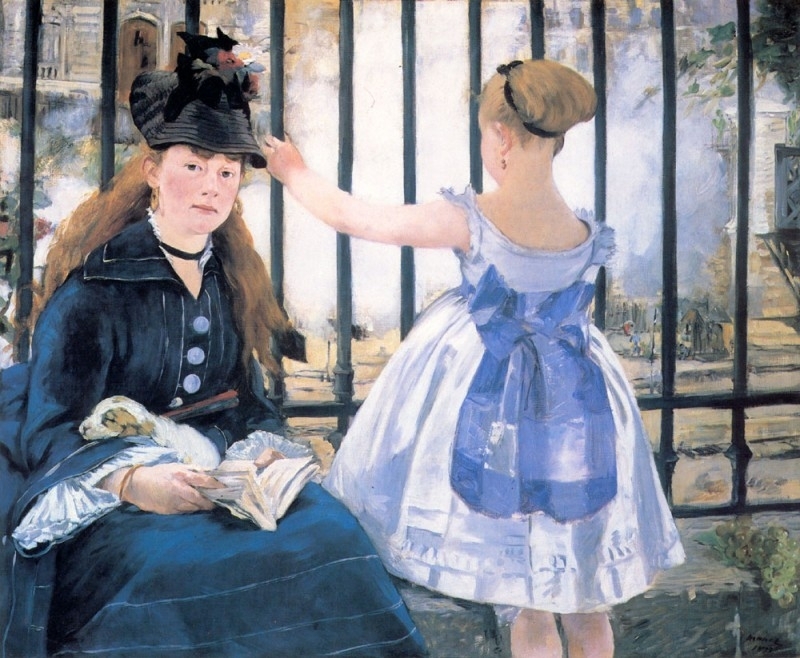
Prix Fémina 2018 WINNER Le Lambeau – READ (review)
Le Lambeau – READ (review)
il raconte le calvaire de sa reconstruction
longue et douloureuse, que ce soit physiquement ou mentalement.
Son ouvrage est aussi en lice pour le prix Renaudot.
Shortlist:
David Diop avec Frère d’âme (Seuil),
Gilles Martin-Chauffier pour L’Ère des suspects (Grasset),
Diane Mazloum avec L’Âge d’or (JC Lattès) et
Pierre Notte pour Quitter le rang des assassins (Gallimard).
Le Femina étranger 2018
La Neuvième heure d’Alice Mc Dermott (Quai Voltaire) et
Le Femina essai 2108
Gaspard de la nuit d’Elisabeth de Fontenay (Stock).
Prix Goncourt 2018
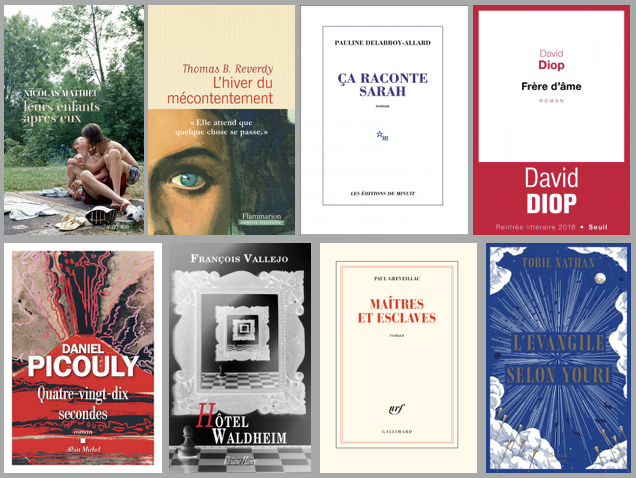
- Nicolas Mathieu, pour Leurs Enfants après eux (SHORTLIST) – WINNER
- Tobie Nathan, pour L’Évangile selon Youri (SHORTLIST)
- Daniel Picouly pour Quatre-vingt-dix secondes (SHORTLIST)
- Thomas B. Reverdy, pour L’Hiver du mécontentement (SHORTLIST)
- François Vallejo, pour Hôtel Waldheim (SHORTLIST)
- Pauline Delabroy-Allard, pour ça raconte Sarah (SHORTLIST)
- David Diop, pour Frère d’âme (SHORTLIST)
- Paul Greveillac, pour Maîtres et Esclaves (SHORTLIST)
- Gilles Martin-Chauffier, pour L’Ère des suspects
- Meryem Alaoui, pour La Vérité sort de la Bouche du cheval
- Inès Bayard, pour Les Malheur du bas
- Guy Boley, pour Quand Dieu boxait en amateur
- Adeline Dieudonné, pour La Vraie Vie
- Clara Dupont-Monod, pour La Révolte
- Éric Fottorino, pour Dix-Sept ans
Prix Reaudot 2018
Le prix Renaudot a été attribué à
Valérie Manteau pour Le sillon qui évoque la figure du journaliste et écrivain Hrant Dink, militant de la cause arménienne assassiné par un nationaliste turc. Elle ne figurait pas dans la liste des finalistes du prix.
Les jurés du prix Renaudot ont en outre attribué un “prix spécial”
à Philippe Lançon pour Le lambeau, qui a déjà remporté le prix Femina.
Shortlist:
Frère d’âme de David Diop (Seuil),
L’ère des suspects de Gilles Martin-Chauffier (Grasset),
Le lambeau de Philippe Lançon (Gallimard),
L’âge d’or de Diane Mazloum (JC Lattès),
Quitter le rang des assassins de Pierre Notte (Gallimard).
Prix Le Médicis 2018
- Tous les hommes désirent naturellement savoir – N. Bouraoui/J. Lattès
- Frère d’âme – David Diop
- Arcadie – Emmanuelle Bayamack-Tam
- Idiotie – Pierre Guyotat – WINNER
- Le lambeau Philippe Lançon, Gallimard
- Tenir jusqu’à l’aube – Carole Fives
- Par les écrans du monde – Fanny Taillandier
- Ca raconte Sarah – Pauline Delabroy-Allard
- Leurs enfants après eux – Nicolas Mathieu
- Au grand lavoir – Sophie Daull
- L’eau qui passe – Franck Maubert
- Le coeur blanc – Catherine Poulain
Classic: Pensées
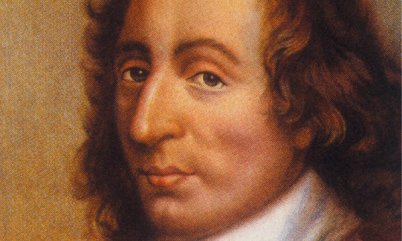
- Author: Blaise Pascal
- Title: Pensées
- Published: 1670 (incomplete at death)
- Language: French
- Edition: Le Livre de Poche ISBN 978225316960
- List Reading Challenges 2018
- Monthly planning
- Classic Club Master list
Conclusion:
- Difficult, difficult..very difficult to read in French!
- I realized the edition I had was more than just Pensées.
- Of the 736 pages I read the first part (pg 5-257)
- …and that was enough!
- But, no matter how difficult this book was
- …I never gave up.
- I knew there had to be some ‘gems’
- of wisdom waiting for me.
- Pascal was a genius in his time.
- He excelled in science and mathematics
- …before his turn to religion.
- Pensées captures his insights in elegant
- pithy (difficult) phrases.
- His words at times went over my head (existential)
- …but at other times his words went straight to my heart.
- I will end with one of his most famous quotes:
- “Le coeur a ses raisons que la raison ne connaît point”
- The heart has its reasons which reason does not know.
Last thoughts:
- Yes, I had thoughts….about Pascal’s thoughts!
- Here are a few things I jotted down while reading.
- This is a #Classic…and I am glad I can
- …say I have a general idea what it is about!
Humor: (pg 51)
The causes and effects of love:
… if Cleopatra’s nose had been shorter
….it would have changed the face of the world!
Faith: …beautifully said! (pg 55)
Faith is in our heart and
makes us NOT say I know….but I believe.
Literary devices:
Chiasmus: (pg 66)
The sentence is grammatically the same, even when it is reversed!
Peu de chose nous console parce que
Peu de chose nous afflige
A few things console us because
A few things distress us
Confession:
I skipped a few long discussions
about imagination vs reason….it was just too long
too complicated. (pg 66-73) Forgive me…
pyrrhonism – I skipped pg 113 – 119… Forgive me…
disproportion of man – I skipped pg 161 – 171… Forgive me…
These are not ‘short thoughts’ (pensées)…they are small essays!
that are difficult in English…not to mention in French.
Style Pascalienne:
Pascal uses (…what I call) 1-2-3 — 3-2-1 logic!
The words are reversed to give another meaning.
This ‘redoubles’ its complexity!
I have to read these fragments very slowly and let the thought sink in!
Here is an example:
Il soit force (1) d’obéir (2) à la justice. (3)
Il soit juste (3) d’obéir (2) à la force. (1)
It is forced to obey justice
…it is just to obey force. (pg 93)
Amusement (pg 121)
Men attempt to forget their misery
rather than find true happiness.
Only amusement permits him to flee
…his tragic existence.
Religion: (pg 151)
- There are a few true Christians.
There are those who believe - …but through superstition.
There are those who do not believe - …through the lack of moral restraint.
Few are in between
Religion: (pg 154)
Faith says what the senses cannot say
….but
not the contrary of what they (senses) say.
Faith is well above…and not against.
Thought: (Pensée) (pg171)
Our dignity is contained in the mind (pensée)
It is there that we pick ourselves up again….
Try to think.
Non-fiction: Maupassant (biography)
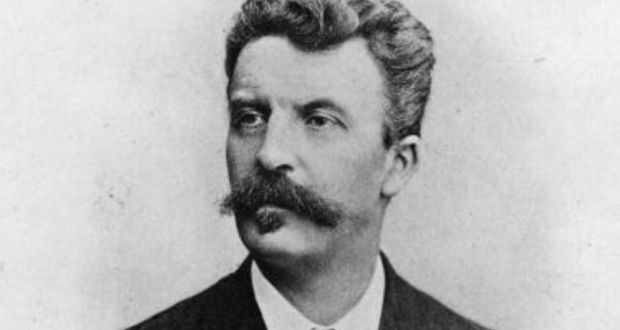
- Author: F. Maritnez
- Title: Maupassant (1850-1893)
- Genre: biography
- Published: 2012
- In order to understand any books by Maupassant it is
- …important to know more about the man.
- Here is my review of the biography of Maupassant.
- I hope it will provide you with some information that
- …can help you.
|
||||
|
|
- Maupassant deserves more of my attention.
- I want to learn more about the man before starting another one of his books.
- I’m also Interested in the mothers of these world writers.
- Who were they?
- How did they influence/nurture their children.
- As the saying goes..” the apple does not fall far from the tree!”
- Maupassant enjoyed a carefree youth in Normandy.
- I’m so impressed by his wise and loving mother.
- I did not feel any character like her in Bel-Ami.
- On the contrary, his father was much more
- …like the “parvenu” social climbing G Duroy!
- Mme Maupassant leaves her husband and is determined to make sure Guy:
- ” il faut apprendre l’art et les manières”. (He must learn the art of good manners)
- His life was short and the book will cover 27 years (1866-1893) in the next 162 pages.
- This glimpse of the man is even more interesting to me than the book Bel-Ami.
- His love of La Normand, son bateau, compagnon fidèle, Matho ( le chien).
- Maupassant struggled with ridged Catholic schooling .
- He vows never to belong to Les Parisiennes.
- Under the guidance of Flaubert GdM will “entreprendre une oeuvre de longue haleine”
- Guy is now chained to his desk earning a living and wasting his time.
- GdM has his dark side hidden by his “gaillardise (guy-ness)
- …figure tranche (honest face) et manières simples” .
- He reveals his true feeling in letters to his kind mother.
- “Je me trouve seul devant ma table avec ma triste lamp”. (…alone at my desk with my lamp)
- Winter terrified GdM: (black…sinsiter…deep….the midnight of the year)
- C ‘est décembre qui me terrifie, le mois noir,
- le mois sinistre, le mois profond , la minuit de l’ année…”
- Maupassant is burning the candle at both ends.
- He is a depressed workaholic who is suffering from heart problems and syphilis.
- After recuperating in the Alpes he celebrates…in a brothel.
- “cette amélioration au bordel.” (old habits never die)
- It is no surprise that his life will be short and that he will produces,
- in his last 15 years, a waterfall of literature that we still enjoy today:
- 300 short stories, 6 novels, 3 travel books and 1 book of poetry.
- Sickness, debt, employment do not impact Maupassant as does the death of “le vieux” Flaubert. This book is full of correspondence between GdM en GF.
- Flaubert is constantly rescuing Maupassant and guiding him to greatness.
- GdM flirts and wins over a new lover but as usual the flame goes out very soon.
- Guy gets easlily bored.
- Une Vie (1883) was an homage to Flaubert.
- “A Life” is completed. His (Maupassant) is finally starting
- Fact: Guy was starting to go blind and hired a butler to help him
- These two men were never separated during the last 10 yrs.
- Page after page Maupassant complains about boredom:
- “Je m’ embête sans relâche, sans repos, sans espoir”.
- (bored…constantly, no hope)
- Relentlessly bored wanting nothing, expecting nothing.
- Guy can be tiresome at times.
- Maupassant, man of the world, is happiest when alone.
- (live in absolute solitude)
- “je vis dans une solitude absolue.
- Je suis dans un bain de repos, silence, dans un bain d’ adieu”.
- (…bath of rest, silence, good-byes).
- The main character, Jeanne, is based on
- …Maupassant’s mother, Laure le Poittevin.
- She was a victim on an uphappy marriage and submitted
- herself to an adulterous and violent husband.
- Laure made a strong move…supported by her friend G. Flaubert
- and left her husband which was unusual in the 19th C.
- She concentrated all her attention on her son, Guy.
- As you read the book you can see the similarities
- between Laure and Jeanne
- I expected GdM to be more like Bel-Ami…the social climber.
- He is just the opposite, a lover of nature and the sea.
- Piroli the cat loves him, Francois (butler) cares for him
- …and the literary world reveres him.
- Maupassant finds it hard to cope with the needs of
- …his mentally ill brother Hervé, elderly mother Laure and his own health.
- He tries to bury his worries with “sous rires et gaieté” . .
- Interesting was the anguish GdM went through visiting his now insane brother.
- Heartbreaking. We feel GdM wondering
- “… quand sera-ce mon tour?”
- Will he be the next in the family to loose their mind?
- The end is near.
- Looking in the mirror GdM sees how death is ruining his body.
- He flees to every thermal spa but they are a “Way of the Cross” for him.
- It takes him 1 minute to write 1 word, he is practically blind.
- On 06 Jan 1892 GdM is in a
- …straight jacket and committed to an asylum in Paris.
- His butler, Francois, visits him everyday.
- GdM died 1,5 years later on 06 July 1893. (43 yr)
- Maupassant was a very private person, little is known about him.
- He said: “Je laisse seulement parler de mes livres“
- Let them only talk about my books….
Classic: G. de Maupassant
- Author: G. de Maupassant
- Title: Une Vie
- Published: 1883 ( first novel)
- Language: French
- List Challenges 2018
- Monthly planning
- Classic Club Master list
Conclusion:
- There is more to this book than meets the eye.
- Maupassant did not want to just tell a story.
- He wanted us to understand the meaning behind events.
- This was an eye-opener for me.
- How often do I read a story and say I liked it or not.
- I learned in this book to look at the structure..it has a hidden meaning.
- I noticed if Jeanne (MC) traveled…where to? …and how it changed her.
- In the first line we read ‘she packed her bags’
- …this reveals she is moving.
- “Jeanne, ayant fini ses malles…”
- Jeanne is in transition…from life during a convent education.
- to new places
- She travels 4 times.
- How did each voyage change her?
Themes: Love, marriage, motherhood, adultery, ruthless ambition
- What was Maupassant’s message in this book?
- Marriage is a trap!
Commentary:
- The decline of the ‘noblesse’ class who are incapable to adapt to the times
- The provincial morals and values Normandy in the 19th C
- The power of the Catholic Church and its prelates on the social order.
- Marriage: woman has the duty to be a good wife and mother
- …in exchange for losing any control over one’s life!
Look closely at the structure:
- Part 1 is filled with unbridled happiness.
- This is done to contrast the depths of
- Jeanne’s disillusionment in part 2… at the end of her life.
Look for a minor character:
- Tante Lison:
- There are many characters in the book
- …but I singled out one that touched my heart.
- No one noticed her, cared about her
- …she was ‘object familier, un meuble viviant.’
- Her nonexistence her isolation is obvious in the book
- ….but Maupassant put her in the spotlight!
- She is in every important scene even
- …as reader I had the tendency to just pass her by!
- preparing trousseau for Jeanne’s wedding
- is the only guest invited to Jeanne’s wedding
- godmother to Jeanne’s son Paul
- discovers Julien’s infidelity
- cares for Paul’s religious education
- attends family funerals and
- ….steps in as second mother to Jeanne.
Strong point:
- I liked the descriptions of nature especially the coast of Normandy.
- Fishermen, their families, job, boats, beaches and cliffs.
- You can just smell the salt in the air of
- his beloved homeland, Etretat, France
- La mer – Jeanne’s strong feelings for the coast of Nomandy.
- The sea represents the infinite that stretches out before Jeanne
- and the many possibilities Une Vie has to offer her.
- La pluie – represents melancholy.
- Le soleil – represents joy
- Mausassant uses the changes in
- …seasons and nature to reflect Jeanne’s moods.

Last thoughts:
- The main character, Jeanne, is based on
- …Maupassant’s mother, Laure le Poittevin.
- She was a victim on an uphappy marriage and submitted
- herself to an adulterous and violent husband.
- Laure made a strong move…supported by her friend G. Flaubert
- and left her husband which was unusual in the 19th C.
- She concentrated all her attention on her son, Guy.
- As you read the book you can see the similarities
- between Laure and Jeanne.
- I enjoyed this book after I gave it time to settle in my mind.
- Maupassants’s Bel-Ami is his most polished novel.
- Both books are #Classics!
Prix Goncourt 2009: Trois femmes puissantes

- Author: M. NDiaye
- Title: Trois femmes puissantes
- Published: 2009
- Trivia: Awarded Prix Goncourt 2009
- Language: French (available in English translation)
- List Reading Challenges 2018
- Monthly reading planning
- List of French Books.
Notes:
NDiaye: She is the daughter of a French mother
and a Senegalese father she barely knows,
and married to a white Frenchman.
She firmly anchors autobiography in her stories.
Motif: NDiaye’s metamorphoses of people into animals (hypothetical)
in Three Strong Women (birds) as a form of escape or bad omens.
Story nr 1: Father: ‘perches’ in hammock and
sleeps in the flamboyant tree in his courtyard.
Story nr 2: bird crashed on windshield of a car twice!…bad omen
Story nr 3: young girl Khady
she tries to escape her circumstances…hoping she can soar away
like the bird “…un oiseau disparaissait au loin.”
…disappearing in the distance.
Story nr 1 – ‘Le mot juste’ was so balanced
every word packed a punch. There were few rambling thoughts
just the facts larded with emotion.
Plot: I loved this story that had a whiff of magic realism!
Story nr 2 – Run-on sentences, also known as fused sentences, occur
when two or more complete sentences are
squashed together without using proper punctuation.
NDiaye disappointed me with the use of run-on’s ad nauseam.
Plot: I did not like this story at all, “pointe barre!”. The story drags and ends up losing its focus entirely. Bah. #Confusing. If you feel as I did when reading story nr 2 just…”passez votre chemin”
…just move along to story nr 3!
Story nr 3 – This story is as smooth as silk…lucide, linéaire et lisable:
clear-sighted, with beginning-middle- end and most importantly…readable!
Last thoughts:
- I’m glad I got my emotional review on NDiaye’s book on paper
- …last night because I must adjust it.
- My ‘knee-jerk’ reaction to story 2 was due to my lack of
- French vocabulary.
- I was exasperated, exhausted and
- …disillusioned.
- I felt I’ll never learn French.
- That is not the best place to be when writing a review.
- The run on sentences confused my overworked brain.
- I just could not process the story.
- I returned to the part of story 2
- …that was my initial ‘breaking bad point’ this morning.
- I attempted to push through the story to the very end.
- I needed some strong coffee to help me.
- After reading all three stories I see:
- Three strong women – Noah – Fanta – Khady
- Three weak men – Noah’s father – Rudy – Lamine
- Three places:
- Noah in Senegal returning with difficulty
- Fanta in France thinking of Senegal…wishing she never left
- Khady in Senegal trying to get out
- Note: Senegal is never mentioned but there are markers
- in the story that point in that direction:
- Reubeuss prison, village Dara Salam,
- …arrondissement de Grand Youff, newspaper Le Soleil.
- Theme: The family is the basis in the 3 stories.
- The families are in decline and all lack a strong father figure.
- This is a clear link to NDiaye’s situation
- …when her father abandoned her
- …mother and sister to return to Senegal.
- Women: Each one of the heroines is torn between
- Senegal and France.
- Reading the stories you see them trying
- …to find there way between two continents.
- Marie NDiaye reveals her skills in three
- …completely different stories and styles.
- Unfortunately I did not like the second story.
- I hope to hear from others if
- …they also found it ‘rough reading’
- …be it in English or French.
- Strong point:
- I was most impressed by NDiaye’s vocabulary.
- She introduced me to so many new words
- Reading this book in French is not for the faint-hearted.
- It seems I’ve struggled with few of these books in 2018.
- My only compensation is
- ….I keep learning, and learning more French!
- #NeverGiveUp
Classic: Le Roman de la Rose (amour courtois)

- Author: G. de Lorris (1200-1240) et J. de Meun (1240-1305)
- Title: Le Roman de la Rose
- Published: 13th C
- Edition: Folio classique, ISBN 9782070375189
- Language: French
- List Challenges 2018
- Monthly planning
- Classic Club Master list
- Trivia: The first section of the poem was written by G. de Lorris
- 40 years later the work was completed by Jean de Meun.
- Trivia: This long poem was translated into Middle English verse by Chaucer
- The whole poem was translated into Modern English verse by F.S. Elilis
- Trivia: I’m reading the translation into Modern French by André Mary
Chapter 1
The Garden of Pleasure
- Wonderful descriptions of a paradise like garden
- with paintings decorating the wall of
- the énciente (enclosure) of virtues and vices.
- We meet some ladies and gentlemen frolicking
- and dancing (caroler).
- De Lorris describes there physical attributes
- lavish clothes (samit – heavy silk fabric)
- un riche samit décoré
Chapter 2:
The Spring of Narcissus:
- Descriptions are becoming increasingly more difficult.
- Do you know how many flowers, trees, herbs, grasses, insects….
- …are blooming and buzzing around in this orchard?
- Not to mention Narcissus falling for the ‘reflection trap’ in the pond
- Our narrator/poet seems to be hypnotized by the rose buds!
- Amour shoots five arrows flying into the heart of our narrator/poet.
- Ouch!
Chapter 3:
Hope and Despair
- This was the best chapter…..so far!
- Le Dieu d’Amour explains to our poet the
- his 13 commandments for courtly love.
- These rules were written in 13th C
- …but they seem timeless!
Conclusion:
- I will let you discover the rest of the book
- …does our poet/narrator
- …finally kiss his rose bud love?
- This is one of the oldest books
- …I’ve read this year (exclu myths).
- And I discovered….
- People have always been people.
- Cultures change, but humans don’t.
- Remember….. l’amour
- “The struggle is excessive and the joy is short-lived.” (pg 66)
- (La peine est excessive et la joie de courte durée.)
Last thoughts:
- Reading this book after struggling with the
- fire and brimstone religious text of Blaise Pascal felt like
- a relaxing, refreshing summer shower
- …after 4 week heat wave!
- Believe me I know how that feels!
 NancyElin.blog