
SAVE: Tom Griffiths The Art of Time Travel

Prologue:
- Each individual has their own personal measure of time that depends on where they are and how they are moving.
- Historians are global storytelers.
- Historians in this book build knowledge of the past. These writrs are from all walks of life, for instance there is an archaelologist, poet, farmer, novelist and many more. They all have a craft …intellectual, artistic and technical skills.
- Questions raised….will I learn the answers in this book?
- How does writing of history differ from fiction?
- What is the interplay of evidence and imagination?
- What styles of art do we see in historical scholarship? (impress, still-life, pointillism, cubisim, magic realism?) NOTE: I never stopped to think of history in terms of art movements!)
- History is sometimes sees as just dates and facts. Historians show us that the past is alive and shifting.
Chapter 1: The Timeless Land: Eleanor Dark (novelist)
- Australia itself, the ‘timeless land’ seen through very different eyes.
- Eleanor Dark had captured something of the mystery of the land
- …the coming of time to a timeless land
- … a sense of the impact of European arrival on both Europeans and Aboriginals.
- The second novel in the trilogy, ‘Storm of Time’, ‘No Barrier’…
- …seeing Australian history though slightly different eyes.
- I looked on Goodreads and found this review:
- The Timeless Land (first published in 1941)
- is a work of historical fiction by Eleanor Dark (1901–1985).
- It is the first novel in The Timeless Land trilogy, which is about the
- European settlement and exploration of Australia.
- The narrative is told from English and Aboriginal points of view.
- The novel describes the first years of the colony,
- the attempts by Captain Arthur Phillips to impose
- European values and standards on the Aborigines.
- It also describes the famine suffered by the settlement, and t
- he devastating effects of introduced disease on the Aboriginal population.
- The novel ends in 1792, but the epilogue returns focus to
- Bennilong and provides a glimpse of
- …how his life has been dislocated.
- …Now I’m ready to read the essay:
- Eleanor Dark has been seen to be neglected
- as a female writer, social critic, Australian novelist and
- also as an historian. (see notes highlighted in Kindle)
- I read that ED most joyful moment was the 10 minutes after completion of her book
- …short-lived before the next bug bit. Writing for ED was physically and mentally hard ( research). This remined me to Helen Garner….she too was physically and mentally burdened by her writing!
- In her fiction ED was fascinated by time, the uneven flow and fabric of it was mysterious.
- Modern writers depict life in terms of fluidity, uncertainty rather than linearity and order.
- Waterway (1938) ED played with the subjectivity of time…its capacity to stretch or intensify in individual experience. I felt this while biking UP Alpe d’Huez…14 km UP. I thought time would go on forever….never end.
- I was curious how ED fared against TAstley on the survey ABR 2009 Australian best novels. 2 scored 2 while Eleanor Dark scored 4!!
- ED female character: believed in farming….and bravely advocating social change.
- ED ‘s character Caroline Chisholm The Peaceful Army ….she went into the heart of colonial history. Three shadows: treatment of convicts – emigrants – aborigines.
- ED’s fiction was disciplined with referenced facts. Historical novels took over her life. She became a slave to her respect for past reality…past time. ED wanted to write a more radical historical account, one from the inside looking out from her cave….
- ED’s Aborginal people were primitive in a material sense and their conditions of life seemed like those of animals, but there was something noble in their spirit.
- I found this book The Colony by Grace Karskens….it sounds very good…early history of Sidney! In her history the space between cultures was not a void…it was full of posibilites.
- A World-Proof Life by ISBN: 978 0 9802840 2 7
Marivic Wyndham…sounds great…but I can’t find it anywhere! Marivic Wyndham’s account of Eleanor Dark both runs parallel to and argues with (1901-1985) Eleanor Dark: a Writer’s Life, the biography Judith Clark and I published in 1998. Dark was a major figure in Australian writing from the 1930s to the 1950s; her work incorporates elements of modernism, popular fiction, and historical saga. The house where she and Eric Dark, doctor, left-wing writer and activist, lived is now Varuna: the Writers’ House, thanks to Michael Dark. Our biography aimed to allow Eleanor Dark to speak for herself; this book wrestles its subject to the ground. It presents different perspectives, highlighting the privileged (‘world-proof’) aspect of Dark’s life. There were tensions between the austere but safe middle class life of Varuna (with Eric’s support and perhaps over-protectiveness) and her aloofness and ideas of engagement and community. Eleanor’s up there in the clouds, Jean Devanny said. This book began as a thesis and the writer labours her points. Her argument makes artificial distinctions – ‘the artist’, ‘the radical’ – and confuses ‘feminist interpretation’ with ‘victim’. But there are some lively, well argued interpretations of events in Eleanor Dark’s life, and admirable moments when she brings a deeply private woman to life.
Chapter 2: The Journey to Monaro: (1898-1988) Keith Hancock (historian)
- Introduction to Hancock and like-minded writers. They wrote of regional history with a moral and evironmental edge: Margaret Kiddle – (Victoria’s western plains) – George Seddon (the Snowy, Searching for the Snowy) – Keith Hancock (Monaro) – Eric Rolls (scrub, Pilliga A Million Wild Acres).
- This chapter was not very intresting.
Chapter 3: Entering the Stone Circle: John Mulvaney (1925-2016) archaeologist
John Mulvaney applied objective scientific techniques to the chronology of ancient Australia. At times important finds were claimed exclusive ownership by the Aboriginal people. Mulvaney argued that human remains found should be reburied…of course…but in a ‘Keeping Place’ managed by Indigenous people. He believed this option would have future benefits to Aboriginal as well as non-Aboriginal.
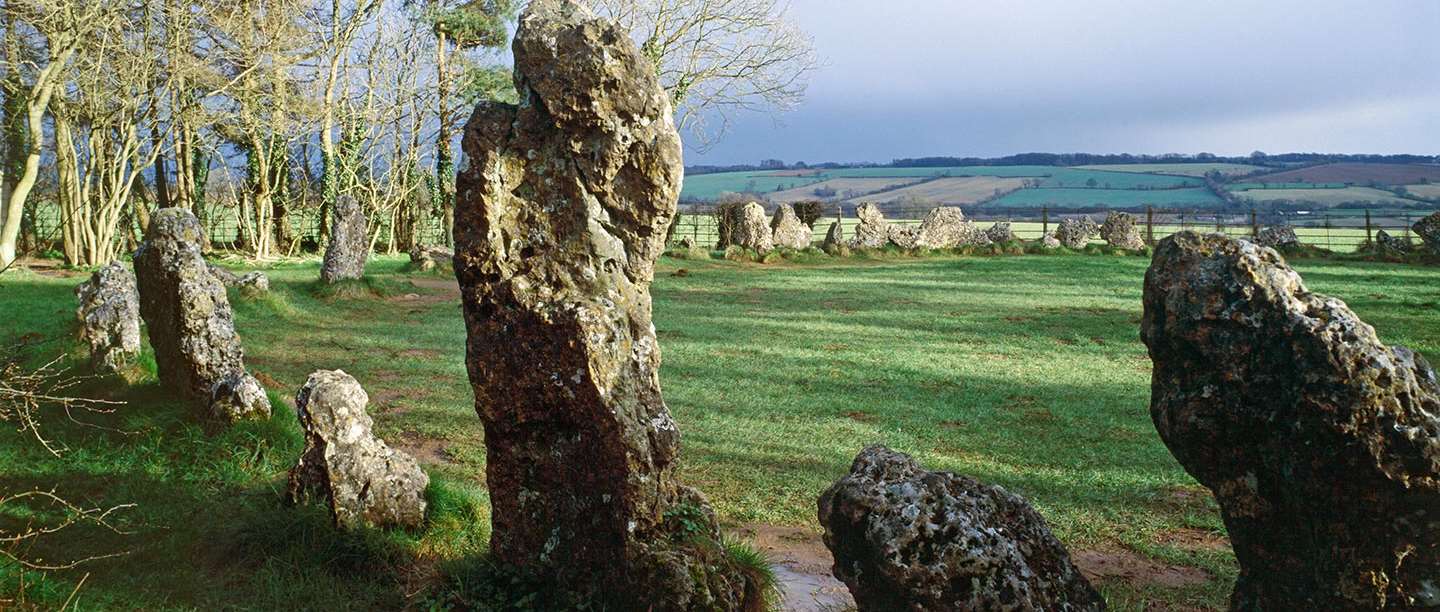
Mulvaney set out to use archaeological techniques and perspectives to humanise the past. Mulvaney was often identified as ‘the scientist’ bringing objective techniques to a world dominated by conjecture and prejudice. Yet he was also an humanist educating the collectors and some of his professional colleagues to the human drama of ancient Australia. Rollright Stones in England that so impressed Mulvaney during his studies in England.
Chapter 4: The Magpie: Geoffrey Blainey (1930)
- Blainey was always a loner. As an intelletual he championed people on the land. As a writer he took on the mante of speaking for ordinary Australians. As a literate man he celebrated their occasional illiteracy. He was a ‘public’ historian before his time.
- His natural world is of landscapes, elements and resources. It is there for humans to use ofr their profit or neglect to their peril. According to Blainey…it was not the open sea that shaped Australian civilisation, but the ecological reality of soil and climate.
- Surprising to read that Blainey thinks the pendulum has swung too far with reference to climate science. The pendulum will swing back again. He percieves another brittle and extreme mood, another fashion about to recede. I had difficultuy accepting this after having read Feeling the Heat by Jo Chandler!
Chapter 5: The Cry of the Dead: Judith Wright – oke…but not earthshattering
Chapter 6: The Creative Imagination: Greg Dening (1931-2008) (ex-Jesuit priest)
- “The only way to fail Professor Dening…was not to take a risk” (pg 100)
- Researched is characterized as heroic. Writing is instinctive. Creativity is unconscious. Insights are personal.
- According to Greg Dening …research is collegial and require courage; imagination need not be fantasy; freedoms do exist in non-fiction; creativity can be collaborative and communal; true stories are entrancing.
- Greg Dening urged his students to feel that all the arts of fiction were available to them in writing true stories, but alos aimedd to educate the public to a different understanding of the realm of imagination, to see the creativity in the telling of true stories. (Think or Helen Garner’s books!!)
- What is history according to Greg Dening?
- History is the discipline without a discipline, the one social science that aspires to represent the totality of human experience.
- “Discorse is unending…Nothing is discovered finally.
- The moments of understanding stand like sentences in a conversation.”
- THE BEST CHAPTER….it gave me skin shivers when I read the last words.
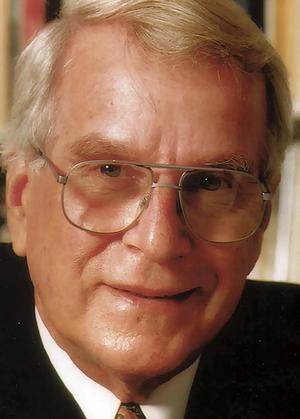
Chapter 7: The Frontier Fallen: Henry Reynolds (1938)
- Chapter in which I learned the most…about the ‘forgotten war’ and lawyer, historian Noel Pearson
- The struggle between professional standards and political ends that shaped th kind of historian Reynolds is: empiricist, rational, highly structured, heavily evidenced, reinforcing and repetitive, professionally conservative, accessible to the courts. Reynolds has always been a ‘just-do-it’ historian. His style is lean, linear and logical and it is honed out of his engagement with passion, politics and power.
- Forgotten War by H. Reynolds (READ??)
- Considered by many to be the current leading historian on ‘the great Australian silence’, Reynolds has written Forgotten War with a remarkably straightforward and erudite pen. Reynolds does not depend on the lyrical, hyperbolic language sometimes used by Australian histories to evoke the brutality of the past. Reynolds has remained scrutinisingly close to the sources he cites, and in doing so, he has produced a book that is accessible for the expert and the novice alike.
- Forgotten War is Henry Reynolds’ latest attempt to elevate the place of Aboriginal Australians in the national consciousness. It is a broad and meticulously researched overview of colonial Australia’s treatment of Indigenous Australia, and worthy of our most scrupulous attention.
- The Australian Frontier Wars were fought from 1788 to the 1920s between Indigenous Australians and an invading coalition of white settlers, militia, police, and colonial soldiers. Estimates of the total death toll range between 20,000 and 50,000 Aboriginal lives lost and between 2,000 to 2,500 Europeans.In a 5 year period the Aboriginals killed something like 250 settlers and no doubt many of them were killed but the ratio was much closer.
- Now 250 settlers killed in short period of time in a small colony brings it close to many of the other small wars Australia has been involved in. So just in terms of the conflict, the number of people killed, the damage done the cost of the conflict, that conflict in Tasmania must be seen as a war.
- Reynolds said that in the history departments he found no interest and people didn’t think it was a very decent or honourable thing to be researching (forgotten war). So there was resistance from people who didn’t want to know about this very terrible and brutal aspect of Australian history.
- I think the past is important. I’m a historian, that’s my profession but I think the past is important and I think that it is absolutely critical that we understand and appreciate and empathise with Indigenous Australians.
Chapter 8: Disobedience: Eric Rolls
- Chapter 7 Eric Rolls A Million Wild Acres….Tom Griffiths said this would be THE book about Australia he would put in the hands of any visitor to his country to help them understand it!
- I just ordered Rolls’ book all the way from Australia!…can’t wait to read it!
- Griffths thinks it is the BEST environmental history yet written of Australia! Les Murray condsidered this book to be like an extended, crafted campfire yarn in which everyne has dignity of a name. TONE: discursive (rambling…) and laconic (terse, concise)..like a saga ( Saga Land?)
- Rolls enchants the forest….and presents us with a speak land….raucous with sound! The whole book reads as if the trees themselves are telling the story! That delighted me!
- The central story is simple…it is in Rolls’ words….about the growing of a forest. Why was A Million Wild Acres so popular? It spoke directly to so many people. “…it is unique and path-breaking yet represented an organic integrity and a common vernacular.” (ref: The Art of Time Travel: Historians and Their Craft, T. Griffiths, ch 8)
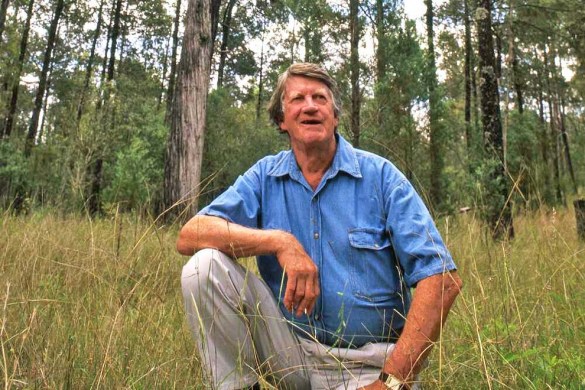
Chapter 9: Voyaging South: Stephen Murray-Smith (1922-1988)
- Antarctica – read enough about this in Feeling the Heat.
Chapter 10: History as Art: Donna Merwick – ex nun, married to Greg Dening
- Sorry, not even T. Griffiths could make this chapter interesting. :(
Chapter 11: Walking the City: Graeme Davison – so-so…learned what public history is!
- Davison set out his professional credo in his Monash retirement lecture:
- ‘To be a professor, to profess history, is to assume a responsibility, not just to practise one’s discipline, but also to advocate and defend it.
- At Monash he created a new post-graduate program in Public History.
- He aimed to train historians for employment outside the academy as commissioned historians and consultants.
- He wanted to narrow the gap between academic and public history.
- What is public history? Public history is deeply rooted in the areas of historic preservation, museum curatorship, and other related fields. The field has become increasingly professionalized.
- Most common settings for the practice of public history are:
- …museums, historic homes and historic sites, parks, battlefields, archives, film and television companies, and all levels of government.
- Davison studies not only cities….but also the decline of country towns
- …surburban myths and rural ideals.
- Graeme had long been interested in the city as a natural system. The city is both a machine and an organism. It has the tick of a clock as well as a heatbeat. Davison chose a clock and a car to reveal the inner workings of a city.
- Clock seeks to master time. Car seeks to master space. One is on your wrist….the other is in your garage. Both are personal, intimate, elegant accessories of our lives.
Chapter 12: History and Fiction: Inga Clendinnen (1934-2016)
- Clendinnen’s work focused on social history, and the history of cultural encounters.
- She was considered an authority on Aztec civilisation and
- …pre-Columbian ritual human sacrifice
Chapters: 13 Grace Karskens
- Winner of the 2010 Prime Minister’s Literary Award for Non-Fiction
- The Colony is the story of the marvellously contrary, endlessly energetic early years of Sydney.
- It is an intimate account of the transformation of a campsite in a
- …beautiful cove to the town that later became Australia’s largest and best-known city.
- From the sparkling beaches to the foothills of the Blue Mountains, Grace Karskens
- skillfully reveals how landscape shaped the lives of the original Aboriginal inhabitants and newcomers alike.
- Relationships between the colonial authorities and ordinary men and women broke with old patterns.
- She uncovers the ties between the burgeoning township and its rural hinterland.
- Grace Karskens teaches Australian History at the University of New South Wales.
- She is the author of The Rocks: Life in Early Sydney
Chapters: 14
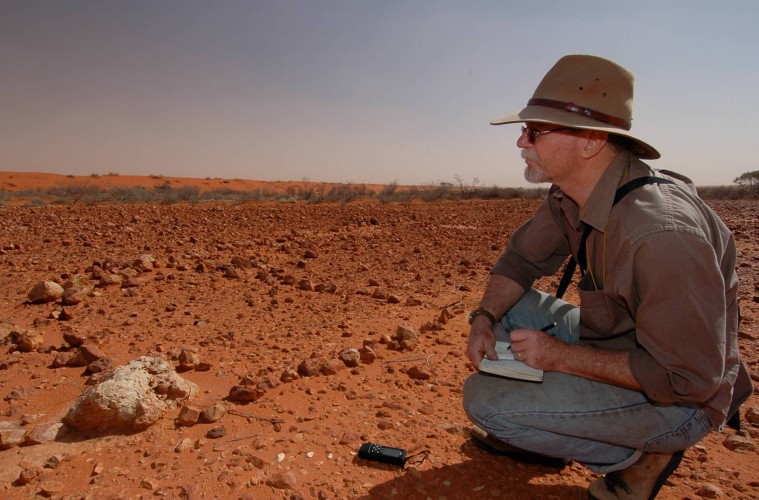
Mike Smith – Archaeology of Australia’s Deserts
-
- This is the first book-length study of the archaeology of Australia’s deserts
- It is one of the world’s major habitats and the
- …largest block of drylands in the southern hemisphere.
- Written by one of Australia’s leading desert archaeologists,
- …the book interweaves a history of research with archaeological data.
- For all its global significance and uniqueness, the story of Australia’s desert societies gets scant treatment in accessible science texts.
- A story that covers 60,000 years of development, change, growth and consolidation seems so important to understand.
- It is a compelling picture of societies responding to climactic conditions, changing technologies and social organisation to survive.
- Smith decided he wanted to be an archaeologist at the end of primary school!
- Smith has a gravediggers certificate! Stratigraphy is a key concept to modern archaeological theory and practice. Modern excavation techniques are based on stratigraphic principles. The concept derives from the geological use of the idea that sedimentation takes place according to uniform principles. When archaeological finds are below the surface of the ground the identification of the context of each find is vital in enabling the archaeologist to draw conclusions about the site and about the nature and date of its occupation.
#BlackHistoryMonth2022 All That She Carried

FEBRUARY
21.  by
by  Tiya Miles
Finish date: 08 February 2022
Genre: Non-fiction
Rating: B-
Review:
Good news: Prologue and introduction Do NOT forget to read them. They are very well written.
Good news: There are a few revealing aspects of history that are missing in many books I’ve read about slavery. Examples Ms Miles gives are the conscious diminishing of slaves in the clothes give to them – shaving women’s head if the hair is too straight and beautiful – nicknames or pet names to belittle as child or domesticated animal: Hero, Cupid, Captain, Prince, Samson.
Good news The best part of the book for me was chapter 5 Auction Block (functioned like a department store window). The chapter was eye-opening, shocking and what I needed to learn about.
This is the raw truth about Charleston South Carolina, slave trade hub.
Workhouse: plantation owners could have slave whipped for a price…the owners don’t want to get their hands messy. There were also female salve holders: don’t hear much about them
…but Ms Miles enlightens us! Ms Miles describes a southern gothic horror made real….in Charleston.
Think about all this the next time you feel like a weekend in a B&B in South Carolina.
Personal: Regarding Ashley’s sack…many chapters are completely speculative.
There are a lot of “she would have’s, she may have’s, we can imagine and in all likelihood.”
That is not what I was looking for. All That She Carried is good…not great IMO.
A GREAT book is David Olusago’s Black and British: A Forgotten History. REVIEW
This book seems to be based more on facts than fiction.
 by David Olusoga (no photo)
#NonficNov 2021 David Olusago
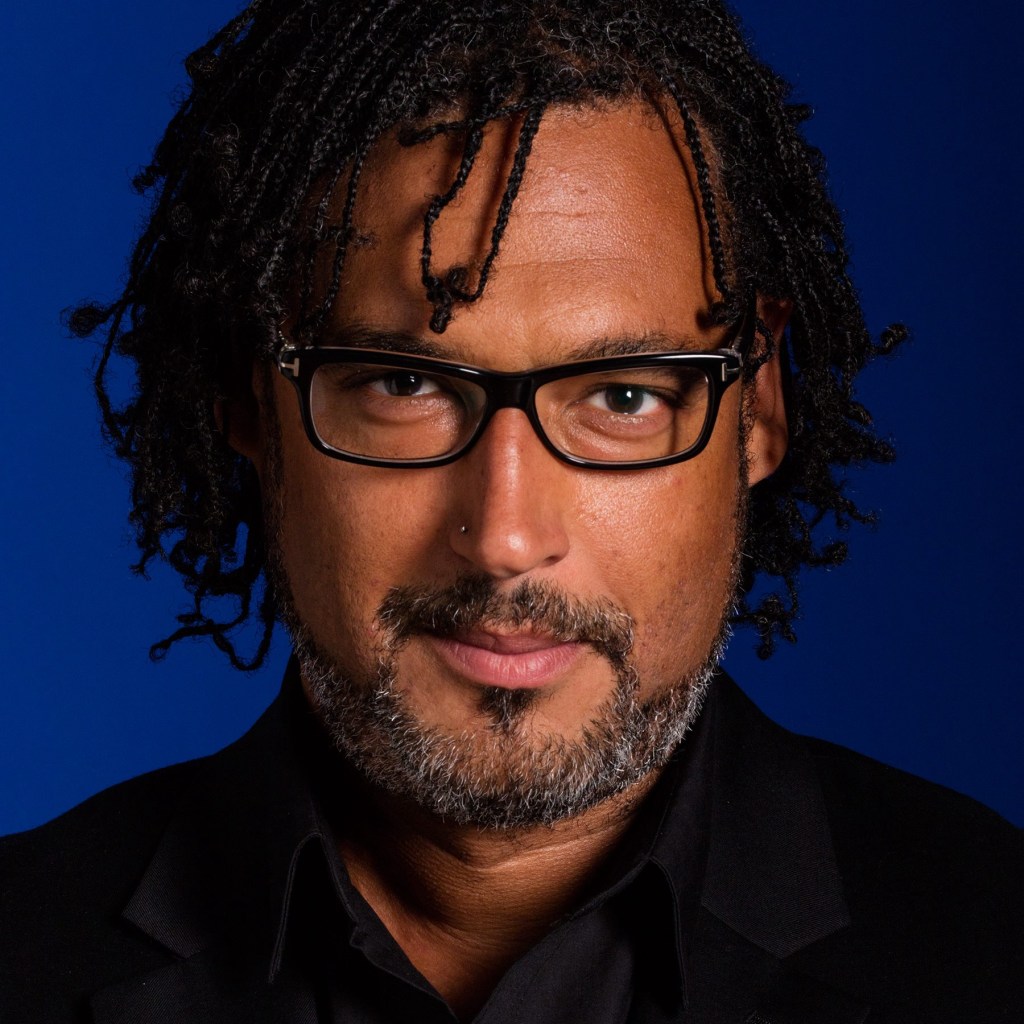
- Author: David Olusago (1970)
- Title: Black and Birtish: A Forgotten History
- Published: 2016 (639 pg)
- Monthly plan
- #ReadDiversely
- #NonficNov hosts:
- Katie @DoingDewey
- Rennie @ What’s Nonfiction
- Veronica @ The Thousand Book Project
- Christopher @ Plucked From the Stacks
- Jaymi @ The OC Book Girl
Quick scan:
- The historian English-Nigerian David Olusoga has written
- that slavery is often misremembered in the U.K.
- …as a uniquely American atrocity.
- He points out that British-owned slaves mostly lived and worked in the Caribbean.
- The goal of this book is to ensure that the British involvement with
- slavery NOT be largely airbrushed out of the
- “standard, Dickensian image of Britain in the Victorian age…” (pg 234).
- It’s time to have a look at what the Brits….were up to!
- The book charts black British history from the first meeting
- between the people of Britain and the people of Africa
- during the Roman period, to the racism
- …Olusoga encountered during his own childhood.
- It is a story that some of Olusoga’s critics would prefer was forgotten.
Strong point:
- The book is filled with new discoveries
- about the British involvement in the slaver trade.
- Olusago supports these findings with the science behind it.
- “…skeletons excavated decades ago are suddenly able to tell their stories.” (pg 40)
- This process transforming history
- is radioisotope analysis. (article from Nat. Geographic)
- Where you grew up…what you ate…your bones record your life.
Some thoughts….
Ch 4:
- Ch 4 is about legal cases 1770s to ensure
- slavery does not become acceptable in England
- ...or the right of Brits to hold slaves in the American colonies.
- Yes, this is an important part of British/Black history
- …but it was not the MOST engaging section of the book.
- #PersonalPreference
Ch 5:
- Chapter 5 was more interesting….linking my thoughts to a book I
- had just read Bedlam in Botany Bay (James Dunk).
- It reveals the resettlement schemes of London’s black poor in
- 1780s to Sierra Leone and Botany Bay Australia.
- (pg 148) “There were those is London, on the committee,
- …who just wanted them (blacks) gone and
- …cared little about their long-term prospects.
- This is the history the British
- …would like to see airbrushed away!
Ch 6:
- 22 May 1787 –> the birth of the Abolitionist Movement
- is very interesting.
- Trivia: Did you know that trendy Canary Wharf London was built by
- slave trade mogul George Hibbert 1757-1837 (who?) as West Indies Docks’.
- This dock was used to import the sugar from West Indies plantations!
Ch 7:
- Frederic Douglass on his second speaking tour in late 1850s felt
- a decline in anti-slavery sentiment and the rise in racism.
- The turnig point
- …American racism had started to seep into Britain.
Ch 14:
- Wow…just wow!
- This book may exhaust you but keep on reading
- …because Olusago really “lets loose” in ch 14-15!!
- I never knew the extent of racism in Britain….shocking!
Conclusion:
- David Olusago, in the last chapter, bookends his
- history with the “Windrush Myth”.
- The post-war wave of migration from the Caribbean.
- In the book’s introduction we read about
- Enoch Powell’s 1961 speech “Rivers of Blood”.
- Powell’s persistent themes of national sovereignty,
- purity of citizenship and a
- determination to keep out undesirable immigrants still echoes
- in the European politics of far-right politicians.
- Historian Olusago has shown me that
- this idea of “purity of citizenship” is also a myth.
- I’ve read about
- the presence of African peoples in Roman Britain
- and Black Tudors, Stuarts, Edwardians, Victorians and Georgians.
- If history was properly discussed as Olusago shows us
- the British could awaken us from their colonial dreamtimes when…
- ” Rule Britannia! rules the waves!
- “Britons never will be slaves.”
- …but they will eagerly take part in the slave
- trade from 1560 Queen Elizabeth I –> Charles II
- –> the abolition of slave trade 1833 King William IV.
- People hold on to the belief that the UK was a “white country”.
- David Olusago challenges this concept in this book.
- Olusoga was confident about having two identities.
- despite the prejudice he had encountered.
- He was proud of being a black Nigerian of Yoruba heritage and
- being part of his mother’s white working-class geordie tradition.
- But he has always had a third identity:
- “I’m also black British – and that had no history, no recognition
- Best quote: D. Olusago
- “My job is to be a historian.
- It’s not to make people feel good”.
Last Thoughts:
- There is a lot of “new history” for me in this book!
- Weak point: Sometimes Olusago can go into numbing details (ch 4, ch 7)
- but other times he left me scratching my head with the
- thought: “Why have I never heard about this?”
- That could be due to not having read enough history in depth.
- Thank goodness David Olussago is helping me.
- Loved to read the royal connections…
- by Queen Elizabeth I and Charles II…I never knew!
- They understood the profitability of the English slave trade.
- Be prepared for some long reading days…(639 pg)…but of
- course with books like these some skimming is unavoidable!
- This reader was very tired after 13 chapters…still 2 ch to go
- …but oh, they were well worth reading!
- This is an excellent, readable book
- …but very long
- #HistoryBuffs don’t miss this one!
#Non-fiction The Anarchy: East India Company

- Author: William Dalrymple (1965)
- Title: The Anarchy: East India Company, Corporate Violence, the Pillage of an Empire
- Genre: non-fiction
- Published: 2019
- #Obama’s reading list 2019
- List of Challenges 2020
- Monthly plan
Conclusion:
- Enjoyed parts of the book but found it crushingly detailed.
- If you don’t know much about India or its history…
- you will be buried under a pile of names and
- places that will mean nothing to you.
- After 25% …I just skimmed the book, excruciatingly boring.
- It was a soulless history an 200 pages too long.
- Doesn’t anyone have a red pen at Bloomsbury Publishing?
- You can dislike a book for any variety of reasons,
- but in the end it comes down to a matter of opinion,
- and opinions can differ from person to person.
- So, if you are interested in history
- …read the book and perhaps you might like it.
- I did not.

#Non-fiction From Russia With Blood
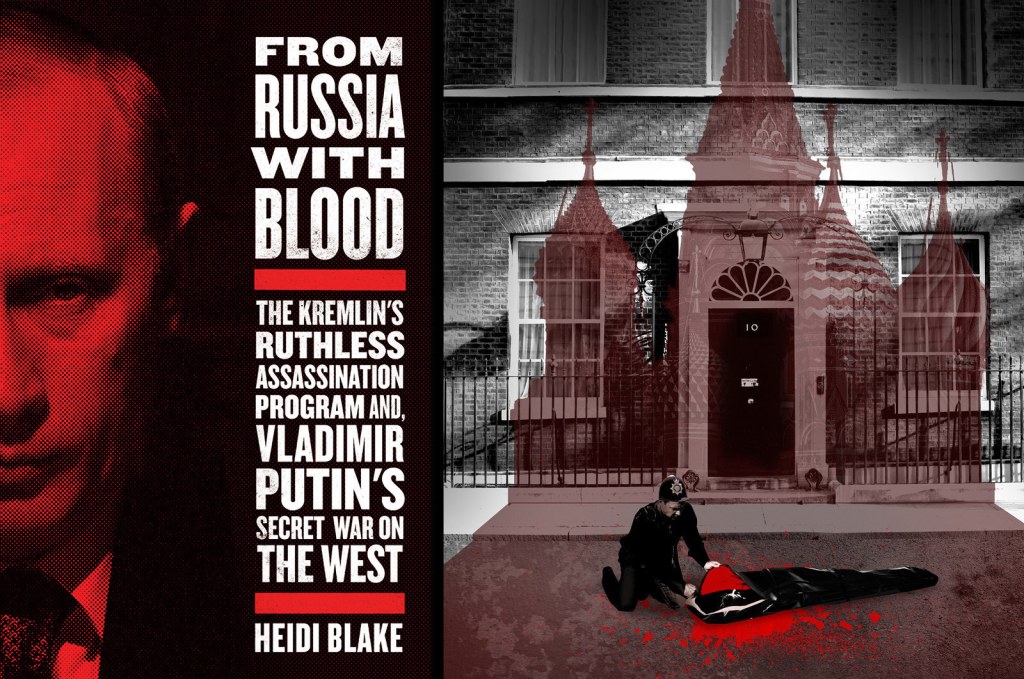
- Author: Heidi Blake
- Title: From Russia With Blood (336 pg)
- Published: 2019
- Genre: non-fiction
- List of Challenges 2020
- Monthly plan
Finished: 15.01.2020
Genre: non-fiction
Rating: D-
#ReadNonFictionYear
Conclusion:
If you want REAL investigative journalism
read Luke Harding
A Very Expensive Poison
If you want to read a REAL Putin scholar
read Dr. Fiona Hill
Mr Putin: Operative in the Kremlin
Last thoughts:
Honest opinion? This book was a waste of time.
“old news” …if you have been reading the newspapers
since 2000!
I can’t imagine this as a page turner, except when I was turning
a dozen pages at a time hoping it would get better.
#SoDisappointed
#Non-Fiction The Churchill Factor
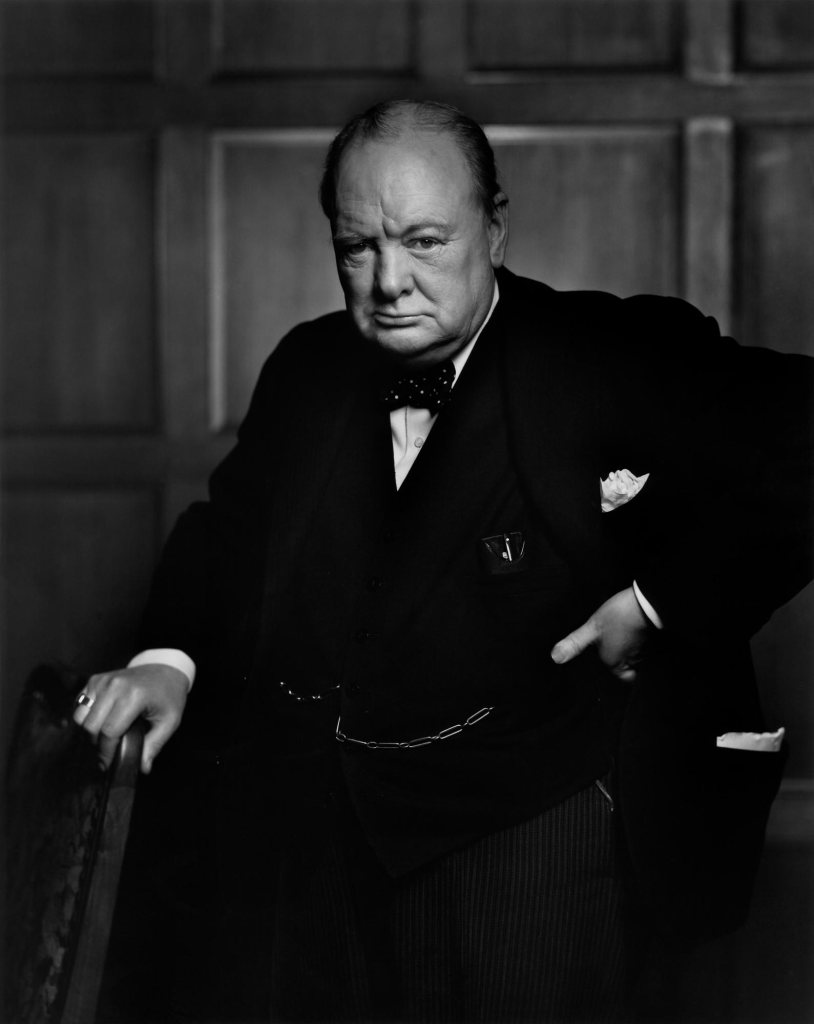
- Author: Boris Johnson
- Title: The Churchill Factor (400 pg)
- Published: 2014
- Genre: non-fiction
- List of Challenges 2020
- Monthly plan
Finished: 13.01.2020
Genre: non-fiction
Rating: A+++++
#ReadNonFictionYear
Introduction:
- I started this book before the UK’s general election.
- It is fascinating to see how Boris Johnson
- emulates his hero, Churchill!
- Winston Churchill tipped the scales of destiny in 1940.
- We should all be thankful for his courage, pluck and
- famous message June 1940 to the British people:
“We shall go on to the end.
We shall fight in France,
we shall fight on the seas and oceans,
we shall fight with growing confidence and growing strength in the air,
we shall defend our island, whatever the cost may be.
We shall fight on the beaches,
we shall fight on the landing grounds,
we shall fight in the fields and in the streets,
we shall fight in the hills;
we shall never surrender…”
Conclusion:
- This book was a delight to read!
- Not stuffy or dry
- …but filled with insights and humor as
- Johnson weaves the narrative between war,
- politics and Churchill’s personal life.
- Boris Johnson is a savvy politician
- ….but also an excellent writer!
- #MustRead
- PS: John Lithgow is wonderful as Winston Churchill
- in Netflix series The Crown...
- #MustSee
#Non-Fiction America’s War

- Author: Andrew Bacevich
- Title: America’s War for the Greater Middle East: A Military History (480 pg)
- Published: 2016
- List of Challenges 2019
- Monthly plan
- #TBR 2019 challenge update
- #TBR 2018 challenge update
Structure: 480 pages
Part 1 – The Preliminaries ch 1-7
Part 2 – Entr’acte (“between the acts”) ch 8 – 11
Part 3 – Main Card ch 12-18
My Notes:
USA fights wars:
…1776 for independence
…1861 for slavery
…1980 US embarks upon a war for oil
Central irony:
- For America’s War for the Greater Middle East
- US’s tendency to focus on solving one problem,
- to exacerbate a second and plant the seeds of a third.”
- See: Wikipedia ‘Operation Cyclone”
Trivia:
- I noticed in chapter 1
- sound bites used in 1980s that
- …are now used by Trump!
- US didn’t want a distressed angel (Carter)
- ….passing judgement on their failings.
- The US wanted a president who would fix things! (MAGA)
- Carter viewed himself as “an agent of the Lord’
- Trump referred to himself as ‘the chosen one’
- …while speaking
- on his role in the ongoing trade war
- between the US and China. (21 Aug 2019)
Note: Ch 6:
- Especially interesting was the conscious
- effort by the US in 1982
- ….to open a secret channel
- ….to provide Baghdad with sensitive intel,
- satellite images, PC’s hell’s and heavy trucks etc.
What was USA’s plan….long term?
- US needed Saddam…..
- ….and with this non-military help
- it enabled Iraq to avoid outright defeat in Iraq-Iran war.
- But why?
- “…US had a compelling interest in positioning Iraq as a
- counterweight to a dangerous Islamic Republic.”
Note: Ch 7:
- The book comes alive for me with the
- US to hunkering down in Saudi Arabia and
- preparing to remove Saddam from Kuwait.
- My favorite no nonsense General
- “Stormin’ Norman” Schwarzkopf jr.
- He planned and led Operation Desert Storm—
- which defeated the Iraqi Army and liberated Kuwait
- Pg 117 this would be:
- “…Vietnam done right,
- …with a decisive victory the result.
- No shilly-shallying allowed.”
Conclusion:
- Don’t worry about memorizing all the names, dates, etc
- focus on the big picture…the important stuff will stick.
- This book is a wonderful re-cap of
- the history of the War for the Greater Middle East.
- Strong point: Bacevich makes non-fiction read like a novel!
- Great read…for history buffs!
- I was very impressed with Bacevich
- …his writing is crisp insight and info that is not in news articles.
- I enjoyed his comments about Gaddafi
- “…erratic buffoon less a serious
- …menace than a perennial pain in the behind!”
- …and I learned what ‘gunboat diplomacy is’.
- Part 3…you could probably easily skim this
- picking nuggets of info but most has
- been recently in the news (Obama, Osama Bin Laden).
- Loved to see names popping up who were in headlines
- …and now have faded away.
- Remember L. Paul Bremer, diplomat
- running the show in The Green Zone Baghdad?
- ….he earns extra cash now as a ski-instructor!
- Huh?
Last Thoughts:
- What was the MOST important thing I learned?
- …the 4 reasons why USA is still waging the
- War for the Greater Middle East.
- War has the seal of approval of Republicans and Democrats
- Aspiring Presidential candidates find it expedient to ‘support the troops’ (war)
- Individuals/institutions benefit from a long conflict (military industrial complex)
- MOST importantly…
- …Americans appear oblivious to what is occurring.
- All the more reason
- ….to read this book!
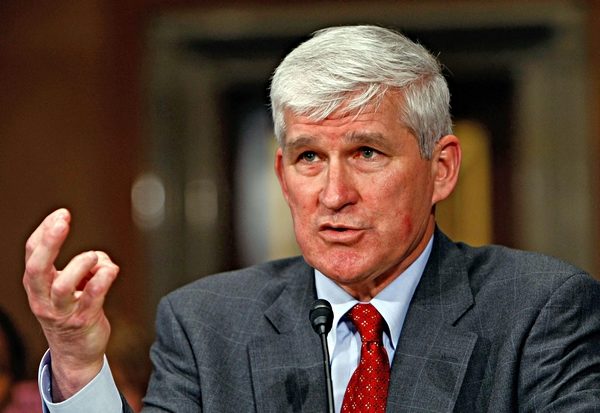
Bacevich is a West Point graduate. He holds a Ph.D. in American Diplomatic History from Princeton University, and taught at West Point and Johns Hopkins University before joining the faculty at Boston University in 1998
#Classic: The Twelve Caesars (Suetonius)

- Author: Suetonius (69 – 122 AD)
- Title: The Twelve Caesars
- Written: 121 AD
- Genre: biography (Wikipedia The Twelve Caesars)
- List of Challenges
- Monthly plan
- Classic Club Master list
Quickscan: List of Roman Emperors
Notes:
- This is not a book that I would choose to snuggle up with
- on a cold winter day. Thus I decided to listen to the audio book.
- I could keep doing my chores….etc and still absorb the
- tidbits of history that I did not know!
- 50 % of the book is about the first 3 Caesars:
- Julius, Augustus, Tiberius chapters 1-18
- Audio book 40 chapters (20 min per chapter)
- Roman emperor was a risky job: only 3 died of natural causes
- …the rest were assassinated or committed suicide!
Julius Caesar (reigned 5 years)
- He wore laurel crowns as often as possible.
- The wreath suited Caesar especially well with
- the green leaves hiding his balding head.
- It was good to be reminded that Servilia (b.104 BC, d. 42 BC)
- was just a wicked as Livia was
- during her relationship with Augustus Caesar.
- Livia remains in my memory in TV series I, Claudius.
- Servilla came be seen in TV series Rome.
- The series I, Claudius NEVER showed
- …the audience the sadistic cruelty of Tiberius!
- You have to read about it to believe it!
Augustus Caesar (reigned 40 years)
- Father: Gaius Otavius (politician) but he died when AC was 4 years old.
- Adopted father: Julius Caesar.
- Wives: each of these marriages lasted 2 yr Clodia, Scribonia
- Livia was here to stay.
- She was a shrewd woman, 23 yr marriage, no children, 1 miscarriage.
- Augustus also divided city regions and districts,
- …appointed nightly watch against fires (sort of fire brigade).
- Calendar: Augustus was born in September named 8th month August
- because in this month he received his first council ship.
- Lists: These pages about Augustus Caesar is a long list of achievements:
- circus games, gladiators, laws, allocating corn
- exhibiting curiosities: rhino, tiger and extremely long snake!
- Lists: of omens Augustus Caesar believed to foreshadow trouble (2 crows attack an eagle!)
- As soon as Livia comes on the scene
- ….the narrative becomes more interesting.
- After watching the TV series I, Claudius
- I could apply a face (actor, actress) to many names!
- Julia: Daughter is banished for 5 years for her lewd behavior.
- Strong point: personal habits were described
- …negligent in dress, took afternoon naps with his shoes always on!
- Augustus slept in the same chamber on Palatine Hill for 40 years.
- His private room where he was NOT to be
- disturbed (top floor Palatine Hill home) called “Syracuse”.
Tiberius pg 104 (reigned 22 years)
- He was emperor Augustus Caesar’s successor.
- Augustus adopted Tiberius (his mother was Livia AC’s 2nd wife)
- Tiberius was a reluctant emperor!
- Livia (mother) demanded equal share of power.
- Mother and son parted on bad terms.
- When she died Tiberius annulled her will and did not grieve his loss!
- Daughter-in-law Agrippina the Elder
- claimed Tiberius had her husband Germanicus murdered.
- Germanicus was Tiberius’ nephew AND adopted son.
- Tiberius banished her to the island of Pandateria.
- …and ordered a centurion to beat out one of her eyes!
- Tiberius was not finished yet….
- He starved his 2 (adoptive) grandsons to death.
- Tiberius was sadist…deriving pleasure from cruelty.
- In one day 20 people (men, women and boys) were killed flung down
- the Gemonian Stairs (steps located in the ancient city of Rome)
- …and then dragged into the Tiber River.
- He put a centurion to death for stealing a peacock out of his orchard!
- #Ouch
Conclusion:
- I took notes about the first 3 Caesars.
- You can discover the other rulers yourself!
- This was an excellent overview of these emperors
- The book solidified my understanding of the
- Julio-Claudian (27 BC-68 AD)
- Flavian dynasties (68-96 AD)
- Audio book narrator: Charles Griffin (excellent).
- The writing is clear, simple and easy to understand.
- Strong point:
- Insights into the social and political order of the times
- …and the psychology of these powerful yet flawed individuals.
- I loved the music played between chapters….imperial!
Last thoughts:
- Roman emperors are not known as being compassionate
- …but Emperor Vespasian was the exception!
- If you like historial fiction perhaps you would like Lindsey Davis’
- The Course of Honour.
- The love story of Vespasian and his mistress
- …the freed slave woman Antonia Caenis.
- This book recreates Ancient Rome’s most turbulent period.
#Non-fiction: The Age of Eisenhower
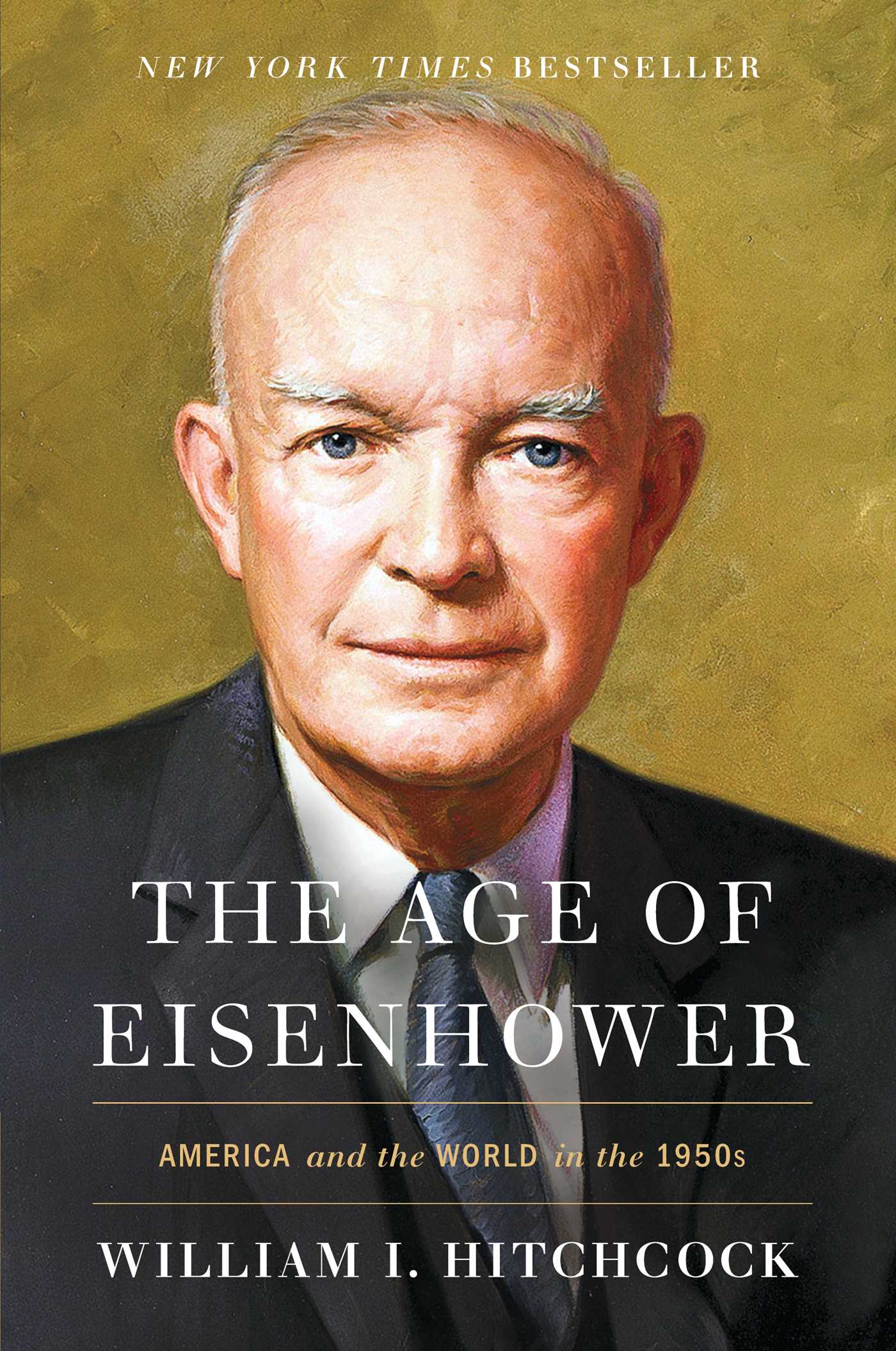
- Author: W.L. Hitchcock
- Title: The Age of Eisenhower
- Genre: non-fiction
- Published: 2018
- #NonFiction
- List of Challenges
- Monthly plan
Did you know?
- Eisenhower agreed to give 400 million dollar
- to France to keep them fighting in Indo-China 1956.
- Eisenhower did not trust Nixon. Ike tried to ‘push’ off the ticket election
- 1956 by dangling a cabinet post in front of ‘Tricky Dick’.
- Nixon did not take the bait.
- Eisenhower suffered from a blood clot in his heart September 1956.
- What did Nixon do? He slipped out of his house through the back door
- to avoid the press.
- Nixon was scared to death ….he might have to lead the country!
Conclusion:
- These are some of the items that I did not know.
- This book reflected a man who remained
- a social conservative who was anxious about
- …clashes b/t federal courts and local customs (civil rights movement).
- Eisenhower was not used to change
- ….wary of challenging hierarchy.
- Yet Eisenhower did manage
- to surpass his limitations and supported
- The Civil Rights act 1957 and enforced court ordered
- …for desegragation in Little Rock Arkansas.
- which makes him a worthy president in my opinion.
Last thoughts:
- I thought America in the 1950’s would electrify me.
- Unfortunately, it was …to be the fractious 1960’s
- with Nixon, Kennedy, LBJ these were presidents that
- interested me more than “I like IKE’.
- The book was interesting and informative.
- Eisenhower made many good calls in the White House
- …an ran a fundamentally honest administration.
- Ike was and remained a #GoodSoldier.
#Classic: Eusebius

- Author: Eusebius
- Title: Church History
- Published: 4th C AD
- List of Challenges 2018
- Monthly plan
- Non-Fiction Reading List
Who was Eusebius (260-340), Bishop of Caesarea?
- Eusebius lived and wrote in one of Rome’s provincial capitals,
- Caesarea (aka Sharon on the coastal plain of Israel.)
- He lived under direct Roman imperial power.
- He witnessed the persecution of Christians in Caesarea
- …under the governors Flavianus, Urbanus, and Firmilianus.
- Eusebius figures prominently in all
- …histories of late-ancient theology and philosophy
Why is Eusebius important?
- Eusebius worked at the library in Caesarea Palestina
- founded by the scholar Origen (ca. 185–ca. 254)
- He had access to numerous works of antiquity which have not survived.
Structure:
- Books 1-7 – the reign of Herod and birth of Jesus (book 1)
- then we read the events before Diocletian’s persecutions (14-311 AD)
- Books 8-9 – narration of recent persecutions (253-305 AD)
- Book 10 – reign of Emperor Constantine (306 – 312)
Genre: Greek-Roman history writing…with a whiff of an apology
Edition: Eusebius Penguin Classic ISBN 9780140445350
Theme: was celebration of the success of Christianity in the Roman world.
Significance of Eusebius: important source for historians, classicists and theologians
POV: Eusebius, a orthodox Christian
Intended audience: with a knowledge of Christian texts and accepts their sacred status
Title: History of the Church: Eusebius describes a group of bishops, martyrs,
and scholars. Eusebius excludes heretics as outsiders to the church.
Setting: Eusebius uses the Roman Empire as the borders of the Christian Church
Narrative: gives the readers a past about the church. It profiles of key individuals
that carry across several chapters Apostle John, Irenaeus, Origen, and Dionysius of Alexandria
Style: Eusebius has a roller-coaster reputation for both veracity and style.
What does Eusebius NOT do?
- He does not discuss of doctrine because he assumes reader knows it
- …and has a positive opinion of Christianity.
Strong point:
- After reading this book I feel I’m better prepared to
- participate in Jeopardy or University Challenge shows!
- I learned more about some heresies of the times.
- After reading this book it will be easier to read another classic (TBR)
- The Twelve Caesars by Suetonius!
Weak point:
- There are small items that consume reading time
- …skimming may be necessary!
- How Appolonius suffered Martyrdom at Rome
- …Roman senator who stuck to his beliefs.
- Blastus On Schism Who?
- Many lists of bishops of Jerusalem and Rome (skim)
- Date of Easter…lots of commotion!
- The Elegant Works of Irenæus
- …this is a whole other study…skim Wikipedia page Irenaeus!
- Heresy of Artemon
- …it seems Eusebius is the only historian who mentions this!.
Conclusion:
- There are just too many heretics,
- ..martyrs, saints, theologians to mention.
- This book is readable but I needed to extend my reading to
- Wikipedia and follow the footnotes closely
- …if I wanted to make heads or tails of Eusebius.
- This is a classic…I can say I read it.
- But…I’m not sure if it will be on many reading lists!
- This is definitely a book
- …for a dedicated reader of the classics!
Last thoughts:
- Glossary….This is very handy!
- Excellent “Who’s Who in Eusebius” + Latin terms (pg 339-427)
- Quick scan of emperors of Rome and
- bishops in Antioch – Jerusalem – Alexandria (pg 428-434)
- Tip: I did some extra ‘skimming’ of the Wikepedia page
- …of the emperor mentioned
- This gave me a bit more historical background.
- It made the reading of Eusebius much easier knowing more
- about the politics/rulers.
- #Classic or the die hards!
 NancyElin.blog