
20
Jan
#Non-Fiction The Moth Snowstorm
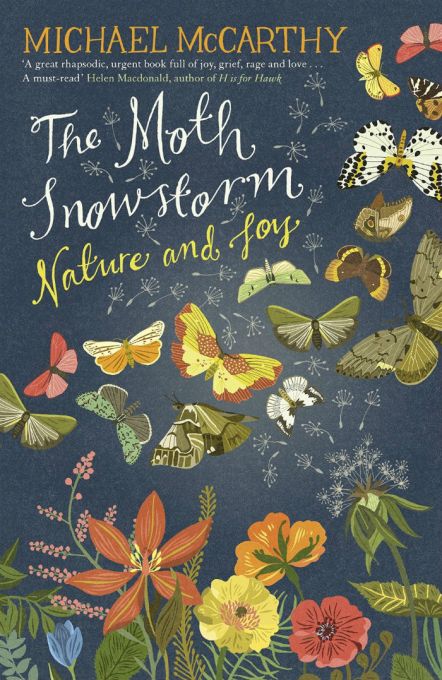
- Author: Michael McCarthy
- Title: The Moth Snowstorm Nature and Joy
- Published: 2015
- Genre: non-fiction
- List of Challenges 2020
- Monthly plan
Finished: 19.01.202
Genre: non-fiction
Rating: C
Conclusion:
- You can’t say M. McCarthy does not have a creative style.
- You will find Adam and Eve, Neil Armstrong, Prospero and Ariel from
- The Tempest….all on one page.
- Birds and butterflies swoop through the paragraphs.
- The estuary of the Dee is Elysium for McCarthy
- …..but not for me.
- This book is not my cup of tea!
- If you want to take a journey into nature
- …my recommendations are:
- Foxes Unearthed: A Story of Love and Loathing in Modern Britain by Lucy Jones
- The Shepherd’s Life: A People’s History of the Lake District by James Rebanks.
7
Apr
Jo Chandler: Feeling the Heat
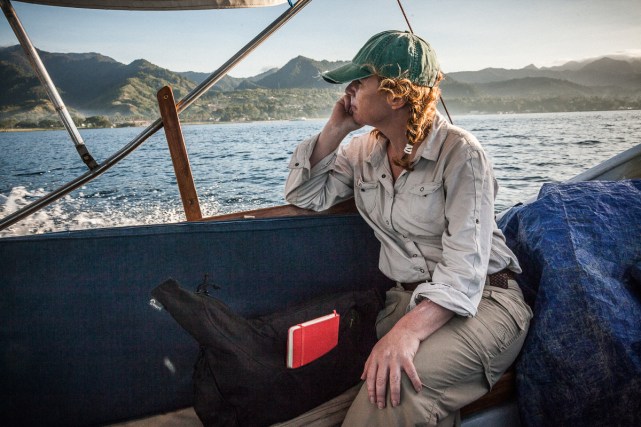
- Author: Jo Chandler
- Title: Feeling the Heat
- Published: 2011
- List of Challenges 2018
- Monthly reading plan
- #AWW2018 @AusWomenWriters
- #WorldFromMyArmchair (Antarctica)
- Trivia: Breaking News BBC 09.04.2018 Antarctica
Who is Jo Chandler?
- Chandler is a freelance journalist and author.
- She won the Walkely Award 2017 Freelancer of the Year.
- I discovered Jo Chandler in The Best Australian Essays 2016
Introduction:
- In a attempt to understand what is happening to our planet,
- Chandler travels to climate science frontiers
- Antarctica, the Great Barrier Reef, the Wimmera and
- North Queensland’s tropical rainforests.
- Jo Chandler puts together some of the
- …pieces in the climate puzzle
- …meets many passionate and eccentric characters
- …discovers what makes them tick, and
- …learns a thing or two about herself.
What is Chandler’s goal in this book?
- The purpose of the book is to tell the authentic,
- raw story of science at the real-world climate frontiers.
- Narrator: Chandler is of a non-scientist and journalist
- ….a questioning observer.
- Chandler presents scientist’s evidence as clear as
- possible and then takes a step back as all scientists do.
- “Our leaders must define the path which will get
- …us to where we need to go.” (pg 228, epilogue)
What did Chandler find personally?
- Chandler uses the metaphor
- …the difference between bearing and heading.
- Explorers note physical markers to register
- …their drift and shift against satellites.
- Heading is not always the
- …direction you are moving towards.
- Heading is the direction you are pointing.
- If we fail to define the
- …coordinates of our objective (…in life)
- …drift out of course due to crosswinds
- …we plough blindly forward
- …without heed for perils along the way.
- It is important to find your bearing.
- …your position with reference to a known (land)mark.
- “”..it feels like a revelation. A strategy to better find my way
- …when I return to earth.” (pg 40, ch 3)
Storm Front
- Jo Chandler’s departure from Hobart to Casey Antarctica:
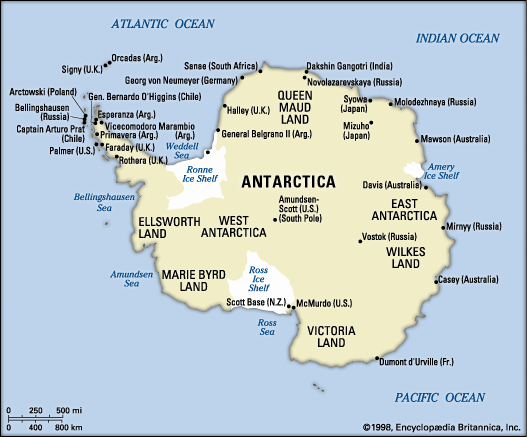
Flight of the Albaross – Arriving at Casey Base:
- 5 hr flight from Hobart
- 70 km (4 hrs rough riding from Wilkins Airport)
- 4000 km south of Perth
- Flight attendant Airbus landing at Wilkens Inter Airport:
- ” Welcome to Antarctica…it’s not bad out there today
- ..mild mid-summer -6 C.”
Buried Treasure
- Fact: Antarctica holds 70% of the fresh water on the planet.
- Irony: Antarctica is the driest place on earth.
- Personal: Chandler experiences Antarctica
- …as more than an scientific platform.
- She felt moments of connection with nature
- …which ache so powerfully
- …it is like the instant of finding love.
- Antarctica divines or future….and archives our past.
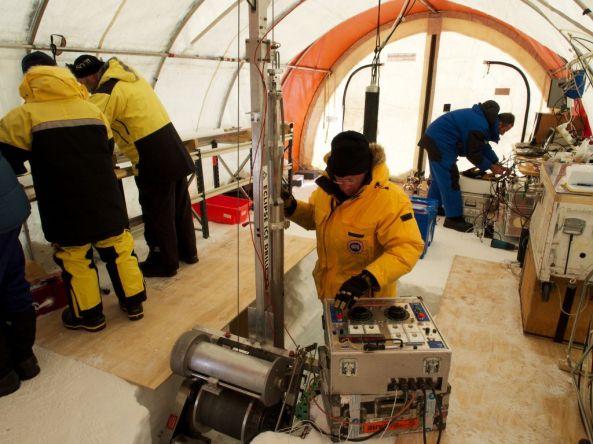
- Reasearch: Ice samples pulled from Law Dome
- contain bubbles of the atmosphere
- ….dating back 90.000 years!
- Expert: scroll down to see beautiful
- …video (3 min) of Antarctica with
- … Dr. Tas van Ommen
Revisiting Gondwana
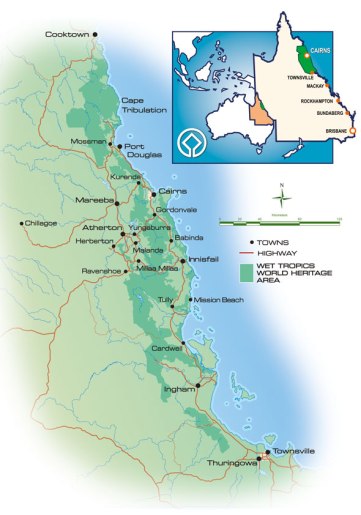
- Chandler now moves to the Wet Tropics of Australia.
- …the subtropical Gondwana Rainforests of Australia World Heritage Area
- Despite its small size these tropics host the highest biodiversity in the country.
- The forest throbs with life.
- Just take the time to LISTEN to the sounds of the rainforest….so relaxing!
- I listened…while reading!
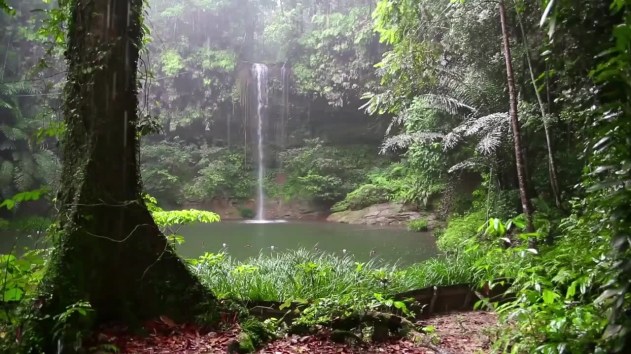
- Some of the wettest areas on Earth where forests are so
- …often shrouded in cloud they truly are “cloud forests”.
- Clouds condense on leaves and drip to saturate soils below
- But the rainforests are deeply vulnerable
- …to human induced climate-change.
- Cyclones are a part of the north
- …they have always come…and they always will.
- But what happens when warmer oceans
- …feed the frequency and fury of the storms?
- Will the rainforest have the opportunity to recover between blasts?
- Cyclone Yasi 30.01.2011 CAT 5 ..most furious storm to visit east coast
- …of Australia in a century!
- Personal: Chandler feels unsettled in this place with a high ‘ick’ factor.
- It takes some days to come to terms with
- …the tight grasp of this menacing environment.
The Sleeping Giant:
- Climatic change is everywhere in the news.
- If you want to get the most out of this book
- …I would suggest while you are reading
- …to google for images that will help you see what chandler is discussing.
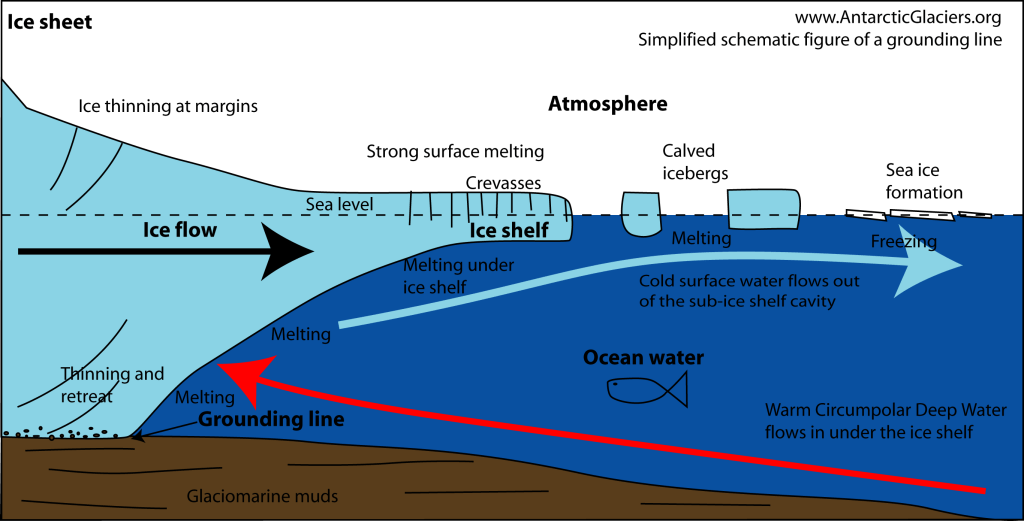
- The Sleeping Giant refers to the East Antarctica ice sheets.
- They are now relatively stable.
- But Chandler explains that the character of the ice is changing.
- (warm current sweeping under the ice sheet)
- Without this image for instance …I would not have
- ..understood what Chandler meant.
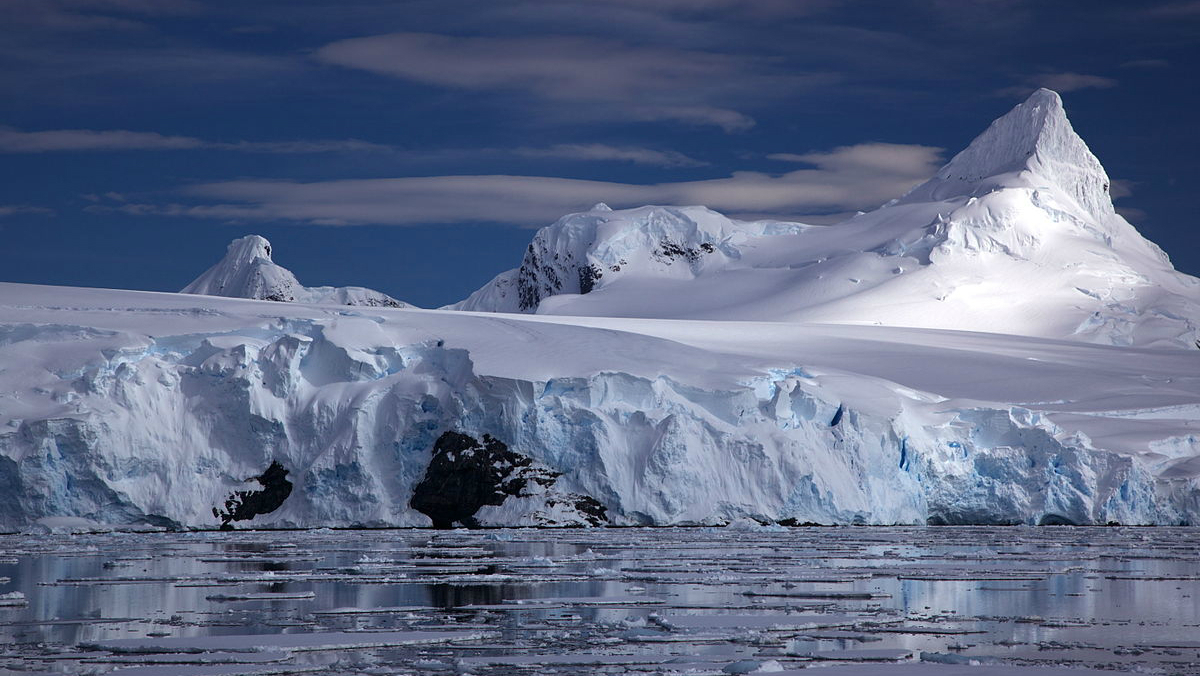
- Antarctica is difficult to imagine!
- Personal: Chandler feels in Antarctica “..very isolated, very small,
- …very lucky and a little afraid.” (pg 112, ch 6)
Strong point:
- Explanations are clear and in accessible language.
- It is not academic book but very strongly supported
- citing numerous articles in science magazines and research papers.
- The main topics that are being investigated in Antarcitca are:
- Ice sheets – ice melt – atmosphere (ozone hole) – ice cores (drilled to study the past)
Strong point:
- This is the first book I ever read about climatic change.
- Chandler’s perspective as a non-scientist observer
- …made me feel at ease.
- I was learning….as she was.
- Chandler helped me with her journalistic style ‘here are the facts’ and
- …clever analogies (bathtub = hidden underbelly of the Totten Glacier, ch 6).
Strong point:
- You can read all the chapters one after another
- …but I found I was
- drowning in information overload.
- You can also read the book as a series of essays
- …put the book down and let the information settle.
Strong point:
- Chandler’s book made me more aware of the consequences
- of climate change that I experience myself:
- frequent storms, diluvian cloudbursts and sweltering heatwaves.
Weak point: no illustrations!
Conclusion:
- This book is a great read emphasizing that
- …the clock is ticking and issues like
- …ice melt and sea-level rise are urgent.
- If there is even the smallish risk
- …of a very big adverse outcome
- ..due to sea rise and ice-melt (Antarctica and Greenland)
- it would be wise to do something about it.
- “Once the thaw starts the risk is that the
- …tipping point is tripped...” (pg 122, ch 6)
- But as we know action is blocked by
- Big Oil and Big Coal.
- I think one of the things I or any other citizen of the world
- …can do is #VoteThemOut
- Vote out the politicians
- …and leaders of countries who are on the
- ..fossil fuel industries…payroll!
Last thoughts:
- Chandler’s mission:
- Explore and explain the dynamics of
- …the forces at work in a changing world.
- Personally..
- …I was most fascinated by the Antarctica.
- Jo Chandler’s storytelling is
- ….personal (ch 6-7 and especially the epiloge)
- … mixed with scientific: for example…
- man-made ocean acidification ch 8
- Great Barrier Reef and Heron Island ch 9-10-11-12
- Penguins Antarctic Adélies, elephant seals
- …and mosses, the most advanced plants
- …on continental Antarctica! ch 13

- It is an amazing feat to
- …digest all this scientific information
- …clarify all the jargon for the readers
- …who just dabble in science, like me.
- One thing I DID LEARN...
- What caused the biting cold Polar Vortex
- …24 February – 01 March 2018 that brought
- ..The Netherlands back to ice skating on the canals?
- There is more heat coming off the relatively ice-free Arctic waters
- …increasing air pressure and
- …pushing the polar cold air south …in my direction!
- #MustRead
 NancyElin.blog