
SAVE: Tom Griffiths The Art of Time Travel
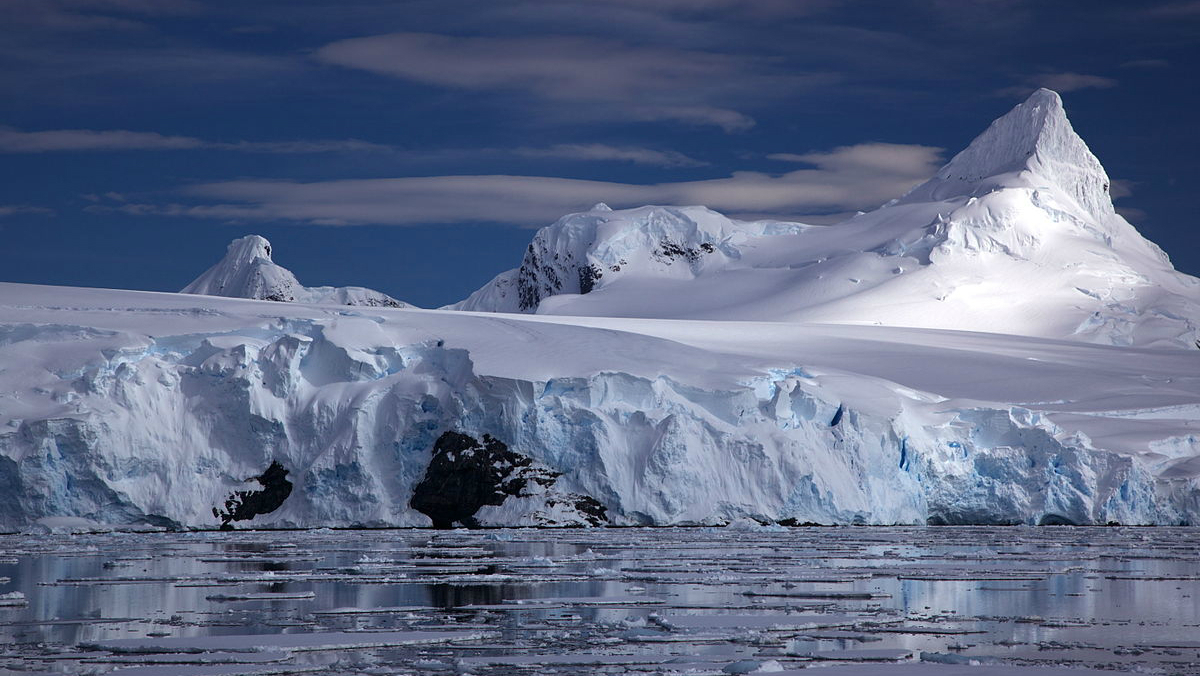
Prologue:
- Each individual has their own personal measure of time that depends on where they are and how they are moving.
- Historians are global storytelers.
- Historians in this book build knowledge of the past. These writrs are from all walks of life, for instance there is an archaelologist, poet, farmer, novelist and many more. They all have a craft …intellectual, artistic and technical skills.
- Questions raised….will I learn the answers in this book?
- How does writing of history differ from fiction?
- What is the interplay of evidence and imagination?
- What styles of art do we see in historical scholarship? (impress, still-life, pointillism, cubisim, magic realism?) NOTE: I never stopped to think of history in terms of art movements!)
- History is sometimes sees as just dates and facts. Historians show us that the past is alive and shifting.
Chapter 1: The Timeless Land: Eleanor Dark (novelist)
- Australia itself, the ‘timeless land’ seen through very different eyes.
- Eleanor Dark had captured something of the mystery of the land
- …the coming of time to a timeless land
- … a sense of the impact of European arrival on both Europeans and Aboriginals.
- The second novel in the trilogy, ‘Storm of Time’, ‘No Barrier’…
- …seeing Australian history though slightly different eyes.
- I looked on Goodreads and found this review:
- The Timeless Land (first published in 1941)
- is a work of historical fiction by Eleanor Dark (1901–1985).
- It is the first novel in The Timeless Land trilogy, which is about the
- European settlement and exploration of Australia.
- The narrative is told from English and Aboriginal points of view.
- The novel describes the first years of the colony,
- the attempts by Captain Arthur Phillips to impose
- European values and standards on the Aborigines.
- It also describes the famine suffered by the settlement, and t
- he devastating effects of introduced disease on the Aboriginal population.
- The novel ends in 1792, but the epilogue returns focus to
- Bennilong and provides a glimpse of
- …how his life has been dislocated.
- …Now I’m ready to read the essay:
- Eleanor Dark has been seen to be neglected
- as a female writer, social critic, Australian novelist and
- also as an historian. (see notes highlighted in Kindle)
- I read that ED most joyful moment was the 10 minutes after completion of her book
- …short-lived before the next bug bit. Writing for ED was physically and mentally hard ( research). This remined me to Helen Garner….she too was physically and mentally burdened by her writing!
- In her fiction ED was fascinated by time, the uneven flow and fabric of it was mysterious.
- Modern writers depict life in terms of fluidity, uncertainty rather than linearity and order.
- Waterway (1938) ED played with the subjectivity of time…its capacity to stretch or intensify in individual experience. I felt this while biking UP Alpe d’Huez…14 km UP. I thought time would go on forever….never end.
- I was curious how ED fared against TAstley on the survey ABR 2009 Australian best novels. 2 scored 2 while Eleanor Dark scored 4!!
- ED female character: believed in farming….and bravely advocating social change.
- ED ‘s character Caroline Chisholm The Peaceful Army ….she went into the heart of colonial history. Three shadows: treatment of convicts – emigrants – aborigines.
- ED’s fiction was disciplined with referenced facts. Historical novels took over her life. She became a slave to her respect for past reality…past time. ED wanted to write a more radical historical account, one from the inside looking out from her cave….
- ED’s Aborginal people were primitive in a material sense and their conditions of life seemed like those of animals, but there was something noble in their spirit.
- I found this book The Colony by Grace Karskens….it sounds very good…early history of Sidney! In her history the space between cultures was not a void…it was full of posibilites.
- A World-Proof Life by ISBN: 978 0 9802840 2 7
Marivic Wyndham…sounds great…but I can’t find it anywhere! Marivic Wyndham’s account of Eleanor Dark both runs parallel to and argues with (1901-1985) Eleanor Dark: a Writer’s Life, the biography Judith Clark and I published in 1998. Dark was a major figure in Australian writing from the 1930s to the 1950s; her work incorporates elements of modernism, popular fiction, and historical saga. The house where she and Eric Dark, doctor, left-wing writer and activist, lived is now Varuna: the Writers’ House, thanks to Michael Dark. Our biography aimed to allow Eleanor Dark to speak for herself; this book wrestles its subject to the ground. It presents different perspectives, highlighting the privileged (‘world-proof’) aspect of Dark’s life. There were tensions between the austere but safe middle class life of Varuna (with Eric’s support and perhaps over-protectiveness) and her aloofness and ideas of engagement and community. Eleanor’s up there in the clouds, Jean Devanny said. This book began as a thesis and the writer labours her points. Her argument makes artificial distinctions – ‘the artist’, ‘the radical’ – and confuses ‘feminist interpretation’ with ‘victim’. But there are some lively, well argued interpretations of events in Eleanor Dark’s life, and admirable moments when she brings a deeply private woman to life.
Chapter 2: The Journey to Monaro: (1898-1988) Keith Hancock (historian)
- Introduction to Hancock and like-minded writers. They wrote of regional history with a moral and evironmental edge: Margaret Kiddle – (Victoria’s western plains) – George Seddon (the Snowy, Searching for the Snowy) – Keith Hancock (Monaro) – Eric Rolls (scrub, Pilliga A Million Wild Acres).
- This chapter was not very intresting.
Chapter 3: Entering the Stone Circle: John Mulvaney (1925-2016) archaeologist
John Mulvaney applied objective scientific techniques to the chronology of ancient Australia. At times important finds were claimed exclusive ownership by the Aboriginal people. Mulvaney argued that human remains found should be reburied…of course…but in a ‘Keeping Place’ managed by Indigenous people. He believed this option would have future benefits to Aboriginal as well as non-Aboriginal.
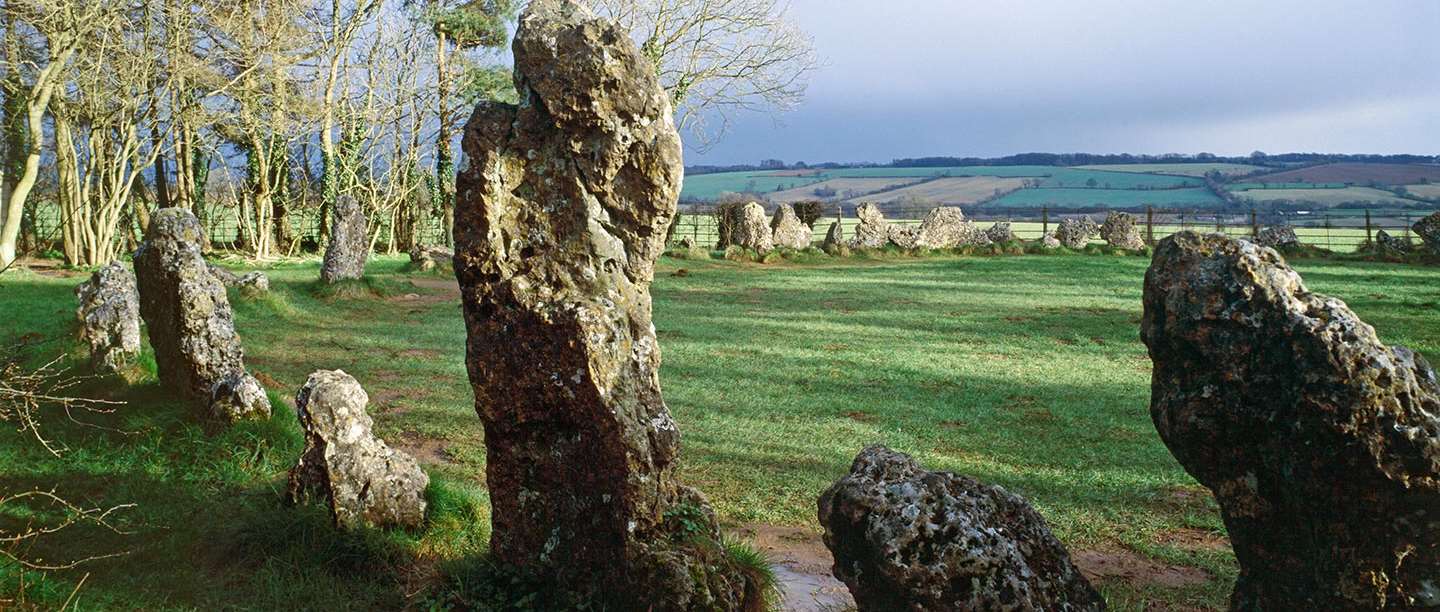
Mulvaney set out to use archaeological techniques and perspectives to humanise the past. Mulvaney was often identified as ‘the scientist’ bringing objective techniques to a world dominated by conjecture and prejudice. Yet he was also an humanist educating the collectors and some of his professional colleagues to the human drama of ancient Australia. Rollright Stones in England that so impressed Mulvaney during his studies in England.
Chapter 4: The Magpie: Geoffrey Blainey (1930)
- Blainey was always a loner. As an intelletual he championed people on the land. As a writer he took on the mante of speaking for ordinary Australians. As a literate man he celebrated their occasional illiteracy. He was a ‘public’ historian before his time.
- His natural world is of landscapes, elements and resources. It is there for humans to use ofr their profit or neglect to their peril. According to Blainey…it was not the open sea that shaped Australian civilisation, but the ecological reality of soil and climate.
- Surprising to read that Blainey thinks the pendulum has swung too far with reference to climate science. The pendulum will swing back again. He percieves another brittle and extreme mood, another fashion about to recede. I had difficultuy accepting this after having read Feeling the Heat by Jo Chandler!
Chapter 5: The Cry of the Dead: Judith Wright – oke…but not earthshattering
Chapter 6: The Creative Imagination: Greg Dening (1931-2008) (ex-Jesuit priest)
- “The only way to fail Professor Dening…was not to take a risk” (pg 100)
- Researched is characterized as heroic. Writing is instinctive. Creativity is unconscious. Insights are personal.
- According to Greg Dening …research is collegial and require courage; imagination need not be fantasy; freedoms do exist in non-fiction; creativity can be collaborative and communal; true stories are entrancing.
- Greg Dening urged his students to feel that all the arts of fiction were available to them in writing true stories, but alos aimedd to educate the public to a different understanding of the realm of imagination, to see the creativity in the telling of true stories. (Think or Helen Garner’s books!!)
- What is history according to Greg Dening?
- History is the discipline without a discipline, the one social science that aspires to represent the totality of human experience.
- “Discorse is unending…Nothing is discovered finally.
- The moments of understanding stand like sentences in a conversation.”
- THE BEST CHAPTER….it gave me skin shivers when I read the last words.
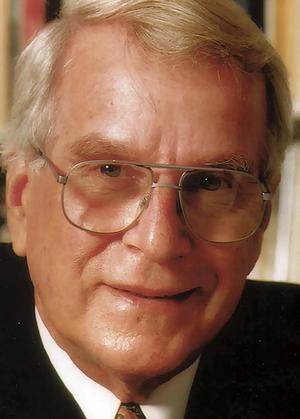
Chapter 7: The Frontier Fallen: Henry Reynolds (1938)
- Chapter in which I learned the most…about the ‘forgotten war’ and lawyer, historian Noel Pearson
- The struggle between professional standards and political ends that shaped th kind of historian Reynolds is: empiricist, rational, highly structured, heavily evidenced, reinforcing and repetitive, professionally conservative, accessible to the courts. Reynolds has always been a ‘just-do-it’ historian. His style is lean, linear and logical and it is honed out of his engagement with passion, politics and power.
- Forgotten War by H. Reynolds (READ??)
- Considered by many to be the current leading historian on ‘the great Australian silence’, Reynolds has written Forgotten War with a remarkably straightforward and erudite pen. Reynolds does not depend on the lyrical, hyperbolic language sometimes used by Australian histories to evoke the brutality of the past. Reynolds has remained scrutinisingly close to the sources he cites, and in doing so, he has produced a book that is accessible for the expert and the novice alike.
- Forgotten War is Henry Reynolds’ latest attempt to elevate the place of Aboriginal Australians in the national consciousness. It is a broad and meticulously researched overview of colonial Australia’s treatment of Indigenous Australia, and worthy of our most scrupulous attention.
- The Australian Frontier Wars were fought from 1788 to the 1920s between Indigenous Australians and an invading coalition of white settlers, militia, police, and colonial soldiers. Estimates of the total death toll range between 20,000 and 50,000 Aboriginal lives lost and between 2,000 to 2,500 Europeans.In a 5 year period the Aboriginals killed something like 250 settlers and no doubt many of them were killed but the ratio was much closer.
- Now 250 settlers killed in short period of time in a small colony brings it close to many of the other small wars Australia has been involved in. So just in terms of the conflict, the number of people killed, the damage done the cost of the conflict, that conflict in Tasmania must be seen as a war.
- Reynolds said that in the history departments he found no interest and people didn’t think it was a very decent or honourable thing to be researching (forgotten war). So there was resistance from people who didn’t want to know about this very terrible and brutal aspect of Australian history.
- I think the past is important. I’m a historian, that’s my profession but I think the past is important and I think that it is absolutely critical that we understand and appreciate and empathise with Indigenous Australians.
Chapter 8: Disobedience: Eric Rolls
- Chapter 7 Eric Rolls A Million Wild Acres….Tom Griffiths said this would be THE book about Australia he would put in the hands of any visitor to his country to help them understand it!
- I just ordered Rolls’ book all the way from Australia!…can’t wait to read it!
- Griffths thinks it is the BEST environmental history yet written of Australia! Les Murray condsidered this book to be like an extended, crafted campfire yarn in which everyne has dignity of a name. TONE: discursive (rambling…) and laconic (terse, concise)..like a saga ( Saga Land?)
- Rolls enchants the forest….and presents us with a speak land….raucous with sound! The whole book reads as if the trees themselves are telling the story! That delighted me!
- The central story is simple…it is in Rolls’ words….about the growing of a forest. Why was A Million Wild Acres so popular? It spoke directly to so many people. “…it is unique and path-breaking yet represented an organic integrity and a common vernacular.” (ref: The Art of Time Travel: Historians and Their Craft, T. Griffiths, ch 8)
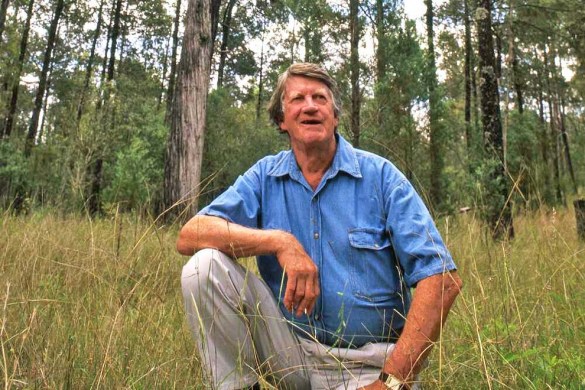
Chapter 9: Voyaging South: Stephen Murray-Smith (1922-1988)
- Antarctica – read enough about this in Feeling the Heat.
Chapter 10: History as Art: Donna Merwick – ex nun, married to Greg Dening
- Sorry, not even T. Griffiths could make this chapter interesting. :(
Chapter 11: Walking the City: Graeme Davison – so-so…learned what public history is!
- Davison set out his professional credo in his Monash retirement lecture:
- ‘To be a professor, to profess history, is to assume a responsibility, not just to practise one’s discipline, but also to advocate and defend it.
- At Monash he created a new post-graduate program in Public History.
- He aimed to train historians for employment outside the academy as commissioned historians and consultants.
- He wanted to narrow the gap between academic and public history.
- What is public history? Public history is deeply rooted in the areas of historic preservation, museum curatorship, and other related fields. The field has become increasingly professionalized.
- Most common settings for the practice of public history are:
- …museums, historic homes and historic sites, parks, battlefields, archives, film and television companies, and all levels of government.
- Davison studies not only cities….but also the decline of country towns
- …surburban myths and rural ideals.
- Graeme had long been interested in the city as a natural system. The city is both a machine and an organism. It has the tick of a clock as well as a heatbeat. Davison chose a clock and a car to reveal the inner workings of a city.
- Clock seeks to master time. Car seeks to master space. One is on your wrist….the other is in your garage. Both are personal, intimate, elegant accessories of our lives.
Chapter 12: History and Fiction: Inga Clendinnen (1934-2016)
- Clendinnen’s work focused on social history, and the history of cultural encounters.
- She was considered an authority on Aztec civilisation and
- …pre-Columbian ritual human sacrifice
Chapters: 13 Grace Karskens
- Winner of the 2010 Prime Minister’s Literary Award for Non-Fiction
- The Colony is the story of the marvellously contrary, endlessly energetic early years of Sydney.
- It is an intimate account of the transformation of a campsite in a
- …beautiful cove to the town that later became Australia’s largest and best-known city.
- From the sparkling beaches to the foothills of the Blue Mountains, Grace Karskens
- skillfully reveals how landscape shaped the lives of the original Aboriginal inhabitants and newcomers alike.
- Relationships between the colonial authorities and ordinary men and women broke with old patterns.
- She uncovers the ties between the burgeoning township and its rural hinterland.
- Grace Karskens teaches Australian History at the University of New South Wales.
- She is the author of The Rocks: Life in Early Sydney
Chapters: 14
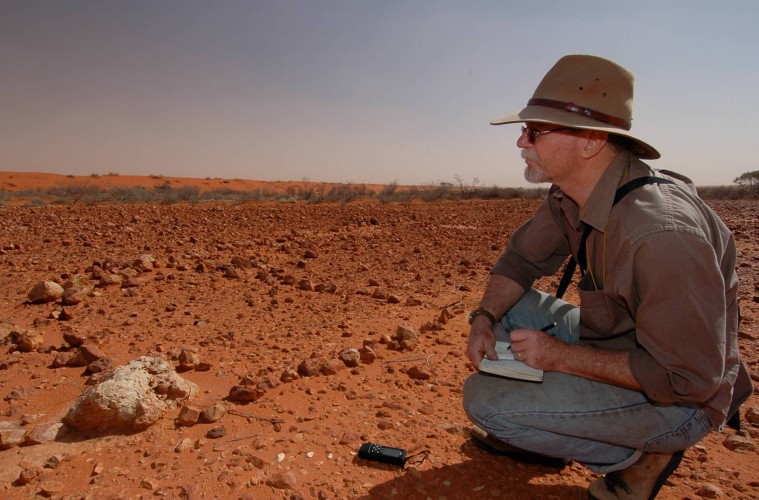
Mike Smith – Archaeology of Australia’s Deserts
-
- This is the first book-length study of the archaeology of Australia’s deserts
- It is one of the world’s major habitats and the
- …largest block of drylands in the southern hemisphere.
- Written by one of Australia’s leading desert archaeologists,
- …the book interweaves a history of research with archaeological data.
- For all its global significance and uniqueness, the story of Australia’s desert societies gets scant treatment in accessible science texts.
- A story that covers 60,000 years of development, change, growth and consolidation seems so important to understand.
- It is a compelling picture of societies responding to climactic conditions, changing technologies and social organisation to survive.
- Smith decided he wanted to be an archaeologist at the end of primary school!
- Smith has a gravediggers certificate! Stratigraphy is a key concept to modern archaeological theory and practice. Modern excavation techniques are based on stratigraphic principles. The concept derives from the geological use of the idea that sedimentation takes place according to uniform principles. When archaeological finds are below the surface of the ground the identification of the context of each find is vital in enabling the archaeologist to draw conclusions about the site and about the nature and date of its occupation.
#Non-fiction Writing Deep Scenes
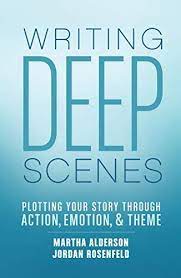
- Author: M. Alderson
- Title: Writing Deep Scenes
- Published: 2015 (248 pg)
- Genre: non-fiction
- Monthly plan
Goals:
- What did I learn?
- Goals (tangible) –> provide motivation
- Obstacles–> provide tension
- Potential for loss –> provides action
- Action? forces the main character to change
- If I remember just these 4 tips
- I should be able to discover the essence of a story
- …which will make reviewing the book much easier!
Emotion:
- What did I learn?
- Concentrate on the ’emotional reactions’
- of the main character in the first 25% of the book!
- These reactions identify/introduce character to the reader.
- Compare these reactions to who the main character
- …what he/she becomes at the end of the book.
Conclusion:
- I did not like this book.
- Chapter “The Basics” was good but I found
- that the rest of the book was a string of repeated phrases
- and simple concepts.
- The book was filled extraneous material!
- Examples are good, there’s such a thing as excess.
- I preferred: Plot and Structure


#Non-fiction This Thing Called Literature
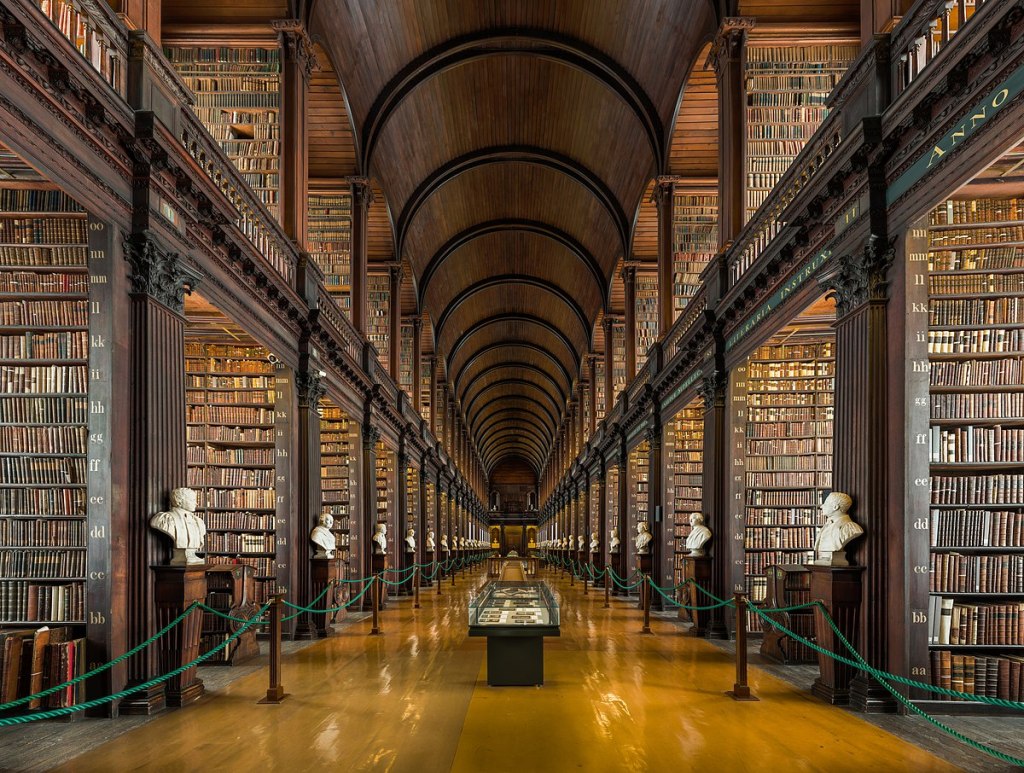
Library Trinity College Dublin, Ireland
APRIL
 by Andrew Bennett (no photo)
Finish date: 03 April 2022
Genre: Non-fiction
Rating: B
Review: This Think Called Literature (ISBN: 978-1408254011
Bad news: Information how to read poem, short story and novel was as rich and dense as wedding cake, and just as hard to digest…in anything more than the smallest portions. At one point my eyes glazed over. Tropes were familiar: “A poem should no mean …but be.” (Archibald MacLeish) A short story produces “single effect”(E.A. Poe), A novel asks questions what it means to be human.
Good news: Offers practical tips and new ways of thinking about the familiar. This book did make me think about a thing that has troubled me: Why do I think a book is awful? Is it really the book…or is it me? Chapter “Thinking” (pg 79) is really an eye-opener!!
Best chapter: How to read a play. I learned so much in this chapter. It made the book worth reading.
Best tip: BEFORE you start the play…read a critical essay or the Sparkenotes. It will help you find the details, the allusions…and in general the historic context.
Personal: I love to learn about literature. The only thing I really liked in this book was….it gave me some “food for thought”. I rarely ask the question: Why do some works of literature travel through time while others cannot?
Why is Shakespeare still relevant?
Why is Jane Eyre more than just a romance?
Answer: These literary works change every time we read them…that is their enduring strength. Be prepared to cherry pick…the best items of information for your own benefit. There is much to learn but you have sift through a lot of examples Mr. Bennett uses to support his arguments.
Last thought: Play: BOYS AND GIRLS (ISBN: 978-1786823144)
2018
Staring one actor: Carey Mulligan
What a gripping play…I’ve never forgotten it. by
by  Dennis Kelly
- Dennis Kelly: Kelly was born to Irish parents in London and
- is always described as a “London- based writer”.
- He is comfortable describing himself as second-generation Irish and
- indeed he holds both an English and an Irish passport.
#BlackHistoryMonth Unbound
FEBRUARY
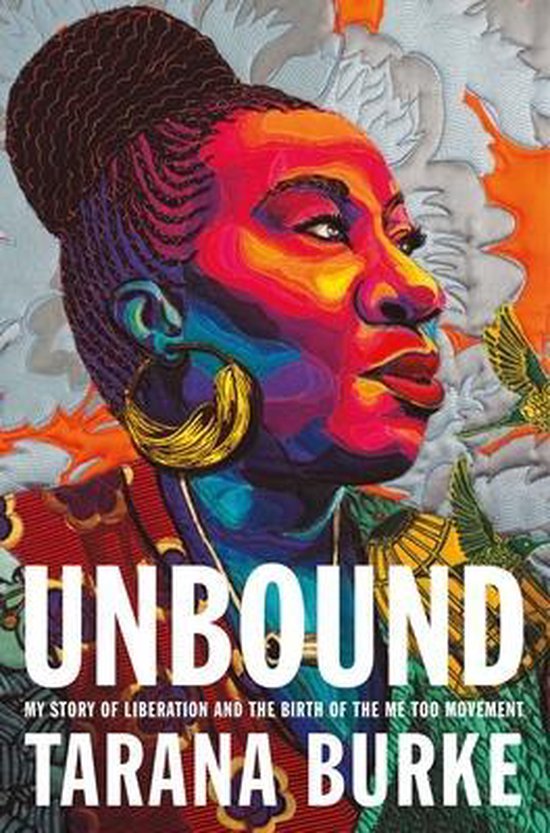
33.  by Tarana Burke (no photo)
Finish date: 24 February 2022
Genre: memoir
Rating: B
Good news: #MeToo Movement: The movement was started in 2006 by a Black activist named Tarana Burke. Initially, the movement was focused on women of color….and their experiences with sexual violence. In 2017, white women began using the phrase as a hashtag. Their embrace caused the movement to gain a great deal of prominence This is Ms Burke’s story…
Personal: To quote the author just sums up the core message: “When you’ve experienced trauma, it fundamentally destroys part of you. But that doesn’t mean that what you create from those pieces isn’t a beautiful thing.” I must admit….this was a difficult book to read. To Ms Burke’s credit who is a survivor of sexual assault herself, she has made it her mission with the #MeToo Movement, to find a way to let other women know that they were not alone. Intense…and unapologetically frank…fearless memoir that I probably never would have read…but it is a way to challenge myself to learn who Tarana Burke is and why she is a survivor. Ms Burke was one of the TIME’S persons of the year: The Silence Breakers.
#NF The Crossroads of Should and Must

17.
 by
by  Elle Luna
Finish date: 20 January 2022
Genre: Non-fiction
Review:
Bad news: Collage slogans: Reading is disrupted by a waterfall of illustrations/taglines on practically every page! Less is more…..
Layout: Pages are a smattering of paragraphs and inspirational quotes…and the book could easily have been 80 pages instead of 160.
Bad news: Ideas in this book feel like they have been written on a laptop between Chia Lattes at Starbucks…highly-caffeinated content. When I closed the book an empty feeling of wasted reading time engulfed me.
Bad news: How to remove ‘should’ from our lives? Is this something I need to do? Really…there are plenty of “ should” we have to keep. Work: Like your job or not…a “girl’s gotta eat and pay the bills!”
Bad news: I shudder reading the “self-awarness” therapy exercises this book offers…skipping this “should” chapter. No…I do NOT want to write my obituary (part III Must, pg 80)…jich!
Good news: One thing I did like “Acquire one new skill a month…try new activities.” I can do that. No, I will not try to do headstands. Integrating solitude into our lives must be done. Well, during a pandemic that is a very easy lift! Find solitude in the craziest places…NO, I will not wash a head of lettuce leaf by leaf for a “kitchen” moment of meditation!
Personal: Why did I buy this book 7 years ago? Read in 1,5 hrs….learned nothing.
#DontWasteYourMoney
#NF Dawn of the Belle Epoque
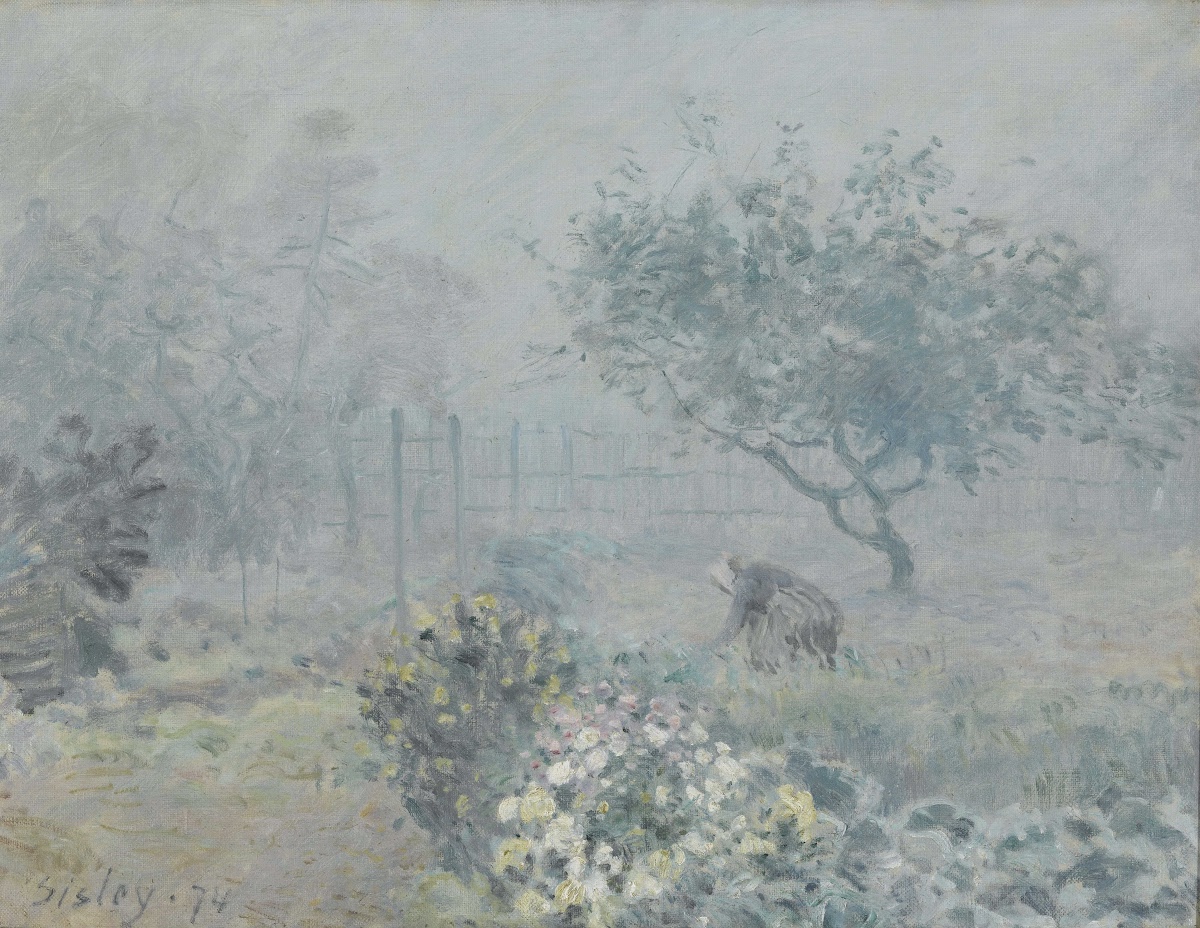
Alfred Sisley: Fog, Voisins (1874)
JANUARY
 by
by  Mary McAuliffe
Finish date: 17 January 2022
Genre: Non-fiction
Rating: A
Review:
Bad news: No book is perfect…but I had to think very hard to find a minus point in this book.
It was long (400 pages). That is a lot to cover in 2 days. I have the next book on my reading list but will have to wait until I digest this one. Rightly Ms McAuliffe touches on the politics and science (..few pages about Mme Cure) in the Belle Epoque. Honestly, I’ve read about – seen movie about The Dreyfus Affair so felt I could skim these pages. Also George Clemeanceau and all his band of merry men…don’t interest me. Also…there were not many illustrations in the book so I had to depend on Wikipedia/Google.
Good news: Now the real reason to read this book is the world of literature, art, music and engineering! 75% of the book is about the wonderful world of French painters who dazzeled the world. We all know the list of names but I fell very much head over heels reading about Pissarro. He tends to fall into the back round when you think about Van Gogh, Renoir, Degas, Manet brothers and Monet. But Camille Pissarro was the father figure who nurtured and held these men together! PS: Did you know Pissarro was born in St. Thomas, Virgin Islands?
Good News Having read bio’s about B. Morisot and V. Hugo I could quickly get through the first chapters. Also I’ve read all 20 of Zola’s Rougon-Macquart books….so references to Nana or L’Assommier, L’Oeuvre were familiar characters to me. I knew nothing about the great 4 composers Claude Debussy, D’Indy, Ravel and the wonderful Saint-Saëns. If you do anything listen to his Carnival des Animaux on Spotify…just breathtaking. This book contains tidbits of information that have slipped between the cracks of Wikipedia!
Good news: There were interesting chapters about the history of
the Pantheon in Paris (…..Victor Hugo thought is a wretched copy of St. Peter’s in Rome!) Statue of Liberty – Eiffel Tower. There were…steamy love affairs: between Debussy and older Mme Vasnier (married). Another affair between Claude Monet and Mme Alice Hoschedé (married) was very touching…they stayed devoted to each other for life! Loved the back round information about Rodin’s famous sculpture “The Kiss”…was it inspired by his affair with Camille Claudel or Dante’s Inferno 2nd level Francesca en Paolo?
Good news: Auguste Escoffier shook-up the world of haute cuisine and created Pêche Melba for Australian singer Nellie Melba and Fraises Bernhardt for Sarah, the great French actress. He was just as revolutionary as anything Rodin, Seurat, Debussy or Gustave Eiffel were doing! He looked at restaurant meals from a woman’s point of view….as every chef should!
Good news: Did I learn something I never heard about? Sarah Bernhardt was not only an actress but also a sculptor. I got a peak at the installation plans for the Statue of Liberty and Tour Eiffel. Learned about the uproar the controversial sculpture The Bronze Age by Rodin created. The model was a Belgian soldier and so lifelike no one believed it was not made with a plaster caste of the body! What a body! (see Wikipedia)
Personal While reading this book I had Spotfy to listen to the music of the composers and Wikipedia to have the many works of art (don’t forget the beautiful Art Nouveau illustrations by Alphonse Mucha….beautiful!) by the painters at my fingertips. It is the best way to read this book. Finally after having collected dust on my TBR for 5 years…I discovered this gem!
#MountTBR2022
#Cultural History Motive for Murder?
6.  by Stephen Kern (no photo)
Finish date: 09 January 2022
Genre: cultural history
Rating: C
Review:
Stephen Kern is an Distinguished Research Professor so I should not have been surprised how ‘academic, scholarly’ this book was But I was a bit bushwhacked. My rating is still C because the book delivered exactly what was intended but it was a difficult read.
Good news: Kern examines a specific factors or motives for murder.
Insightful to read the differences between
19th C Victor Hugo/Charles Dickens:
overbearing religious training producing killers like Frollo Hunchback of ND and Headstone Our Mutual Friend
20th C Patricia Highsmith/André Gide protecting loss of identity (Tom kills Dickie Greenleaf) in The Talented Mr. Ripley and the desire to commit a ‘motiveless crime’ (Lafcadio pushes man to his death on a train …for nothing. In other words: “I kill, therefore I am!”) in Lafcadio .
Bad news Not really bad….but you should be warned this book is not for the fainthearted!
Personal There is a lot to be learned in this book and if you see it in the library….take a look!
The best advice I can give is to skim the chapters and select the items that refer to a books (literature) that catch your eye. I will certainly look more carefully in CF, detectives and novels for the
true motive (class difference, greed, fear, revenge, hatred, sexually repressed, traumatic childhood) for murder!
#Biography Thomas Becket

Academy Awards, USA 1965 Becket (Peter O’Toole and Richard Burton)
JANUARY
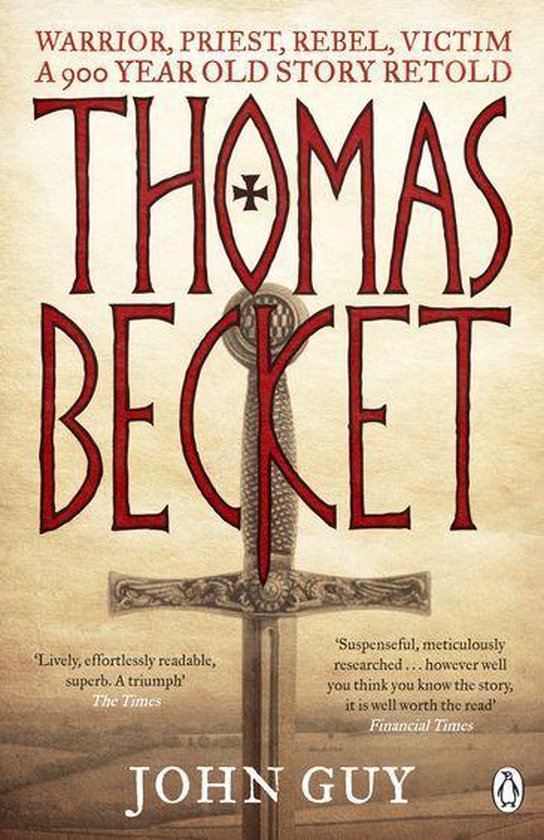
Thomas Becket by John Guy
Finish date: 05 January 2022
Genre: biography
Rating: B
Review: From my notes I see that the book captured
my interest starting with the “broken relationship” between King Henry II and Thomas Becket in chapter 12. So You have to plod on during the first 40% of
the book that was just a description of a middle class man who climbed the social, academic and political ladder. I was impressed by Becket’s mother and how keen she was to see what her son needed for his future (education etc).
Bad news: Some key issues (Constitutions of Clarendon 1164, turning point in king-archbishop relationship) took a few chapters to get through. Tip: read about people/issues quickly on Britainexpress.com ( great reference website ) and it will save you time. The chapters can be ‘skimmed’ if you then wish.
Good news: This book really gave me an idea what happened in that period 1120 (birth) – 1170 (murder) -1220 (veneration of the saint). Focus is on the ruthless, untrustworthy vindictive character of King Henry II and Thomas Becket, Archbishop of Canterbury the ambitious, uncompromising zealot and how they clash. Sparks fly!
Personal: The only history about Henry II I knew was from the movie Lion in Winter with Peter O’Toole and Katherine Hepburn. I loved the film. It takes place years after Becket’s murder and I must admit Henry II is painted in the embellishment of Hollywood colors and does not divulge what (excusez le mot) a badass he was! Hepburn brought Eleanor of Aquitaine alive for me and I’ve read more books about her.
Trivia: She was one of the longest living royalty in the Middle Ages…reached the age of 82 and outlived 8 of her 10 children.
#WorthYourReadingTime
(published 2012, 448 pg)
#Non-fiction Things I Have Withheld (essays)
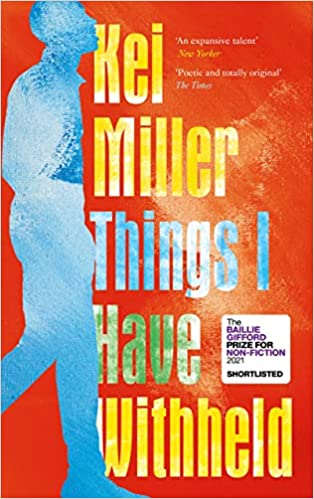
- Author: Kei Miller
- Title: Things I Have Withheld
- Published: 2021
- Genre: essays
- Monthly plan
- #ReadDiversely
- Trivia: Finalist for Shortlist 2021 Baillie Gifford Prize for Non-Fiction
Quick Scan:
- The first thing that impressed me was the title:
- Things I Have Withheld
- This book explores the meanings of silence and the things we cannot say.
- There are letters to James Baldwin and Kenyan writer Binyaranga Wainaina.
- But Miller also offers musings on his family’s secrets….
Who is Kei Miller?
- He is my selection for #ReadingDiversely
- Caribbean literature.
- Kei Miller is a Jamaican poet, essayist, and novelist. (info wikipedia link)
- He is currently Professor of Creative Writing at the University of Exeter.
Conclusion:
- These are high quality essays
- …w
- Unfortunately only 6 of the 14 essays touched MY soul.
- The introduction is the hook… very personal, powerful.
- Miller’s first letter to James Baldwin was absolutely wonderful!
- Second essay: Mr. Brown, Mrs. White and Ms. Black
- highlighted the classism “…on these rocks that we call islands
- …that we call home.”
- The author shines as a storyteller in the essay that will catch
- every reader’s eye The Old Black Woman Who Sat In the Corner
- But after the first 6 essays there was less storytelling and more ramblings.
- The result is a mish-mash names, observations during Carnival in Kingston
- …trips to Kenya and Ghana Africa and he text drowns in a sea of memories.
- Mr Miller tries to bookend the collection in the last essay
- …another letter to James Baldwin that was not as good as the first
- …but by now my interest was waning.
- #GoodRead essays 1-6 then
- ….I say try it and see if your like it more than I did.
#AusReadingMonth 2021 Wrap-up post
- It has been a long summer…
- filled with climate change events COP26 (fires, hurricanes, floods)
- ….USA finally ending a 20 yr war….(…exit was messy)
- ….battle to control Covid #DeltaVariant and now
- …a new #OmicronVariant continues!!
- I always look forward to #AusReadingMonth2021
- @bronasbooks (This Reading Life)
- ….and want to thank her for doing a wonderful
- …job hosting and reviewing!
For #AusReadingMonth2021 I read:
- Coda – Thea Astley (1994) (novella) REVIEW
- The Year of Living Dangerously – ( 224 pg) Chris Koch (1978) REVIEW
- Vertigo: A Novella – (144 pg) Amanda Lohrey (2008) (novella) REVIEW
- The Newspaper of Claremont Street – Elizabeth Jolley (1981) (novella) REVIEW
- Tea and Sympathetic Magic – Tansy Rayner Roberts (novella) REVIEW
- I’m Ready Now – (156 pg) Nigel Featherstone (novella) REVIEW
- Australian Food – Bill Grannger 2020 REVIEW (cookbook)
- Always Add Lemon – Danielle Alvarez REVIEW (cookbook)
- In Praise of Veg – Alice Zaslavsky REVIEW (cookbook)
- Basics to Brillance – Donna Hay (398 pg) 2017 REVIEW (cookbook)
 NancyElin.blog