Skip to content

Posts from the ‘non-fiction’ Category

9
Jun

Mackellar: How to Get There


Introduction:

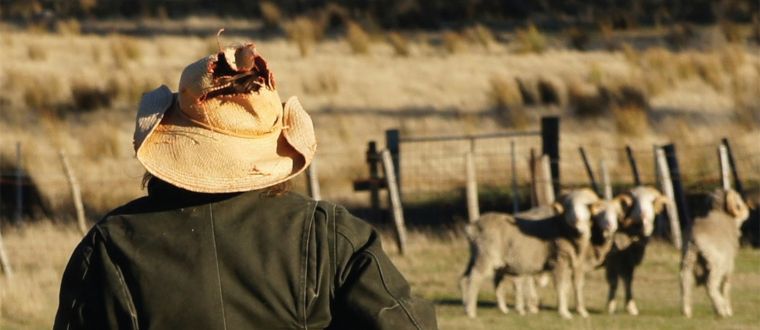
  1. I read an essay by Maggie Mackellar last year in
  2. The Best Australian Essays 2016
  3. …and was very impressed.
  4. Mackellar has had a tough life
  5. …death of young husband, single mother… but she is resilient.
  6. I want to read how she sets out her new life in Tasmania.


Conclusion:

  1. I had my reservations about the book in the first few chapters.
  2. Mackellar was describing her new relationship with Jim and
  3. the move to Tasmania in micro-details.
  4. But soon after reading the “inner thoughts’ pages between chapters
  5. …I was drawn into Mackellar’s world.
  6. “I promised  myself I would never trust again.
  7. How does anyone ever learn to love again.”
  8. Through every small opening in life
  9. …through rips and tears and tatters….life pours.
  10. Mackellar: “I’ve raised these kids,
  11. I deserve some companionship, some love.
  12. I’ve done this on my own for 10 years.”
  13. Mackeller struggles to set down roots in Tasmania:
  14. a new love….compromise chips away at identity
  15. writer’s block
  16. homesickness..the acid rain that leaches into happiness.
  17. “Home, I must learn to say home.” (ch 6)
  18. This was a great read in which
  19. …Mackellar pours her heart out
  20. …and I mean that in a good way.
  21. “Sitting in the quiet I also fear my own inadequacy
  22. …to be the woman all these people need me to be.”
  23. #Insightful


Last thoughts:

  1. I dare you to read this book
  2. …especially the last 3 chapters + epilogue without
  3. feeling emotional, a welling up in your eyes
  4. …..as you try to reach out to Maggie Mackellar.
  5. I wanted to tell her
  6. …your book? your life?
  7. …..Job well done!


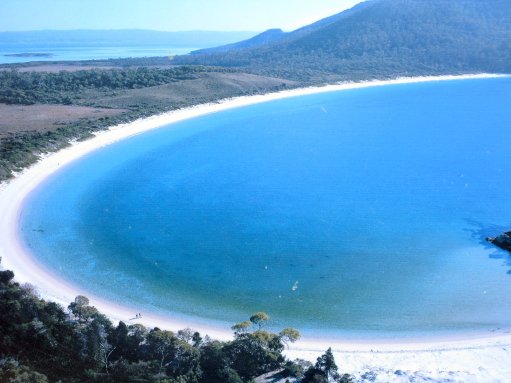
Wineglass Bay, Tasmania 

  1. This is the view Mackellar had during
  2. …her few days of solitude writing.
  3. This is one  of the most beautiful beaches in the world!

4
Jun

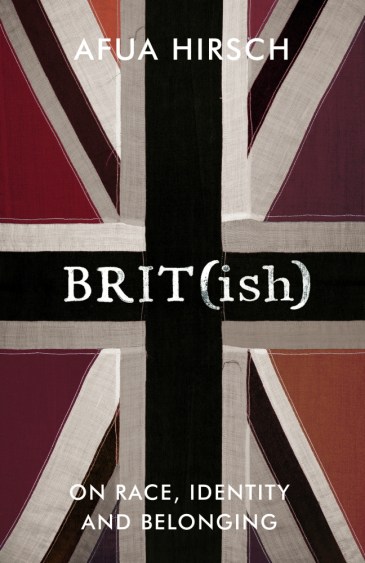
Afua Hirsch: Brit(ish)

UPDATE: 04.06.2020 –

  1. POWERFUL article in The Guardian today…. by Ms Hirsch
  2. with her insights about racism triggered by death
  3. of….George Floyd (25.05.2020) in Minneapolis Minnesota USA.

Who is Afua Hirsch?

She is a writer born to a British father and an Ashanti mother from Ghana. She is a broadcaster, barrister and human rights development worker. Hirsch has graduated from the Cambridge University. She studied Philosophy, Politics and Economics at St Peter’s College, Oxford. She also took the Graduate Diploma in Law at the BPP Law School.

What was the ‘hook’  in the book that kept me reading?

The ‘hook’ in this book is the frank and honest prologue. Hirsch explains the different worlds that clashed when she began a relationship with her partner Sam. They lived just miles apart…but that translated into worlds apart. This was absolutely an open and sometimes brutal look at the influence one’s environment (council estates vs Wimbledon) has on future opportunities.

When did I read this book?

I could not have timed this book at a better moment
Today is the tennis clash of the year 2018: The powerful American sportswoman Serena Williams vs Siberian princess Maria Sharapova. In chapter 3 Hirsch gives the reader in ‘inside’ view of the whitest suburb in London during the whitest 14 days of the year: Wimbledon. Afua Hirsch reveals some of the most unkind comments hurled at Serena by commentators. It is heartbreaking to envisage this type of abuse. It is admirable to read how Serena Williams deals with “…the era of racism without racists….it the story of my life.” (ch 3)   UPDATE:  04.06.2018 –  Another blatant example:  “A sports journalist has been forced to apologise after asking Serena Williams if she was ‘intimidated’ by rival Maria Sharapova’s good looks ahead of their French Open showdown on Monday.”  UPDATE:  04.06.2018  – Ms Williams pulls out of the French Open due to a pectoral muscle injury.

Why is this book so engaging?

Afua Hirsch is brutally honest.  She has revealed how many black people are outside their comfort zone every day in the way they feel their bodies as dictated by the standards of what is beautiful.

What made the most impression on me?

There were too many things to mention!  I was amazed at  details that Hirsch comments on….things I would never have known or noticed. She talks about the unspoken, unwritten rules one must follow being black at work. There are things that cannot be said for fear of making colleagues feel uncomfortable.

Conclusion:

  1. With the impressive list of accomplishments and
  2. …degrees in philosophy, politics, economics and law
  3. …still her colleagues look at her askance.
  4. It makes them feel uncomfortable when they realize
  5. Afua Hirsch has so much in common with cleaners in the building.
  6. Luckily for us Hirsch has learned to channel all
  7. her skills  to give us a book that must be read.
  8. Ms Hirsch has crossed the boundary between race and status.
  9. She has broken the rules.
  10. I am so happy she did and made me aware of the
  11. color-blind-racisim that still exists…
  12. “…racisim with a smiling face.” (prologue)
  13. #Powerful  #MustRead

2
Jun

Indie Book Award Non-Fiction 2018 Saga Land


Introduction:

  1. Saga Land is a heartfelt tribute to Iceland and its Viking history by
  2. Richard Fidler (Australian writer/radio presenter)
  3. and his friend, Kári Gíslason (Australian/Icelandic writer/academic).
  4. Kári Gíslason was born in Reykjavik to an Australian woman named Susan
  5. …and her Icelandic lover named Gísli.
  6. Gísli begged Susan to keep his identity secret.
  7. When the son Gíslason returned to Iceland
  8. …as a young adult he contacted his half-siblings.
  9. At a family get-together Gísli (father) told
  10. ..Gíslason (illegitimate son) that he was
  11. descended from Snorri Sturluson.
  12. He  was Iceland’s most famous saga author.

Goal:

  1. Fidler and Gíslason embarked on a journey to Iceland with two purposes:
  2. to make a radio documentary retelling some of the sagas
  3. to discover whether Gíslason really is descended from Sturluson.
  4. Saga Land records their two trips to Iceland.
  5. The radio program went to air in 2016 and is now a podcast.

Structure:

  1. The book is divided into four parts.
  2. Fidler and Gíslason taking turns to tell the story.
  3. The stories  are woven skilfully into the narrative of the road trip.
  4.  — Fascinating insight into Iceland’s little-known history and literature.
  5.  — Compelling story of one man’s quest to reclaim his identity.

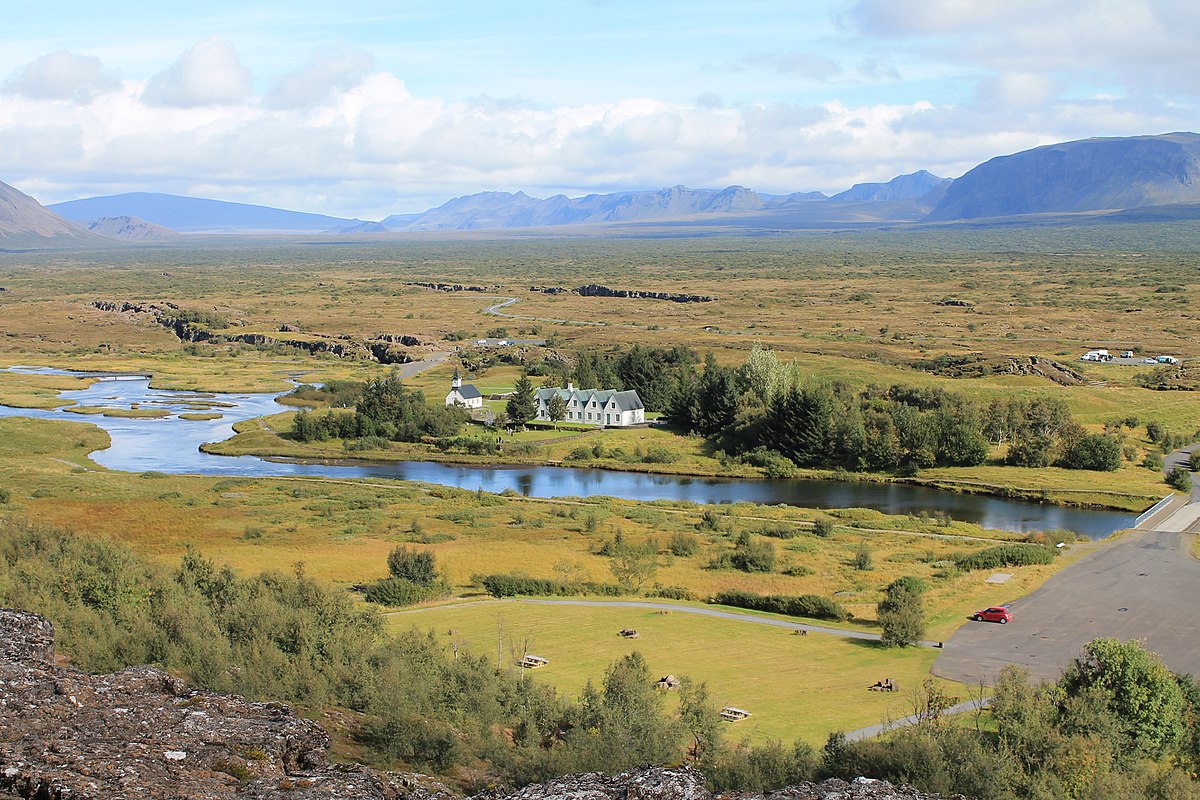
Thingvellir (assembly valley), Iceland


What is a saga?

  • The sagas are the true stories of the Vikings
  • ….who settled in Iceland in the Middle Ages.
  • They are tales of honour and revenge.
  • Richard and Kári travel across Iceland
  • to the places where the sagas unfolded a thousand years ago.
  • They cross fields, streams and fjords to
  • immerse themselves in the folklore of this fiercely beautiful island.
  • There is another mission: to resolve a longstanding family mystery:
  • …a gift from Kari’s Icelandic father
  • …that might connect him to the greatest of the saga authors.


Conclusion:

  1. Kari Gislason takes the reader
  2. …on a personal journey to find his roots
  3. Kari  spoke no more than 100 words with his father
  4. …saw him only 4 times in his lifetime.
  5. But father and son shared a few special secrets.
  6. This book describes an incredible family reunion.
  7. Kari takes his sons to meet their grandfather…(grave).
  8. Richard Fidler was co-author with Kari and together they
  9. explored Icelandic history and the 13th C literature of sagas.
  10. All elements of the book (history, literature, families) are
  11. equally balanced and the chapters alternate seamlessly
  12. …to keep you reading and wondering about Iceland.
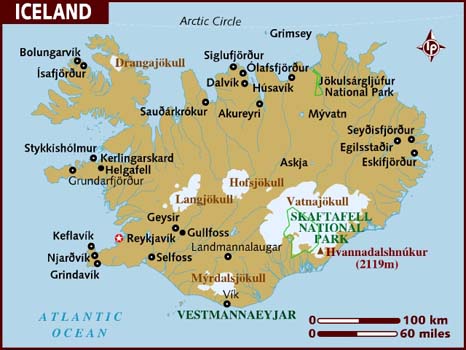
  13. I needed to follow the chapters while google-ing images of
  14. Isfajordur, Helgahell, Thingvellir….etc.
  15. I knew nothing about  Iceland....
  16. …and now I want to visit the country!
  17. #WorldFromMyArmchair   read

Aurora Borealis in Glacial Lagoon Iceland

24
May

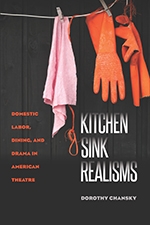
Kitchen Sink Realism

Author: Dorothy Chansky

Genre: non-fiction
Published: 2015
Rating: B

Domestic labor has figured largely on American stages.
The genre “kitchen sink realism” both supports and challenges
the idea that the home is naturally women’s sphere.

1920’s – popular plays staged the plight of women seeking escape from the daily domestic grind
Ambush (1921)
1930’s–  recognized housework as work!
Awake and Sing (1935)
1950’s – maids gained a complexity previously reserved only for leading ladies.
Member of the Wedding (1950)
1960’s – problems and comforts of domestic labor in homes took center stage.
Raisin in the Sun (1960)

Conclusion:
This is comprehensive analysis of kitchen and sink realism. Dorothy Chansky highlights plays that I never heard of  – Mine Eyes Have Seen (1918),  – Aftermath (1919) –  and it took some effort to immerse myself in them. Chansky discusses more than 20 different plays!  I did discover 2 female playwrights I would like to read:
Rachel Crothers – one of the most successful dramatists first part of 20th C.
Georgia Douglas Johnson – one of the earliest African-American playwrights. She was a participant in Harlem Renaissance.
If you are interested in drama and the societal impact these plays have had in the 20th C…this  book is for you!

23
May

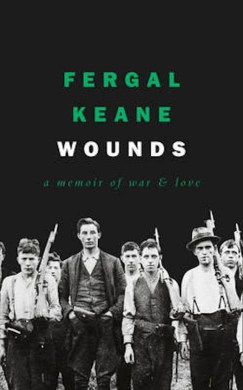
Wounds


Introduction:

  1. Keane wants us to  understand the forces that produced
  2. the Irish War of Independence and Civil War.
  3. Keane zooms in and tells us his personal story about
  4. his town of Listowel, North Kerry Ireland.
  5. They all joined the revolution:
  6. grandmother Hannah,
  7. …her brother Mick and his friend Con.
  8. They took up guns to fight the British Empire.
  9. “This was to be a revolution of steel not poetry” (pg 26)


Notes:

  1. Land:  ch 1
  2. It was an important  theme in this book
  3. …who lost it,  stole it, worked it and who  gained from it.
  4. Nothing was so political than
  5. …the ground beneath your feet.
  6. Keane’s father would tell his son: “What you have, you hold.”


  1. Justice?  ch 3
  2. It was not an easy life in Ireland 1879-1885
  3. ….famine and the start of the Land League.
  4. If a farmer declined to enter the organization
  5. he could expect to be boycotted,
  6. …experience cruel physical retaliation
  7. …or one day a bullet in his arm, if not his head.
  8. A network of secret groups sprang up across the country
  9. …to mete out the people’s justice.


  1. Auxiliaries and Black and Tansch 5
  2. This is the first book about Irish history
  3. …that  I have read  that has gone into such detail about
  4. security death squads and the
  5. scale of brutality meted out to civilians.
  6.  in the 1920’s…#Shock.


  1. Flying Columns: ch 6
  2. This was a small, independent, military unit capable of rapid mobility
  3. It is often an ad hoc unit, formed during the course of operations
  4. Political violence seems to simmer in Ireland…over centuries.
  5. Core tenet: Britian could only be drivan from Ireland by force.


Strong point:   reads like a novel!

  1. The cover says it all Wounds…love and war.
  2. 50% of the book is a telling of the routine harassment
  3. …ambush, reprisal and assassination in the area
  4. Listowel, North Kerry Ireland.
  5. I expected a dry account of the Irish Troubles
  6. …but Keane has infused Irish history with  journalist flair.
  7. The conflict between Republicans and Nationalists is fought out
  8. like a two-hander fist fight in front of the reader.


Conclusion:

  1. I am proud of my Irish roots.
  2. But after reading this book…
  3. now I know why I’m so proud.
  4. Ireland suffered through a War of Independence,
  5. a Civil War and has emerged as a country
  6. that has learned to respect and live with each
  7. other’s differences.
  8. Fergal Keane’s book reveals  in the last 4
  9.  ….chapters his very personal story.
  10. “Memory is no longer a penance” (pg 299)
  11. #MustRead


Fergal Keane – Anglo-Irish Foreign correspondent with BBC News

1
May

Cardinal Pell


Review:

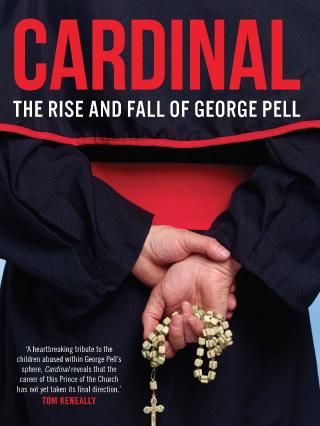
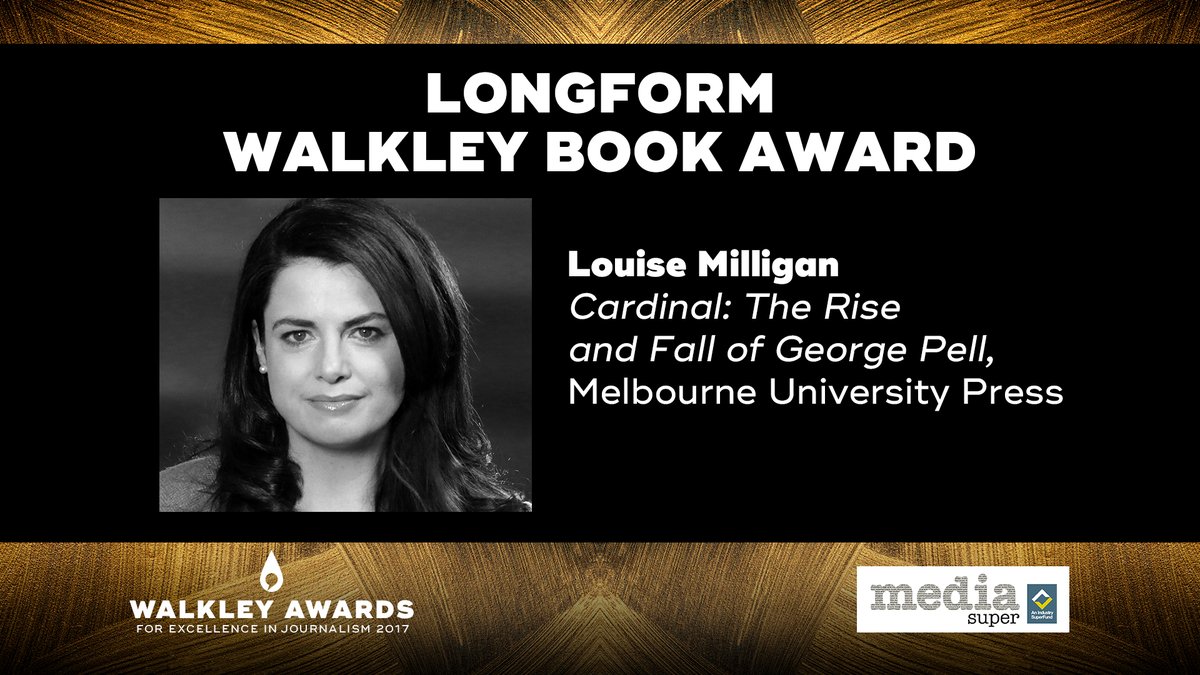
  1. The winner of the 2017 Walkley Book Award is Louise Milligan.
  2. This her explosive book about…. “Cardinal: The rise and fall of George Pell”.
  3. Louise Milligan’s book examines Australia’s
  4. most senior Catholic through the lens of the child abuse saga
  5. …which has dogged the Catholic Church.
  6. She tells how George Pell rose from Ballarat boy to Oxford.
  7. He rose through the ranks to become the Vatican’s indispensable “treasurer”.
  8. Louise Milligan  is an excellent investigative journalist
  9. …who has followed the story doggedly
  10. She pieced together the story with sensitivity and care
  11. ….from thousands of pages of historical documents
  12. ….and interviews with hundreds of people.
  13. The book has had an enormous impact.
  14. Last thoughts:
  15. I discovered this book by accident:
  16. …winner of the Walkley Book of the Year Award 2017
  17. The investigation is ongoing….
  18. …Cardinal Pell will appear in court on 05 March 2018.
  19. This book is groundbreaking
  20. ….and nerve wracking for the Vatican.
  21. It is impossible to add anything else to this review.
  22. My mind is exhausted and I am stunned and speechless 
  23. …about  the cover-ups concerning  George Pell and child abuse by the
  24. …Catholic Church.
  25. #MustRead


18
Apr

Pulitzer Prize 2018: Locking Up Our Own

Perspective:

As a lawyer who started his career as a public defender in Washington D.C., Forman retains a pro-African American perspective for the entirety of the book.

Goal:

His goal is an honest retelling of the struggles the black man is up against:
arrests for minor marijuana infractions, opiate crisis getting worse particularly among blacks, racial profiling and guns. “From Wyatt Earp to the Godfather…USA misleads their young people who think they can secure their manhood through the barrel of a gun.”

Strong point:

With a fact-based approach Forman effectively presents the story of the racial injustice and inequality that is unchecked in Forman’s area of Washington D.C. . The War on Drugs that started in 1970’s did more harm than good resulting in mass incarcerations of black men.

Tone:    Forman maintains a level-leaded and intellectual tone throughout the narrative.

Weak point:

The book begins slowly and the first 2 chapters (legislation drugs and guns) did not ‘grab’ my attention. But once I reached chapter 3 “1948-1978 – Rise of African American police” I was hooked.


Conclusion:

  1. This book is a welcome addition to the
  2. …debate about racial issues in the USA.
  3. It cannot be compared to:
  4. Blood in the Water: The Attica Prison Uprising of 1971 and Its Legacy   or
  5. Ghettoside: A True Story of Murder in America
  6. Heather Thompson and Jill Levoy shift the tone in their books from
  7. fact, despair, to excitement, back to fact.
  8. They take the reader on a roller coaster of emotions.
  9. James Forman jr. as professor of law at Yale and legal scholar
  10. .. keeps emotions subdued but enlightens the reader
  11. …with facts only a lawyer can reveal through years of experience.
  12. Forman offers solutions that should be investigated.
  13. This book is a winner!
  14. Pulitzer Prize General Non-Fiction 2018.


Last  Thoughts:

  1. Sometimes it is best to read these books ‘hot off the presses’.
  2. If I wait too long the chances are
  3. …high the book disappears on my TRB.
  4. Pulitzer has a habit of selecting great books
  5. …but I have been disappointed at times.
  6. Never overlook the longlists
  7. …there hide many potential winners.
  8. Emotion is always a ‘cincher’ and
  9. …H. Thompson’s book was filled with
  10. emotion and much more ‘shock and awe’.
  11. J. Levoy’s book was a deep personal story
  12. ….one police officer was a leading example
  13. …and proved #BlackLives do matter!
  14. This was a very good book.
  15. J. Forman jr.’s book attests to the fact
  16. …there is still much to be corrected in USA.


Structure:

  1. 1975 – Struggle to pass a bill to legalize marijuana
  2. 1975 – Struggle to pass gun regulation
  3. 1948-1978 – Rise of African American police
  4. 1981-82 – Forman’s personal experiences as a young public defender
  5. 1988-92 – Crack: the worst thing to hit African Americans since slavery
  6. 1995 – Racial profiling ( stop-and search)
  7. Epilogue:  2014-16 Our reach for mercy
17
Apr

The Trauma Cleaner


Finished: 17.04.2018
Genre: non-fiction
Rating: A+++
Review:


Who is Sandra/Peter?
She is a transgender, a survivor of a dysfunctional childhood, a husband, wife,
father, svelte star of many brothels and a savvy businesswoman.


What did I learn from Sandra?
Keep you life uncluttered…keep only what makes you happy.
Sandra: “I’ve made an executive decision.
This is shit”… and we are tossing it out!

  1. I just was so inspired by the strength Sandra showed
  2. ..when life threw her a curve ball.
  3. She helps her clients throw the junk out of their lives.
  4. She comforts them and always
  5. ...feels warm (character), like a car engine that’s been driving for hours.


Who was my favorite client?
Marilyn
A 70-ish “iron-tongued warrior in silken finery and bold beads.
Marilyn puttering around the house filled with junk and debris that almost sweeps the ceiling… with the aid of a gliding walker while balancing a gin and tonic on it in the early-morning light. Marilyn is a Christmas junkie… 2 artificial trees, Christmas-themed rugs, strings of lights an lots of Santas.
Hoarding does not discriminate on the basis of income or intelligence.


Strong point: Sarah Krasnostein can write! I am so impressed and happy I discovered this new writer.If this is a first book…I hope to read may more by Sarah!
Strong point: The book moved me to tears.
…and I mean that in a good way.
The narratives of the hoarders are as messy as their houses.
But Sandra has managed to maintain harmony in
her home and life as a means of survival.


Last thoughts:

  1. Sandra’s personal life is a rollercoaster ride of emotion.
  2. Hold on to your hat!
  3. But the chapters alternated with her work as trauma cleaner
  4. …..showing a compassion that just took my breath away.
  5. Sandra runs a tight ship when it comes to her business
  6. …but takes time to sit on the side of the bed with
  7. …’Marilyn’ in her lavender bathrobe.
  8. She assure her client that nothing is
  9. …tossed out with out her permission.
  10. Nothing goes in the dishwasher.
  11. Her workers will hand wash every utensil in the kitchen.
  12. Marilyn sighs a deep breath of relief.

#MustRead !


Sandra


14
Apr

Feel Free Essays by Zadie Smith


Fences: A Brexit Diary

  1. This essay is about a topical issue: Brexit.
  2. But was written in August 2016 and much has happened since.
  3. The facts: The UK will leave the EU by
  4. automatic operation of international law on 29 March 2019.
  5. The UK government does not know what it wants
  6. …and there is no UK Brexit policy worth the name.
  7. Working-class Brits voted without understanding the stakes
  8. …and fell back on their inherited  fear of England’s invasion by  foreigners.
  9. Despite the fact that many people in London there are
  10. multicultural and cross-class aspects in their lives
  11. …...that is actually represented by their staff —
  12. nannies, cleaners, people who pour their coffee and who drive the cabs.
  13. The painful truth is the fences are being raised all over London.
  14. Conclusion:
  15. Smith lambasts wealthy London.
  16. We walk past ‘them‘  very often in the street and get into their cabs
  17. …and eat their food in their ethnic restaurants
  18. …but the truth is that more often than not they are
  19. …NOT in  our schools, social circles, and very rarely enter our houses
  20. …– unless they’ve come to work on our endlessly remodeled kitchens.”
  21. Excellent essay


In the Audience  (very good!)

  1. Generation Why? – review of the movie “Social Network” (Zuckerberg and Facebook).
  2. Seems surreal to read this review by Zadie Smith while
  3. Facebook is in the midst of turmoil (Facebook vs Cambridge Analytics scandal).
  4. Zadie Smith quit Facebook 2 months after she started.
  5. She admits FB has been the greatest distraction from work she has ever had.
  6. In FB life is turned into a database and this is degradation.
  7. We use the FB software to behave in a certain, superficial way toward others.
  8. We know what we are doing ‘IN’ the software
  9. ….but we don’t know what the software is doing to us? 
  10. Zadie Smith quotes Lanier a software expert:
  11. ” be attentive to the software into which we are ‘locked in’.
  12. Is it really fulfilling our needs?
  13. When a human being becomes a set of data on a
  14. …website like Facebo0k, he or she is reduced
  15. …our networked selves don’t look more free
  16. they look more owned.
  17. It is scary reading this essay published in November 2010
  18. …8 years ago…and feeling it could have been written today!
  19. It does not matter who you are, as long as you make ‘choices’.
  20. Zadie Smith gets nostalgic at the end of the essay
  21. “I’m dreaming of a Web that caters to a kind of
  22. person who no longer exists” …a private person.
  23. NOTE:  I have DELETED  Facebook and TWITTER
  24. …a waste of my reading time!


The House that Hova Built

  1. Starting  The House That Hova Built. (2012, New York Times Magazine).
  2. Reading this in 2018 we already know Jay-Z
  3. will have an extra marital affair (2013 – 2015).
  4. His wife made the 6th best selling album
  5. …by a woman in all timeLemonade” in 2016.
  6. Beyoncé reveals explicitly her  progress through the discovery,
  7. detonation and aftermath of the affair.
  8. Album is divided into chapters:  Intuition, Denial, Anger, Forgiveness, Redemption.
  9. Rapper Jay-Z mentioned in an interview with Zadie Smith:
  10. And when it comes to talent,
  11. ‘You just never know– there is no guage.
  12. You don’t see when it’s empty.’
  13. IRONY: Speaking about his then 4 month old daughter, Ivy Blue,
  14. She doesn’t have to be tough […]
  15. …she has to be respectful and be a moral person“.
  16. Hmm…just like her daddy!


Brother from Another Mother 

  1. I had to look up who Key & Peele are.
  2. I needed to watch some Key & Peele on You Tube!
  3. The first two seasons of Key & Peele on Comedy Central 
  4. ..received positive reviews, maintaining a score 74 of 100.
  5. The third season of Key & Peele received
  6. …critical acclaim, receiving a score of 82 of 100!
  7. The series won a Peabody Award in 2013
  8. “for its stars and their creative team’s inspired
  9. …satirical riffs on our racially divided and racially conjoined culture.
  10. THANK YOU Zadie Smith…I finally discovered Key & Peele!


Some Notes on  Attunement –  very personal, touching

  1. I loved this essay.
  2. There was a quote that made me stop and think about
  3. …my determination to find out ‘What Makes Poetry Tick.
  4. I think Zadie Smith has given the key I was looking for.
  5. Quote:
  6. “Sometimes it is when you stop trying to understand
  7. …the new art  that you become more open to it.
  8. Put simply: You need to lower your defenses.


Flaming June

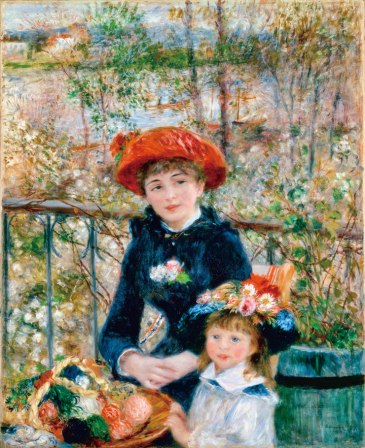
Zadie Smith starts her essayI’m trying to think of the first bits of art I ever saw.”  Now that is a good question.  My  Dad had some prints in his den of Revolutionary War 1776 soldiers hanging around a cannon. I don’t consider that art. But in my uncle’s house there was one painting (print) by Renoir I remember...I liked her hat.

But Zadie Smith  in this very short essay tells us which poster she choose to hang in her college apartment: Flaming June by Leighton. From now on she was not going to pinch pennies like her father or take up political commitments like her mother. No, Zadie was going to live for art!  “I’m going to spend three years on a sofa thinking about truth and  art…” “I was going to live for love and art and food[…]….and sleep, lots of sleep!”


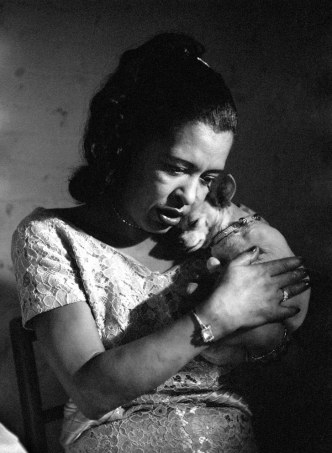
Crazy They Call Me: On Looking at Jerry Dantzic’s Photos of Billie Holiday

  1. In this essay (New Yorker, 06.03.2017) you inhabit the world of Billie Holiday.
  2. Zadie Smith is writing the story from the singer’s perspective.
  3. “…after the clapping dies down,
  4. …there’s simply no one and nothing to be done.”
  5. “…you’re grateful for your little dog…”
  6. A dog don’t cheat, a dog don’t lie.”
  7. “This little dog and you? Soulmates. Where you been all my life?”
  8. “You never sing anything after….’Strange Fruit
  9. This song, written by Abel Meeropol and performed
  10. by many artists (but most notably, Billie Holiday and Nina Simone,)
  11. …is a dark and profound song about
  12. …the lynching of African Americans in the
  13. …Southern United States during the Jim Crow Era.
  14. In the lyrics, black victims are portrayed as “strange fruit,”
  15. …as they hang from trees, rotting in the sun, blowing in the wind,
  16. …and becoming food for crows upon being burned.
  17. It was a protest song that Billie Holiday
  18. ..very bravely performed under grave threats and at high personal cost.
  19. THE BEST ESSAY


  1. Essay: A Bird of Few Words  by Zadie Smith (The New Yorker, 19.06.2017)
  2. I thought this essay was going back and forth
  3. ..describing the art of  Lynette Yiadom Boakye (British- Ghanaian artist) and
  4. …then comparing it to the comments of the critics.
  5. But Smith went in another direction.
  6. Boakye creates compelling character studies of people who don’t exist.
  7. The paintings are of people with no name.
  8. Boakye  can finish a portrait in 1 day…
  9. …and Smith sighs from a novelist’s point of view both the
  10. ..speed and clarity of Boakye is humbling.
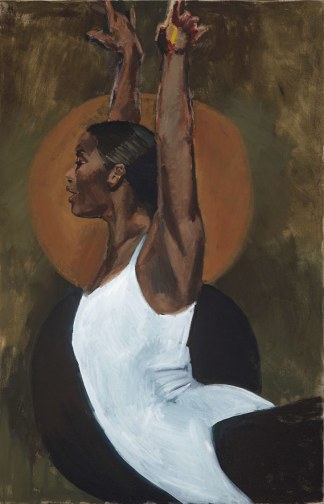
  11. This painting I found light as if the person was about to take flight!

  12. But this painting just was full of  ‘color politics’ and
  13. …shows Boakye’s talents and Smith’s insightful interpretation.
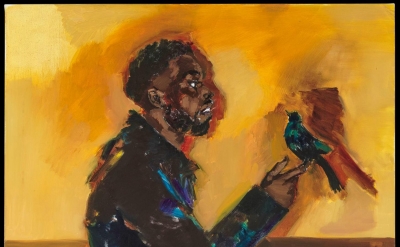
  14. Mercy over Matter”  a man holds a bird on this finger.
  15. Notice “…the underplumage: those jewel-like greens and
  16. …purples and reds you can spot
  17. beneath the oil-slick surface of certain bird-feathered birds.
  18. …the man’s jacket magically displays this same underplumage;
  19. …so does his skin; so does the bird.
  20. He is often thought of as a nothing, a cipher.
  21. But he has layers upon layers upon layers.


7
Apr

Jo Chandler: Feeling the Heat


Who is Jo Chandler?

  1. Chandler is a freelance journalist and author.
  2. She won the Walkely Award 2017 Freelancer of the Year
  3. I discovered Jo Chandler  in  The Best Australian Essays 2016


Introduction:

  1. In a attempt to understand what is happening to our planet,
  2. Chandler travels to climate science frontiers
  3. Antarctica, the Great Barrier Reef, the Wimmera and
  4. North Queensland’s tropical rainforests.
  5. Jo Chandler puts together some of the
  6. …pieces in the climate puzzle
  7. …meets many passionate and eccentric characters
  8. …discovers what makes them tick, and
  9. …learns a thing or two about herself.


What is Chandler’s goal in this book?

  1. The purpose of the book is to tell the authentic,
  2. raw story of science at the real-world climate frontiers.
  3. Narrator:  Chandler  is of a non-scientist and journalist
  4. ….a questioning observer.
  5. Chandler presents scientist’s evidence as clear as
  6. possible and then takes a step back as all scientists do.
  7. “Our leaders must define the path which will get
  8. us to where we need to go.” (pg 228, epilogue)


What did Chandler find personally?

  1. Chandler uses the metaphor
  2. …the difference between bearing and heading.
  3. Explorers note physical markers to register
  4. …their drift and shift against satellites.
  5. Heading is not always the
  6. …direction you are moving towards.
  7. Heading is the direction you are pointing.
  8. If we fail to define the
  9. …coordinates of our objective (…in life)
  10. …drift out of  course due to crosswinds
  11. …we plough blindly forward
  12. …without heed for perils along the way.
  13. It is important  to find your bearing.
  14. …your position with reference to a known (land)mark.
  15. “”..it feels like a revelation. A strategy to better find my way
  16. …when I return to earth.” (pg  40, ch 3)


Storm Front

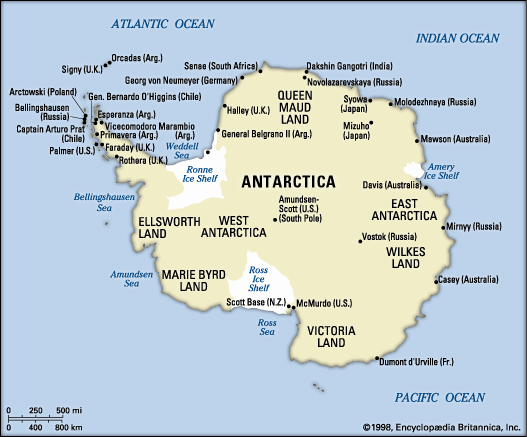
  • Jo Chandler’s  departure from Hobart to Casey Antarctica:

Flight of the Albaross –  Arriving at Casey Base:

  1. 5 hr flight from Hobart
  2. 70 km (4 hrs rough riding from Wilkins Airport)
  3. 4000 km south of Perth
  4. Flight attendant Airbus landing at  Wilkens Inter Airport:
  5. ” Welcome to Antarctica…it’s not bad out there today
  6. ..mild mid-summer -6 C.”

Buried Treasure

  1. Fact: Antarctica holds 70% of the fresh water on the planet.
  2. Irony: Antarctica is the driest place on earth.
  3. Personal: Chandler experiences Antarctica
  4. …as more than an scientific platform.
  5. She felt moments of connection with nature
  6. …which ache so powerfully
  7. it is like the instant of finding love.
  8. Antarctica  divines or future….and archives our past.
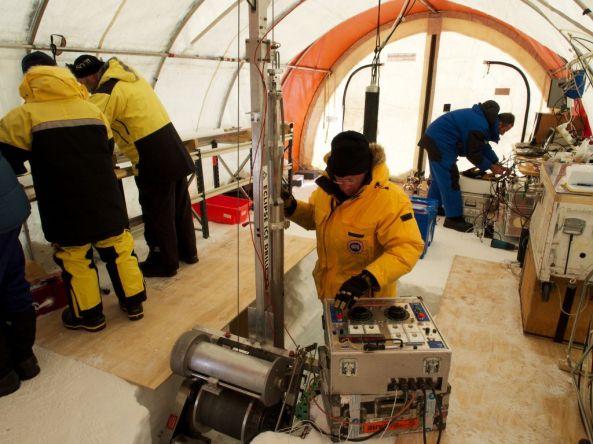
  9. Reasearch: Ice samples pulled from Law Dome
  10. contain bubbles of the atmosphere
  11. ….dating back 90.000 years!
  12. Expert:  scroll down to see beautiful
  13. …video (3 min) of Antarctica with
  14. Dr. Tas van Ommen


Revisiting Gondwana

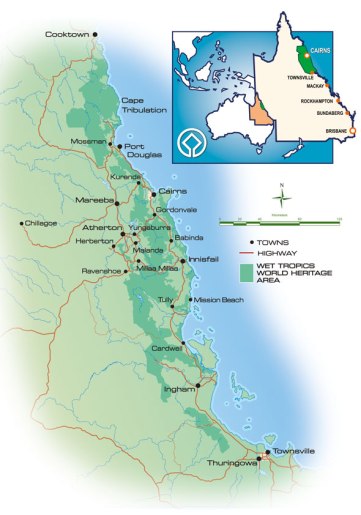
  1. Chandler now moves to the Wet Tropics of Australia.
  2. …the subtropical Gondwana Rainforests of Australia World Heritage Area
  3. Despite its small size these tropics host the highest biodiversity in the country.
  4. The forest throbs with life.
  5. Just take the time to LISTEN to the sounds of the rainforest….so relaxing!
  6. I listened…while reading!

  1. Some of the wettest areas on Earth where forests are so
  2. …often shrouded in cloud they truly are “cloud forests”.
  3. Clouds condense on leaves and drip to saturate soils below
  4. But the rainforests are deeply vulnerable
  5. …to human induced climate-change.
  6. Cyclones are a part of the north
  7. …they have always come…and they always will.
  8. But what happens when warmer oceans
  9. …feed the frequency and fury of the storms?
  10. Will the rainforest have the opportunity to recover between blasts?
  11. Cyclone Yasi  30.01.2011  CAT 5 ..most furious storm to visit east coast
  12. …of Australia in a century!
  13. Personal: Chandler feels unsettled in this place with a high ‘ick’ factor.
  14. It takes some days to come to terms with
  15. …the tight grasp of this menacing environment.

The Sleeping Giant:

  1. Climatic change is everywhere in the news.
  2. If you want to get the most out of this book
  3. …I would suggest while you are  reading
  4. …to google for images that will help you see what chandler is discussing.
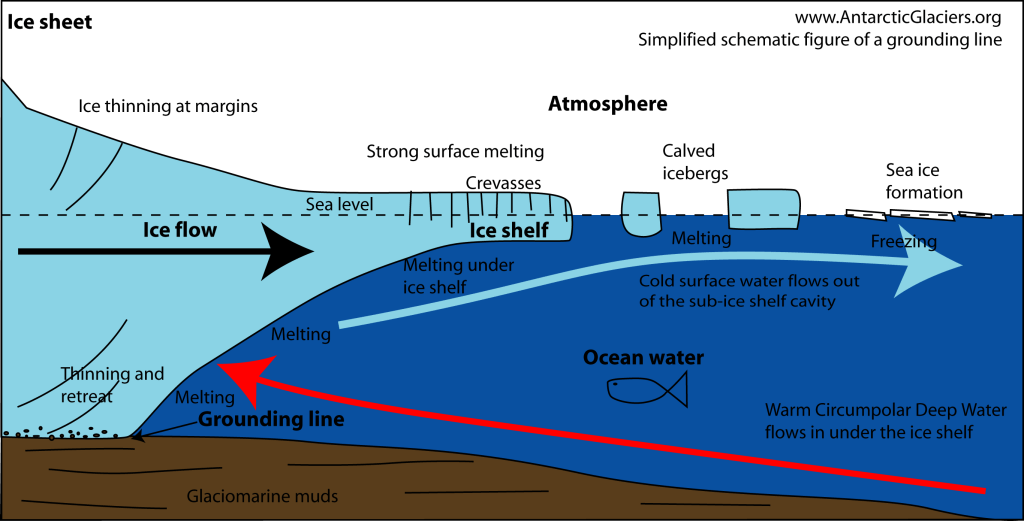
  5. The Sleeping Giant refers to the East Antarctica ice sheets.
  6. They are now relatively stable.
  7. But Chandler explains that the character of the ice is changing.
  8. (warm current sweeping under the ice sheet)
  9. Without this image for instance …I would not have
  10. ..understood what Chandler meant.
  11. Antarctica is difficult to imagine!
  12. Personal: Chandler feels in Antarctica “..very isolated, very small,
  13. …very lucky and a little afraid.” (pg 112, ch 6)


Strong point:

  1. Explanations are clear and in accessible language.
  2. It is not academic book  but very strongly supported
  3. citing numerous articles in science magazines and research papers.
  4. The main topics that are being investigated in Antarcitca are:
  5. Ice sheets – ice melt – atmosphere (ozone hole) – ice cores (drilled to study the past)


Strong point:

  1. This is the first book I ever read about climatic change.
  2. Chandler’s perspective as a non-scientist observer
  3. …made me feel at ease.
  4. I was learning….as she was.
  5. Chandler helped me  with her journalistic style ‘here are the facts’  and
  6. …clever analogies (bathtub = hidden underbelly of the  Totten Glacier, ch 6).


Strong point: 

  1. You can read  all the chapters one after another
  2. …but I found I was
  3. drowning in information overload.
  4. You can also read the book as a series of essays
  5. …put the book down and let the information settle.


Strong point:

  1. Chandler’s book made me more aware of the consequences
  2. of climate change that I experience myself: 
  3. frequent storms,  diluvian cloudbursts and sweltering heatwaves.


Weak point: no illustrations!


Conclusion:

  1. This book is a great read emphasizing that
  2. …the clock is ticking and issues like
  3. …ice melt and sea-level rise are urgent.
  4. If there is even the smallish risk
  5. …of a very big adverse outcome
  6. ..due to sea rise and ice-melt (Antarctica and Greenland)
  7. it would be wise to do something about it.
  8. Once the thaw starts the risk is that the
  9. …tipping point is tripped...” (pg 122, ch 6)
  10. But as we know action is blocked by
  11. Big Oil and Big Coal.
  12. I think one of the things I or any other citizen of the world
  13. …can do is #VoteThemOut
  14. Vote  out the politicians
  15. …and leaders of countries who are on the
  16. ..fossil fuel industries…payroll!


Last thoughts:

  1. Chandler’s mission:
  2. Explore and explain the dynamics of
  3. …the forces at work in a changing world.
  4. Personally..
  5. …I was most fascinated by the Antarctica.
  6. Jo Chandler’s  storytelling is
  7. ….personal (ch 6-7 and especially the epiloge)
  8. … mixed with scientific: for example…
  9. man-made ocean acidification ch 8
  10. Great Barrier Reef and Heron Island  ch 9-10-11-12
  11. Penguins Antarctic Adélies, elephant seals 
  12. …and mosses, the most advanced plants
  13. …on continental Antarctica! ch 13

  1. It is an amazing feat to
  2. …digest all this scientific information
  3. clarify all the jargon for the  readers
  4. …who just dabble in science, like me.
  5. One thing I DID LEARN...
  6. What caused the biting cold Polar Vortex
  7. …24 February – 01 March 2018 that brought
  8. ..The Netherlands  back to ice skating on the canals?
  9. There is more heat coming off the relatively ice-free Arctic  waters
  10. increasing air pressure and
  11. …pushing the polar cold air south …in my direction!
  12. #MustRead