
Blood in the Water

- Author: H. Thompson
- Title: Blood in the Water
- Published: 2016
- Trivia: Pulitzer Prize for History 2017
- Trivia: Los Angeles Times Festival of Books
- Trivia: #NonFicReads18
- List of Challenges 2018
- Monthly reading plan
Impressive list:
- Awards and Honors Blood in the Water received:
- Pulitzer Prize in History 2017
- Bancroft Prize in American History and Diplomacy 2017
- Ridenhour Book Prize 2017
- J. Willard Hurst Award in Socio-Legal History 2017
- Los Angeles Times Book Prize Finalist 2017
- Finalist Silver Gavel Award for Media and the Arts, Honorable Mention 2017
- New York City Bar Association Award 2016
- National Book Award Finalist 2016
- New York Times Most Notable Books of 2016
- Top Ten Best Books of 2016 Publishers Weekly
- Top Ten Best Works of Non-Fiction of 2016 Kirkus Reviews
- Top Ten Books of 2016 Newsweek
Attica:
- A New York State special prosecutor’s investigation into the 1971
- Attica prison riot and killings (39 shot to death, including 10 hostages)
- failed to indict any police officers or prison guards
- …despite strong evidence that they acted with homicidal intent.
Conclusion:
- Heather Ann Thompson is a professor of history at the University of Michigan.
- She draws on interviews with former inmates,
- …hostages, families of victims, law enforcement, lawyers, and state officials.
- An important source of information was found in the
- …archives of previously unreleased materials.
- Thompson’s well written reconstruction of the
- causes of the riot, reaction, murder and
- criminal negligence by the State Police.
- There had been incredible lying by others
- tampering with evidence by the Executive Office
- of the State of New York are important.
- She was able to review from multiple sources
- interviews and the facts leading
- …up to the horrible, unnecessary killings
- by the State Police.
- The epilogue….is upsetting.
- After all the struggles in Attica the US penal system
- …is STILL denying inmates rights.
- 2009: 1 sergeant and 3 correction officers attacked
- ….prisoner Williams in Attica.
- Result: broken collarbone – 2 broken legs and other injuries.
- 2015: these guards were charged with
- first degree gang assault + tampering with physical evidence.
- Result: light plea deal…no imprisonment….. a slap on the wrist.
Last thoughts:
- At times…so captivating that I could not put it down.
- Other times… I had to put it down.
- I was disgusted with the behaviour of high NY state officials.
- The entire investigation stank of politics.
- Who now believes the last lines of
- the Pledge of Allegiance: “…freedom and justice for all “?
- This should be enough to convince you
- …this book is a #MustRead or #MustListen.
My notes:
Part III: Ch: Dreams and Nightmares:
- Tensions are running high, negotiations between
- prisoners and prision officials is ongoing…
- …but Gov Nelson Rockefeller….is not pleased, not at all.
- Gov Nelson Rockefeller would later order force to be used
- …to put the uprising….down.
Part IV: Ch: No Mercy
- State troopers quash the prision rebellion.
- After 8 hours of listening…I’ve reached the graphic part of the book.
- Listening to the descriptions is more powerful….than reading them.
- I have to take a break from this book….let it all sink in.
Part VII: Ch: Justice of Trial
- I can barely listen to the atrocities and abuse committed at Attica by the
- prison guards and even prison doctors
- …after more than 100 prisoners were wounded and dying.
- Just awful…but more shocking is …it really happened.
- State officials tried to suppress information about the uprising becoming public.
- Still many files have yet to be disclosed.
- There must be very damaging information
- …officials want kept secret!
Part VIII: Ch: Protecting the Police
- State troopers were blatantly guilty of killing the hostages.
- They were the only ones with guns!
- But there was an extensive cover-up.
- Ironically the NY State Police were appointed to head the ‘independant’
- investigation of criminal acts by prisoners.
- #Please tell me this is fiction!
- It is not.
Part IX: Ch: Elizabeth M. Fink (1945-2015)
- Elizabeth M. Fink Fink graduated from Brooklyn Law School in 1973.
- Just a month after she had been admitted to the bar,
- …she went to work for the Attica Brothers Legal Defense Committee.
- She helped draft a civil suit against the New York state authorities.
- The case crawled through the courts for more than 27 years.
- Fink stuck with it.
- In 2000, as the lead counsel in the deferral civil rights case,
- she won an $8 million settlement from the state, plus $4 million in legal fees.
- #Justice….at last….closure.
- Trivia: Liz Fink helped Heather Thompson with her research.
- Unfortunately….Elizabeth Fink died 1 year before publication.
A Writing Life Helen Garner and Her Work
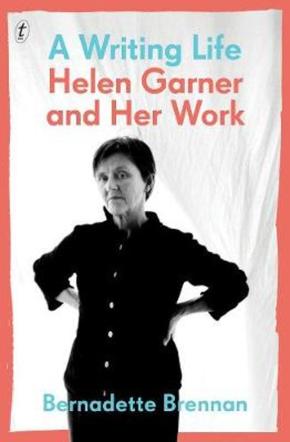
- Author: B. Brennan
- Title: A Writing Life Helen Garner and Her Work
- Published: 2017
- Triva: Longlist Stella Prize 2018
Conclusion:
- Helen Garner writes fiction but has accrued
- …quite a bit of attention with her non-fiction books:
- Joe Cinque’s Consolation ( 2004) and
- The House of Grief (2014).
- She delves deeply into a crime, follows the
- judicial process carefully, speaks to expert
- psychologists/psychiatrists/doctors/pathologists and the family members.
- It is an extraordinary way of writing.
- She has to take care that
- ..she is not “drawn into the darkness”
- …of the subject she is writing about.
- It has taken an emotional an
- physical toll on Helen Garner.
- I had my doubts on page 80.
- I nearly abandoned this book. Why?
- I knew nothing about Helen Garner.
- I had difficultlygetting through her …early writing years ( Monkey Grip)
- But I found the muscle to keep going after a slow start.
- Once Helen Garner moved to non-fiction
- …I was hooked while reading chapter 7.
- Strong point: Garner’s her ability to get into people’s heads.
- Strong point: Garner operates as a filter for ideas.
- Strong point: Garner presents the evidence of the crime
- but into a form that builds the narrative tension.
- Last thoughts:
- The book is an impressive undertaking.
- Bernadette Brennan did a stellar job.
- The book deserved to be mentioned
- …on the longlist for Stella Prize 2018.
- I am only sorry the jury did
- …not place it on the Stella Prize shortlist.
- But we all know...sometimes the real winners
- …are on the long list!
- You just have to look for them!
Essays: Quicksilver N. Rothwell
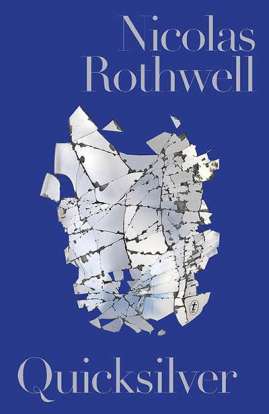
- Author: N. Rothwell
- Title: Quicksilver (6 essays)
- Published: 2016
- Trivia: Awarded Prime Minister’s Literary Award Non-fiction 2017
- Trivia: Short List Multicultural NSW Award 2018
- List of Challenges 2018
- Monthly reading planning
- Lists of Awards
- #DealMeIn2018 Jay’s Bibliophilopolis
Australia: Essay nr 2: Quicksilver
- Theme: crossing the sacred line
- European colonization upset the balance of the Australian Aboriginals.
- Missionaries imposed their belief – colonial administrators imposed order.
- The title of the book Quicksilver represents the ancestral powers that were stirred.
- “…once the sacred, that quicksilver, has been put in play
- …you can never tell where it will go.”
Australia: Essay nr 4: The Mirror that Creates
- Theme: outsiders
- Rothwell sketches Australia’s foundation
- …its physical and mental development.
- It is often the European visitors – D.H. Lawrence or Bruce Chatwin
- …who are sensitive to the landscape.
- Australia served as a refuge for writers from Europe shattered by WW II.
- “Outside eyes determined what Australia…..was felt to be.”
Australia: Essay nr 5: What lies Beyond Us
- Theme: the landscape behind the landscape
- This was the most interesting essay in the book.
- I learned about landscape literature by Eric Rolls
- …his book (1981) won many prizes but it is impossible
- to find a copy of the book… A Million Wild Acres !
- I also I learned about the ionic Australian poet Les Murray.
- He celebrates country virtues in his poems and
- …has me baffled at times by the metre he uses.
- This is part of his uniqueness…. metre always matters.
- He has been tipped to win a Nobel Prize in the future!
Conclusion:
- My notes include just a few thoughts
- ….that impressed me in this book.
- I really enjoyed Nicolas Rothwell’s analysis
- …of culture and identity in this collection of essays.
- If there is a weak point
- ….it would be Rothwell’s ’round-about’ way of approaching
- …the central issue in his essay.
- It took a dosis of patience on my part
- …to keep reading when I thought:
- “What does this have to do with Australia?”
- But I persevered and enjoyed Rothwell’s thoughts.
#Poetry Seamus Heaney

- Author: H. Vendler
- Title: Seamus Heaney
- Published: 1998
- List Reading Challenges 2018
- Monthly reading planning
- Reading Ireland Month
- Masterpost 746 Books (Cathy)
- #readireland18
- #begorrathon18
- #NonFicReads18 Doing Dewey (Katie)
- #DealMeIn2018 Jay’s Bibliophilopolis (book = 7 essays)
- Trivia: Seamus Heaney died following a short illness
- on August 30, 2013 at the age of 74.
- Heaney’s last words were in a text to his wife Marie were:
- “Noli timere“, which means “Do not be afraid.
Introduction:
- It took me a week to read this
- excellent overview of Seamus Heaney’s poems by
- American literary critic Helen Vendler.
- I could only manage 1 chapter day.
- There was so much to learn.
- …so much detail…that my mind
- …could absorb no more after 3 hours of reading.
Ch 1: Death of a Naturalist (1966) Door Into the Dark (1969) Wintering Out (1972)
- Early poems rooted in the Irish landscape.
- Heaney’s pastoral poems were not always idyllic.
- Midterm Break was heartbreaking
- ….about the death of his 4 yr brother.
- And of course Digging is one of his most famous poems.
- Heaney wanted to measure the pen against the sword
- “Between my finger and my thumb / The squat pen rests; snug as a gun”.
- Summer Home is a marriage-poem.
- It is a chilling account of a quarrel finally mended.
- But one of my favorites is ….Sunlight.
- I get ‘goosebumps’ when I read it.
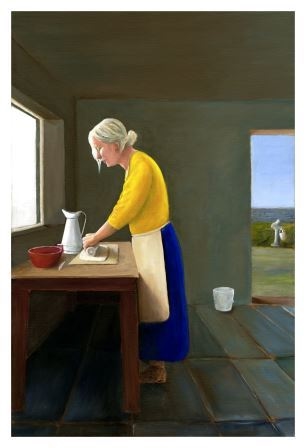
- This is memorial to the central figure Aunt Mary.
- It is a warm, nostalgic rural sturdy.
- I can see my mother with her floured hands, whitend nails
- …rubbing her hand s on her apron while she taught me how to make an apple pie.
- I imagine ‘honeyed water’ in a bucket warmed by the sun.
- Heaney truly brings you into a poetic state
- …dreaming while you are awake!
Ch 2: North (1975)
- This collection was the first that
- …dealt about the Troubles in Northern Ireland.
- Heaney looks frequently to the past for images and
- …symbols relevant to the violence and political unrest.
- The Bog poems are a symbolic representation of history.
- The poem should sound like the subject.
- Heaney tried to pull language as close as possible to the thing itself
- — so that a bog poem sounded boggy or a
- — Viking ship poem sounded lithe.
Ch 3: Station Island (1984)
- The title refers to Station Island also known as
- St. Patrick’s Purgatory Co. Donegal.
- It is a site of Christian pilgrimage for many centuries.
- In this long Dantesque fiction of the poem the ghosts of Heaney’s past come
- crowding thick and fast around him in twelve episodes.
- One of my favorites poems in this collection is:
- The Old Icons – Heaney contemplates old pictures he
- …cannot bear to throw away.
- ” Why when it was all over, did I hold on to them?”
- SH cannot throw them out because they are NOT outdated.
- Everything has altered but nothing has changed.
- There will always be a huddled Catholic minority, a patriot and traitor.
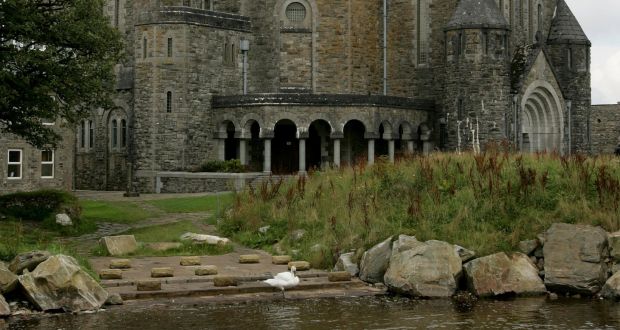
Ch 3: Field Work (1979)
- Field Work is a record of Heaney’s four years (1972-1976)
- …living in rural County Wicklow in the
- …Republic of Ireland after leaving the violence of The Troubles.
- Field work is less political.
- 50% elegies (deliberate choice to remain on the everyday level)
- 50% domestic life with his wife (love poems) and friends.
- Heaney calls it the ‘music of what happens’.
- “It was still a proof that I could write poetry in my new situation.” (S. Heaney)
Ch 4: Alter Egos
- Alter-egos are people Heaney…might have become.
- These alter-egos were agriculturally timeless ones,
- …single artisans, seed-cutters, the thatcher, blacksmith and …the digger.
- Station Island is a long autobiographical poem-of-alter-egos.
Ch 5: The Haw Lantern (1987)
- Between 1984-1987 both parents died
- ….this caused a tear in the fabric of Heaney’s verse.
- Emptiness had replaced reality.
- The Haw Lantern is an intellectual volume.
- It ponders, values, chooses, judges and
- …examines the poet’s tendency to ‘second thoughts’.
- The title of the collection refers to the haw fruit.
- The fruit is an important symbol of defiance against winter
- It is a a symbol of the dignity of the Northern Irish in the face of violence and trouble.
- The image of the lantern is a reference to the traditional account of
- …philosopher Diogenes of Sinope.
- According to the story, Diogenes carried a lantern
- …through the streets in search of an honest man in the light.
Ch 6: Seeing Things (1991)
- What does the world look like seen through the eyes
- …approaching death?
- It erases senses and memory alike.
- Such a given entails and an alteration of style.
- These poems did not have the rich sensuality of Death of a Naturalist
- These poems did not have historicized thickness of the bog poems in North
- …or folk-quality of The Haw Lantern
- But rather the Shaker simplicity.
- Heaney uses the higher senses of sight and hearing
- …to make contact with objects without touching them.
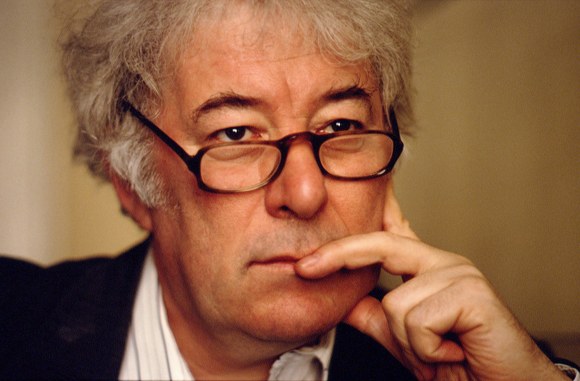
Ch 7: The Spirit Level (1996)
- Heaney’s poetry in The Spirit Level is social.
- It is connected to the possibilities of hope, trust and mutual help.
- The Spirit Level looks into sustaining of life in an Afterwards.
- The poems are grounded in the doings of every day:
- — the poet as a child and his siblings are playing ‘train’ on the sofa,
- — Caedmon is a hardworking yardman,
- — Heaney’s mother ‘steeping her swollen feet’,
- — a blind neighbour, childhood playmate Rosie Keenan playing the piano,
- — Mary Heaney’ father after the death of his wife,
- becoming more and more adventurous as he
- ‘took out the power mower in his stride
- / Flirted and vaunted…/ Learned to microwave.’
- Stoicism is the virture of old age, when one’s progress is a best horizontal.
- It is a matter of living with and within the choices one has made
- ….like the old couple in A Walk.
- Two sonnets: first about parental devotion in a pastoral landscape
- …second about Heaney’s married relationship that has lasted more than three decades.
Conclusion:
- Helen Vendler is not easy to read.
- She is an important literary scholar
- …and her vocabulary is challenging.
- But this book was worth every minute I spent reading it
- Every minute.
- It is the first book I’ve read about
- …the changes in a poet’s writing through the years.
- Heaney started as an anonymous narrator in his early collections.
- He became political because of
- …his experiences during The Troubles.
- Later he turned to the everyday-ness of life.
- As he says…the music of what happens.
- As the American poet Christian Wiman said in his essay
- Take Love (Poetry Ireland Review, 27 September 2104):
- Seamus Heaney “…could take the edge of existence and
- give it actual edges.
- He could bring the cosmic into commonplace.“
- #MustRead

Quarterly Essay Australia: ‘Without America’

- Twitter: @burns_nancy
- Trivia: List of challenges 2018
- #DealMeIn2018 Jay’s Bibliophilopolis
- Trivia: Read Australian writers: Hugh White
Read: Quarterly Essay, vol. 68; White, Hugh, 28 November 2017 (Australian)
- This is worth the time it took to read….2 hrs!
- Essay: , ‘Without America: Australia in the New Asia’
- Hugh White is Professor of Strategic Studies
- ….at the Australian National University.
- Stop assuming that USA is going to dominate Asia forever
- Stop assuming that USA will keep Australia safe.
- China is now so strong and ambitious that USA under Trump..so weak
- that USA will cease to be a significant player in Asia.
- Australia must prepare itself for this transformation.
- I loved White’s explanation of two world powers put their rivals to the test!
- “classic power-political salami-slicing”
- “…each slice of the salami might be insignificant,
- Washington looks weak if it can’t or won’t stop China taking
- …one slice after another, and China by contrast looks strong and resolved…”
- OUCH!
- “Rex Tillerson has proved to be the worst secretary of state in living memory,
- ….and the overpraised General James Mattis in Defense
- ….has failed to bring coherence to the administration’s strategy.”
- WHAT?
- Who would have thought that Indonesia will be a
- ..VERY POWERFUL country, second only to China?
- Thank you, Hugh White for opening my eyes….about China and Indonesia!!
- I think TRUMP should put this essay
- ‘Without America’ in his bedside night table….
- …his TBR!!
- Conclusion:
- 40 years ago Australia managed
- …a ‘post-alliance’ transition with Britain.
- Now Australia’s task in the next few years will be
- …doing the same with America!
- China’s rise is a fact and isn’t going away.
- This will require Australia to rethink a lot of things,
- to make some hard choices, and perhaps
- to pay some heavy costs.
- Excellent… #MustRead essay!
Simon Leys: Navigator Between Worlds
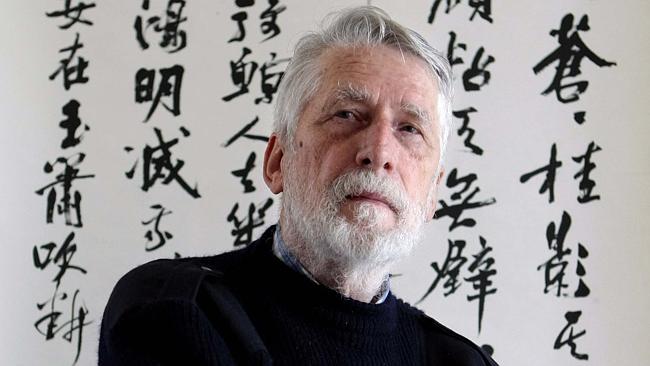
Pierre Ryckmans ( pen-name: S. Leys) (1935-2104)
- Author: P. Paquet
- Title: Simon Leys: Navigator Between Worlds (550 pg)
- Published: 2016 (English translation 2017)
Introduction:
- This book explores an extraordinary life.
- Pierre Ryckmans was born in Belgium, where he trained
- in art history but wanted to become a painter.
- He first went to China when he was nineteen.
- Later, he became a scathing critic of Mao and Maoism
- He moved to Australia in 1970 with his wife and four children.
- He wrote the controversial book The Chairman’s New Clothes (1971)
- He also wrote The Death of Napoleon (piece of alternative history )
- and many masterful essays published in The Monthly and Quadrant.
- Pierre Ryckmans came under attack
- when he exposed the brutal reality of
- …China’s Cultural Revolution to the West.
- This expert on China dared to criticize
- …Mao’s cultural revolution and
- …the gullibility of western sinophiles.
What did he publish in 1971?
Controversial book: The Chairman’s New Clothes
Subject: assessment of the first two decades of Chinese communist regime
Goal: exposed the brutal reality of Maoism…just report the facts.
Tone: combative
What was Simon Leys’ core message?
- The Cultural Revolution
- ‘had nothing revolutionary about it except the name.’
- It was basically a ‘power struggle waged at the top between a
- handful of men and behind the
- smokescreen of a fictitious mass movement.’
Conclusion:
- The name Simon Leys probably does not ring a bell.
- He was rarely heard on the radio or TV.
- He boycotted book fairs and writer’s festivals.
- But Leys is considered one of the greatest
- intellectuals to have lived in Australia.
- Leys writes in English and Chinese.
- “His style is immaculate
- …as a marble staircase in a palace
- …..he cleans it 20 times a day”.
- I loved the epigraph that Leys used
- …in the book The Chairman’s New Clothes
- “The yes-yes of the crowd carries
- …less weight than the no-no of one decent man.”
- (Sima Qian, great Chinese historian 145 BC – 86 BC)
- While reading this biography of Pierre Ryckmans
- ….I am also watching the changes in China at the moment.
- Xi Jinping can remain as a life long president.
- The power remains still with a handful of men.
- This book was very detailed and long.
- I had to skim some parts and concentrate on the more
- …important information.
- I was not interested in the day-to-day struggle that
- …ensued to get Leys’ book published in Paris in 1971.
Trivia:
- Simon Leys thought any Western reader
- …no matter how unprepared
- he is to approach the Chinese universe can acquire a simple and
- just intuition to the human condition by reading two little books:
- Six Records of a Floating Life (Shen Fu, 1763-1825) and
- The Execution of Mayor Yin (Chen Jo-hsi, 1938) 8 short stories.
Tracker

- Author: Alexis Wright
- Title: Tracker
- Published: 2017
- Trivia: Shortlisted for the Stella Prize 2018
- Trivia: #AWW2018
- #NonFicReads18 Doing Dewey (Katie)
Conclusion:
- Before starting this book….I read NO reviews about it.
- I wanted to begin it with a clean slate.
- I read the introduction and the prologue in the
- …hope it would prepare me for an interesting book.
- This is a collection of short personal narratives.
- Wright fails to create an interesting situation.
- Excessive description:
- long winded, no powerful prose to ‘hook’ the reader.
- Irrelevant information:
- The first few lines of your story are crucial
- Wright gave me trivial information…nothing I could sink my teeth in!
- The writing in this chapter is at elementary level.
- I hope Wright changes her writing style
- …otherwise I may not last 650 pages of this.
- 4 chapters are written in first person point of view.
- Each chapter had more than 7 changes of voice.
- Chapter 1 and 3 had a whopping
- …16 different changes of perspective.
- This is not the way to ‘grab’ a readers attention!
- There is certainly nothing wrong
- …with multiple first-person narrators.
- We avoid getting only one person’s view of the action.
- But it should be done well!
- There are pages of nothing but
- …I did this, I did that, I was thinking, So I said to him…
- I made it through part 1, 20% of the book.
- Time to look forward…
- there were pages and pages
- …of the same waiting for me.
- This is an exhaustive form of
- experimental ‘collective’ memoir.
- I think A. Wright decided to write her book in
- this style because she wanted not to refer to emotion but
- …to re-create it in the first person narrative.
- I just could not manage 650 pages of it.
- Narrative sounds like the flow of casual talk
- …campfire yarns…and in my opinion no great craft.
- You may like it….I did not.
- #DNF
Last Thoughts:
- If you are interested in the power of contemporary Aboriginal storytelling
- …then I suggest you read My Place by Sally Morgan.
Mapping Irish Theatre
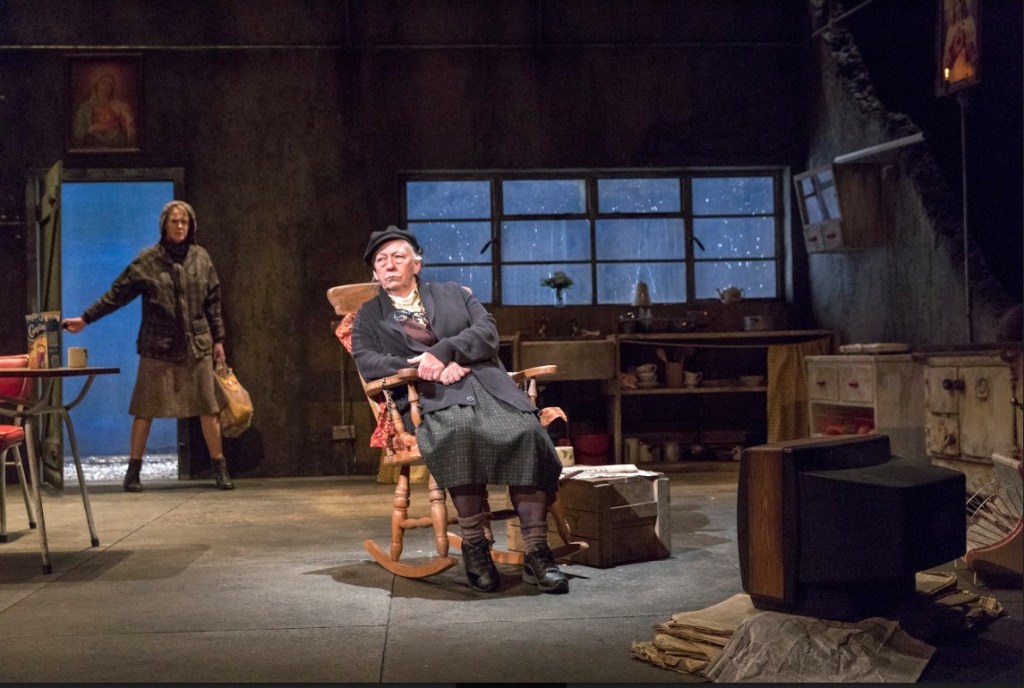
Irish cottage (or kitchen)….is often the setting of Irish plays!
Writer : Chris Morash, Shaun Richards
Title: Mapping Irish Theatre (175 pg)
Published: 2013
- List Reading Challenges 2018
- Monthly reading planning
- Reading Ireland Month
- Masterpost 746 Books (Cathy)
- #readireland18
- #begorrathon18
- #NonFicReads18 Doing Dewey (Katie)
Who is Chris Morash?
- Professor Chris Morash is the first
- Professor of Irish Writing
- …in Heaney’s name at Trinity College.
- This appointment is permanent.
- The professorship was announced shortly before Seamus Heaney’s death.
- Dr Morash is originally from Nova Scotia, Canada
- …with no Irish connection.
- He came to Ireland in 1985 to study Irish writing in Trinity.
What is theatre?
- Seamus Heaney put it very simply:
- …theatre is a machine for making place from space.
- Mapping Irish Theatre examines the
- …relationship between a society and its theatre.
- Irish plays are deeply entrenched sense of place.
- Place in Irish theatre involves a particular set of
- …relations to memory, loss and nostalgia.
What did I learn? (…essential to understand if you read this book!)
Three forms of space:
- perceived -to be aware of directly through any of the senses
- conceived –to form or develop in the mind
- lived – to be experienced between the performers and audience
- Space is different from performance to performance.
- Space is different through historical periods.
- Example: I just read Tartuffe.
- It was performed 1669.
- But Chris Hampton’s translation and adaptation
- ..that is to open in May 2018 in London
- …will be very different.
- Elements of language, dialogue, scenery
- …will change over time.
Theatre space:
- It is an unspoken element of the text
- a zone filled with gaps where
- … gestures and movements unfold.
What was the most difficult issue to understand? Theatre signals
- The stage radically transforms all objects.
- These objects have a signifying power which
- …they lack in their normal social function.
- All that is on stage is a sign.
- Door = theatrical signal
- For instance in a play…..we see a door.
- It is not only means of entering and leaving the stage.
- It is the focus point.
- Behind it is an imagined offstage world
- …that is just as important as the dramatic action on the stage!
What was the best part of the book? I discovered so many types of plays!
- Padraic Colum’s The Fiddler’s House (1907)
- …stranger-in-the-house
- Brian Friel’s Dancing at Lughnasa (1990)
- ….(cottage) kitchen the kitchen- and- sink- play.
- Conor McPherson’s The Weir (1997) a pastoral play
- …our outside concerns are suspended so that an
- act of inner healing to be achieved
- Tom Murphy’s Famine (1977) historical outcome (unknown to characters)
- …but glaringly self-evident to us….famine/depopulation hangs like a cloud.
- Brian Friel’s Freedom of the City (1973) past-in-the-presemt play
- Characters are simultaneously dead and
- …present before the audience!
What will I do now when reading a play…that I didn’t do before?
- Note: notice the first lines of plays….what do they refer to?
- Note: what is implied as happening or a place ‘offstage’ ?
- Note: what is the conflict between offstage vs on-stage?
- Note: important objects on stage…( first character we meet in
- …Dancing at Lughnasa is is Marconi…the radio!
- Note: space on the stage: is it familiar to the characters?
- …home kitchen in The Aran Islands (Synge)
- …exiles in an abandoned church in Sanctuary Lamp (1975) T. Murphy
- The characters have to learn about the space along with the audience.
Conclusion:
- This was a very academic read.
- Example:
- Difficult way of saying things…!
- Morash: Play produced dialogically…
- Nancy: ….in other words …written in dialogue.
- How else are you supposed to write a play? (pg 115)
- It took me 3 days to read the book and my
- determination paid off.
- I never realized that a play is MUCH more
- …than a script and actors!
- Chapters 2-3-4-5 were the best.
- Morash explains in more detail specific Irish plays and
- …that was what I was looking for!
- The central to the craft of play-writing (Irish)
- …is the shaping of experience into scenes.
- Opening of a play and starting to read it
- … is like going to a party where you don’t know anyone.
- Characters unfold in time and
- …first impressions will be modified by later ones!
- #TimeToReadIrishPlay
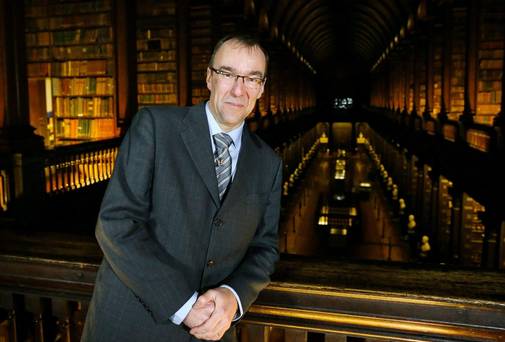
Chris Morash
Did you know there are 3 types of theater spaces?
Arena – audience surrounds the actors

Thrust – audience is positioned on 3 sides of the stage ( Ancient Greece)
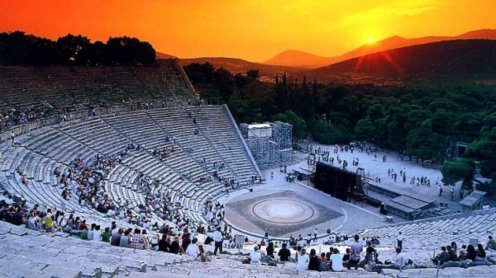
Proscenium – the arc of the stage seperates the actors from the audience

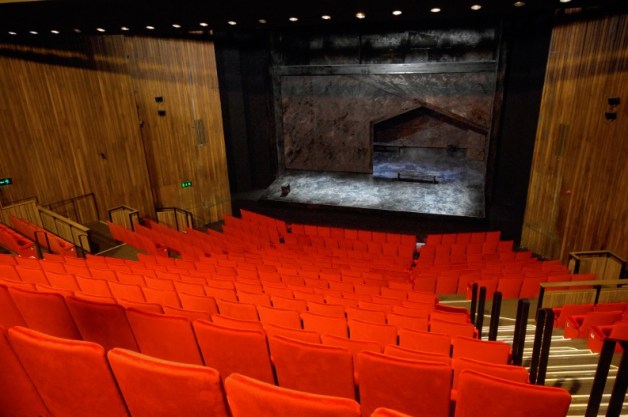
The Abbey Theatre Dublin:
- The theatre first opened its doors to the public
- …over a hundred years ago, back in 1904.
- The original building was damaged by fire in 1951 and
- the Abbey had to be re-located but still remained active.
- The theatre offers a unique sound experience
- due to its wooden pallets, which are
- not obtainable anymore and can only be
- found in a few remaining locations worldwide.
- The Abbey holds 394 seats, that all share the same view.
- The idea was to get rid of the social hierarchy and
- guarantee every audience member the same experience.
Border

- Author: Kapka Kassabova
- Title Border: A Journey to the Edge of Europe
- Published: 2017
- Trivia: Winner 2017 Edward Stanford Travel Writing Awards
- Category: Travel Book of the Year
- #WorldFromMyArmchair (Bulgaria)
- #MagicSquare Challenge – Award winner
Borders….where the fabric is thin.
Writing style: Kassabova has succeeded in writing ‘travel literature’.
I felt was reading art instead of social commentary about the Balkan region (Bulgaria, border with Greece and Turkey.)
Strong point: Instead of repeating the politics of the region, Kassabova focused on understanding what happened to the people and their heritage. “Rumour remained the preferred currency.” (pg 53)
Angst an Architecture: Kassabova stops by a gangster-baroque villa. (pg 44). She meets a whisky sipping local pensioner, a man of leisure, ex- state security, trophy wife in bikini, expensive swiss watch and a …very menacing message. “ In the old days we had methods for the likes of you.” Progressives….who go around asking questions.
Green border: 1960-1989
Kassabova takes the reader into the Bulgarian green border of Strandja Forest. Many tried to escape from Warsaw Pact side (Bulgaria) to the …NATO side (Greece or Turkey) because this green border seemed easier to cross than the Berlin Wall. Many…never reached their destination.
Tone: Book oozes dark, sinister, mysterious stories in hushed tones about what happened in the Balkans.
Voice: Kassabova lets her personality show between the lines. She is playful, cheeky, personal and inspiring and in my opinion very brave to start on this adventure!
Conclusion:
- Sometime I just read a book
- …but this time I lived in the book….Border.
- Absolutely wonderful…!

The Path to Power
- Author: R. Caro (1935)
- Title: The Path to Power
- Published: 1981
- Trivia: Won the National book Critics Circle Award 1982
- Trivia: First book in planned 5 volume biography of LBJ.
- Trivia: List Reading Challenges 2018
- Trivia: Magic Square Challenge – biography
- Monthly reading planning
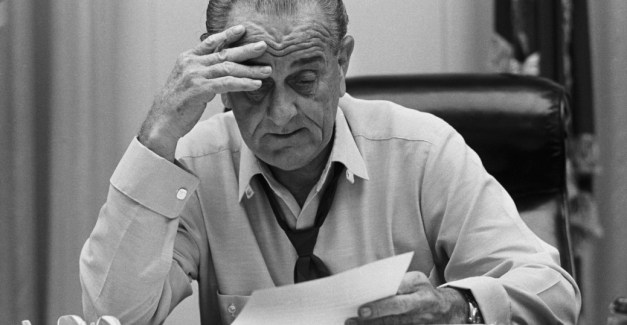
Robert Caro:
- Robert Allan Caro is an American journalist.
- Robert Caro writes biography with a free and loose hand.
- He transforms biography into something new
- ….structured political opinion writing.
- He lived in the Texas Hill Country while writing The Path to Power.
- It covers Johnson’s youth.
- This epic biography is nearing its close. Slowly but surely.
- Mr. Caro ( 81 yr) said he had most of the research for the last volume.
- But “one more big thing” remains, he said: A trip to Vietnam.

Part 1:
LBJ is a stubborn child and teenager.
I had no idea what a rascal he was in his youth!
Finally he breaks and realizes….he will HAVE to go to college
if he ever wants to make something of himself!”
Part 2:
The LBJ of the college years would be the man who would become president.
He came out of the Hill Country of Texas.
It formed and shaped him….into a form so hard it would never change.
Part 3:
Lady Bird (wife) was LBJ’s most important political asset.
Parts 4-5-6:
I’m learning why LBJ became an important “mover and shaker” in Washington.
But he never would have risen politically without
the help of Speaker of the House…Sam Rayburn.
Conclusion:
Johnson family favorite saying:
You can tell a man by his boots, …his hats and the horse he rides.
The lapel-grabbing, embracing, manipulating of men
the wheeling-and-dealing the genius for politics
all culminated in …not the desire to dominate
….but the NEED to dominate.
LBJ was sensitive to the slightest hint of criticism and had
the urge not just to defeat….but destroy.
This book after all these years acquires a warm patina with age.
I let my thoughts drift while reading about the personality of LBJ
…his boot licking, bullying and thirst for respect and power.
LBJ: “born politician…but at times all hat an no cattle!”
He was more image or projection than actual substance.
Does it remind you of someone currently in The White House?
#MustRead….even if you are not a history buff!
LBJ VS TRUMP:
LBJ
Poor beginnings …always in debt!
Strong relationship with his mother Rebekah
TRUMP
Rich family….money was no object
Rarely saw his mother…he did see a lot of the housekeeper.
LBJ – TRUMP….both
Craved power
Lacking political moral sensibility
Use of money to move the political world
Credibility gap… both men lied…incessantly!
Lack of embarrassment when proved they were lying
…they just didn’t care!
All encompassing personal ambition
…that made issues and scruples superfluous.
 NancyElin.blog