
#NonFicNov 2021 week 4

Week 4: (November 22-26) – Stranger Than Fiction with Christopher at Plucked from the Stacks: This week we’re focusing on all the great nonfiction books that *almost* don’t seem real. A sports biography involving overcoming massive obstacles, a profile on a bizarre scam, a look into the natural wonders in our world—basically, if it makes your jaw drop, you can highlight it for this week’s topic.
My choice are:
- “…a profile on a bizarre scam/cover-up” about...
- The Maralinga British Nuclear Tests
Atomic Thunder by Elizabeth Tynan (2018)

- Between 1956 and 1963, the United Kingdom conducted
- seven nuclear tests at the Maralinga site in South Australia,
- The atomic weapons test series wreaked havoc on Indigenous communities.
- It turned the land into a radioactive wasteland.
- In 1950 Australian PM Robert Menzies agreed to atomic tests
- …and left the public completely in the dark.
- It is the uncovering of the extensive secrecy around the British tests in Australia
- ….and many years after the British had departed, leaving an unholy mess behind.
- Elizabeth Tynan has brought together a vast array of detail in this book
- …that just made my jaw drop!
- #MustRead nonfiction
- REVIEW
————————————————————————-
Book nr 2:
Adani: Following Its Dirty Footprint by Lindsay Simpson
- Another JAW-DROPPING non-fiction book
- that is SO relevant today thinking about COP26 and
- the dangers of climate change.
- Absolutely disgusting….what is happening in Australia!
- Adani’s license to mine 60 million tonnes of coal for 60 years
- threatens Australia’s precious ancient source of groundwater
- …in the Galillee Basin, a vast underground water reservoir,
- part of the Great Artesian Basin, occupying more than 20% of Australia.

#NonFicNov 2021 week 3

Week 3: (November 15-19) – Be/Ask/Become the Expert with Veronica at The Thousand Book Project: Three ways to join in this week! You can either share 3 or more books on a single topic that you have read and can recommend (be the expert), you can put the call out for good nonfiction on a specific topic that you have been dying to read (ask the expert), or you can create your own list of books on a topic that you’d like to read (become the expert).
Conclusion:
- I must have spent 2-3 hours just thinking about what topic
- …I want to be an expert in?
- Racism, history, art, science….I just could not put my finger on one topic.
- So I just decided to READ the nonfiction
- Longlist for the 2021 National Book Awards.
- I’m sure this will guide me in my NF reading….into areas that I
- …never would have explored
UPDATE: 17.11.2021 National Book Awards Winners 2021!
Fiction – Nonfiction – Poetry – Translated literature – Young People’s Literature
Hanif Abdurraqib, “A Little Devil in America: Notes in Praise of Black Performance” (finalist) –

Lucas Bessire, “Running Out: In Search of Water on the High Plains” (finalist)
Grace M. Cho, “Tastes Like War: A Memoir” (finalist)
Scott Ellsworth, “The Ground Breaking: An American City and Its Search for Justice”

Nicole Eustace, “Covered with Night: A Story of Murder and Indigenous Justice in Early America” (finalist)
Heather McGhee, “The Sum of Us: What Racism Costs Everyone and How We Can Prosper Together”
Louis Menand, “The Free World: Art and Thought in the Cold War”
Tiya Miles, “All That She Carried: The Journey of Ashley’s Sack, a Black Family Keepsake (finalist)
Clint Smith, “How the Word Is Passed: A Reckoning with the History of Slavery Across America” –
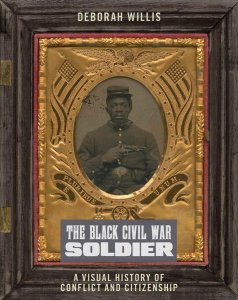
Deborah Willis, “The Black Civil War Soldier: A Visual History of Conflict and Citizenship
#Non-fiction Clint Smith (essays)

- Author: Clint Smith (1988)
- Title: How the Word is Passed
- Published: 2021 (336 pg)
- Genre: non-fiction (African American Studies)
- Monthly plan
- #ReadDiversely
- #NonficNov hosts:
- Katie @DoingDewey
- Rennie @ What’s Nonfiction
- Veronica @ The Thousand Book Project
- Christopher @ Plucked From the Stacks
- Jaymi @ The OC Book Girl
Quick Scan:
- A deeply researched look at the legacy of slavery
- …and its imprint on centuries of American history.
- If I could give a book a rating
- with 10 stars…this is the one!
- This book is #Must Read for high school students…
- and in fact every American.
- To say…I learned a lot
- is an understatement.
- This isn’t just a work of history, but an exploration of
- how we’re still distorting our history.
- Favorite chapters: Monticello, Whitney Plantation,
- Angola Prison and New York City.
- #1 New York Times bestseller
- Longlisted for the 2021 National Book Award for Nonfiction
Last thought tweet:
- #NonficNov essays by Clint Smith, “How the Word Is Passed”.
- Revelations of Black life in America… absorbing (if sometimes uncomfortable)
- reading because of the way it’s organized, as a travelogue of sorts
- ….but still a magnificent book!
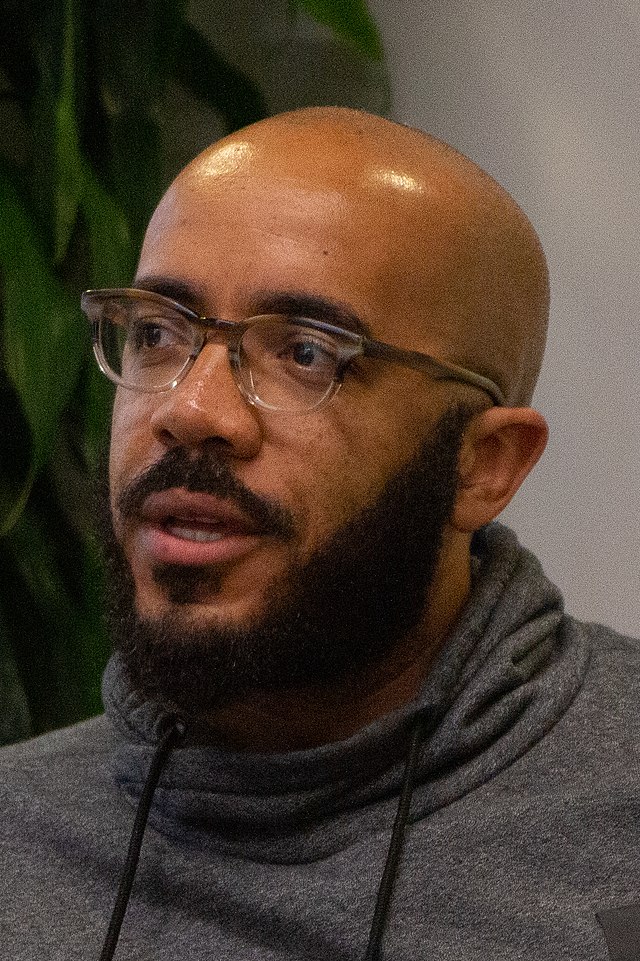
#NonficNov 2021 David Olusago
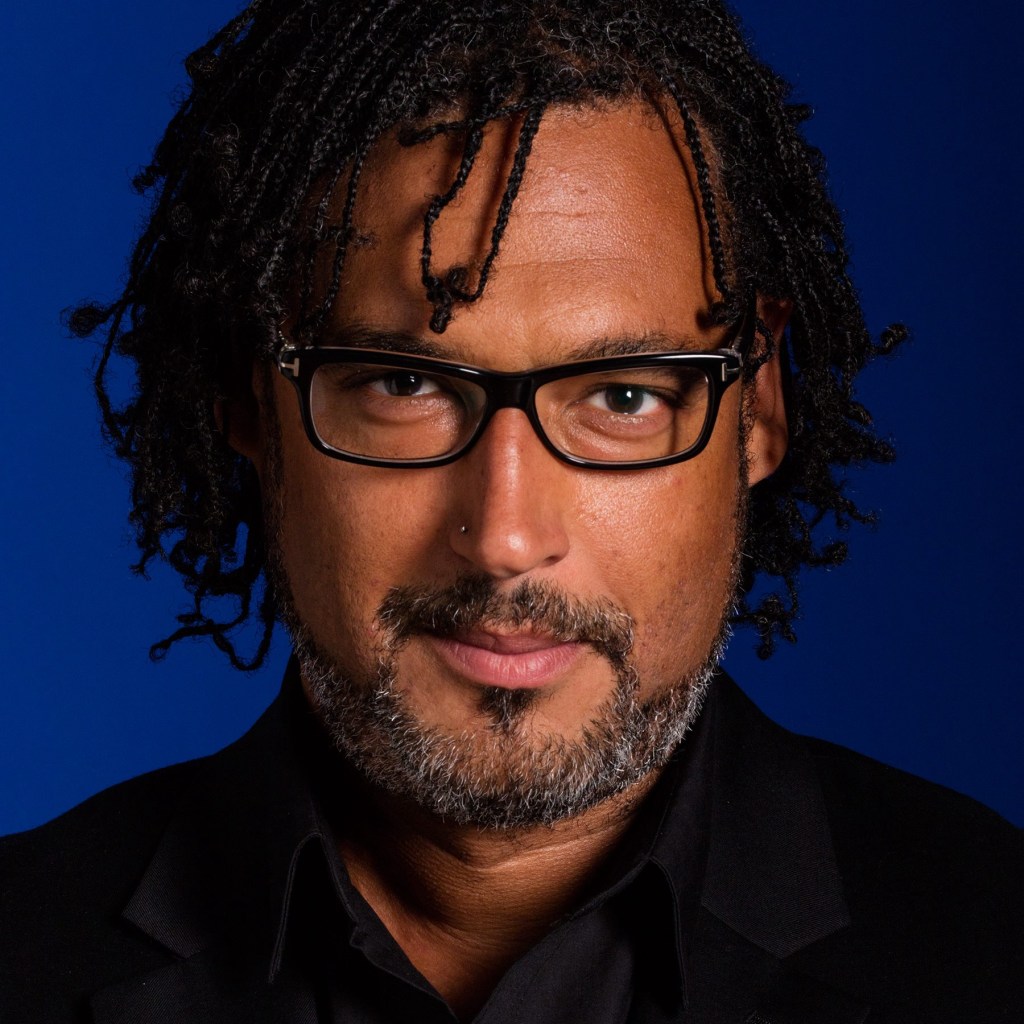
- Author: David Olusago (1970)
- Title: Black and Birtish: A Forgotten History
- Published: 2016 (639 pg)
- Monthly plan
- #ReadDiversely
- #NonficNov hosts:
- Katie @DoingDewey
- Rennie @ What’s Nonfiction
- Veronica @ The Thousand Book Project
- Christopher @ Plucked From the Stacks
- Jaymi @ The OC Book Girl
Quick scan:
- The historian English-Nigerian David Olusoga has written
- that slavery is often misremembered in the U.K.
- …as a uniquely American atrocity.
- He points out that British-owned slaves mostly lived and worked in the Caribbean.
- The goal of this book is to ensure that the British involvement with
- slavery NOT be largely airbrushed out of the
- “standard, Dickensian image of Britain in the Victorian age…” (pg 234).
- It’s time to have a look at what the Brits….were up to!
- The book charts black British history from the first meeting
- between the people of Britain and the people of Africa
- during the Roman period, to the racism
- …Olusoga encountered during his own childhood.
- It is a story that some of Olusoga’s critics would prefer was forgotten.
Strong point:
- The book is filled with new discoveries
- about the British involvement in the slaver trade.
- Olusago supports these findings with the science behind it.
- “…skeletons excavated decades ago are suddenly able to tell their stories.” (pg 40)
- This process transforming history
- is radioisotope analysis. (article from Nat. Geographic)
- Where you grew up…what you ate…your bones record your life.
Some thoughts….
Ch 4:
- Ch 4 is about legal cases 1770s to ensure
- slavery does not become acceptable in England
- ...or the right of Brits to hold slaves in the American colonies.
- Yes, this is an important part of British/Black history
- …but it was not the MOST engaging section of the book.
- #PersonalPreference
Ch 5:
- Chapter 5 was more interesting….linking my thoughts to a book I
- had just read Bedlam in Botany Bay (James Dunk).
- It reveals the resettlement schemes of London’s black poor in
- 1780s to Sierra Leone and Botany Bay Australia.
- (pg 148) “There were those is London, on the committee,
- …who just wanted them (blacks) gone and
- …cared little about their long-term prospects.
- This is the history the British
- …would like to see airbrushed away!
Ch 6:
- 22 May 1787 –> the birth of the Abolitionist Movement
- is very interesting.
- Trivia: Did you know that trendy Canary Wharf London was built by
- slave trade mogul George Hibbert 1757-1837 (who?) as West Indies Docks’.
- This dock was used to import the sugar from West Indies plantations!
Ch 7:
- Frederic Douglass on his second speaking tour in late 1850s felt
- a decline in anti-slavery sentiment and the rise in racism.
- The turnig point
- …American racism had started to seep into Britain.
Ch 14:
- Wow…just wow!
- This book may exhaust you but keep on reading
- …because Olusago really “lets loose” in ch 14-15!!
- I never knew the extent of racism in Britain….shocking!
Conclusion:
- David Olusago, in the last chapter, bookends his
- history with the “Windrush Myth”.
- The post-war wave of migration from the Caribbean.
- In the book’s introduction we read about
- Enoch Powell’s 1961 speech “Rivers of Blood”.
- Powell’s persistent themes of national sovereignty,
- purity of citizenship and a
- determination to keep out undesirable immigrants still echoes
- in the European politics of far-right politicians.
- Historian Olusago has shown me that
- this idea of “purity of citizenship” is also a myth.
- I’ve read about
- the presence of African peoples in Roman Britain
- and Black Tudors, Stuarts, Edwardians, Victorians and Georgians.
- If history was properly discussed as Olusago shows us
- the British could awaken us from their colonial dreamtimes when…
- ” Rule Britannia! rules the waves!
- “Britons never will be slaves.”
- …but they will eagerly take part in the slave
- trade from 1560 Queen Elizabeth I –> Charles II
- –> the abolition of slave trade 1833 King William IV.
- People hold on to the belief that the UK was a “white country”.
- David Olusago challenges this concept in this book.
- Olusoga was confident about having two identities.
- despite the prejudice he had encountered.
- He was proud of being a black Nigerian of Yoruba heritage and
- being part of his mother’s white working-class geordie tradition.
- But he has always had a third identity:
- “I’m also black British – and that had no history, no recognition
- Best quote: D. Olusago
- “My job is to be a historian.
- It’s not to make people feel good”.
Last Thoughts:
- There is a lot of “new history” for me in this book!
- Weak point: Sometimes Olusago can go into numbing details (ch 4, ch 7)
- but other times he left me scratching my head with the
- thought: “Why have I never heard about this?”
- That could be due to not having read enough history in depth.
- Thank goodness David Olussago is helping me.
- Loved to read the royal connections…
- by Queen Elizabeth I and Charles II…I never knew!
- They understood the profitability of the English slave trade.
- Be prepared for some long reading days…(639 pg)…but of
- course with books like these some skimming is unavoidable!
- This reader was very tired after 13 chapters…still 2 ch to go
- …but oh, they were well worth reading!
- This is an excellent, readable book
- …but very long
- #HistoryBuffs don’t miss this one!
#NonFicNov 2021 week 2

Week 2: (November 8-12) – Book Pairing with Katie at Doing Dewey: This week, pair up a nonfiction book with a fiction title. It can be a “If you loved this book, read this!” or just two titles that you think would go well together. Maybe it’s a historical novel and you’d like to get the real history by reading a nonfiction version of the story.
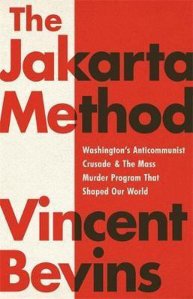
The Jakarta Method (2020) REVIEW
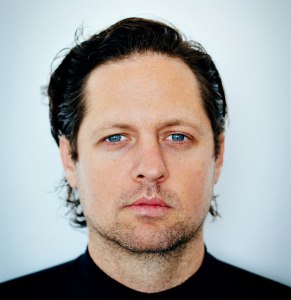
Vincent Bivens….award-winning journalist and correspondent.
He covered Southeast Asia for the Washington Post.
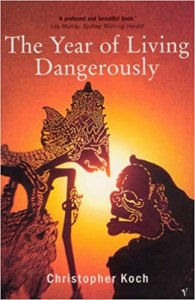
The Year of Living Dangerously (1978) REVIEW
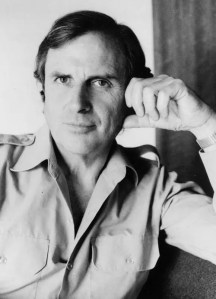
Christopher J. Koch (1932–2013) was an acclaimed Australian journalist-novelist from Hobart, Tasmania.
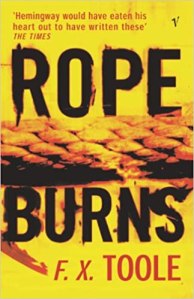
Rope Burns by F.X. Toole (256 pg) 2000
- The novella “Rope Burns” offers a gritty, heartrending account of the
- indestructible bond that develops between a devoted fighter and his trainer.
After the Count: The Death of Davey Browne by Stephanie Convery 2020 REVIEW
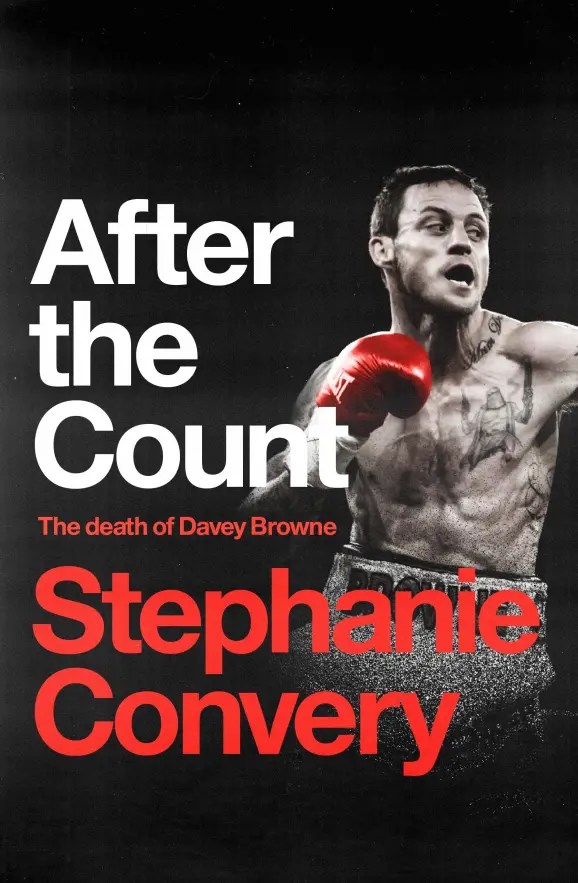
- Ring magic is different from the magic of the theatre,
- because the curtain never comes down
- …because the blood in the ring is real blood, and
- …the broken noses and the broken hearts are real,
- …and sometimes they are broken forever.
#NonFicNov 2021 Hanif Abdurraqib (essays)
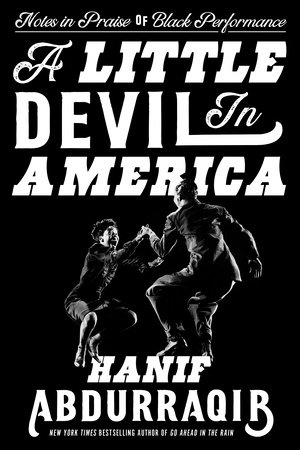
- Author: Hanif Abdurraqib
- Title: A Little Devil In America
- Published: 2021
- Genre: essays (history & criticism)
- Monthly plan
- #NonFicNov 2021
- #ReadDiversely
- Trivia: Finalist for Andrew Carnegie Medal of Excellence non-fiction
- winner announcement 23 January 2022 5pm EST
- Trivia: Finalist for National Book Award 2021 non-fiction
- winner announcement 17 November 2021
- @DoingDewey
- #NonficNov hosts:
- Rennie @ What’s Nonfiction
- Veronica @ The Thousand Book Project
- Christopher @ Plucked From the Stacks
- Jaymi @ The OC Book Girl
Conclusion:
- There are only a few books that left me literally speechless
- They are often about exposing injustice Blood in the Water
- …poetry books for example by Jericho Brown, Les Murray, Clive James
- (Australia), Cilla McQueen (New Zealand)
- ….now I can add these essays by Hanif Abdurraqib to my special list.
- His criticism and essays are infused with social commentary,
- memoir, pop culture, and always with poetry.
- Even the structure of his books sometimes takes a poetic slant.
- Like the chapter in this book called “Fear: A Crown,”
- where the last line of each stanza echoes the first line of the next.
- It is an a lyrical celebration of Black artists, from
- Merry Clayton, Aretha Franklin, M. Jackson to Dave Chappelle, and a
- critique of the ways Black expression gets exploited.
- Hanif Abdurraqib has written a profound and lasting essays.
- These subjects range from
- the often-tragic lives of legendary Black artists
- …to close examinator of a singular performance.
Best quote:
- “I’m afraid not of death, but of the unknown that comes after.
- I’m afraid not of leaving….but of being forgotten.”
- #MustRead…it will leave you speechless.

#AusReadingMonth 2021 Christopher Koch
- Author: Christopher Koch (1932-2013)
- Title: The Year of Living Dangerously
- Published: 1978 (224 pg)
- Trivia: This book helped Australia to shift its cultural focus from
- Britain and Ireland toward its increasing engagement with Asia
- ….and continuing into 21st C (nuclear powered submarines from USA)
- Trivia: The banned film (1982) version directed by Australian Peter Weir
- was shown for the first time in 2000 at Jakarta Film Festival.
- Monthly planning
- #AusReadingMonth2021 @bronasbooks
Quick Scan:
- C. J. Koch’s The Year of Living Dangerously takes its title
- from Sukarno’s term for 1965, the year in which the novel takes place.
- R. J. Cook, first-person narrator, recounts the events that occurred
- during that tumultuous, chaotic year.
- In 1965 Sukarno was overthrown (see book published 2020: The Jakarta Method)
- and Suharto, a right-wing officer, assumed control of the Indonesian government.
- Sukarno’s fate, however, is linked to the fates of the characters:
- Guy Hamilton – a correspondent for an Australian news network
- Trivia: loosely based on Mr. Koch’s younger brother, Philip.
- Billy Kwan – an Australian-Chinese dwarf who is a highly intelligent cameraman
- Jill Bryant – the woman both men love.
Conclusion:
- This was an amazing book…just stunning!
- I saw the movie version in 1980s and didn’t understand any of
- the politics in Indonesia and USA’s use of…
- The Jakarta Method.
- Now I do..and it isn’t a pretty picture for America’s foreign policy.
- Has anything changed?? (Syria, Iraq, Afghanistan….and now Taiwan?)
- Chris Koch is an excellent writer/journalist and several intrigues
- were weaved seamlessly into the story.
- I could not stop reading…..
- Billy Kwan is the “spider in the web”
- …the Wayang shadow play puppet master!
- The ending of the book was genius.
- Please, don’t miss this #classic
- It is probably waiting for you on the library shelf
- …better yet, buy it and support your local bookstore.
- #MustRead.
#NonficNov Pushout
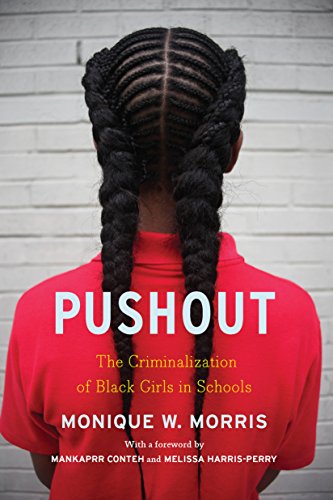
- Author: Dr. Monique W. Morris
- Title: Pushout: The Criminalization of Black Girls in Schools
- Published: 2018 (303 pg)
- Monthly plan
- #ReadDiversely
- #NonficNov
- @DoingDewey
- #NonficNov hosts:
- Rennie @ What’s Nonfiction
- Veronica @ The Thousand Book Project
- Christopher @ Plucked From the Stacks
- Jaymi @ The OC Book Girl
What is PUSHOUT?
- Pushout refers to practices that
- contribute to students dropping out.
- A) unwelcoming and uncaring school environments
- B) over-reliance on zero tolerance school policies
- that push students out of school.
What does Ms Morris tell us in this book?
- She offers tactics to work against damaging stigmas.
- Black girls are devalued based on how others perceive them.
My Thoughts..
- Why is the struggle for survival a
- universally accepted rite of passage for Black girls?
- I never looked at this aspect of BG’s lives.
- ALWAYS …having to prove they are good enough!
- All the more respect for people like
- TV commentators (Oprah), news anchors (Joy Ried),
- members of Congress (Cori Bush), First Lady (Michelle Obama),
- American lawyers, activists, and politicians like…
- Letitia James, Attorney General New York
- …now running for Governor of New York…
- who have had to balance
- the question am I black first or am I female first?
Thoughts…
- Despite all the struggles for equality in USA
- ...the country is still colorblind.
- Segregation still exists.
- ..and Black girls have unequal access to education.
- Just think about it….this is shameful!!
- Hannah-Jones covers racial injustice for The New York Times,
- and has spent years chronicling the way official policy has created
- —and maintains—racial segregation in housing and schools.
- She won she won the Pulitzer Prize for Commentary for her work on The 1619 Project.
- Yet conservative groups (white supremacists)
- …expressed disagreement with the 1619 Project and
- …questioned Hannah-Jones’s credentials (…how dare they!)
- Many UNC trustees (under pressure) resisted granting her tenure
- ….still pure racism anno 2021!

- I could go on and on highlighting the points
- ….made in this book (see notes below)
- …but each time I think of a one new example of
- intelligent, brave, persistent Black women
- others come to mind.
- I applaud all Black women making a better life for
- themselves, their family and their country.
- I am so glad this book made
- …me AWARE of Black girl’s struggles
- …and hope that more people pause and
- …think about what they must
- go through…each and every day of their lives!
Last Thoughts:
- I must admit this book was a ‘difficult read’.
- Young black girls drift from foster homes
- …to juvenile correction institutions
- …and even being trafficked into prostitution.
- The personal stories are shocking to read.
- I had a second book lined up to read by Nikki Jones.
- She is an associate professor of African American Studies
- at the University of California, Berkeley
- …but just cannot digest more of this dark side of life.
- One book is enough for the time being
- …after this eye-opener.
- Still I say…
- #Bravo Dr. Monique E. Morris
- …I don’t know how you do it….immersed in this
- traumatic daily life as experienced by poor, urban,
- African American adolescent girls.
- I know you are making a difference by revealing
- …what an average person like me
- …does not see.
Quick Scan: Chapters:
- Struggling to Survive
- A Blues and Black Girls When the “Attitude” is Enuf
- Jezebel in the Classroom:
- Learning on Lockdown
- Repairing Realtionshps, Rebuilding Connections
Confront the reader: “…with the facts”
- Statistics: poverty, dropouts, incarceration, homicide of black girls and women today.
- Schools maintain culture of discipline and punishment
- Anecdotes: relate how black girls are victims of discrimination and exploitation.
- Stereotypes: sassy, combative and defiant
- Personal stories: better understanding of how black girls are uniquely vulnerable
- Solutions: what schools can reduce the marginalization of black girls
- Training: schools should not to criminalize misguided reactions of black girls.
- Sometimes they are victims of sexual assault, have been bullied
- …or experienced abandonment in the family.
- Show more empathy...engage them with care
- ...bring them closer when there is chaos or disruption in their lives.
#NonFicNov 2021 week 1

Week 1: (November 1-5) – Your Year in Nonfiction with Rennie at What’s Nonfiction: Take a look back at your year of nonfiction and reflect on the following questions – What was your favorite nonfiction read of the year? Do you have a particular topic you’ve been attracted to more this year? What nonfiction book have you recommended the most? What are you hoping to get out of participating in Nonfiction

- If you are looking for an Xmas present for that non-fiction lover on your list
- …perhaps you can find one on ‘My year Reading Non-fiction 2021’.
- You can always say the book is from the dog!
- Books read: 01 November 2020 – 31 October 2021
- All reviews you are interested in can be found here “Monthly Planning”
- Non-fiction books: 48 -> that is 37% of all my reading (130 books)
- I started the year off eager to read non-fiction books
- …but slowly my NF reading fizzled out at the end of June.
- Why? I have no idea.
- This reading year felt chaotic.
- There was no plan I could stick to and I was
- …still trying to get my reading ‘mojo’ back after Covid 2020.
- I’m sure there were many readers in this same predicament.
- After reviewing my reading choices
- ….INVESTIGATIVE JOURNALISM
- …seems to be the number one topic!
- Investigative Journalism:
- ..focusing on the truth no matter who is involved
- Catch and Kill (2019) – Ronan Farrow (USA – sexual harassment in Hollywood)
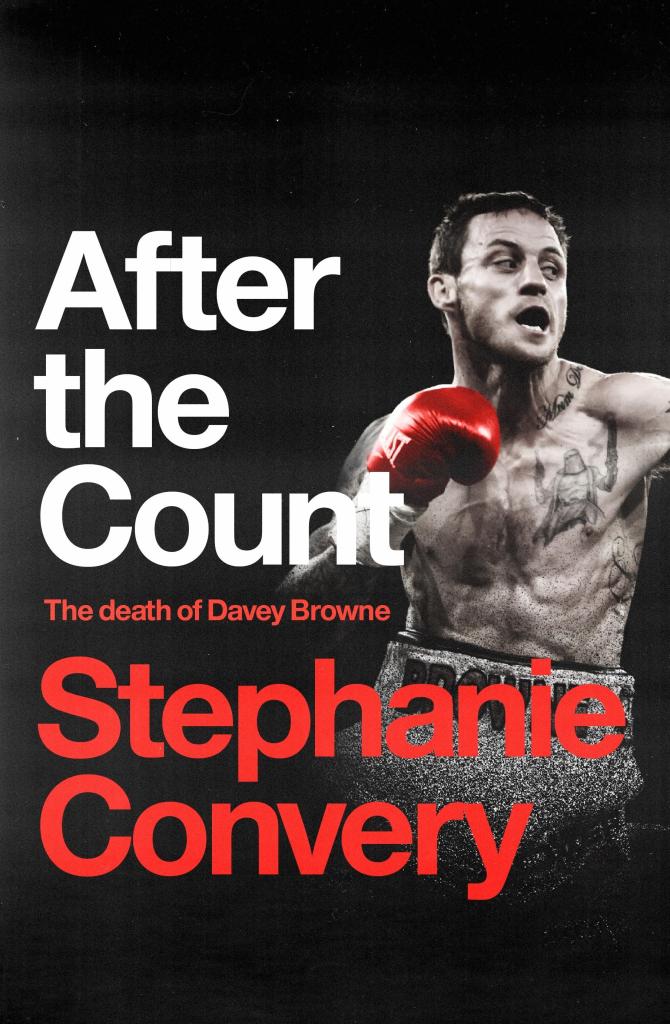
- After the Count – S. Convery (Australia – inside look at the world of boxing…fascinating!)
- City On Fire: The Fight For Hong Kong – A. Dapiran (Hong Kong – struggle for democracy)
- Body Count – Paddy Manning (Australia – climate change is killing us)
- Zero Fail (2021) – Carol Leonnig (USA – rise and fall of the Secret Service)
- Fallen – Lucie Morris-Marr (Australia – secret trial to convict Cardinal Pell)
- Hazelwood – T. Doig (Australia – toxic coal mine/public health cover-up)
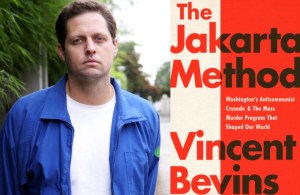
- The Jakarta Method – Vincent Bevins (USA – exposing US policy of regime change)
- We Can’t Say We Didn’t Know – S. McNeill (Australian Middle East jurno – tragic issues)
- Ghost Wars – Steve Coll (2004) (USA – secret history of the CIA in Afghanistan)
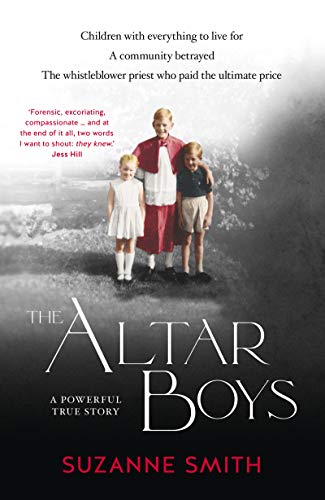
- The Altar Boys – S. Smith –> (Australia – heartbreaking abuse exposed)
Complete List Non-fiction books 2021:
- Everything Happens for a Riesling – G. de Morgan
- Entangled Life – M. Sheldrake
- Zero Fail (2021) – Carol Leonnig
- Catch and Kill (2019) – Ronan Farrow –> highly recommended
- Mediocre – Ijeoma Oluo
- Gulag Archipelago vol 1 – Aleksandr Solzhenitsyn (classic)
- Nobody Knows My Name – James Baldwin (essays)
- Talking To My Country – Stan Grant
- Wayward Lives – Saidiya Hartman (criticism)
- Rembrandt and the Female Nude – E. Sluijter
- Classical Art: From Greece to Rome – M. Beard
- Has China Won? – K. Muhbubani
- Henri Matisse: Rooms with a View – S. Neilsen Blum
- Classical Art – M. Beard
- Bloodlands – T. Snyder
- The Betrayal – W. R. Corson (1968)
- Revolusi – David van Reybrouck (Dutch)
- Urk – M. Declercq (Dutch)
- Een Klein Land Met Verre Uithoeken – Floor Milikowski (Dutch)
- Ghost Wars – Steve Coll (2004)
- The Origins of Totalitarianism – Hannah Arendt
- Pure, White and Deadly – J. Yudkin
- Anseo – Úna-Mingh Kavanaugh
- A Promised Land – Barack Obam
- The Jakarta Method – Vincent Bevins –> highly recommended
- The Grand Chessboard – Zbigniew Brzezinski
- Society 4.0 – B. de Wit
- How Fascism Works – Jason Stanley
- Kill Switch – Adam Jentleson
- A Black Women’s History of the United States – Daina Ramey Berry
- AI Superpowers – Kai-Fu Lee
- The Anarchy – W. Dalrymple
- After the Count – Stephanie Convery –> highly recommended
- Say Nothing – P. R. Keefe
- Body Count – Paddy Manning
- How to Do Nothing – J. Odell
- How to Make A Slave – J. Walker
- The Dead Are Arising – Les Payne (biography)
- Don’t Touch My Hair – Emma Dabiri
- Dying of Whiteness – J. Metzl
- Hazelwood – T. Doig
- We Can’t Say We Didn’t Know – Sophie McNeill
- Fallen – Lucie Morris-Marr
- Comrade Ambassador – S. FitzGerald (biography)
- City On Fire: The Fight For Hong Kong – A. Dapiran
- The Altar Boys – S. Smith –> highly recommended
- Penny Wong – M. Simons (biography)
- Walking with Ghosts – Gabriel Byrne (memoir)
#NonficNov 2021 Bloods by Wallace Terry

- Author: Wallace Terry
- Title: Bloods
- Published: 1984
- Monthly plan
- #ReadDiversely
- #NonficNov
- @DoingDewey
- #NonficNov hosts:
- Rennie @ What’s Nonfiction
- Veronica @ The Thousand Book Project
- Christopher @ Plucked From the Stacks
- Jaymi @ The OC Book Girl
Quick Scan:
- In 1967, Terry Wallace left for Vietnam as
- …TIME magazine’s deputy bureau chief in Saigon.
- During his two-year tour, he covered the Tet Offensive, joined assault troops
- in the Ashau Valley and on Hamburger Hill.
- He’d seen more of his share of horror.
- Getting this book published became an obsession for Wallace Terry.
- After thirteen years, Wallace had sent the manuscript to a hundred publishers
- ..and received a hundred rejections
- Finally in 1984 Random House agreed to publish
- …and the book was a best-seller.
- In these 20 interviews the soldiers speak about their experiences
- with exceptional candor and passion.
- They give the reader a sense of what
- …it was like as a black man to serve in Vietnam.
- Also we learn what it was like to come back to the real world.
Some notes....
CH 1 – Private First Class “Malik” Edwards – 17 yr marine from Louisiana
Staccato dialogue, black American vocabulary/grammar, first impressions enlisting, jail during boot camp, first kill in Viet Nam – dishonorable ( Edwards was a trouble maker) discharged from Marine corp…and only the Black Panthers seemed the logical place to end up in.
Conclusion: All in all reading this had a shock affect on me. Edwards claimed “it’s like institutionalized insanity. When you’re in combat you can basically do what you want as long as you don’t get caught. You can get away with murder.”
CH 2 – Specialist 5 “Light Bulb” Bryant – US Army from Illinois
Nickname ‘Light Bulb” b/c Bryant was always full of ideas. Harrowing story about trying to save a soldier trapped on a mine…on a “Bouncin’ Betty”. Trivia: I was reading this chapter (squad combat engineers who had to stay all night in a crashed Chinook) and had a feeling of déjà vu! I realized the movie I’d seen –> Spike Lee’s” Da 5 Bloods” (2020) is based on this book! The soldier admits: “Today…I walk down streets different. I look at places where people could hide. I hear things that other people can’t hear.” War changes people.
Conclusion: This was a very good chapter. Sp 5 Bryant watches a his good friend gets killed ….shaken he tries to gather the body parts. Bryant stays in contact with the man’s mother. Bryant has lost his faith but reads the bible 1 x per year cover-to-cover still looking for an explanation for all he has been through.
CH 3 – Specialist 4 R.J. Ford III – US Army from Washington, D.C.
Stunning story of a soldier describing his PTSD. There is always a quote in the chapter that stops me in my tracks. For example, “They lost my medical records when they (US government) wanted to. Now they got em’ back when they wanted to. They just wanted another black in the field.”
Conclusion:
- Every interview was like watching a movie about Viet Nam!
- Action is on the edges of war…in the jungle
- honor, personal crisis, exhaustion and ….friendship on
- the battlefield.
- Strong point: the interview does not stop in Viet Nam
- …we follow the soldier as he returns home.
- How does he cope…with PTSD?
- Amazed how “messed up” these boys become after war.
- Strong point: Wallace Terry does NOT sugarcoat the …fog of war.
- The uncertainty about the soldier’s capability to fight the VC
- …that slip in and out of the jungle unseen.
- At times I had to cringe and skim over some details of the battle
- …and even worse the ‘aftermath’ of the fight like…
- torture, body counts, soldier’s delight in killing…body part trophies.
- I never read that in the newspapers!
- But there were also examples of kindness,
- dramatic heroism and …even a moment when
- …Luther C. Benton III found God in battle.
Last thoughts:
- What makes an outstanding author?
- Voice. Intelligence. A devotion to language
- …Wallace Terry checks all the boxes.
- #MustRead
 NancyElin.blog