
#AWW2020 Wild Sea: a history of the southern ocean
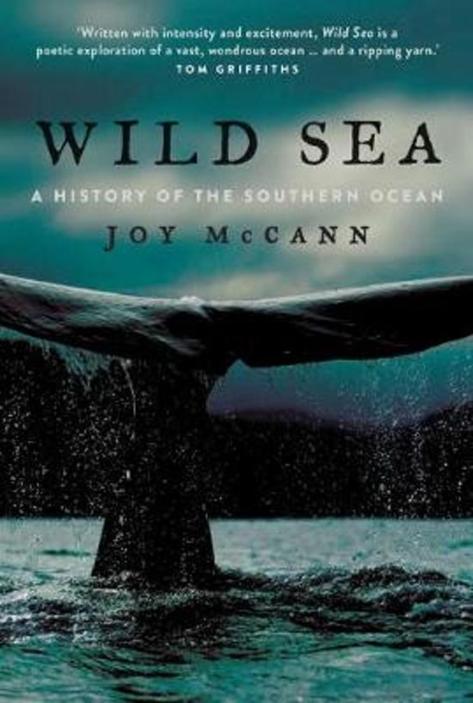
- Author: Joy McCann
- Title: Wild Sea: a history of the southern ocean (258 pg)
- Published: 2018
- Genre: non-fiction
- Rating: C+
- Trivia: 2019 Australian Book Industry Awards (ABIA) longlist
- List of Challenges 2020
- Monthly plan
- #AWW2020 @AusWomenWriter
The Southern Ocean:
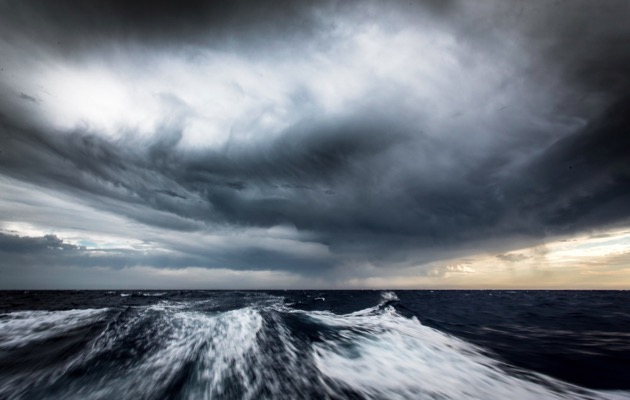
- Solo sailors call it ‘the South’, as if to emphasize its alien difference.
- The Southern Ocean is a place most of us have never been to
- …and never wish to visit.
- It is a realm of cold grey skies and raging winds
- …that eternally circulate round the bottom of the world.
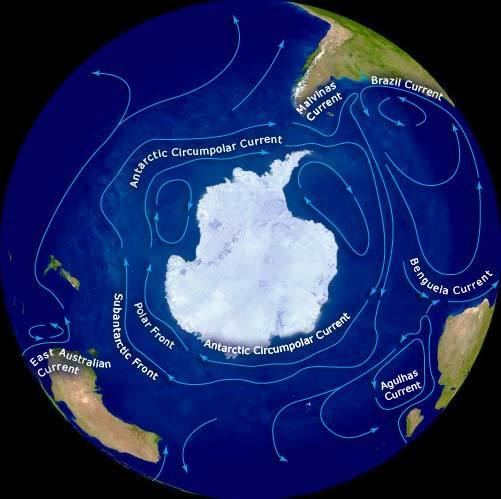
Antartic Circumpolar Ocean Current:
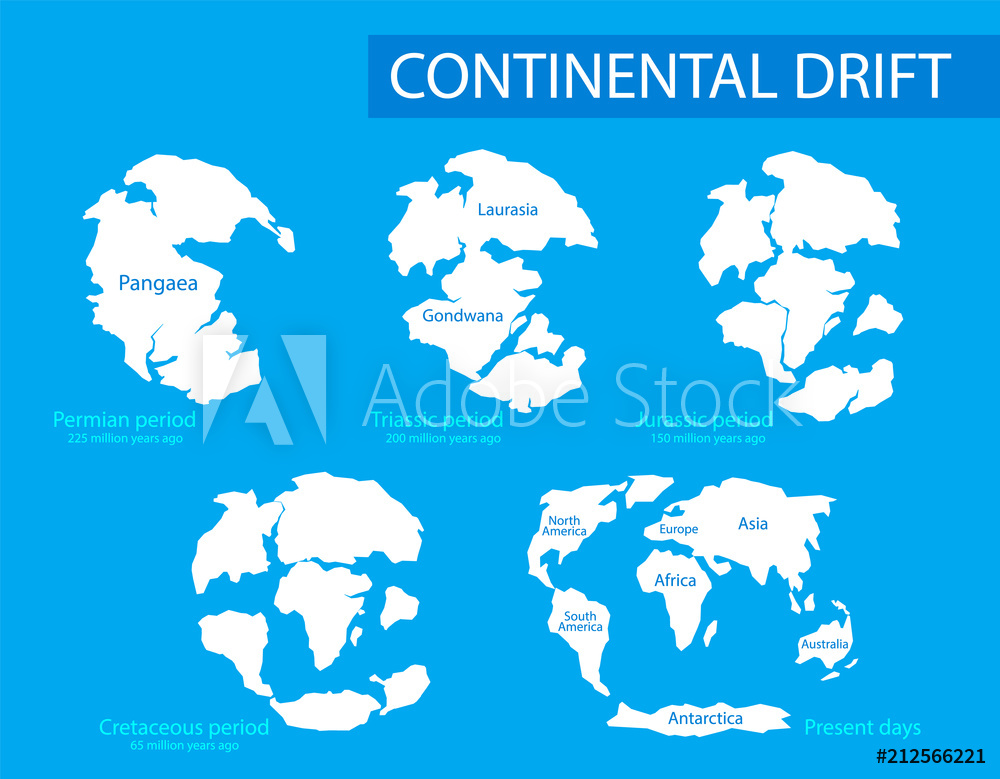
Ch 1 Ocean – continental drift
- Pangaea –> current pattern of continents –> creation of oceans
- The continents don’t change or move independently
- …but are transported by the shifting tectonic plates.
Ch 2 Winds
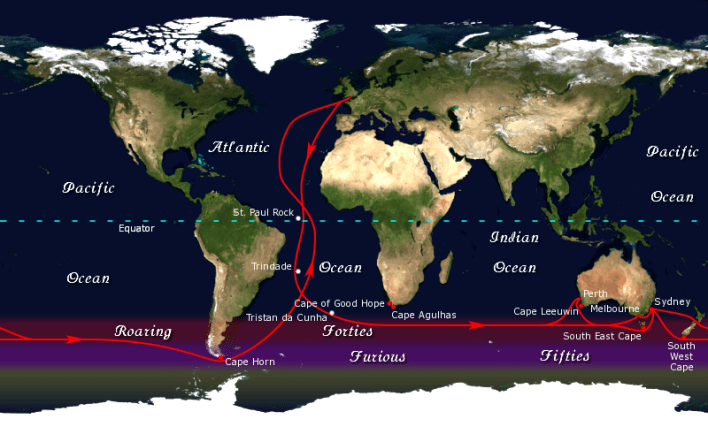
Clipper Route…. took advantage of the Roaring Forties and Furious Fifties winds….92 days London — Sydney 1862.
Ch 3 Coast
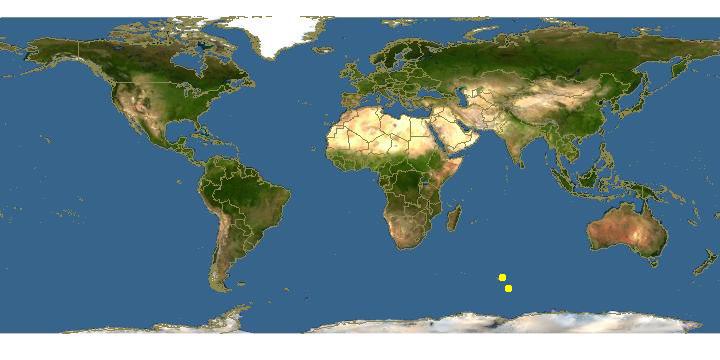
Located in the southern Indian Ocean off the eastern coast of Africa and just north of Antarctica are the Kerguelen Islands. A French territory, this island group (known as Îles de la Desolation in French) is considered to be one of the most isolated places on Earth. (…2 little white dots!)
Ch 4 Ice
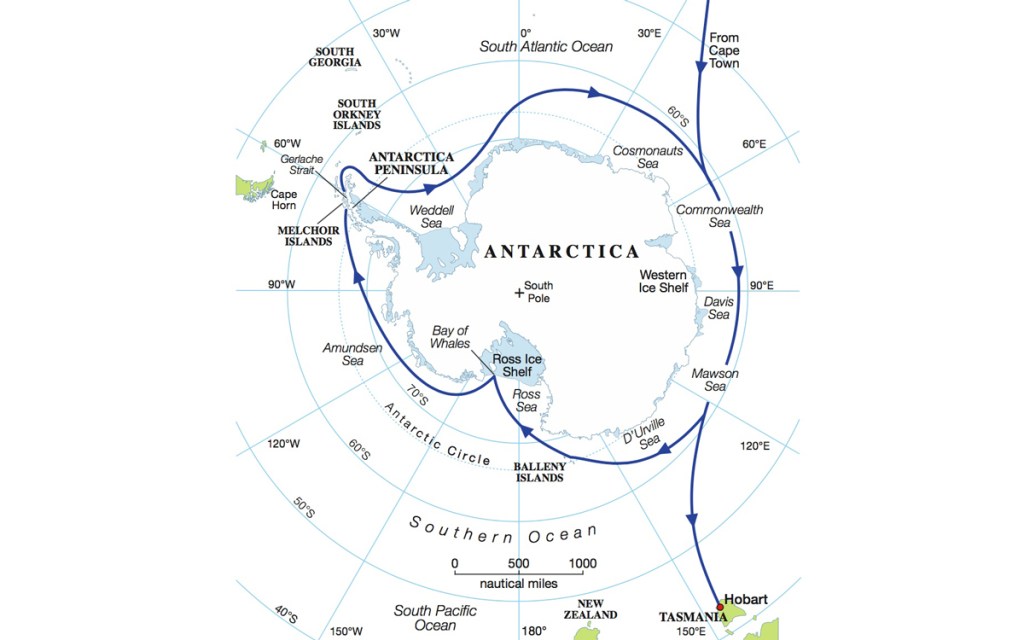
- To sail from the Southern Ocean towards the open waters of the Ross Sea you have to push through the ice a number of times….an ice barrier 100 miles wide.
- As the Southern Ocean is dominated by strong westerly winds it encourages a clockwise route.
- Antartica is only accessible for a few weeks in summer (January-February).
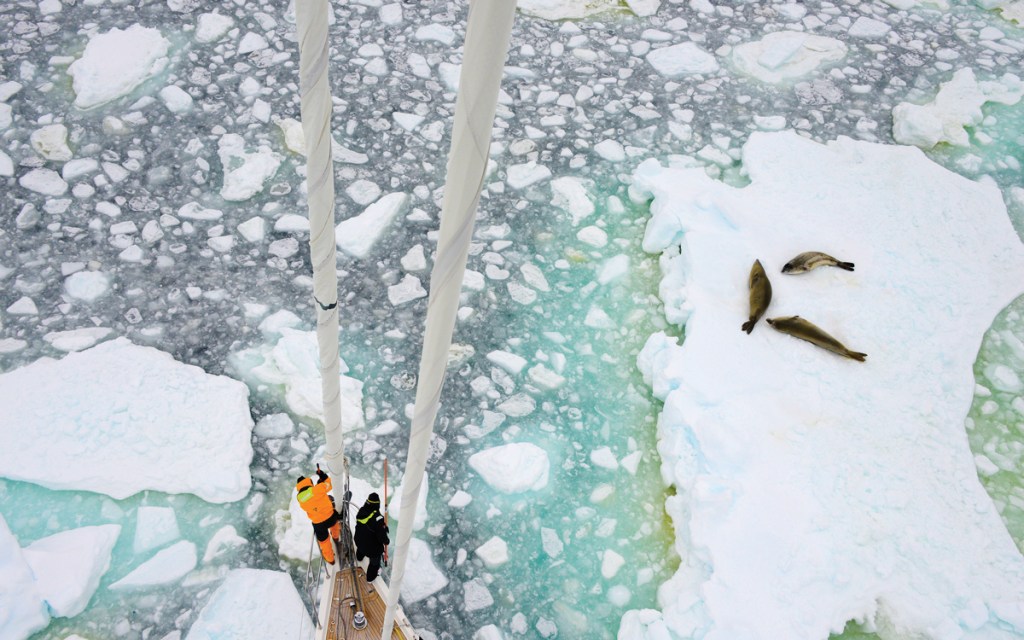
- By March ships risk being trapped in sea ice until the next spring.
- The ice begins to close in trapping you for the winter
- ….an experience no one is likely to survive.
Ch 5 Deep
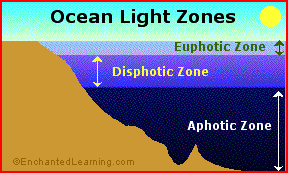
- The ‘twilight zone is formally known as the dysphotic zone.
- Below 1000 meters lies the midnight zone…complete darkness.
Ch 6 Current
- ANIMATION of Antarctic Bottom Water
- A remarkably detailed animation of the movement of the
- …densest and coldest water in the world around Antarctica.
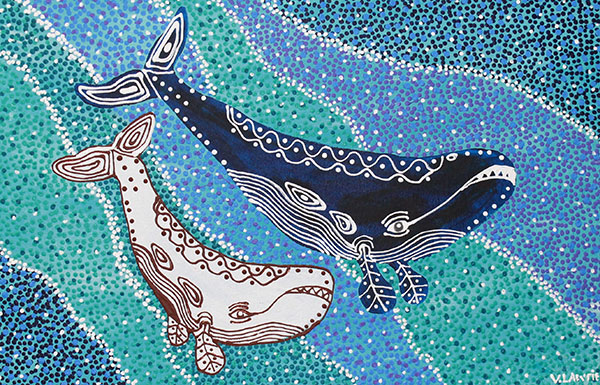
- The whale is the totem of the Mirning people (Ngargangurie)
Ch 7 Convergence
- The Southern Ocean is no longer simply a remote space devoid of human habitation.
- The Earth is dependent upon the ocean’s heartbeat of seasonal ice
- …its carbon-filled lungs and slow circulation of its deep currents.
- Ocean covers 80 per cent of the Southern Hemisphere.
- Australia sits at an ocean cross-roads.
- Changes in the southern oceans may also alter the
- ….climate processes that control rainfall over Australia.
- We need to understand the influence of the
- …southern oceans on climate and sea levels.
- This book is a good place to start!
- #Bravo Joy McCann

Conclusion:
- Detailing a mysterious realm that’s as vital to our existence as the air we breathe.
- Wild Sea: a history of the southern ocean
- is
- As the title says …it is a history
- …and Joy McCann uses many 19th C references.
- I must applaud the author because in her NOTES
- …she also includes many links to websites
- …(Kindle edition) with a trove of information.
- The only weak point in the book is
- ….I was always tempted to leave the text to often and explore
- the links she provided!
- PS: book contains some beautiful illustrations
- ….perfect viewing with Kindle!
- (…I never knew an albatross could be so big!! …see foto)
- Reading tips:
- Roving Mariners: Australian Aboriginal Whalers and Sealers in the Southern Oceans (2012)
- Slicing the Silence: Voyaging to Antarctica – T. Griffiths (2010)
#Non-Fiction The Moth Snowstorm
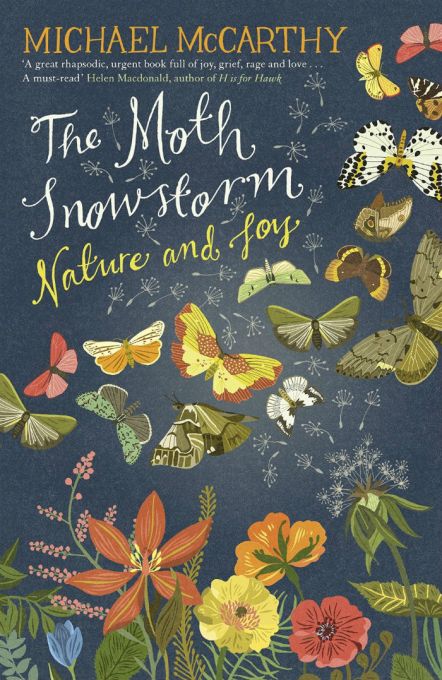
- Author: Michael McCarthy
- Title: The Moth Snowstorm Nature and Joy
- Published: 2015
- Genre: non-fiction
- List of Challenges 2020
- Monthly plan
Finished: 19.01.202
Genre: non-fiction
Rating: C
Conclusion:
- You can’t say M. McCarthy does not have a creative style.
- You will find Adam and Eve, Neil Armstrong, Prospero and Ariel from
- The Tempest….all on one page.
- Birds and butterflies swoop through the paragraphs.
- The estuary of the Dee is Elysium for McCarthy
- …..but not for me.
- This book is not my cup of tea!
- If you want to take a journey into nature
- …my recommendations are:
- Foxes Unearthed: A Story of Love and Loathing in Modern Britain by Lucy Jones
- The Shepherd’s Life: A People’s History of the Lake District by James Rebanks.
#ReadIreland 2020 The Irish Writer and the World
- Author: Declan Kiberd
- Title: The Irish Writer and the World (331 pg)
- Published: 2005
- Genre: non-fiction
- List of Challenges 2020
- Monthly plan
- #ReadingIrelandMonth20
- #Begorrathon20
Ch 1 Introduction
Central theme – cultural forces which appear opposites often turn out to have common ground on which they can meet!
Goal – zone of free debate to allow an intelligent savouring of differences as well as similarities
Error – leaders ignore the ‘cultural domain and are led by mere politics.
James Joyce – perfect example….a writer who made himself European without ceasing to be Irish.
Ch 2 The fall of the Stage Irishman
Stereotypes:
Stage Irishman (19th C)
Caricature of an Irish stage drunk, clowning his way with stories between bars
He wears an Irish mask: exploiting the quaint Irish peasantry
for the amusement of a ‘superior’ foreign audience.
The stage Irishman was generally “garrulous, boastful,
…unreliable, hard-drinking, belligerent (though cowardly).
Anti-Stage Irishman
Caricature of an holier-than-thou Irishman
refusing any taint of the Stage Irishness.
Stage Gael
Caricature of the long suffering suffering peasantry of the west of Ireland
ignoring the awful poverty.
“Gaelic morons here with their bicycle clips and handball medals” (Flann O’Brien)
Stage Writer:
Stage Irishman is a thing of the past.
Ireland is in danger of replacing it with the Stage Writer:
…legendary drinking of Brendan Behan (died 41 yr)
Flann O’ Brien (died 54 yr) and Patrick Kavanagh (died 63 yr).
Irish Literary Modernism (20th C)
Seamus Heaney, Martin O’Cadhain and Sean O’ Riordain are
masters who brought Irish writing into the 20th C.
They gave their countrymen a true image of themselves.
19th C
Rejection on romantic Irish novelists (C. Wickham 1826-1882)
— dealing sympathetically with Irish life, manners, quaint customs
and the insuppressible humor of the peasantry.
20th C
Acceptance of new generation of writers
–“…which the people would be shown in all their naked hideousness” (Yeats)
That author was Flann O’ Brien (aka Brian O’Nolan). Novel An Béal Bocht
The Irish expression “to put on the poor mouth” is mildly pejorative.
Peasant farmers would exaggerate the direness of one’s situation
to evoke sympathy, charity of creditors and landlords or generosity of customers.
Ch 3 Storytelling: the Gaelic tradition
- “The best things come in small packages.” (Anne Enright)
- The short story…
- has been the most popular literary form with readers.
- permits intense self-expression.
- author selects a single aspect of life to reveal his personality.
- is credible, written in private for the critical solitary reader.
- exploits minor triumphs, sadness of the commonplace man.
Conclusion:
- I was looking for insights into Irish writers and their works.
- I enjoyed the introduction, ch 1 about Irish stereotypes and
- ch 2 about Irish and short stories.
- Liked: ch 1-2-3 (15%)
- Disliked: ch 4-19
- The rest of the book was centered around
- nationalism, multiculturalism,
- do you write in Gaelic or in English….which is preferred?
- ..75th commemoration of the Easter Uprising,
- museums, colonialism, poets Synge vs Yeats etc.
- All are scholarly discussions worth reading
- ….but was not what I was looking for.
- #CherryPickWhatYouLike
#Non-fiction From Russia With Blood
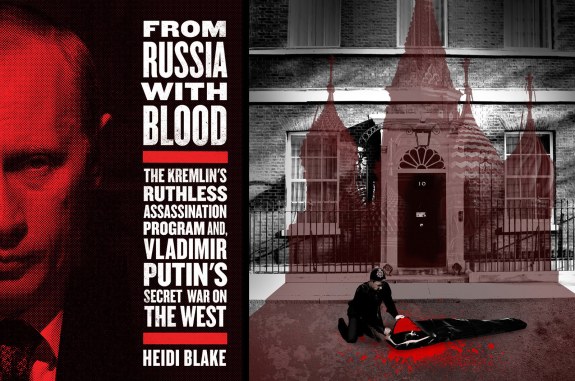
- Author: Heidi Blake
- Title: From Russia With Blood (336 pg)
- Published: 2019
- Genre: non-fiction
- List of Challenges 2020
- Monthly plan
Finished: 15.01.2020
Genre: non-fiction
Rating: D-
#ReadNonFictionYear
Conclusion:
If you want REAL investigative journalism
read Luke Harding
A Very Expensive Poison
If you want to read a REAL Putin scholar
read Dr. Fiona Hill
Mr Putin: Operative in the Kremlin
Last thoughts:
Honest opinion? This book was a waste of time.
“old news” …if you have been reading the newspapers
since 2000!
I can’t imagine this as a page turner, except when I was turning
a dozen pages at a time hoping it would get better.
#SoDisappointed
#Non-Fiction Nixon at the Movies
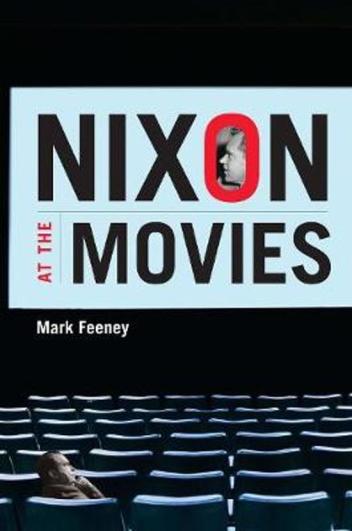
- Author: Mark Feeney
- Title: Nixon At The Movies (436 pg)
- Published: 2004
- Genre: non-fiction
- List of Challenges 2020
- Monthly plan
Conclusion:
- This book was a delight to read.
- I love politics and the movies!
- The author uses movies Nixon choose to see
- …some multiple times…to expose the character of Nixon.
- It is a combination of a psychological biography and cinematic history.
- Nixon was in The White House for 67 months.
- He screened no less than 500 movies!
- Nixon hated meeting people.
- But Nixon loved the movies
- Movies had all the vividness and pageantry of life
- —without any of the human complications.
- The movies were not only larger than life
- …they were safer than life.
- This quote in the epilogue sums it all up:
- “Where a Lincoln appeals to our aspirations,
- …a Kennedy to our fantasies
- …Nixon just is.”
- Trump spends his time on the golf course
- Obama romps on the basketball court and
- …Nixon at the Movies!
- #MustRead
Trivia:
- Favorite movie: Patton
- Favorite actor(s): John Wayne and Clint Eastwood
- Favorite genre: westerns
- Favorite director: John Ford
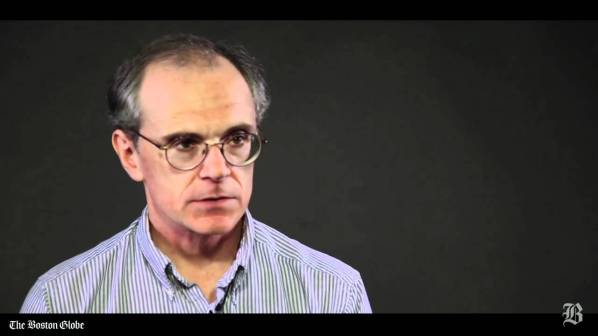
- Feeney graduated from Harvard in 1979.
- He and worked for the paper ever since, as a researcher, writer, and editor.
- A finalist for the 1994 Pulitzer Prize for Feature Writing.
- He he won the 2008 Pulitzer Prize for Criticism.
#Non-Fiction The Churchill Factor

- Author: Boris Johnson
- Title: The Churchill Factor (400 pg)
- Published: 2014
- Genre: non-fiction
- List of Challenges 2020
- Monthly plan
Finished: 13.01.2020
Genre: non-fiction
Rating: A+++++
#ReadNonFictionYear
Introduction:
- I started this book before the UK’s general election.
- It is fascinating to see how Boris Johnson
- emulates his hero, Churchill!
- Winston Churchill tipped the scales of destiny in 1940.
- We should all be thankful for his courage, pluck and
- famous message June 1940 to the British people:
“We shall go on to the end.
We shall fight in France,
we shall fight on the seas and oceans,
we shall fight with growing confidence and growing strength in the air,
we shall defend our island, whatever the cost may be.
We shall fight on the beaches,
we shall fight on the landing grounds,
we shall fight in the fields and in the streets,
we shall fight in the hills;
we shall never surrender…”
Conclusion:
- This book was a delight to read!
- Not stuffy or dry
- …but filled with insights and humor as
- Johnson weaves the narrative between war,
- politics and Churchill’s personal life.
- Boris Johnson is a savvy politician
- ….but also an excellent writer!
- #MustRead
- PS: John Lithgow is wonderful as Winston Churchill
- in Netflix series The Crown...
- #MustSee
#ReadIreland 2020 Samantha Power
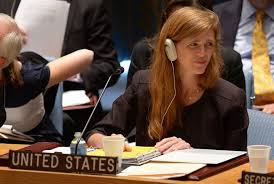
- Author: Samantha Power
- Title: The Education of an Idealist: A Memoir
- Published: 2019
- Genre: non-fiction
- Challenge 2020
- Monthly plan
- #ReadingIrelandMonth20
- #Begorrathon20
Finished: 08.01.2020
Genre: non-fiction
Rating: C
#ReadNonFictionYear
Conclusion:
Part I
Ch 1- 6
Pretty basic childhood memories
SP (9 yr) was taken by her mother to America
after the breakdown of a marriage.
Ch 7- 12
I’m beginning to feel more engaged with the book than was initially the case. SP has digested the horrors of the Balkan conflict (war correspondent). She decided to enter law school to prepare her for a career in which she could influence the policymakers who might look away again from the atrocities of genocide.
Ch 13 – 18
SP does feel a profound disconnect between her personal good fortune and the rest of the world. She threads elements of her family story throughout the book.
Part 2:
Ch 19-40
The memoir finally begins to move ahead in a faster and more effective way.
I am very interested learning more about the insider’s account of foreign-policy-making.
Who is Samantha Power?
She is an Irish-American scholar who won a Pulitzer Prize for her book A Problem From HelI.
Ms Power has devoted much of her career to promoting the use of American power (Obama administration) to halt mass atrocities.
She served as United States Ambassador to the United Nations 2013-2017.
How did SP get interested in ‘genocide’?
Ms Power was witness to genocide during the Balkan Crisis.
She a war correspondent for Foreign Policy magazine. When she enrolled at Harvard Law School she took courses about Holocaust related subjects. SP wanted to learn when was military force justified? Note: I’m reading this book as Trump decides ‘to take out” General Soleimani of Iran! Justified?
Last thoughts:
- Samantha Power (activist-turned-diplomat)
- …leads the life as a diplomat involved in juggling the
- demands of her job and those of her two young children.
- Ms Power left me with the feeling that she told us
- just enough about herself to make this book a ‘memoir’.
- What I missed was Ms Power’s thoughts about her road to
- confirmation for U.S. Ambassador to the UN that was
- strewn with landmines.
- She never mentions it!
- Her main goal was to inform the reader as objectively as possible
- about the good work the Obama administration
- …did during her tenure as
- political aide and later as US ambassador to the UN.
- Samantha Power hopes that we do more
- …about our engagement in the world
- …and strengthening our democracy.
- As memoir….? It did not touch
- my heartstrings…
- …very ‘chilly’ look back on her life.
- #WorthwhileButNotExceptional
JFK and the Unspeakable: Why He Died and Why It Matters
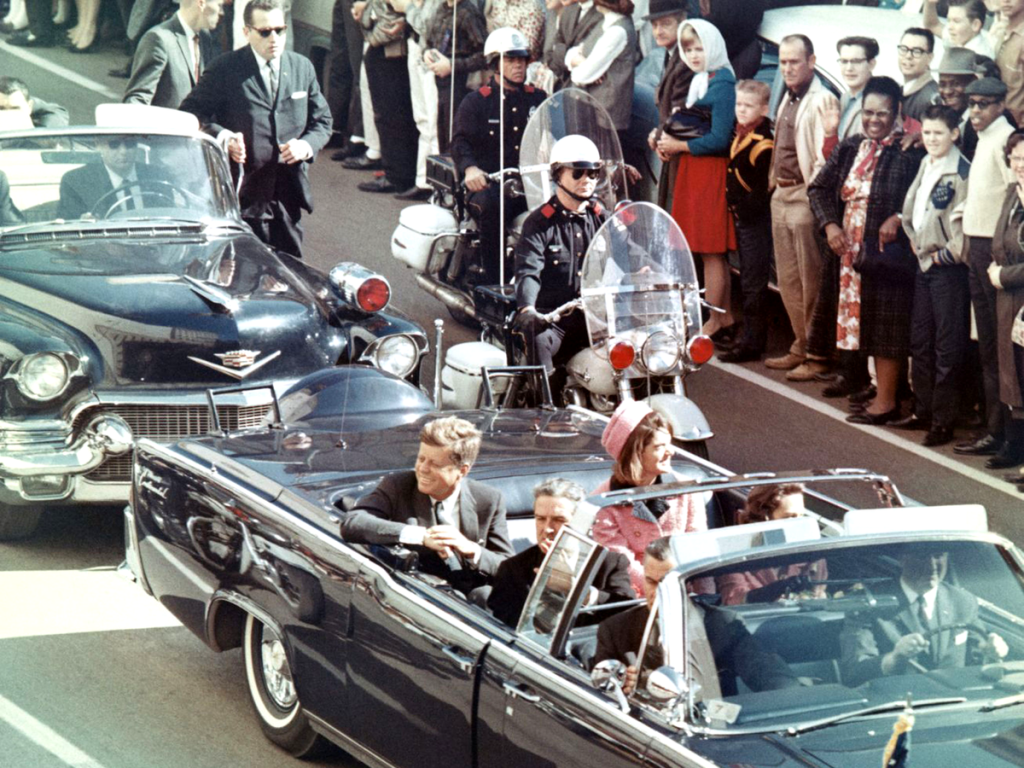
“History would be an excellent thing if only it was true” (Leo Tolstoy)
- Author: J. Douglass, Pete Larkin
- Title: JFK and the Unspeakable: Why He Died and Why It Matters (518 pg)
- Published: 2008
- Genre: non-fiction
- Challenge 2020
- Monthly plan
Introduction:
- This book still haunts me.
- I feel in the 1960s that I have been taken for a fool.
- Warren Report about the Kennedy assassination?
- You can just shred it and use it in the kitty litter box.
- Worthless.
Conclusion:
- The assassination of JFK left an indelible mark on me.
- I came home from school and heard on th TV as Walter Cronkite
- announced, with tears in his eyes, that JFK was dead.
- The nation mourned, the world mourned.
- Who killed JFK?
- It is no secret now
- …it was the CIA
- …it was a coup d’etat.
- Lee Harvey Oswald was only a product of a fake defector program run by CIA
- …and groomed as a despensible scapegoat for the killing of a presdent.
- The tapestry of President Kennedy’s killing is enormous.
- This is an encyclopedic work that covers a vast amount of research.
- While elements of organized crime and Cuban exiles were very likely
- recruited to the ‘Big Event’ the plotters came from
- the military – big business – CIA – FBI – Secret Service – LBJ
- That is why the cover-up persists today.
- The book also mentions several people who ‘died mysteriously’
- shortly before and after the assassination.
- This brought me to a book published in 2013
- ….that has not gotten much
- attention on non-fiction reading lists:
- Hit List: An In-Depth Investigation into the
- …Mysterious Deaths of Witnesses to the JFK Assassination.
- Also Crossfire by Jim Marrs (1989) and
- Mary’s Mosaic: The CIA Conspiracy to Murder John F. Kennedy,
- Mary Pinchot Meyer, and Their Vision for World Peace (2013).
- #MustReads if you want to know more about 22 November 1963.
Last thoughts:
- After fifty-six years, the official spin
- remains of a the lone nut assassin.
- When will this lie finally be eradicated?
- So devastating to read how so many people’s lives were ended
- because they knew or saw too much.
- The prostitute ‘Sharlee’ thrown out of bar the Silver Slipper.
- She ends up in hospital 2 days before the assassination and
- announces that Kennedy will be killed in Dallas!
- She was killed in 1964.
- A man’s life is ruined because he gave Lee Harvey Oswald a lift while
- …he was carrying a package of curtain rods
- …a few days before 22 November 1963.
- He told his story and ended up in a prison and mental institutions for 11 years
- …he was clearly not stable according the ‘powers that be.’
- The US government consistently and intentionally
- misrepresented and lied about what really took place
- in Dallas on 22 November 1963.
- You cannot deny it….US government is corrupt.
- Like Rome before it ….America is indeed burning.
- Now when I watch the US news
- ….I think “what is REALLY going
- ….on behind closed doors in The White House?“
- President Donald Trump blocked the
- …release of an unknown number of documents,
- saying he had “no choice” but
- to bow to national security concerns of the FBI and CIA.
- The deadline for releases was on 26 April 2018.
- Who knows what we will learn when the last 1% is released.
- I hope I live to hear the truth!
- Essential reading for anyone with even a passing interest
- in the assassination, and, of course, for every history major.
- #MustRead
#Challenge 2020: non-fiction
- Here is my 2020 non-fiction reading list.
- I may add more books as I go along.
- Status:
- Read: 16/116
- In progress: 0
The Economist: read cover-to over
- 14 December 2019 cover – Victory (Boris Johnson elected Prime Minister UK)
- 11 January 2020 cover – Masterstroke Or Madness (Trump kills Gen. Soleimani)
Literature:
- Essayism – Brian Dillon – 2017
- Nolan on Bradbury – W.F. Nolan – 2013 READ
- The Year of Lear: Shakespeare in 1606 – J. Shapiro 2015 READ
- This Thing Called Literature – A. Bennett and N. Royle – 2015
- Critics, Monsters, Fanatics, and Other Literary Essays – C Oziek – 2016
- The Ocean, the Bird and the Scholar – H. Vendler – 2015
- Orwell: The Authorized Biography – M. Shelden – 1991
- Joy Ride: Lives of th Theatricals – J. Lahr – 2015
- The Figure of the Detective: A Literary History and Analysis – C. Brownson
- A Reader’s Guide to William Faulkner: The Short Stories – E. Volpe – 2004
- You Could Look It Up: – J. Lynch

#ReadIreland
Ireland:
- Patrick Kavanagh – A. Quinn – (biography) – 2003
- The Theatre of Tom Murphy – N. Grene
- The Spaces of Irish Drama – H. Lojek READ
- Elsewhere: One Woman, One Rucksack, One Lifetime of Travel – R. Boland
- Constellations – Sinéad Gleeson
- Republic of Shame: – C. Hogan – 2019
- The Education of an Idealist: A Memoir – Samantha Power – 2019 READ
- Say Nothing – Patrick Radden Keefe
- The Irish Writer and the World – Declan Kiberd (2001) READ
- Essays on John McGahern – editors D. Hand, E. Maher
Memoir:
- Imperfect: How Our Bodies Shape the People We Become – Lee Koffman
- Her Mother’s Daughter by Nadia Wheatley – July 2018
- Sightlines – K. Jamie – READ
- Notes for the Everlost: A Field Guide to Grief – Kate Inglis – 2018
- Louisbourg or Bust: Surfer’s Wild Ride Down Nova Scotia’s Coast – R. Shaw
- Following the River: Traces of Red River Women (indigenous
- Tiny Lights for Travellers – Naomi K. Lewis – 2019
- To the River: Losing My Brother – Don Gillmor – 2018
- Homes: A Refugee Story – Abu Baker Al Rabeeah – 2018
- The Lonely City: Adventures in the Art of Being Alone – Olivia Laing – 2016
- Island Home – Tim Winton – 2015 (landscape memoir)
- Surrender – Joanna Pocock (2019)- READ
Essays:
- Rebellious Daughter – editors Maria Katsonis, Lee Koffman – 2016 #AWW
- The World Was Whole by Fiona Wright – 2018 – #AWW
- Accidental feminists – Jane Caro – 2019 #AWW
- Stop Being Reasonable – Eleanor Gordon-Smith – 2019 #AWW
- Remembered Presences – Alison Croggon – 2019 #AWW
- The Rest is Noise – A. Ross – 2007
Biography:
- Napoleon: A Life – Adam Zamoyski
- Bearing Witness: The remarkable life of Charles Bean, – P. Rees
- Lise Meitner: A Life in Physics (science) – Ruth Lewin Sime – 1996
- Honeysuckle Creek: The Story of Tom Reid – Andrew Tink – 2018
- Lynn Margulis: The Life and Legacy of a Scientific Rebel – D. Sagan – 2012
- Our Man Elsewhere: In Search of Alan Moorehead – Thornton McCamish – 2
- The Strangest Family George III’s Extraordinary Experiment – J Hadlow
- Threads in the Acadian Fabric: – S. Poirier-Bures
- The Long Way Home: A Personal History of Nova Scotia – J. Demont
- The Dead Still Cry – H. Lewis – 2018
- Saul Steinberg: A Biography – Deidre Bair – 2012
- Richard the Third – P. M. Kendall – 2002
- Thomas Aquinas: A Portrait – Denys Turner – 2013
- Fryderyk Chopin: A Life and Times – A. Walker
- The Churchill Factor – Boris Johnson – READ
- Robert Kennedy and His Times – A. Schlesinger
- Master of the Senate – R. Caro – READ
History / Social History / Political History
- Leadership: In Turbulent Times – D. K. Goodwin – 2018
- Appeasing Hitler – Tim Bouverie – 2019
- How to Hide an Empire – Daniel Immerwahr – June 2019
- Rendezvous With Destiny: M. Fullilove – 2013
- Passchendaele: Requiem for Doomed Youth – Paul Ham 2018
- Serving our Country by J. Beaumont & A. Cadzow – April 2018
- The Impeachers: Trial of Andrew Johnson – B. Wineapple
- The Pope Who Would Be King: The Exile of Pius IX – D. Kertzer
- Realpolitik – J. Bew – 2016
- Medieval Lives -T. Jones – 2005
- Desert War: The North African Campaign 1940-43 – A. Moorehead – 1944
- Threads in the Acadian Fabric: – S. Poirier-Bures
- Stilwell and the American Experience in China, 1911-45 – B Tuchman – 2001
- Nixon at the Movies: A Book about Belief – M. Feeney – 2004 READ
- On the Natural History of Destruction – W.G. Sebald – 2004
- From Russia with Blood – Heidi Blake (2019) READ
- An American Summer: Love and Death in Chicago – Alex Kotlowitz
- Winners Take All: – Anand Giridharadas
- No Visible Bruises – Rachel Louise Snyder
- Assad or We Burn the Country – Sam Dagher
- The Light that Failed – Stephen Holmes and Ivan Krastev (PH)
- Remembering Emmett Till – Dave Tell
- Amritsar 1919: An Empire of Fear – Kim Wagner
- Red Star Over China: (1937) E. Snow
- Maoism: A Global History – Julia Lovell
- How to be a Dictator – Frank Dikötter
- An Impeccable Spy: Richard Sorge, Stalin’s Master Agent – Owen Matthews
- Family Papers: ephardic Journey Through the 20th C – Sarah Abrevaya Stein
- Schism – Paul Blustein
- First Raise a Flag: How South Sudan Won the Longest War – P Martell
- Into the Hands of the Soldiers: Freedom and Chaos in Egypt and MEast
- Rise and Kill First: Secret History Israel’s Assassinations – R. Bergman
- Hit List: Mysterious Deaths Witnesses JFK Assassination (2013) READ
- JFK and the Unspeakable: Why He Died – J.W. Douglass – READ
- Mary’s Mosaic: CIA Conspiracy to Murder JFK, Mary Meyer– P. Janney READ
- Grote Verwachtingen In Europa – 1999-2019 – G. Mak (popular Dutch writer)
- Scorpions: Battles -Triumphs FDR’s Great Supreme Court Justices – N. Feldman
- The Secret Team: CIA and Allies – L. Fletcher Prouty (1972) – READ
- The Terrible Mistake – H.P. Albarelli jr (2008)
- The Betrayal – W Corson (1968)
Geopolitical – Economics/Politics:
- The Way of the Strangers: Encounters With the Islamic State – G.Wood
- Silent Invasion by Clive Hamilton – 2018
- The China Model – Daniel Bell – 2016
- Talking to My Daughter: A Brief History of Capitalism – Y. Varoufakis
- The Age of American Unreason in a Culture of Lies – Susan Jacoby
- The Meritocracy Trap – Daniel Markovits (2019)
- Unbound: How Inequaity Contricts Our Economy – Heather Boushey (2019
- Comrade Ambassador: Whitlam’s Beijing Envoy – S. FitzGerald – Sept 2015
- Everything Trump Touches Dies: – R. Wilson
- Siege: Trump Under Fire – M. Wolff
- The Threat: How FBI Protects America – A. G. McCabe – 2019
- The Unwinding: An Inner History of the New America – G. Packer – 2013
- Catch and Kill: – Ronan Farrow – 2019
- A Warning – Anonymous 2019
- Thomas Merton on Peace -T. Merton – 1971
Science/Climate Change/Technology
- The Best Australian Science Writing 2017 – M. Sleazak, E. Johnston
- Cosmic Chronicles: A user’s guide to the universe – Fred Watson
- Rising: Dispatches from the New American Shore – Elizabeth Rush
- The New Rules of War: Victory in the Age of Durable Disorder – Sean McFate
- The Uninhabitable Earth: A Story of the Future – David Wallace-Wells
- Good Reasons for Bad Feelings – Randolph Nesse
- Wild sea: a history of the southern ocean – J. McCann READ
Brett Whiteley Australian Artist
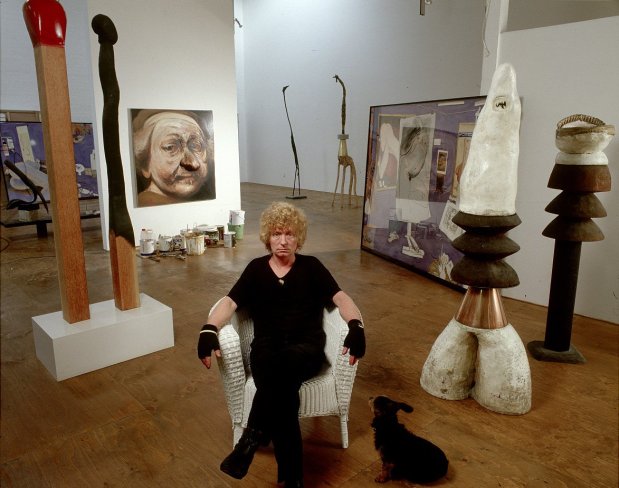
- Author: Ashleigh Wilson
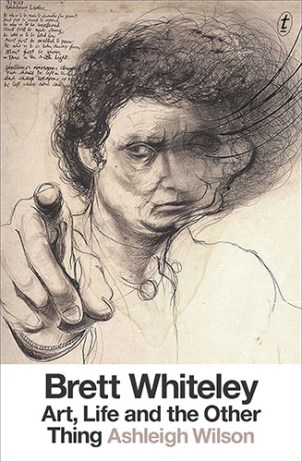
- Title: Brett Whiteley: Art, Life and the Other Thing
- Genre: biography
- Reading time: 13 hours 25 min (audio book)
- Published: 2017
- List of Challenges 2019
- Monthly plan
- Trivia: #ABIA 2017 short list (Australian Book Industry Awards)
- @ashleighbwilson
- @artgalleryofNSW
- @ABIAs_Awards
Introduction:
- Of all the Australian painters who emerged during the mid
- 20th century Brett Whiteley was the (Wikipedia link for more info)
- most mercurial, the most ambitious
- to make an impact on the world at large.
- I had NEVER heard of Brett Whiteley
- …and realize it was my loss.
- Delighted to discover this brilliant
- biography by Ashleigh Wilson.
Brett Whitely:
- Born in Australia, Whiteley moved to Europe in 1960 determined to make an impression.
- Before long he was the youngest artist to have work acquired by the Tate.
- With his wife, Wendy (1941), and daughter, Arkie (1964-2001), Whiteley
- then immersed himself in bohemian New York.
- Despite many affairs…Brett proclaims that
- he and his wife Wendy “We’re lifers.”
- His art depended on his relationship to Wendy.
- It had been that way since his early abstractions.
Ashleigh Wilson:
- He has been a journalist for almost two decades.
- He received a Walkley Award for his reports on unethical behavior
- in the Aboriginal art industry, a series that led to a Senate inquiry.
- He has been The Australian’s Arts Editor since 2011.
- Wilson follows the chronological order of Whiteley’s paintings:
- Early works
Abstraction
Bathroom series (sensual sketches of Wendy)
John Christie (serial killer) & London Zoo
Lavender Bay, Australia
Portraits
Birds
Landscapes
The studio & late works
Conclusion:
- Brett Whiteley (1939 – 1992)
- died from a drug overdose.
- He was an heroin addict.
- The deeper problem was that his
- dependency was entwined with his art.
- Like many addicts he found it hard to imagine life sober.
- Heroin provided stability...
- …and to live without it was like to peering into darkness.
- It was one thing to be clean for his health
- …but what would it mean for his art?
- He was found dead at the Beach Motel, Thirroul Australia.
- This expansive biography
- Wilson gave the essential details about the death. (ch 22)
- Chapters 1-21 concentrate on the
- …richness and variety of Whiteley’s work
- …and the many exhibitions he held and prizes won.
- #ExcellentBiography
- Worth your reading time!
Strong point:
- Ashleigh Wilson Wilson takes the reader through a
- virtual art gallery describing and assortiment
- …of Brett Whiteley’s paintings.
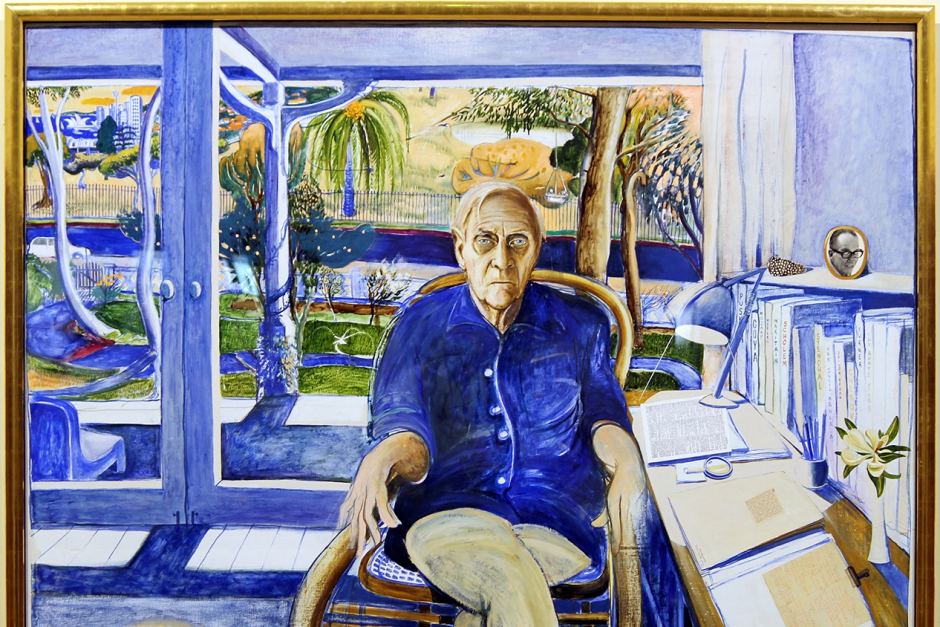
Portrait of Patrick White (Brett Whiteley)
- Photo in frame….Emmanuel George “Manoly” Lascaris
- Look at White’s eyes and
- ….Centennial Park in the backround.
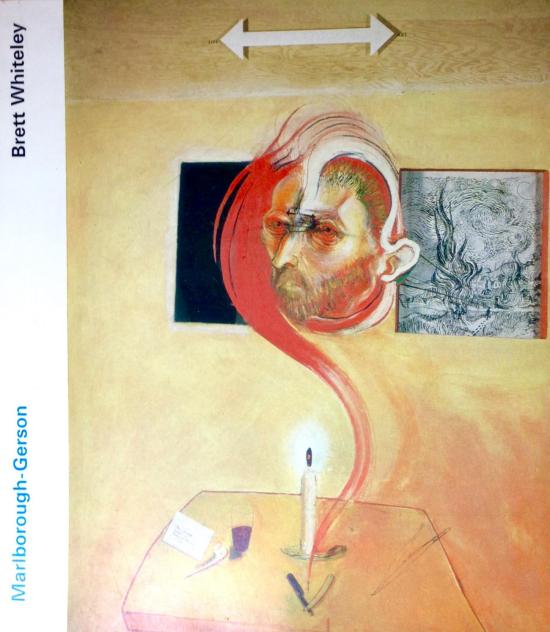
Portrait Vincent van Gogh
- On the table….a candle, a pipe, a letter to Theo and a razor.
- Two arrows:
- towards the right = good, light and sanity
- towards the left = evil, darkness and madness
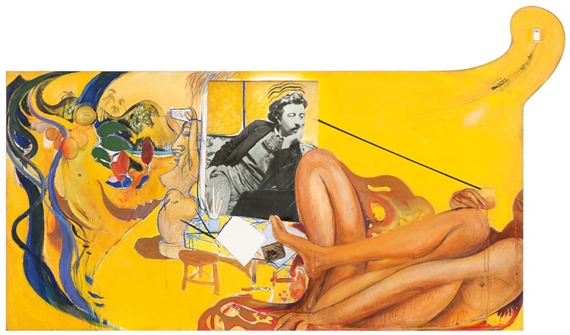
Portrait of Gauguin
- Gaughin on the eve of his attempted suicide
- We see ‘The Tree of Knowledge, photograph of Van Gogh and a woman’s body.
- Brett had extended the right side to an ear shape with a bottle with a white substance
- labled ‘Arsenic’.
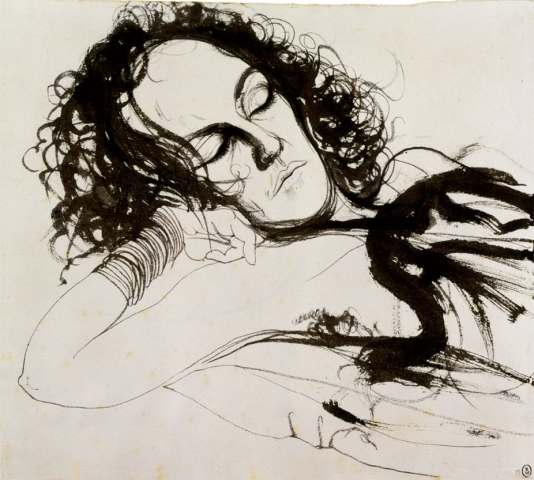
Portrait Wendy (wife)
- Brett Whiteley was a master draughtsman.
- This sketch reveals his command of line.
- The way Brett could capture the essence of his
- subject with only a few simple sweeps.
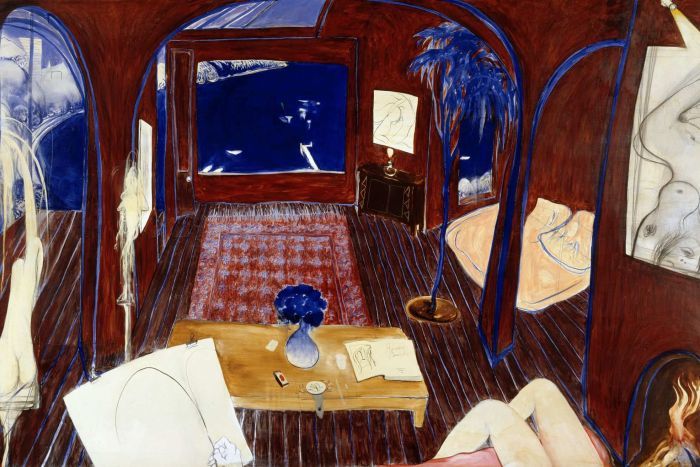
Henri’s Armchair
- This is Brett Whiteley’s debt to Matisse.
- He painted the interior of Lavender Bay where the
- …water can be seen through the window
- …frame at the end of the room beyond the arches.
- It is a domestic workmanlike scene.
- Two legs on the couch and used matches
- …are scattered on the coffee table.
- There is a vase and notebook on which is written the title of the painting.
- As in the works of his historical model, Matisse,
- ….there are notes of domesticity:
- bed, open fire, and several works of Whiteley in the room
- …a sculpture, a nude drawing and an erotic drawing.
- There is a deep red brown color in the house
- …but the blue is all around.
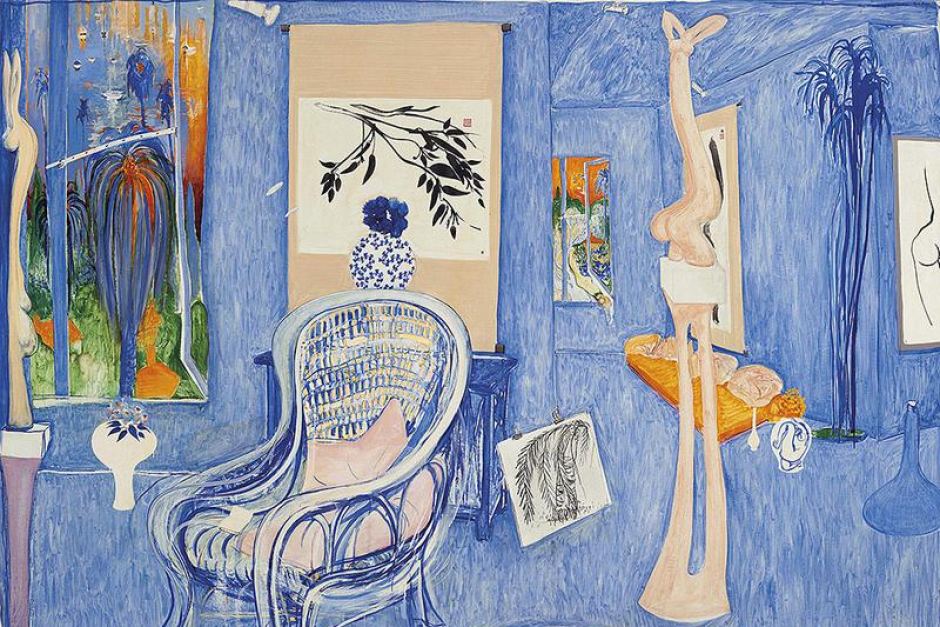
My Armchair
- This was the most expensive painting in Brett’s
- September 1976 Australian Galleries exhibition.
- This painting’s was priced for 10.000 dollars.
- This was a companion piece for “Henri’s Armchair”.
- The blue soaked canvas inside Brett’s studio including
- pictures (B/W = ‘Inside an Avocado Tree’), sculptures
- …a view out to the Sydney Harbour and the chair in which
- …he sat to reflect on the art around him.
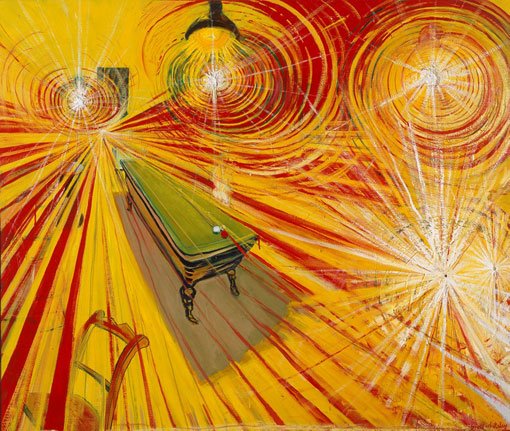
Another way of Looking….Vincent
- Whiteley pays homage to Vincent van Gogh and
- …the profound influence this Dutch post-impressionist
- painter had on Whiteley throughout his career.
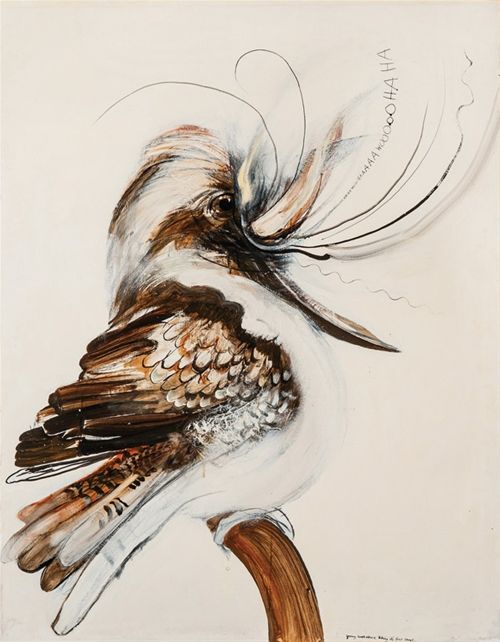
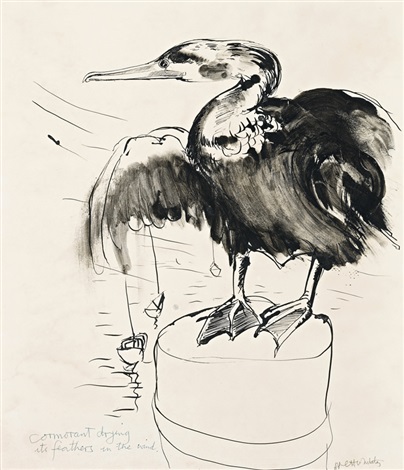
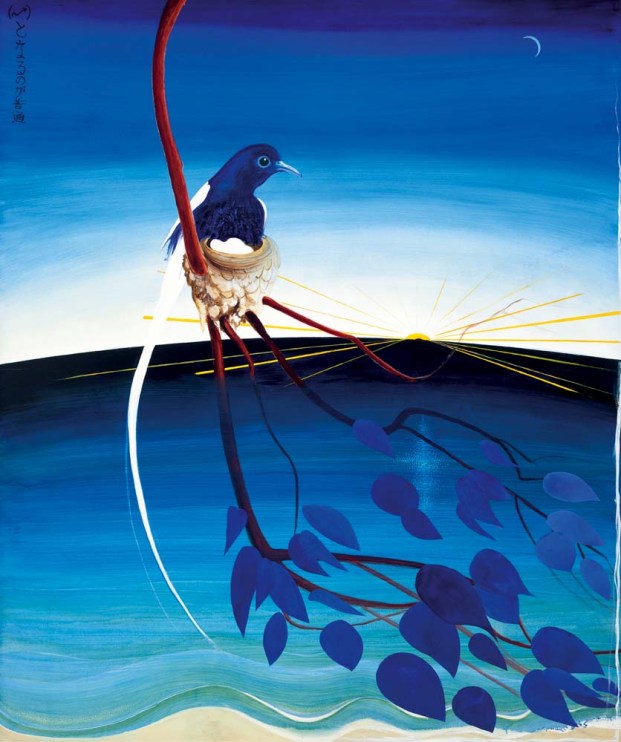
Birds:
- I had to include some of the most beautiful sketches/paintings of birds!
- Whiteley first came to notice the captivating beauty of birds
- …in July 1969 during a blissful five-month stay in a small cottage
- in the village of Navutulevu, about eighty kilometres from Suva in Fiji.
- The couple, with their five year-old daughter Arkie,
- lived simply and happily and enjoyed their
- island paradise after the turmoil and bustle of New York.
- Wendy Whiteley summed the period up well: ‘We really did live in Paradise there.”
Kookaburra
Cormorant
The sunrise, Japanese: Good morning
Bookcover: (self-portrait)
 NancyElin.blog