
#Non-fiction Conclusion: The Mueller Report

- I may be very quiet for a while because I’m…
- Taking a break from my reading about plays and theatre.
- I may live in Netherlands but I still keep a close eye on US politics.
- We all should read this book The Mueller Report
- …and ask ourselves…..how in heavens name did Trump
- ….become the most powerful leader of the free world.
- Is there a democrat candidate who can stop him!
- #USA election November 3 2020.
- I’ll be up all night watching the results!
Update: 04.06.2019
- Reading the introduction by the Washington Post is like
- going down memory lane! Names that have drifted off the
- TV news: Quarles, McCabe, Comey, Sessions, retired Gen Flynn.
- I finally have learned what the Steele Dossier is!
- Well, after reading how many fake
- …Twitter and FB accounts were
- created to promote Trump’s campaign
- ...I’ll never believe a tweet again!
- Finished: volume 1 very detailed back round 2015-2018
- Not a fluid read….I had to force myself to keep paying attention
Update: 05.06.2019
- Trump has monopolized the TV during his #USStateVisit to UK this week.
- Seemed the right time to start the long awaited The Mueller Report.
- Volume 1 contains many details about the
- GRU = Russian military intelligence agency
- sending spearphishing emails.
- The GRU wanted to gain access to email accounts of
- Clinton Campaign advisors and employees of the DNC (Dem Nat Convention)
- It also highlighted the role of Wikileaks during Trump’s campaign.
- Strong points vol 1:
- Book reminds me
- I should read the NEWS about POTUS more carefully.
- Trump is on a mission.
- Book makes me
- …that I should be more aware of Jared Kushner (son-in-law)
- #TheDealmaker
- He does not say much on camera
- …but he is always circling around the president.

- Reading pages and pages of Trump demanding that
- Comey ‘lift the cloud’ of the Russian investigation.
- Trumps insists Comey make clear
- that Trump is NOT under investigation.
- Comey refused.
- May 9 2017: Trump fires the FBI director Comey
- …but he can not fire the FBI.
- The investigation continued…..
- To quote Shakespeare:
- “The lady (…in this case Trump)
- …doth protest too much, methinks…”
Conclusion:
- Vol 2 indicates the Trump has a pattern of trying to
- influence people in his entourage when they are involved
- in criminal investigations by Congress.
- I found this quote by James Comey
- …in 01.05.2019 Opinion, New York Times
- “Accomplished people lacking inner strength
- can’t resist the compromises
- …necessary to survive this president.”
- Flynn, Cohen, Manafort….
- There are numerous tweets Trump
- sends to his loyal advisors under investigation:
- “the boss loves you”,”hang in there”
- “thanks for what you do”, ” stay strong”
- “a brave man” for refusing to “break” ( Manafort)
- But once the person decides to cooperate with the
- government (Cohen give congressional testimony 2019)
- ….he is suddenly a RAT.
- What will happen now?
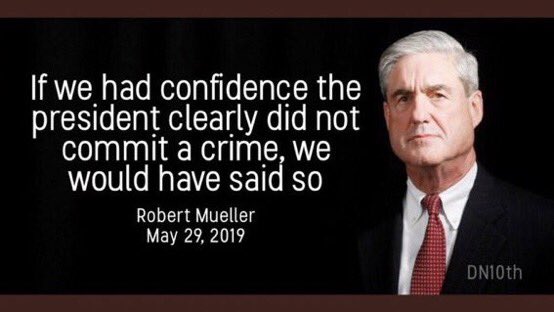
- I agree with Robert Mueller:
#AWW2019 Lesley Williams

- Author: Lesley and Tammy Williams
- Title: Not Just Black and White
- Published: 2015
- Genre: indigenous issues non-fiction
- Trivia: 2016 Queensland Premier’s Award work of State Significance
- Trivia 2014 David Unaipon Award Winner
- List of Challenges 2019
- Monthly plan
- #AWW2019
- @AusWomenWriters
Quickscan:
- This is a writing collaboration between
- mother (Lesley) and daughter (Tammy).
- Lesley Williams was forced to leave the
- Cherbourg Aboriginal Settlement
- …at a young age to work as a domestic servant.
- Lesley never saw her wages.
- They were kept ‘safe’ by the government.
- This book relates her nine-year journey for answers:
- …where is all that money she earned?
- Lesley confronts the government
- …in a judicial wrestling match!
Conclusion:
- Mrs Williams describes her youth
- while giving the reader a clear mental image
- of the backdrop Cherbourg settlement.
- It was difficult to read about her life
- under cruel Protection Act that uprooted
- thousands of Aboriginal people.
- because of her strong character and vision
- she was able overcome many hardships.
- There were several messages in the book that
- resonated to me:
- Williams feels a strong sense of Aboriginal community. (safety network)
- Williams struggles to fight injustice (racial, financial)
- Williams reminds all people who suffer racism…
- Best quote:
- “There are two ways to fight racism:
- — fight with your fists
- — fight with your talents and achievements”
- Nothing hurts a racist more
- …when they see you achieving
Last thoughts
- Good literature unnerves you…..
- …or takes you somewhere to consider things
- ….things that you might not have considered
- thinking about before.
- This book took me into the Cherbourg Settlement.
- It showed me the strength of family…
- that remained unbroken for Lesley Williams.
- It has only been in the last generations
- …that Aboriginal writers have been published.
- They now are able to tell their stories, their truths.
- #ReadDiversity
#NSW Premier’s 2019 Special Award B. Boochani
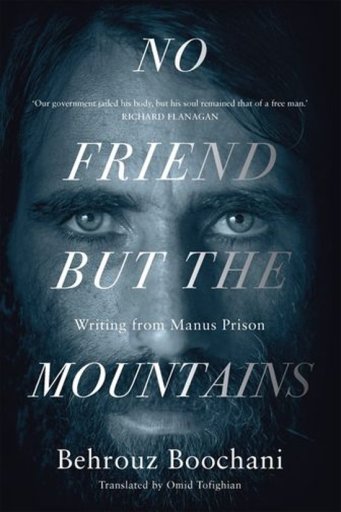
- Author: B. Boochani
- Title: No Friend But The Moutains
- Published: 2018
- Genre: non-fiction
- List of Challenges 2019
- Monthly plan
- #NSWPLA
- @MacmillianAus
- @Picadorbooks
- Trivia:
- A special award of $10,000 was made to
- Manus Island refugee Behrooz Boochani
- for his book No Friend but the Mountains: Writing from Manus Prison.
- Boochani’s book was ineligible for the NSW Premier’s Literary Awards
- which require authors to be Australian citizens.
- Trivia:
- The book won the top prize at the
- Victorian Premier’s Literary Awards in January 2019.
- This year was an exception made to the eligibility requirements.
- Trivia: WINNER ….Australia National Biography Award 2019
Introduction:
- Prison literature is always a difficult read.
- For instance the Pulitzer Prize Winner History 2017
- Blood in the Water by H. Thompson (worth your reading time!)
- But it is necessary to know the disturbing truths
- ….that are not always in the news.
- Boochani’s book was not a pleasure to read.
- I persevered to force myself out of my comfort zone.
- My review is in fragments.
- I could not add any commentary to this
- confrontational book.
- According to PEN International
- “Manus Island has become notorious for its
- …ill-treatment of detainees where violence,
- sexual abuse and self-harm are reportedly common.
- No Friend But the Mountains: Writing from Manus Prison
- is an autobiographical account
- …of Boochani’s perilous journey
- from Indonesia to Christmas Island and thence to Manus.
- He tells of what life is like for the detained men.
- #LiteratureDoesHavePower
Conclusion:
0-25%:
The trip to Manus (ch 1-4)
Boochani enters Manus Prison (ch 5-6)
25% – 60%:
- Once a concept is mentioned
- it is repeated over and over
- …again for several paragraphs:
- stench of hairy man’s breath (ch 7)
- smell of putrid soil
- fans
- mosquitos
- rooms
- pissing
- filthy toilets
- distress caused by saying ‘hi’
- bellowing of profanities
- prison becomes hive of killer bees
- prisoners become wolves…threat to everyone else
- Generator (cuts off water and electricity)
- ….manipulates minds
Queuing for food (ch 8)
- everything is micromanaged and mechanical
- meat is like pieces of car tyre
- guards like shepherds guiding a herd of sheep
- Nicknames: the Cow…first one entering dining area
- starvation has a smell…
- officers and cooks work 2 week shifts
- …then leave the island to be replaced
- answer to all the prisoners question:
- …”The Boss has given orders.”
- queue in the telephone room
Father’s Day…men struggle for the telephone (ch 9)
- …this leads to bruises and bodily harm.
- power of biceps can determine many situations
- distributing cakes….devoured right off the cardboard
- …mayhem but Boochiani does not move.
- …he knows “I am an animal that has already lost the game.”
60-100%
- I am a child of war. (ch 10)
- Boochani describes the guards crushing a unruly prisoner.
- This chapter reminds me of a mind becoming unhinged.
It’s hard to discern a genuine smile… (ch 11)
- Toothache…terrible pain…worse treatment!
- Self-harm in the prison becomes a cultural practice.
- When prisonor spills his blood he appears to enter into ecstasy.
- It is a moment emitting the scent of death.
- According to Boochani every prisoner must
- …look out for the prisoner standing next to him.
- The most important thing is they must challenge the
- Kyriarchal System of the prison.
- …Kyriarchy is a system that creates webs of privilege and exclusion.
Revolt in Mike Prison…August 2014. (ch 12)
- Death of Reza…the gentle giant.
Last thoughts:
- Despite winning the prestigious
- New South Wales Special Literary Award 2019
- with a prize worth $10.000 dollars
- Boochani may not leave Manus Island
- …and his future is unknown.
#NSW Premier’s Award shortlist Billy Griffiths (NF)
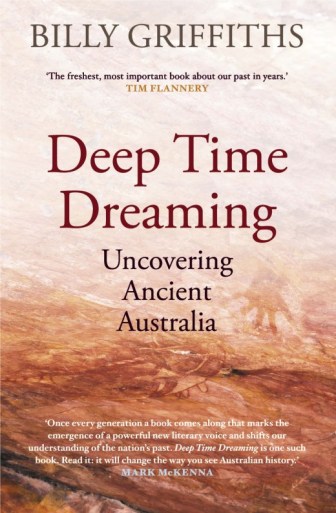
- Author: Billy Griffiths
- Title: Deep Time Dreaming
- Published: 2018
- Publisher: Black Inc.
- List of Challenges 2019
- Monthly plan
- @NSW_PLA
- @BlackIncBooks
Awards:
- 2018 John Mulvaney Book Award ( significant contribution to Australian archaeology)
- Shortlisted, 2018 Queensland Literary Awards
- Shortlisted, 2019 NSW Premier’s Literary Awards (29 April announcement)
- Longlisted, 2019 Australian Book Industry Awards (02 May announcement)
Quickscan:
- Deep Time Dreaming is a history of Australia
- …told in stones and bones.
- Griffiths highlights in several anecdotal chapters
- ….about many illustrative archeologists (male and female)
- the basic conflict in this discipline:
- How to view the past?
- critical deep time perspective vs the past as a living heritage.
- This is a complex question of ownership and belonging.
- Strong point: The book reveals in a conversational tone
- …easy to read for a novice like me…
- the slow slow shift to deep time dreaming.
Title:
- What is Deep Time Dreaming?
- The term was coined by B. Spencer and F. Gillen (Introduction)
- It is NOT to dig in search of treasure.
- It is to seek, understand a place from fragments
- …that have survived for thousands of years.
- It is an act of wonder.
Conclusion:
- I decided to read this book and listen to the audio. (11 hr 27 min)
- Listen to a sample of the book!
- Strong point: narrator Tom Griffiths is a delight to listen to!
- At times I was swept away by deep and profound
- sacredness of the Aboriginal people’s cultural life.
- Archeologist R.A. Gould published information/images that he promised
- ….would not be shared in his book Yiwara (1969)
- The author was on a Aboriginal ‘hit-list’ for his betrayal.

- At another time I read about the Franklin River dispute in Tasmania
- The Franklin was ‘not just a river‘
- …it has the epitome of a lost forest.
- The photo by Peter Dombrovskis
- … was the poster image during the
- explosive ecological and political debacle. (read chapter 9)
- The photo is impressive.
- …and takes me halfway across the world in
- my thoughts.

Morning Mist Rock Island Bend
Last thoughts:
- This book taught me more about Australia
- …and the rise of Aboriginal awareness by the nation,
- …it’s dedicated team of archeologists starting in 1950s
- with John Mulvaney than any other non-fiction I’ve read.
- I would highly recommend reading and listening to this book.
- With the help of Wikipedia (biographical info about archeologists)
- …and Google images this book is a magic carpet to
- …ancient Australia!
- I’ve read ALL the non-fictions shortlisted books
- …with the exception of The Erratics (not available in Netherlands).
- Deep Time Dreaming is MY CHOICE
- as winner of the non-fiction
- Douglas Stewart Prize ( NSW Literary Awards 2019)
#AWW 2019 Ashleigh Young

- Author: Ashleigh Young
- Title: Can You Tolerate This?
- Published: 2016
- Genre: essays
- List of Challenges 2019
- Monthly plan
- #AWW2019
- @AusWomenWriters
- Trivia: Shortlist Rathbones Folio Prize 2019
- Trivia: Yale University Windham-Campbell prize 2017
- Trivia: Ockham New Zealand Book Award (NF) 2017
- Trivia: Adam Foundation Prize Creative Writing 2017
Conclusion:
Bones
- This would not have been my choice to start an essay collection.
- Topic was not a good hook...not funny or emotional
- …just a bit strange.
Witches
- Story took me back to the carefree summer days on a beach.
- I can’t remember the last time
- …I jumped into the ocean….how sad is that?
The Te Kūiti Underground
- Absolutely enchanting…author’s memories of her father.
- “…he became in my eyes more and more eccentric,
- …and I became more narrow-minded.”
Postie
- Just a story that leaves the reader
- with a message from an eccentric French postman:
- “ …how wonderful it is if we just keep going
- …a simple stumbling block…can change
- the entire story of out lives and deaths.”
- #SmileOnMyFace
On Any Walk
- Once I start a walk…I never turn back.
- I just remember how far I’ve come
- .How much distance would be wasted
- …if I turn back?
- Once I’m home …the coffee tastes so special!
- Ashleigh Young will…
- #NeverGiveUp
Big Red
- I’m speechless….
- We are introduced tp author’s family
- …mom, dad and 2 brothers.
- Ashleigh Young is an amazing talent
- …..one of the BEST essays.
Window Seat
- We’ve all been there
- …on a plane with a talkative passenger next to us.
- Only this passenger….could she be and angel?
- #Spooky
Black Dog Book
- What you possess…you loose.
- Happy family dog story….but sometimes
- Mom has to make the difficult decision
- …and call the vet.
- #HardToSayGoodbye
Katherine Would Approve
- Anecdotes about the period when
- Ashleigh Young was director of
- Katherine Mansfield Birthplace House
- …in Wellington, New Zealand.
- #Job
Wolfman
- What to do when a harmless comment stings?
- #ThinkBeforeYouSpeak
Can You Tolerate This?
- After reading this essay I had to close my Kindle
- take off my glasses and close my eyes.
- #PowerfulWriting
- …one of the BEST essays
Seas of Trees
- Eye-opener about a disturbing
- …social trend in Japan: hikikomori.
- Creative young people becoming modern-day hermits.
- #PTSS
Bikram’s Knee
- If you are determined to find a way back to strength
- nothing is unfix-able.
- This is a very, very personal essay about Ashleigh’s
- Struggle to accept the awkwardness of her body.
- She keeps waiting on the gym bench, elbows on her knees
- head in her hand
- .…waiting for transformation.
- #Yoga #Running
- ….one of the BEST essays.
Unveiling
- The author visits a Maori ritual
- …unveiling a headstone of a family member.
- She will write a story to
- accompany the photographs her friend is taking.
On Breathing
- So funny about a simple decision
- ,,,author decides to breath noisily
- …when she feels puffed
- during a taxing bike ride.
- #Quirky
On Going Away
- Insightful look at relationships…
- Going away and then coming back together
- …this surge of
- anger and relief is toxic.
- Solution: compress it into one moment
- …like stepping into a manhole.
- A sharp, pure accident with a beginning and an end.
- #Insightful
Anemone
- Heartwrenching…to try to reach into the past
- and hold on to some one…
- …to try and stop time.
- #Depression
Lark
- Heartwarming observations and anecdotes
- about a woman who decides
- …to write a book about her life.
- The story is clearly referring to
- …Ashleigh Young’s mother.
- #Hysterical
- ...one of the BEST essays.
Last thoughts:
- Extremely well-written set of essays
- …in quiet, elegant joy-to-read prose.
- External circumstances
- …family, job, body shape or where you live..
- cannot determine your happiness.
- Ashleigh Young shows us
- happiness depends on what we are given.
- This a book best read ‘slowly’…
- I was not ready to say goodbye…
- ..to Ashleigh Young’s beautiful writing.
- I’m anxiously waiting for her next book!
- #MustRead
.
#AWW 2019 Fiona Wright
- Author: Fiona Wright
- Title: Small Acts of Disappearance: Essays on Hunger (10 essays)
- Published: 2015
- List of Challenges 2019
- Monthly reading plan
- #AWW2019 @AusWomenWriters
- Trivia: Winner of the Kibble Literary Award 2016
- Winner 2016 Non-Fiction Book Award in the Queensland Literary Awards.
- Shortlisted for the 2016 Stella Prize
Introduction:
- Wright examines her own anorexia and the significance of hunger.
- She writes frankly and movingly about a
- …difficult and very personal subject.
- She provides insights into her reading,
- …travels and her interactions with others.
- In several essays Wright relates
- …her experience to that of characters.
- In novels there are characters who starve themselves:
- For Love Alone by Christina Stead,
- Cloudstreet by Tim Winton and
- The Bluebird Cafe by Carmel Bird.
In Colombo …malnutrition, she misses it
- First sentence: I’ll always remember the
- …particular intensity that malnutrition brings on,
- …I know that I miss it still.
- Reaction: Hunger keeps the author separate from
- the rituals of society not only in Colombo.
- 70% impressions of the writer’s apprenticeship at a newspaper
- ….30% about her illness.
In Hospital …sickest
- First Sentence: At my sickest, a lover once folded a
- blanket over my shoulderblade before curling against my back to sleep.
- Reaction: Hunger is a mediator, it stands between the author and the world. Hunger is addictive. Hunger is support, it is scaffolding. Hunger became my safest state.
- 100%….very powerful, personal and disturbing.
In Berlin …interesting facts
- First sentence: I felt smaller in Berlin than I ever had before;
- the Northern Germans are, by and large, a big-boned people,
- …the shanks of their legs are particularly impressive.
- Reaction: The author visits a labour camp, Sachsenhausen.
- The body never forgets starvation.
- Sad…the author bought food to give her
- …pantry shelves an appearance of normality.
- “I didn’t choose my hunger. That no one ever does.”
- Wright describes returning to a family she
- …lived with during her studies 10 years ago.
- She had been well then.
- She did not know what lay ahead.
In Miniature …presenting a paradox
- First sentence: It seems a strange place to start writing about the miniature,
- but I want to begin on the internet, because I found there,
- for a time, a thing I could hardly have conceived would have existed,
- a community of illness, specifically for the kinds of illnesses that
- …we often keep silent and hidden within ourselves.
- Reaction: Breathtakingly beautiful…how Fiona Wright sees her
- …fascination with miniature reflected in her illness.
- This essay was poetic!
In Increments …sickness personified “gnawing”
- I’ll never know the point where my physical illness
- ..gave way to something different,
- something more complex, but more and more I think
- …now that hunger was always with me, always
- …gnawing away somewhere in me, and my illness
- …just allowed this hunger to assert itself in the only
- …way that could possibly have been acceptable to me.
In Books I …analogy in books
- The year that I first became ill, when my physical condition first developed,
- …was the first year that I studied Australian Literature.
In Books II …analogy in books
- There are books I have had with me in
- …hospital waiting rooms that I can never re-read without re-reading, too,
- …the traces that they carry of the spaces that I took them into.
In Group ….mother vs daughter
- There are some conversation that you shouldn’t have with your mother,
- especially if you are a poet, and especially if you are a
- …poet four months into you third stint of group therapy.
In Passing …sad news
- I received the news digitally, in a text
- …from my old housemate, Kat.
In Hindsight …looking back
- I resisted, for a long time, reading any anorexia memoirs,
- …even though I’d been reading about
- ..the condition in fiction and textbooks.
Conclusion:
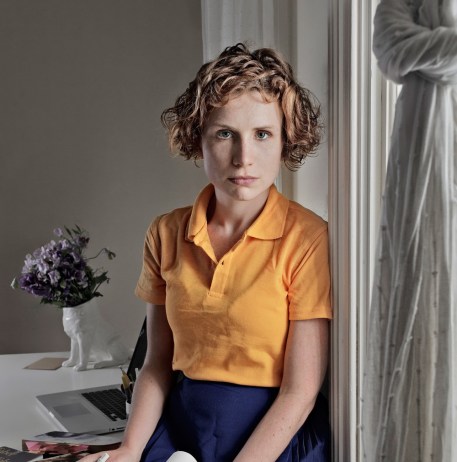
- The cover of Fiona Wright’s book keeps catching my eye.
- What kind of story is behind those eyes.
- Fiona Wright (born 1983) is an Australian poet and critic.
- Small Acts of Disappearance: Essays in Hunger (2015)
- is a collection of ten essays that detail the author’s
- own experience with anorexia.
- The longest essay is ‘In Group’
- …the shortest is ‘In Passing’.
- The best? I loved them all.
- I wrote down a few words about the first few essays.
- Each one draws me in with the first sentence.
- After reading one essay
- ….I have to get up and do something else
- …I must let my thoughts settle.
- Fiona Wright has shared her life
- …stripped bare and gray as sheet-iron.
- The more Fiona thinks about her body
- the more she knows it is no longer her own.
- Her body tries to fold up at the first sign of danger
- …as if disappearing into a shell.
- #MustRead
#Prix Fémina 2018 Phillipe Lançon
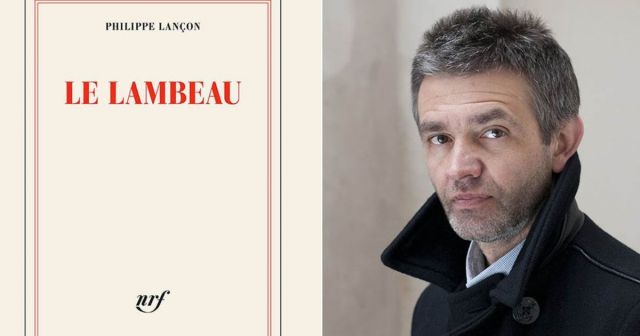
- Author: Phillipe Lançon
- Title: Le Lambeau
- Published: 2018
- Trivia: Awarded Prix Fémina 2018
- Trivia: Awarded a ‘special’ Prix Renaudot 2018
- Language: French (translation in English 12 November 2019)
- List Reading Challenges 2019
- Monthly reading planning
- List of French Books.
Quickscan:
- January 7 2015 during a editorial meeting at Charlie Hebdo
- terrorists entered the room and killed 12 people and injuring 11.
- Phillipe Lançon, journalist, was shot in the face left in critical condition.
- Lançon reveals that he did not write the book in order to surivive.
- He wrote it years later when he felt his life was settled.
- The surgeon adviced him to ‘revenir à la normale’
- ….but that is easier said than done.
- The title says it all: Le Lambeau
- “All that is left of me is shreds”
Conclusion:
- 30% of the book is a description of the days before the attack
- …the attack itself and how his brother took charge and
- helped him pick up the pieces.
- 30 % is about the long and painful
- reconstruction of his face.
- 40% is about Lançon’s physical and mental decline
- …balanced between healing and hope.
- The first 8 chapters are gripping.
-
It is surreal to read the dream like quality of if
- Lançon’s first impressions after the attack as he
- …lay in a swamp of blood.
-
The text is so emotional.
- The second half of the book concentrates on
- the reconstruction of the author’s jaw
- …and the close connection he feels for his surgeon Cholé.
- An important part of the book is Lançon’s style of
- interlacing his life after the attack with literature.
- He often refers to Proust, Kafka and Shakespeare
- …and several books that are important for him.
Last thoughts:
- This book reminded me of
- …Dante’s journey into the inferno:
- “Abandon all hope, ye who enter here.”
- I wouldn’t say a hospital is comparable to Hell
- …but no one likes going there.
- The book is draining because you follow
- the author in a labryinth of his PTSS mind.
- There is a mixture of facts, hallucinations and dreams.
- He sees his parents suffer
- …but he does not suffer.
- He is the suffering.
- …very existential at times.
- Because Lançon shares so much with the reader
- ..the book is long.
- You have to persevere to finish it.
- The epilogue….was confronting.
- The Bataclan attack occured only 10 months
- …after Charlie Hebdo on 13 November 2015
- This event shook Lançon to the core.
- #IntenseReadingExperience
Phillipe Lançon.…after the trauma of the attack and jaw recontruction.
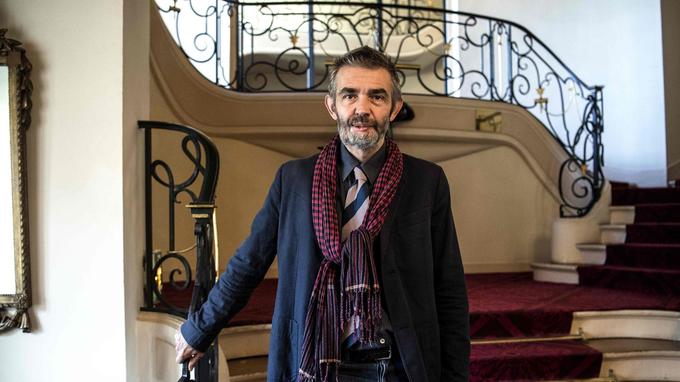
#AWW 2019: Robin Dalton
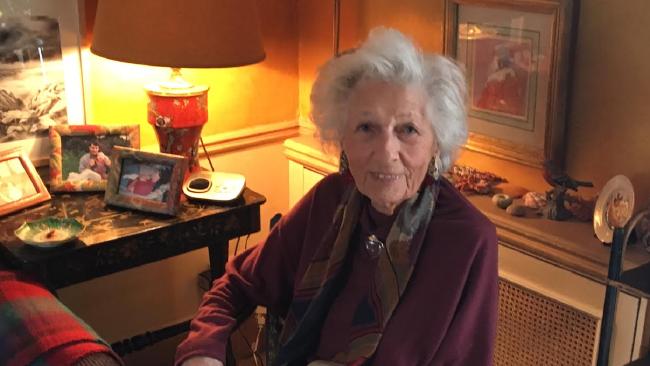
- Author: Robin Dalton (1920)
- Title: Aunts Up the Cross
- Published: 1965
- Genre: memoir
- List of Challenges 2019
- Monthly plan
- #AWW2019
- @AusWomenWriters
Introduction:
- Aunts up the Cross is about Daltons’s childhood with her
- …eccentric extended family in Sydney’s Kings Cross.
- Her father was an open-all-hours doctor, known affectionately as “the gun doc”.
- Dr Eakin, Mrs. Eakin, Nana….and the close relationship the author had
- …with Aunt Bertie and Aunt Juliet.
- Robin Dalton is now 99…and still going strong!
- I loved this quote I found…
- Being old is not a problem, and the future not really a consideration:
- “I haven’t got a future, I’m practically tottering off the edge …”
Conclusion:
- I haven’t laughed so much about a book in years!
- This is an absolute gem!
- Tears of laughter while reading the theatrics the Eakin’s supper table.
- Tony ‘the bookmaker’ McGill is seated next to Mrs. Eakin’s aged governess Sally.
- Suddenly Tony unabashedly makes Sally ‘an offer she can’t refuse’! (…read the book!)
- Robin Dalton’s father was a tease
- .….and the book if filled with his practical jokes!
- But nothing, no nothing can compare to
- …the laughter I enjoyed while reading
- ..how Mrs. Eakin killed the plumber and
- ..the best joke about a fish I have heard in YEARS!
- All can be found in …chapter 3…and much more!
- No spoilers….just a enthusiastic recommendation
- Aunts Up the Cross!
- Light, funny memoir…perfect book
- to lazily sit in the garden with a G&T…and laugh!
- You can read it in a few hours, just 142 pages!
- #Hysterical!
#Non-fiction: The Art of Time Travel
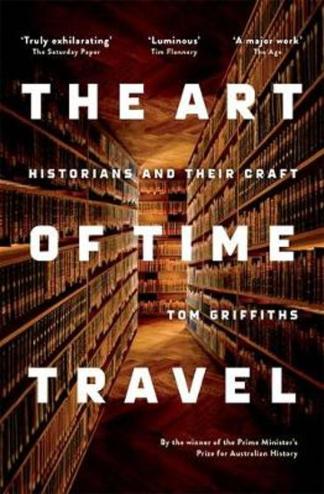
- Author: T. Griffiths
- Title: The Art of Time Travel: Historians and Their Craft
- Published: 2016
- List of Challenges 2019
- Monthly plan
- Non-Fiction Reading List
- The book contains 14 chapters
- …some more interesting than others.
- My favorite historians after reading this book are:
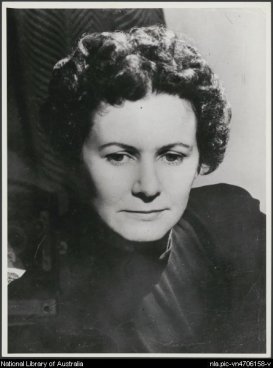
- Eleanor Dark: (1901-1985) (novelist).
- Eleanor Dark has been seen to be neglected
- as a female writer, social critic, Australian novelist and
- also as an historian.
- I want to read her book The Timeless Land.
- Greg Dening (1931-2008) just captured my heart.
- He demanded that his students take risks and and at times even fail.
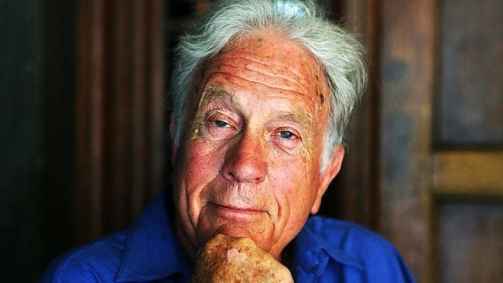
- History is a discipline without a discipline.
- Nothing is discovered finally.
- This chapter gave me skin shivers when I read the last words.

- Henry Reynolds: (1938) This chapter was an eye-opener for me.
- I learned ..about the ‘forgotten war’ and aboriginal lawyer, historian Noel Pearson.
- Reynolds has always been a ‘just-do-it’ historian.
- His style is lean, linear and logical.
- Reynolds does not depend on the lyrical language
- used by Australian histories to evoke the brutality of the past.
- He is straightforward.
- Forgotten War by H. Reynolds is on my TBR.
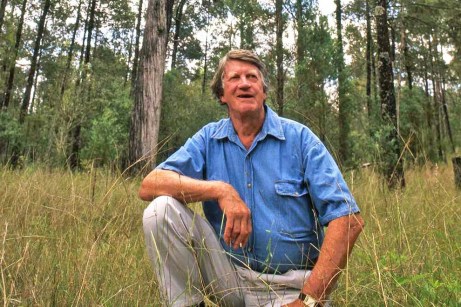
- Eric Rolls: A Million Wild Acres
- Tom Griffiths said this would be THE book about Australia he
- …would put in the hands of any visitor to his country to help them understand it.
- I just ordered Rolls’ book all the way from Australia!…can’t wait to read it.
- Griffiths considers this book the BEST environmental history written of Australia!
Conclusion:
- This was a wonderful read
- …I learned so much about Australia!
- #GreatNonFiction
#Ireland John McGahern
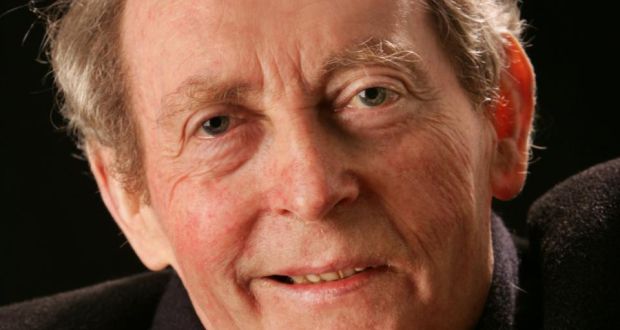
- Author: John McGahern
- Title: Memoir
- Published: 2005
- Genre: non-fiction
- List of Challenges 2019
- Monthly plan
- #ReadingIrelandMonth19
- @746books.com
Author:
- The Observer hailed John McGahern as
- “the greatest living Irish novelist” before his death in 2006.
- The Guardian described him as
- “arguably the most important Irish novelist since Samuel Beckett”.
- I never heard of John McGahern! (1934-2006)
- McGahern had a very challenging life, moving schools repeatedly
- – often for no good reason
- – losing his mother to cancer when he was 10 yrs old (1944)
- — growing up with an absentee father
- — enduring physical, emotional, psychological abuse
- at the hands of his policeman father.

Conclusion:
- Memoir is an autobiographical account of
- the childhood of Irish writer John McGahern.
- It recalls his formative years in Leitrim, Ireland
- …,the death of his beloved mother Susan and
- …his relationship with his dark and enigmatic father.
- McGahern’s father visited the family
- from the Garda barracks only once a month.
- All 7 children were afraid of him.
- His father was very mercurial.
- He would go from ignoring a child…to beating him.
- McGahern while writing this book kept farther from himself
- …and closer to what happened.
- This was at times difficult to read
- …how a parent could be so cruel.
- The turning point in McGahern’s life was the death of his mother.
- “She was gone to where I could not follow.“
- Early childhood (3-15 yr) is described for the first 60% of the book.
- Once McGahern reaches the age of 19….and could stand up
- to his father physically…the book took on a combustive tone.
- The father’s domination of the family was now being challenged.
- Best quote: page 273
- Father speaking to McGahern: “What is your aim?”
- McGahern: “To write well, to write truly and well about
- …fellows like yourself.”
Last thoughts:
- This book has a rhythm that connects the images in the prose.
- It is well written with intelligence and feeling.
- There are sections of the book filled with emotional intensity.
- The writer takes you into his private world.
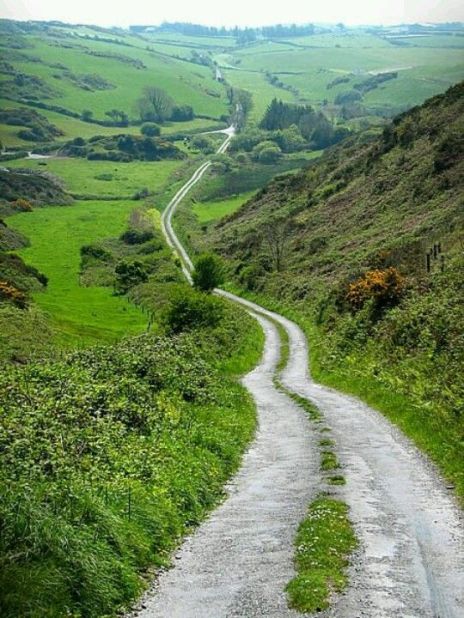
- The Irish rural country lanes
- …gave McGahern a sense of peace
- So the memoir begins with a 3 year old boy
- …walking with his beloved mother.
- So the memoir ends the man reflecting
- on those rare moments of childhood security.
- “…I know she has been with me all my life.”
- I was surprised how much I liked this book!
- John McGahern is an Irish novelist that deserves
- …to be on more reading lists.
- #VeryTouching
 NancyElin.blog