
#BlackHistoryMonth Unbound

FEBRUARY
33.  by Tarana Burke (no photo)
Finish date: 24 February 2022
Genre: memoir
Rating: B
Good news: #MeToo Movement: The movement was started in 2006 by a Black activist named Tarana Burke. Initially, the movement was focused on women of color….and their experiences with sexual violence. In 2017, white women began using the phrase as a hashtag. Their embrace caused the movement to gain a great deal of prominence This is Ms Burke’s story…
Personal: To quote the author just sums up the core message: “When you’ve experienced trauma, it fundamentally destroys part of you. But that doesn’t mean that what you create from those pieces isn’t a beautiful thing.” I must admit….this was a difficult book to read. To Ms Burke’s credit who is a survivor of sexual assault herself, she has made it her mission with the #MeToo Movement, to find a way to let other women know that they were not alone. Intense…and unapologetically frank…fearless memoir that I probably never would have read…but it is a way to challenge myself to learn who Tarana Burke is and why she is a survivor. Ms Burke was one of the TIME’S persons of the year: The Silence Breakers.
#BlackHistoryMonth Caribbean literature

30.
 by
by 
Finish date: 22 February 2022
Genre: novel
Rating: B-
Review:
Good news: Narrator: Gertrude Samphire (70+) Historical timeline: pre-independence Jamaica (Aug 6 1962) right up to recent years. Timeline: 2-3 years –> Gertrude’s years in the retirement center. Structure: Chapters alternate between present time with ‘flashback” moments. Genre: Bildungsroman….but in the opposite direction!
Theme: abandonment.
Personal: Gertrude looks back…to the past…in her memories of her gloomy childhood, impetuous marriage, and struggles with raising a family. She keeps a journal that is filled with insight and dry humour…and takes the book beyond the everyday experience. Gertrude has seen too much,…heard too much and …lived through too much.
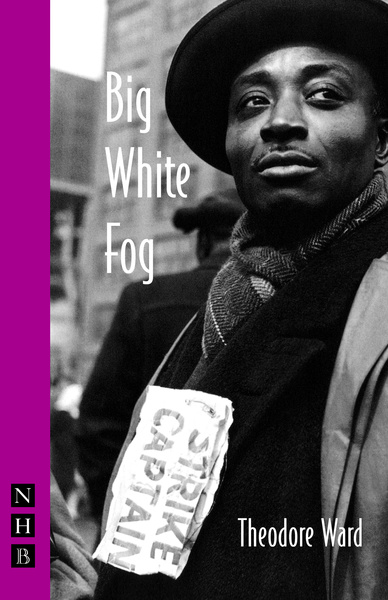
#BlackHistoryMonth2022 Big White Fog
FEBRUARY
23.  by Theodore Ward (no photo)
Finish date: 11 February 2022
Genre: Play
Rating: D
Review:
Bad news: This play was described as one of the most
powerful African American plays on the 1930s. So why didn’t I like it?
Act 1 – too slow, no real set up for emerging conflict…just introduction to characters.
Act 2 – scene 2,3 finally explode in race/family conflict, inter-black prejudice…but it is too little too late for this reader. Yes I noticed themes in 1938…are still relevant today….blacks cut off from opportunity: Vic’s son Les: his scholarship cancelled b/c of skin color but that was not enough to create an emotional connection to the play as…I had with Raisin in the Sun (Lorraine Hanesberry)
Act 3 -…just fizzles out.
Good news: Interested in African American drama? There are better plays to read.
Raisin in the Sun (Lorraine Hansberry)
Fences (August Wilson)
#WorthYourReadingTime
Personal: The play was relevant in its time (depression era)..offering an exact record of its times. But it was a somber, depressing play. Weak point: There was a constant heavy-handed leftist rhetoric, tone. Vic is Marcus Garvey follower, Pizer (Jewish student, friend of his son Les) promotes socialism. Weak point: The play occasionally shows its age: the family’s horror at the elder daughter’s prostituting herself to a white man seems overdone…and the climax is melodramatic. (Act 2:2,3) Strong emotional appeal with characters shouting and and threatening each other (Vic vs mother-in-law and wife) Weak point: covering a 10-year span from 1922 to 1932 In Act 3 there is a 8,5 year jump, too far to feel like a compact “problem play”. Probably the play needs to be seen on stage…and not read in bed at 10 pm. The sparks that must fly between Vic, Ella, Martha, Dan….that would salvage this story.
#BlackHistoryMonth2022 All That She Carried

FEBRUARY
21.  by
by  Tiya Miles
Finish date: 08 February 2022
Genre: Non-fiction
Rating: B-
Review:
Good news: Prologue and introduction Do NOT forget to read them. They are very well written.
Good news: There are a few revealing aspects of history that are missing in many books I’ve read about slavery. Examples Ms Miles gives are the conscious diminishing of slaves in the clothes give to them – shaving women’s head if the hair is too straight and beautiful – nicknames or pet names to belittle as child or domesticated animal: Hero, Cupid, Captain, Prince, Samson.
Good news The best part of the book for me was chapter 5 Auction Block (functioned like a department store window). The chapter was eye-opening, shocking and what I needed to learn about.
This is the raw truth about Charleston South Carolina, slave trade hub.
Workhouse: plantation owners could have slave whipped for a price…the owners don’t want to get their hands messy. There were also female salve holders: don’t hear much about them
…but Ms Miles enlightens us! Ms Miles describes a southern gothic horror made real….in Charleston.
Think about all this the next time you feel like a weekend in a B&B in South Carolina.
Personal: Regarding Ashley’s sack…many chapters are completely speculative.
There are a lot of “she would have’s, she may have’s, we can imagine and in all likelihood.”
That is not what I was looking for. All That She Carried is good…not great IMO.
A GREAT book is David Olusago’s Black and British: A Forgotten History. REVIEW
This book seems to be based more on facts than fiction.
 by David Olusoga (no photo)
#Non-fiction Things I Have Withheld (essays)
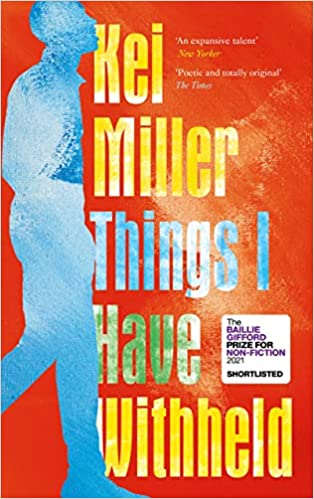
- Author: Kei Miller
- Title: Things I Have Withheld
- Published: 2021
- Genre: essays
- Monthly plan
- #ReadDiversely
- Trivia: Finalist for Shortlist 2021 Baillie Gifford Prize for Non-Fiction
Quick Scan:
- The first thing that impressed me was the title:
- Things I Have Withheld
- This book explores the meanings of silence and the things we cannot say.
- There are letters to James Baldwin and Kenyan writer Binyaranga Wainaina.
- But Miller also offers musings on his family’s secrets….
Who is Kei Miller?
- He is my selection for #ReadingDiversely
- Caribbean literature.
- Kei Miller is a Jamaican poet, essayist, and novelist. (info wikipedia link)
- He is currently Professor of Creative Writing at the University of Exeter.
Conclusion:
- These are high quality essays
- …w
- Unfortunately only 6 of the 14 essays touched MY soul.
- The introduction is the hook… very personal, powerful.
- Miller’s first letter to James Baldwin was absolutely wonderful!
- Second essay: Mr. Brown, Mrs. White and Ms. Black
- highlighted the classism “…on these rocks that we call islands
- …that we call home.”
- The author shines as a storyteller in the essay that will catch
- every reader’s eye The Old Black Woman Who Sat In the Corner
- But after the first 6 essays there was less storytelling and more ramblings.
- The result is a mish-mash names, observations during Carnival in Kingston
- …trips to Kenya and Ghana Africa and he text drowns in a sea of memories.
- Mr Miller tries to bookend the collection in the last essay
- …another letter to James Baldwin that was not as good as the first
- …but by now my interest was waning.
- #GoodRead essays 1-6 then
- ….I say try it and see if your like it more than I did.
#Play Ayad Aktar Pulitzer Prize 2013 Drama
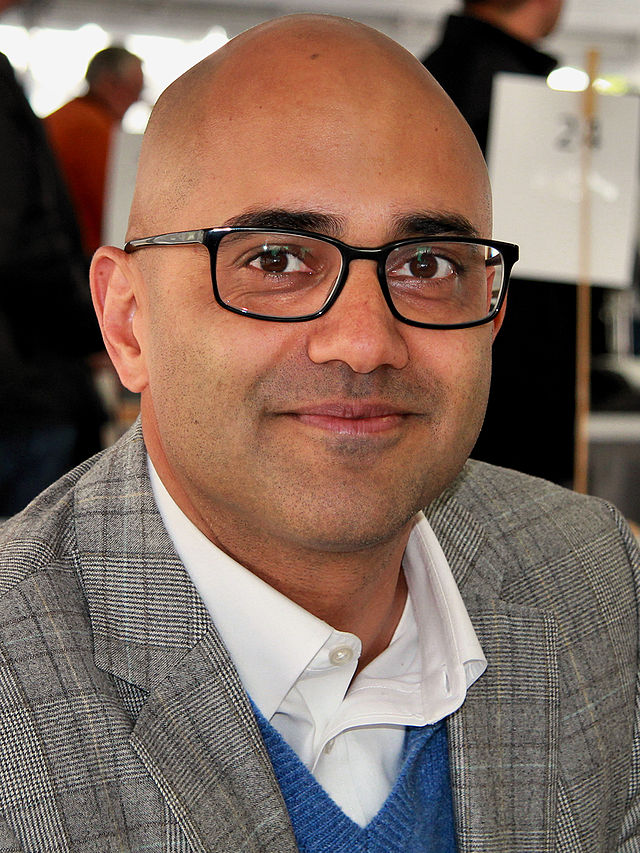
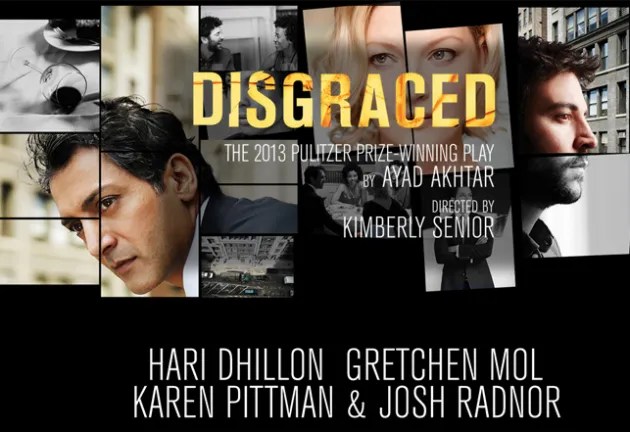
- Playwright: Ayad Akhtar (1970)
- Title: Disgraced
- Genre: play (1 act; 4 scenes)
- Opening night: January 2012
- Trivia: Nominated Tony Award for Best Play 2015
- Trivia: Winner Pulitzer Prize Drama 2013
- Monthly reading plan
- #ReadDiversely 2021
Quickscan:
Quote from The Economist:
- Akhtar’s tales of assimilation
- “are as essential today as the work of
- Saul Bellow, James Farrell, and Vladimir Nabokov
- were in the 20th century
- …in capturing the drama of the immigrant experience.“
- Well, this gives you an idea where Ayad Aktar stands compared
- to the great writers of the 20th C!
- A Pulitzer Prize winning play
- …always needs to be researched before reading.
- I discovered so much that otherwise would have passed me by
- Character development: fury –> rage –> violence (Amir, Isaac)
- Characters represent different parts of society:
- Amir: Pakistani muslim lawyer; apostate, abandons Islam
- Isaac: Jewish museum curator; defends Judaism, Israel
- Emily: American privileged artist (wife Amir); fervently embraces Islamic art
- Abe: Pakistani muslim (nephew Amir); zealot; uncompromising belief in Islam
- Jory: African-American lawyer (wife Isaac) objects to misogynistic Islam
- Plot: Volatile combination of characters at dinner party
- …that needs just a spark to explode (read play and discover spark!)
- Timeline: opening scene, 2 weeks later (SC2), 3 months later (SC3), 6 months later (SC 4)
- Location: Amir and Emily’s apartment, East Side New York City
- Spin-in-the-web: Islamic faith, it connects all the actors
- Themes: Islamophobia – racism – tribalism
Strong point: literary device dramatic irony
- Aktar arranges the dialogue and exit/entrances of characters
- so the audience knows more
- …than the character they are watching on stage!
- #Classic way to create tension and suspense
Strong point: title “Disgraced”
- The title “Disgraced” is the core message of the play.
- What it feels like….and what people do as reaction.
- Amir learn about 3 shocks in his life:
- back round check at law-firm, wife’s affair,
- …NO promotion as full partner at work
- He feels “disgraced”.
- What happens?
- Amir reacts with “kick-the-dog effect.”
- Anger and frustration leads him to lash out at innocent people….
Conclusion:
- I’m trying to read 50 Best Plays of the last 100 years.
- But there are many plays in the 21st C that are not on this list.
- I expect Disgraced to be one on the best of the 2000s
- I don’t see many “plays” on reading lists.
- Try to think of a play as a “surgically crafted” novella
- …extremely accurate and precise.
#Fiction Jason Mott Winner Nat Book Award 2021

- Author: Jason Mott
- Title: Hell of a Book
- Published: 2021 (320 pg)
- Monthly plan
- #ReadDiversely
Quick Scan:
- Hell of a Book goes to the heart of racism,
- police violence, and the hidden costs
- exacted upon Black Americans
- …and America as a whole.
Conclusion:
- Tight, intimate, imaginative,
- prescient, and completely heart wrenching…
- This book has taught me so much and there are things
- I’m ashamed of saying I never stopped to think about
- …how life can be for an outsider
- in a white supremacist land like USA.
- This book is brilliant as a talking point on what
- is white privilege and
- how are many white Americans STILL denying
- …that racism exists.
- My, God…read this book!
#NonficNov 2021 David Olusago
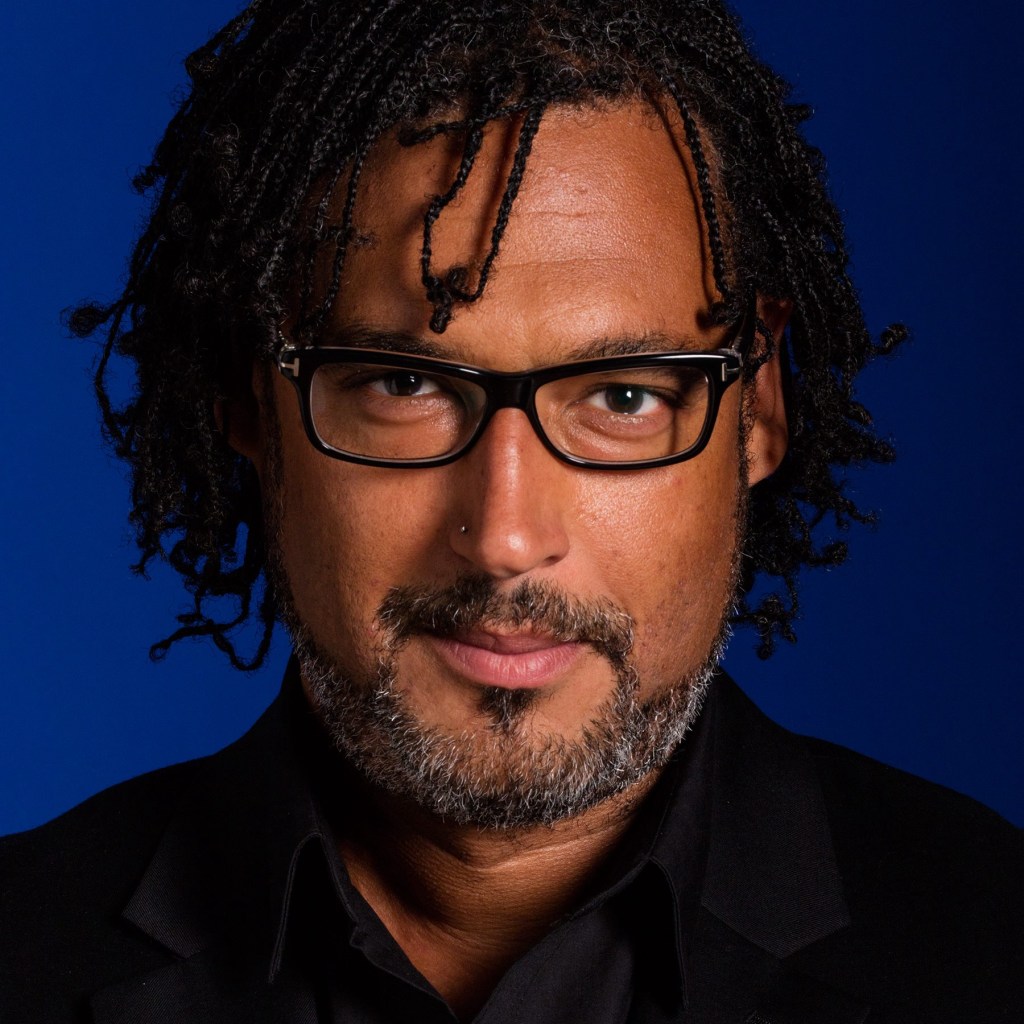
- Author: David Olusago (1970)
- Title: Black and Birtish: A Forgotten History
- Published: 2016 (639 pg)
- Monthly plan
- #ReadDiversely
- #NonficNov hosts:
- Katie @DoingDewey
- Rennie @ What’s Nonfiction
- Veronica @ The Thousand Book Project
- Christopher @ Plucked From the Stacks
- Jaymi @ The OC Book Girl
Quick scan:
- The historian English-Nigerian David Olusoga has written
- that slavery is often misremembered in the U.K.
- …as a uniquely American atrocity.
- He points out that British-owned slaves mostly lived and worked in the Caribbean.
- The goal of this book is to ensure that the British involvement with
- slavery NOT be largely airbrushed out of the
- “standard, Dickensian image of Britain in the Victorian age…” (pg 234).
- It’s time to have a look at what the Brits….were up to!
- The book charts black British history from the first meeting
- between the people of Britain and the people of Africa
- during the Roman period, to the racism
- …Olusoga encountered during his own childhood.
- It is a story that some of Olusoga’s critics would prefer was forgotten.
Strong point:
- The book is filled with new discoveries
- about the British involvement in the slaver trade.
- Olusago supports these findings with the science behind it.
- “…skeletons excavated decades ago are suddenly able to tell their stories.” (pg 40)
- This process transforming history
- is radioisotope analysis. (article from Nat. Geographic)
- Where you grew up…what you ate…your bones record your life.
Some thoughts….
Ch 4:
- Ch 4 is about legal cases 1770s to ensure
- slavery does not become acceptable in England
- ...or the right of Brits to hold slaves in the American colonies.
- Yes, this is an important part of British/Black history
- …but it was not the MOST engaging section of the book.
- #PersonalPreference
Ch 5:
- Chapter 5 was more interesting….linking my thoughts to a book I
- had just read Bedlam in Botany Bay (James Dunk).
- It reveals the resettlement schemes of London’s black poor in
- 1780s to Sierra Leone and Botany Bay Australia.
- (pg 148) “There were those is London, on the committee,
- …who just wanted them (blacks) gone and
- …cared little about their long-term prospects.
- This is the history the British
- …would like to see airbrushed away!
Ch 6:
- 22 May 1787 –> the birth of the Abolitionist Movement
- is very interesting.
- Trivia: Did you know that trendy Canary Wharf London was built by
- slave trade mogul George Hibbert 1757-1837 (who?) as West Indies Docks’.
- This dock was used to import the sugar from West Indies plantations!
Ch 7:
- Frederic Douglass on his second speaking tour in late 1850s felt
- a decline in anti-slavery sentiment and the rise in racism.
- The turnig point
- …American racism had started to seep into Britain.
Ch 14:
- Wow…just wow!
- This book may exhaust you but keep on reading
- …because Olusago really “lets loose” in ch 14-15!!
- I never knew the extent of racism in Britain….shocking!
Conclusion:
- David Olusago, in the last chapter, bookends his
- history with the “Windrush Myth”.
- The post-war wave of migration from the Caribbean.
- In the book’s introduction we read about
- Enoch Powell’s 1961 speech “Rivers of Blood”.
- Powell’s persistent themes of national sovereignty,
- purity of citizenship and a
- determination to keep out undesirable immigrants still echoes
- in the European politics of far-right politicians.
- Historian Olusago has shown me that
- this idea of “purity of citizenship” is also a myth.
- I’ve read about
- the presence of African peoples in Roman Britain
- and Black Tudors, Stuarts, Edwardians, Victorians and Georgians.
- If history was properly discussed as Olusago shows us
- the British could awaken us from their colonial dreamtimes when…
- ” Rule Britannia! rules the waves!
- “Britons never will be slaves.”
- …but they will eagerly take part in the slave
- trade from 1560 Queen Elizabeth I –> Charles II
- –> the abolition of slave trade 1833 King William IV.
- People hold on to the belief that the UK was a “white country”.
- David Olusago challenges this concept in this book.
- Olusoga was confident about having two identities.
- despite the prejudice he had encountered.
- He was proud of being a black Nigerian of Yoruba heritage and
- being part of his mother’s white working-class geordie tradition.
- But he has always had a third identity:
- “I’m also black British – and that had no history, no recognition
- Best quote: D. Olusago
- “My job is to be a historian.
- It’s not to make people feel good”.
Last Thoughts:
- There is a lot of “new history” for me in this book!
- Weak point: Sometimes Olusago can go into numbing details (ch 4, ch 7)
- but other times he left me scratching my head with the
- thought: “Why have I never heard about this?”
- That could be due to not having read enough history in depth.
- Thank goodness David Olussago is helping me.
- Loved to read the royal connections…
- by Queen Elizabeth I and Charles II…I never knew!
- They understood the profitability of the English slave trade.
- Be prepared for some long reading days…(639 pg)…but of
- course with books like these some skimming is unavoidable!
- This reader was very tired after 13 chapters…still 2 ch to go
- …but oh, they were well worth reading!
- This is an excellent, readable book
- …but very long
- #HistoryBuffs don’t miss this one!
 NancyElin.blog