
#20BooksOfSummer24 Reading 12.06.2024

- Very low key reviewing this month…using Goodreads
- for placing ‘mini reviews’.
- This month’s comments/ thoughts can be found on the link “Monthly Planning”.
- Here is the book stack for today.
- I’m trying to read some DUTCH this month
- …I really should use our library service more than I do.
- REVIEW – De Indische Doofpot (cover-up) – The title speaks for itself…
- …war crimes committed by the Dutch armed forces during Indonesian War for Independence
- …1945-1949. M. Swirc won the Brusse Prize 2023: the annual prize for the best Dutch-language journalistic book.
- REVIEW – My Countless Identities – Sinan Cankaya is a Dutch-Turkish antropologist
- He has written some personal essays about growing up
- as a migrant in The Netherland. He reveals what it is like to grow up as “the other”.
- REVIEW – A Word a Word – Frank Westerman wants to answer the question:
- …is it better to end terrorism with weapons or with words.
- (Brusse Prize 2017)
Ready #Classic Richard II

- Author: W. Shakespeare
- Title: Richard II
- Written :
- PLOT Wikipedia
- List of Challenges
- Monthly plan
- Classic Club Master list
- Trivia: BBC series The Hollow Crown
- Ben Whishaw was awarded BAFTA
- …..best actor prize 2012 as Richard II
Quickscan:
- King Richard is called upon to settle a dispute
- …between his cousin Henry Bolingbroke (future Henry IV)
- and Thomas Mowbray. (Act 1)
- Richard calls for a duel but then halts it just before swords clash.
- Both duelers are banished from the realm. (Act 2?)
- When Richard II banishes Bolingbroke and confiscates his property.
- …he begins a chain of events that bring about his own downfall.
- King Richard then leaves for wars against the rebels in Ireland.
- Bolingbroke returns to claim back his inheritance. (Act 3)
- Bolingbroke forces Richard II to abdicate. (Act 4)
- Bolingbroke takes Richard prisoner and lays claim to the throne. (Act 5)
Deaths: 16
- Duke of Gloucester (before play starts, his brother John of Gaunt, Duchess of Gloucester, Thomas Mowbray, Bushy, Green, Richard II, 2 armed servants in Pomfert dungeon, Lord Salisbury, the Abbot of Westminster, Sir Stephen Scroop, Bagot, Blunt, Kent and Oxford.
Act 1: palace RII in London RII-TM-HIV-G
- Is spotless reputation that away
- men are but gilded loam or painted clay TM
- My honor is my life; both grow in one
- Take honor from me; my life is done TM
palace Duke of Lancaster (J. of Gaunt) short G _ duchess of Glousster (widow)
- Duchess is G’s sister-in-law – D. of Glouster (dead) Duke Ed of York) G’s brothers
- Duchess is in only one scene….now wants to die b/c G will not revenge DoG’s death
Act 2: Gaunt dies, RII seizes $$ – goes to ireland – B is on his way to UK ships and soldiers!
Notes: History plays (Tudor and later Stewart dynasties)
- legitimize power
- popularize image
- tool of propaganda
- characteristic: dramatic character and WS mixes fact and fiction
- WS: explores human character and the consequences of people’s actions
- Backround Henry IV – civil war (rebellion in the north of England)
- Northern rebellion (1569-1570) intent on installing Mary Queen of Scots to the throne
- Pius V 1570 declared ElizI illegitimate heir b/c of her anti catholic policy
- WS’s kings are characterized by what they
- …possess and what they do rather than who they are!
- King John (Act 2,1) “Doth not the crown of England prove the king?”
- Pattern in Henriad: sin — punishment — redemption.
- Henry IV (sin) depostion of Richard II
- Civil wars (punishment) under Henry IV, V and VI
- Henry VII defeats Richard III (redemption) 1485 Battle of Bosworth
- and marrys Eliz of York to become FIRST TUDOR monarch.
- WS adapted history for the theatre to live up to the expectations of Eliz audience.
Examples:
- Henry IV part 1: Falstaff: fat, drunk, comic figure with questionable morals
- Reality: Sir John Fastolf was a brave knight an offider in Henry IV’s army.
- Henry V: is old enough to marry in the opening of the play.
- Reality: Henry V was just nine months old when Henry IV died.
- Henry IV part 2: king is described as an old and sick ruler…tired of royal office
- Reality: Henry IV was an active king an ruled 10 years after Battle of Shrewsbruy.
- Henry IV part 2: Harry Hotspur (act 5,4) dies at Shrewsbury and accuses Prince Henry of robbing him of his youth “O, Harry, thou hast robb’d me of my youth! “
- Reality: Hotspur was in his fifties.
What is the Henriad?
- Henriad is a group of William Shakespeare’s history plays.
- Henriad is the group of four of Shakespeare’s plays:
- ….Richard II; Henry IV, Part 1; Henry IV, Part 2; and Henry V
- ….with the implication that these four plays are Shakespeare’s epic.
- Prince Harry, who later becomes Henry V, is the epic hero.
Richard II
- Turning point: Richard II removes his crown:
- “Now mark me, how I will undo myself;
- give this heavy weight from off my head.” (Act 4,1).
- Richard realizes without his crown…he is nothing.
- Kingship will not excuse his human sins…
- …which he willhave to pay with the crown.
- Cannot bear the burden of kingship…as see in his on stage histrionics
- Act 1: RII is aware of Bolingbroke’s political influence and personal charisma.
- RII’s kingship lacks thos rapprt with the common people
- RII is a FEUDAL monarch who treats England as a possession.
- RII acts as if he is God’s appointee who is exempt form earthly laws and obligatons.
- RII comments on B’s strategic political behavoir (act 1,4)
- RII calls his subjects SLAVES while B is courteous and adapt at the “craft of smiles”.
- Act 2,3 B returns from exile to claim the title of
- …Duke of Lancaster (father John of Gaunt…Gaunt is also RII’s uncle)
- From Act 2,3 onwards WS shows Bolingbroke as de facto king!
- B behaves like a king and uses royal discorse in his negotions with the rebels.
- Act 3,3 Turning point: Begins an exchange between two political rivals (RII – B)
- Bolingbroke arrives at Flint Castle with a royal claim.
- Bolingbrokes message conveyed by Northumberland is a ‘conditional threat’ (act 3,3)
- Henry (Bolingbroke) threatens RII with military war unless he acknowledges B’s hereditary rights.
- Act 3,3 RII notes B’s position of power but returns a threat via North to Bolingbroke.
- RII’s strength is his position de jure king, king by right.
- Act 3,2 “Not all the water in the rough rude sea
Can wash the balm off from an anointed king;
The breath of worldly men cannot depose
The deputy elected by the Lord:” - Act 3,3 end:
- RII has seen through B’s Machiavellian designs for the crown…there is no need to kneel : “Fair cousin, you debase your princely knee
To make the base earth proud with kissing it:
Me rather had my heart might feel your love
Than my unpleased eye see your courtesy.
Up, cousin, up; your heart is up, I know,
Thus high at least, although your knee be low.” - RII voluntarily yields to the usurper Bolingbroke.
- ”
- Set on towards London, cousin, is it so? (where coranaitons take place)
- Henry IV. Yea, my good lord.
- King Richard II. Then I must not say no
- Act 4,1 The meeting between RII and B in Westminster Hall is a war between two different types of politians: B= Machiavellian strategist – RII amateur in politics.
- Language styles are also different:
- B: speaks a highly functonal language geared to dramatic action.
- RII: poetic ornamental style of language suitable for recitation, full of verbal wit and metaphor.
- (mirror scene….shatters glass Act 4,1). B’s language abounds in rhetorical questions!
- During this speech Bolingbroke reamains mute — it is power and action not poetry that are his strong points!
- RII “Mark, silent king, the moral of this sport,
How soon my sorrow hath destroy’d my face. ” Bolingbroke replies…. - B: “The shadow of your sorrow hath destroy’d
The shadow or your face. - In other words…the theatrical, fake sorrow and emotions made him destroy the ‘shadow’ (image) of his face reflected in the mirror.
- Sarcastic irony: RII mocks Bolingbroke by calling him king in fact he does not mean it at all!
- Sarcasm is more effective than direct criticism:
- “There lies the substance: and I thank thee, king,
For thy great bounty, that not only givest
Me cause to wail but teachest me the way
How to lament the cause.” - Act 5,6 : Bolingbroke with the cunning of a fox rids himself of Richard his “living fear” with the help of Sir Pierce of Exton. In a hypocritical speech in which he displays remorse at RII’s death and announces his pilgrimageto the Holy Land to atone for his sins. He denies his wicked intentions and blames the murder on the actual murdered, Sir Exton
- ” They love not poison that do poison need,
Nor do I thee: though I did wish him dead,
I hate the murderer, love him murdered.”
Act 3,2 Richard II:
- Richard’s return from Ireland marks the beginning of his loss of kingship.
- Metaphor King: “the searching eye of the heaven”
- He see himself as the sun that lights up the world.
- He compares his absence in ireland to the arkness caused whent sundeparts to illuminate the lower world (other hemisphere).
- The darkness fosters murder and treachery b/c criminials feel moe ecure under the over of night.
- Whe the king is away this is an occasion for robbers to conspire against him. (Irish campaigne 1599)
- He claims that the glare of his royal majesty will cause the rebels faces to blush.
- “Shall see us rising in our throne, the east,
His treasons will sit blushing in his face,
Not able to endure the sight of day.” - Dramatic irony: Act 3,2 predicts the king’s fall…..the audience knows this…but Richard is still unaware of what is to come.
- Tragic flaw Richard II? inaction – he naively thinks his kingship will save him from all harm and the king never dies.
- Richard II should react quickly when he hears that Bushy, Baggot and Green have been killed at Bristol and Bolingsbroke is a serious threat.
- Situational irony (…something entirely different happens from what audience may be expecting). What does Richard do? Sits on the ground and tells sad stories about the death of kings! (act 3,2) (speaking to Carlisle, Aumerle and Scroop) “For “God’s sake, let us sit upon the ground 1565
And tell sad stories of the death of kings;
How some have been deposed; some slain in war;” - Act 3,3: in Flint Castle Richard’s weakness is proven. Bolingbroke asks the king to descend to the lower court and agree to abdication:
- Allusion: ” Down, down I come; like glistering Phaethon,
[…] In the base court? Come down? Down, court!
down, king! For night-owls shriek where mounting larks
should sing. - Note: Richard is referring to the fable of Phaethon, son of Helios, who convinced his father to allow him to drive the chariot of the sun, with its mighty steeds, across the path of the sky from east to west
Symbol: crown, sign of power, respect, authority
Pivotal scene: Act 4,1 – Richard gives crown to Bolingbroke ” I give this heavy weight from off my head And this unwieldy sceptre from my hand…” (abdication)
Act 4,1 – Richard speaks to images of himself in a mirror then shatters the glass (his identity).
Message: King loses ability to make a distinction between his natural self and his royal self. His kingdom is reduced to a cell in Pomfert Castle. Richard enters on stage as Richard-the-King and will perish as Richard-the-Man.
Henry VI:
- He has every intention of applying Machievilain tactics as king but is too painfully human to be given the chance to “learn to govern better”in the play.
WS described the present through the past.
- Richard II could be a representation of Elizabeth (monarch die with heirs)
- Henry V’s French campaigns could relate to Elizabeth’s Irish campaign (1599) let by Essex.
The first part of the ‘Henriad’, continued with the two parts of Henry IV and concluded by Henry V¸ William Shakespeare’s Richard II is a history play dramatizing the rebellion of Henry Bolingbroke, that would eventually see him made King of England. This Penguin Shakespeare edition is edited by Stanley Wells with an introduction by Paul Edmondson.
‘Not all the water in the rough rude sea
Can wash the balm off from an anointed king’
Banishing his cousin, Bolingbroke, King Richard II prevents a dispute from turning bloody. But Richard is an arrogant and despotic ruler, prone to tyranny and vanity, who listens only to his flatterers. As favour turns against him and Bolingbroke returns to reclaim his land, Richard is humbled and grieved to see that the throne given to him by God might be taken from him by men.
This book contains a general introduction to Shakespeare’s life and Elizabethan theatre, a separate introduction to Richard II, a chronology, suggestions for further reading, an essay discussing performance options on both stage and screen, and a commentary.
William Shakespeare (1564-1616) was born to John Shakespeare and Mary Arden some time in late April 1564 in Stratford-upon-Avon. He wrote about 38 plays (the precise number is uncertain), many of which are regarded as the most exceptional works of drama ever produced, including Romeo and Juliet (1595), Henry V (1599), Hamlet (1601), Othello (1604), King Lear (1606) and Macbeth (1606), as well as a collection of 154 sonnets, which number among the most profound and influential love-poetry in English.
If you enjoyed Richard II, you might like Henry IV Part I, also available in Penguin Shakespeare.
‘We go to Shakespeare to find out about ourselves’
Richard II (1377-99) came to the throne as a child, following the long, domineering, martial reign of his grandfather Edward III. He suffered from the disastrous combination of a most exalted sense of his own power and an inability to impress that power on those closest to the throne. Neither trusted nor feared, Richard battled with a whole series of failures and emergencies before finally succumbing to a coup, imprisonment and murder.
Laura Ashe’s brilliant account of his reign emphasizes the strange gap between Richard’s personal incapacity and the amazing cultural legacy of his reign – from the Wilton Diptych to Sir Gawain and the Green Knight, Piers Plowman and The Canterbury Tales.
Quickscan:
- Lovers: Ophelia and Hamlet
- Focus: revenge – the obsession to avenge can drive one mad
- Family issue: Uncle kills Hamlet’s father and marries his mother (yikes!)
- Plot twist: ghost of King Hamlet wants revenge. Triggers entire play!
- Hook: Ghost in Act 1…all acts end with cliffhangers!!
- Genre: Revenge play
- Pivotal acts: Act 3 and Act 5
- Soliloquies: 7 spoken by Hamlet
- Tragic flaw Hamlet: overthinks everything! “To be or not to be…” (Act 3, 1)
- Villian: Claudius manipulative, ruthless
- Ophelia: weak character compared to Desdamona!
- Minor character who plays major role: Laertes
- Symbol: poison (weapon, manipulation and madness)
- Motif: spying (eavesdropping) to seek truth)
- Spies: Hamlet, Horatio, Reynaldo, Rosencrantz, Guildenstern, Polonius, King Claudius
- Victims: Queen, King, Ophelia, Hamlet, Laertes
- Shakespeare’s statement: “What a piece of work is man!” (Act 2, 2)
- Setting: Elsinore Castle, Danish coast, graveyard
- Major themes: revenge, madness. death. appearance vs reality
- Minor themes: ambition, corruption
- …”Something is rotten in the state of Denmark” (Act 1, 4)
- Body count: 9
- King Hamlet (before play starts)
- Queen Gertrude
- King Claudius
- Polonius
- Rosencrantz
- Guildenstern
- Ophelia
- Laertes
- Hamlet
- The only main character left
- …standing at the end is Horatio,
- …who is usually seen sitting on the ground,
- …cradling Hamlet’s corpse.
- So technically, he’s not standing.
1 drowning
2 beheadings
1 simple stabbing
2 simple poisonings and
3 aggravated stabbings (poisoned blade/some poison) - Now that’s what I call a tragedy!
A history play alternating between the high drama of court life and the earthy comedy of the Boar’s Head Tavern in Eastcheap, William Shakespeare’s Henry IV Part I is a masterful drama of a prodigal son rising to meet his destiny. This Penguin Shakespeare edition is edited by Peter Davison with an introduction by Charles Edelman.
‘Uneasy lies the head that wears a crown’
Prince Hal, the son of King Henry IV, spends his time in idle pleasure with dissolute friends, among them the roguish Sir John Falstaff. But when the kingdom is threatened by the rebellious Earls of Northumberland and Worcester, and their allies, the fiery Welsh mystic Owen Glendower and the Scottish Earl of Douglas, the prince must abandon his reckless ways. Taking arms against his opposite number, the volatile young Harry ‘Hotspur’ Percy, he begins a great and compelling transformation – from irresponsible reprobate to noble ruler of men.
This book contains a general introduction to Shakespeare’s life and Elizabethan theatre, a separate introduction to Henry IV Part I, a chronology, suggestions for further reading, an essay discussing performance options on both stage and screen, and a commentary.
William Shakespeare (1564-1616) was born to John Shakespeare and Mary Arden some time in late April 1564 in Stratford-upon-Avon. He wrote about 38 plays (the precise number is uncertain), many of which are regarded as the most exceptional works of drama ever produced, including Romeo and Juliet (1595), Henry V (1599), Hamlet (1601), Othello (1604), King Lear (1606) and Macbeth (1606), as well as a collection of 154 sonnets, which number among the most profound and influential love-poetry in English.
If you enjoyed Henry IV Part I, you might like Henry IV Part II, also available in Penguin Shakespeare.
‘The finest, most representative instance of what Shakespeare can do’

#2022 Challenges Update

2022 stats:
Fiction – 35
Non-fiction – 55
Plays – 14
Poetry – 5
Short stories collections – 6
Essays collections – 3
#Non-Fiction: #NonFicNov
- A Walk in the Woods – Bill Bryson (travelogue)
- A Cultural History of Causality – S. Kern
- The Dawn of the Belle Epoque – M. McAuliffe
- The Crossroads of Should and Must – E. Luna
- John Adams – David McCullough (biography)
- All That She Carried – T. Miles (NF)
- Unbound – Tarana Burke (memoir)
- Thomas Becket – J. Guy (NF)
- Theatre & Ireland – L. Pilkingkton
- Patrick Kavanagh: A Biiography – Antoinette Quinn
- The Best of Frank O’Connor – F. O’Connor (essays)
- Cézanne: Puissant et solitaire – M. Hoog – REVIEW
- Le maniérisme – P. Falguières – REVIEW
- Bring the War Home – K. Belew – REVIEW
- Writing Deep Scenes – M. Alderson – REVIEW
- Caravaggio – José Frèches – REVIEW
- Les délassiés – T. Porcher – REVIEW
- Le fagot de ma mémoire – S. Diagne – REVIEW
- The Road to Unfreedom – T. Snyder – REVIEW
- The Age of the Strongman – G. Rachman – REVIEW
- La guerre des idées – E. Bastié – REVIEW
- Shadow Strike: Inside Israel’s Secret Mission – Y. Katz – REVIEW
- Flyboy in the Buttermilk (essays)– Greg Tate – REVIEW
- Stony the Road (NF) – H.L. Gates jr. – REVIEW
- All the White Friends I Couldn’t Keep – A. Henry – REVIEW
- Hooked: Art and Attachment – Rita Felski – REVIEW
- When Harlem Was In Vogue – D. Lewis – REVIEW
- Until Justice Be Done – K. Masur – REVIEW
- Stages of Struggle: Modern Playwrights – J. DiGaetani – REVIEW
- Unfollow Me – J. Busby – REVIEW
- Why We Did It – Tim Miller – REVIEW
- Invisible Storm – Jason Kander – REVIEW
- Le Dieu de Dostoïevski – Marguerite Souchon – REVIEW
- Thank You For Your Servitude – M. Leibovich – REVIEW
- Red Zone – P. Hartcher – REVIEW
- Out of Africa – I. Dinesin (memoir)
- Tunnel 29 – H. Merman – REVIEW
- Freezing Order (2022)- B. Browder (memoir) – REVIEW
- The Periodic Table – Primo Levi (memoir) – REVIEW
- The Man Who Could Move Clouds (memoir) – Ingrid Rojas Contreras – REVIEW
- Plot and Structure – J.S. Bell (240 pg ) 2004 REVIEW
- The Figure of the Detective – C. Brownson (216 pg) 2014 REVIEW
- The Little Devil in America -398 pg H. Abdurraqib (300 pg) (essays) 2021 REVIEW
#Ireland ReadingMonth22
- #ReadingIrelandMonth22 March READING LIST
- #ReadingIrelandMonth22 5 FAVORITE IRISH ACTORS
- Abelard and Heloise – H. Waddell (historical fiction)
- The Shining City – C. McPherson (play)
- Theatre & Ireland – L. Pilkingkton
- Still Life – Ciaran Carson (poetry)
- Patrick Kavanagh: A Biiography – Antoinette Quinn
- The Best of Frank O’Connor – F. O’Connor (essays)
- The Canterville Ghost – O. Wilde (novella)
- On Blueberry Hill – S. Barry (play)
- The Humours of Bandon – M. McAuliffe (play)
- Portia Coughlan – Marina Carr (play)
#Novellas: #NovNOV22
- The Time Machine – HG Wells 118 pg
- POSTED 04.11.2022 – CLASSIC
- Sa préférée – S.Jollien-Fardel (2022) (206 pg)
- POSTED 011.11.2022 (twitter) – TRANSLATION
- Penric’s Demon
- POSTED – 011.18 .2022 – FANTASY
- Ring Shout – P. Djèlí Clark (2020) 185 pg
- POSTED – 011.25.2022 (twitter) – CONTEMPORARY
- Captians Courageous – R. Kipling – ??
- The Housekeeper and the Professor – Translation Y. Ogawa – REVIEW
- The Canterville Ghost – O. Wilde – REVIEW
- Ring Shout – RIPXVII P. Djèlí Clark – REVIEW
- Sa préféerée – Translation Sarah Jollien-Fardel 198 pg – REVIEW
- The Time Machine – HG Wells 118 pg – REVIEW
- Penric’s Demon – Lois McMaster Bujold – ??
#French:
- Les délassiés – T. Porcher – REVIEW
- Le fagot de ma mémoire – S. Diagne – REVIEW
- La guerre des idées – E. Bastié – REVIEW
- Cézanne: Puissant et solitaire– M. Hoog – REVIEW
- Le maniérisme – P. Falguières – REVIEW
- Le Dernier Jour d’un Condamné – Victor Hugo – REVIEW
- Le Dieu de Dostoïevski – Marguerite Souchon (France) – REVIEW
- La Cousin Bette – H. Balzac – REVIEW
- Profession du père – Sorj Chalandon (France) – REVIEW
- Caravaggio – José Frèches – REVIEW
- Sa préféerée – Sarah Jollien-Fardel (novella) 200 pg – REVIEW
- Le mage de Kremlin – G. da Emploi – REVIEW
- Le chien à ma table – C. Hunzinger – REVIEW
#Short Stories:
- A Manual for Cleaning Women – Lucia Berlin
- Collected Stories I.B. Singer – I.B. Singer
- Last Night – James Salter
- Redeployment – P. Klay
- Gordo – J. Cortez
- Dark As Last Night – Tony Birch ….in progress
#Poetry:
- Still Life – Ciaran Carson (poetry) – REVIEW
- Tiger Girl – Pascale Petit – REVIEW
- The Crown Ain’t Worth Much – (50 poems) Hanif Abdurraqib – REVIEW
- Unaccompanied – J. Zamora (poems) – REVIEW
- I Love Poetry – Michael Farrell – REVIEW
#Plays:
- Separate Tables – R. Rattigan
- The Collected Short Plays – Thornton Wilder, Volume I
- The Browning Version – R. Rattigan
- King Charles III – Mike Bartlett
- Red Velvet – L. Chakrabarti
- Macbeth – W. Shakespeare
- No Man’s Land – H.Pinter
- Sweat – Lynn Nottage
- The Shining City – C. McPherson
- Lungs – Duncan MacMillian (2011) play
- On Blueberry Hill – S. Barry (play)
- Portia Coughlan – Marina Carr (play)
- Ruined – Lynn Nottage – 2009 Pulitzer Prize for Drama – REVIEW
- The Humours of Bandon – M. McAuliffe (play)
#RIPXVII:
- Ring Shout – RIPXVII P. Djèlí Clark (novella) – REVIEW
- The Colour of Magic – RIPXVII Terry Pratchett (fantasy) – REVIEW
- Wrong Man Down – RIPXVII J. Masinton (CF) – REVIEW
- Holly and the Nobodies – RIPXVII Ben Pienaar (novel) – REVIEW
- Mexican Gothic – RIPXVII Silvia Moreno-Garcia – REVIEW
#Crime Fiction:
- The Silence of the Sea – Y. Sigurdardottir (CF)
- The Hummingbird – K. Hiekkapelto (CF)
- The Hunting Dogs – J.L. Horst (CF)
- Kolymsky Heights – L. Davidson (CF)
- Silver – Chris Hammer (CF)
- Devil in a Blue Dress – W. Mosely (CF)
- Portrait of an Unknown Woman – D. Silva (CF)
#Biography
- John Adams – David McCullough – REVIEW
- Thomas Becket – J. Guy – REVIEW
- Patrick Kavanagh: A Biography – Antoinette Quinn – REVIEW
- Cézanne: Puissant et solitaire– M. Hoog – REVIEW
- Caravaggio – José Frèches – REVIEW
#Fiction: diverse
- The Confessions of Nat Turner – W. Styron (novel)
- The Art of Racing in the Rain – G. Stein (novel)
- Dancing Lessons – Olive Senior (novel)
- The King of Warsaw – T. Szczepan – REVIEW
- Rescue – Joseph Conrad – REVIEW
- Mildred Pierce – James M. Cain – REVIEW
- Beachmasters – Thea Ashley – REVIEW
- Everything Flows – Vasily Grossman – REVIEW
- The Death of Vivek Oji – Akwaeke Emezi 2020 (novel)
#Play The Father
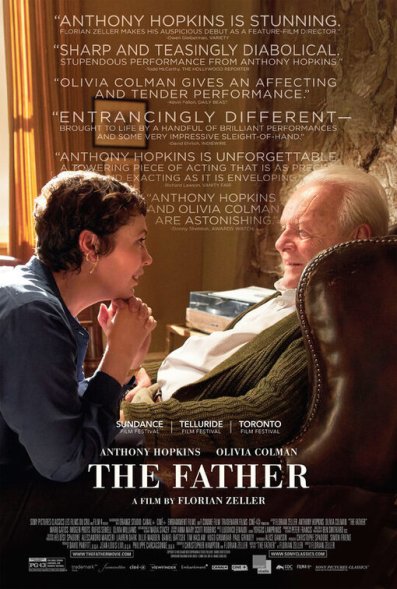
• Author: Florian Zeller (1979)
• Title: Le Père
• Published: 2012; 44 pages; 15 small scenes
• Trivia: Awarded the Molière Award 2014
• considered the highest French theater honor, the equivalent to the American Tony Award.
• Trivia: Nominated for Best Play Tony Award 2016
What are the key elements?
• Title: Le Père
• Playwright: Florian Zeller
• Setting: Anne’s apartment; hospital for Alzheimer patients
• Timeline: 6 months (my estimation)
• Characters: Anne (daughter)- André (father) – Pierre (Anne’s partner)
• Laura (carer) – L’Homme – La Femme
• Main conflict: André suffers from dementia cannot live alone. Decisions must be made.
• Resolution: Father is living with Anne until he can be placed in hospital.
• Climax: André cries to the nurse: “I feel as if I’m losing all my leaves, one by one.” Heartbreaking.
What type of play am I reading? – Tragic comedy
• Zeller maintains a delicate balance between tragedy and comedy.
• André is constantly searching for his watch. He has two of them.
• One is on his wrist the other is in his head.
• “Il est quelle heure?” he asks, time for apértief? medicine? dinner? to get out of my pajamas?
• Time is slipping away and he cannot grasp what is happening to him.
• Three times André realizes ‘something is not right’
• pg 25: Il y a quelque chose qui ne tourne pas rond.
• pg 25: Il se passe des choses étranges autour de nous. Tu n’as pas remarqué?
• pg 54: Il y a quelque chose qui ne s’emboîte pas.
• The tragedy is echoed in the theme… a painfully honest study of dementia.
What is the structure of the play?
•The play is only 44 pages and structured into 15 small scenes.
• The characters are developed quickly.
• Zeller takes you into the confused world of an elderly man, the world ‘Le Père’.
• He is unstable and constantly reorganizing his thoughts while struggling to retain information.
Conclusion:
1. Why was this play an amazing experience?
2. Zeller manages to let the reader ‘feel confusion’. (égarement)
3. He wants you to feel what it is like to be in ‘le labyrinthe de l’égarement du Père’.
4. I read the play 3 times.
5. During my first read I missed so many subtle changes in character’s dialogue!
6. When does the dialogue reflect reality and
7. …when does it slip into ‘André’s special world’ ?
8. Friendly chit chat between father and daughter
9. ….suddenly leads to events that appear to change with no apparent logic.
10. The most important thing I learned was to
11. …’highlight’ the stage directions before reading the scene.
12. That was the only way to notice ‘clues’
13. …Zeller gives the reader to make sense of Andre’s ramblings.
14. Excellent play. I read it in French…and it available in English!
15. The play won 2 Oscars 2021: best actor (A. Hopkins) and best adapted screenplay (Zeller, Hampton)
#Christmas Eve 2023

- If you can’t beat them…join them.
- Cats bring joy to my day…but at Christmas
- …they are persona non grata.
Ben & Jerry look very innocent…but they are not!

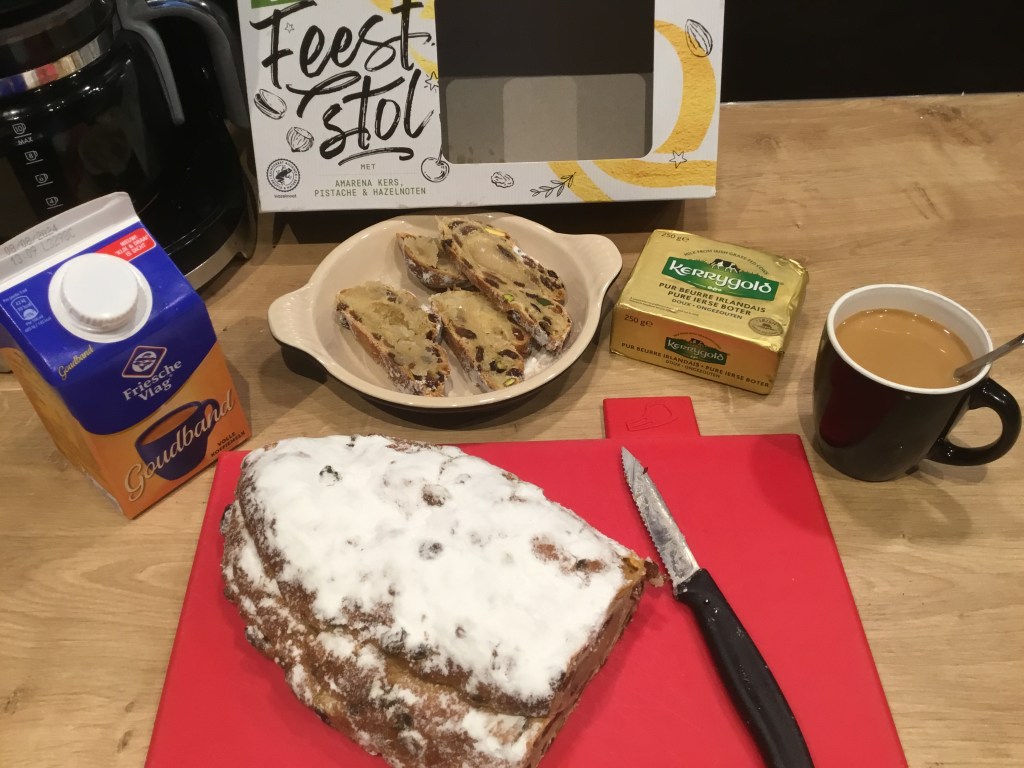
- The morning begint with this Dutch tradition: Kerststol.
- All year I wait for this be in the stores.
- The most difficult part is to pace myself and hope this treat
- lasts until Christmas!
- Yes, a Dutch tradition but with IRISH butter…the best!
- What is Christmas without music?
- These are my favorites albums…
- …and they are “play on loop” all week!
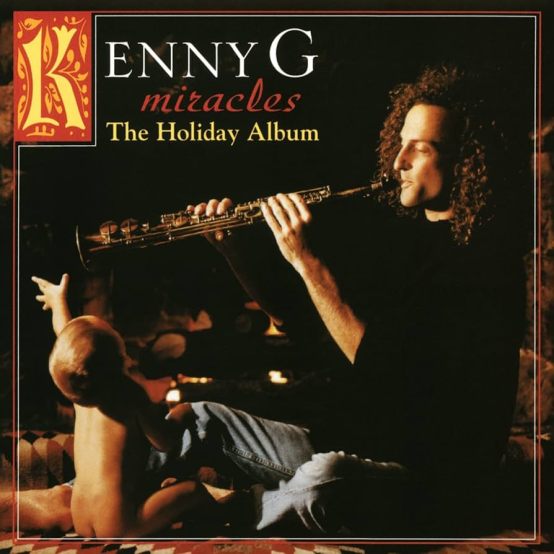
Josh Groban’s version of “I’ll Be Home for Christmas”…brings me to tears, really, it does.
Have a listen!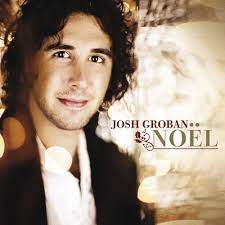
- I HATED to go to piano lessons with Sister Edth at the Convent of St. Joseph.
- My mother insisted…
- …and she’s given me the gift of music for a lifetime!
- Wine…is always a great incentive to practice these days!

Throw back Christmas…1950s…a simpler life
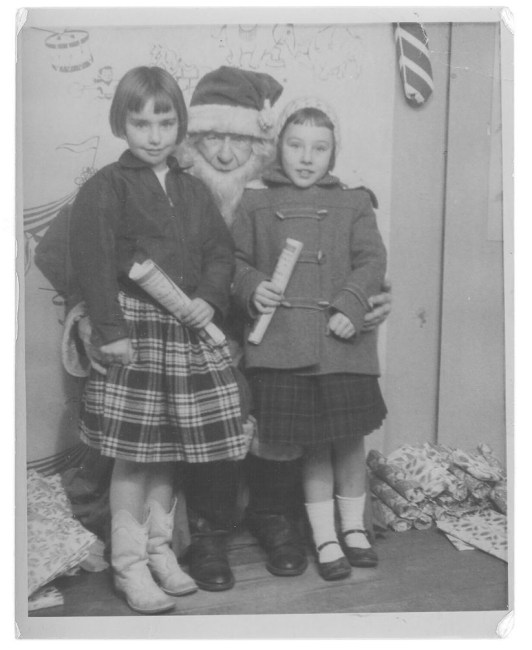
Don’t forget to give you cat or dog a special Christmas hug!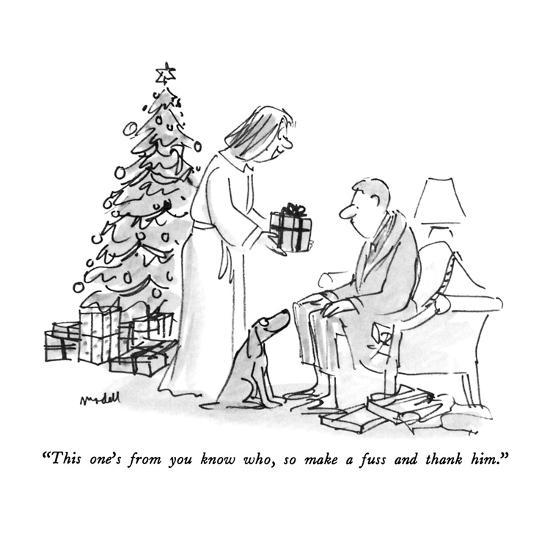
- The table is set….awaiting as Ben & Jerry say:
- CATmus and SantaPAWS!
- Have a wonderful holiday with family and friends.

#Christmas 2023

- Yes, fellow book lovers, it is official the Christmas kitchen is open!
- I swore after I kept to my very strict diet August-November this year
- …that I would just ENJOY the Christmas cooking season.
- Today was the kickoff!
- Where are my Xmas tablecloths and those littel votive candles?
- Table is draped with the Xmas spirit and now is the battle to keep
- ….the cats away from the candles.

Tonight was the pre-pre-pre show for Christmas dinner:
Hasselback Tomatoes…anybody can make these.
- Tomato filling is a keeper!
I can use it on anything. - These measurements are enough for 6 toms
…I used just 3 tomatoes.
- Handful flat parsley chopped
- 3 TB oil
- 2 clove garlic
- 1/2 cup grated cheese
- 1/4 c panko bread crumbs
- …added 1 TB pesto for a bit more flavor
- whizz in a kitchen machine (used the one for my
- staff mixer from SMEG
- Cut the tomatoes accordian style
- Fill with mixure…sprinkle grated cheese on top
- Set in pre heated grill ( 6 in from grill) for 5 minutes
- Open that lovely Pinot Grigio that is chilling in the fridge
- …and enjoy!
- Color wise…this dish can’t get anymore Xmas-y!

#French Marc Bloch WW II historian
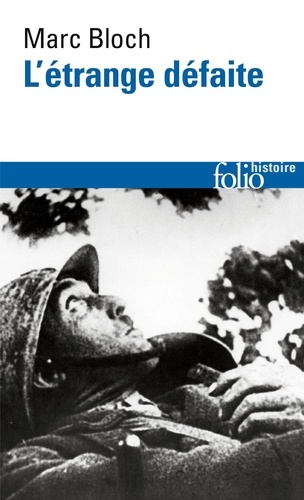
 by
by  Marc Bloch
Finish: 21.12.2023
Title: L’étrange défaite – published 1946
Genre: Non-fiction (180 pg)
Language: French
Rating: A
Bad news: Everytime I turn on the TV these days all I see is war.
I don’t think I can stand a book about a l’étrange défaite
even though it is on the top of my French TBR. I hope it is worth reading to expose “…les rouages d’une défaite” (the inner working, gearwheels, cogs) of a “catastrophe incroyable” as it happens.
Good news: Even though the reading is going very slowly, I’m learning so much about the Battle of France 12 May – 25 June 1940. M. Bloch (1886 -1944) is not holding back..the French were defeated (..or let themselves be defeated) b/c of the incapibility of command (pg 55) resulting in being attacked in places and at times completely unexpected (pg 78). Where was the intelligence?
Good news: What was the burning question Marc Bloch felt so strongly about? Why was the French militiary command in 1940 (Battle of France) incapable of the same success as one of the greatest WW I French General Henri Gourard? His strenght was his ability to change to meet the needs of modern war. He is famous for “elastic defense” (see Google). To be fair “time” was on his side. WW I lasted 4 years and Gourard had the opportunity to learn from mistakes. On the other hand WW II Battle of France lasted only six weeks. You make a mistake? …then you are “French” toast. Excusez the pun.
Sad ending: M. Bloch was arrested in Lyon on 8 March 1944, and handed over to Klaus Barbie of the Lyon Gestapo. Marc Bloch was imprisoned, tortured and executed on 16 June 1944.
Personal: This book is available in English…. only 180 pages…and I would reccommend it to anyone who wants to learn (in a nutshell) why France “collapsed like a cold soufflé” during a 6 week attack (12 May – 25 June 1940) by Hitler’s war machine. The last part of the book is supplementary information (M. Bloch’s letters) about the war for anyone interested. I was not.
#French Winner Prix Goncourt 2023

 by Jean-Baptiste Andrea (no photo)
Finish: 17.12.2023
Title: Veiller Sur Elle
Genre: novel (580 pg)
Language: French
Rating: A++++++++++
Winner Prix Goncourt 2023
Good news: Anyone who enjoys a great story, a plot with many twists and turns
will love this book. I’m so fortunate to be able to read it in French…but put this one
on your “books in translation” reading lists for 2024.
It is breathtaking!
Good news:
- One of the best “hook” chapters I’ve ever read!
- Narrator: Michelangelo Vitaliani born 1904
- …is now dead and is going to reveal
- …why he never took his vows but
- …remained in the abbey for four decades.
- Who can resist a story like this?
- Masterfully done…by Jean-Baptise Andrea!
Quick scan: An old man, Mimo, dies in an abbey and to understand
the object of his last request, (Veiller Sur Elle = watch over her, protect her)
he lets us listen to his story before his last breath.
Personal: A marriage engagement, para-gliding crash,
a stone-cutter’s workshop and Circus Bizzaro
…all elements that have caputred my attention.
This is an unforgetable love story between Viola and Mimo.
The Prix Goncourt 2023 is a well-deserved prize for Jean-Baptiste Andrea.
In years past the committee “Goncourt” disappointed me
…but this year they choose a book worth reading!
Honestly, I feel sad that the book has ended…I was so enthralled by
the writing. It will be difficult to start an new book
…b/c I will be comparing it to Veiller Sur Elle.

Abbey on Sacra di San Michele, a tenth-century monastery perched atop a little rocky mountain in Piedmont. The film version of “The Name of the Rose” brought it to world attention. In the basilica, you’re alone with the echo of your footsteps. It is also used as the “abbey” in this book!
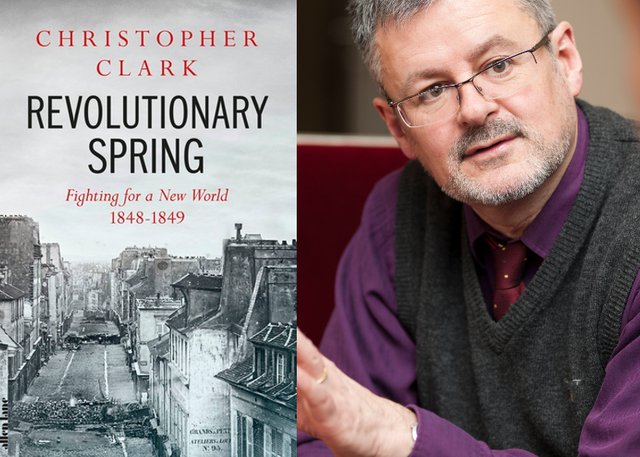
#History Revolutionary Spring 1848-1849

- Christopher Clark, (Sydney Australia, 1960)
- is Regius Professor of History at the University of Cambridge.
- He was knighted in 2015.
- Australia should be so proud of this brilliant scholar!
- #AusReadingMonth23
- Listed as one of the BEST books of 2023 by The Economist
Finish: 12.12.2023
Title: Revolutionary Spring 1848-1849
Genre: non-fiction (882 pg)
Rating: A+++++
Good news: I won’t lie to you…this book was a real challenge to finish. My mind was spinning with all the details of names and places. Never give up when you are reading a book by a Cambridge University professor of history. It felt like a privilege to be sitting in one of his many lectures about a tipping point in modern history.
Bad news: I’m exhausted. I knew I needed help reading this book and combined the audio version while reading it on Kindle. There were times when I “missed” some sections b/c I fell asleep. I just had to re-read and get back on my horse and …immediately confront a failure and try again.
Good news: I never realized there was so much political unrest is so many European cities…at the same time! Revolutions spontaneously broke out all over Europe in 1848. People’s grievances went in all directions, from poverty and political impotence to curbing freedom of the press.
Good news: I wondered why was there was NO revolution in The Netherlands? I seems the Dutch are very pragmatic. They successfully absorbed and translated the crisis. Thanks to our politian, Johan Thorbecke (…you probably never heard of him) the Dutch constitution (grondwet) was adjusted to embrace a parlimentary from of government that we still have today. As a Dutch envoy in Brussels wisely remarked: “…it is better to pre-empt that be pre-empted.” (pg 334)
Last thoughts: This book is a #MustRead for all the history buffs! 882 pages is a lot to digest and you have to be committed to finishing this book…even if it takes you weeks or months to read. I’m adding some of my notes I made on Goodreads…just to give you an idea what I was going through!
NOTES:
October 15, 2023 –
1.72% “Just read the introduction and am impressed by Clark’s writing style and expansive vocabulary. It wakes you when this Prof of History of Cambridge University links fake news to the revolutions of 1848!
The French Revolution in 1789 was “…but a flash of light in the darkness”
The revolutions of 1848 …its twin had every mark of brilliant radiace.”
Prediction: this book will win Baillie Gifford Prize for NF 2023!!” UPDATE: 13.12.2023 – Fire Weather by John Valliant won the Baillie Gifford Prize for non-fiction 2023. That must be quite a book if it can “top” Revolutionary Spring! Puting Valliant’s book on my TBR
October 21, 2023 –
19.36%“After 3 chapters that feel like firehouse of information…the core message begins to arise: all is in motion. Identity and commitment become enmeshed. Our OWN age feels the same. This is the fascination of those decades Clark is about to discuss…starting with 1848.”
November 18, 2023 –
34.36% “Chapter 4…feels unending. I have to stop halfway b/c I’m falling asleep.
Metternich said he was “…always a rock of order”
….but he never managed to shake off the past when
…designing the future.”
December 9, 2023 –
39.4% “Re-read chapter 4 b/c to refresh my mind after weeks of
not reading this book. Now up-to-date with the 1848 uprisings in Vienna, Berlin, Amsterdam, Brussels, Palermo and Milan.
Starting ch 5 (pg 344/873)”
December 9, 2023 –
46.85% “Ch 6 takes u through the “day after” of several 1848 revolution as
many ask the question: “Now what?”
Constituions are not most people’s idea of lively bedside reading. But the constitutions of 1848 were much less boring than on might think,
Happy that the Dutch “grondwet” was so well written with the guidance of Thorbecke!”
December 10, 2023 –
53.84% “Chapter 6 was just amazing. History that I never was taught in school.
Revolutionary Spring 1848 triggered a wave of
emancipation of women, slaved Africans, gypsy slaves and Jews.
The doors were opened for liberty by 1848 events
…but it would take years before emancipation was really accepted by society.”
December 11, 2023 –
59.68% “Ch 7: Nationalism is intoxicating. If politians sent more time
listeing to, rather than preaching to people who worked the land, for example “flyover country USA” …they will pay the price in elections,
It happened in 1848…revolution…it can happen again!”
December 12, 2023 –
60.71% “Attempted to finish ch 7…but fell asleep listening
to the audio book. Now I have to re-read it.
More barricades, unemployment and what is this
“Schleswig-Holstein” question? Need some help
from wikipedia before re-read. Counter-revolutions are starting…oh, dear!”
 NancyElin.blog