
Classic Club Spin # 19

Did you say the C-word?
- Chunkster:
- A chunkster is 450 pages or more of
- ADULT literature (fiction or nonfiction)
- … A chunkster should be a challenge.
The list: CC Spin #19 @The Classics Club
- Moby Dick – H. Melville (720 pg) MY CHUNKSTER READ!!
- War and Peace – L. Tolstoy ( 1392 pg)
- The Old Curiosity Shop – C. Dickens (576 pg)
- Collected Short Stories of Katherine Mansfield (673 pg)
- The Gulag Archipelago – A. Solzhenitsyn (496 pg)
- The Mill on the Floss – G. Eliot (579 pg)
- East of Eden – J. Steinbeck (691 pg)
- Collected Stories of Elizabeth Bowen – (784 pg)
- Martin Chuzzlewit – C. Dickens (864 pg)
- Count of Monte Cristo – A. Dumas (640 pg)
- Oliver Twist – C. Dickens (512 pg)
- Humboldt’s Gift – S. Bellow (512 pg)
- Vanity Fair – W. Thackeray (912 pg)
- Wuthering Heights – E. Brontë (450 pg)
- Sybil – B. Disraeli – (450 pg)
- Grand Days – F. Moorhouse (678 pg)
- Master and Commander – P. O’ Brian (457 pg)
- Swords and Crowns and Rings – R. Park (450 pg)
- The Man Who Loved Children – C. Stead (528 pg)
- Clayhanger – A. Bennett (528 pg)
#NonFicNov week 4 Reads Like Fiction
- Author: Carlo Levi (1902-1975)
- Title: Christ Stopped at Eboli: The Story of a Year
- Published: 1945 (275 pg)
- Genre: memoir
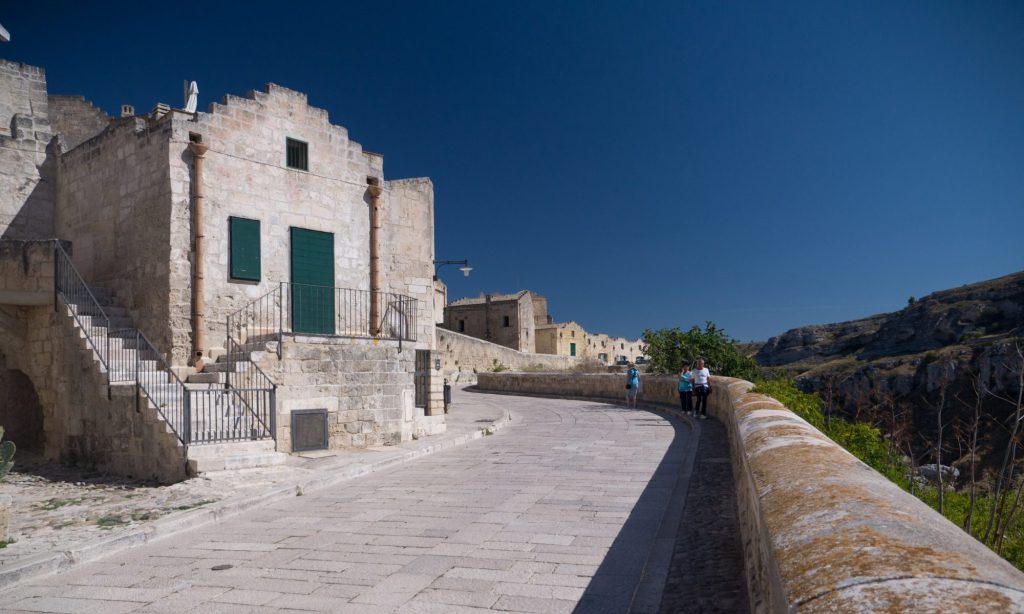
- Trivia: Matera (setting book)
- Some of the scenes from Mel Gibson’s
- …Passion of the Christ were filmed here.
- List of Challenges 2018
- Monthly plan
- Non-Fiction Reading List
- #NonFicNov
Week 4: (Nov. 19 to 23) – Reads Like Fiction (Rennie @ What’s Nonfiction): Nonfiction books often get praised for how they stack up to fiction. Does it matter to you whether nonfiction reads like a novel? If it does, what gives it that fiction-like feeling? Does it depend on the topic, the writing, the use of certain literary elements and techniques?
- I have selected Christ Stopped at Eboli
- …which is rarely seen on reading lists.
- What gives this book it that fiction-like feeling?
- Top-notch writing….absolutely breathtaking!
Introduction:
- Every Italian schooled in Italy has read
- …Carlo Levi’s book Christ Stopped at Eboli.
- Eboli is a town just south of Salerno in Southern Italy.
- Once you go south past Amalfi, you enter the REAL Italy.
- Carlo Levi was a doctor, a writer and painter who originally
- …lived in Turin in the northern province of Piedmont.
- He was an outspoken opponent to the creeping Fascism.
- Because he was not quiet about his beliefs,
- Levi was sent into exile for two years to a tiny southern Italian hill town
- …in the southern province of Lucania called Aliano.
Why was this book so important in 1940s?
- Levi’s writings went on to shed light on what was later called the Shame of Italy.
- The Shame of Italy was the fact that the
- …people of the nearby hill town of Matera lived in abject squalor.
- Levi’s book caused an uproar
- The people of Matera were moved out and into government built houses.
- They were provided food and medicine.
What does the title mean?
- Locals told Levi that “Cristo si e Fermata A Eboli”.
- Christ stopped at Eboli, north of them and
- ….not even Christ himself had cared to come this far south.
Conclusion:
- This is an account of anti-fascist Carlo Levi’s exile
- 1935-1936 in the peasant village of Aliano.
- In the book the name is changed to Gagliano.
- Strong point: Top-notch quality writing.
- For example Carlo Levi describes Gagliano:
- “…I had a feeling of disgust for the clinging contact
- of the ridiculous spider web of their daily life
- …dust-covered skein of self-interest.”
- But at the end of the book Carlo Levi had difficulty leaving Gagliano.
- This book is a gem
- …but it has fallen between the cracks!
- It is on my list of TOP-10 books of 2018!
- #MustRead….you will not be disappointed!
Carlo Levi
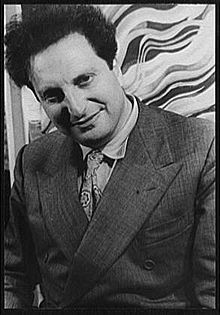
Mythos by Stephen Fry

Finished: 15.11.2018
Genre: mythology
Rating: B
#AudioBook
Conclusion:
The strongest point of this book in audio version
is the narration by Stephen Fry.
I don’t think I would have enjoyed this book as a paperback.
Voice is needed to breath life into these cheeky gods and titans.
The first half of the book was very good: rise of the titans
the birth of the gods and the establishment of Olympus.
The last 30 % of the book felt like S. Fry was overreaching by
retelling very obscure tales of lesser known
nymphs, naiads (waters) and dryads (woods).
Last thoughts:
- I wish I had this book (audio) as a young student.
- Edith Hamilton’s Mythology was on my high-school reading list.
- Stephen Fry does not skirt around the erotic and
- …violent episodes (…as Edith does)
- that form an essential part of the Greek mythic world.
- All in all this was a #GoodRead.
- ….but I would recommend the audio book above the
- print version!
- Relaxing….#GreatAudioForBed-time
#Classic: The Lusiads
- Author: L. Vaz de Camões
- Title: The Lusiads (derived from Lusitania, Portugal in latin)
- Genre: epic poem
- Publisher: Penguin books, ISBN 9780141962467
- Translator: W. C. Atkinson
- List of Challenges 2018
- Monthly plan
- Classic Club Master list
Quickscan:
- Late 16th century in Portugal
- a epic narrative poem written in four parts.
- Narrator: Vasco da Gama
- The poem ends at a placed called The Island of Love,
- where the ancient god Bacchus, proclaims that the
- Portuguese people have become like gods themselves.
- The poem is a vehicle to praise Portugal in general
- …and the plot is less important.
Parts:
- introduction — theme (glory of Portugal) and heroes of the poem
- invocation – a prayer to the nymphs of the Tagus
- dedication – (to King Sebastian I of Portugal)
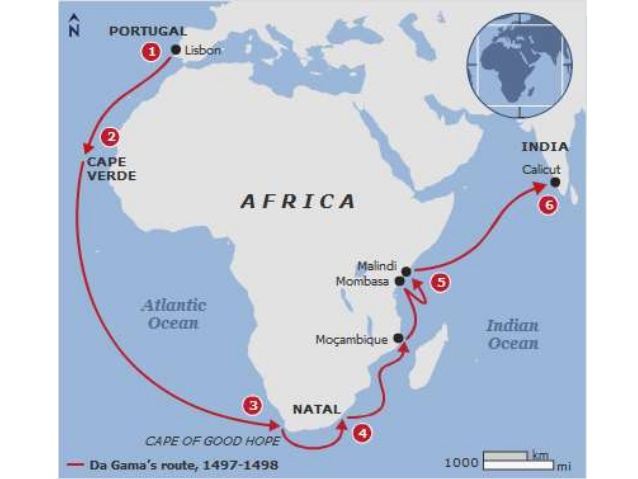
- narration (the epic itself…voyages …see map )
Conclusion:
- This is one of those
- “must read and get it over with” books.
- I approached the book as a chore.
- I had very little interest in the Portuguese history and glory
- while being influenced by the intervention
- …of the gods from Mt Olympus:
- Venus Jove, Mercury, Mars, Bacchus and Neptune.
- But it is a #Classic…so I just got on with it.
- I read a few analyses of the story on internet
- …to get an idea what lay ahead of me.
- Then I skimmed the epic poem on my IPAD.
- THEN SOMETHING HAPPENED!
- I started to get interested in the royal house of Portugal!
- Most of my reading reflects the
- …royals of England, France..or The Netherlands.
- Now I discovered the richness that is Portuguese history!
- The perils that befall and baffle men at sea
- …St. Elmo’s Fire, giant Adamastor the personified Cape of Storms)
- Neptune’s waves, Aeolus’s winds
- …..nothing can stop the Portugese and Vasco da Gama!
- Classic that is seldom seen on reading lists.
- I can understand why.
- #Classic for the #DieHards
Last thoughts:
- The best way to tackle this epic story
- …is to stop and look up in Wikipedia
- some historical figures/battles mentioned.
- Example: Inês de Castro in Canto 3
- ….posthumously crowned queen of Portugal.
- Example: Nuno Alvares Pereira in canto 4 …general who assured
- …Portugal’s independence. Became a monk and in 2009
- …canonized by Pope Benedictus XVI St Constable. (feast day 6 November)
- Example: King Manuel I in canto 4 (1469-1521)
- in 1495, King Manuel took the throne, and the country revived
- ….its earlier mission to find a direct trade route to India
- …with the help of Vasco da Gama. (narrator)
- By this time, Portugal had established itself as one of
- …the most powerful maritime countries in Europe.
- We done with Portugal’s past history
- …now Vasco de Gama can continue telling his story.
- I found the history more interesting
- …than the explorations in canto 5 – 10.
Quotes:
- …a weak king can sap the courage of a strong people.
- …a change of ruler can work a change in his people too.
#Dutch: nr.2 Shortlist Libris History Prize 2018
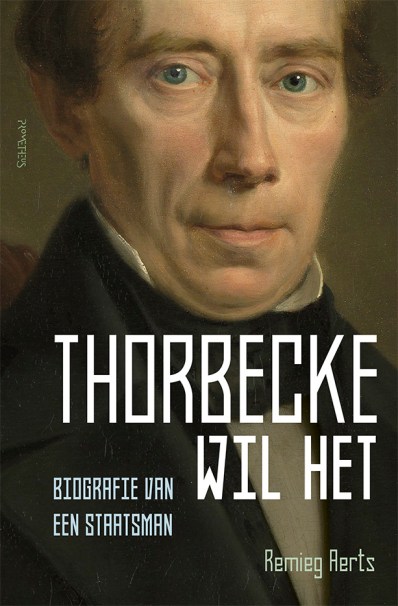
- Author: Remieg Aerts
- Title: Thorbecke Wil Het
- Published: 2018
- Trivia: Shortlist Libris Literature Prize 2018 for History
- Trivia: Winner PrinsjesBoekenprijs 2018 (best political book of the year)
Conclusion:
- I guess the idiom that best describes Thorbecke is:
- “…all work and no play makes Jack a dull boy.”
- After reading this monumental biography about the man
- who formed modern The Netherlands
- ….Thorbecke was far from dull!
- It is difficult to compare Thorbecke with any current politician.
- He was from another era:
- style was singular: we do it my way….or no way
- his thinking came from another source… German philosophy
- his personality was controversial:
- …when Throbecke enters a room, the temperature invariably drops.
- The Netherlands is indebted to this great man.
- Thorbecke had a vision for Dutch politics.
- He always asked himself:
- “Did I act and guide the government
- for a better and stronger future?”
- As the author so poignantly remarks in this last sentence:
- “How many people can honesty ask themselves this question today?
Last thoughts:
- I’ve lived in The Netherlands for years and everywhere you
- see Thorbeckeplein, Thorbeckstraat or Thorbecke School
- …but who was this man?
- I think 80% if the Dutch know he was important
- …but they don’t know why he was
- …a pivotal man in Dutch history.
- If you are willing to persevere through 763 pages
- with an analyses of:
- Thorbecke’s intellectual development (early years)
- his marriage to Adelheid Solger (one of the greatest love stories 19th C)
- the parliamentary culture in The Hague
- ….(led a team to create the modern Dutch Constitution 1848)
- his leadership (Thorbecke PM 1849 – 1872)
- …you will discover a man who towered above all others.
- Weak point: book is massive, difficult to balance in my tired hands!
- Strong point: there are many…
- ….but the last section pg 738 – 763 is excellent.
- Remieg Aerts ties up loose ends as a biographer
- …and links Thorbecke’s legacy to our modern times.
Shortlist Libris Prize 2018 for History:
- I’ve read Nobel Streven and De Sigarenfabriek van Isay Rottenberg.
- The winner will be announced 28 October 2018
- …I don’t think I can manage to read the last 2 books before Sunday.

#Classic Our Mutual Friend
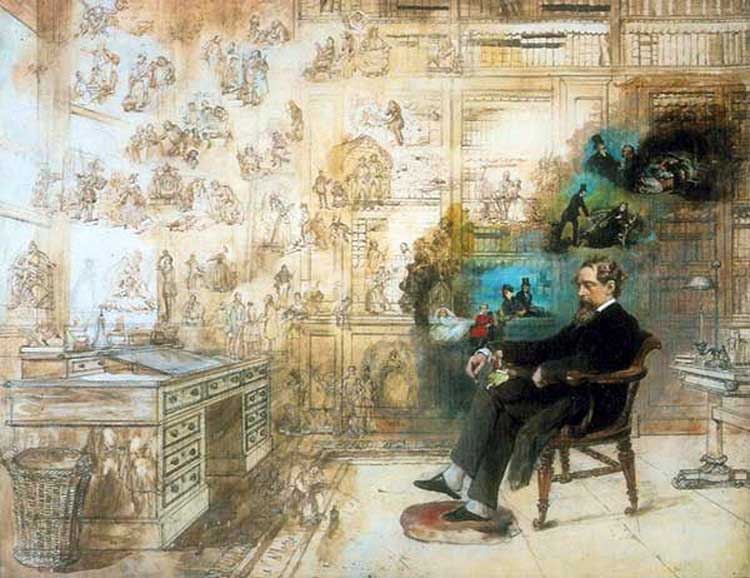
- Author: C. Dickens
- Title: Our Mutual Friend
- Published: 1864
Finished: 21.10.2018
Genre: novel
Rating: A++
#Classic
Conclusion:
- This book contains some of Dickens’s favorite issues:
- marriage plots:
- “…sold into the wretchedness for life!” (Sophronia Lammle)
- the crossing of borders between social classes: (Podsnappery)
- the renunciation of property to become truly happy:
- “O, make me poor again, somebody I pray and beg
- …or my heart will break if this goes on.”(Bella Wilfer)
- Classic that will not disappoint!
My notes:
August 30, 2018 –
page 70
Only Dickens could think of this one: Mrs. Podsnap (pg 21)
“…neck and nostrils like a rocking-horse.”
September 5, 2018 –
page 100
Yesterday I took Charles Dickens to the gym….(train commute) and he brought along some friends: Mrs Abbey Potterson …owner of the bar the Six Jolly Fellowship Porters… Mr Venus the local taxidermist in love…but his girlfriend wants nothing with the ‘boney light’. Mr Boffin is the jovial illiterate heir to the Harmon fortune. This is a delightful classic.
September 6, 2018 –
page 200
Ch11: When I read this I had to think of the leader of the Free World … in the White House! One of the funniest of Dickens’ characters
“Mr. Podsnap”! He is the epitome insular complacency and blinkered self-satisfaction.
Motto: “I don’t want to know it; I don’t choose to discuss it; I don’t admit it;”
Gesture: with the flourish of the arm, a flush of the face problems are swept away!
September 17, 2018 –
page 380
Daily reading chapters with my morning coffee…
finally a pivotal chapter in which the reader
is let in on the secret! “A Solo and a Duet”
October 2, 2018 –
page 484
The compulsive powers of plotting in Dickens Our Mutual Friend is its strongest resource. Two blackmail attemps (Ridderhood and Wegg)…and laying hidden clues…why does Noddy Boffin want books about misers?
October 5, 2018 –
page 580
Dickens is a master of portraying emotions and setting the mood for delicate death scenes. Today we had to say goodbye to Mrs. Betty Higden.
October 19, 2018 –
page 615
Starting book 4 …just 186 more pages and
hope to finish this tomorrow!
Love the character’s nicknames:
Fascination Fledgeby – Golden Dustman – R.W. – ‘the cherub’ – Mr Dolls – Sloppy.
Playwright: Lorraine Hansberry

- Author: I. Perry
- Title: Looking for Lorraine
- Published: 2018
- List of Challenges 2018
- Monthly plan
Introduction:
- One of the great playwrights of theater history
- ….who we rarely hear about: Lorraine Hansberry.
- Her play A Raisin in the Sun is number 10 on the list of
- The 50 Best Plays of the Past 100 Years
Conclusion:
- This is an excellent biography about Lorraine Hansberry.
- She was an American playwright who made theater history.
- Her play A Raisin in the Sun was the first play on Broadway
- …written by a black female.
- Never in the history of the American theater had so
- …much truth of black people’s lives been seen on the stage.
- The Broadway production of A Raisin in the Sun
- opened in New York City on March 11, 1959.
- It ran for five hundred thirty performances.
- It was also nominated for the 1960 Tony Award for the Best Play.
- It lost to the winner The Miracle Worker by W. Gibson
- Now I feel I am prepared to read her play and
- really appreciate the struggle Ms Hansberry went through
- grappling with her sexuality, racism, segregation and feminism.
- I read the play last night. (2 hours reading time)
- I will write a separate review about it later.
Last thoughts:
- Lorriane Hansberry uses her characters in A Raisin in the Sun
- to express what she was experiencing:
- — black aspirations
- — problems in her efforts to advance herself
- — stepping away from limits imposed
- — by a society bent on oppressing her.
- Lorraine clings to parched hopes
- ….dried up like a raisin in the sun.
#CanBookChallenge An Ocean of Minutes
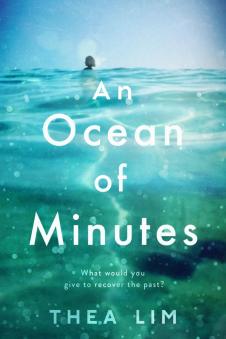
- An Ocean of Minutes
- Thea Lim – READ
Finished: 11.10.2018
Genre: dystopian time-travel
Rating: C-
#CanBookChallenge
Conclusion: Shortlisted Giller Prize 2018
I found this book to be
bland and choppy…an ice-cream headache of a book.
#NotPrizeWinning quality!
- I recommend you read the review by Indextrious Reader
- to get a more in depth look at this book.
- I just did not have the energy to
- waste more time on An Ocean of Minutes.
#AWW2018 Leigh Sales
Finished: 04.10.2018
Genre: non-fiction
Rating: A++++++
Conclusion:
- If you have a pulse…and I know you do
- this book will grab you and not let go.
- Absolutely inspiring!
- Sometimes I have to let a book sink in for a few days
- ….and this was one of them.
- Last year I commented on my post 23 Nov 2017
- about losing somebody dear to us.
- We don’t realize we were making memories
- back then when times were better
- ……we were just having fun.
- When someone leaves your life there’s no one
- …to share your memories anymore.
- They become like secrets.
- The new book by Leigh Sales An Ordinary Day left its mark.
- My review (NF) was short on
- #AWW2018 because the book had such an impact on me
- …I was at a loss for words.
- But every day I think about this book…every day.
- Leigh Sales managed to make me realize that if you look around your
- ‘ordinary days‘…in hindsight they are nothing but miraculous.
- Life can change in an instant.
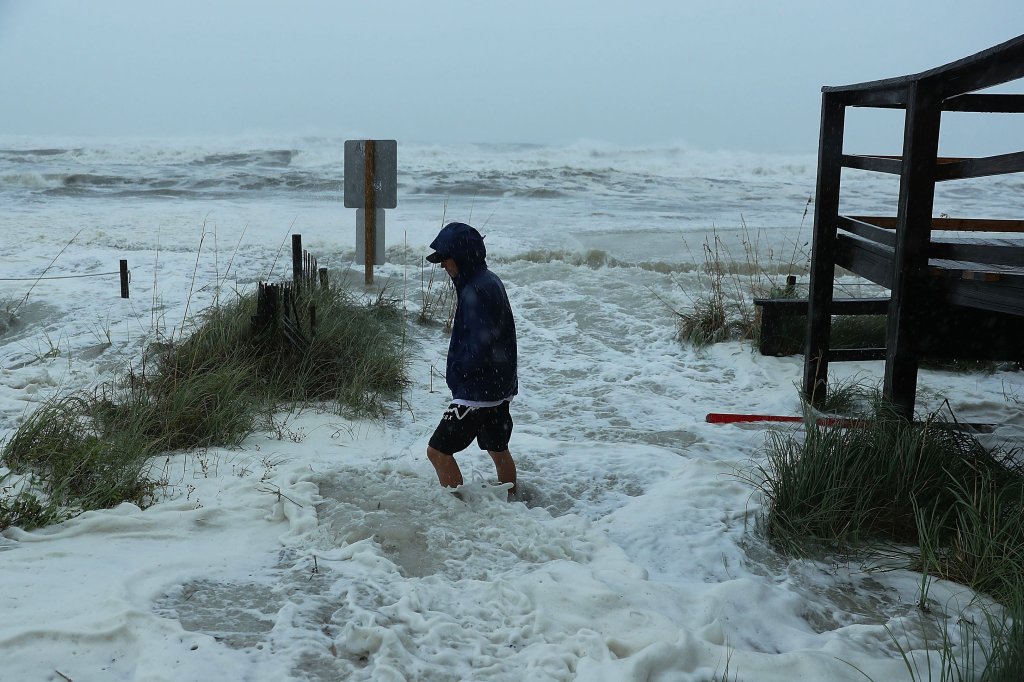
- As I watch the news this past week
- with a devastating Hurricane Michael
- …people’s homes are blasted from
- …the face of the earth, I pause and think again.
- If you are feeling contemplative
- An Ordinary Day is worth reading
- ….it put life into perspective for me.

#ThursdayTravels: Leeuwarden The Netherlands
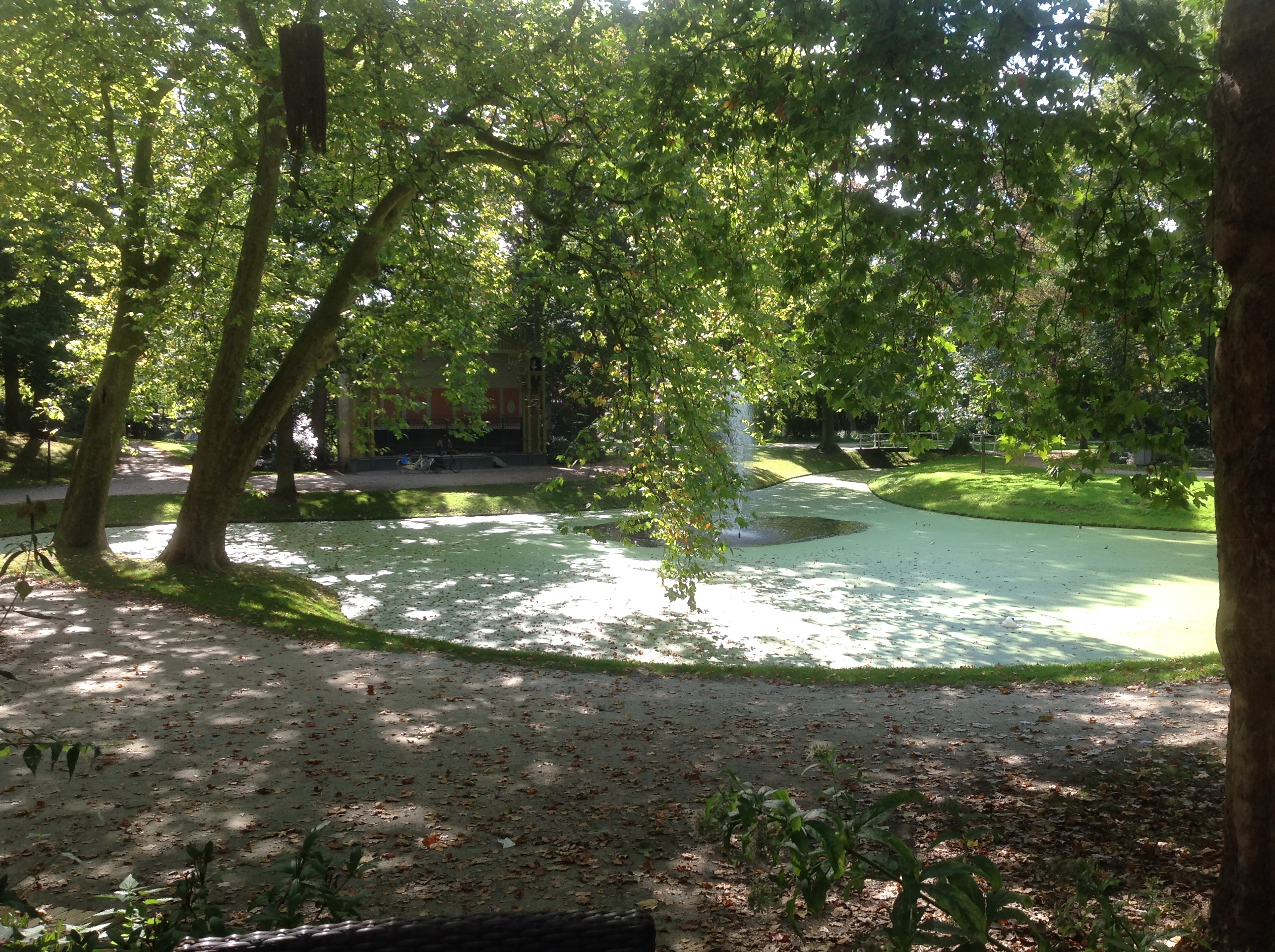
- Leeuwarden, The Netherlands
- Cultural Capital of Europe 2018
- #ThursdayTravels hosted by @Brona ‘Exploring the world’
- My world is close to home.
- This is a photo of the park where I have a morning coffee.
- Prinsentuin (Pleasure Garden of the Princes)
- Just look at the light….it looks like Renoir painted it!
History:
The Prinsentuin was once part of the Princessehof, (court) the former palace of Maria Louise van Hessen-Kassel, and served as her pleasure garden.
Maria Louise, married to Johan Willem Friso Nassau-Dietz and was the mother of Stadtholder Willem IV, making her the direct ancestress of the current Dutch royal family.
The Prinsentuin is one of the many traces of the Nassaus left in Leeuwarden and is nowadays the city’s beautiful, centrally located park.
 NancyElin.blog