
15
Nov
Into the Heart of Tasmania
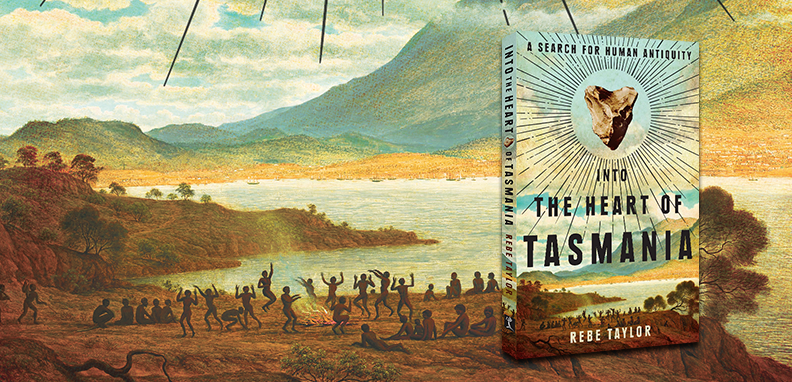
Title: Into the Heart of Tasmania (2017)
Author: Rebe Taylor
Genre: non-fiction; history
Trivia: (TAS) #AusReadingMonth @Brona’s Books
Trivia: #WorldFromMyArmchair Challenge (Tasmania)
Trivia: #NonFicNov
Trivia: #AWW @AustralianWomenWriters
- Trivia: Dr. Rebe Taylor is an Australian historian.
- Her book Into the Heart of Tasmania: A Search for Human Antiquity
- won the University of Southern Queensland History Book Award 2017.
Introduction:
- Into the Heart of Tasmania is a new history of Aboriginal Tasmania
- …the eccentric Englishman Ernest Westlake (geologist)
- ….and his hunt for man’s origins.
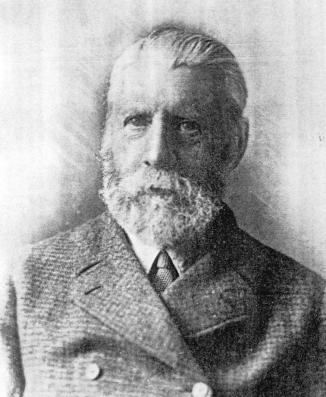
Who was Ernest Westlake? (1855-1922)
- English amateur scientist Ernest Westlake from about 1870 to 1920.
- The man who loved stones and the history they revealed!
- Westlake was officially a geologist… unofficially a self taught anthropologist
- The story of Ernest Westlake his collections is brought to life this book.
- I was most interested in what I could learn about Tasmania by reading Rebe Talylor’s book.
What did Westlake do?
- In 1908 E. Westlake packed a tent, a bicycle and forty tins of food and
- sailed from Liverpool to Port Melbourne Australia.
- He believed he found on the island of Tasmania the remnants (stone tools)
- …of an extinct race the Tasmanian Aboriginals.
- In the remotest corners of the island
- …Westlake did encounter via interviews
- ….the living indigenous communities.
Why were the Tasmanians so important for anthropology?
- The Tasmanians are believed to have been the most isolated race on earth.
- Their importance is their status as a cultural beginning.
- Because of their isolation and slow transformation
- …the Tasmanians ‘may have gone on little changed from early ages’ (pg 100)
What evidence do we have that the Tasmanian Aboriginals first human beings?
- Edward B. Tylor, ‘the father of anthropology’ after viewing an aboriginal stones
- …’the Taunton Scraper’ declared the Tasmanian Aboriginals as the ‘dawn of humanity.’

What was Westlake’s goal?
- Westlake wanted to rewrite history.
- In the process he finds and documents a living culture
- ...that had been declared extinct, Tasmanian Aboriginals.
Conclusion:
- I knew NOTHING about the Aboriginals or Tasmania!
- Strong point: Westlake lets the frontier violence done to the Aborigines
- seep through his anthropological journey.
- …(Risdon Cove Massacre, The Black War in Tasmania)
- I have never read about the injustice done to this race. #Shameful
- All in all did discover Tasmania….following Westlake’s journey on a digital map.
- Warning: Be prepared to ‘push’ through the first 50% of the book.
- I had to…. at times Westlake’s life back in England
- …was not so interesting after his return from Tasmania.
Structure:
- 1-8% – introduction to the man Ernest Westlake and his family and education
- 9-32% – described Westlake’s 1,5 year trip to Tasmania
- …Flinder Island and Cape Barren Island.
- 42-45% – Westlake’s return to England and his studies…and his death in 1922.
- 46-48% – Westlake’s Tasmanian stone collection and notes were now open to
- …Rhys Jones, University of Sydney earning his PhD in Tasmanian archeology (1966).
- 49- 57% The book gathers steam with the very interesting
- …escavations by R. Jones and his team (1965)
- Finally Dr. Rebe Taylor shines as she pulls all the diverse theories
- …together of past explorers into a ‘page turning’ last few pages!
- 57-100% – notes and other resource
Last thoughts:
- Rhys Jones the ‘cowboy archeologist’ once said:
- “Australian archaeological treasure is not gold or silver
- …it is time itself.”
- I thoroughly enjoyed this book despite a ‘few slow pages’.
- Dr. Rebe Taylor deserves
- …University of Southern Queensland History Book Award 2017
- Tasmania, the heart-shaped island, takes on a new meaning for me!
Dr. Rebe Taylor:

BTW:
I visited new museum websites:
 NancyElin.blog