
#Dutch A Word a Word

- Author: Frank Westerman
- Title: A Word a Word ( Een Woord een Woord)
- Genre: Non-fiction (284 pg)
- Language: Dutch
- #20BooksOfSummer24
Conclusion:
Frank Westerman wants to answer the question:
…is it better to end terrorism with weapons or with words.
The author takes the reader through many examples of terroism
during the 20th C and how these “situations” ended.
The “Dutch Approach” relies on a non-violent psychological action plan
instead of “Shoot first ask questions later” that was used
during the Moscow theater hostage crisis on 23 October 2002
resulting in the taking of 912 hostages.
One example in the book was the Dutch Train Hijacking on 23 May 1977.
I had just come to live in The Netherlands and I remember vivdly what
happened (…just 42 miles from where I lived) during those 2 weeks.
Now Frank Westerman revealed what was happening
behind the scenes in a underground bunker where negotiators
were talking to the terrorists…and what the elite armed forces were preparing to do.
It ended violently with Navy Seals, F-16 fighter jets and
Marines Special Forces storming the train.
It was all over in 11 minutes.
Notes:
- F-16 fighter jets made several dives at 450 miles per hour + after burners
- just above the electrical lines above the train. (…see photo above)
- They wanted to shock the terrorists with “bombs of sound”.
- I live near a military airbase…and I KNOW how much noise these aircraft can produce.
- The sound in that train would have made people just collapse on the floor!

#20BooksOfSummer24 Reading 12.06.2024

- Very low key reviewing this month…using Goodreads
- for placing ‘mini reviews’.
- This month’s comments/ thoughts can be found on the link “Monthly Planning”.
- Here is the book stack for today.
- I’m trying to read some DUTCH this month
- …I really should use our library service more than I do.
- REVIEW – De Indische Doofpot (cover-up) – The title speaks for itself…
- …war crimes committed by the Dutch armed forces during Indonesian War for Independence
- …1945-1949. M. Swirc won the Brusse Prize 2023: the annual prize for the best Dutch-language journalistic book.
- REVIEW – My Countless Identities – Sinan Cankaya is a Dutch-Turkish antropologist
- He has written some personal essays about growing up
- as a migrant in The Netherland. He reveals what it is like to grow up as “the other”.
- REVIEW – A Word a Word – Frank Westerman wants to answer the question:
- …is it better to end terrorism with weapons or with words.
- (Brusse Prize 2017)
READY: #Classic Dombey and Son
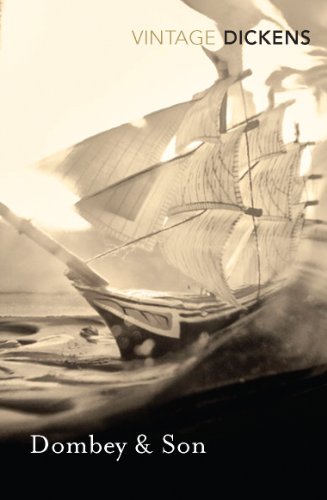
- Author: C. Dickens
- Title: Dombey and Son
- Published: 1847
- List Reading Challenges 2018
- Monthly planning
- Classic Club Master list
1. Explain the title. In what way is it suitable to the story.
Dombey & Son was the name of a well respected shipping/trading business. The title is the basis of a study of a Victorian middle-class family, the British trade with the colonies. Dickens described in ch 1: “The earth was made for Dombey & Son to trade in, and the sun and moon were made to give them light.” Dombey & Son was the centre of the ‘universe’. The narrative will tell the reader of this famliy’s rise and fall.
2. What is the predominant element in the story? Characterization
3. What is the setting? London, Brighton, Leamington Spa, Barbados
4. How does the author handle characterization?
a. Dombey is glad to hear the the nanny say: ” She hoped she knew her place”. (Mrs. Toodles). Dombey wants to be absolutely dominant (as does his social class) but needs somebody to dominate. The butler, footman, maids…“Mr. Dombey’s household subsided into their several places in the domestic system.” …but his daughter will not be so governed. When Florence leave the house she breaks Dombey’s domination. He looses control of his property, inheritance his classes’s values. Edith, Dombey’s second wife feels her marriage is enslavement; “ He sees me at the auction and he thinks it well to buy me” (ch 27)
b. Florence: the book begins with a the description of her as “base coin”. Dombey judges his daughter with ‘trade and capitalism’ in mind. She has little worth for him. But at the end of the book she is the “golden link” (ch 14) and “glorious sunshine” (ch 59) of her father’s life.
5. What sort of conflict confronts the leading character or characters?
a. External – Dombey is powerful, rich and feared..but is incapable of loving another person
b. Internal – Dombey must admit his ‘alienating flaw’ and try to redeem himself.
c. External – Florence is rejected by her father after the death of his heir, Paul.
d. Internal – Florence searches for the ‘magical behaviour‘ that will make her father love her.
6. How is the conflict resolved? No spoilers, this time!
7. Who tells the story? Third person omniscient
8. What is the timeline?
Florence is six years old. in chapter 1.
Florence is married with Walter Gay and has 2 children, Paul and Florence.
I estimate the time line between 20-25 years.
9. How does the story get started? What is the initial incident?
Mr. Dombey is a widower with two children; however, he only considers his son, Paul, to be worthy of his attention.
His daughter, Florence, is merely a “bad boy.”
Paul was to carry on the family name, but died of an illness that shattered Mr. Dombey’s hopes for an heir.
10. Briefly describe the rising action of the story.
Dombey’s neglect of his daughter Florence which caused problems his second wife, Edith.
Dombey trusts James Carker his devious business manager.
11. What is the high point, or climax, of the story?
After the sinking of SS Son and Heir Dombey & Son is bankrupt.
12. Discuss the falling action or close of the story.
Unfortunately Dombey loses his business and his wealth.
Dombey realizes that his daughter was the only person who truly cared for him, even when he had nothing left.
He reconnects with Florence in his later years and gains an heir through his son-in-law.
13. Does this story create any special mood?
Dickens uses houses, rooms and their decorations to create different moods that he needs in the narrative.
The book starts with images of a darkened room, crib in front of a warm fire. The new born son is compared to a muffin “ it was essential to toast him brown as he was very new”. (ch 1) The mood shifts after the death of Mrs Dombey. The house is cold, not fires glowing. The blank house inside and out, after the funeral the furniture was covered with great winding sheets, rooms ungarnished, windows-blinded, lookingglasses being papered up, lustre (chandelier) muffled in holland (cloth) looked like a monstrous tear depending from the ceilings eye.
14. What is the general theme of the story? The redeeming power of love.
15. Did you identify with any of the characters?
Florence: rejected by her father, does not let this influence her self-worth. She leaves her father’s house in disgrace and anger, finds happiness with Wally yet returns to save her father.
16. Does this story contain any of the following elements?
Symbol – bottle of Madeira: Bottle is opened to celebrate Wally’s employment as a clerk at Dombey & Son. “…we shall drink the other (last) bottle, Wally, he said, when you come to good fortune.” (ch 4). The bottle of Madeira has crossed and recrossed the trading routes. It has been shipwrecked and resurfaces and survives. These are all things that Wally will also do!
Irony: Wally sails and is shipwrecked on the SS Son and Heir. This is the beginning of Wally’s survival and start of a happy life. Ironically this is the end of Dombey who spirals into bankruptcy and depression.
Irony: Dombey cannot find love in his heart for his daughter. “But now he was ill at ease about her. She troubled his peace.” […] “– he was afraid that he might come to hate her. (ch 3) Ironically in the end Florence was the only one who could give him peace of mind!
Irony: Dombey considers Edith (2nd wife) as the only the person he can possess completely. He has lost possession of his daughter. Ironically at the end of the book the roles are reversed. Florence lives for Dombey’s love and Edith only scorns him.
Foreshadowing: Polly’s husband tells Dombey the worst that could happen to him was if he would lose one of his sons.(Toodle) “I couldn’t hardly afford but one thing in the world less, Sir. (Dombey) ” What is that?” (Toodle) ” To lose ’em Sir.” (ch 2). This foreshadows the death of Dombey’s son Paul.
Foreshadowing: father – daughter relationship – “Young as she was […] he felt as if she held the clue to something secret in his breast…” (ch 3)
Foreshadowing: Solomon Gills and Wally recall anecdotes of shipwrecks, casks of wine (Madeira = Wally) rolling about (Baltic Sea 1749) and SS George II breaking loose along the Cornwall coast (1771), SS Polyphemus (West Indies) catching fire and sinking. This foreshadows Wally’s shipwreck of the coast of Barbados. Suddenly Solomon Gills gave a short dry cough, and said: “Well, suppose we change the subject.” (ch 3)
27. Does the story contain a single effect or impression for the reader?
The remark made by nanny Susan Nipper impressed me the most: “girls are thrown away in this house”. This emphasizes the role of the woman in Dombey’s eyes. ‘Base coin’ , not currency that can be spent or invested. The first time we see Florence she is “in a corner”. Dickens does a wonderful job developing Florence with images and symbolism. The dying mother ‘clinging fast to the slight spar within her arms [as she] drifted out upon the dark and unknown sea that rolls around the world” (ch 1). This ‘slight spar’ will be the only thing her father can cling to and save his life.
SAVE: Tom Griffiths The Art of Time Travel

Prologue:
- Each individual has their own personal measure of time that depends on where they are and how they are moving.
- Historians are global storytelers.
- Historians in this book build knowledge of the past. These writrs are from all walks of life, for instance there is an archaelologist, poet, farmer, novelist and many more. They all have a craft …intellectual, artistic and technical skills.
- Questions raised….will I learn the answers in this book?
- How does writing of history differ from fiction?
- What is the interplay of evidence and imagination?
- What styles of art do we see in historical scholarship? (impress, still-life, pointillism, cubisim, magic realism?) NOTE: I never stopped to think of history in terms of art movements!)
- History is sometimes sees as just dates and facts. Historians show us that the past is alive and shifting.
Chapter 1: The Timeless Land: Eleanor Dark (novelist)
- Australia itself, the ‘timeless land’ seen through very different eyes.
- Eleanor Dark had captured something of the mystery of the land
- …the coming of time to a timeless land
- … a sense of the impact of European arrival on both Europeans and Aboriginals.
- The second novel in the trilogy, ‘Storm of Time’, ‘No Barrier’…
- …seeing Australian history though slightly different eyes.
- I looked on Goodreads and found this review:
- The Timeless Land (first published in 1941)
- is a work of historical fiction by Eleanor Dark (1901–1985).
- It is the first novel in The Timeless Land trilogy, which is about the
- European settlement and exploration of Australia.
- The narrative is told from English and Aboriginal points of view.
- The novel describes the first years of the colony,
- the attempts by Captain Arthur Phillips to impose
- European values and standards on the Aborigines.
- It also describes the famine suffered by the settlement, and t
- he devastating effects of introduced disease on the Aboriginal population.
- The novel ends in 1792, but the epilogue returns focus to
- Bennilong and provides a glimpse of
- …how his life has been dislocated.
- …Now I’m ready to read the essay:
- Eleanor Dark has been seen to be neglected
- as a female writer, social critic, Australian novelist and
- also as an historian. (see notes highlighted in Kindle)
- I read that ED most joyful moment was the 10 minutes after completion of her book
- …short-lived before the next bug bit. Writing for ED was physically and mentally hard ( research). This remined me to Helen Garner….she too was physically and mentally burdened by her writing!
- In her fiction ED was fascinated by time, the uneven flow and fabric of it was mysterious.
- Modern writers depict life in terms of fluidity, uncertainty rather than linearity and order.
- Waterway (1938) ED played with the subjectivity of time…its capacity to stretch or intensify in individual experience. I felt this while biking UP Alpe d’Huez…14 km UP. I thought time would go on forever….never end.
- I was curious how ED fared against TAstley on the survey ABR 2009 Australian best novels. 2 scored 2 while Eleanor Dark scored 4!!
- ED female character: believed in farming….and bravely advocating social change.
- ED ‘s character Caroline Chisholm The Peaceful Army ….she went into the heart of colonial history. Three shadows: treatment of convicts – emigrants – aborigines.
- ED’s fiction was disciplined with referenced facts. Historical novels took over her life. She became a slave to her respect for past reality…past time. ED wanted to write a more radical historical account, one from the inside looking out from her cave….
- ED’s Aborginal people were primitive in a material sense and their conditions of life seemed like those of animals, but there was something noble in their spirit.
- I found this book The Colony by Grace Karskens….it sounds very good…early history of Sidney! In her history the space between cultures was not a void…it was full of posibilites.
- A World-Proof Life by ISBN: 978 0 9802840 2 7
Marivic Wyndham…sounds great…but I can’t find it anywhere! Marivic Wyndham’s account of Eleanor Dark both runs parallel to and argues with (1901-1985) Eleanor Dark: a Writer’s Life, the biography Judith Clark and I published in 1998. Dark was a major figure in Australian writing from the 1930s to the 1950s; her work incorporates elements of modernism, popular fiction, and historical saga. The house where she and Eric Dark, doctor, left-wing writer and activist, lived is now Varuna: the Writers’ House, thanks to Michael Dark. Our biography aimed to allow Eleanor Dark to speak for herself; this book wrestles its subject to the ground. It presents different perspectives, highlighting the privileged (‘world-proof’) aspect of Dark’s life. There were tensions between the austere but safe middle class life of Varuna (with Eric’s support and perhaps over-protectiveness) and her aloofness and ideas of engagement and community. Eleanor’s up there in the clouds, Jean Devanny said. This book began as a thesis and the writer labours her points. Her argument makes artificial distinctions – ‘the artist’, ‘the radical’ – and confuses ‘feminist interpretation’ with ‘victim’. But there are some lively, well argued interpretations of events in Eleanor Dark’s life, and admirable moments when she brings a deeply private woman to life.
Chapter 2: The Journey to Monaro: (1898-1988) Keith Hancock (historian)
- Introduction to Hancock and like-minded writers. They wrote of regional history with a moral and evironmental edge: Margaret Kiddle – (Victoria’s western plains) – George Seddon (the Snowy, Searching for the Snowy) – Keith Hancock (Monaro) – Eric Rolls (scrub, Pilliga A Million Wild Acres).
- This chapter was not very intresting.
Chapter 3: Entering the Stone Circle: John Mulvaney (1925-2016) archaeologist
John Mulvaney applied objective scientific techniques to the chronology of ancient Australia. At times important finds were claimed exclusive ownership by the Aboriginal people. Mulvaney argued that human remains found should be reburied…of course…but in a ‘Keeping Place’ managed by Indigenous people. He believed this option would have future benefits to Aboriginal as well as non-Aboriginal.
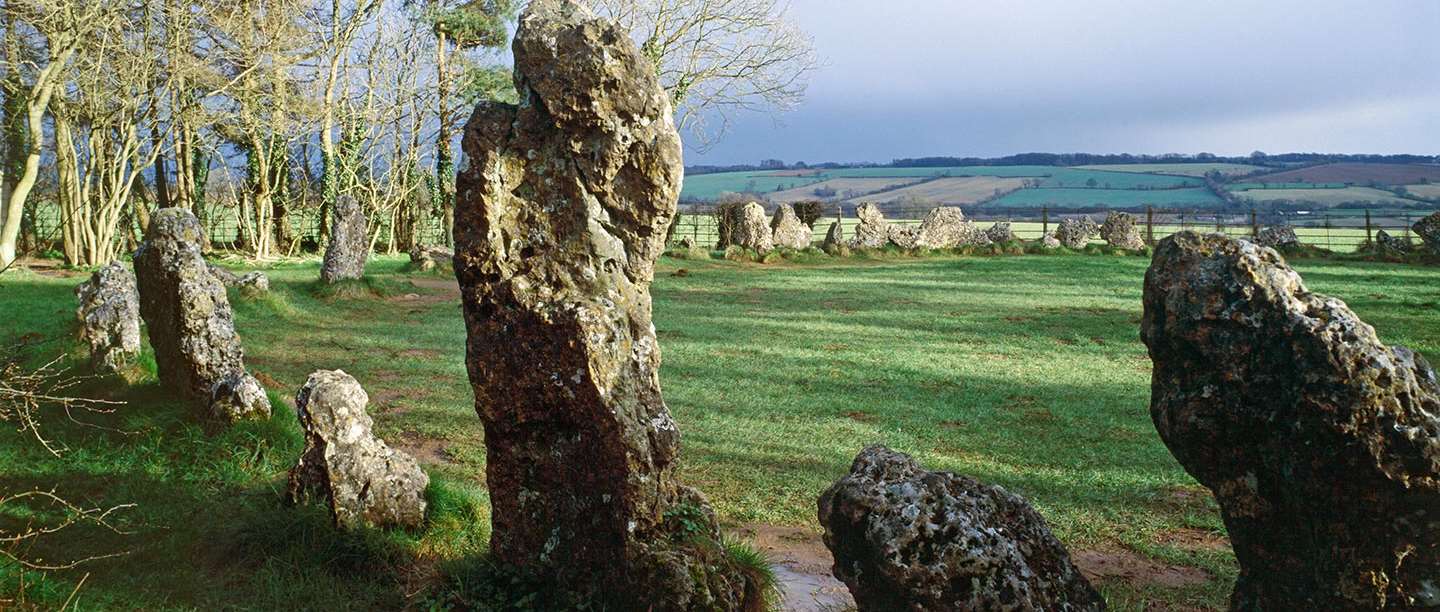
Mulvaney set out to use archaeological techniques and perspectives to humanise the past. Mulvaney was often identified as ‘the scientist’ bringing objective techniques to a world dominated by conjecture and prejudice. Yet he was also an humanist educating the collectors and some of his professional colleagues to the human drama of ancient Australia. Rollright Stones in England that so impressed Mulvaney during his studies in England.
Chapter 4: The Magpie: Geoffrey Blainey (1930)
- Blainey was always a loner. As an intelletual he championed people on the land. As a writer he took on the mante of speaking for ordinary Australians. As a literate man he celebrated their occasional illiteracy. He was a ‘public’ historian before his time.
- His natural world is of landscapes, elements and resources. It is there for humans to use ofr their profit or neglect to their peril. According to Blainey…it was not the open sea that shaped Australian civilisation, but the ecological reality of soil and climate.
- Surprising to read that Blainey thinks the pendulum has swung too far with reference to climate science. The pendulum will swing back again. He percieves another brittle and extreme mood, another fashion about to recede. I had difficultuy accepting this after having read Feeling the Heat by Jo Chandler!
Chapter 5: The Cry of the Dead: Judith Wright – oke…but not earthshattering
Chapter 6: The Creative Imagination: Greg Dening (1931-2008) (ex-Jesuit priest)
- “The only way to fail Professor Dening…was not to take a risk” (pg 100)
- Researched is characterized as heroic. Writing is instinctive. Creativity is unconscious. Insights are personal.
- According to Greg Dening …research is collegial and require courage; imagination need not be fantasy; freedoms do exist in non-fiction; creativity can be collaborative and communal; true stories are entrancing.
- Greg Dening urged his students to feel that all the arts of fiction were available to them in writing true stories, but alos aimedd to educate the public to a different understanding of the realm of imagination, to see the creativity in the telling of true stories. (Think or Helen Garner’s books!!)
- What is history according to Greg Dening?
- History is the discipline without a discipline, the one social science that aspires to represent the totality of human experience.
- “Discorse is unending…Nothing is discovered finally.
- The moments of understanding stand like sentences in a conversation.”
- THE BEST CHAPTER….it gave me skin shivers when I read the last words.
Chapter 7: The Frontier Fallen: Henry Reynolds (1938)
- Chapter in which I learned the most…about the ‘forgotten war’ and lawyer, historian Noel Pearson
- The struggle between professional standards and political ends that shaped th kind of historian Reynolds is: empiricist, rational, highly structured, heavily evidenced, reinforcing and repetitive, professionally conservative, accessible to the courts. Reynolds has always been a ‘just-do-it’ historian. His style is lean, linear and logical and it is honed out of his engagement with passion, politics and power.
- Forgotten War by H. Reynolds (READ??)
- Considered by many to be the current leading historian on ‘the great Australian silence’, Reynolds has written Forgotten War with a remarkably straightforward and erudite pen. Reynolds does not depend on the lyrical, hyperbolic language sometimes used by Australian histories to evoke the brutality of the past. Reynolds has remained scrutinisingly close to the sources he cites, and in doing so, he has produced a book that is accessible for the expert and the novice alike.
- Forgotten War is Henry Reynolds’ latest attempt to elevate the place of Aboriginal Australians in the national consciousness. It is a broad and meticulously researched overview of colonial Australia’s treatment of Indigenous Australia, and worthy of our most scrupulous attention.
- The Australian Frontier Wars were fought from 1788 to the 1920s between Indigenous Australians and an invading coalition of white settlers, militia, police, and colonial soldiers. Estimates of the total death toll range between 20,000 and 50,000 Aboriginal lives lost and between 2,000 to 2,500 Europeans.In a 5 year period the Aboriginals killed something like 250 settlers and no doubt many of them were killed but the ratio was much closer.
- Now 250 settlers killed in short period of time in a small colony brings it close to many of the other small wars Australia has been involved in. So just in terms of the conflict, the number of people killed, the damage done the cost of the conflict, that conflict in Tasmania must be seen as a war.
- Reynolds said that in the history departments he found no interest and people didn’t think it was a very decent or honourable thing to be researching (forgotten war). So there was resistance from people who didn’t want to know about this very terrible and brutal aspect of Australian history.
- I think the past is important. I’m a historian, that’s my profession but I think the past is important and I think that it is absolutely critical that we understand and appreciate and empathise with Indigenous Australians.
Chapter 8: Disobedience: Eric Rolls
- Chapter 7 Eric Rolls A Million Wild Acres….Tom Griffiths said this would be THE book about Australia he would put in the hands of any visitor to his country to help them understand it!
- I just ordered Rolls’ book all the way from Australia!…can’t wait to read it!
- Griffths thinks it is the BEST environmental history yet written of Australia! Les Murray condsidered this book to be like an extended, crafted campfire yarn in which everyne has dignity of a name. TONE: discursive (rambling…) and laconic (terse, concise)..like a saga ( Saga Land?)
- Rolls enchants the forest….and presents us with a speak land….raucous with sound! The whole book reads as if the trees themselves are telling the story! That delighted me!
- The central story is simple…it is in Rolls’ words….about the growing of a forest. Why was A Million Wild Acres so popular? It spoke directly to so many people. “…it is unique and path-breaking yet represented an organic integrity and a common vernacular.” (ref: The Art of Time Travel: Historians and Their Craft, T. Griffiths, ch 8)
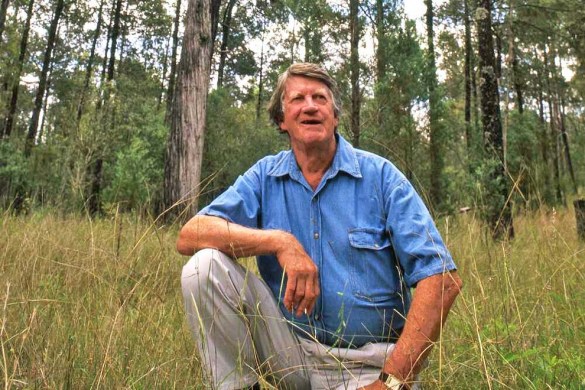
Chapter 9: Voyaging South: Stephen Murray-Smith (1922-1988)
- Antarctica – read enough about this in Feeling the Heat.
Chapter 10: History as Art: Donna Merwick – ex nun, married to Greg Dening
- Sorry, not even T. Griffiths could make this chapter interesting. :(
Chapter 11: Walking the City: Graeme Davison – so-so…learned what public history is!
- Davison set out his professional credo in his Monash retirement lecture:
- ‘To be a professor, to profess history, is to assume a responsibility, not just to practise one’s discipline, but also to advocate and defend it.
- At Monash he created a new post-graduate program in Public History.
- He aimed to train historians for employment outside the academy as commissioned historians and consultants.
- He wanted to narrow the gap between academic and public history.
- What is public history? Public history is deeply rooted in the areas of historic preservation, museum curatorship, and other related fields. The field has become increasingly professionalized.
- Most common settings for the practice of public history are:
- …museums, historic homes and historic sites, parks, battlefields, archives, film and television companies, and all levels of government.
- Davison studies not only cities….but also the decline of country towns
- …surburban myths and rural ideals.
- Graeme had long been interested in the city as a natural system. The city is both a machine and an organism. It has the tick of a clock as well as a heatbeat. Davison chose a clock and a car to reveal the inner workings of a city.
- Clock seeks to master time. Car seeks to master space. One is on your wrist….the other is in your garage. Both are personal, intimate, elegant accessories of our lives.
Chapter 12: History and Fiction: Inga Clendinnen (1934-2016)
- Clendinnen’s work focused on social history, and the history of cultural encounters.
- She was considered an authority on Aztec civilisation and
- …pre-Columbian ritual human sacrifice
Chapters: 13 Grace Karskens
- Winner of the 2010 Prime Minister’s Literary Award for Non-Fiction
- The Colony is the story of the marvellously contrary, endlessly energetic early years of Sydney.
- It is an intimate account of the transformation of a campsite in a
- …beautiful cove to the town that later became Australia’s largest and best-known city.
- From the sparkling beaches to the foothills of the Blue Mountains, Grace Karskens
- skillfully reveals how landscape shaped the lives of the original Aboriginal inhabitants and newcomers alike.
- Relationships between the colonial authorities and ordinary men and women broke with old patterns.
- She uncovers the ties between the burgeoning township and its rural hinterland.
- Grace Karskens teaches Australian History at the University of New South Wales.
- She is the author of The Rocks: Life in Early Sydney
Chapters: 14
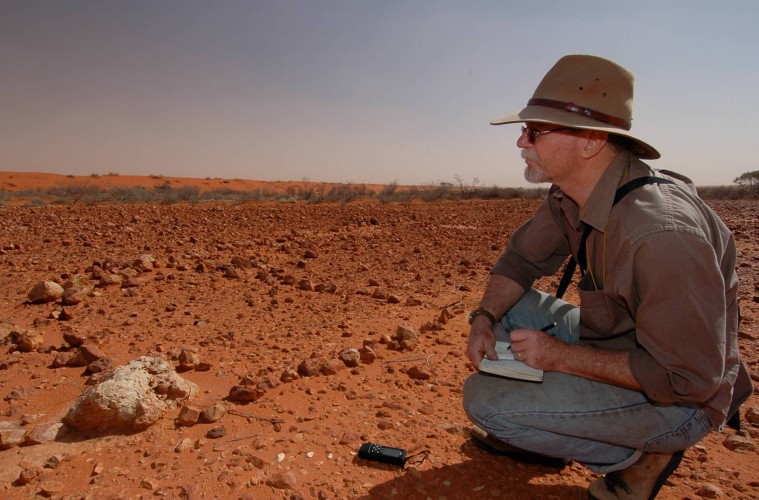
Mike Smith – Archaeology of Australia’s Deserts
-
- This is the first book-length study of the archaeology of Australia’s deserts
- It is one of the world’s major habitats and the
- …largest block of drylands in the southern hemisphere.
- Written by one of Australia’s leading desert archaeologists,
- …the book interweaves a history of research with archaeological data.
- For all its global significance and uniqueness, the story of Australia’s desert societies gets scant treatment in accessible science texts.
- A story that covers 60,000 years of development, change, growth and consolidation seems so important to understand.
- It is a compelling picture of societies responding to climactic conditions, changing technologies and social organisation to survive.
- Smith decided he wanted to be an archaeologist at the end of primary school!
- Smith has a gravediggers certificate! Stratigraphy is a key concept to modern archaeological theory and practice. Modern excavation techniques are based on stratigraphic principles. The concept derives from the geological use of the idea that sedimentation takes place according to uniform principles. When archaeological finds are below the surface of the ground the identification of the context of each find is vital in enabling the archaeologist to draw conclusions about the site and about the nature and date of its occupation.
READY: #AWW2019 Henry Handel Richardson
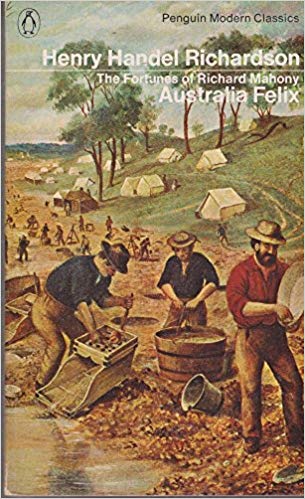
- Author: Henry Handel Richardson
- Genre: novel
- Title: Australia Felix (mentioned in John Turnham’s speech pg 255)
- Published: 1917
- Table of Contents: 4 parts, 385 pages, 40 chapters
- Theme: Sky, not spirit, do they change, those who cross the sea. (Horace)
- Trivia: Richard Mahony is a complex portrayal of Richardson’s own father.
- List of Challenges
- Monthly planning
- AWW Gen 2 @The Australian Legend
Why read the preface?
- In the preface Richardson describes the setting:
- You feel as if you are there in Ballarat Victoria Australia.
- I was going to skip it but am glad I did not.
- I was ready for chapter one with the ‘initiating’ event and
- could place the action in the landscape of ‘The Flat’.
- The writer continues to describe the open roads, ridges and
- …bush country around Warrenhiep and Buninyong as Mahony continues on his life’s journey.
Quickscan:
- Australia Felix is the story of
- …Dr. Richard Townshend Mahony’s coming to
- …Australia from Ireland as a young man (1851)
- He struggles to keep his head above water
- Soon he meets Mary Turnham (16 yr) and marries her.
- Mahony begins his medical practice again.
- …becomes the most skillful and prosperous doctor in Ballarat.
- Mahoney decides to sell his practice.
- …and sets sail with Mary to England.
- The next part of the trilogy will describe his English life.
Timeline: 14 years
Part 1: Mahoney is 28 yrs – 2 months…my estimate
Part 2: Polly is 16 yrs – 2 years
Part 3: 2 years
Part 4: skip 4 years between part 3-4
End: Mahoney is 42 yrs and Polly is 30
Life Events: Richardson ends each part with ‘life events’:
Part 1 = marriage to Polly
Part 2 = return to the medical profession and remain in Ballarat
Part 3 = investment earns RM a profit and is out of poverty’s grip
Part 4 = about to embark on a journey
What is the turning point in the book?
- Part 1-4: chronological order with flashbacks to childhood in Dublin.
- Part II ch 8: TURNING POINT in the book.
- Mahony dies NOT to leave Ballarat, returns to the medical profession.
What is the moment of ‘epiphany’ for Mahony?
- Part 4 ch 3: Mahony meets the owner of a
- small chemist’s shop, Mr Tangye. (pg 288-294)
- Tangyne is ‘the warning’ that was foreshadowed in the poem
- Lochiel’s Warning by Thomas Campbell !! (pg 113)
- Mahony is despondent.
Strong point: sense of place
- I liked Richardson’s detailed
- …descriptions of scenes of ‘gold-digging‘ (preface);
- sudden thundering storm (part III ch 8)
- busy election day in town (part III ch 11).
- She includes the fossickers,
- ….sounds of digging and tools that are used.
- The the colors and sounds of the weather:
- …doors rattling loose like teeth in their sockets.
- The marching bands, fife and drums,
- …straggling processions…dragging banners
- in the middle of noise-makers and schoolchildren.
Weak point: too many subplots…felt almost Dickensian!
- There are too many characters and subplots that detract from the main narrative.
- I felt overwhelmed.
- Six subplots is too many for any length of book.
- I decided to just concentrate on the major characters and
- …let the secondary ones just drift in one ear and out the other.
subplot: John Turnham’s rise to prominent place in society
subplot: Ned and Jerry Turnham – one is lazy and wants to make a fortune
subplot: Sarah Turnham: – flighty, kittenish, town-bred airs,”French” genteel elegance.
subplot: Family Beamish: Mr + Mrs., Jinny, Tilly
subplot: Family Ocock , father and sons Henry, Tommy and Johnny
subplot: Purdy and his pursuit of riches at the Ballarat site
subplot: Family Glendennings – child abuse, alcoholism, adultry
What impressed me most in Richardson’s writing style?
- The book just did not capture my heart!
- Alliteration, use of color, personification were average
- I found only a few really good metaphors!
- Mahony’ s struggle with religion appeared at intervals. (Part II ch 8 – Part III ch 3)
- Perhaps Richardson felt it important to include this side of her character,
- but I didn’t feel it enhanced the story.
- Finally when got to Part 4 I realized how important the ‘religious’ aspect is for the book!
- Bravo, H.H. Richardson….now you HAVE captured my heart.
Best chapters: Part 4 chapter 3 – 6 – 7 (very powerful !)
What are the ‘allusions’ that Richadson uses in the story?
Allusions connect the text with the larger world.
Allusion: Dorcas: (Bible) a charitable woman of Joppa (Acts 9:36-42);
Allusion: Phoebus: Greek Mythology; Apollo, the god of the sun.
Allusion: “O tempora o mores” is a sentence by Cicero.
Allusion: James Syme (1799 – 1870) pioneering Scottish surgeon.
Allusion: Backdrop Crimean War (1853-1856)
Allusion: David Syme (1827 – 1908) was a Scottish-Australian newspaper proprietor of The Age.
Allusion: Paintings “Battle of Waterloo” and “Harvey discovering the circulation of blood.”
Alllusion: Horace: – wonderful, really expresses the ‘essence’ of the book!
Sky, not spirit, do they change, those who cross the sea.
How does the character of Mahony change?
- Mahony strives for extreme happiness
- …but (wife, good job and finances, comfortable environment).
- He needs to learn to be less rigid in this thinking.
- Learn to balance his emotions.
- CHANGE: Mahony does consider Polly’s situation
- …when he promised not to argue with Mrs. Beamish
- …while she attended to Polly’s last days of pregnancy.
What is Mahony’s great character flaw:
- Mahoney is in the grip of black and white thinking.
- It robs him of the balance in his life
- Mahoney does not see that people are ‘gray’.
- No one is just good or bad.
- Mahony does not realize that he is
- …never going to be everything he wants to be.
- We’re human, we’re imperfect.
- CHANGE: (pg 144) Mahoney is learning to listen…
- “One was forced almost against one’s will to listen to him (Ned) …
- …Mahony toned down his first sweeping judgement of his young relative.”
Conclusion:
- I read every sentence closely and
- ….it took me 2 weeks to read 385 pages.
- In the beginning The Fortunes of Richard Mahony
- …didn’t meet up to my expectations.
- It was good…but not great.
- Yet as I progressed.
- I finally saw the connections, the deeper meaning that
- …Richardson wanted to expose.
- I persevered… and discovered part 4 is the best!!
Last thoughts:
- Sometimes one writer’s strength (Ruth Park, characterization)
- is another’s weakness.
- Richardson outshines Ruth Park with her
- dialogue, allusions, sense of place and gestures.
- I enjoyed Ruth Park’s The Harp in the South and
- …Nevil Shute’s On The Beach but
- ..The Fortunes of Richard Mahony was even better
- I found the best description of Richard Mahony
- …in a quote by André Malraux:
- “Man is not what he thinks he is…He is what he hides.
Ready #Classic Richard II
- Author: W. Shakespeare
- Title: Richard II
- Written :
- PLOT Wikipedia
- List of Challenges
- Monthly plan
- Classic Club Master list
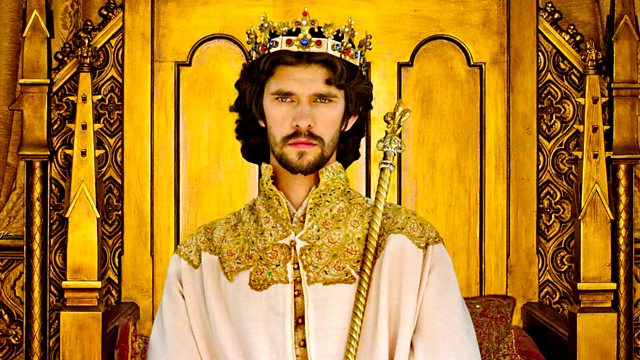
- Trivia: BBC series The Hollow Crown
- Ben Whishaw was awarded BAFTA
- …..best actor prize 2012 as Richard II
Quickscan:
- King Richard is called upon to settle a dispute
- …between his cousin Henry Bolingbroke (future Henry IV)
- and Thomas Mowbray. (Act 1)
- Richard calls for a duel but then halts it just before swords clash.
- Both duelers are banished from the realm. (Act 2?)
- When Richard II banishes Bolingbroke and confiscates his property.
- …he begins a chain of events that bring about his own downfall.
- King Richard then leaves for wars against the rebels in Ireland.
- Bolingbroke returns to claim back his inheritance. (Act 3)
- Bolingbroke forces Richard II to abdicate. (Act 4)
- Bolingbroke takes Richard prisoner and lays claim to the throne. (Act 5)
Deaths: 16
- Duke of Gloucester (before play starts, his brother John of Gaunt, Duchess of Gloucester, Thomas Mowbray, Bushy, Green, Richard II, 2 armed servants in Pomfert dungeon, Lord Salisbury, the Abbot of Westminster, Sir Stephen Scroop, Bagot, Blunt, Kent and Oxford.
Act 1: palace RII in London RII-TM-HIV-G
- Is spotless reputation that away
- men are but gilded loam or painted clay TM
- My honor is my life; both grow in one
- Take honor from me; my life is done TM
palace Duke of Lancaster (J. of Gaunt) short G _ duchess of Glousster (widow)
- Duchess is G’s sister-in-law – D. of Glouster (dead) Duke Ed of York) G’s brothers
- Duchess is in only one scene….now wants to die b/c G will not revenge DoG’s death
Act 2: Gaunt dies, RII seizes $$ – goes to ireland – B is on his way to UK ships and soldiers!
Notes: History plays (Tudor and later Stewart dynasties)
- legitimize power
- popularize image
- tool of propaganda
- characteristic: dramatic character and WS mixes fact and fiction
- WS: explores human character and the consequences of people’s actions
- Backround Henry IV – civil war (rebellion in the north of England)
- Northern rebellion (1569-1570) intent on installing Mary Queen of Scots to the throne
- Pius V 1570 declared ElizI illegitimate heir b/c of her anti catholic policy
- WS’s kings are characterized by what they
- …possess and what they do rather than who they are!
- King John (Act 2,1) “Doth not the crown of England prove the king?”
- Pattern in Henriad: sin — punishment — redemption.
- Henry IV (sin) depostion of Richard II
- Civil wars (punishment) under Henry IV, V and VI
- Henry VII defeats Richard III (redemption) 1485 Battle of Bosworth
- and marrys Eliz of York to become FIRST TUDOR monarch.
- WS adapted history for the theatre to live up to the expectations of Eliz audience.
Examples:
- Henry IV part 1: Falstaff: fat, drunk, comic figure with questionable morals
- Reality: Sir John Fastolf was a brave knight an offider in Henry IV’s army.
- Henry V: is old enough to marry in the opening of the play.
- Reality: Henry V was just nine months old when Henry IV died.
- Henry IV part 2: king is described as an old and sick ruler…tired of royal office
- Reality: Henry IV was an active king an ruled 10 years after Battle of Shrewsbruy.
- Henry IV part 2: Harry Hotspur (act 5,4) dies at Shrewsbury and accuses Prince Henry of robbing him of his youth “O, Harry, thou hast robb’d me of my youth! “
- Reality: Hotspur was in his fifties.
What is the Henriad?
- Henriad is a group of William Shakespeare’s history plays.
- Henriad is the group of four of Shakespeare’s plays:
- ….Richard II; Henry IV, Part 1; Henry IV, Part 2; and Henry V
- ….with the implication that these four plays are Shakespeare’s epic.
- Prince Harry, who later becomes Henry V, is the epic hero.
Richard II
- Turning point: Richard II removes his crown:
- “Now mark me, how I will undo myself;
- give this heavy weight from off my head.” (Act 4,1).
- Richard realizes without his crown…he is nothing.
- Kingship will not excuse his human sins…
- …which he willhave to pay with the crown.
- Cannot bear the burden of kingship…as see in his on stage histrionics
- Act 1: RII is aware of Bolingbroke’s political influence and personal charisma.
- RII’s kingship lacks thos rapprt with the common people
- RII is a FEUDAL monarch who treats England as a possession.
- RII acts as if he is God’s appointee who is exempt form earthly laws and obligatons.
- RII comments on B’s strategic political behavoir (act 1,4)
- RII calls his subjects SLAVES while B is courteous and adapt at the “craft of smiles”.
- Act 2,3 B returns from exile to claim the title of
- …Duke of Lancaster (father John of Gaunt…Gaunt is also RII’s uncle)
- From Act 2,3 onwards WS shows Bolingbroke as de facto king!
- B behaves like a king and uses royal discorse in his negotions with the rebels.
- Act 3,3 Turning point: Begins an exchange between two political rivals (RII – B)
- Bolingbroke arrives at Flint Castle with a royal claim.
- Bolingbrokes message conveyed by Northumberland is a ‘conditional threat’ (act 3,3)
- Henry (Bolingbroke) threatens RII with military war unless he acknowledges B’s hereditary rights.
- Act 3,3 RII notes B’s position of power but returns a threat via North to Bolingbroke.
- RII’s strength is his position de jure king, king by right.
- Act 3,2 “Not all the water in the rough rude sea
Can wash the balm off from an anointed king;
The breath of worldly men cannot depose
The deputy elected by the Lord:” - Act 3,3 end:
- RII has seen through B’s Machiavellian designs for the crown…there is no need to kneel : “Fair cousin, you debase your princely knee
To make the base earth proud with kissing it:
Me rather had my heart might feel your love
Than my unpleased eye see your courtesy.
Up, cousin, up; your heart is up, I know,
Thus high at least, although your knee be low.” - RII voluntarily yields to the usurper Bolingbroke.
- ”
- Set on towards London, cousin, is it so? (where coranaitons take place)
- Henry IV. Yea, my good lord.
- King Richard II. Then I must not say no
- Act 4,1 The meeting between RII and B in Westminster Hall is a war between two different types of politians: B= Machiavellian strategist – RII amateur in politics.
- Language styles are also different:
- B: speaks a highly functonal language geared to dramatic action.
- RII: poetic ornamental style of language suitable for recitation, full of verbal wit and metaphor.
- (mirror scene….shatters glass Act 4,1). B’s language abounds in rhetorical questions!
- During this speech Bolingbroke reamains mute — it is power and action not poetry that are his strong points!
- RII “Mark, silent king, the moral of this sport,
How soon my sorrow hath destroy’d my face. ” Bolingbroke replies…. - B: “The shadow of your sorrow hath destroy’d
The shadow or your face. - In other words…the theatrical, fake sorrow and emotions made him destroy the ‘shadow’ (image) of his face reflected in the mirror.
- Sarcastic irony: RII mocks Bolingbroke by calling him king in fact he does not mean it at all!
- Sarcasm is more effective than direct criticism:
- “There lies the substance: and I thank thee, king,
For thy great bounty, that not only givest
Me cause to wail but teachest me the way
How to lament the cause.” - Act 5,6 : Bolingbroke with the cunning of a fox rids himself of Richard his “living fear” with the help of Sir Pierce of Exton. In a hypocritical speech in which he displays remorse at RII’s death and announces his pilgrimageto the Holy Land to atone for his sins. He denies his wicked intentions and blames the murder on the actual murdered, Sir Exton
- ” They love not poison that do poison need,
Nor do I thee: though I did wish him dead,
I hate the murderer, love him murdered.”
Act 3,2 Richard II:
- Richard’s return from Ireland marks the beginning of his loss of kingship.
- Metaphor King: “the searching eye of the heaven”
- He see himself as the sun that lights up the world.
- He compares his absence in ireland to the arkness caused whent sundeparts to illuminate the lower world (other hemisphere).
- The darkness fosters murder and treachery b/c criminials feel moe ecure under the over of night.
- Whe the king is away this is an occasion for robbers to conspire against him. (Irish campaigne 1599)
- He claims that the glare of his royal majesty will cause the rebels faces to blush.
- “Shall see us rising in our throne, the east,
His treasons will sit blushing in his face,
Not able to endure the sight of day.” - Dramatic irony: Act 3,2 predicts the king’s fall…..the audience knows this…but Richard is still unaware of what is to come.
- Tragic flaw Richard II? inaction – he naively thinks his kingship will save him from all harm and the king never dies.
- Richard II should react quickly when he hears that Bushy, Baggot and Green have been killed at Bristol and Bolingsbroke is a serious threat.
- Situational irony (…something entirely different happens from what audience may be expecting). What does Richard do? Sits on the ground and tells sad stories about the death of kings! (act 3,2) (speaking to Carlisle, Aumerle and Scroop) “For “God’s sake, let us sit upon the ground 1565
And tell sad stories of the death of kings;
How some have been deposed; some slain in war;” - Act 3,3: in Flint Castle Richard’s weakness is proven. Bolingbroke asks the king to descend to the lower court and agree to abdication:
- Allusion: ” Down, down I come; like glistering Phaethon,
[…] In the base court? Come down? Down, court!
down, king! For night-owls shriek where mounting larks
should sing. - Note: Richard is referring to the fable of Phaethon, son of Helios, who convinced his father to allow him to drive the chariot of the sun, with its mighty steeds, across the path of the sky from east to west
Symbol: crown, sign of power, respect, authority
Pivotal scene: Act 4,1 – Richard gives crown to Bolingbroke ” I give this heavy weight from off my head And this unwieldy sceptre from my hand…” (abdication)
Act 4,1 – Richard speaks to images of himself in a mirror then shatters the glass (his identity).
Message: King loses ability to make a distinction between his natural self and his royal self. His kingdom is reduced to a cell in Pomfert Castle. Richard enters on stage as Richard-the-King and will perish as Richard-the-Man.
Henry VI:
- He has every intention of applying Machievilain tactics as king but is too painfully human to be given the chance to “learn to govern better”in the play.
WS described the present through the past.
- Richard II could be a representation of Elizabeth (monarch die with heirs)
- Henry V’s French campaigns could relate to Elizabeth’s Irish campaign (1599) let by Essex.
The first part of the ‘Henriad’, continued with the two parts of Henry IV and concluded by Henry V¸ William Shakespeare’s Richard II is a history play dramatizing the rebellion of Henry Bolingbroke, that would eventually see him made King of England. This Penguin Shakespeare edition is edited by Stanley Wells with an introduction by Paul Edmondson.
‘Not all the water in the rough rude sea
Can wash the balm off from an anointed king’
Banishing his cousin, Bolingbroke, King Richard II prevents a dispute from turning bloody. But Richard is an arrogant and despotic ruler, prone to tyranny and vanity, who listens only to his flatterers. As favour turns against him and Bolingbroke returns to reclaim his land, Richard is humbled and grieved to see that the throne given to him by God might be taken from him by men.
This book contains a general introduction to Shakespeare’s life and Elizabethan theatre, a separate introduction to Richard II, a chronology, suggestions for further reading, an essay discussing performance options on both stage and screen, and a commentary.
William Shakespeare (1564-1616) was born to John Shakespeare and Mary Arden some time in late April 1564 in Stratford-upon-Avon. He wrote about 38 plays (the precise number is uncertain), many of which are regarded as the most exceptional works of drama ever produced, including Romeo and Juliet (1595), Henry V (1599), Hamlet (1601), Othello (1604), King Lear (1606) and Macbeth (1606), as well as a collection of 154 sonnets, which number among the most profound and influential love-poetry in English.
If you enjoyed Richard II, you might like Henry IV Part I, also available in Penguin Shakespeare.
‘We go to Shakespeare to find out about ourselves’
Richard II (1377-99) came to the throne as a child, following the long, domineering, martial reign of his grandfather Edward III. He suffered from the disastrous combination of a most exalted sense of his own power and an inability to impress that power on those closest to the throne. Neither trusted nor feared, Richard battled with a whole series of failures and emergencies before finally succumbing to a coup, imprisonment and murder.
Laura Ashe’s brilliant account of his reign emphasizes the strange gap between Richard’s personal incapacity and the amazing cultural legacy of his reign – from the Wilton Diptych to Sir Gawain and the Green Knight, Piers Plowman and The Canterbury Tales.
Quickscan:
- Lovers: Ophelia and Hamlet
- Focus: revenge – the obsession to avenge can drive one mad
- Family issue: Uncle kills Hamlet’s father and marries his mother (yikes!)
- Plot twist: ghost of King Hamlet wants revenge. Triggers entire play!
- Hook: Ghost in Act 1…all acts end with cliffhangers!!
- Genre: Revenge play
- Pivotal acts: Act 3 and Act 5
- Soliloquies: 7 spoken by Hamlet
- Tragic flaw Hamlet: overthinks everything! “To be or not to be…” (Act 3, 1)
- Villian: Claudius manipulative, ruthless
- Ophelia: weak character compared to Desdamona!
- Minor character who plays major role: Laertes
- Symbol: poison (weapon, manipulation and madness)
- Motif: spying (eavesdropping) to seek truth)
- Spies: Hamlet, Horatio, Reynaldo, Rosencrantz, Guildenstern, Polonius, King Claudius
- Victims: Queen, King, Ophelia, Hamlet, Laertes
- Shakespeare’s statement: “What a piece of work is man!” (Act 2, 2)
- Setting: Elsinore Castle, Danish coast, graveyard
- Major themes: revenge, madness. death. appearance vs reality
- Minor themes: ambition, corruption
- …”Something is rotten in the state of Denmark” (Act 1, 4)
- Body count: 9
- King Hamlet (before play starts)
- Queen Gertrude
- King Claudius
- Polonius
- Rosencrantz
- Guildenstern
- Ophelia
- Laertes
- Hamlet
- The only main character left
- …standing at the end is Horatio,
- …who is usually seen sitting on the ground,
- …cradling Hamlet’s corpse.
- So technically, he’s not standing.
1 drowning
2 beheadings
1 simple stabbing
2 simple poisonings and
3 aggravated stabbings (poisoned blade/some poison) - Now that’s what I call a tragedy!
A history play alternating between the high drama of court life and the earthy comedy of the Boar’s Head Tavern in Eastcheap, William Shakespeare’s Henry IV Part I is a masterful drama of a prodigal son rising to meet his destiny. This Penguin Shakespeare edition is edited by Peter Davison with an introduction by Charles Edelman.
‘Uneasy lies the head that wears a crown’
Prince Hal, the son of King Henry IV, spends his time in idle pleasure with dissolute friends, among them the roguish Sir John Falstaff. But when the kingdom is threatened by the rebellious Earls of Northumberland and Worcester, and their allies, the fiery Welsh mystic Owen Glendower and the Scottish Earl of Douglas, the prince must abandon his reckless ways. Taking arms against his opposite number, the volatile young Harry ‘Hotspur’ Percy, he begins a great and compelling transformation – from irresponsible reprobate to noble ruler of men.
This book contains a general introduction to Shakespeare’s life and Elizabethan theatre, a separate introduction to Henry IV Part I, a chronology, suggestions for further reading, an essay discussing performance options on both stage and screen, and a commentary.
William Shakespeare (1564-1616) was born to John Shakespeare and Mary Arden some time in late April 1564 in Stratford-upon-Avon. He wrote about 38 plays (the precise number is uncertain), many of which are regarded as the most exceptional works of drama ever produced, including Romeo and Juliet (1595), Henry V (1599), Hamlet (1601), Othello (1604), King Lear (1606) and Macbeth (1606), as well as a collection of 154 sonnets, which number among the most profound and influential love-poetry in English.
If you enjoyed Henry IV Part I, you might like Henry IV Part II, also available in Penguin Shakespeare.
‘The finest, most representative instance of what Shakespeare can do’

#2022 Challenges Update

2022 stats:
Fiction – 35
Non-fiction – 55
Plays – 14
Poetry – 5
Short stories collections – 6
Essays collections – 3
#Non-Fiction: #NonFicNov
- A Walk in the Woods – Bill Bryson (travelogue)
- A Cultural History of Causality – S. Kern
- The Dawn of the Belle Epoque – M. McAuliffe
- The Crossroads of Should and Must – E. Luna
- John Adams – David McCullough (biography)
- All That She Carried – T. Miles (NF)
- Unbound – Tarana Burke (memoir)
- Thomas Becket – J. Guy (NF)
- Theatre & Ireland – L. Pilkingkton
- Patrick Kavanagh: A Biiography – Antoinette Quinn
- The Best of Frank O’Connor – F. O’Connor (essays)
- Cézanne: Puissant et solitaire – M. Hoog – REVIEW
- Le maniérisme – P. Falguières – REVIEW
- Bring the War Home – K. Belew – REVIEW
- Writing Deep Scenes – M. Alderson – REVIEW
- Caravaggio – José Frèches – REVIEW
- Les délassiés – T. Porcher – REVIEW
- Le fagot de ma mémoire – S. Diagne – REVIEW
- The Road to Unfreedom – T. Snyder – REVIEW
- The Age of the Strongman – G. Rachman – REVIEW
- La guerre des idées – E. Bastié – REVIEW
- Shadow Strike: Inside Israel’s Secret Mission – Y. Katz – REVIEW
- Flyboy in the Buttermilk (essays)– Greg Tate – REVIEW
- Stony the Road (NF) – H.L. Gates jr. – REVIEW
- All the White Friends I Couldn’t Keep – A. Henry – REVIEW
- Hooked: Art and Attachment – Rita Felski – REVIEW
- When Harlem Was In Vogue – D. Lewis – REVIEW
- Until Justice Be Done – K. Masur – REVIEW
- Stages of Struggle: Modern Playwrights – J. DiGaetani – REVIEW
- Unfollow Me – J. Busby – REVIEW
- Why We Did It – Tim Miller – REVIEW
- Invisible Storm – Jason Kander – REVIEW
- Le Dieu de Dostoïevski – Marguerite Souchon – REVIEW
- Thank You For Your Servitude – M. Leibovich – REVIEW
- Red Zone – P. Hartcher – REVIEW
- Out of Africa – I. Dinesin (memoir)
- Tunnel 29 – H. Merman – REVIEW
- Freezing Order (2022)- B. Browder (memoir) – REVIEW
- The Periodic Table – Primo Levi (memoir) – REVIEW
- The Man Who Could Move Clouds (memoir) – Ingrid Rojas Contreras – REVIEW
- Plot and Structure – J.S. Bell (240 pg ) 2004 REVIEW
- The Figure of the Detective – C. Brownson (216 pg) 2014 REVIEW
- The Little Devil in America -398 pg H. Abdurraqib (300 pg) (essays) 2021 REVIEW
#Ireland ReadingMonth22
- #ReadingIrelandMonth22 March READING LIST
- #ReadingIrelandMonth22 5 FAVORITE IRISH ACTORS
- Abelard and Heloise – H. Waddell (historical fiction)
- The Shining City – C. McPherson (play)
- Theatre & Ireland – L. Pilkingkton
- Still Life – Ciaran Carson (poetry)
- Patrick Kavanagh: A Biiography – Antoinette Quinn
- The Best of Frank O’Connor – F. O’Connor (essays)
- The Canterville Ghost – O. Wilde (novella)
- On Blueberry Hill – S. Barry (play)
- The Humours of Bandon – M. McAuliffe (play)
- Portia Coughlan – Marina Carr (play)
#Novellas: #NovNOV22
- The Time Machine – HG Wells 118 pg
- POSTED 04.11.2022 – CLASSIC
- Sa préférée – S.Jollien-Fardel (2022) (206 pg)
- POSTED 011.11.2022 (twitter) – TRANSLATION
- Penric’s Demon
- POSTED – 011.18 .2022 – FANTASY
- Ring Shout – P. Djèlí Clark (2020) 185 pg
- POSTED – 011.25.2022 (twitter) – CONTEMPORARY
- Captians Courageous – R. Kipling – ??
- The Housekeeper and the Professor – Translation Y. Ogawa – REVIEW
- The Canterville Ghost – O. Wilde – REVIEW
- Ring Shout – RIPXVII P. Djèlí Clark – REVIEW
- Sa préféerée – Translation Sarah Jollien-Fardel 198 pg – REVIEW
- The Time Machine – HG Wells 118 pg – REVIEW
- Penric’s Demon – Lois McMaster Bujold – ??
#French:
- Les délassiés – T. Porcher – REVIEW
- Le fagot de ma mémoire – S. Diagne – REVIEW
- La guerre des idées – E. Bastié – REVIEW
- Cézanne: Puissant et solitaire– M. Hoog – REVIEW
- Le maniérisme – P. Falguières – REVIEW
- Le Dernier Jour d’un Condamné – Victor Hugo – REVIEW
- Le Dieu de Dostoïevski – Marguerite Souchon (France) – REVIEW
- La Cousin Bette – H. Balzac – REVIEW
- Profession du père – Sorj Chalandon (France) – REVIEW
- Caravaggio – José Frèches – REVIEW
- Sa préféerée – Sarah Jollien-Fardel (novella) 200 pg – REVIEW
- Le mage de Kremlin – G. da Emploi – REVIEW
- Le chien à ma table – C. Hunzinger – REVIEW
#Short Stories:
- A Manual for Cleaning Women – Lucia Berlin
- Collected Stories I.B. Singer – I.B. Singer
- Last Night – James Salter
- Redeployment – P. Klay
- Gordo – J. Cortez
- Dark As Last Night – Tony Birch ….in progress
#Poetry:
- Still Life – Ciaran Carson (poetry) – REVIEW
- Tiger Girl – Pascale Petit – REVIEW
- The Crown Ain’t Worth Much – (50 poems) Hanif Abdurraqib – REVIEW
- Unaccompanied – J. Zamora (poems) – REVIEW
- I Love Poetry – Michael Farrell – REVIEW
#Plays:
- Separate Tables – R. Rattigan
- The Collected Short Plays – Thornton Wilder, Volume I
- The Browning Version – R. Rattigan
- King Charles III – Mike Bartlett
- Red Velvet – L. Chakrabarti
- Macbeth – W. Shakespeare
- No Man’s Land – H.Pinter
- Sweat – Lynn Nottage
- The Shining City – C. McPherson
- Lungs – Duncan MacMillian (2011) play
- On Blueberry Hill – S. Barry (play)
- Portia Coughlan – Marina Carr (play)
- Ruined – Lynn Nottage – 2009 Pulitzer Prize for Drama – REVIEW
- The Humours of Bandon – M. McAuliffe (play)
#RIPXVII:
- Ring Shout – RIPXVII P. Djèlí Clark (novella) – REVIEW
- The Colour of Magic – RIPXVII Terry Pratchett (fantasy) – REVIEW
- Wrong Man Down – RIPXVII J. Masinton (CF) – REVIEW
- Holly and the Nobodies – RIPXVII Ben Pienaar (novel) – REVIEW
- Mexican Gothic – RIPXVII Silvia Moreno-Garcia – REVIEW
#Crime Fiction:
- The Silence of the Sea – Y. Sigurdardottir (CF)
- The Hummingbird – K. Hiekkapelto (CF)
- The Hunting Dogs – J.L. Horst (CF)
- Kolymsky Heights – L. Davidson (CF)
- Silver – Chris Hammer (CF)
- Devil in a Blue Dress – W. Mosely (CF)
- Portrait of an Unknown Woman – D. Silva (CF)
#Biography
- John Adams – David McCullough – REVIEW
- Thomas Becket – J. Guy – REVIEW
- Patrick Kavanagh: A Biography – Antoinette Quinn – REVIEW
- Cézanne: Puissant et solitaire– M. Hoog – REVIEW
- Caravaggio – José Frèches – REVIEW
#Fiction: diverse
- The Confessions of Nat Turner – W. Styron (novel)
- The Art of Racing in the Rain – G. Stein (novel)
- Dancing Lessons – Olive Senior (novel)
- The King of Warsaw – T. Szczepan – REVIEW
- Rescue – Joseph Conrad – REVIEW
- Mildred Pierce – James M. Cain – REVIEW
- Beachmasters – Thea Ashley – REVIEW
- Everything Flows – Vasily Grossman – REVIEW
- The Death of Vivek Oji – Akwaeke Emezi 2020 (novel)
#Play The Father

• Author: Florian Zeller (1979)
• Title: Le Père
• Published: 2012; 44 pages; 15 small scenes
• Trivia: Awarded the Molière Award 2014
• considered the highest French theater honor, the equivalent to the American Tony Award.
• Trivia: Nominated for Best Play Tony Award 2016
What are the key elements?
• Title: Le Père
• Playwright: Florian Zeller
• Setting: Anne’s apartment; hospital for Alzheimer patients
• Timeline: 6 months (my estimation)
• Characters: Anne (daughter)- André (father) – Pierre (Anne’s partner)
• Laura (carer) – L’Homme – La Femme
• Main conflict: André suffers from dementia cannot live alone. Decisions must be made.
• Resolution: Father is living with Anne until he can be placed in hospital.
• Climax: André cries to the nurse: “I feel as if I’m losing all my leaves, one by one.” Heartbreaking.
What type of play am I reading? – Tragic comedy
• Zeller maintains a delicate balance between tragedy and comedy.
• André is constantly searching for his watch. He has two of them.
• One is on his wrist the other is in his head.
• “Il est quelle heure?” he asks, time for apértief? medicine? dinner? to get out of my pajamas?
• Time is slipping away and he cannot grasp what is happening to him.
• Three times André realizes ‘something is not right’
• pg 25: Il y a quelque chose qui ne tourne pas rond.
• pg 25: Il se passe des choses étranges autour de nous. Tu n’as pas remarqué?
• pg 54: Il y a quelque chose qui ne s’emboîte pas.
• The tragedy is echoed in the theme… a painfully honest study of dementia.
What is the structure of the play?
•The play is only 44 pages and structured into 15 small scenes.
• The characters are developed quickly.
• Zeller takes you into the confused world of an elderly man, the world ‘Le Père’.
• He is unstable and constantly reorganizing his thoughts while struggling to retain information.
Conclusion:
1. Why was this play an amazing experience?
2. Zeller manages to let the reader ‘feel confusion’. (égarement)
3. He wants you to feel what it is like to be in ‘le labyrinthe de l’égarement du Père’.
4. I read the play 3 times.
5. During my first read I missed so many subtle changes in character’s dialogue!
6. When does the dialogue reflect reality and
7. …when does it slip into ‘André’s special world’ ?
8. Friendly chit chat between father and daughter
9. ….suddenly leads to events that appear to change with no apparent logic.
10. The most important thing I learned was to
11. …’highlight’ the stage directions before reading the scene.
12. That was the only way to notice ‘clues’
13. …Zeller gives the reader to make sense of Andre’s ramblings.
14. Excellent play. I read it in French…and it available in English!
15. The play won 2 Oscars 2021: best actor (A. Hopkins) and best adapted screenplay (Zeller, Hampton)
#Christmas Eve 2023

- If you can’t beat them…join them.
- Cats bring joy to my day…but at Christmas
- …they are persona non grata.
Ben & Jerry look very innocent…but they are not!

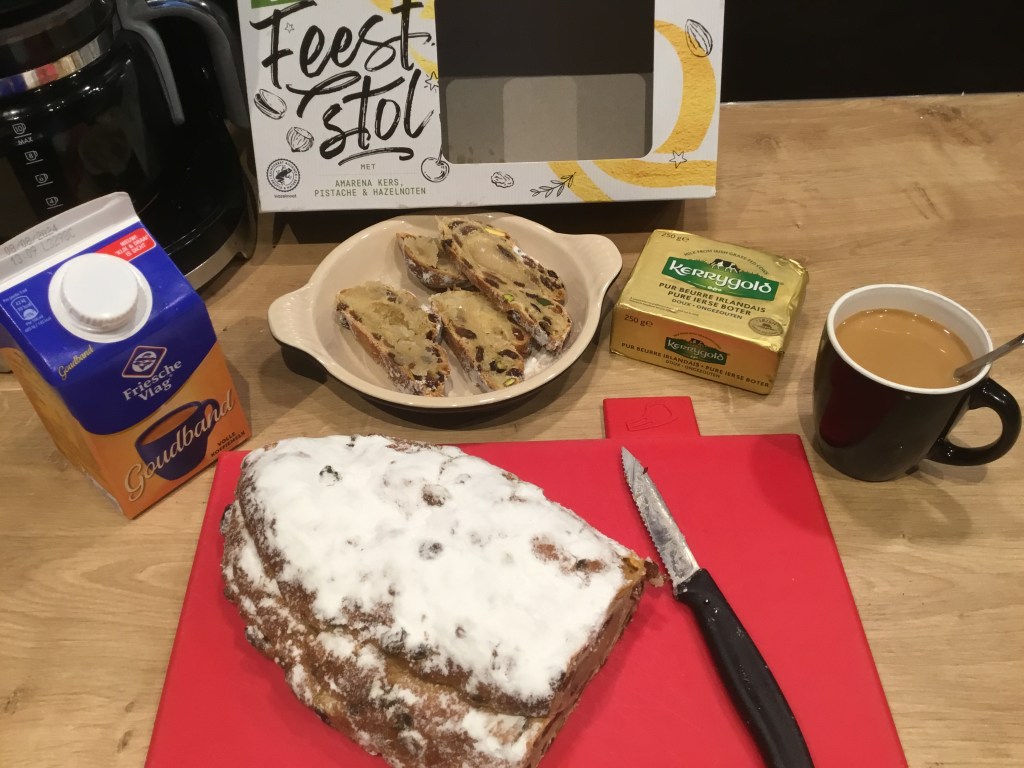
- The morning begint with this Dutch tradition: Kerststol.
- All year I wait for this be in the stores.
- The most difficult part is to pace myself and hope this treat
- lasts until Christmas!
- Yes, a Dutch tradition but with IRISH butter…the best!
- What is Christmas without music?
- These are my favorites albums…
- …and they are “play on loop” all week!
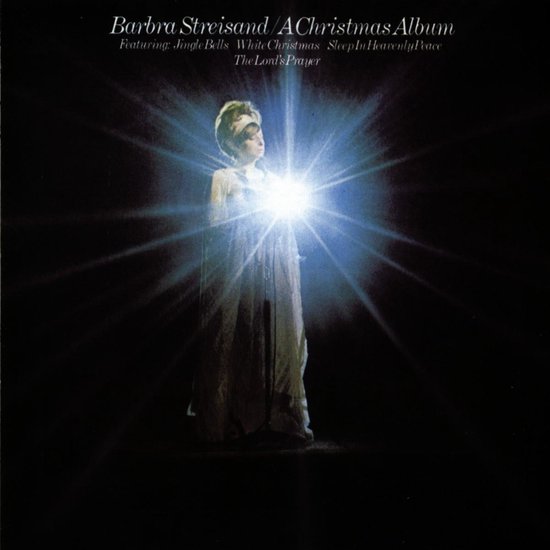
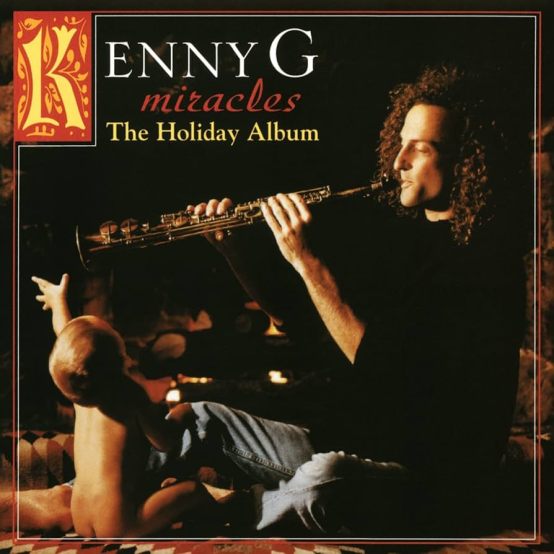
Josh Groban’s version of “I’ll Be Home for Christmas”…brings me to tears, really, it does.
Have a listen!
- I HATED to go to piano lessons with Sister Edth at the Convent of St. Joseph.
- My mother insisted…
- …and she’s given me the gift of music for a lifetime!
- Wine…is always a great incentive to practice these days!

Throw back Christmas…1950s…a simpler life
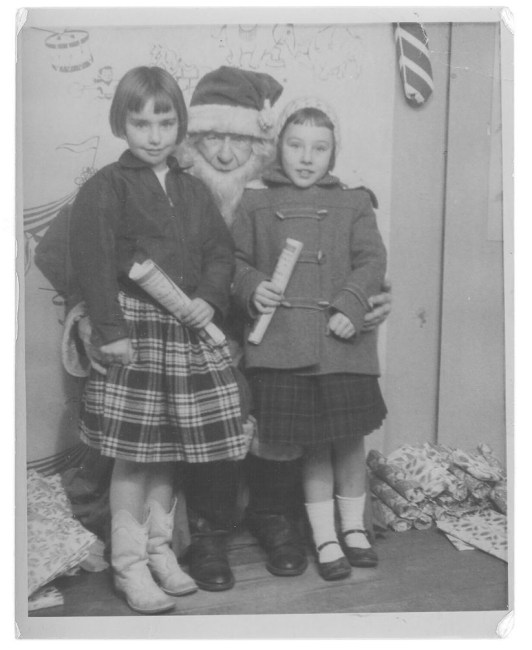
Don’t forget to give you cat or dog a special Christmas hug!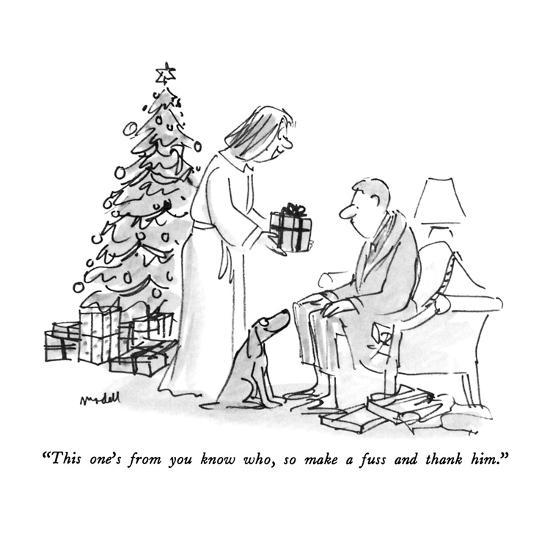
- The table is set….awaiting as Ben & Jerry say:
- CATmus and SantaPAWS!
- Have a wonderful holiday with family and friends.

 NancyElin.blog