
#Novella To the Islands
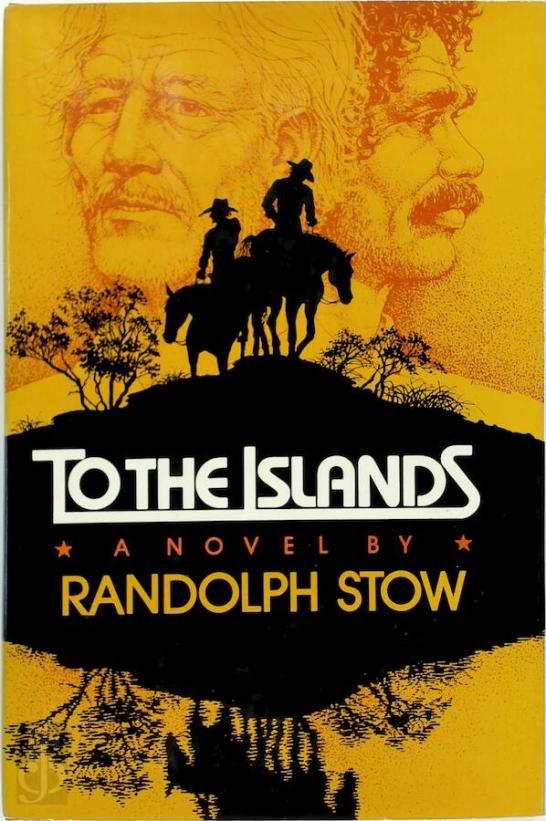
- Author: Randolph Stow
- Title: To the Islands (126 pg) 1958
- Genre: novella
- Australian TBR List
- #AusReadingMonth23 @ This Reading Life (Brona’s Books)
- #NovNov @746books (Cathy)
- PS: Love the cover!
Quickscan:
- Stephen Heriot, an elderly, careworn, and disillusioned Anglican missionary
- who abandons his mission when he mistakenly believes
- he has accidentally killed one of his Aboriginal charges
- in a not entirely unprovoked confrontation.
- Heriot seeks redemption….through sacrifice.
Good news:
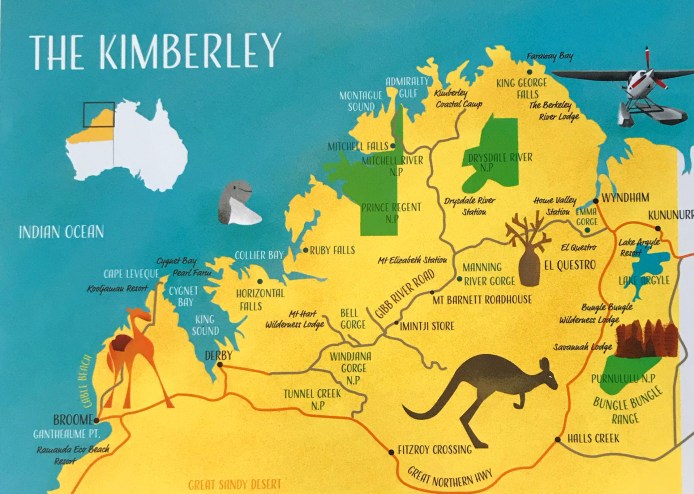
- Randolph Stow’s book introduced me to a
- area of Australia that I knew very little about
- Kimberley, Western Australia
- ….just a beauttiful landscape.
- Randolph Stow’s strongest point is
- his descriptions of the land, fauna and flora.
- The author was able to link some elements
- of the landscape and Aboriginal art that
- eleveated his prose.
- I’ve included the quotes and images that impressed me the most.
Bad news:
- I can emphathize with readers who find the
- …book boring or completely give up and mark it DNF.
- The “hook” or action that should nudge the read
- to continue did not come in the first 3 chapters.
- My eyes glazed over while reading the names of
- 38 aboriginal characters
- during the first 3 chapters
- List included for anyone who wants to read the book
- …just take the names as they come because the book does get better!
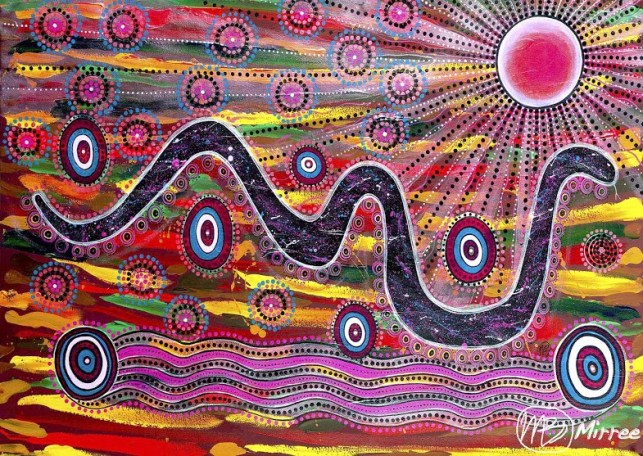
The Rainbow Serpent (lumiri)
“Can the lumiri take you to the sky?” (ch 4)
Good news:
- Randolph Stow jolts the read in chapter 4 with the 1st plot point.
- The chapter was absolutely riviting!! (end of act 1 of 2 act plot)
- This chapter “saved” the book for me
- ….now I’m going to keep reading and follow Heriot’s journey
- 1st plot point: = Entering a new world …the bush of Kimberley.
- Heriot enters the main conflict – fighting his own demons
- He can’t turn around and re-enter his normal world.
- He can only move forward…to the ultimate end.
- Heriot crosses his personal Rubicon.

“That pool, waterhole, looks like a pool to bring a man back to life.” (ch 5)
Personal:
- I must admit that I do not consider this a masterpiece.
- Read Patrick White’s Voss… now that is the standard of a masterpiece.
- An author only improves with age and I did enjoy Stow’s writing style.
- I will try one of Stow’s other books: Tourmaline and hope to see an improvement.
- Still the character of Stephen Heriot lingers in my mind.
- The reknowned professor, and writer of biology and
- neurology at Stanford University Robert Sapolsky says:
- “We are machines...”
- …exceptional in our ability to perceive our own experiences and
- feel emotions about them.
- It is pointless to hate a machine for its failures.
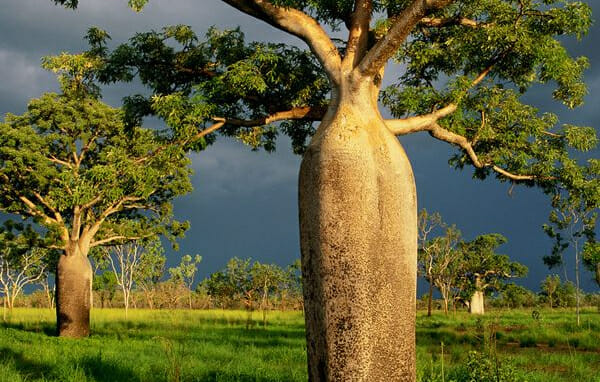
Baobab trees grow in many parts of the Kimberley
Notes:
1. Explain the title To the Islands:
- The Anglican missionary Heriot has a death wish.
- In Australia’s northwest desert the old man
- searches for “the islands” of the Aboriginal dead.
- “I’m going to a place no one comes home from.” (ch 4)
2. What is the predominant element in the story?
- Missionary’s goal is to save souls of other men
- …but Heriot struggles to save his own.
3. Who is the single main character about?
- Stephen Heriot, missionary –
- Rocky dignity, crumbling cliff, a foundation
- Headstrong, self-righteous, authoritarian,
- unwilling to acknowledge his own flaws:
- “…a man who goes round spreading civilization with a stock-whip…” (ch 1)
4. How does the author handle characterization?
- The best description of Heriot was not by Randolph Stow.
- I found the words in the introduction by Bernadette Brennen so vivd:
- “The momumental, ‘rocklike’ Heriot is physcally and spiritually a
- …crumbling cliff.”
5. What were the sentences that impressed you the most?
- “…We drive people to it,’ he said. ‘
- The white men at the massacre thought they were protecting property,
- and Mr Heriot thought he was protecting the mission.
- Things we asked them to protect.
- We can pay reparations to people we hurt in our wars,
- but we don’t ever quite pay back the people we force to hurt them.” (ch 4)
Does Heriot act out of free will….or not?
Or is he just a machine?
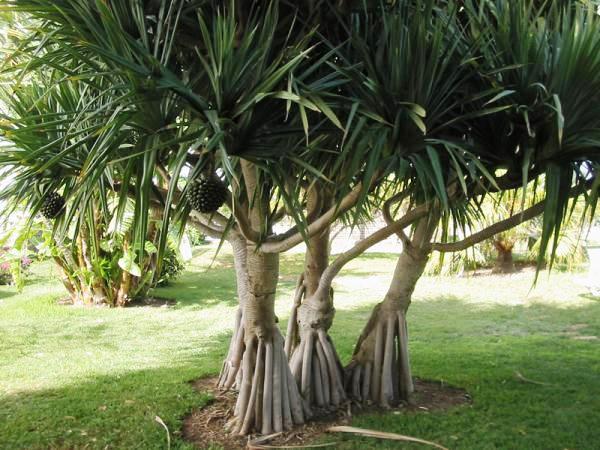
Pandanus Palm
Members of the Mission:
- Mabel
- Djimbulangari
- Arthur
- Garang
- Djediben (middle-age, Rex’s mother)
- Rex
- Ruth
- Michael
- Justin
- Edgar
- Richard
- Dambena
- Nambal
- Stephen
- Harrie
- Maudie
- Midjel
- Wunda
- Ganmeri
- Grimadada
- Esther Margaret
- Ella
- Wandalo
- Galumba
- Galjumbu
- Michael
- Dambena
- Nambal
- Gregory
- Nalun
- Jenny
- Edward
- Normie
- Matthew
- Mummy Dido (ch 4)
- Nalida (ch 7)
- Alunggu (ch 7)
- Paul (ch 7)
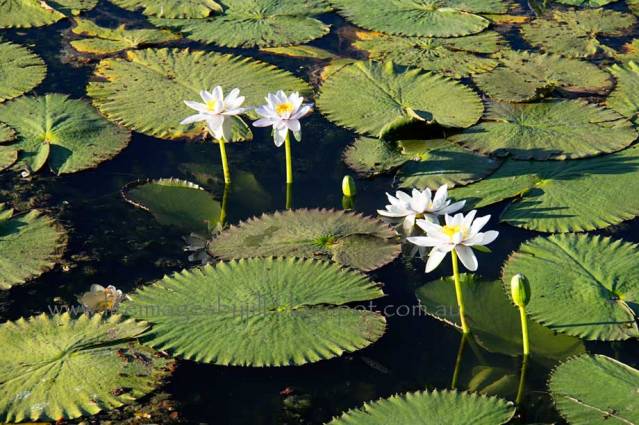
Water lillies of Marglu Billabong East Kimberley
Book is partially based on Ernest Richard Bulmer Gribble (1868 – 1957) was an Australian missionary. Though considered to be temperamentally unsuited to his vocation, he became a strong advocate for better treatment of Australian Aboriginal people.
SciFiMonth 01-30 November

ART COPYRIGHT: Yosua Bungaran Cahya Putra
The challenge is hosted by
- imyril @ There’s Always Room For One More
- Lisa @ Dear Geek Place
- Annemieke @ A Dance With Books
- Mayri @ Book Forager
- You can follow @scifimonth on Twitter, Bluesky and Instagram or
- follow the conversation via the #SciFiMonth tag or feed.
- You can join the challenge 01-30 November HERE.
- Thanks to the heads up by Emma @ WordsandPeace
- and Brona @ This Reading Life
- I’ve decided to read some SciFi (not my genre) in November.
- What have I got to lose?
- Science-fiction is like Jazz…
- with a devoted but limited audience of followers.
- But why does a science-fiction movie become a blockbuster hit like StarWars
- …while a science-fiction book occasionally
- …breaks into the best seller lists!
- Time to do some research…with my morning coffee
- ….and find some great books to read in November!
Dragonflight – Ann McCaffery (2005) 320 pg
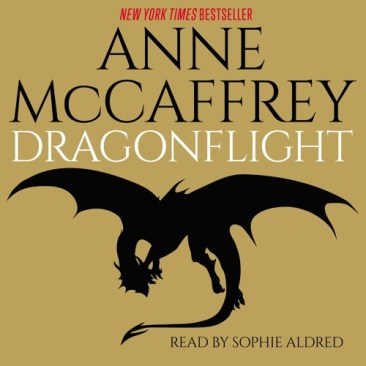
- She was inducted by the Science Fiction Hall of Fame on 17 June 2006.
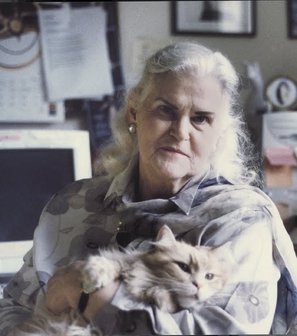
- Anne Inez McCaffrey (1 April 1926 – 21 November 2011)
- was an Irish writer known for the Dragonriders of Pern science fiction series.
- She was the first woman to win a Hugo Award for fiction.
Exhalation – Ted Chiang (2019) 368 pg
- Ted Chiang is a master of combining relevant
- technological and philosophical events and ideas
- …with wonderfully realistic fiction
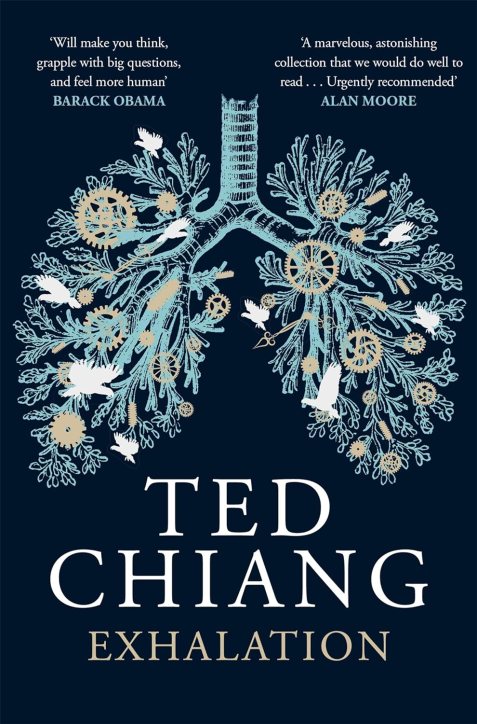
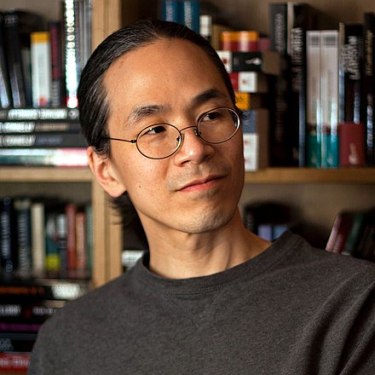
- Ted Chiang (born 1967) is an American science fiction writer.
- His work has won four Nebula awards, four Hugo awards,
- the John W. Campbell Award for Best New Writer, and six Locus awards.
#AusReadingMonth23 Toxic

- Author: Richard Flanagan
- Title: Toxic (141 pg) 2021
- Genre: Non-fiction
- Australian TBR List
- #AusReadingMonth23 @ This Reading Life(Brona’s Books)
- Intro: Exposé of the salmon farming industry in Tasmania.
- Their purpose is to fatten fish as fast as possible in an alien environment
- in which these fish cannot otherwise survive.
- They serve to make profits.
Notes:
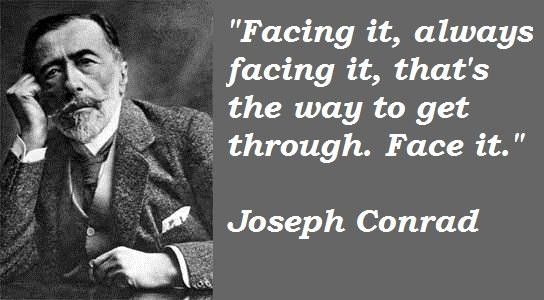
- My favorite quote will help me get through this book.
- If there was one book I wanted to avoid this is the one.
- Now, as I start my 67 book Australian journey by pulling a number out of a hat
- …would you believe it? Toxic.
- So, as Mr Conrad says: Face it!
- Some good news: the book is only 141 pages so I hope to finish today or tomorrow.
- Any sections of the book that make me uncomfortable.
- …I will skim them.
Conclusion:
- This book was easier to read than I expected.
- I had to skim chapter 4.
- There is a salmon fishing MAFIA in Tasmania!
- There are claims against Tassel Salmon Corporation of
- bullying, intimidation and threats!
- People live in fear….for a fish!
- Biggest problem? Lax of regulation .

- Unlike Norway…Tasmania’s biggest problem is the lax of regulation for salmon farms.
- No matter the science, no matter the history, no matter the consequences, the governance
- the industry is run in knowing bad faith by a Tasmanian government
- in curious servitude to the greed of the salmon corporations. (pg 35)
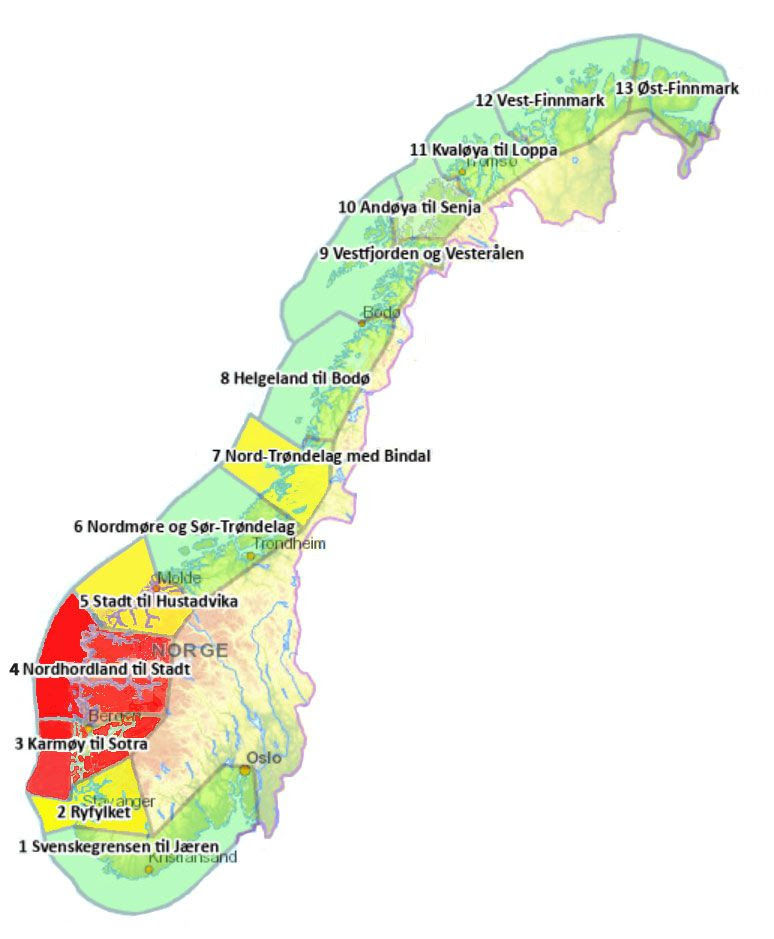
- More than 20 salmon farmers in south west Norway were
- following the latest update to the country’s controversial traffic light system.
- The industry must take action to ensure that impact is not only
- reduced by downsizing, but also through operational improvements.
- Growth is restricted to 6% and can only take place in designted
- …environmentally sound “green” areas.
What is the future of salmon farming?
- A digital concept of the proposed “state-of-the-art”
- …land-based recirculating aquaculture system.
- Let us hope that “The ocean onshore’ is built so we can
- farm salmon on land, providing nutritious, sustainable local salmon.
- Then I’ll eat salmon again!

Personal:
- I stopped eating salmon until ‘the ocean onshore’ has been created.
- This book was an eye-opener.
- Farmed salmon is one of the most toxic foods in the world today.
- Farmed salmon nowadays falls under junk food.
#NovNov23 French and Australian novellas

- Ready to join #NovNov23 hosted by
- @BookishBeck
- @Cathy746Books
- I have a wonderful list of
- ...novellas to help me get back into reading French again!
- Novellas…not too short…not too long, just right!
- Thanks to ANZ LitLovers LitBlog
- I have a list of …novellas by Australian writers.

List French:
- I’ve chosen novellas from the current list of finalists for French
- Reading Awards “Rentrée littéraire 2023”.
- Translation will follow in the coming months perhaps.
- Here is a list of “short” French books to polish your
- high-school French reading skills!
- Régis Franc, Je vais bien (160 pg) – READING – Prix Interallié finalist
- Elisa Shua Dusapin – Le Vieil Incendie (139 pg) – Prix Medicis finalist
- Franck Courtès – À pied d’œuvre de (183 pg) – Prix Femina finalist
- Nathacha Appanah, La Mémoire délavée (160 pg) – Prix Femina finalist
- Neige Sinno – Triste Tigre – (83 pg) – Prix Femina finalist
List Australian:
- Murmurations – Carol Lefevre – NSW Premier’s Literary Awards 2022 shortlist
- The Hermitage – Debbie Robson
- Every Day is Gertie Day – Helen Meany – 2021 Viva la Novella prize
- A Jealous Tide – Anna MacDonald
- Black Rabbit – Angus Gaunt
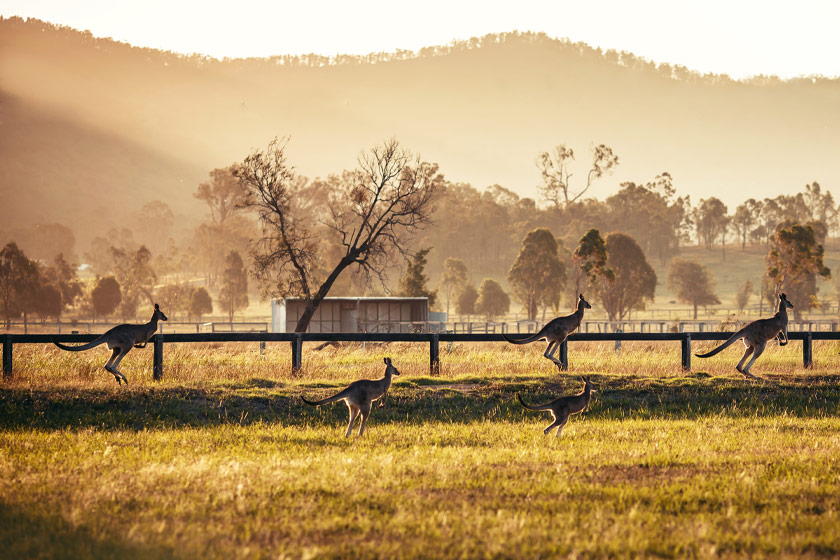
Killing for Country David Marr
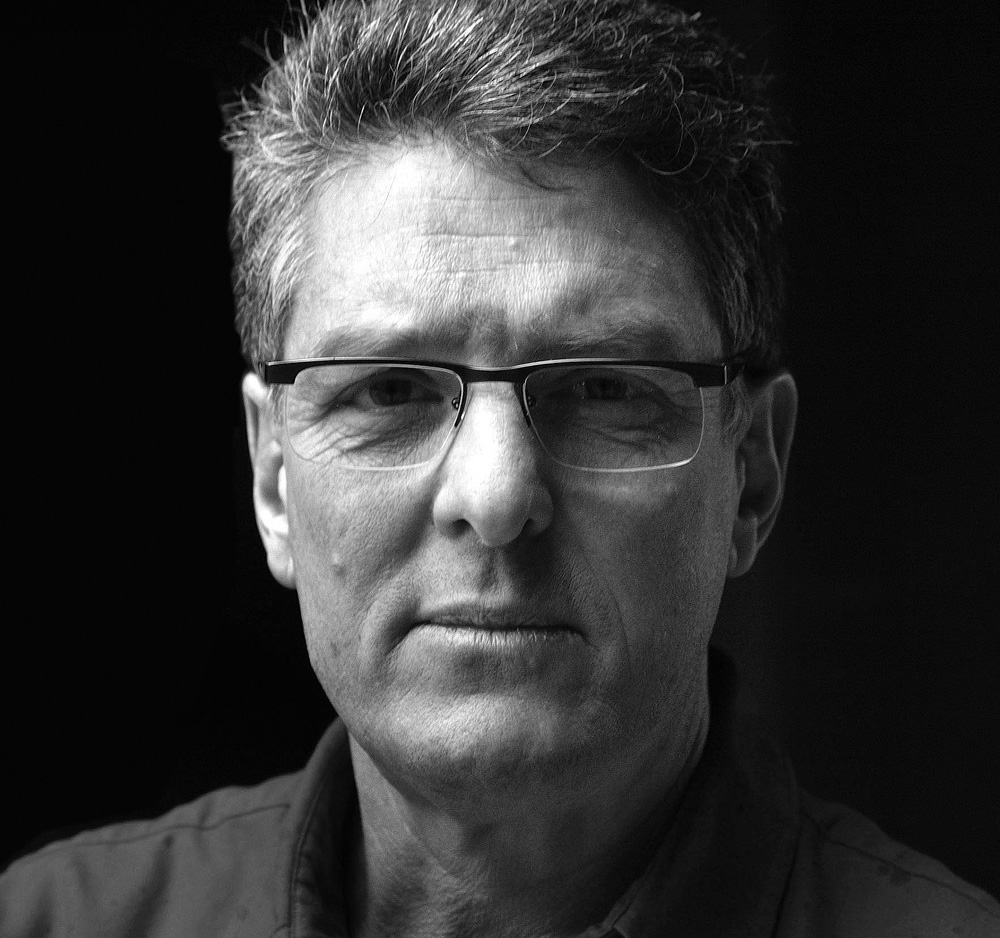
- Author: David Marr
- Title: Killing for Country (452 pg) 2023
- Genre: Non-fiction
- Australian TBR List
- #AusReadingMonth23 @ This Reading Life (Brona’s Books)
Introduction:
- This is a richly detailed saga of
- …politics and power in the colonial world
- …of land seized, fortunes made and lost.
- The violence let loose as squatters and
- their allies fought for possession of the country.
- It is a war still unresolved in today’s Australia.
Conclusion
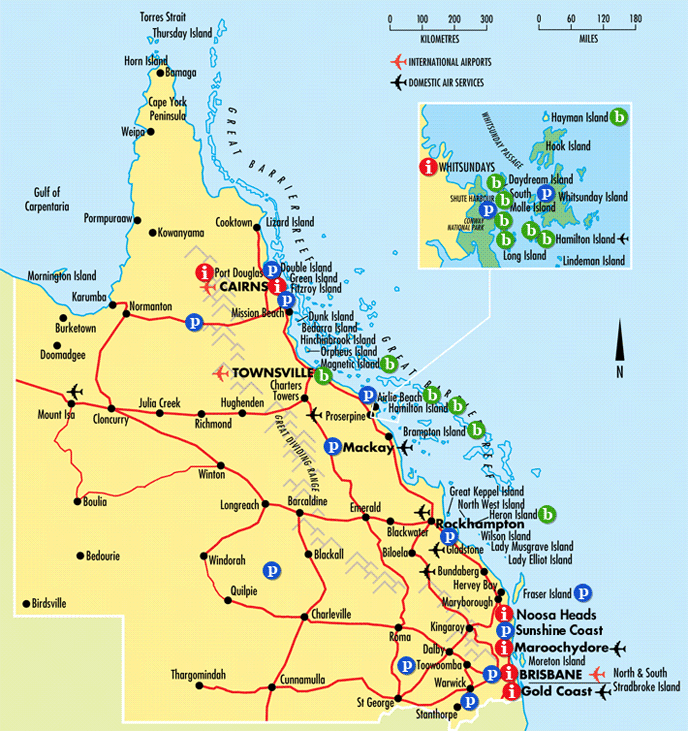
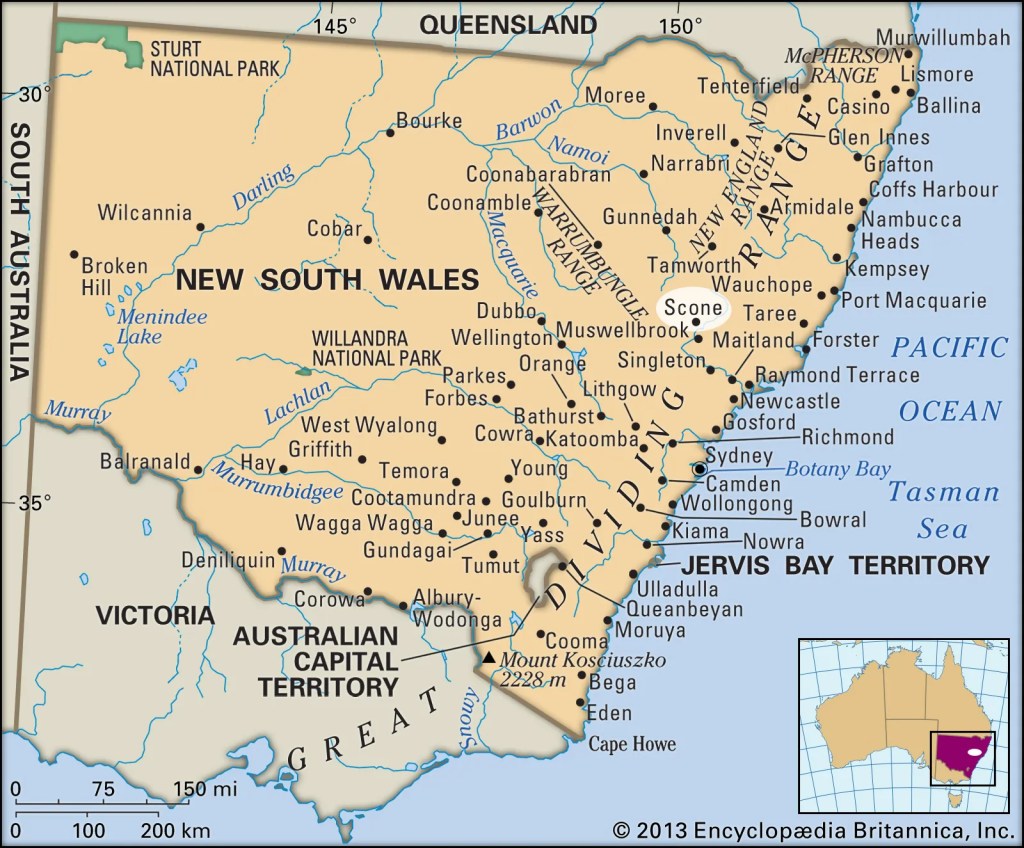
- Book is a of movement from Sydney to NT moving inland…
- …clients (squatters) looking for grazing lands for the merino sheep.
- They engage explorers to make pioneering journeys with the Native Police
- crossing rivers and swamps looking for a stock route.
- Land is claimed….blacks are murdered or chased off the lands.
- Many chapters mention
- …Reg Uhr and his brother D’arcy Uhr.
- Why?
- David Marr wanted to tell the story of his own family’s
- bloody business with the Aboriginal people.
- His ancestors were members of the force until
- the late 1860s.
- That led Mr. Marr into the history of the Native Police.
- For 50 years the Native Police operated without the intervention of
- judge, jury or the law as it went about its work.
- In conclusion…the Australian Native Police was
- “an armed, mobile wing of the government” (ch 25)
- that protected the settlers from the people whose
- country they were invading.
- Australian Native Police (info wikipedia)
Last thoughts:
- This book is one big history lesson
- …but so depressing and difficult to finish.
- Too many sheep and not enough grass on the land
- so…the powerful landowners must steal from the aboriginals!
- This feels like the ‘dark side’ of Australia, cringe worthy
- reading how the Aboriginal peoples were treated. Utter contempt.
- Chapters follow wikipedia information but
- David Marr has inserted direct quotes from legal acts,
- from newspapers The Gazette, The Monitor, The Australian, and
- reports about crimes committed with vivid details and
- witness accounts used during several trials.
- Mr Marr gets 5 stars for all the research he has done!
- PS: I’ve read many books
- about Australia (fiction) and cannot
- …remember ANY mention of Australian The Native Police!
- Has anybody discovered the Australian The Native Police
- …in other books?
- Please let me know in a comment.
Notes:
New Australian words:
- Blackbutt = Yarri tree
- Paperbark – Broad-leaved medium-sized, fast-growing tree
- Peacocking. (Australian slang) – “to pick out the eyes”
- of the land by selecting or buying up the choice pieces and water-frontages,
- so that the adjoining territory is practically useless to any one else.
The important bureaucrats:
- Gov. Lachlan Macquarie (1762-1824) – Gov. NSW 1810-1821 – introducred reforms
- Rev. Samuel Marsden (1765-1838) – profits making while saving souls
- John Bigge (1780 – 1843) English judge – sent to NSW bring law and order
- Gen. Ralph Darling, (1772 – 1858) Gov. NSW from 1825 to 1831 – “a tyrant…”
- Richard Jones (1786 – 1852) English-born politician/landowner in NSW – “the boss…”
- Bishop William Grant Broughton (1788 – 1853) …another attempt to save souls
- Gen. Richard Bourke (1777 – 1855) Gov. NSW 1810-1821 – wanted the emancipation of convicts
- Frederick “Filibuster” Walker (1820 – 1866) Commandant of the Native Police.
The masscres….just awful.
- Waterloo Creek massacre
- Gravesend station
- Myall Creek massacre
- Pallamallawa
- Myall Creek massacre
- Cullin-la-ringo massacre
Walkley Book Award 2023 longlist
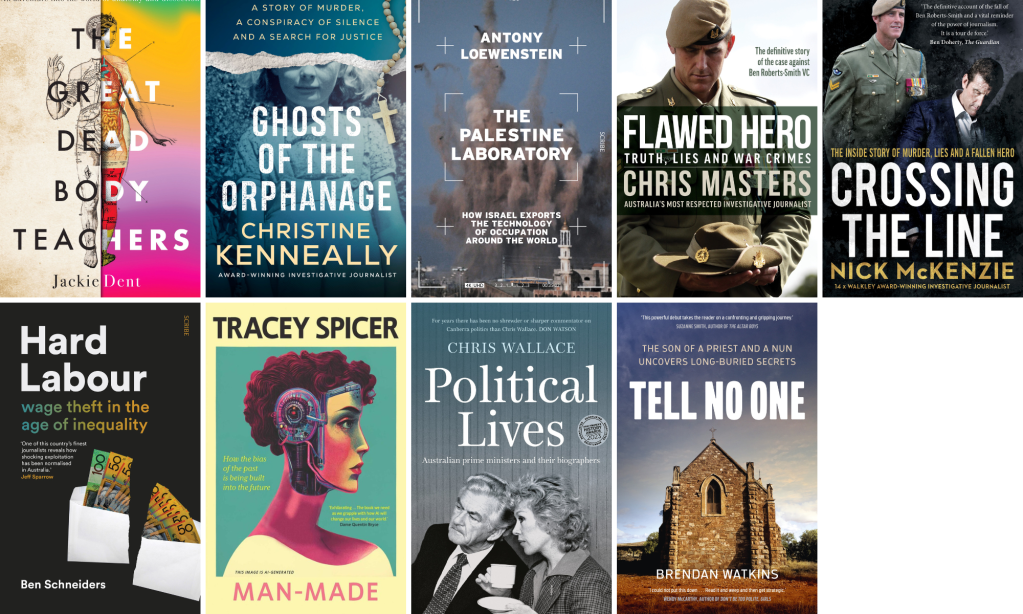
- It turns out I have a busy few weeks ahead of me!
- Here are the nine longlisted books for the Walkley Book Award 2023.
- I’ve only read Crossing the Line.
- Flawed Hero is about the same subject
- …but by the another investigative journalist Chris Masters.
- The book is 700+ pages ….whew!
- Luckily I’ll be able to use these book for #NonFicNov 2023 and
- Australian TBR List (need to add some more books!)
- …Brona has said her 31 October end of
- #AusReadingMonth23 @ This Reading Life (Brona’s Books) is fluid
- …so I can add a few reads to her master list in November.
- So many great NF books….where do I start?
TRIVIA
- I will make a predictions today (13.09.2023) having looked at the longlist
- carefully…that the short list will be:
- Ghosts of the Orphanage – Christine Kenneally
- The Palestine Laboratory – Anthony Loewenstien
- Flawed Hero – Chris Masters
- Am I right?
The nine books longlisted for the 2023 Walkley Book Award
- Jackie Dent, The Great Dead Body Teachers, Ultimo Press
- Christine Kenneally, Ghosts of the Orphanage
- Antony Loewenstein, The Palestine Laboratory
- Chris Masters, Flawed Hero: Truth Lies and War Crimes
- Nick McKenzie, Crossing the Line, Hachette Australia
- Ben Schneiders, Hard Labour: Wage Theft in the Age of Inequality, Scribe Publications
- Tracey Spicer, Man-Made: How the Bias of the Past is Being Built into the Future, Simon & Schuster Australia
- Chris Wallace, Political Lives, NewSouth Publishing
- Brendan Watkins, Tell No One, Allen & Unwin
Three shortlisted finalists will be announced on November 2.
The winner of the Walkley Book Award will be announced on November 23.
Australian Political Book Award Shortlist 2023

- Australian TBR List
- #AusReadingMonth23 @ This Reading Life (Brona’s Books)
- Trivia: Australia’s China Odyssey is the 4th book
- …on the Australian Political Book of 2023 that I just finished.
- I will wait until Thursday, 12 October to see the shortlist (TODAY!)
- .…hopefully I’ve read some of the selected books.
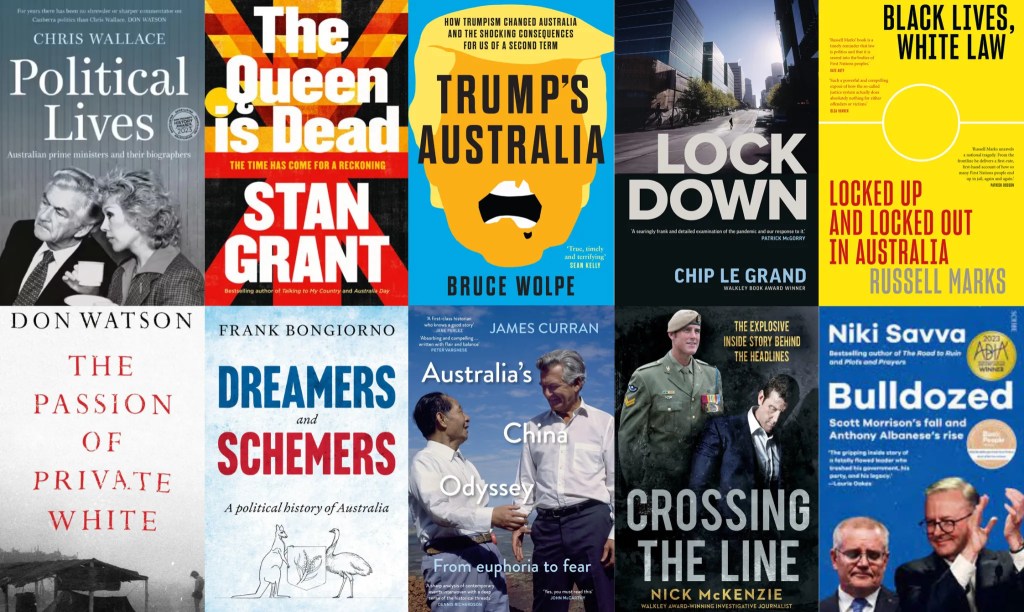
- Well here it is…the shortlist!
- Good news: My book selections were close to the official jury
- …I’ve read 3 of the books already.
- Bad news: One of my favorites is missing
- The Passion of Private White by Don Watson.
- That’s a shame…it is a wonderful book.
- Not all the great books make it to the shortlist.
- So what do I do now?
- I’ll order Russell Marks book today and for the first time
- …complete a a shortlist for a book award
- …before the prize announcement on 25 October 2023.
- CONGRATULATIONS NIKI SAVVA!

- We are thrilled to announce that Niki Savva has won the
- 2023 Australian Political Book of the Year Award for ‘Bulldozed’
- published by
Australia’s China Odyssey
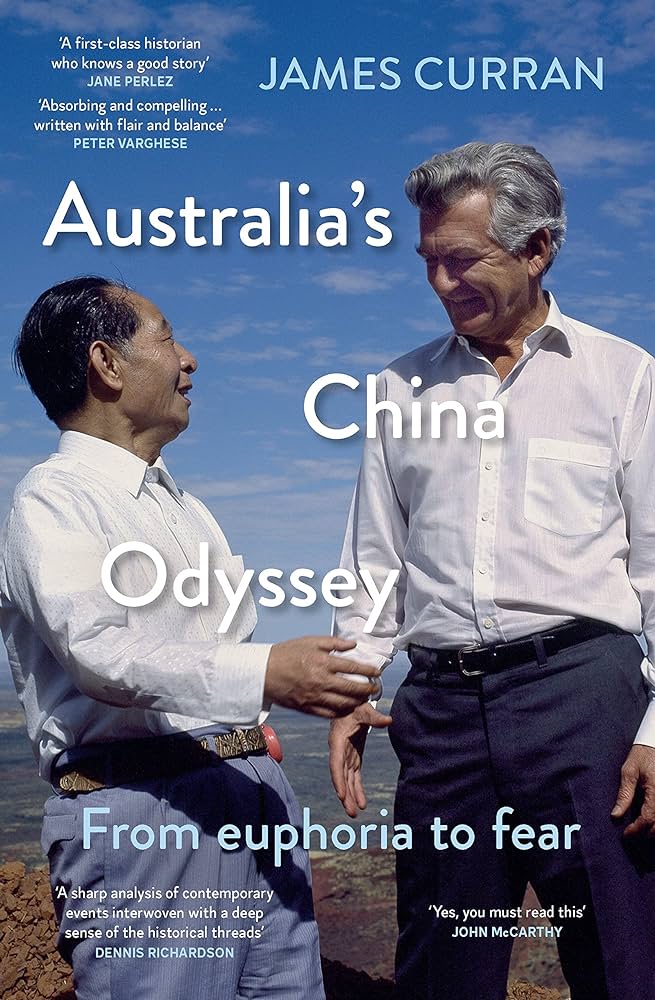
- Author: James Curran (Prof. History at Sydney University)
- Title: Australia’s China Odyssey (320 pg) 2022
- Genre: Non-fiction
- Australian TBR List
- #AusReadingMonth23 @ This Reading Life (Brona’s Books)
- Trivia: This is my 4th book on the Australian Political Book of 2023
- I will wait until Thursday, 12 October to see the shortlist
- .…hopefully I’ve read some of the selected books.
- I have looked carefully at the rest of the books (6) and there is not one book that
- I really want to read.
- I’ve done my best…and now it is time to move on to another
- NF book….recently published a real “blind date”.
Good news: The book was very good…very informative. Mr. Curran walks us through the AUS-CHINA foreign policy. In the 1960s PM’s R. Menzies, H. Holt, J. Gorton and B. McMahon had to face the world without Britain and an America burnt by defeat in Vietnam. Those jolts lead China to flex their strategic muscles, sensing American weakness.
Good news: I’m reading about China …..from Australia’s point of view. An Australia that was not afraid to “push back” against USA’s foreign policy was refreshing to read about.
Bad news: Book starts out like a college lecture….just a quickscan of Australian foreign policy about China. Where’s the hook? Nothing new here. I considered not reading any further in the book…but #AusReadingMonth23 challange kept me focused. I’m glad I did not give up on this book!
Good news: The book makes glaringly clear that the world changes especially China, Australia and USA! Australia has realized that China’s policy toward Australia has been “hostile” since 2017. Australia is very much in Xi Jinping’s cross-hairs! Australia is privately concerned that its great power ally (USA) might not be there to protect them from a rising Asian menace.
Personal:
It is clear that the Chinese are masters….near-geniuses and coldblooded analysts of the balance of power. Sentiment is not something they are concerned with. PM Anthony Albanese must set a new tone to Australian diplomacy to protect Australian interest and values.
Last thoughts:
- For political history buffs this is a great book to add to your library.
- Will this book win Australian Poltical Book of the Year?
- I see this book on the shortlist
- …it is a fine piece of political history.
- James Curran can only be happy that his longlist nomination
- …puts his book at least in the spotlight.
- Win? I don’t think so.
- The writing is excellent, scholarly…
- …but the book caters to a niche market
- …specific group of history lovers…of which I am one!
- PS: I can name ALL the Australian
- …Prime Ministers from 1972 – 2003!
The Passion of Private White AusPolBook
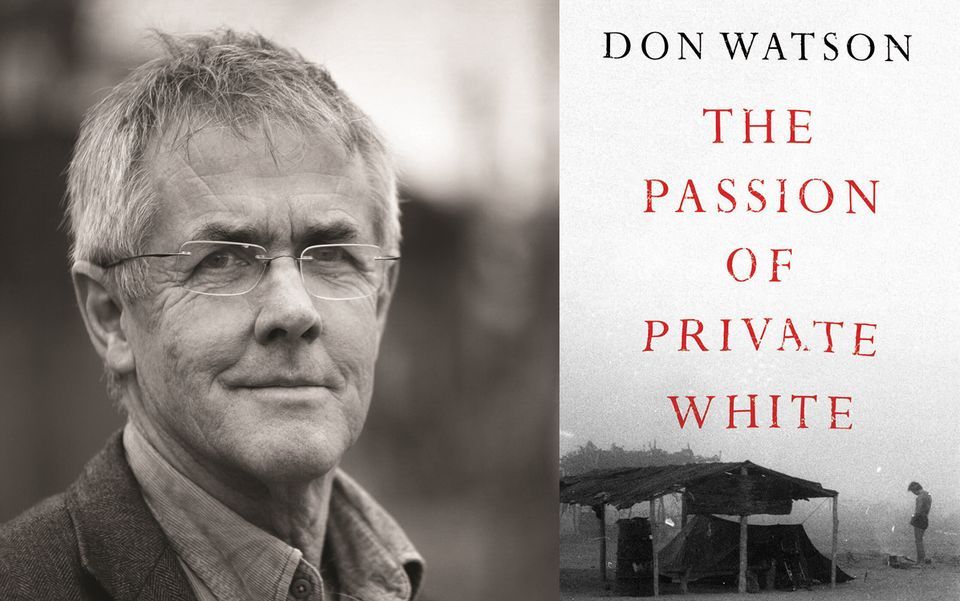
- Author: Don Watson
- Title: The Passion of Private White (3o4 pg) 2022
- Genre: Non-fiction
- Australian TBR List
- #AusReadingMonth23 @ This Reading Life (Brona’s Books)
Introduction:
- A Vietnam veteran anthropologist and an Arnhem Land community
- have worked together for over 40 years.
- Don Watson tells their story.
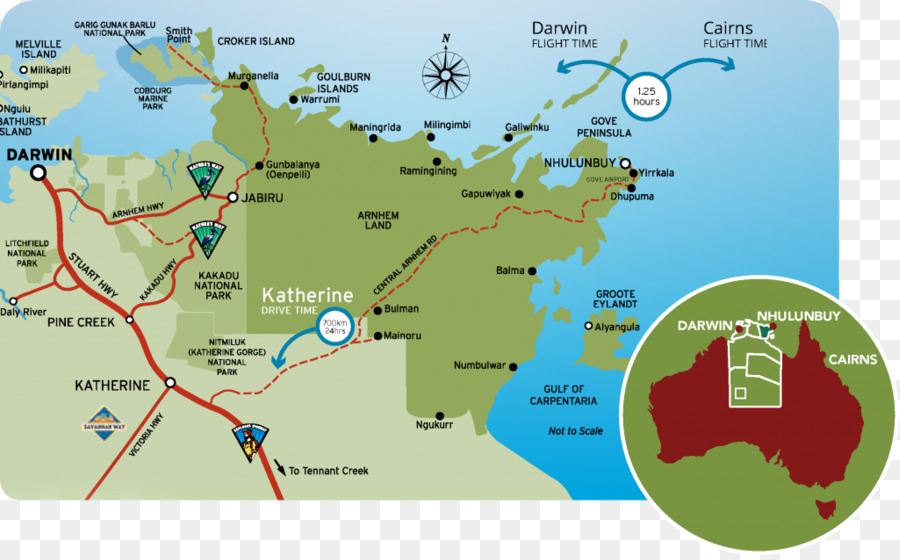
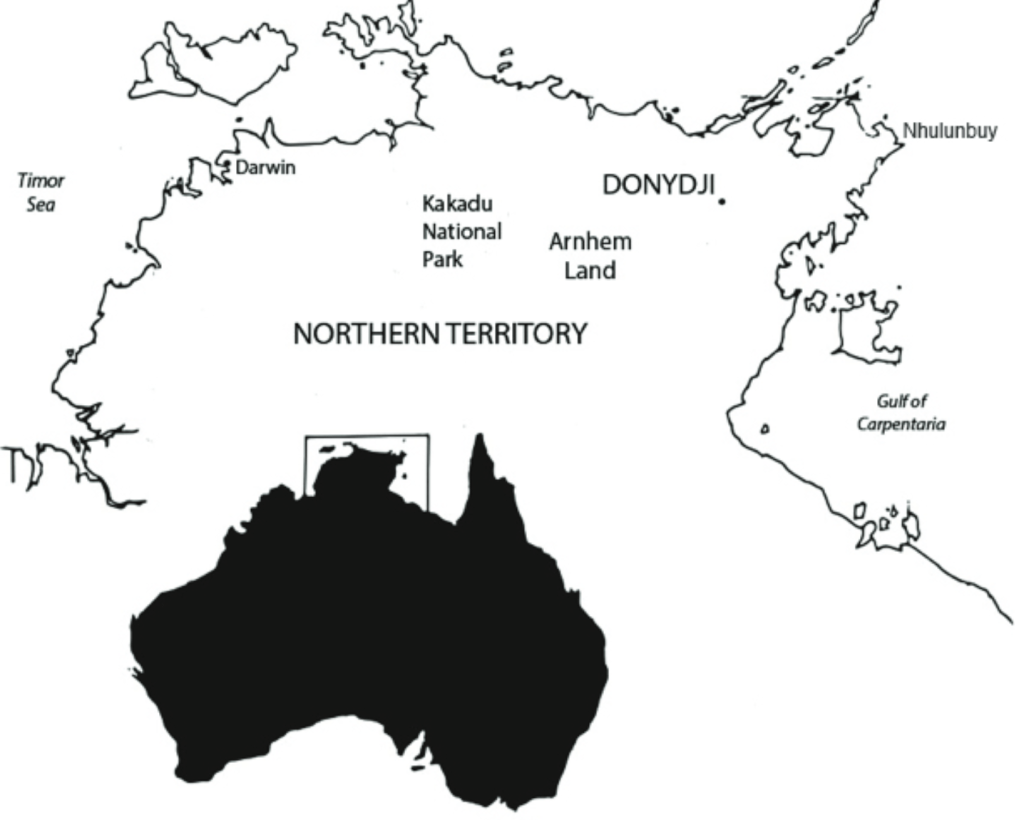
- An intimate portrait of Donydji, a remote,
- traditional Indigenous Homeland in North-
- East Arnhem Land in the far north of Australia.
- The book is also the remarkable story of.
- Neville White, a genetic anthropologist
- In 1974 he went to Donydji to research a PhD.
- In effect he has never left.
- Spending part of each year on the Homeland.
Conclusion:
- This was a slow burn….but worth every minute I
- spent reading it.
- I’ve read several fiction/memoir/non-fiction
- books about the Australian bush and the aboriginals…
- …but this is by far the best one!
- At the end of the book I felt I knew several of the
- clan’s elders, women and “young bucks” roaming the village.
- Don Watson has done an excellent job telling Neville White’s story.
- The writing is clear and crisp…nothing is slick or shallow.
- Deep learning about the plight of the Yolgnu/Donydji clan…yet plain in its address.
- Watson’s book is challenging (…keep reading even through very detailed chapters)
- Watson’s book is intellectually stimulatiing by encouraging the
- …reader to question assumptions, explore new ideas….
- …but never hangs heavy, it is an uplifting reading experience.
Last Thoughts:
- Will this book win Australian Poltical Book of the Year?
- It will definitely be shortlisted.
- Win? I hope so!
- I think it is the best non-fiction I’ve read so far
- …on the longlist Australian Political Book of 2023!
- BIG THUMBS UP!!
Favorite quotes:
- Part I, ch 5
- …to explain what anthropologiy should do…
- “…training one’s heart to see the humanity of another.
- Part II, ch 8
- …Neville knew he was fighting the tide of history.
- You have to fight the tide if you want to save folk from drowning.
Quick-Scan 12 chapters …for those who are interested.
Part I
- Ch 1 – Arrival – Tom Gunaminy Bidngal (senior at Donydji) picks Neville up from Nhukunbuy and
- …they ride to a forsaken part of Arnhen land, about 3 hours by car
- …from Nyhulunbuy along the central Arnhem road.
- Ch 2 – Backstory Neville White – Army draft – 9 Platoon Viet Nam – start La Trobe University
- Ch 3 – Backstory of Neville and a band of Viet vets – helping build a school at Donydji
- …they all suffer from PTSD.
- Ch 4 –Backstory – the Makassans (Indonesian traders), missionaries, cattlemen and miners
- …changed the (NT) East-Arnhem Land, zooming in on the Yolngu people.
Part II
- Ch 5 – Delves deeper into Neville’s work as an “biological antropologist“
- …How the social, cultural and environmental differences influence the biology of people.
- Ch 6 – Magic was the key to the underlying reality, the poetic truth in things in Yolgnu country
- Ch 7 – Neville suggests that the Yolngu apply for inclusion of
- …their lands on the Register of National Estates. Promises were made
- …but promises to the clans were latyer dishonoured.
- Ch 8 – In 1980 Neville dragged in the caravan fitted out as a laboratory
- …make an intensive study of nutrition and health.
Part III (short summary of Part III)
- Neville White he suffers flashbacks to the Vietnam War.
- His PTSD is so extreme he has no option but to resign.
- He decides to concentrate his efforts on building infrastructure
- and helping with community development at Donydji.
- Neville devises a scheme whereby the Veterans he served with in Vietnam
- and the young men of Donydji work together
- to build the infrastructure needed on the Homeland.
- Ch 9 – Such a depressing chapter
- …Neville tries so hard to help the people in the Donydji homeland
- …and it feels as if it is a sisyphean endeavour
- .... a task as seemingly endless and futile
- …you keep doing it but it never gets done.
- Ch 10 – Road trip in the direction of Arafura Swamp.
- Neville brings Don (author) with him and the aborigianl guides to seek out
- sacred and protected lands with cave paintings.
- Absolutely beautifully described by Don Watson!
- Ch 11 – Continuing struggle with bureauacy to get supplies/teachers/tools
- to help Donydji.
- Ch 12 -A funeral takes place.
- Nights of singing and ceremony brought such a haunting peace to the camp.
- Coda – Neville found Donydji in good shape (July 2022).
- Now a shady hamlet nestling in the vast savanna
- The place gave the impression of tranquility, order and permanence.
- Abidingness, perhaps.
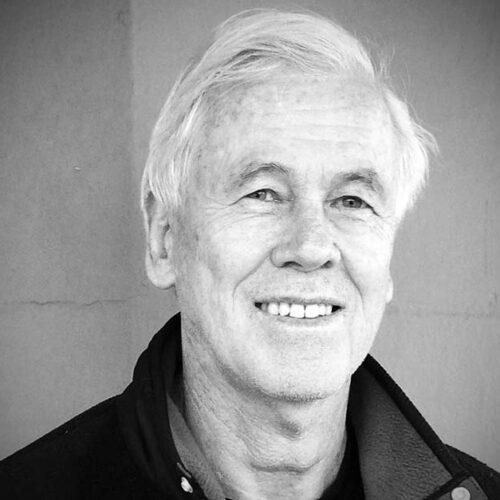
Neville White
biological anthropologist, is an Emeritus Scholar at La Trobe University, Melbourne
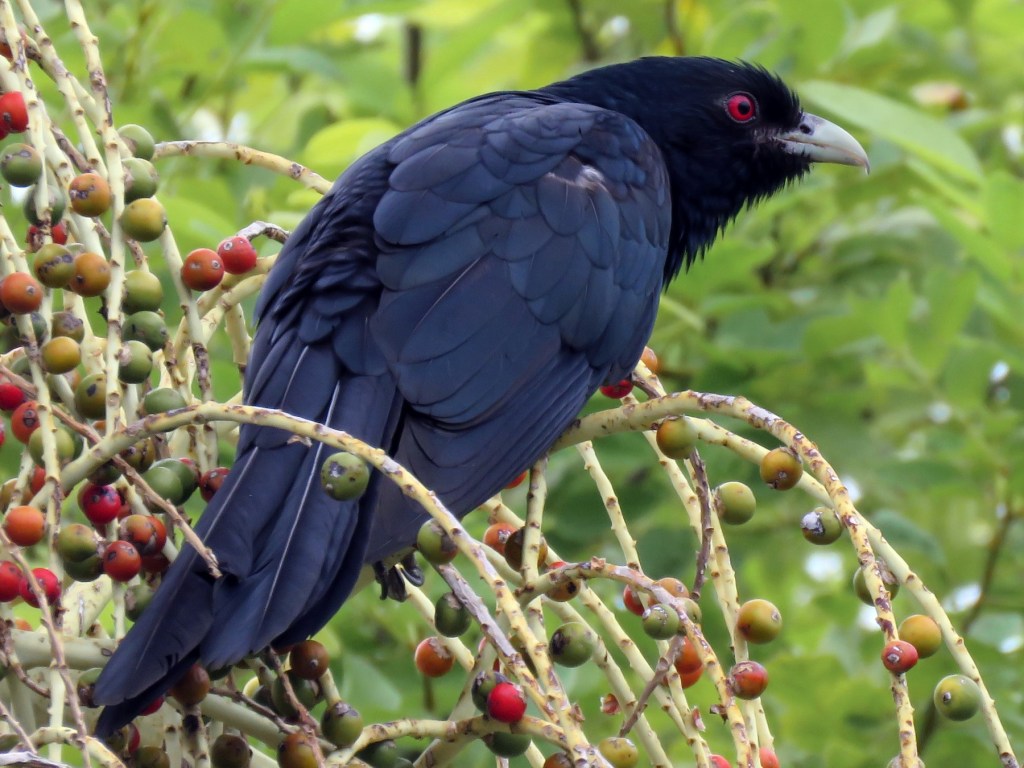
- Just had to add this fella to my review
- …Australian koel!
- He was mentioned very often in the book.
- PS: koel = great word for scrabble!
 NancyElin.blog