
#Novella 2022 Elizabeth Jolley

- Author: Elizabeth Jolley (1923-2007)
- Title: The Newspaper of Claremont Street (pg 128)
- Genre: novella
- Published: 1981
- Monthly plan
- #AWW 2021
- #AusReadingMonth2021 @Bronasbooks
- #NovNov @746Books
- @bookishbeck
Quick Scan:
- The story is about a woman (“Weekly”)
- who works cleaning houses for people
- ..but who has a life long wish.
- Strong point: tension
- Ms Jolley creates tension in the story because the reader
- …WANTS to know what the wish is!
- Strong point: relatable character
- The major character is relatable.
- Ms Jolley creates vulnerability in her character by
- …giving her a burning desire for something.
- Will this desire overcome “Weekly” and
- …drive her to extremes…to a disaster?
- Strong point: structure
- Ms Morris’s life revolves.
- The story is not in chronological order.
- Just like many women…while busy cleaning house your thoughts drift
- off and “Weekly” revisits her family situation,
- siblings, and her clients
- …on .
Conclusion:
- I enjoyed the wit and life lessons Ms Jolley revealed in Margarite.
- She is lonely and emotionally alienated from their surroundings.
- Margarite lives in an imaginatively friendlier world
- ….saving her money for her big wish.
- Ms Jolley also describes how
- “She is trapped.”
- She was overcome by the unfairness in the world.” (pg 154)
- The reader is waiting for the moment when “Weekly”
- …will break the unchangeable pattern that is her life.
- This novella really packs a lot into a short space.
- It is dense enough to allow the reader to
- fully inhabit another world,
- …but short enough to be read in one sitting.
- What’s not to love?
- #MustRead
#Novella Amos Oz

- Author: Amos Oz (1939-2018)
- Title: Crusade (pg 92)
- Genre: novella (Translation from Hebrew)
- Published: 1971
- Monthly plan
- #NovNov
- @746Books10
- @bookishbeck
Quick Scan:
- Setting: 1096, Middle Ages
- Characters: French nobleman Guillaume de Touron
- …and his band of ragged followers.
- First Crusade 1095-1099: drive Muslims out of Jerusalem
- Story: follow this group of warriors on their way to the Holy City.
- Theme: obsessive hatred that surrounds Jews
- Irony: nobody wins!
- …this hatred destroys both… the Jews (hated) and crusaders (haters)
Quick Scan:
- Chapters 1-3
- The Count has a lot of things on his plate besides the Jews:
- shrivelling vinyards, debts, death of his wife
- …and a curse placed on him by a Jew who Guillaume is burning at the stake!
- Chapters 4-6
- Killing is central in the story: a Jew refuses to die after hours of torture
- …and the crusaders end up killing each other!
- Conflict: peace of mind (free Jerusalem) VS mania (dying on way to Holy City)
- Chapters 7– 9 – motley crew of personages that are distractions in the story.
- Chapters 10-13 – trapped in a winter storm in a monastery…
- Guillaume is depressed and delusional
- ….he falls on his spear and is dead.
- #EndofUselessStory
Weak point: narration
- The narrator rehashes the entries
- made by a chronicler, Claude Crookback for the backstory.
- Crookback supposedly has witnessed all events first-hand.
- This is irritating…IMO narrator and chronicler are synonyms!
- Why not eliminate the middle man and just
- stay with the 3rd person narrator?
Weak point: switching point of view
- It is so strange….in one sentence I read:
- “…they drank and let their horses and servants drink.”
- …and the I read:
- “Even the villagers received us grimly.”
- #SoConfusing
Quote reveals the essence of the main character: (ch 5)
- “…Guillaume felt a wild desire to overpower or crush
- some obstacle..
- …whose nature was hidden from him...”
Weak point: disjointed…too many personages!!
- The story is just 92 pages and I would prefer that Amos Oz
- concentrate on one or two characters/conficts.
- Unfortunately we are thrown from one chapter to the other:
- …the bishop of St.-Etienne, the Jew that perhaps
- …has artfully entered into Guillaume’s ranks
- the howling of wolves, dogs, foxes and villagers.
- We meet a piper Andrés Alvárez and three half brother Celts
- …other Teutonic Knights (Albrecht of Brunswick), Jewish peddler
- …monks in a monastery.
- This goes on and on….and I’m losing interest fast!
Concluson:
- This was just awful.
- I’ve read Amos Oz’s
- International Bestselling memoir
- Tale of Love and Darkness in 2005 and loved it.
- (Don’t miss this book!)
- But in 1970s it seems Mr. Oz was not yet at his literary peak!
- This novella felt like a thin gruel
- …supplemented by literary tricks
- …shifting POV, dual narrators.
- It showed me nothing of Amos Oz’s wonderful writing.
- It had a strange disjointed structure with unrelated info thrown in…
- I got lost, confused, bored.
- #WasteOfMyReadingTime
- I KNOW Amos Oz can do better!!
#NonFicNov 2021 week 3

Week 3: (November 15-19) – Be/Ask/Become the Expert with Veronica at The Thousand Book Project: Three ways to join in this week! You can either share 3 or more books on a single topic that you have read and can recommend (be the expert), you can put the call out for good nonfiction on a specific topic that you have been dying to read (ask the expert), or you can create your own list of books on a topic that you’d like to read (become the expert).
Conclusion:
- I must have spent 2-3 hours just thinking about what topic
- …I want to be an expert in?
- Racism, history, art, science….I just could not put my finger on one topic.
- So I just decided to READ the nonfiction
- Longlist for the 2021 National Book Awards.
- I’m sure this will guide me in my NF reading….into areas that I
- …never would have explored
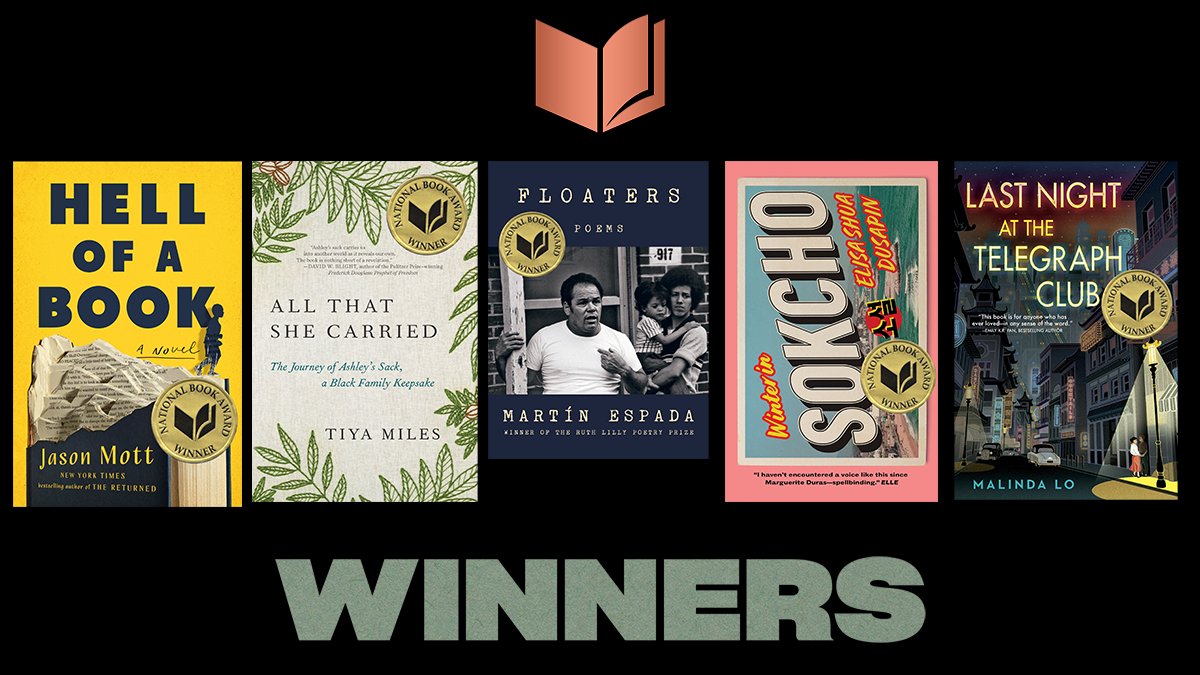
UPDATE: 17.11.2021 National Book Awards Winners 2021!
Fiction – Nonfiction – Poetry – Translated literature – Young People’s Literature
Hanif Abdurraqib, “A Little Devil in America: Notes in Praise of Black Performance” (finalist) –

Lucas Bessire, “Running Out: In Search of Water on the High Plains” (finalist)
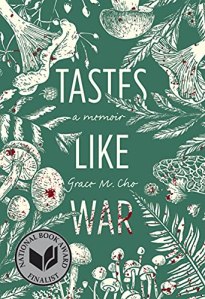
Grace M. Cho, “Tastes Like War: A Memoir” (finalist)
Scott Ellsworth, “The Ground Breaking: An American City and Its Search for Justice”

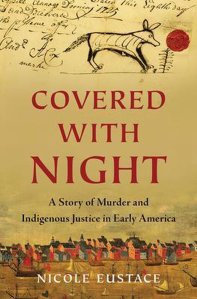
Nicole Eustace, “Covered with Night: A Story of Murder and Indigenous Justice in Early America” (finalist)
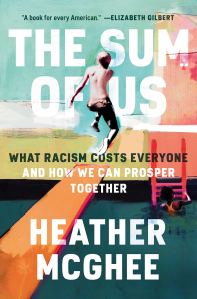
Heather McGhee, “The Sum of Us: What Racism Costs Everyone and How We Can Prosper Together”
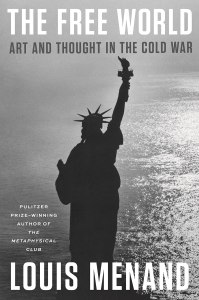
Louis Menand, “The Free World: Art and Thought in the Cold War”
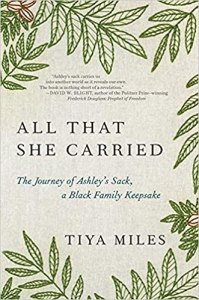
Tiya Miles, “All That She Carried: The Journey of Ashley’s Sack, a Black Family Keepsake (finalist)
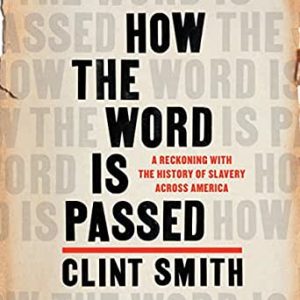
Clint Smith, “How the Word Is Passed: A Reckoning with the History of Slavery Across America” –
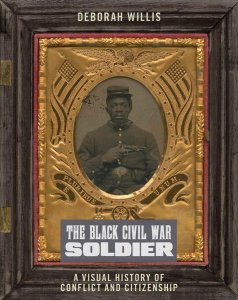
Deborah Willis, “The Black Civil War Soldier: A Visual History of Conflict and Citizenship
#Non-fiction Clint Smith (essays)

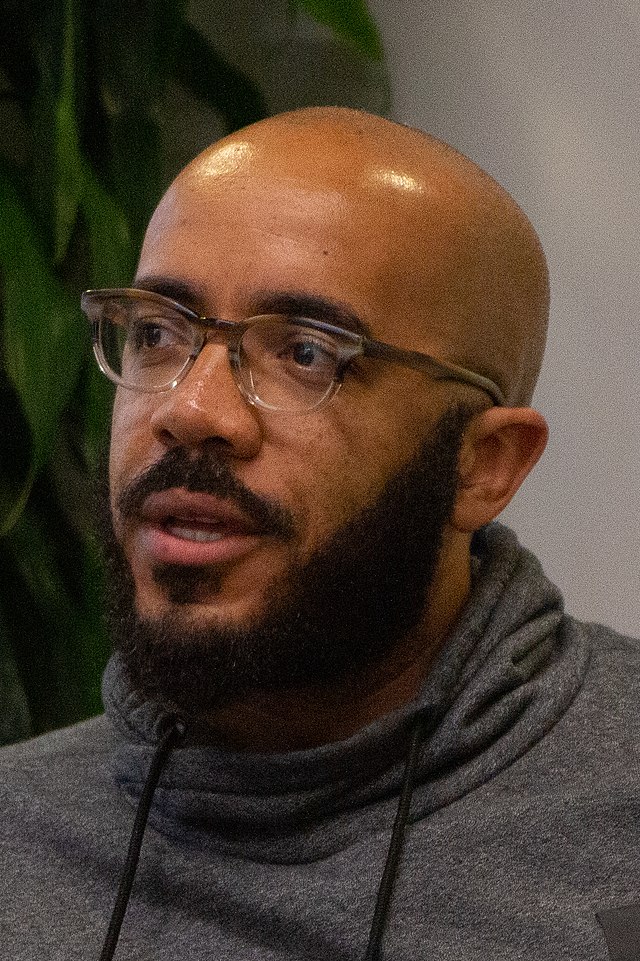
- Author: Clint Smith (1988)
- Title: How the Word is Passed
- Published: 2021 (336 pg)
- Genre: non-fiction (African American Studies)
- Monthly plan
- #ReadDiversely
- #NonficNov hosts:
- Katie @DoingDewey
- Rennie @ What’s Nonfiction
- Veronica @ The Thousand Book Project
- Christopher @ Plucked From the Stacks
- Jaymi @ The OC Book Girl
Quick Scan:
- A deeply researched look at the legacy of slavery
- …and its imprint on centuries of American history.
- If I could give a book a rating
- with 10 stars…this is the one!
- This book is #Must Read for high school students…
- and in fact every American.
- To say…I learned a lot
- is an understatement.
- This isn’t just a work of history, but an exploration of
- how we’re still distorting our history.
- Favorite chapters: Monticello, Whitney Plantation,
- Angola Prison and New York City.
- #1 New York Times bestseller
- Longlisted for the 2021 National Book Award for Nonfiction
Last thought tweet:
- #NonficNov essays by Clint Smith, “How the Word Is Passed”.
- Revelations of Black life in America… absorbing (if sometimes uncomfortable)
- reading because of the way it’s organized, as a travelogue of sorts
- ….but still a magnificent book!
#AusReadingMonth 2022 Tansy Roberts
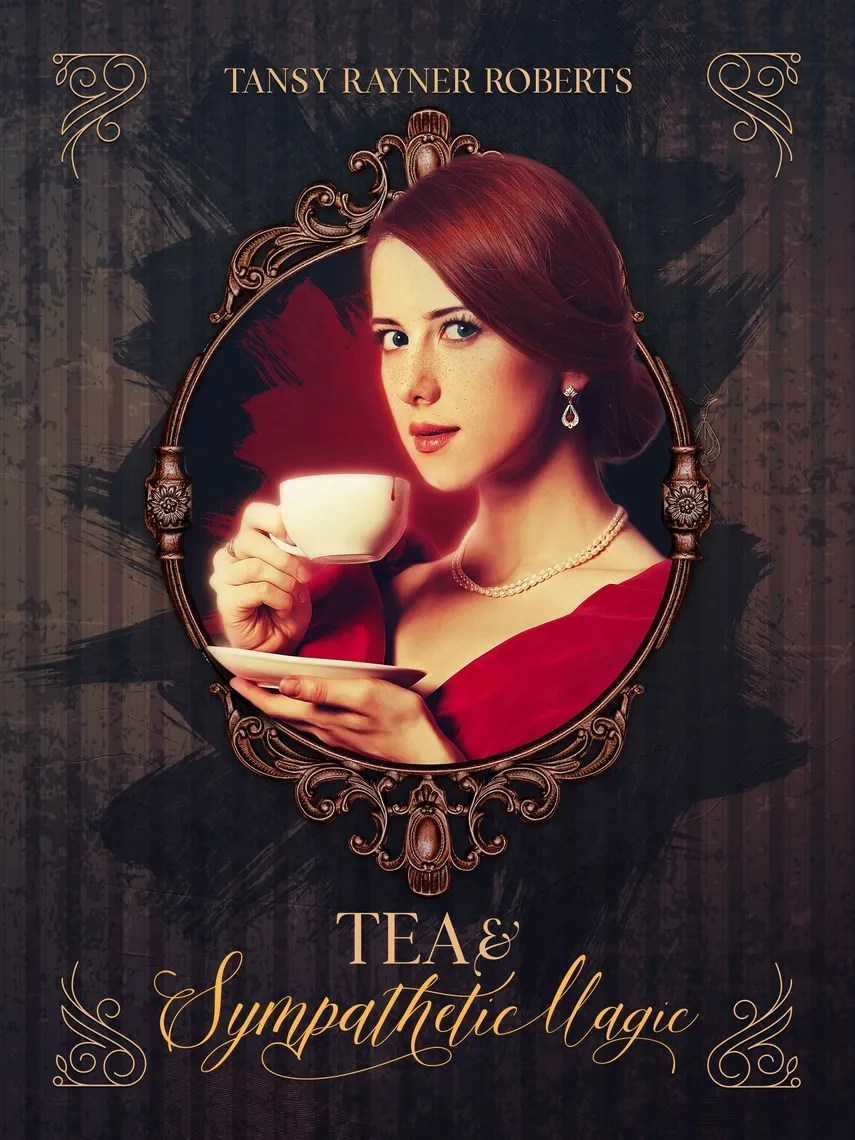
- Author: Tansy Rayner Roberts (1978)
- Title: Tea and Sympathetic Magic (pg 73)
- Genre: novella
- Published: 2021
- Monthly plan
- #AusReadingMonth2021 @Bronasbooks
- #NovNov @746Books
- @bookishbeck
- #AWW 2021
Quick Scan:
- Tea and Sympathetic Magic
- Miss Mnemosyne Seabourne teams up with a fascinating
- spellcracker Mr. Thornbury to foil the kidnapping of the
- Herny Jupiter the Duke of Storm
- …and prevent a forced marriage.
Notes:
- Strong point:
- Ms Roberts use names
- from mythology and the solar system for her characters!
- Henry Jupiter – is a very eligible bachelor, with grand library.
- The planet Jupiter’s most iconic feature is a
- giant STORM know as the Giant Red spot.
- The Duke is wearing “…a bright orange cravat.” (pg 10)
- …just like The Giant Red Spot on Jupiter!
- Ms Roberts uses this info to create
- “Henry Jupiter, the Duke of Storm”.
- Strong point:
- Ms Roberts uses lovely names of moons for female characters
- Moons circle planets…usually men in society!
- Mnemosyne – moon of Saturn
- Europa – moon of Jupiter
- Galatea – moon of Neptune
- Strong point: Ms Roberts does highlight important issues
- …that the main character Mnemosyne is passionate about:
- A) Rules for men were different than for women...
- Duke of Storm enjoys special rituals to meet his demands
- “brimming cup of tea and does not have to wait 2 seconds”
- ….and he had done nothing to deserve this attention. (pg 10)
- “This is the world we live in: one where
- B) Ladies traveled by the slow path,
- …while gentlemen were allowed short-cuts.” (pg 17)
- C) “No one should marry the wrong person.” (pg 39)
- Weak point:
- the title suggests “magic” but I was so
- …disappointed.
- The idea of a spellcracker…walking through portals, transforming
- a ball into a prickly hedgehog to stop a wedding and throwing
- tea cups at a wedding cake to release a captive wedding guest
- …is NOT my idea of magic.
- It is just not.
Last Thoughts:
- I decided to read this novella because I so
- enjoyed Girl Reporter by Ms Roberts last year.
- I missed a great story idea, a memorable main character
- and unique writing style.
- IMO this novella is like cotton candy
- …sickly sweet, all fluff and just melts away.
- #IAmNOTIntendedTargetAudience

#Novella nr 3: NovNov – AusReadingMonth 2021
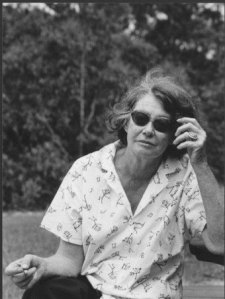
- Author: Thea Astley
- Title: Coda
- Genre: novella
- Published: 1994 (188 pg)
- Monthly reading plan
- #AusReadingMonth2021 @bronasbooks
- #NovNov @746Books
- @bookishbeck
- #AWW
Introduction:
- I started reading the complete works of Theas Astley during
- #AusReadingMonth in 2017
- …and have finished 13/17!
- Finally I found a copy of Beachmasters @ Amazon.co.uk.
- That book is NOT easy to come by!
- Collected Short Stories (1997)
- ….also a very difficult or very expensive book to acquire!
Novels
- Girl with a Monkey (1958)
- A Descant for Gossips (1960)
- The Well Dressed Explorer (1962) Miles Franklin winner
- The Slow Natives (1965) Miles Franklin winner
- Boat Load of Home Folk (1968)
- The Acolyte (1972) Miles Franklin winner
- A Kindness Cup (1974)
- An Item from the Late News (1982)
- Beachmasters (1985)
- It’s Raining in Mango (1987)
- Reaching Tin River (1990)
- Vanishing Points (1992)
- Coda (1994)
- The Multiple Effects of Rainshadow (1996) Miles Franklin long/shortlist
- Drylands (1999) Miles Franklin winner
Short stories
- Hunting the Wild Pineapple (1979)
- Collected Stories (1997)
Quick Scan:
- Coda examines the despair of old age.
- Thea Astley is a truth-teller about becoming an “aged” misfit in society.
- Strong point: Ms Astley is still able to cut through
- …the tragedy with a sharp literary wit.
- Occasionally the narrative is interrupted by stories plucked from the
- Australian newspapers:
- “…there has been an alarming increase in so-called
- ...’granny-dumping’ throughout the country.” (Condamine Examiner, 16 Jan 1992)
Character: Kathleen Hackendorf
- Born 1920s, no real ambition except get out of Townsville!
- We see her sitting in a tacky Mall at a plastic table under a fig tree
- drinking her coffee as she contemplates life and her grammatical losses:
- “I’m losing my nouns!”
- Daughter, Shamrock, wants her mother on a shelf like a cracked doodad.
- Son, Brian, a financial schemer in his second marriage has no time for his mother.
- Both have sold Kathleen’s house out from under her and put down the dog.
- BFF …Kathleen at least has her dotty dear friend Daisy
- Only trouble is ….Daisy is dead.
Conclusion:
- I hope I’ve given you just a taste of
- …what you can expect in this book.
- Read as Kathleen wonders when the buzz went out of her life...as she is
- “…rooting about for words in the old handbag of her years.” (pg 188)
- Weak point: I found the pages devoted to Brian’s
- “crackpot stratagems” (pg 106) too long.
- It ruined the mood of the story about the aging Kathleen!
- Weak point: In the end, expected some fireworks from Ms Astley
- …but Kathleen’s life story seemed to just fizzle out.
- Again, I am a fan of Thea Astley and find that some of her
- later books lack the punch of her best books
- The Slow Natives, The Acolyte, Boat Load of Home Folk and
- …A Descant for Gossips.
- #MildlyDisappointed
#NonficNov 2021 David Olusago

- Author: David Olusago (1970)
- Title: Black and Birtish: A Forgotten History
- Published: 2016 (639 pg)
- Monthly plan
- #ReadDiversely
- #NonficNov hosts:
- Katie @DoingDewey
- Rennie @ What’s Nonfiction
- Veronica @ The Thousand Book Project
- Christopher @ Plucked From the Stacks
- Jaymi @ The OC Book Girl
Quick scan:
- The historian English-Nigerian David Olusoga has written
- that slavery is often misremembered in the U.K.
- …as a uniquely American atrocity.
- He points out that British-owned slaves mostly lived and worked in the Caribbean.
- The goal of this book is to ensure that the British involvement with
- slavery NOT be largely airbrushed out of the
- “standard, Dickensian image of Britain in the Victorian age…” (pg 234).
- It’s time to have a look at what the Brits….were up to!
- The book charts black British history from the first meeting
- between the people of Britain and the people of Africa
- during the Roman period, to the racism
- …Olusoga encountered during his own childhood.
- It is a story that some of Olusoga’s critics would prefer was forgotten.
Strong point:
- The book is filled with new discoveries
- about the British involvement in the slaver trade.
- Olusago supports these findings with the science behind it.
- “…skeletons excavated decades ago are suddenly able to tell their stories.” (pg 40)
- This process transforming history
- is radioisotope analysis. (article from Nat. Geographic)
- Where you grew up…what you ate…your bones record your life.
Some thoughts….
Ch 4:
- Ch 4 is about legal cases 1770s to ensure
- slavery does not become acceptable in England
- ...or the right of Brits to hold slaves in the American colonies.
- Yes, this is an important part of British/Black history
- …but it was not the MOST engaging section of the book.
- #PersonalPreference
Ch 5:
- Chapter 5 was more interesting….linking my thoughts to a book I
- had just read Bedlam in Botany Bay (James Dunk).
- It reveals the resettlement schemes of London’s black poor in
- 1780s to Sierra Leone and Botany Bay Australia.
- (pg 148) “There were those is London, on the committee,
- …who just wanted them (blacks) gone and
- …cared little about their long-term prospects.
- This is the history the British
- …would like to see airbrushed away!
Ch 6:
- 22 May 1787 –> the birth of the Abolitionist Movement
- is very interesting.
- Trivia: Did you know that trendy Canary Wharf London was built by
- slave trade mogul George Hibbert 1757-1837 (who?) as West Indies Docks’.
- This dock was used to import the sugar from West Indies plantations!
Ch 7:
- Frederic Douglass on his second speaking tour in late 1850s felt
- a decline in anti-slavery sentiment and the rise in racism.
- The turnig point
- …American racism had started to seep into Britain.
Ch 14:
- Wow…just wow!
- This book may exhaust you but keep on reading
- …because Olusago really “lets loose” in ch 14-15!!
- I never knew the extent of racism in Britain….shocking!
Conclusion:
- David Olusago, in the last chapter, bookends his
- history with the “Windrush Myth”.
- The post-war wave of migration from the Caribbean.
- In the book’s introduction we read about
- Enoch Powell’s 1961 speech “Rivers of Blood”.
- Powell’s persistent themes of national sovereignty,
- purity of citizenship and a
- determination to keep out undesirable immigrants still echoes
- in the European politics of far-right politicians.
- Historian Olusago has shown me that
- this idea of “purity of citizenship” is also a myth.
- I’ve read about
- the presence of African peoples in Roman Britain
- and Black Tudors, Stuarts, Edwardians, Victorians and Georgians.
- If history was properly discussed as Olusago shows us
- the British could awaken us from their colonial dreamtimes when…
- ” Rule Britannia! rules the waves!
- “Britons never will be slaves.”
- …but they will eagerly take part in the slave
- trade from 1560 Queen Elizabeth I –> Charles II
- –> the abolition of slave trade 1833 King William IV.
- People hold on to the belief that the UK was a “white country”.
- David Olusago challenges this concept in this book.
- Olusoga was confident about having two identities.
- despite the prejudice he had encountered.
- He was proud of being a black Nigerian of Yoruba heritage and
- being part of his mother’s white working-class geordie tradition.
- But he has always had a third identity:
- “I’m also black British – and that had no history, no recognition
- Best quote: D. Olusago
- “My job is to be a historian.
- It’s not to make people feel good”.
Last Thoughts:
- There is a lot of “new history” for me in this book!
- Weak point: Sometimes Olusago can go into numbing details (ch 4, ch 7)
- but other times he left me scratching my head with the
- thought: “Why have I never heard about this?”
- That could be due to not having read enough history in depth.
- Thank goodness David Olussago is helping me.
- Loved to read the royal connections…
- by Queen Elizabeth I and Charles II…I never knew!
- They understood the profitability of the English slave trade.
- Be prepared for some long reading days…(639 pg)…but of
- course with books like these some skimming is unavoidable!
- This reader was very tired after 13 chapters…still 2 ch to go
- …but oh, they were well worth reading!
- This is an excellent, readable book
- …but very long
- #HistoryBuffs don’t miss this one!
#NonFicNov 2021 week 2

Week 2: (November 8-12) – Book Pairing with Katie at Doing Dewey: This week, pair up a nonfiction book with a fiction title. It can be a “If you loved this book, read this!” or just two titles that you think would go well together. Maybe it’s a historical novel and you’d like to get the real history by reading a nonfiction version of the story.
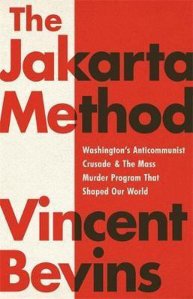
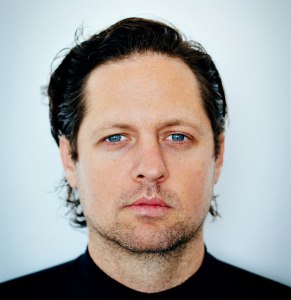
The Jakarta Method (2020) REVIEW
Vincent Bivens….award-winning journalist and correspondent.
He covered Southeast Asia for the Washington Post.
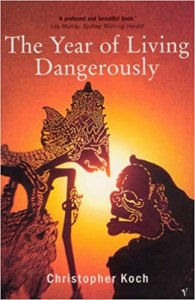
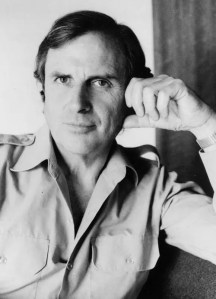
The Year of Living Dangerously (1978) REVIEW
Christopher J. Koch (1932–2013) was an acclaimed Australian journalist-novelist from Hobart, Tasmania.
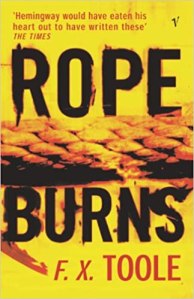
Rope Burns by F.X. Toole (256 pg) 2000
- The novella “Rope Burns” offers a gritty, heartrending account of the
- indestructible bond that develops between a devoted fighter and his trainer.
After the Count: The Death of Davey Browne by Stephanie Convery 2020 REVIEW
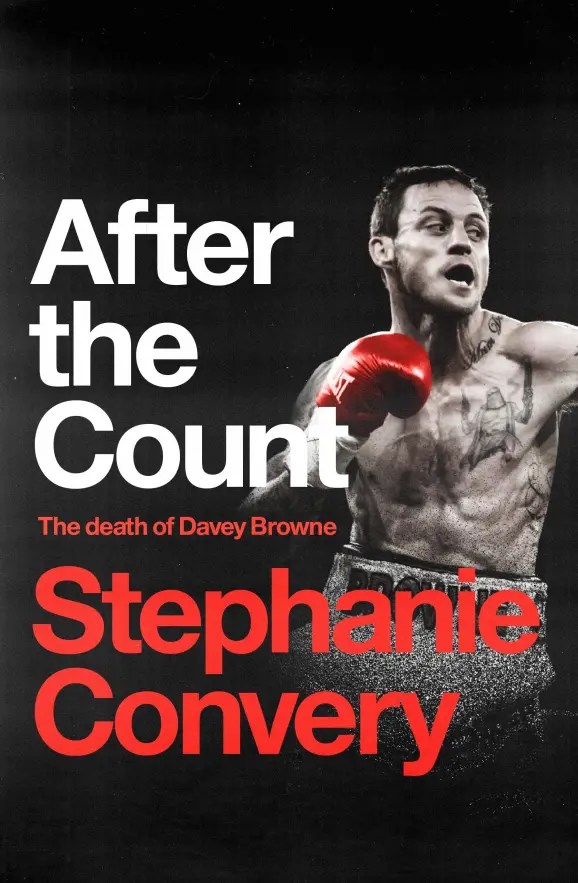
- Ring magic is different from the magic of the theatre,
- because the curtain never comes down
- …because the blood in the ring is real blood, and
- …the broken noses and the broken hearts are real,
- …and sometimes they are broken forever.
#NonFicNov 2021 Hanif Abdurraqib (essays)
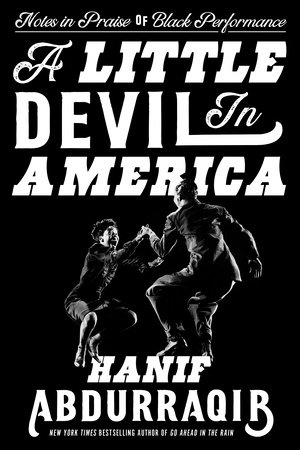
- Author: Hanif Abdurraqib
- Title: A Little Devil In America
- Published: 2021
- Genre: essays (history & criticism)
- Monthly plan
- #NonFicNov 2021
- #ReadDiversely
- Trivia: Finalist for Andrew Carnegie Medal of Excellence non-fiction
- winner announcement 23 January 2022 5pm EST
- Trivia: Finalist for National Book Award 2021 non-fiction
- winner announcement 17 November 2021
- @DoingDewey
- #NonficNov hosts:
- Rennie @ What’s Nonfiction
- Veronica @ The Thousand Book Project
- Christopher @ Plucked From the Stacks
- Jaymi @ The OC Book Girl
Conclusion:
- There are only a few books that left me literally speechless
- They are often about exposing injustice Blood in the Water
- …poetry books for example by Jericho Brown, Les Murray, Clive James
- (Australia), Cilla McQueen (New Zealand)
- ….now I can add these essays by Hanif Abdurraqib to my special list.
- His criticism and essays are infused with social commentary,
- memoir, pop culture, and always with poetry.
- Even the structure of his books sometimes takes a poetic slant.
- Like the chapter in this book called “Fear: A Crown,”
- where the last line of each stanza echoes the first line of the next.
- It is an a lyrical celebration of Black artists, from
- Merry Clayton, Aretha Franklin, M. Jackson to Dave Chappelle, and a
- critique of the ways Black expression gets exploited.
- Hanif Abdurraqib has written a profound and lasting essays.
- These subjects range from
- the often-tragic lives of legendary Black artists
- …to close examinator of a singular performance.
Best quote:
- “I’m afraid not of death, but of the unknown that comes after.
- I’m afraid not of leaving….but of being forgotten.”
- #MustRead…it will leave you speechless.

#AusReadingMonth 2021 Christopher Koch
- Author: Christopher Koch (1932-2013)
- Title: The Year of Living Dangerously
- Published: 1978 (224 pg)
- Trivia: This book helped Australia to shift its cultural focus from
- Britain and Ireland toward its increasing engagement with Asia
- ….and continuing into 21st C (nuclear powered submarines from USA)
- Trivia: The banned film (1982) version directed by Australian Peter Weir
- was shown for the first time in 2000 at Jakarta Film Festival.
- Monthly planning
- #AusReadingMonth2021 @bronasbooks
Quick Scan:
- C. J. Koch’s The Year of Living Dangerously takes its title
- from Sukarno’s term for 1965, the year in which the novel takes place.
- R. J. Cook, first-person narrator, recounts the events that occurred
- during that tumultuous, chaotic year.
- In 1965 Sukarno was overthrown (see book published 2020: The Jakarta Method)
- and Suharto, a right-wing officer, assumed control of the Indonesian government.
- Sukarno’s fate, however, is linked to the fates of the characters:
- Guy Hamilton – a correspondent for an Australian news network
- Trivia: loosely based on Mr. Koch’s younger brother, Philip.
- Billy Kwan – an Australian-Chinese dwarf who is a highly intelligent cameraman
- Jill Bryant – the woman both men love.
Conclusion:
- This was an amazing book…just stunning!
- I saw the movie version in 1980s and didn’t understand any of
- the politics in Indonesia and USA’s use of…
- The Jakarta Method.
- Now I do..and it isn’t a pretty picture for America’s foreign policy.
- Has anything changed?? (Syria, Iraq, Afghanistan….and now Taiwan?)
- Chris Koch is an excellent writer/journalist and several intrigues
- were weaved seamlessly into the story.
- I could not stop reading…..
- Billy Kwan is the “spider in the web”
- …the Wayang shadow play puppet master!
- The ending of the book was genius.
- Please, don’t miss this #classic
- It is probably waiting for you on the library shelf
- …better yet, buy it and support your local bookstore.
- #MustRead.
 NancyElin.blog