
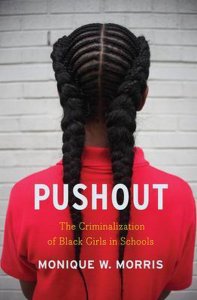
#NonficNov Pushout
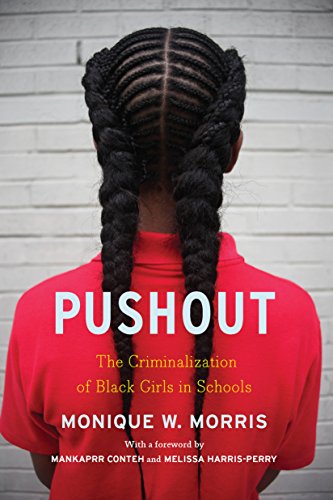
- Author: Dr. Monique W. Morris
- Title: Pushout: The Criminalization of Black Girls in Schools
- Published: 2018 (303 pg)
- Monthly plan
- #ReadDiversely
- #NonficNov
- @DoingDewey
- #NonficNov hosts:
- Rennie @ What’s Nonfiction
- Veronica @ The Thousand Book Project
- Christopher @ Plucked From the Stacks
- Jaymi @ The OC Book Girl
What is PUSHOUT?
- Pushout refers to practices that
- contribute to students dropping out.
- A) unwelcoming and uncaring school environments
- B) over-reliance on zero tolerance school policies
- that push students out of school.
What does Ms Morris tell us in this book?
- She offers tactics to work against damaging stigmas.
- Black girls are devalued based on how others perceive them.
My Thoughts..
- Why is the struggle for survival a
- universally accepted rite of passage for Black girls?
- I never looked at this aspect of BG’s lives.
- ALWAYS …having to prove they are good enough!
- All the more respect for people like
- TV commentators (Oprah), news anchors (Joy Ried),
- members of Congress (Cori Bush), First Lady (Michelle Obama),
- American lawyers, activists, and politicians like…
- Letitia James, Attorney General New York
- …now running for Governor of New York…
- who have had to balance
- the question am I black first or am I female first?

Thoughts…
- Despite all the struggles for equality in USA
- ...the country is still colorblind.
- Segregation still exists.
- ..and Black girls have unequal access to education.
- Just think about it….this is shameful!!
- Hannah-Jones covers racial injustice for The New York Times,
- and has spent years chronicling the way official policy has created
- —and maintains—racial segregation in housing and schools.
- She won she won the Pulitzer Prize for Commentary for her work on The 1619 Project.
- Yet conservative groups (white supremacists)
- …expressed disagreement with the 1619 Project and
- …questioned Hannah-Jones’s credentials (…how dare they!)
- Many UNC trustees (under pressure) resisted granting her tenure
- ….still pure racism anno 2021!

- I could go on and on highlighting the points
- ….made in this book (see notes below)
- …but each time I think of a one new example of
- intelligent, brave, persistent Black women
- others come to mind.
- I applaud all Black women making a better life for
- themselves, their family and their country.
- I am so glad this book made
- …me AWARE of Black girl’s struggles
- …and hope that more people pause and
- …think about what they must
- go through…each and every day of their lives!
Last Thoughts:
- I must admit this book was a ‘difficult read’.
- Young black girls drift from foster homes
- …to juvenile correction institutions
- …and even being trafficked into prostitution.
- The personal stories are shocking to read.
- I had a second book lined up to read by Nikki Jones.
- She is an associate professor of African American Studies
- at the University of California, Berkeley
- …but just cannot digest more of this dark side of life.
- One book is enough for the time being
- …after this eye-opener.
- Still I say…
- #Bravo Dr. Monique E. Morris
- …I don’t know how you do it….immersed in this
- traumatic daily life as experienced by poor, urban,
- African American adolescent girls.
- I know you are making a difference by revealing
- …what an average person like me
- …does not see.
Quick Scan: Chapters:
- Struggling to Survive
- A Blues and Black Girls When the “Attitude” is Enuf
- Jezebel in the Classroom:
- Learning on Lockdown
- Repairing Realtionshps, Rebuilding Connections
Confront the reader: “…with the facts”
- Statistics: poverty, dropouts, incarceration, homicide of black girls and women today.
- Schools maintain culture of discipline and punishment
- Anecdotes: relate how black girls are victims of discrimination and exploitation.
- Stereotypes: sassy, combative and defiant
- Personal stories: better understanding of how black girls are uniquely vulnerable
- Solutions: what schools can reduce the marginalization of black girls
- Training: schools should not to criminalize misguided reactions of black girls.
- Sometimes they are victims of sexual assault, have been bullied
- …or experienced abandonment in the family.
- Show more empathy...engage them with care
- ...bring them closer when there is chaos or disruption in their lives.
#AusReadingMonth 2021 Cookbook nr 1
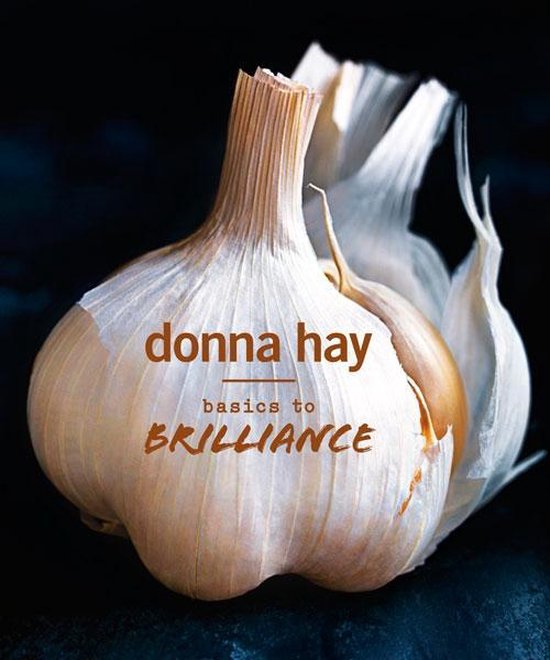
- Author: Donna Hay
- Title: Basics to Brillance
- Published: 2016
- Monthly plan
- #NonFicNov 2021
- #AWW 2021
- #AusReadingMonth2021 @bronasbooks
Background and authority.
- Donna Hay (1971)
- Author of 27 bestselling cookbooks
- Her books are known for their simple recipes
- …and beautiful photography.
Identify the intended audience.
- Foodies: love her recipes
- Professionals: irritated that this self starter has become rich and
- famous by peddling recipes that a child could master.
- Nancy: not one of Donna Hay’s fans…after reading her book!
Conclusion:
- Strong point:
- If you love beautiful food photography…this is you book.
- I am more interested in cooking….and not picture gazing.
- This coffee table size cookbook is not
- …something that is easy to use in the kitchen!
- Strong point:
- Ms Hay includes handy “notes” in each recipe.
- Weak point:
- Many recipes include references to basics…
- for example: chicken base soup “see basic recipe”
- or…basil pesto “see basic recipe”
- …but I wish she would include the
- page number where the reader can
- …FIND the ‘basic recipe”.
- I lost time and interest searching in this
- chunkster of a cookbook!
- Weak point:
- Buyer beware!
- ratio price/quality
- 36% of the book is filled with full page food photography
- 32% recipes (some were spread over 2 pages that easily could have been 1 page)
- 32 % miscellaneous – glossary, measurements, bio of Ms Hay, Thank-you note and index
- Weak point: personal note…all recipes are printed on black paper
- …depressing and difficult to read!
- Last thought: not recommended
#Novella nr 2: NovNov – AusReadingMonth 2021

- Author: Nigel Featherstone
- Title: I’m Ready Now (pg 156)
- Genre: novella
- Published: 2012
- Monthly plan
- #AusReadingMonth2021 @Bronasbooks
- #NovNov @746Books
- @bookishbeck
Quick Scan:
- Chapters 1-12
- Introduction characters and backstories
- …marriages, childhood, deaths, abandonment.
- Chapters 13-16
- The tension rises to a boiling point: Gordon (son),
- Mother and Levi (Gordon’s lover) are all about to make
- a life changing decisions but it
- …is unclear to the reader what that will be!
- Conflict: should mother just listen to her son’s plans
- …or try to stop him from making a grave mistake?
- Chapters 17 – 23
- The story reaches the climax
- ….during Gordon’s 30th birthday dinner celebration.
- Chapters 24 – 32
- The resolution…each character embarks on their own paths.
- ..and perhaps those paths will cross each other in the future
- ….at least Nigel Featherstone ends the book on an optimistic note!
- Conclusion:
- Ending:…feels like the sound of a bell ringing.
- #Bravo !!! Nigel!
- Strong point: Structure – Alternating narrator:
- ch 1 Son (Gordon) and ch 2 Mother (Lynne)…etc
- Strong point: Thoughts and inner dialogue
- 70% of the book is inner dialogue that
- raises the emotional level in every scene!
- It reveals the truth, the darkness, hopes and dreams
- …that are often lost in direct dialogue.
- Mother (Lynne) is worried about her son
- …but cannot let him notice her concern.
- Son (Gordon) feels his heart is torn in half.
- ..one part for his lover (Levi) the other part
- for his determination to continue with
- …the “Year of Living Ridiculously”.
Major theme: loss, abandonment
- In chapter 9 we hear Mother say words that left me puzzled.
- Gordon: “Is there anything you need while I’m up the street?
- Mother: “No, just make sure you come home.”
- Gordon “…of course I’ll come home…”
- Mother: “Than that’s all I need.”
- As you read Nigel Featherstone adds layers
- with backstories about the characters and their lives.
- Only then does this short dialogue between mother and son make sense.
Characters:
- Gordon (Donian, nickname) 29 yr, born 23 October 1981
- Levi Greenguard (Jewish social worker, Gordon’s lover)
- Mother (Lynne)
- Eddie (stepfather) – recently deceased
- Margie Ardmore (friend of Mother…feels like an aunt for Gordon)
- Patric Finn (…just mentioned as mother’s first love)
- Minnie and Lenah ( Gordon’s step-sisters)
- Ailis Kildare (Lynne’s mother, from Ireland, died in Hobart 62 yr)
- Father – (name?) died 6 months later
- Shanie Doyle – G’s childhood friend …followed him from Hobart to Sydney
- Delia Canola – Shanie’s fiancée
Best Quote: chapter 19
- “I think birthplace is a matter of DNA.
- You can try running from it….
- ….but it’s always in you, mapping you out.”
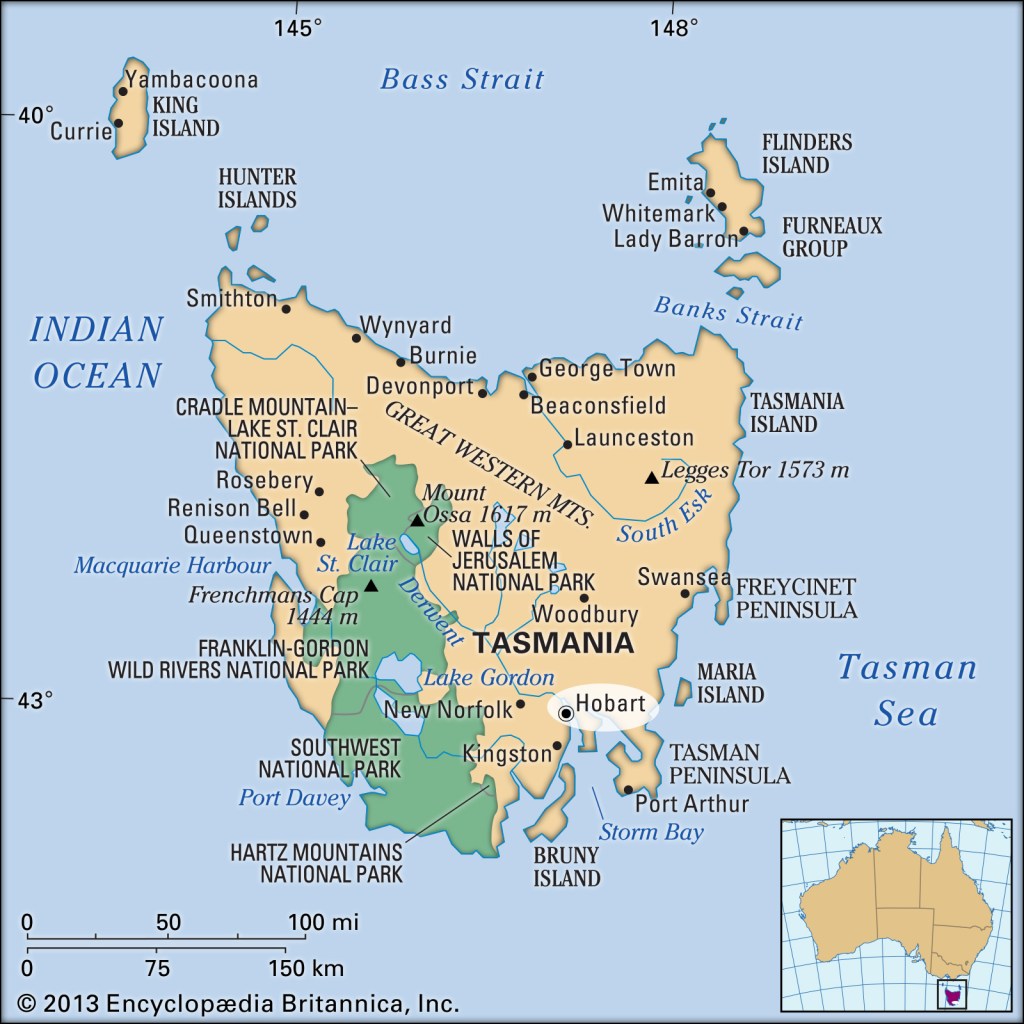
Locations:
- Mother takes a flight from Hobart, Tasmania to…
- Sydney – Gelbe, NSW (inner-city suburb) – Gordon’s appartment
- Convict-era cottage on 11 Union Street (polished doorknob) (backstory)
- Point Puer (place where Patric Finn made a film)
- Battery Point…where Shanie used to live
- Battery Point House – owned by mother Lynne
- Gleeson House (1839) (..the family home Hampton Road, Hobart)
- …is about to be sold at an auction…so Mother is visiting her son Gordon.
- Sydney apartment (Eddie’s place at Manly on the Corso)
Title: “I’m Ready Now”
- Ch 27 – quote … to bookend the story:
- Mother: “There’s a future in abandonment, so it seems.
- I’m ready for it.”
- Ch 30 – quote … as Levi leaves he says to Gordon:
- “marriage is not out of the question”..in the future.
- Levi calls for a taxi and says “Yes, I’m ready now”.
#Novella nr 1: NovNov – AusReadingMonth 2021
- Author: Amanda Lohrey
- Title: Vertigo ( pg 144)
- Genre: novella
- Published: 2019
- Monthly plan
- #AusReadingMonth2021 @Bronasbooks
- #NovNov @746Books
- #NovNov @bookishbeck
- #AWW
Introduction:
- Sometimes I search days for a good book
- …and sometimes one just falls into my lap!
- I ordered this book a year ago.
- This year for #AusReadingMonth I am determined to
- sweep through my Kindle TBR and read as many Aussie
- authors as I can.
- Also this review is ….for #NovNov @746Books
Conclusion:
- Veritigo is a stunner.
- Luke and Anna, thirty-something…. decide on a change.
- Worn down by city life they flee to a sleepy village by the coast.
- One senses that the change of living area is only nothing more than as escape
- for a couple who have difficulty communicating.
- The neighbours are strange but authentic.
- The problem is the drought.
- The book felt like a compact box of chocolates.
- I ate the first few bonbons (part 1) and
- as I continued to remove the layers (part 2) of paper
- only to come deeper (part 3) into an exquisitely crafted novella.
- Chocolate and this story are
- so addictive that one cannot stop reading/eating it.
-
“this book is unputdownable!”
- The last layer was one one the best descriptions I’ve
- ever read of a bush fire….incredible!
- #MustRead
- …absolutely a “coup de coeur”.
#NonFicNov 2021 week 1

Week 1: (November 1-5) – Your Year in Nonfiction with Rennie at What’s Nonfiction: Take a look back at your year of nonfiction and reflect on the following questions – What was your favorite nonfiction read of the year? Do you have a particular topic you’ve been attracted to more this year? What nonfiction book have you recommended the most? What are you hoping to get out of participating in Nonfiction

- If you are looking for an Xmas present for that non-fiction lover on your list
- …perhaps you can find one on ‘My year Reading Non-fiction 2021’.
- You can always say the book is from the dog!
- Books read: 01 November 2020 – 31 October 2021
- All reviews you are interested in can be found here “Monthly Planning”
- Non-fiction books: 48 -> that is 37% of all my reading (130 books)
- I started the year off eager to read non-fiction books
- …but slowly my NF reading fizzled out at the end of June.
- Why? I have no idea.
- This reading year felt chaotic.
- There was no plan I could stick to and I was
- …still trying to get my reading ‘mojo’ back after Covid 2020.
- I’m sure there were many readers in this same predicament.
- After reviewing my reading choices
- ….INVESTIGATIVE JOURNALISM
- …seems to be the number one topic!
- Investigative Journalism:
- ..focusing on the truth no matter who is involved
- Catch and Kill (2019) – Ronan Farrow (USA – sexual harassment in Hollywood)
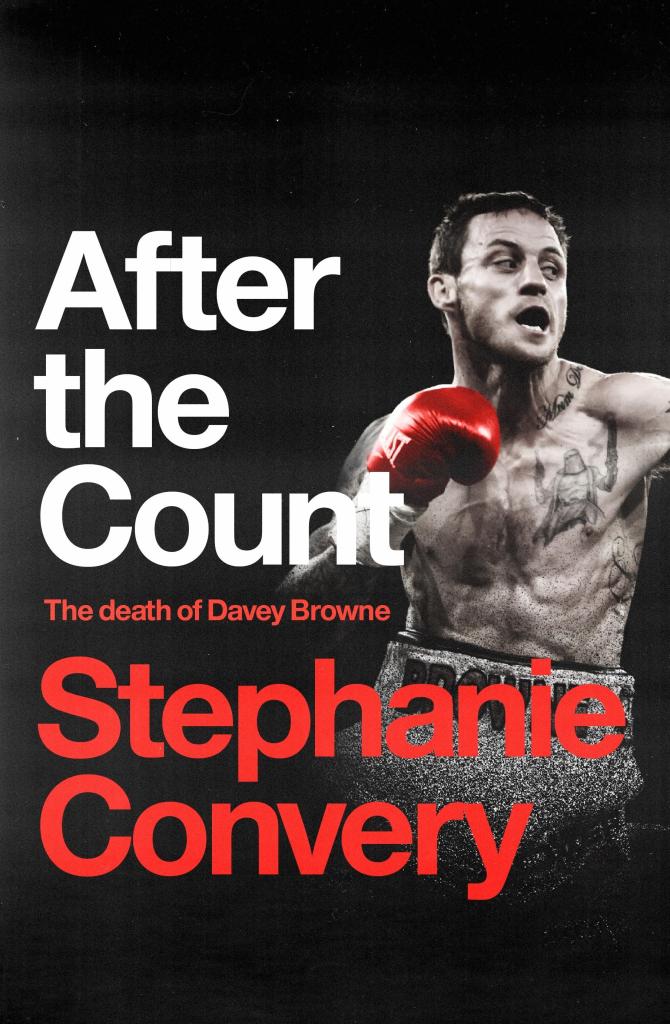
- After the Count – S. Convery (Australia – inside look at the world of boxing…fascinating!)
- City On Fire: The Fight For Hong Kong – A. Dapiran (Hong Kong – struggle for democracy)
- Body Count – Paddy Manning (Australia – climate change is killing us)
- Zero Fail (2021) – Carol Leonnig (USA – rise and fall of the Secret Service)
- Fallen – Lucie Morris-Marr (Australia – secret trial to convict Cardinal Pell)
- Hazelwood – T. Doig (Australia – toxic coal mine/public health cover-up)
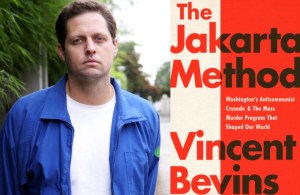
- The Jakarta Method – Vincent Bevins (USA – exposing US policy of regime change)
- We Can’t Say We Didn’t Know – S. McNeill (Australian Middle East jurno – tragic issues)
- Ghost Wars – Steve Coll (2004) (USA – secret history of the CIA in Afghanistan)
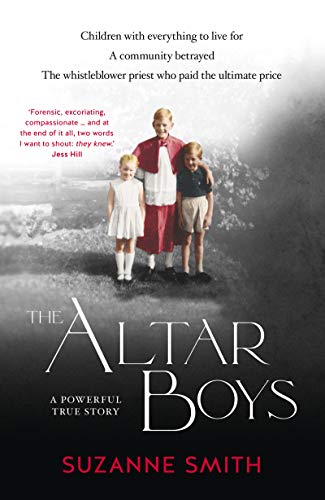
- The Altar Boys – S. Smith –> (Australia – heartbreaking abuse exposed)
Complete List Non-fiction books 2021:
- Everything Happens for a Riesling – G. de Morgan
- Entangled Life – M. Sheldrake
- Zero Fail (2021) – Carol Leonnig
- Catch and Kill (2019) – Ronan Farrow –> highly recommended
- Mediocre – Ijeoma Oluo
- Gulag Archipelago vol 1 – Aleksandr Solzhenitsyn (classic)
- Nobody Knows My Name – James Baldwin (essays)
- Talking To My Country – Stan Grant
- Wayward Lives – Saidiya Hartman (criticism)
- Rembrandt and the Female Nude – E. Sluijter
- Classical Art: From Greece to Rome – M. Beard
- Has China Won? – K. Muhbubani
- Henri Matisse: Rooms with a View – S. Neilsen Blum
- Classical Art – M. Beard
- Bloodlands – T. Snyder
- The Betrayal – W. R. Corson (1968)
- Revolusi – David van Reybrouck (Dutch)
- Urk – M. Declercq (Dutch)
- Een Klein Land Met Verre Uithoeken – Floor Milikowski (Dutch)
- Ghost Wars – Steve Coll (2004)
- The Origins of Totalitarianism – Hannah Arendt
- Pure, White and Deadly – J. Yudkin
- Anseo – Úna-Mingh Kavanaugh
- A Promised Land – Barack Obam
- The Jakarta Method – Vincent Bevins –> highly recommended
- The Grand Chessboard – Zbigniew Brzezinski
- Society 4.0 – B. de Wit
- How Fascism Works – Jason Stanley
- Kill Switch – Adam Jentleson
- A Black Women’s History of the United States – Daina Ramey Berry
- AI Superpowers – Kai-Fu Lee
- The Anarchy – W. Dalrymple
- After the Count – Stephanie Convery –> highly recommended
- Say Nothing – P. R. Keefe
- Body Count – Paddy Manning
- How to Do Nothing – J. Odell
- How to Make A Slave – J. Walker
- The Dead Are Arising – Les Payne (biography)
- Don’t Touch My Hair – Emma Dabiri
- Dying of Whiteness – J. Metzl
- Hazelwood – T. Doig
- We Can’t Say We Didn’t Know – Sophie McNeill
- Fallen – Lucie Morris-Marr
- Comrade Ambassador – S. FitzGerald (biography)
- City On Fire: The Fight For Hong Kong – A. Dapiran
- The Altar Boys – S. Smith –> highly recommended
- Penny Wong – M. Simons (biography)
- Walking with Ghosts – Gabriel Byrne (memoir)
#NonficNov 2021 Bloods by Wallace Terry

- Author: Wallace Terry
- Title: Bloods
- Published: 1984
- Monthly plan
- #ReadDiversely
- #NonficNov
- @DoingDewey
- #NonficNov hosts:
- Rennie @ What’s Nonfiction
- Veronica @ The Thousand Book Project
- Christopher @ Plucked From the Stacks
- Jaymi @ The OC Book Girl
Quick Scan:
- In 1967, Terry Wallace left for Vietnam as
- …TIME magazine’s deputy bureau chief in Saigon.
- During his two-year tour, he covered the Tet Offensive, joined assault troops
- in the Ashau Valley and on Hamburger Hill.
- He’d seen more of his share of horror.
- Getting this book published became an obsession for Wallace Terry.
- After thirteen years, Wallace had sent the manuscript to a hundred publishers
- ..and received a hundred rejections
- Finally in 1984 Random House agreed to publish
- …and the book was a best-seller.
- In these 20 interviews the soldiers speak about their experiences
- with exceptional candor and passion.
- They give the reader a sense of what
- …it was like as a black man to serve in Vietnam.
- Also we learn what it was like to come back to the real world.
Some notes....
CH 1 – Private First Class “Malik” Edwards – 17 yr marine from Louisiana
Staccato dialogue, black American vocabulary/grammar, first impressions enlisting, jail during boot camp, first kill in Viet Nam – dishonorable ( Edwards was a trouble maker) discharged from Marine corp…and only the Black Panthers seemed the logical place to end up in.
Conclusion: All in all reading this had a shock affect on me. Edwards claimed “it’s like institutionalized insanity. When you’re in combat you can basically do what you want as long as you don’t get caught. You can get away with murder.”
CH 2 – Specialist 5 “Light Bulb” Bryant – US Army from Illinois
Nickname ‘Light Bulb” b/c Bryant was always full of ideas. Harrowing story about trying to save a soldier trapped on a mine…on a “Bouncin’ Betty”. Trivia: I was reading this chapter (squad combat engineers who had to stay all night in a crashed Chinook) and had a feeling of déjà vu! I realized the movie I’d seen –> Spike Lee’s” Da 5 Bloods” (2020) is based on this book! The soldier admits: “Today…I walk down streets different. I look at places where people could hide. I hear things that other people can’t hear.” War changes people.
Conclusion: This was a very good chapter. Sp 5 Bryant watches a his good friend gets killed ….shaken he tries to gather the body parts. Bryant stays in contact with the man’s mother. Bryant has lost his faith but reads the bible 1 x per year cover-to-cover still looking for an explanation for all he has been through.
CH 3 – Specialist 4 R.J. Ford III – US Army from Washington, D.C.
Stunning story of a soldier describing his PTSD. There is always a quote in the chapter that stops me in my tracks. For example, “They lost my medical records when they (US government) wanted to. Now they got em’ back when they wanted to. They just wanted another black in the field.”
Conclusion:
- Every interview was like watching a movie about Viet Nam!
- Action is on the edges of war…in the jungle
- honor, personal crisis, exhaustion and ….friendship on
- the battlefield.
- Strong point: the interview does not stop in Viet Nam
- …we follow the soldier as he returns home.
- How does he cope…with PTSD?
- Amazed how “messed up” these boys become after war.
- Strong point: Wallace Terry does NOT sugarcoat the …fog of war.
- The uncertainty about the soldier’s capability to fight the VC
- …that slip in and out of the jungle unseen.
- At times I had to cringe and skim over some details of the battle
- …and even worse the ‘aftermath’ of the fight like…
- torture, body counts, soldier’s delight in killing…body part trophies.
- I never read that in the newspapers!
- But there were also examples of kindness,
- dramatic heroism and …even a moment when
- …Luther C. Benton III found God in battle.
Last thoughts:
- What makes an outstanding author?
- Voice. Intelligence. A devotion to language
- …Wallace Terry checks all the boxes.
- #MustRead
#NonFicNov wk 1 Reading list November
- I thought I would start off #NonFicNov by sharing with you my
- …reading list for November.
- My goal in 2022 is to “read diversely”
- 90% of books that are reviewed are written
- …by authors who fall into the category white male/female.
- It is time to broaden my reading horizons:
- 2020 I read 18% books by authors of color
- 2021…I made progress …38%
- 2022…target is 70%!
My list:
Bloods – Wallace Terry (1984) (oral history)

The Sun Does Shine (272 pg) – Anthony Ray Hinton (2018) (bio/autobio)
I Wonder As I Wander (405 pg) – Langston Hughes (autobiography) 1956
Black and British: A Forgotten History (624 pg) – David Olusoga 2016 (history) –
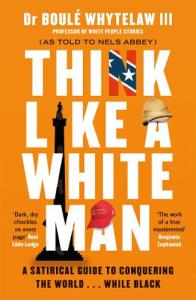
Think Like a White Man (224 pg) – Dr Boulé Whytelaw III 2019 (cultural beliefs)
#American Lit reading list
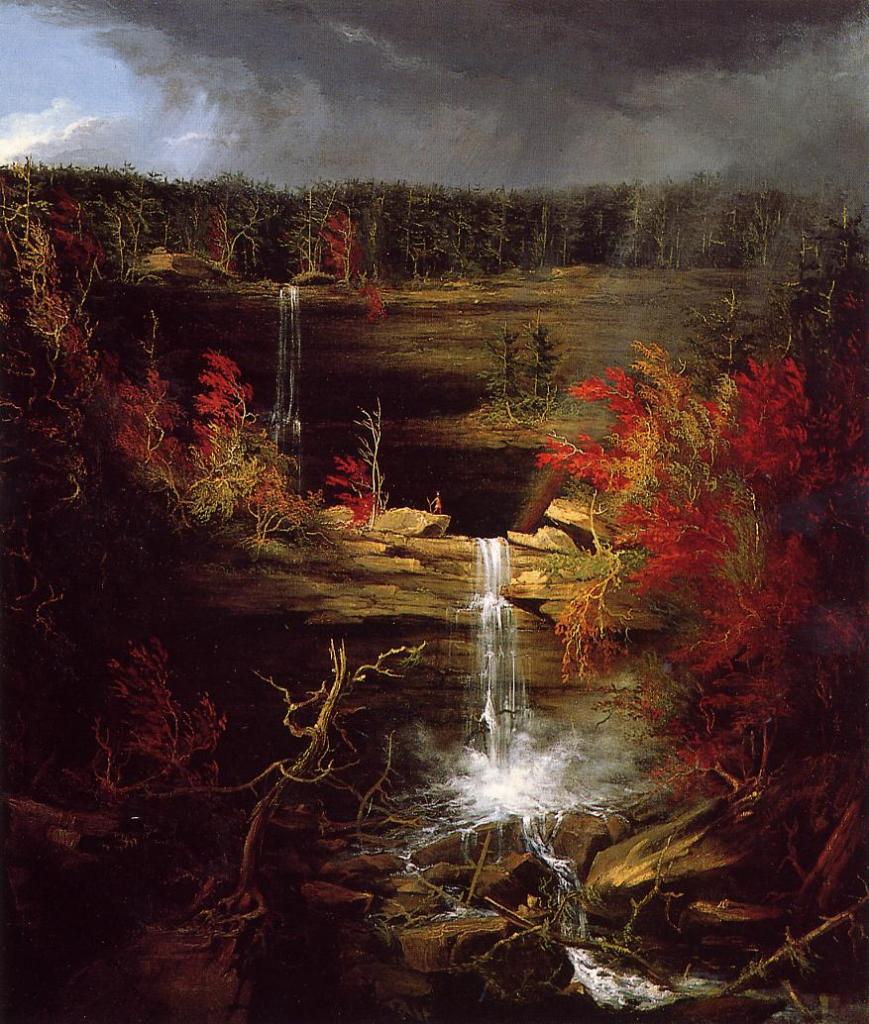
- After 8 weeks of reading only French books….
- it is time to shift gears!
- Here is my reading list for the coming months:
- American Literature 1820-1920
Update 25 August 2022
- James Fenimore Cooper, The Pioneers (1823) – FINISHED!
- Review
- Can you read J.F. Cooper for pleasure, is it possible?
- Update: Reading a book list I never had a chance to study in college.
- I’m determined to read the books any
- college kid is required for a course in American Literature.
- Good news: I’ve read 7/30 already so a bit of a kick start.
- Bad news: James Fennimore Cooper’s book “The Pioneers” (1823)
- with Natty Bumppo is driving me to drink!
- The first 25 chapters are so difficult to get through…
- …character descriptions in excruciating detail, history, religion.
- But just when you want to toss the book….it gets better!
- Romance blooms, intrigue, secrets, concealed identity
- …so don’t give up on this book!
2) William Apess, A Son of the Forest (1829) – NOT AVAILABLE
Impossible to find this book, not widely in print.
3) Ralph Waldo Emerson, “Nature” and Selected Essays (1836) – FINISHED!
Review:
I know this is a classic…but goodness, gracious
this was a disappointment.
Written in another age…for a different reading public
…the book is hard to digest in 21st C.
I did learn: Does a Transcendentalist believe in God?
They believe in the idea of a personal knowledge of God,
…. no intermediary (church) was needed for spiritual insight.
So I guess my time was not completely wasted….
Not conforming with the general opinions about this book….
(…Emerson would be so proud of me…)
and giving it only 2 stars.
4) Edgar Allan Poe, The Narrative of Arthur Gordon Pym of Nantucket (1838)- 21) Theodore Dreiser, Sister Carrie (1900)
22) Pauline Hopkins, Contending Forces (1900) - 25) Jack London, The Iron Heel (1908)
26) Gertrude Stein, Three Lives (1909)
27) Sui Sin Far, Mrs. Spring Fragrance (1912)
28) James Weldon Johnson, The Autobiography of an Ex-Colored Man (1912)
29) Willa Cather, O Pioneers! (1913)
23) Frank Norris, The Octopus: A Story of California (1901)
5) Frederick Douglass, Narrative of the Life of Frederick Douglass, an American Slave(1845) - 7) Harriet Beecher Stowe, Uncle Tom’s Cabin (1852)
8) Solomon Northup,12 Years a Slave (1853)
9) Herman Melville, Benito Cereno (1855)
10) Walt Whitman, Leaves of Grass (1855)
11) Rebecca Harding Davis, “Life in the Iron Mills” (1861)
12) Harriet Jacobs, Incidents in the Life of a Slave Girl (1861)
13) Emily Dickinson, Selected Poems (1865) - 19) Charles Chesnutt, The Conjure Woman (1899)
- Maria Ruiz de Burton, The Squatter and the Don (1885)
16) William Dean Howells, The Rise of Silas Lapham (1885)
14) Mark Twain, Adventures of Huckleberry Finn (1884) – FINISHED
17) Henry James, The Bostonians (1886)– FINISHED – REVIEW
18) Stephen Crane, The Red Badge of Courage (1895) – FINISHED
6) Nathaniel Hawthorne, The Scarlet Letter (1850) – FINISHED
20) Kate Chopin, The Awakening (1899) – FINISHED
24) Edith Wharton, The House of Mirth (1905) – FINISHED
30) Sherwood Anderson, Winesburg, Ohio (1919) – FINISHED
#French Delphine de Vigan

- Author: Delphine de Vigan (1966)
- Genre: novel (pg 347)
- Title: Les enfants sont les rois
- Published: 2021
- #WITMonth
- #WomenInTranslation
Quick scan:
- This is an account two children, Kimmy and Sammy, whose parents film and share
- every moment of their days on the internet.
- The parents are influencers who are exploiting their children.
- Social media, You Tube channels and Instagram
- ….product placement is big business.
- Melanie en Bruno earn an enormous amount of money by advertising for brands
- …until the “fairy tale” comes to a shocking end.
Conclusion:
- The deep sense of emptiness
- …in this family is overwhelming.
- The social media friends/community distributing
- “like”s and comments filled with
- “bisous d’étoiles” (see Google) seem
- more important to Melanie than her real family!
- I missed Ms. de Vigan’s sensitive writing style
- that was such a success in her book
- Rien ne s’oppose à la nuit (2011).
- Les enfants sont les rois is simply a factual statement of
- what is happening without any added value.
- Actually, nothing much really happens in the book!
- #Disappointed
#French Jean Roumain (Haiti)
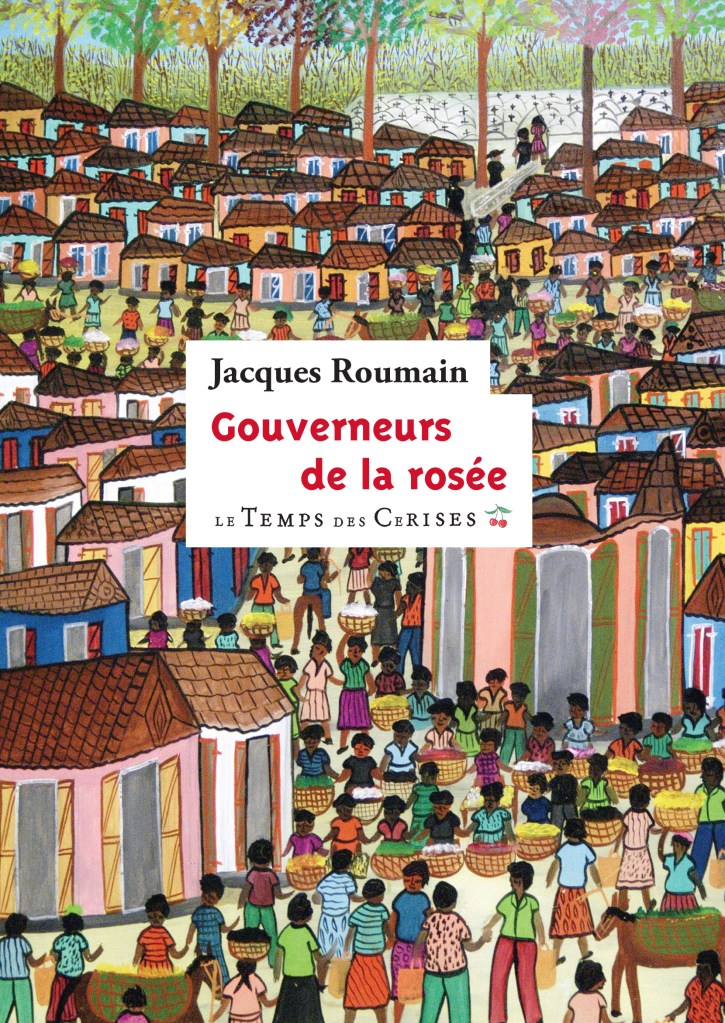
- Author: Jacques Roumain (1907-1945)
- Genre: novel (pg 210)
- Title: Gouverneurs de la rosée
- Published: 1944
- Trivia: On 18 August 1945 3 days after returning from Cuba
- Jacques Roumain dies at the age of 37 years old.
- Cause of death….unknown but it is whispered
- …that he was poisoned by the powers that be.
- #French
- #SummerInOtherLanguages
- If book is on Edwidge Danticat’s top 10 list…time to read it!
- Gouverneurs de la rosée by Haitian writer Jacques Roumain.
- They say it’s a masterpiece!
Quick scan:
- The novel centers on Manuel, a Haitian peasant forced to find work
- at a U.S. sugar plantation.
- Returning to Haiti, Manuel tried to i
- instill in his fellow peasants
- a sense of their role modern capitalism.
- They need only realize their own collective power
- …to end their exploitation.
- Subplot:
- …Caribbean version of Romeo and Juliet
- …Manuel and Annaīse.
Conclusion:
- This book is difficult to review.
- Weak point: pace
- Roumain opens the book with a lyrical snapshot
- of the flora and fauna of Haiti.
- Beautiful as it is….this continues in each chapter.
- I know more names for hillocks, shrubs, slopes, thistles
- …wood pigeons, pebbles, mango trees in French than is needed!
- Strong point: sense of place
- I’m sure this nostalgic look at Haiti had a purpose
- ….it was to help people who have left this Caribbean island
- …return home even if it is just in a book.
- Weak point: conflict
- A reader needs some action to push the story along.
- After 54% of the book we finally see a
- “forbidden” love story beginning
- ….and a quest that the main character intends to complete.
- Strong point: social commentary
- Jacques Roumain was a political activist.
- His participation in the resistance movement against the
- United States’ occupation, and most notably,
- his creation of the Haitian Communist Party.
- He was arrested and finally exiled
- Roumain laid bare many problems facing Haiti:
- deforestation, drought,
- tribalism (people are overly loyal to their own group)
- resource control by the elite class
- feeling of resignation in one’s fate
- …encouraged by religion and voodoo.
Last thoughts:
- This is not a masterpiece that would sweep you off your feet
- but a gentle, simple story about the resilience of a proud Haitian village.
- Sadly this book written in 1944 is visionary.
- Haiti has less than 1% of its original primary forest and is
- therefore among the most deforested countries in the world.
- In 1923 60% of the island was forests.
- Haiti’s literacy rate of about 61%.
- That is well below the 90% average literacy rate for
- Latin American and Caribbean countries.
- 2019: corruption, foreign mercenaries
- Two former Navy SEALs, a former Blackwater employee, and two Serbian mercenaries
- were tasked with protecting the former head of the National Lottery.
- He intended to transfer US$80 million from a PetroCaribe bank account
- to a bank account solely controlled by President Jovenel Moïse
- 2021: coup, assassination of the President Moïse.
 NancyElin.blog