
12
Jul
#Paris in July 4 French Films
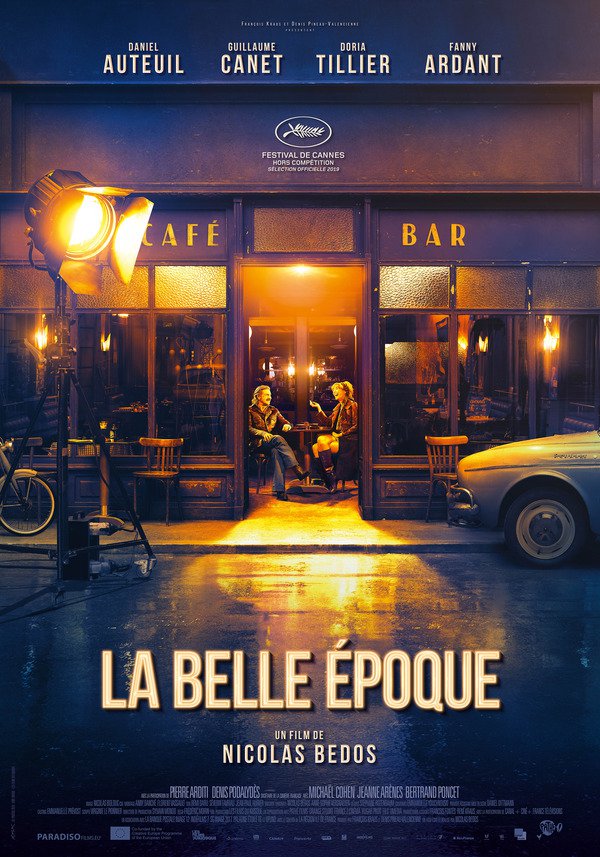
My thoughts:
- What a wonderful love story!
- Beautiful, meaningful and gracefully funny.
- Loved it
- This film is as French as you can have:
- Parisian cafe, cartoonist, beautiful elderly people and
- overall aesthetics and manners of every single character.
- This is the best short-trip to Paris you may have for now.
- César Awards 2020
- #CoupDeCoeur
| Best Supporting Actress Fanny Ardant (actress) |
| Best Original Screenplay Nicolas Bedos (writer) |
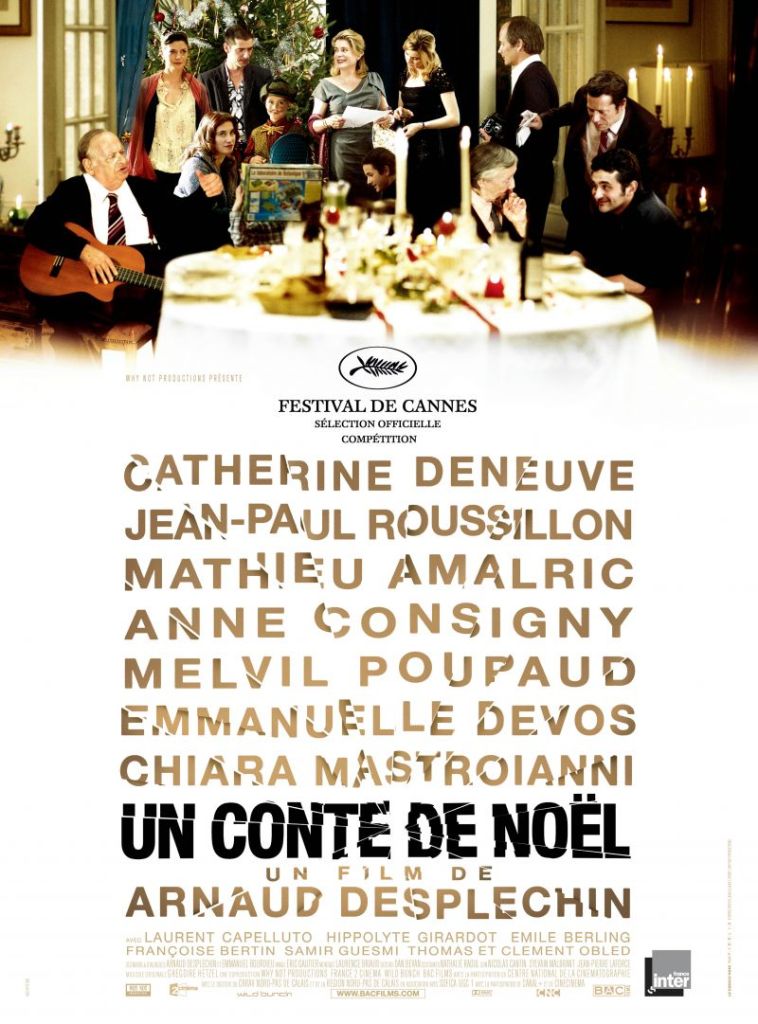
My Thoughts:
- If you don’t like this movie after the first fifteen minutes,
- you can just as well stop watching.
- It doesn’t get any better .
- No ending, no philosophy, no deep moments, nothing.
- Truly one of the worst French movies
- I have ever seen!
- #Awful
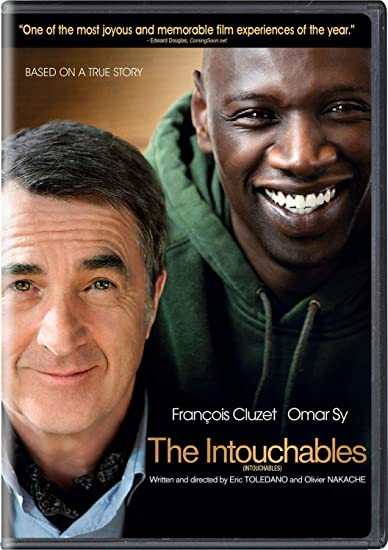
My thoughts:
- A French comedy-drama film that has become the third
- biggest foreign film and biggest foreign language film of all time.
- It’s also received rave reviews.
- The film is beloved the world over but perhaps just a little over-hyped.
- It’s a good movie but it is clichéd and somewhat simple and unoriginal.
- César Awards 2012
- Best Actor (Meilleur acteur) Omar Sy
- #Entertaining
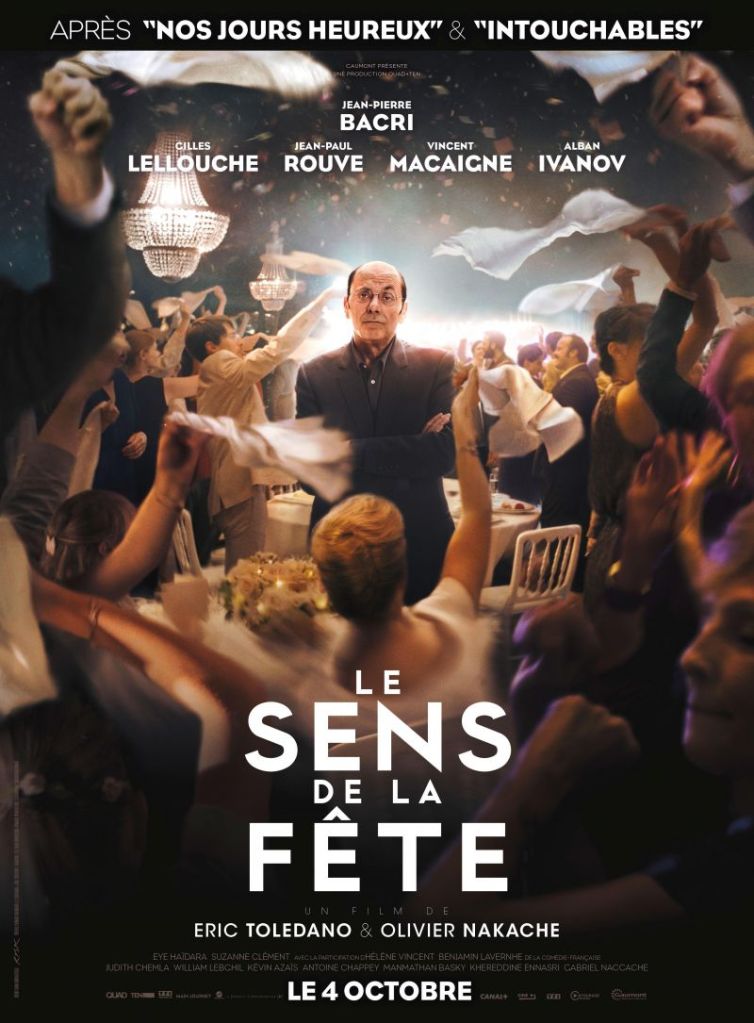
My thoughts:
- This is painful to watch.
- It is a gross and clumsy comedy.
- A lavish wedding in a 17th Century mansion goes manically awry.
- The movie aims for humor rather than satire
- …but misses the target.
- I expected to laugh with this movie.
- With such a good press, so many nominations…
- but the truth is I did not laugh at anything.
- If you like to watch 1 hr 57 minutes of
- high-pitched screaming matches….and in French
- …this is your movie!
- #WasteOfTime
9
Jul
#Paris in July 2021 “Charlotte”

- Author: David Foenkinos
- Genre: adapted biography
- Title: Charlotte
- Published: 2014
- Language: French (also available in English)
- Setting: France and Germany
- Timeline: 1913 – 1943
- Trivia: This book won Le Prix Renaudot 2014 .
- #ParisInJuly
Story:
- Charlotte learned to read her first name on a tombstone.
- This is the first line of the book. She was named after her aunt who committed suicide.
- Death is at the heart of Charlotte’s life.
- Charlotte Salomon was born in 1917, to Albert Salomon, a surgeon, and Fraziska Grunwald.
- The Salomon’s were a liberal family that defined themselves as “Germans of the Mosaic persuasion.”
- In 1939, after Kristallnacht, Charlotte was forced to leave her home in Germany, and she moved to her grandparent’s home in France.
- The book begins with Charlotte’s aunt’s suicide.
- Foenkinos goes on to tell the story of Charlotte’s life and that of her family during World War II, her parents Albert and Franziska’s courtship, marriage, Charlotte’s birth, and the loss of her mother (also a …..suicide).
- In October 1943 Charlotte was captured and deported to Auschwitz where she and her unborn child were gassed to death.
Characterization:
- The author does not describe the clothing, face or body of his characters.
- Foenkinos is unique: he lets us “see people through the lens of their obsessions”
- (quote from: Francine Prose, Goldengrove).
- Franziska – obsessed with ‘au-delà, the hearafter, death (pg 25)
- Albert – obsessed with work, he buries himself, flees
- il s’enfouit, s’enfuit dans le travaille. (pg 33)
- Charlotte – obsessed with painting her family history.
- David Foenkinos (author) – “sa vie est devenue mon obsession” (pg 174)
What makes this book unique?
- Foenkinos uses special story structure to keep the action moving forward.
- Layout will surprise the reader, it looks like a poem!
- The author uses many literary devices ( antithesis, rhythm, anaphora, heterograph, italics)
- He does allow the action to slow down when appropriate to emphasize the importance of events.
- There are VERY short paragraphs, sentences, sentence fragments and chapters
- There is practically no description or direct dialogue.( adjectives, adverbs)
- Punctuation: NO quotation marks for direct dialogue!
- Foenkinos uses rhyme to give the narrative a flow, poetic rhythm. Beautiful!
Symbol: PIANO
- The piano represents communication. Playing the piano is way to break the silence.
- After Charlotte’s suicide the family refused to speak for fear that their daughter would be mentioned.
- The silence was broken when Franziska put her finger on the piano (pg 17).
- Franziska shows signs of bipolar disorder.
- She is lethargic, absent and unstable. During a soirée she suddenly sits at the piano.
- This way she finally moved her lips and conversed with the musical notes. (pg 24)
- Silence is palpable.
- The piano stands alone and quiet during Christmas. Charlotte and the piano are orphans without her mother. (pg 37).
- The silence is broken when Paula ( future 2nd wife of Albert) approaches the piano and sings. (pg 40).
Symbol: WINDOW
- The window represents for Franziska an escape from an intolerable situation.
- Depression.
- She jumps out of a window to commit suicide. (pg 18)
- The window represents for Charlotte a bridge between the inside, life without mother, and the outside.
- Charlotte is often looking towards the sky searching for her mother (au ciel) ( pg 32).
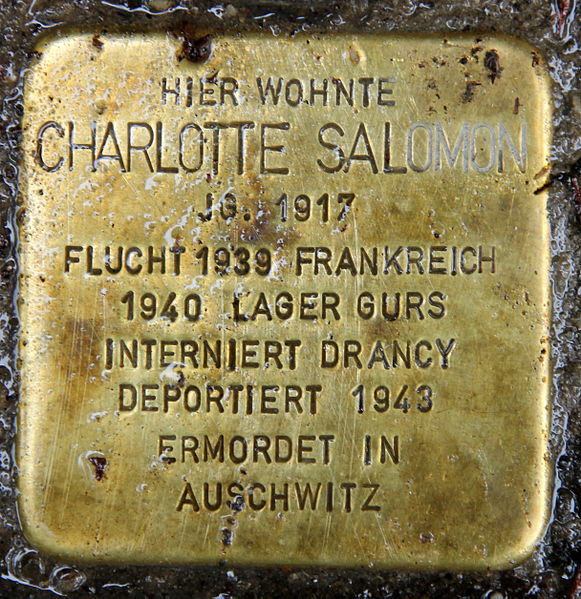
Stolpersteine ( pg 42)
- Foenkinos tells the reader about the ‘stumbling stone’ in front of Salomon’s house in Berlin.
- With bended head one can search for her memory among the pavestones.
- On the building at Weilandstrasse 15 are three names Paula, Albert and Charlotte.
- But there was only one deportation victim and that was Charlotte
Conclusion:
- Foenkinos has reduced the life of Charlotte Salomon to the essential.
- Carefully chosen words, short sentences and a minimal use of modifiers.
- The result is a exquisite book ‘painted in words’ .
- The author reveals the relics of better times and vanished luxuries that were once Charlotte Salomon’s .
- Strong point: Foenkinos is a master of the French language! ( see examples)
- Sometimes I have to close the book and let the emotions suside.
- Moments that took my breath away:
Last thoughts:
- Foenkinos has painted an unforgettable portrait of Charlotte Salomon.
- He also described his journey to Charlotte Salomon in Berlin and the south of France.
- He wanted to write the way she painted,.
- I was captivated by this book and Foenkinos’s talent.
- It was a very easy book to read it would be my nummer one choice for anyone wanting to practice their French reading skills.
- Foenkinos truly deserves Le Prix Renaudot 2014….but I hoped he would win Le Prix Goncourt 2014.
- Maybe next time….
- Coup de coeur, un régal! ( this book is a favorite…a real treat!)
Score: 5+

6
Jul
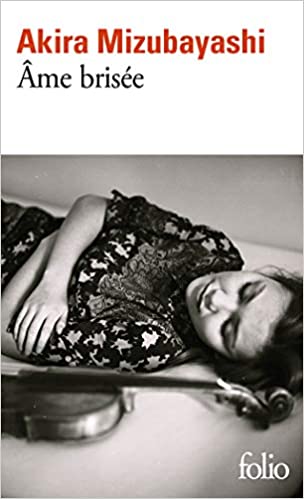
#Paris In July Âme brisée
- Author: Akira Mizubayashi (1951)
- Genre: novel
- Title: Âme brisée
- Published: 2019
- #ParisInJuly
- This is a novel written by a french speaking Japanese.
- I found the language uncomplicated even simple
- …and very, very easy to read.
- This would be an excellent choice for a high-school level french reader.
- Weak point: mood, it represents the emotional quality of a story.
- I found every page filled to the brim with nostalgia, heartache,
- and a longing to make sense of a family’s past.
- It was just too much.
- Strong point: sentimentality…if that’s what you are looking for!
- Readers need to care about the story and the characters
- and taping into emotions is the way to go.
- Unfortunately, I did NOT care about the Japanses Rei (son), Yu (father)
- … and the Chinese Lieutenant Kurokami.
- Weak point: pace…the book had too many scenes that simply aren’t going anywhere.
- Many pages to describe playing the violin, deep emotional reaction to classical
- music by Schubert and Bach and scratching a dog behind its ear!
- Weak point: Mizubayashi does not spare himself by releasing a waterfall
- of details (…about music and the violin) that managed to kill all my interest.
Last thoughts:
- Seduced by the cover
- …I expected to swept away by the story.
- It just did not happen.
- Prix des libraires 2020 is incomprehensible!
- Message: don’t judge a book by its cover….ever again!
- #Décevant….disappointing
5
Jul
#Paris In July J’Accuse
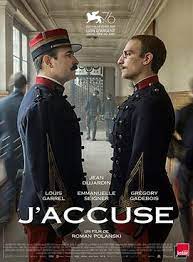
- Director: Roman Polanski
- Screenplay: Robert Harris and R. Polanski
- Released: 2018
- Award: winner best director 2020 César Awards
- Award: nominated best film 2020 César Awards
- Award: winnner best film 2019 Venice Film Festival
- Award: winner best adapted screenplay 2020 César Awards
- Trivia: cameo appearance made by the director, Roman Polanski
- Thoughts: I MUST read Officer and a Spy by Robert Harris
- #ParisInJuly
- Wonderful movie that should not be missed!
- Plot: follows Lieutenant-Colonel Picquart who discovered that
- the evidence against Dreyfus was falsified.
- Picquart clashes with the military hierarchy to the point that
- he was jailed for a year.
- You can read all about the the Dreyfus Affair on wikipedia page.
- Strong points:
- Filming locations in Pairs….Belle Époque brought to life!
- Beautiful decors: old Paris quartiers – military and tribunal buildings (‘sombre et froid’)
- Cafés and ‘l’hôtels particuliers’ where ‘la haute société’ meet
- …and the 19th C costumes!
- Soundtrack: by the famous French composer Alexandre Desplat,
- Actor: Jean Dujardin – first French actor to ever win Oscar for best actor 2012.
- Nominated best actor 2020 Céasar Awards for J’Accuse.
- Love Jean Dujardin in the role of Picquart…man of principles,
- straight shouldered, no-nonsense military seeking the truth!
- Director: Roman Polanski – he said he felt he could relate to Dreyfus
- through his personal experience as a victim of a
- flawed justice system.

4
Jul
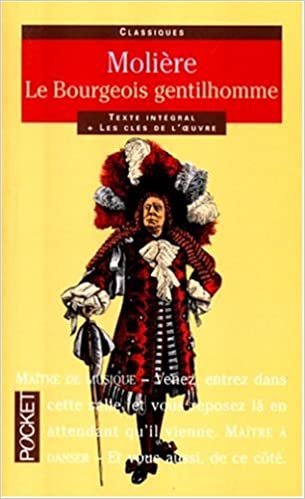
#Paris In July Molière

- Author: Molière (1622-1673)
- Genre: 5 act play
- Title: Le Bourgeois gentilhomme
- Published: 1670
- #ParisInJuly
- Satire is at its best when it is seeking to point out
- the many hypocrisies strewn around our society.
- Satire allows us to twist and shape them into
- nothing more than an object of ridicule.
- Molière is the master when it comes
- to poking fun at the bourgeois!
- Strong point: Molière makes you think and laugh…
- even with the title “Le Bourgeois gentilhomme”
- It is a paradox…bourgeois is what M. Jourdan is (common birth)
- Gentilhomme is what he wants to become.
- But how do you cast off the common and
- ennoble yourself at all costs to acquire aristocratic privileges?
- Character M. Joudain: naive, ignorant, excessive pride in his appearance, parvenu
- Strong point: the play is highly entertaining with hilarious, unforgettable scenes
- It is also a comment on society in 1670s and even today.
- It makes us reflect:
- Is climbing the social ladder really that important?
- Theme: with all the gold in the world
- you cannot become the one (aristocrat)….you are not!
- …”avec tout l’or du monde, on ne peut être celui qu’on n’est pas.”
3
Jul
#Paris In July Zola

- Author: Émile Zola (1840-1902)
- Genre: Novella (pg 112)
- Title: Pour une nuit d’amour
- Published: 1880
- #ParisInJuly
- It was nice to read Zola and not be committed to a
- very long novel.
- This novella had a compact story line that
- changed ‘mid-book’…this will surprise the reader!
- Each day Julien plays the flute for the beautiful Thérèse
- who he notices from his window.
- The girl ignores him despite the daily serenades
- until one day…..
Conclusion:
- This novella does not reach Zola’s true potential as
- he reveals in Les Rougon-Macquart
- the collective title given to a cycle of twenty novels
- ….but this novella is a good introduction
- to what you can expect in that series.
- I highly recommend the Rougon-Macqart novels
- either in French or English….you won’t regret it!
- Plot: “crime passionnel”
- Characters: Julien – timid, serious; Thérèse – cold-hearted ice princess
- Theme: “Ne vous fiez jamais des voisins”
- Never trust your neighbors!

2
Jul
#Paris In July Labiche
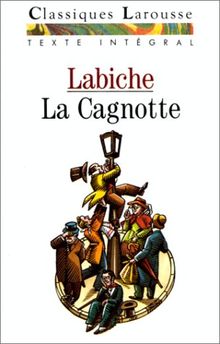
- Author: Eugene Labiche (1815-1888)
- Genre: play
- Title: La Cangotte (the kitty in a card game)
- Published: 1864
- #ParisInJuly
- This play is a farce or comedy of errors
- as it contains multiple misunderstandings and mistaken identities.
- It uses comedy of manners.
- Labicche ridicules the manners of a particular society
- …in this case the the upper class provincials who decide to visit Paris!
- They want to spend the $$ in the “la Cangotte” but their
- adventure “partir en sucette” (gets out of hand)
Conclusion:
- Plot: intricate and farcical
- involving coincidences
- multiple misunderstandings and mistaken identities.
- meetings both missed and accidental.
- Characters: exaggerated bumpkins who are out of their depth in Paris
- Features: horseplay, slapstick, physical comedy
Last thoughts:
- I never heard of Eugene Labiche!
- He wrote 56 plays during the 19th C.
- Weak point: chatter dialogue that doesn’t usually go anywhere
- There is no verbal wit as you find in Oscar Wilde’s plays.
- La Cangotte felt like a pie without the filling
- …crust is good but there must be more.
- I had difficulty following the conversation.
- It is fired off like rounds of bullets in a machine gun
- in bursts of half sentences, phrases and exclamations.
- Who is who? The 3 main male character’s names all begin with C
- …is he the farmer, pensioner or the pharmacist?
- I needed a list to keep me on track.
- The play must be seen on stage to appreciate it’s strong point
- ….physical comedy!
- So would I read any more plays by Labiche?
- No….
- Molière is the playwright with the best credentials!

1
Jul
#Paris In July Honoré Balzac

- Author: Honoré Balzac
- Genre: novella
- Title: La Maison du Chat Qui Pelote
- Published: 1830
- #ParisInJuly
- I’m starting this month of Paris in July by reading a few books
- written in “L’âge d’or du roman 19th C”.
- The major literary work I do not have the courage to read
- is Balzac’s La Comédie Humaine.
- Why? …because it will take a lifetime to read in French!
- It contains nearly 100 novels and plays.
- The vast numbers of characters Blazac created
- represent an entire society in his head!
- The completed Comédie Humaine totalled
- 2472 named characters and 566 unnamed characters.
- I at least read the first words (novella) of La Comédie Humaine
- La Maison du Chat Qui Pelote. (95 pages).
- You can find all the plot information on the Wikipedia page.
Conclusion:
- The novella felt like I was reading Sense and Sensibility
- …but with a sad ending.
- Thank goodness Ms Austen always gives
- us the “happy ever after” last chapter.
- Blazac uses the basic construction of opposites:
- 2 sisters – Virginie is sweet, patient; Augustine is a coquette, flirt
- 2 lovers – Joseph is a reliable businessman; Théo is a flamboyant artist
- 2 marriages – “mariage de convenance” – “mariage d’amour”
- Augustine seems bound for happiness and
- Virginie for a dreary life.
- But destiny has surprises in store.
- Despite all the risks of marriage, and there are many as Balzac reveals
- …still the author wants to leave us this message:
- …a marriage that is short and passionate is worth more
- …than one that is predictable and banal.
- In the eyes of the main character Augustine:
- ” « dix-huit mois de bonheur »
- valent « mille existences » banales”
- #Classic and a quick read to brush up on your French language skills!
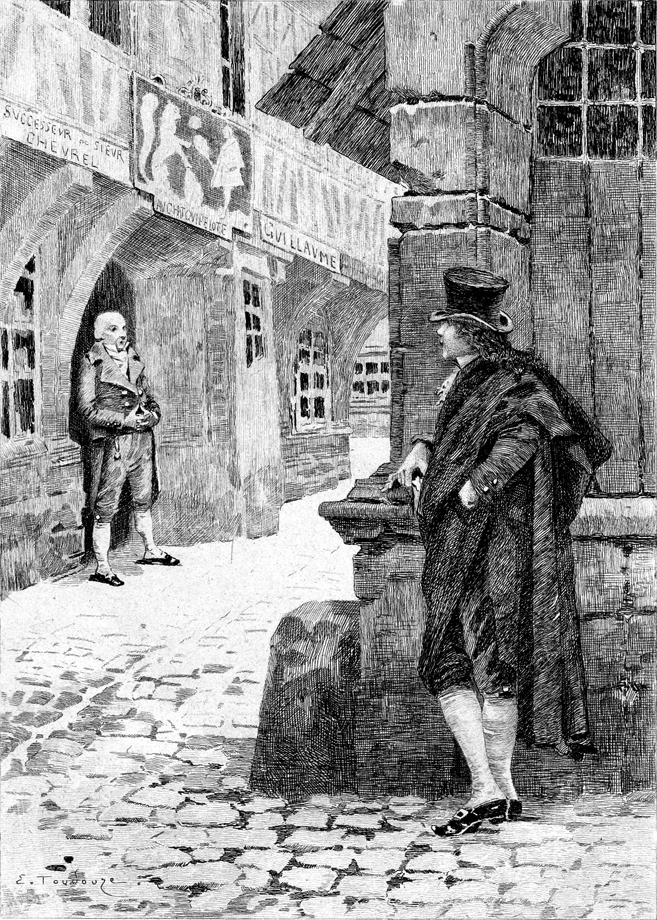
- The book starts with the artist Théodore observing the shop
- where Augustine lives with her father and family.

- Climax: Augustine confronts the courtesan Duchesse de Carigliano
- …it is all about that portrait on the wall!
22
Jun
#Paris In July 2021
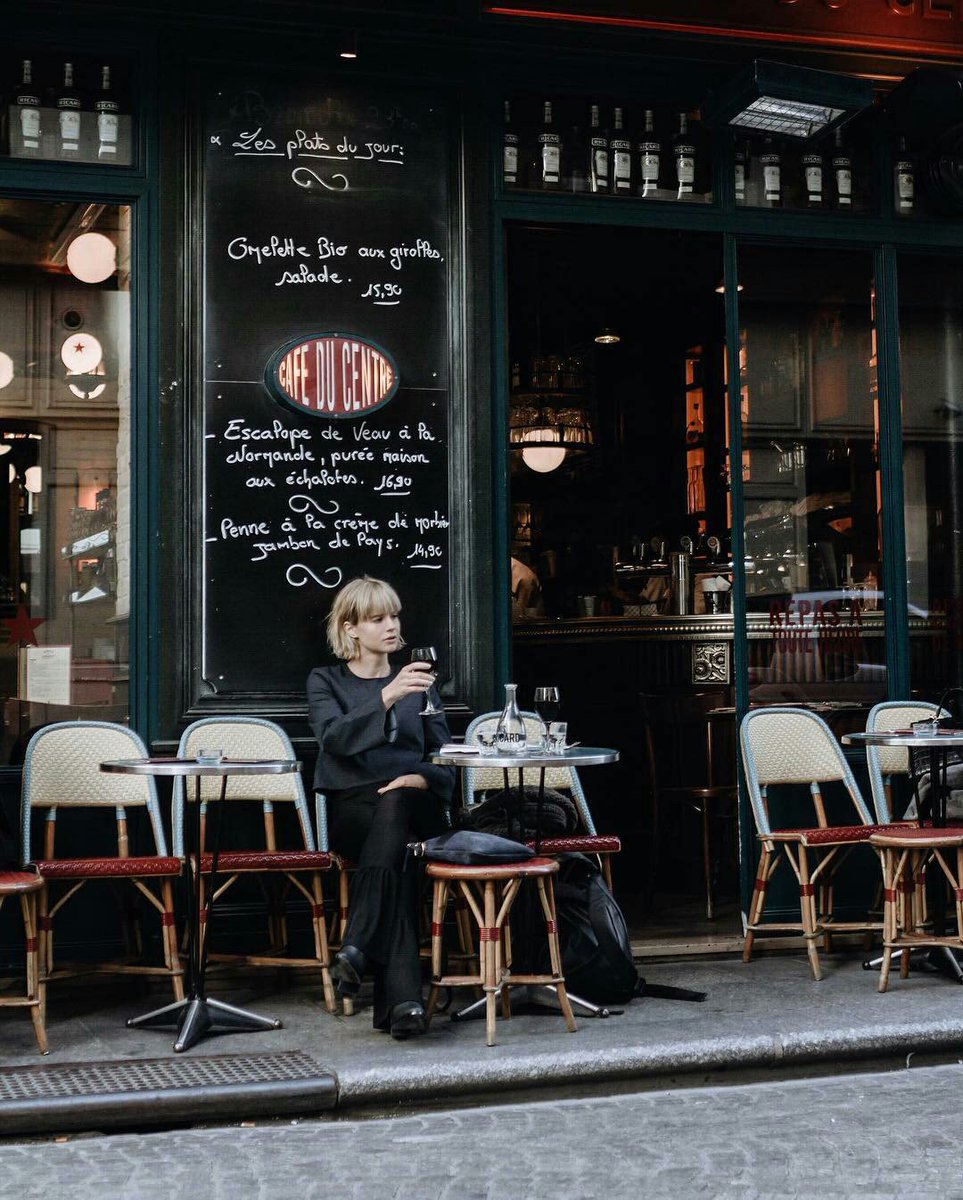
- Oh, is it July already?
- Let’s have a glass of wine and
- think of some things to do for…
- #ParisInJuly
2018 POSTS:
..some great French cooking from
…Rachel Khoo’s The Little Paris Kitchen…is the best!
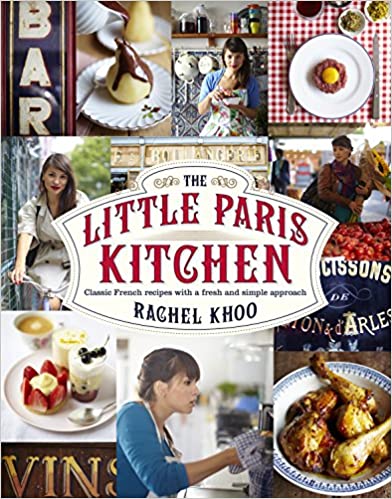
- Paris in July Food Journal
- Crème du Citron
- French Wine
- Biscuits Breton
- Cocktail: Kir Royale
- Cocktail: Soixante-quinze ’75’
- Cocktail: What do I do with Campari, Marguerite Duras?
- Cocktail: Who Pays the Bartender?
- Madeleines
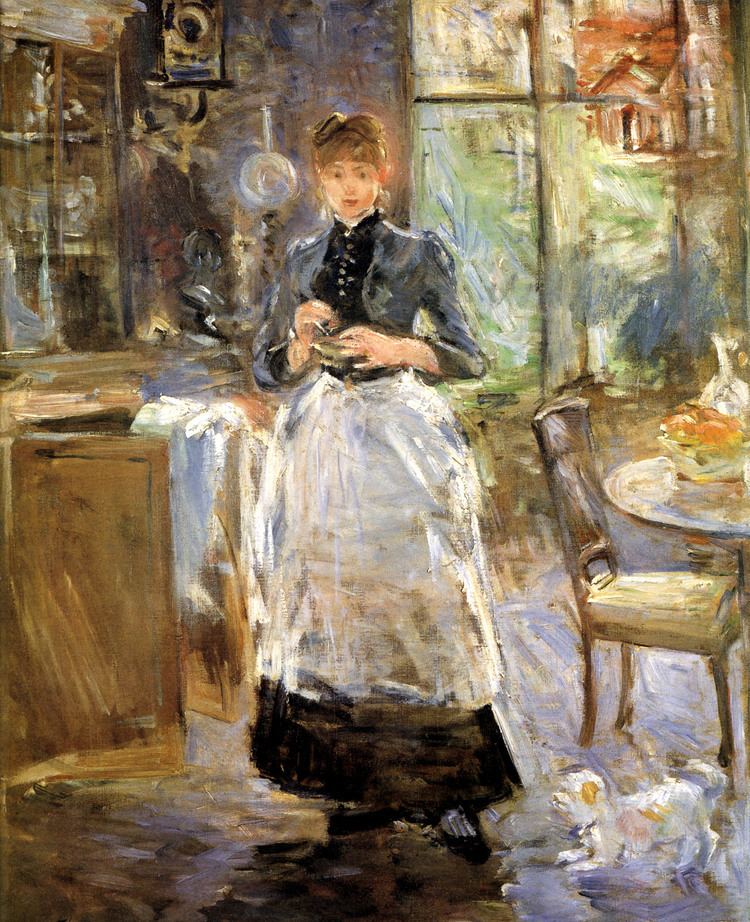
- Biography: Berthe Morisot
- Quiche Lorraine
- List of French Books
- Retour à Killybegs – S. Chalandon (2019)
- Mousse aux éclats de chocolat (2019)
- Je suis fou de toi (2019) – D. Bona
- Le Grand Meaulnes (2019) – Alain-Fournier
Paris in July
- Paris in July is a French themed blogging
- …experience running from the 1st – 31st July this year.
- The aim of the month is to celebrate our French experiences through
- actual visits, or through reading, watching, listening,
- observing, cooking and eating all things French!
- For more instructions how to share your posts go to Thyme for Tea.
- There will be no rules or targets …just blog about anything French
- …and you can join in! Some ideas might include;
- reading a French themed book – fiction or non-fiction,
- watching a French movie,
- listening to French music,
- cooking French food,
- experiencing French, art, architecture and travel.
- #ParisInJuly
What are my plans for 2021?
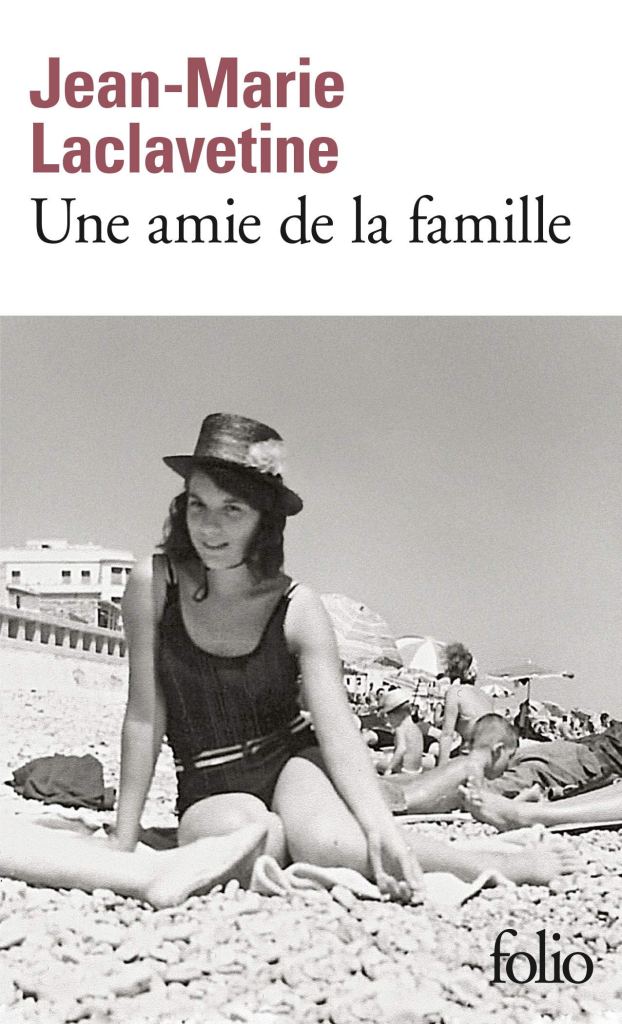
- Book: Une ami de la famille by Jean-Marie Laclavetine winner Prix Marguerite Duras 2019
- Book: Âme brisée by Akira Mizubayashi finalist Prix Jean Giono 2019
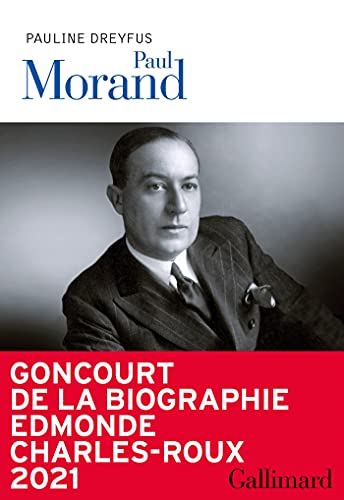
- Book: Paul Morand by Pauline Dreyfus winner Prix Le Goncourt de la biographie 2021.
- Book: Henri Micheaux by Jean-Pierre Martin (NF) biography
- Book: Charlotte by David Foenkinos winner Prix Prix Goncourt des Lycéens 2014
- and winner Prix Renaudot 2014
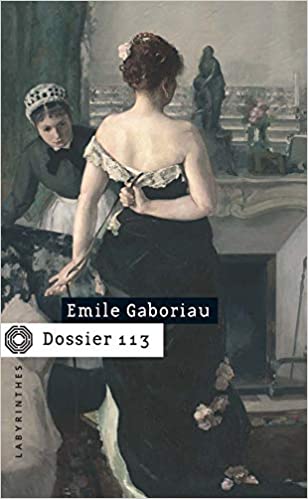
- Book: Le Dossier 113 – E. Gaboriau (classic)
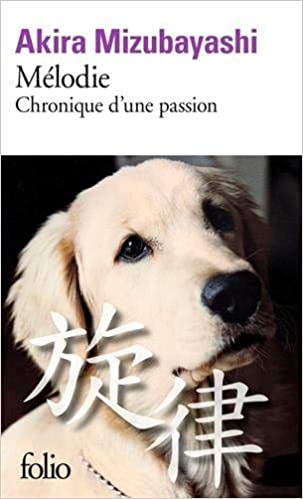
- Book: Mélodie – Akira Mizubayashi
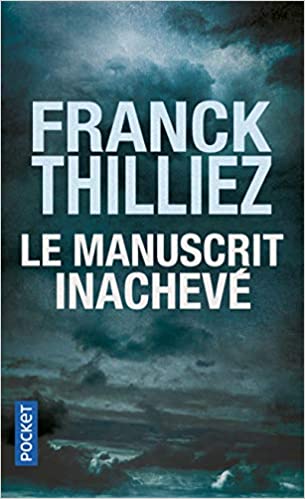
- Book: Le manuscrit inachevé: Thriller – Franck Thilliez
22
Jun
#Irish literature Deromt Bolger

11 short stories by a Irish writer you
probably NEVER heard of.
This is a GEM!
Secrets:
plagiarism, adultery, abuse, James Joyce, WW I, Dublin hotel
…a man’s dying wish.
30% (3 stories) = masterpieces
70% (…the rest) = excellent
Writing style? You can compare Dermot Bolger (1959)
with the iconic Irish short story writer, William Trevor (1928-2016)
AbsoluteJoy…to read.
 NancyElin.blog

