
#Non-fiction Bolívar

- Author: Marie Arana
- Genre: biography
- Title: Bolivar: American Liberator
- Published: (2013)
- Table of Contents: 18 chapters, 468
- Timeline: 1783 – 1830
- Setting: South America
- Trivia: M. Arana won the LA Times Book Award biography 2014.
- List of Challenges 2020
- Monthly reading plan
- #20BooksOfSummer20
Introduction
- Bolivar was compared to Napoleon or Julius Caesar.
- But Bolivar realized that he could unite South America
- …freed of Spanish rule, but could not unite the South Americans.
- He had to take drastic steps: Bolivar declared himself ‘dictator’
- …in August 1828 due to growing internal conflicts among his commanders.
- As Bolivar said: “No one achieves greatness with impunity:
- No one escapes the fangs of envy along the way”. (pg 406)
- There were several assassination attempts
- …thought to be instigated by his old friend, and commander F. Santander.
- Bolivar used psychological warfare, surprise,
- …deception and fear to defeat his enemies.
- But he could not defeat his last foe
- ….he succumbed to tubercleosis in 1830 at the age of 47 years old.
Conclusion:
Strong point: Bolivar reads like a great novel!
Strong point: Epilogue: great summation with references to modern South America.
- This was not a boring biography.
- Marie Arana is first and foremost a
- talented writer and knows how to create
- ….a book that would capture the reader’s attention.
- She has succeeded in melting all the biographical facts
- …about the American Liberator into a unique mold.
- The result is a ‘bronze bell’ named ‘Bolivar’ whose
- …tremendous sound resonated across
- …the South American continent.
- #ExcellentRead
Last Thoughts:
- I was surprised that Bolivar read Voltaire, Locke,
- Montesquieu and his hero Rousseau instead of theorists of war:
- Prussian Von Clausewitz (1780-1831) or French Jomini (1779-1869).
- Bolivar was a child of The Enlightenment.
- The only way I can sum him is to refer to John Locke’s book
- An Essay Concerning Human Understanding,
- …page 220 where Locke discusses ‘power’.
- Bolivar saw that the countries in his beloved South America
- …were just spokes in a wheel all pointing to the hub, Spain.
- He felt that there was the possibility of making this simple idea change.
- And so we come to the idea that Locke explained as: ‘power’.
- Bolivar had this ‘power’:
- “thus we say, fire has a power to melt gold,
- …to destroy the consistency of its insensible parts and
- …consequently its hardness and make it fluid.” (Locke)
Twitter thoughts:
#TakingNoPrisoners
Bolivar: History of liberated South America …. is not for the fainthearted.
What a man…he could outride, outwit and outfight any enemy!
#SurgicalStrikes and countless stragagems later Bolivar is not afraid to take up the pen….
#ManInLove with Manuela…
#ReadMoreBiography Blood trickles down the roads, heads roll out from under the bushes. This is not magical realism… this is history!
#Non-fiction Between the World and Me
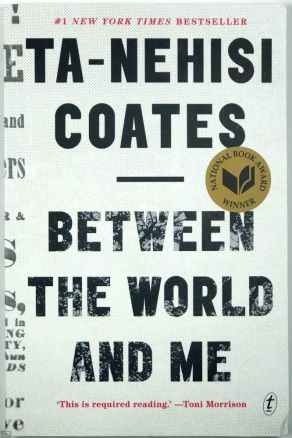
Finished: 24.06.2020
Genre: epistolary nonfiction
Rating: A++
#20BooksOfsummer20
Conclusion:
Between the World and Me is written in the
form of a letter from Ta-Nehisi Coates to his son.
It thus falls into the category of epistolary nonfiction.
The book itself is broken into three parts, and
each part includes an epigraph from a prominent black writer
Sonia Sanchez, Amiri Baraka, and James Baldwin, respectively.
Part1: Coates’s life prior to birth of son
Part 2: is set after the birth of Samori
Part 3: Coates’s visit to Mable Jones, the mother of Prince Jones, whose death Coates discusses
After the dreams of Martin Luther King Jr. and
the hopes of Barack Obama
we have the hard truths of Ta-Nehisi Coates.
Coates is a realist. This realist approach enables Coates
to see the way white supremacy works through institutions,
ideas, interests, and identities.
#MustRead …and I hope taught in high-schools/college.
#20BooksOfSummer20 The New Jim Crow
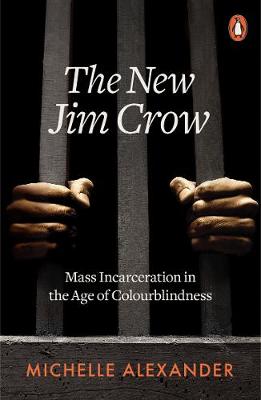
Finished: 23.06.2020
Genre: non-fiction
Rating: A
#20BooksOfsummer20
Conclusion:
This book was on my bookshelf for a few years.
But the cover was so confronting…I kept putting off reading this book.
Then the tragedy on 25 May 2020 in Minneapolis….happened.
As I listened to many experts discussing this crisis…
David Simon was interviewed.
A Former Baltimore Sun crime reporter, David Simon is is also the creator of both the Baltimore-based show, The Wire (2002).
Simon was asked what is the first thing US must do to start improving the systemic racism in USA.He was the ONLY person who mentioned: “Stop the war on drugs”.
That was the trigger to finally learn more about this strategy.
This is the emergence of a new caste system—a system of social excommunication that has denied millions of African Americans basic human dignity.
“The New Jim Crow” is an eye-opener….#MustRead.






#20BooksOfSummer20 Democracy In Black
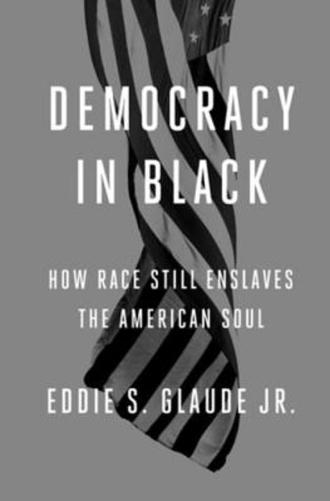
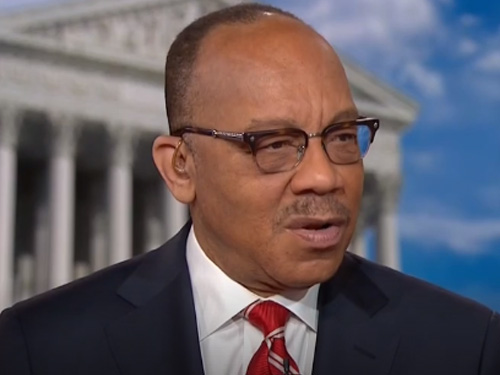
- Author: E.S. Glaude jr.
- Title: Democracy in Black: How Race Still Enslaves the American Soul
- Published: 2016
- List of Challenges 2019
- Monthly reading plan
- #20BooksOfSummer20
- Finished: 17.06.2020
Genre: non-fiction
Rating: B+
Conclusion:
For some...
….not a lot of groundbreaking information on
…American race problem (lackluster scholarship).
For others…
The history of the United States is usually
taught in school from the perspective of the dominant white culture.
The lessons lay out some of the struggles,
… but without fully explaining the causes
…particularly the racist policies and actions of the U.S. government.
Books about black lives (including this one) can be eye-openers!
It just depends what you’ve been taught or experienced.
#French Jean Barois
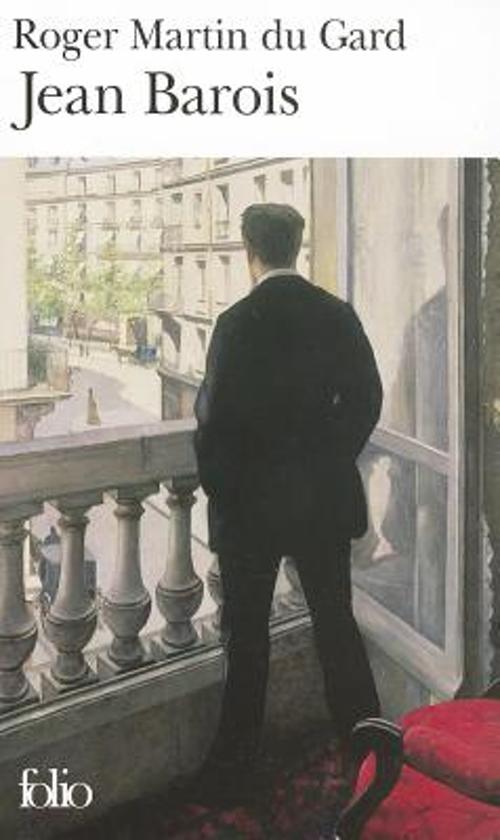
- Author: R. M. du Gard
- Title: Jean Barois
- Published: 1913
- Genre: historical novel with ‘mise-en-scene’ dialogue
- fictive characters based on historical persons l’Affaire Dreyfus
- Contents: 3 parts, 496 pages
- Language: French
- Trivia: Nobel Prize 1937
- #20BooksOfSummer20
ANALYSIS
1. Explain the title of the book.
Jean Barois is the name of the main character. He grew up in a French provincial town and was educated in a catholic college.
2. What is the predominant element in the story?
Narrative: Du Gard is renowned for the different techniques:
direct dialogue: mise-en-scene
interior monolgue
free direct speech: (the narrator takes on the speech of the character)
“Tu vois, toi…”
tone signifies that… “ Vous savez bien que je ne comprends bien à vos lectures.”
camera effect: – Jean Barois’s business card: the last address lines are crossed out.
In this ‘snapshot’ Barois tells us the Jean is unemployed. (pg 161)
3. Who is the single main character about. whom the story centres?
Jean Barois is the name of the main character. He grew up in a French provincial town and was educated in a catholic college. He undergoes a transformation from happy husband and father, successful journalist —> to thin, haggard, sickly, lonely man.
4. What sort of conflict confronts the leading character or characters?
a. External – rejection of the faith of his youth – He embodies ‘Libre-Pensée’. (rejects all dogma, relies on own reason)
b. Internal – he cannot live without the feeling of hope. He needs the ‘crutches’ of faith’.
5. How is the conflict resolved?
On his deathbed, Barois is moaning and hugging the crucifix. The end is near. But wait..there is a secret testament found by the priest and Barois’s ex-wife. They want to make it disappear…..why?
6. How does the author handle characterisation?
a. description – the basic physical descriptions without elaborate colors, textures, metaphors.
b. conversation – monologues give the reader the illusion of direct contact with ‘la vie interieur’
c. actions – the exterior of the book is anchored in some historical events (part 2, Dreyfuss Affaire, Zola’s trial). The actions are only reactions to what is happening around him.
7. Who tells the story? What point of view is used?
a. There is for the most part…no narrator!
b. The book is written in ‘dramatic dialogue’, letters and documents.
c. The point of view is always that of the characters themselves.
d. An invisible ‘narrator’ can be imagined the ‘stage direction’.
e. Characters are standing at a table, speaking in a low voice, the drapes are drawn etc.
8. Where does the primary action take place?
Each chapter has been meticulously documented as to timeline and place.
Du Gard has used the ‘mise-en-scene’ technique.
This results in a “visual” telling of a story.
The only thing that is missing is the ‘stage lighting’!
9. What is the timeline? 1878 – 1918 ( Jean: born 1866 – died 1918)
10. How does the story get started? What is the initial incident?
Jean Barois struggles with his faith and an unhappy marriage. He leaves both and starts his ‘libre-pensée’ life in Paris.
11. Briefly describe the rising action of the story.
Barois’s Le Semeur (intellectual pamphlet) is a success. He uses his publication as a mouthpiece for high officials to speak the truth about the Dreyfuss Affair with risking their reputations. Jean Barois is willing to take the responsibility upon his shoulders.
12. What is the high point, or climax, of the story?
The moment that Jean Barois realises he needs ‘ the crutches of faith’.
13. Discuss the falling action or close of the story.
Death approaches, his face haggard and pale….he revives for a minutes and his last words are
“Je vous salue, Maire, pleine de grâces…”
14. Does this story create any special mood?
The emphasis on faith, religious dogma’s and one’s choice to believe or not to believe was overpowering in part 1. I nearly closed the book, but decided to give the Nobel Prize winner 1937 one more chance to prove himself. Part 2 and 3 were very good. The book develops as does the character of Jean Barois. Both François Mauriac (Noeud de Viprères) and Roger Martin du Gard reveal the religious struggle in a scene where the main character writes his testament rejecting any form of confession or conversion on his deathbed!
15. Is this story realistic or true to life?
Historical – Du Gard blends historical events into his fiction. In Part 2 follows the Dreyfuss Affair and Zola’s trial. On page 360 is a reference to the 1905 law in France ‘separation of church and state.
Personal – Du Gard wrote ‘Jean Barois’ between 1910 – 1913 at the moment of his first marriage crisis. Roger Du Gard and his wife Hélène married young and were opposites. He was a methodical, free thinker and she was dependant on her catholic faith. The book is not autobiographical (Jean is not Roger and Cécile is not Hélène) but it is obvious certain experiences of their marriage are transported into the book. Pg 105: “To change direction after a marriage […] a gap is hollowed out and the happiness that connects them is destroyed…”
16. Are the events presented in flashback or in chronological order? (structure)
Part 1: youth and adolescence – rejects his faith and marriage.
Part 2: setbacks – sorrows – (Dreyfus Affair, Zola’s trial)
Part 3: completely alone – regains his faith b/c of his fear of death.
17. What is the general theme of the story?
The most important part of happiness is ‘l’ affranchissement’ – liberation, the feeling of being free. Du Gard did not believe a long an happy marriage was possible. Jean is most happy with someone he feels equal to, someone who is ‘not the boss’ as was his pious wife or the pontificate of Rome. Jean’s happiness is experienced outside of marriage and the church.
18. Did you identify with any of the characters?
Jean Barois: He searched his whole life for the answer to the question: What makes life worth living? Jean was so used to defining himself as a possession of other people and a church. He was his father’s son, a member of the catholic faith, ideal husband for Cécile. He was just an object. Jean thought life was a straight line, but learned it is curved and eventually the ends meet. That moment of ‘epiphany’ in the last few pages makes the book worth reading!
19. Does this story contain any of the following elements?
Symbol: the most important symbol was the statue of Michelangelo’s ” L’Esclave enhaîné ” that Jean Barois kept in his desk. This represents his feeling of being ‘liberated’ from an unhappy marriage and church dogma’s. He referred to it four times in the book:
a. stretching outside this sad body, to rebellious shoulders [étirant hors de la matière son corps douloureux, aux épaules rebelles]
b. exhausting myself in vain [s’épuisant toujours en effort stérile]
c. unchangingly stopped in his effort [immaublement arrêté dans son effort]
d. not able to lift a free arm [ne pouvant pas lever un bras libre] chained slave GARD 90-rebelling
20. Does the story contain a single effect or impression for me?
This book was a life story about Jean Barois and his struggles with his faith, his journalistic aspirations and his search for happiness . The sentence that affected me the most referred to the central theme of ‘ happiness’.
“Ramasser le bonheur par miettes…C’est la seule chance que l’homme ait d’en récolte un peu…” (pg 371).
Gather happiness in the form of crumbs …it’s the only way of harvesting a little of it. After reading this I had to stop and make some coffee and think….about all the crumbs I have gathered.
Conclusion:
Strong point: Du Gard brought history to life, The Dreyfus Affair!
The character Ulrich Woldsmuth is based on the Bernard Lazare, who was asked to help defend Dreyfus. (part 2)
Weak point: Du Gard could not follow the Dreyfuss Affair step-by-step. Part 2 is easier to understand if you read about the Affair and Zola’s trail on Wikipedia first. This way you can ‘fill in the gaps’ and put the story in a historical perspective.
Weak point: Pg 329 -342: be prepared for a long philosophical speech. I skimmed it.
Last thoughts: I started this book with the feeling ‘ must read it ‘ for Nobel challenge.
“Qu’on le veuille ou non!” ( Whether I like it or not)
Suprisingly this book had more depth than many bestsellers.
Roger Martin de Gard was one of a generation of French writers (A. France, A. Gide, E. Zola, R. Rolland, F Mauriac) caught at a pivotal point in history filled with scientific and economic revolution, Affair Dreyfus, quarrel between church and state and the approaching WW I.
They tried to free themselves from hindrances of the past and look towards a politically involved life of the future.
Nobel Prize for Literature 1937 is well deserved for Roger Martin du Gard.
I even liked Du Gard’s style of writing….better than Zola!
Coup de coeur!
Score: 5 +++
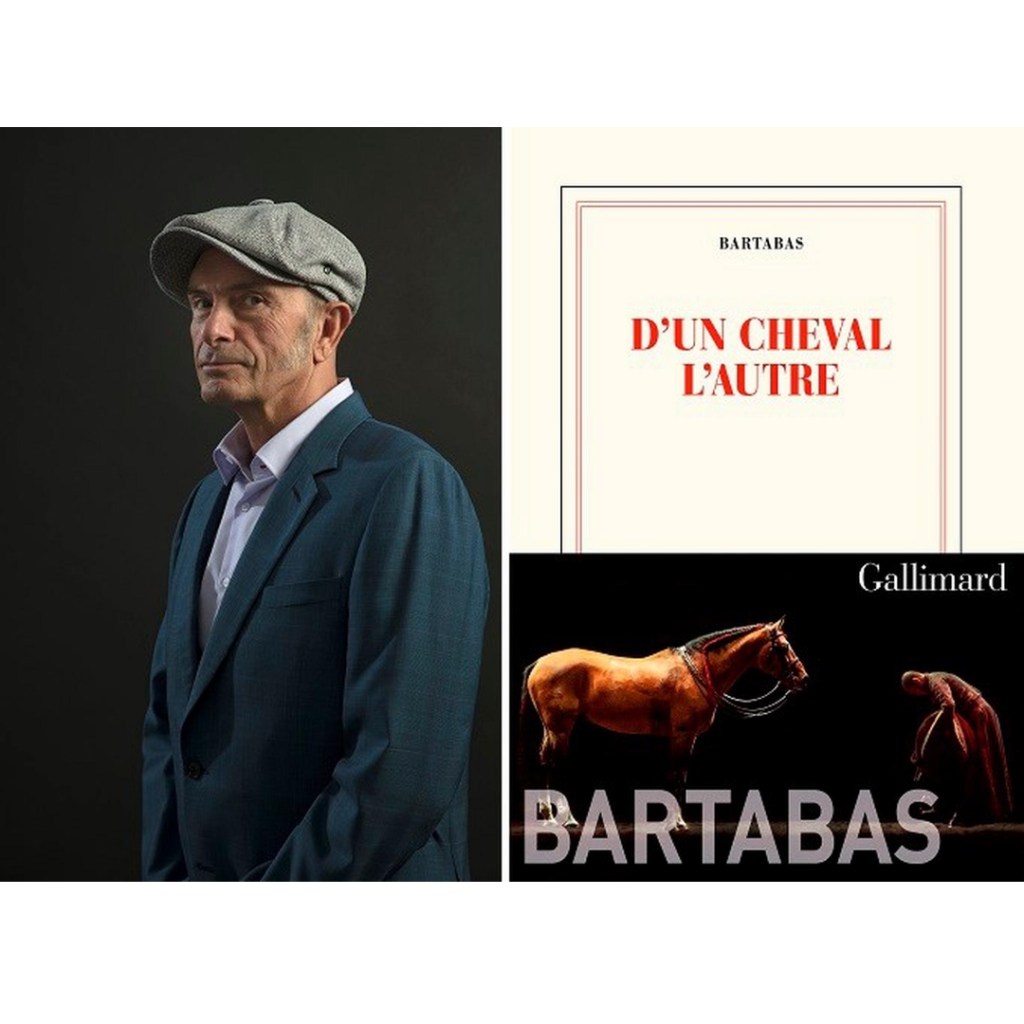
#20BooksOfSummer20 D’un cheval l’autre
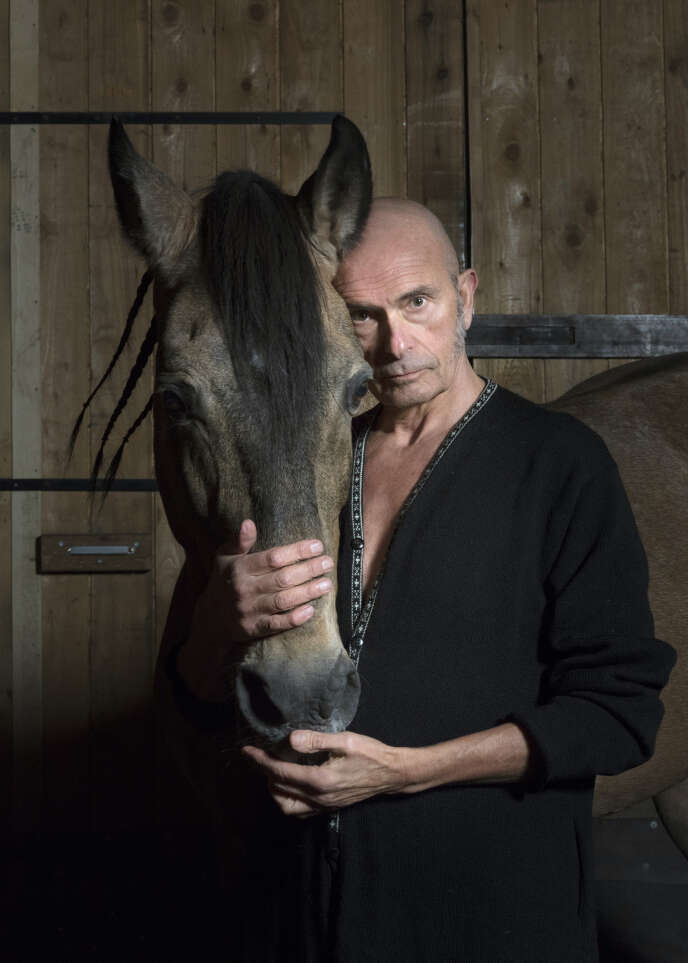
- Author: Bartabas (Clément Marty) (1958)
- Title: D’un cheval l’autre
- Published: 2020
- Language: French
- #20BooksOfSummer20
- Bartabas is the performing name of the internationally
- acclaimed French horse trainer, choreographer, artist,
- film producer and director.
- In 1984, he founded the Famous equestrian performing show, “Zingaro”.
- Zingaro, the Italian word for Gypsy, is the name
- given to Bartabas’ first own cherished horse, a spectacular Friesian,
- NB: ...YES!! This breed is from Friesland, The Netherlands where I live!!
- whom he owned for more than 20 years and who also was the first star of his show.
- What a beauty !

Bartabas is considered one of the most talented trainers currently living.

- In choosing performers and horses,
- Bartabas seeks personality more than mere skill.
- “I meet horses and respond to their charm.
- In 2002, he founded the Academy of Equestrian Arts in the Grand Ecurie (stables)
- of the Palace of Versailles in order to ensure the continuation of the art.
Conclusion:
- For the first time Bartabas tells us about the horses who touched his life.
- Bartabas traces his memoires with “la pointe du cœur”. (…from the heart)
- …a text filled with passion and poetry!
- The horses are called…..
- Zingaro, Quixote, Dolaci, Felix, Horizonte, Le Caravage and many more.
- I opened this book with some trepidation.…
- I know at a certain time
- …a owner must say goodbye to a beloved animal.
- Let me assure you
- …Bartabas describes even this phase in the life of his
- horses with a delicacy that will not break your heart
- ….it will uplift it!
- #CoupDeCoeur (…this book is a delight!)
Last thoughts:
- Words: There is a whole new vocabulary about
- …all things horse...I had to look up.
- That made reading feel slow…stop and go.
- Chapter Chaparro included the description of
- …a horse being brought to the abattoir.
- I skipped this one, no need to read that.
- Descriptions: there are many paragraphs in which
- Batabras poetically describes the movements of the horse
- during its training. It is nice, but after a while it loses something.
- Intimate: chapters are all love letters to his beloved horses.
- Lesson learned from Batabras about horses:
- “Horses are not born just for someone who wants the perfect horse.
- One must try to reveal the treasures they conceal
- …and even celebrate their faults.” (pg 51)
- The author adds: “…this is my approach to horses and people.”
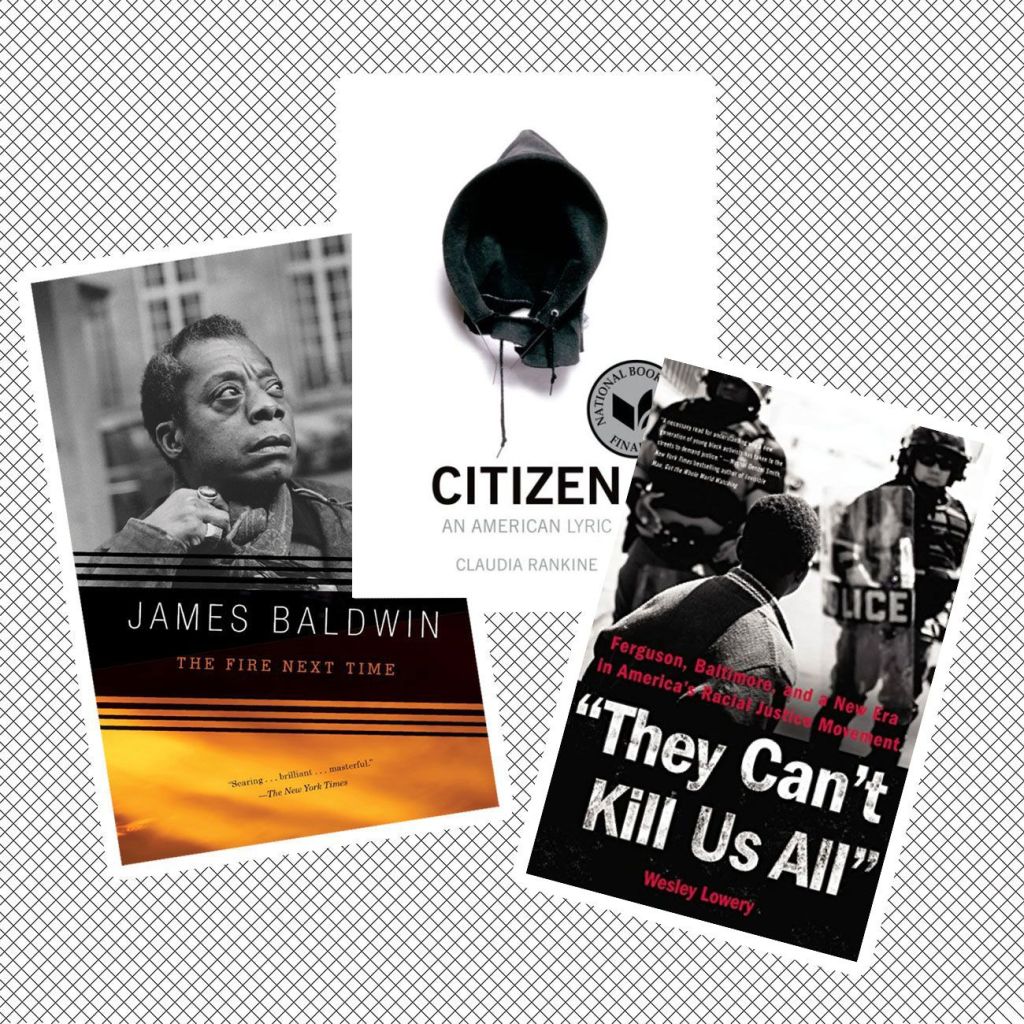
Books You Should Read About Black Lives
- Something has to change in USA.
- Racism isn’t worse…it is just getting filmed!
- I can only start to understand what has to change
- …by reading.
- Never stop learning because life never stops teaching.
- Books about Black Lives.
- Here is the list
- ….if you are interested, good suggestions for a book club?
- If you’re reeling from the news and want to do something,
- deepening your understanding of racism and the black experience
- in America is one way to start.
- Check out the books below, which range from established classics
- to newer works and include memoirs, practical guides
- to talking about race, in-depth reporting on police brutality,
- and groundbreaking works of inter sectional feminist theor
- UPDATE: 11.06.2020. America is reading again…TOP 10 bestsellers
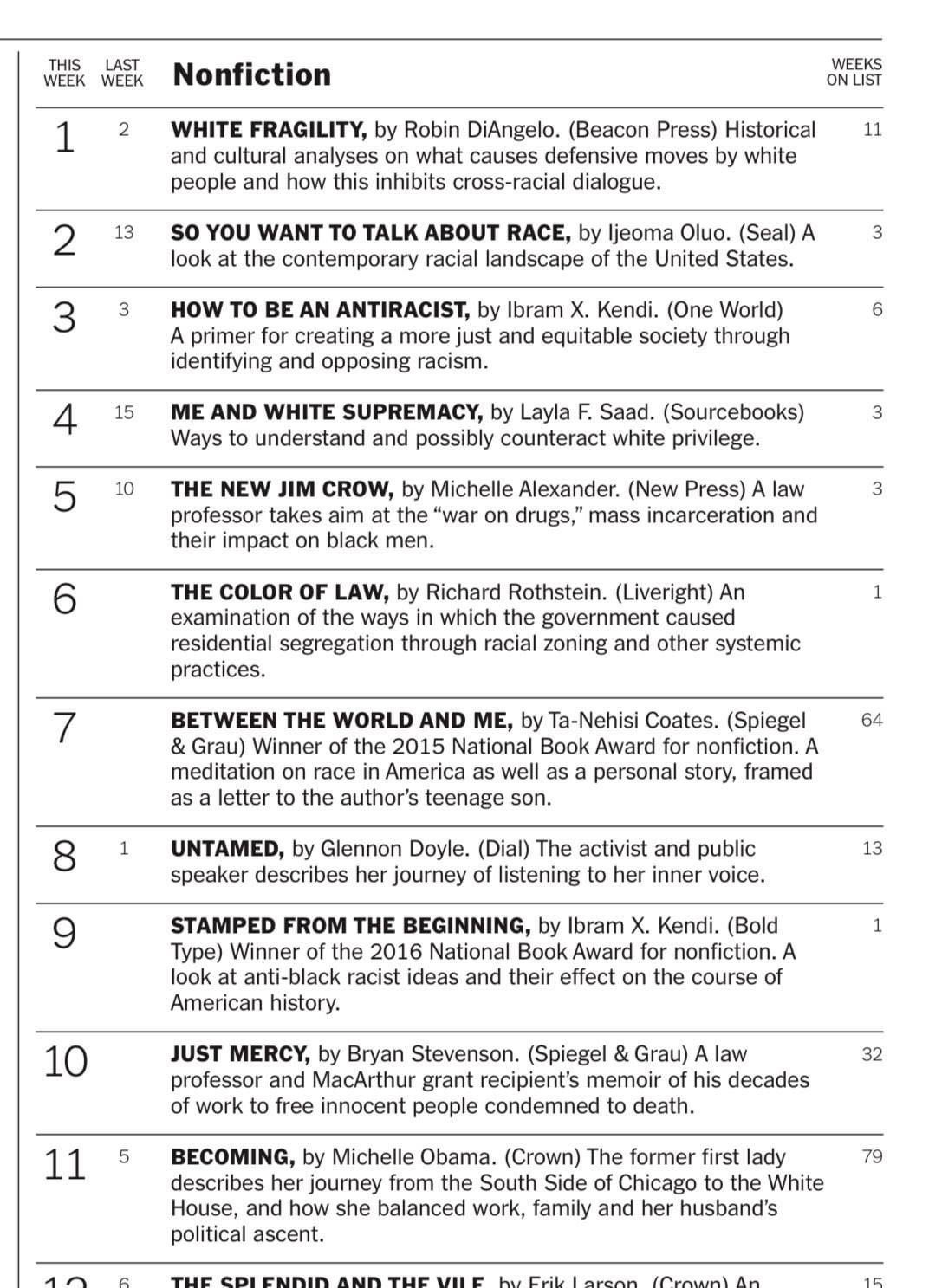
UPDATE: 26.09.2020
- Just Mercy: A Story of Justice and Redemption – Bryan Stevenson – Review
- Just Us – C. Rankine – Review
- The Fire This Time – editor Jesmyn Ward
- The New Jim Crow – Michelle Alexander – Review
- Between the World and Me – Ta-Nehisi Coates – Review
- The Hate Race– Maxine Beneba Clark Review
- The Fire Next Time – James Baldwin Review
- Brit(ish) – Afua Hirsh – Review
- Tears We Cannot Stop – M. Dyson – Review
- Blood in the Water – Heather Thompson (Pulitzer Prize 2017) – Review
- Stamped From the Beginning – I.X. Kendi (National Book Award 2016) – Review
- Ghettoside – Jill Levoy – Review
- The New Testament – Jericho Brown (excellent poems!!) – Review
- Democracy In Black – E.S. Glaude jr. – Review
- My Vanishing Country – B. Sellers (2020) – Review
- How to Be an Anti-Racist – Ibram X. Kendi – Review
- Brown is The New White – Steve Phillips – Review
- My Vanishing Country – B. Sellers (2020) – Review
- Frederick Douglass: Prophet of Freedom – D. Blight – Review
- Thick – Tessie Cottom – Review
- Heavy – Kiese Laymon – Review
- We Live for the We – D. McClain – Review
TBR:
- Are Prisons Obsolete? – Angela Y. Davis
- The Collected Essays of Ralph Ellison – R. Ellison
- Citizen: An American Lyric – Claudia Rankine
- Black Feminist Thought – Patricia Hill Collins
- Sister Outsider: Essays and Speeches – Audre Lorde
- Ain’t I a Woman: Black Women and Feminism – Bell Hooks
- They Can’t Kill Us All – Wesley Lowery
- So You Want to Talk About Race – Ijeoma Oluo
- Their Eyes Are Watching – Zora N. Hurston
- Why I’m No Longer Talking to White People About Race – Reni Eddo-Lodge
- White Fragility: Why It’s So Hard for White People to Talk About Racism – Robin DiAngelo
#20BooksOfSummer 2020 Reading List
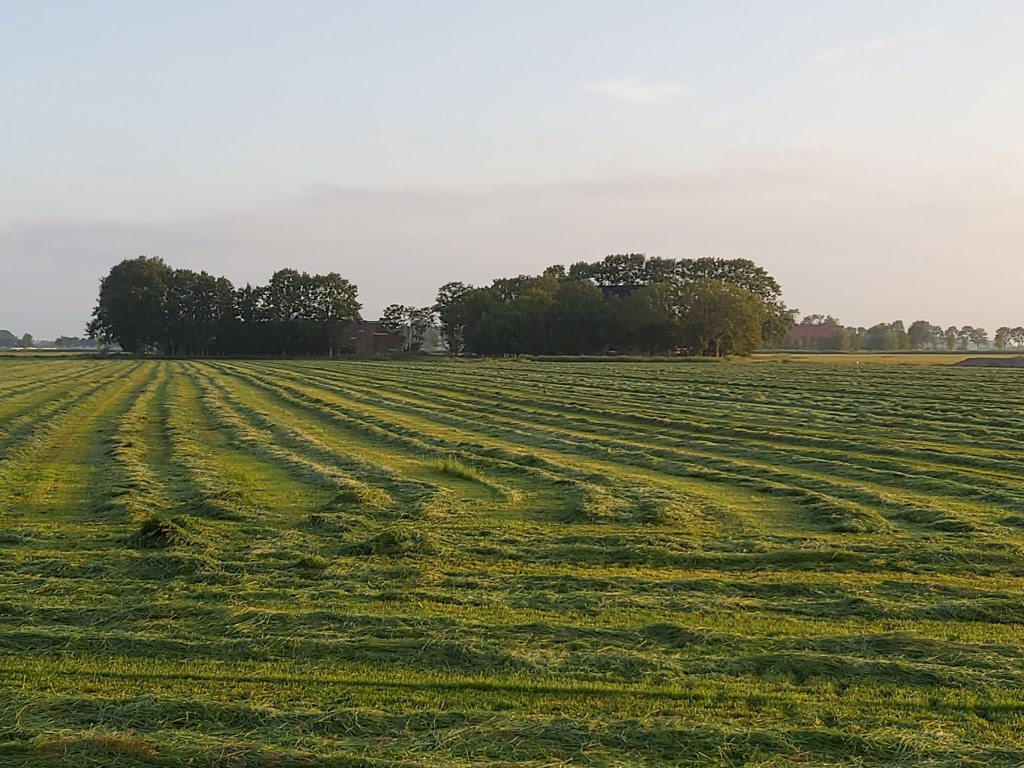
 Sunrise 25 May 2020, Leeuwarden The Netherlands
- #20BooksOfSummer hosted by Cathy
- Blog: 746books.com
- I selected books that
- …I REALLY REALLY want to read.
- List of Challenges 2020
- Monthly reading plan
- #20BooksOfSummer20
Here is my reading list:
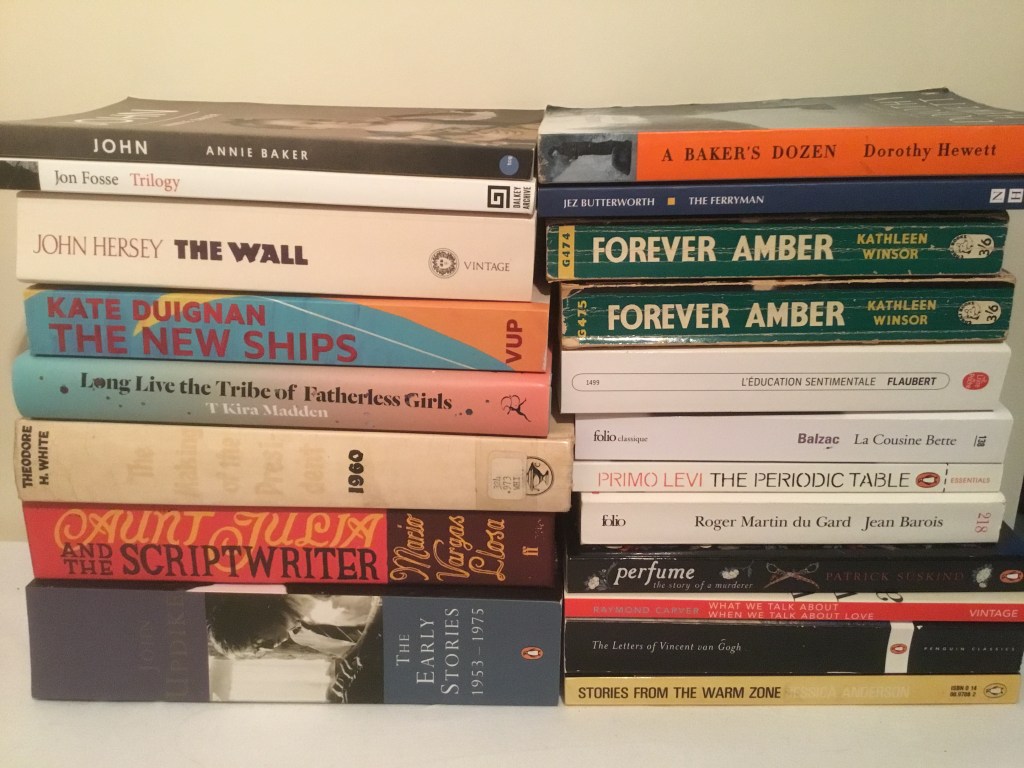
Update: 30.05.2020 L’Éducation sentimental – G. Flaubert – DNF
I tried to read L’Education Sentimental…got through part 1 but had to stop.
The heart of the novel is the love affair between Frederic and Madame Arnoux, a fictionalized version of the relationship between the young Flaubert and Elisa Schlesinger, the wife of a well-known music publisher, who is the prototype for the art dealer Monsieur Arnoux.
The reading in French is not the problem…I just cannot concentrate on this simple story while I see the news and watch the USA in chaos. It is just awful. Pandemic, skyrocketing unemployment and now race riots. To make matters worse…Trump is tweeting messages to incite violence. Twitter has hidden 2 of his tweets glorifying violence! I cannot believe this is the most powerful man on earth! (…end of rant, time to start dinner!)
Update: 18.06.2020
- Tears We Cannot Stop – M. Dyson – Review
- The Accidental President – A.J. Baime – Review
- Democracy In Black – E. S. Glaude jr. – Review
- Jean Barois – R.M. de Gard – Review
- D’un cheval l’autre – Bartabas (Clément Marty) – Review
- How To Be An Antirascist – I.X. Kendi – Review


















 NancyElin.blog