
#Play Oslo
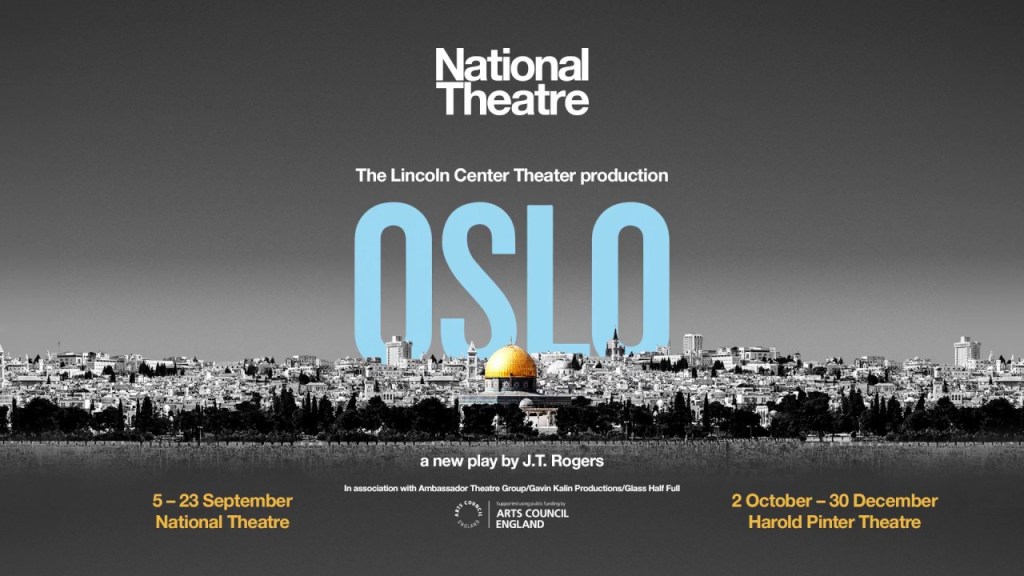
- Playwright: J.T. Rodgers
- Title: Oslo
- Genre: political play
- Reading time: 2,5 hours
- Opening night: June 16 2016 – Newhouse Theatre, NYC
- Trivia: Tony Award for Best Play 2017
- Epilogue: “…out of the crooked timber of humanity
- …no straight thing was ever made.” (I. Kant)
- Wikipedia link: J.T. Rodgers
- List of Challenges 2020
- Monthly reading plan
- Timeline: April 1992 – September 1993
- Structure: 3 acts
Plot:
- Oslo tells the story behind the peace process that led
- to Israeli PM Rabin and PLO chairman Arafat
- shaking hands in Washington, with President Bill Clinton.
- Characters are Norwegian (9) , Israeli (5) and Palestinians (2).
- This moment was brokered by Terje Rød-Larsen
- …the central character of the play.
- He was a Norwegian diplomat who arranged secret meetings
- …between Israeli and Palestinian representatives.
Conclusion:
- I thought this would be a great play to read
- on the heels of Trumps Peace Plan for
- the Middle East dd. 28 January 2020.
- This is a blueprint for a two-state solution
- …it was dead on arrival.
- At least the play OSLO….shows that negations are
- …needed before a peace can be brokered.
- Trump’s plan is a Netenyahu’s wish-list.
- Strong point: serious political ideas within the form of a thriller
- Strong point: familiar narrative from a surprising angle. (Norwegian)
- Weak point: not a play you can just dive into!
- I had to map out each act (scenes, characters)
- so I could at least follow the plot.
- Act 1 –> scenes change swiftly 18 x !
- Pacing: is also very smooth.
- Trivia: J.T. Rodgers read Noel Coward’s comedic plays
- …to get a sense of pacing for a political play!
- Storyline: entertaining though slightly predictable as
- we go towards the ending
- …the iconic shaking of hands Rabin, Arafat, Clinton.
- Strong point: its more about the journey of it all
- …the secrecy, the deal-making.
Last Thoughts:
- This was a difficult play to read.
- But the play has been inundated with awards
- …so J.T. Rodgers must be doing something right!
- I included a quick scan of the play to
- …help you if you ever read it.
Characters: Act 1:
- 4 minor (Marianne, Holst (married), Toril and Finn domestic staff at castle)
- 7 major (Mona, Larsen (married) (PL) Qurie and Afour – (ISR) Hirschfeld, Pundak and Beilin
- Mona “breaks the 4th wall” 16 x – speaks directly to audience
Setting: Act 1
- Larsen flat (home of couple Mona and Terje Larsen (5 scenes)
- Borregaard Castle (entrance hall reception, drawing and negation rooms) (5 scenes)
- Hotel Suite London (3 scenes)
- University lecture hall (1 scene)
- UN Club Gaza Strip (1 scene)
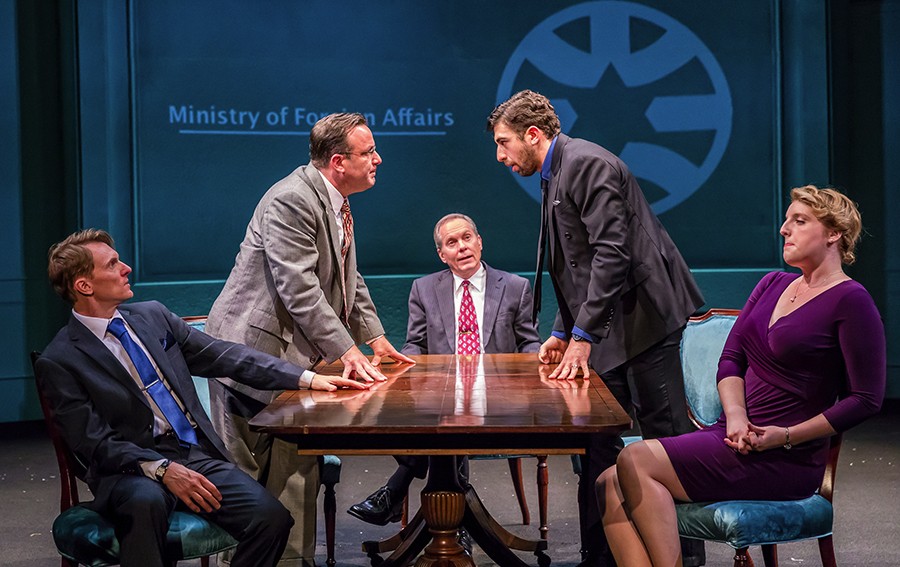
Characters: Act 2
- 4 minor ( Holst,Toril, Finn, Am diplomat, Trond and Thor (intel police)
- 8 major (Mona, Larsen, (PL) Qurie and Afour – (ISR) Hirschfeld, Pundak, Savir, Beilin
- Mona “breaks the 4th wall” 6 x
Setting: Act 2
- Borregaard Castle (castle grounds, reception, drawing, cocktail, negation rooms) (8 scenes)
- Oslo (Foreign Ministry, Fornebu Airport (2 scenes)
- Larsen flat (1 scene)
- Frogner Park near HotelBristol London (1 scene)
Characters: Act 3
- 9 minor (Marianne, Holst (married), Finn, Thor, Trond
- Swedish hostess, German man, German woman, Am. diplomat
- 10 major (Mona, Larsen (central characters)
- (PL) Qurie and Asfour
- (ISR) Hirschfeld, Pundak, Beilin Savir, Singer – Peres
- Mona “breaks the 4th wall” 13 x
Setting: Act 3
- Larsen flat (1 scene)
- Jerusalem (foreign ministry) (1 scene)
- Oslo (foreign ministry (1 scene)
- Stockholm (Swedish Guest House) (1 scene)
- Borregaard Castle (reception, drawing, negation rooms) (6 scenes)
- White House Rose Garden (1 scene)
- Center stage empty (last scene) only 2 main characters Mona and Larsen
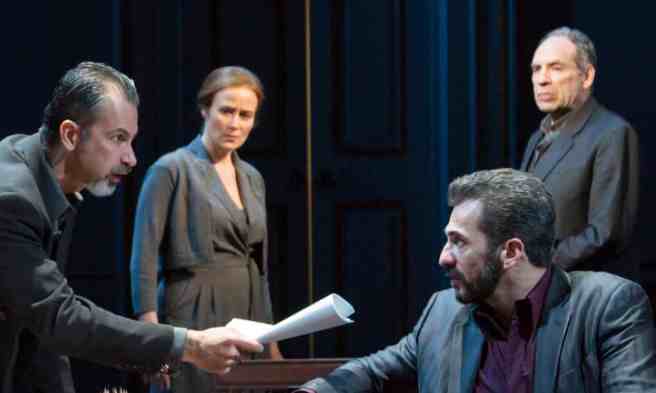
Playwright J T. Rodgers

#Classic Alice Munro Nobel Prize 2013

- Author: Alice Munro
- Title: Runaway (8 stories, 352 pg)
- Genre: short stories
- Published: 2004
- Trivia: 2013 winner Nobel Prize (first female since 1901)
- List of Challenges 2020
- Monthly plan
Conclusion:
- Good news: Munro develops the characters and
- creates the mood with a sense of place: small town Canada.
- Bad news: These are NOT short short stories!
- Ms Munro writes short stories exclusively.
- Just because these stories are less than novel-length
- …does not mean they are simpler.
- IMO Ms Munro is a skillful writer, winner of Nobel Prize 2013
- …but I did not experience the reading pleasure I hoped for.
- Her stories are not intensely compressed and
- seem…to be endless. I lose interest very quickly.
- I don’t think I will attempt another Munro collection soon, sorry.
- I hightly recommend Amy Witting
- ….for some TOP short stories.
- She is an Australian writer who you probably never heard of!
What trends did I find in the stories?
- Protagonists are all women.
- Story is usually about 4 main characters.
- Ms Munro likes to start a story
- ….then jump 40 years to the past revealing memories. (Tricks, Passion)
- 3 stories form a ‘novella’ (Chance, Soon, Silence) with a 40 yr timeline
- The story Powers moves from beginning to end covering 40 years.
- 7/8: stories a character dies.
- 2/8: stories are coming of age stories (Passion, Tricks)
- 6/8: are about marriage
- …ties that bind, yet sometimes the ties can chafe – and strangle
- 8/8: stories …at the end Munro’s women characters are left alone.
- You can feel loneliness even in a marriage!
Runaway
- POWERFUL ENDING
- Ms Munro retains a feeling of complexity and mystery about
- The marriage of Carla and her husband.
- The greatest reading pleasure is leaving it up
- To the reader to decide what is going to happen.
- Themes: freedom
- … Carla runs away from the marriage
- …at the end Carla runs away from the truth!
- When will Carla get her revenge?
- Ending suggests she will contain her rage….for now.
- This was the kick-off story
- …the literary ‘amuse’ before
- the main course!
Chance – Soon – Silence
- Strong point
- Munro really knows how to describe
- a character, physiology and attire.
- She describes people with all their quirks.
- Themes: freedom, faith, elderly parents, distant daughter, where is your HOME?
- Strong point: Very powerful ending….a moving stories.
- Writing skill: snapshot of a love affair, family life, parent’s marriage (Soon)
- …looking back at the pain (loss of contact with daughter Silence)
- …and the pleasure of remembering. (Chance)
- I would consider these 3 stories a beautiful novella!
- CHANCE – beginning of affair with Eric. BEGINNING
- SOON – 13 months later visits mother….she is dying ENDING
- SILENCE – daughter cuts off all communication….ISOLATION
Passion
- Coming of age….flashback
- What was Grace really looking for?
- Memories of her first feeling of passion….that summer?
- 20% dialogue that reveals very little about the people in the story.
- 80% POV 3rd person backstory about the characters.
- Strong point again….POWERFUL ending.
- That is Ms Munro’s trademark.
- She knows the last few lines will linger in the reader’s mind
- Writing technique: Flashback….40 years ago
Trespasses
- 70% dialogue
- 30% POV 3rd person
- Themes: Children, adoption, misunderstandings, loneliness
- Writing technique: frame story
- Ms Munro begins at the end and moves into a flashback.
- This way she tells how the characters came to be where they are.
- The story being drawn out by an eager listener, the teen-age daughter Lauren
- …demanding the her story from her parents…am I adopted?
- Title: says it all….Trespasses = sins
Tricks
- 15% dialogue
- 85% POV 3rd person
- ….very touching story
- starts in the past….then jumps 40 years.
- Star-crossed lovers
- Robin and Daniel who meet
- …for a brief intense moment
- …like ships pass in the night.
- #Pathos
Powers
- The last story in the collection is a curious mix of
- diary and third-person narration.
- with the focus on Nancy,
- …an impertinent, egocentric woman
- who never seems to understand what is occurring. (OOPS!)
- 2 married couples
- whose lives intertwine….but in a sad way.
- This was the LONGEST story
- ….and IMO not very good.
- It does not adhere to the basics of a short story.
#Classic Ayn Rand
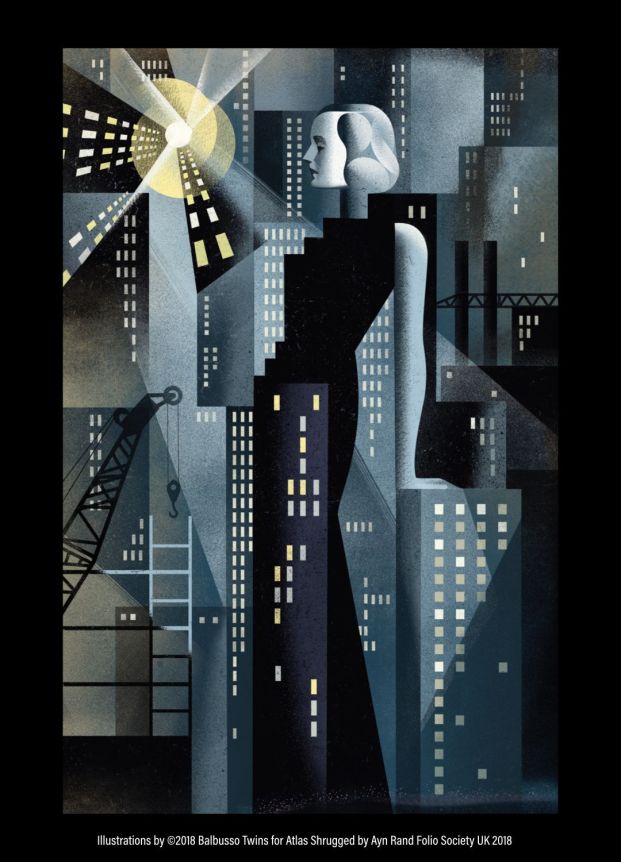
Ayn Rand
- Author: Ayn Rand (1905 – 1982)
- Title: Atlas Shrugged (1168 pg)
- Genre: fiction
- Published: 1957
- List of Challenges 2020
- Monthly plan
Conclusion:
- You either LOVE the book or you HATE it.
- I can’t state it more simply.
- This is crystalline capitalistic philosophy spun in the
- warm cocoon of a novel to make it more digestible.
- I continued to soldier on being pummeled by waves and waves
- of soap opera stuff, profound statements and superfluous details.
- I read with my cat in front of the fireplace
- …and keep falling asleep!
- The cat slept as well.
Last thoughts:
- Sorry I have to agree with one of my GF Friends ‘Bridget’
- and give this book a score of 1!
- I read Atlas Shrugged to understand
- why a friend of mine liked it so much.
- Bad News: I did not like Atlas Shrugged
- Good News: We are still friends!
- The book is 350 pages too long.
- It is unnecessarily padded with character sketches
- of some of the politicians, engineers, scientists and activists involved.
- A swirl of useless descriptions and
- facts makes this book….unbearable.
- #ReadAtYourOwnRisk
- …I wasted many reading hours.
-
Chapters are too cynical, too sour, too claustrophobic.
- #Bah
- Worst book I’ve read in a very long time!
- Who wants to hang out with these awful people?
#Poetry Winner Costa Award for Poetry 2020
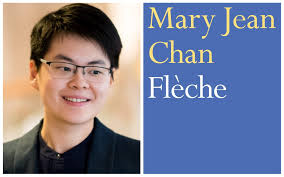
- Author: Mary Jean Chan (1990)
- Title: Flèche ( 50 poems 88 pg)
- Genre: poems
- Published: 2019
- Trivia: 2019 winner Costa Book Award for Best collection Poetry
- Trivia: 2020 longlist for Dylan Thomas Prize
- List of Challenges 2020
- Monthly plan
Conclusion
- I have been OUT of the poetry reading mode for many months.
- I feel very lucky that I discovered
- Flèche by Ms Chan to bring me back to poetry.
- This book gave me 88 pages of reflection
- …without the extra 300 pages
- I would have had to read if I had chosen a novel!
- Here are 50 love poems
- …for her family, mother and partner.
- A poem should work for you
- …if not, you don’t need this poem.
- It’s not your fault. It’s not you at all. It’s fine.
- Scrap it, ignore it and turn the page.
- Poetry gets to the heart of things.
- There must be one poem that will stop your heart.
- Ms Chan’s poems are a compact form
- in which the drama of a life is staged.
- The mother-daughter tense relationship is central.
- The love poem that stopped MY heart was
- “Always’
Always
Do you ever write about me?
Mother, what do you think?
You are always where I begin.
Always the child who wanted to be
a boy so you could be spared
by your mother-in-law.
Always the ear that hears you
translating my poems
with a bilingual dictionary.
Always the pen dreaming
it could redeem the years
you fled from, those
Red-Guarded days
and nightmare
Always the mind’s eye tracing
your frantic footsteps
toward the grandfather
I would never meet.
Always the lips wishing
they could kiss those mouths
you would approve of.
Themes:
- Multilingualism
- Queerness
- Post-colonialism
- Psychoanalysis
- Cultural history
Structure:
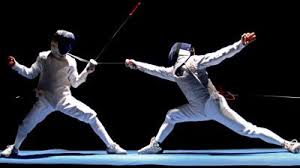
- This was very clever….Ms Chan uses terms found in the sport of fencing.
- It give the reader an indication what the poems will be about.
- Parry – defense – “push” aside a blade that is attacking
- Riposte – counter attack
- Corps-À-Corps – impasse – 2 fencers are engaged…neither can use her weapon
- Each section contains 16 poems.
- There are 2 introductory poems – her mother is the narrator
- Title: Flèche is an aggressive offensive
- fencing technique used with foil and épée.
- It also is homophone
- …when pronounced, seems similar to another word.
- In this case flesh found in the poem “Flèche”.
Last thoughts:
- Strong point: poems are short, one-page-ers
- …but don’t confuse length and density.
- Ms Chan conveys her ideas in a few words.
- “..I long for a landslide of the mind
…so I can bury the moment” - So much nuance…in just a line.
- I’ve read and reviewed at least 20 poetry collections (see blog)
- …and this book gets my HIGHEST score!
- 50 poems….and I really liked 38
- …that’s 76%
- I haven’t read the other long listed books for
- the Dylan Thomas Award 2020…but this book
- …will be hard to beat!
- #Bravo
- Chapeau au bas…..Ms. Chan

#Non-Fiction Surrender
- Author: Joanna Pocock
- Title: Surrender (360 pg)
- Published: 2019
- Genre: non-fiction (memoir)
- List of Challenges 2020
- Monthly plan
- #WorldFromMyArmchair ( North American West)
- Joanna Pocock is writing realism in her essays
- about nature, environment and herself (memoir)
- ..but not in the traditional style.
- She details the the damage done to the environment (mining)
- ….that made me shudder.
- She details information about the people
- …in her life (family) and who she met in Missoula Montana
- …and on her road trips.
- Shock: Wolf trappers…Ms Pocock is on the side of the wolves!
- The Three Percenters…”3%-ers ” militia movements are growing.
- She shares her feelings during her adventure.
- “I was aware …that the land in the American West was not mine.”
- “…I felt at first lost and had no real concrete reason to be here.”
- But she did know that the West…had changed her.
- She would seek to give herself over to wilderness however she could.
- Best chapter:
- Joanna’s experience at the Ecosex Convergence in Washington state!
- Goal: make sex less shameful and environmetalism more sexy.
- Truly, this was a terrific section of the book.
- Ms Pocock stood among the other attendees, dressed in jeans and
- a warm fleece…surrounded by people
- in gauzy “I Dream of Genie” numbers…!
- Joanna was open to the tribal approach at this jamboree
- …but ” I slipped out before the cuddle circle got going”.
- #Hilarious
Conclusion:
- Montana has been the “last best place” for so many people.
- Ms Pocock’s book goes far beyond the pristine wilderness.
- She stands between youth and old age (52 yr.)
- There are moments Joanna does not want to be back in London
- …but does not know what to do about it.
- Marriage and children are ties that bind,
- …yet sometimes the ties can chafe – and strangle.
- Sometimes….all you can do is Surrender
- …to your circumstances.
- #BrilliantWriting
- Chapeau au bas for Joanna Pocock!
Feedback to Word By Word:
Claire, every memoir is different and it depends on the level of openness the writer dares to achieve especially concerning very personal thoughts. Joanna Pocock had the perfect balance: personal issues, feelings for nature and skepticism about some cultural practices in the American West. I learned so much from this book!
Feedback to WhatsNonFiction:
I’m sure you will love this book! Joanna Pocock has done her homework and she incudes many reference to the books she read about the American West, evironmentalism and essays by other authors she admires…for instance Rebecca Solnit “A Book of Migrations”. Trivia: Did you know the Appalachian Mountains is the second most biodiverse region in the world after the Amazon? I did not know that!

#AWW2020 Amy Witting

- Author: Amy Witting (1918-2001)
- Title: Marriages ( 6 stories, 139 pg)
- Review: Bottle of Tears
- Short review: The Surviviors and Goodbye, Ady, Goodbye, Joe
- Genre: short stories
- Published: 1990
- List of Challenges 2020
- Monthly plan
- #AWW2020
- @AusWomenWriters
Bottle of Tears:
- Trivia: Bottle of Tears was first published 1958
- in the Southerly Journal (editor Kenneth Slessor)
- Trivia: Amy Witting is the pseudonym for Joan Levick.
What does the title mean? Bottle of Tears
- “You number my wanderings;
- put my tears into Your bottle… Psalm 56:8
- This is an allusion to a very ancient custom
- among the Greeks and Romans, of putting the tears
- which were shed for the death of any person into small phials
- …and offering them on the tomb of the deceased.
- This was another method people used in
- the past to remember, in this case to remember griefs.
- Rita recently had seen a dying man in hospital
- …..and could not forget his plight.
- “If I put my tears in a bottle and
- sent it to him it would be nothing,
- …a bottle of salt water
- …..what else is pity anyhow?”
Story was very cryptic.
- A few sentences between Rita and Matt could be interpreted
- in many ways but depending on the reader’s choice
- …the story could take on another meaning!
- Here is the section that is the turning point:
- Rita: “I’ve changed my mind.
- You don’t have to change yours on that account.”
- “..feeling tired all at once, thinking
- …it would be a relief if the blow fell now.“
- Matt: “You really mean it?”
- “Matt’s voice was full of reverence (awe, love)
- …not for her
- …nor for love but for good luck.”
- The story completely baffles me and the ending…
- well, I still wonder why Rita compares herself with
- “Gulliver tied down with threads.”
- But after reading it 3 x…
- my impression is that Rita refused
- …to accept a proposal of marriage
- …and now she calls him to say:
- “I’ve changed my mind.”
- The comparison with Gulliver that she feels ‘weighed down’ by the
- idea of marriage. That could be her first fear…as Rita says
- “…his happiness weighed her down with responsibility…
- ….as if he had given her something fragile to carry.”
Conclusion:
- I haven’t been so impressed by a writer since I
- discovered Thea Astley.
- Amy Witting ..she can nuance in a line
- that might take a lesser writer one page!
- Thea Astley and Amy Witting were very good friends.
- Ms Astley even dedicated her book
- The Acolyte to Ms Witting.
Books by Thea Astley (1925-2004)
- Girl with a Monkey (1958)
- A Descant for Gossips (1960)
- The Well Dressed Explorer (1962) Miles Franklin Award 1962
- The Slow Natives (1965) Miles Franklin Award 1965
- A Boat Load of Home Folk (1968)
- The Acolyte (1972) Miles Franklin Award 1972
- It’s Raining in Mango (1987)
- A Kindness Cup (1974)
- Hunting the Wild Pineapple (8 short stories) (1979)
- Drylands (2000) Miles Franklin Award 2000
- Bottle of Tears is a ‘classic’ short story.
- — the form is intensely compressed
- — there is more left unsaid…than is said
- — ergo the 3 x reading necessary to form my thoughts!
- — it occurs over a period of no more than 24 hours
- Rita is a dynamic character
- she learns and changes and realizes
- …what life would be without Matt.
- Matt is a static character
- …he was in love with Rita….and still is!
The Surviviors (very ‘long’ short story)
- This is a comical and amusing look at….
- a young couple embarking on
- “…an accident waiting to happen” marriage:
- Kevin must marry Gloria…in a shot-gun-wedding.
- “A man would have done better to go to jail”.
- Marriage …”Twenty minutes, life imprisonment”
- Marriage: “….the past on her face and
- …the future in her great belly.”
Goodbye, Ady, Goodbye Joe
- Just by looking at this title
- ….you wonder what is going to happen to this old married couple.
- Flood waters are rising and Amy Withing is a master
- …creating tension right up until the last page.
- First published in The New Yorker October 29 1965
- Some quick notes:
- Love in the “golden years”
- …Joe’s thoughts about being old and romantic:
- “…Since then the lion had grown old and died
- …become a disregarded old lion skin warm to the body in cold weather…”
#AWW2020 Aurealis 2018 Award Best SF Novella
- Author: Stephanie Gunn
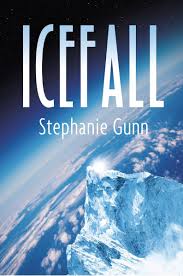
- Title: Icefall (114 pg)
- Genre: novella (SF)
- Published: 2018
- Trivia: Best Science Fiction Novella 2018 Aurealis Award
- List of Challenges 2020
- Monthly plan
- #AWW2020
- @AusWomenWriters
Introduction:
- Well, fly me to the moon..…
- if you are like me I seldom read SF. It just does not entertain me.
- But I am trying to read deeply and widely,
- so I decided to ‘test the waters’ with a short 114 pg novella.
- Now, I did the research for you (see review)
- …so you can dive right into this book.
- Just think….at the next book club meeting when they ask t
- o suggest a ‘something completely different…
- you can suggest ICEFALL by Stephanie Gunn!
- The club will be determined NOT to read it
- ….you could probably crack rocks on their jaws!
- But…at least try to guide them into the world of SF!
- Millions of people read nothing else!
- Stephenie Gunn was a research scientist turned full time writer.
- I’m curious how she will combine her
- …scientific backround with her fiction
- Will Ms Gunn write what she knows
- ….or what she feels?
Research
- I do not read very much SF
- …so looked at some terms I found in the text…and what they mean.
- This made the book MUCH easier to process.
- VIR POD – spaceship ‘Wanda R’ (named for Wanda Rutkiewicz,
- first woman to climb K2, second highest mountain on old Earth)
- VIR – virutal interfaced reality
- VIR implants – one can experience both worlds (virtual and real) at the same time
- AI hologram – 3D image formed by split laser beam.
- Ms Gunn describes a AI holographic character as
- genderless, expressionless, fingers bloodless
- …can dematerialize and form again in i.e. the navigator’s chair (ch 15)
- …can flow around me (Aisha) to envelope me completely in its field (ch1)
- AI (artifcial intelligence)
- I did not know if this was a human replication or just a voice!
- Replicant androids are indistinguishable from human beings
- …remember the film: Blade Runner… how was human and who was AI?
- In this book AI comes with a package of standard visages:
- male, female or null gender.
- AI uses the visage and name of Mallory
- …in reference to G. Mallory
- the first person to summit Mt Everest.
Title:
- Icefall is a similar planet to old Earth.
- MacGregor Corporation has established two colonies on Icefall.
- Icefall organizes a Icefall Climbing Competition once every 7 years.
- Essential in the plot is a ‘weeping mountain’.
- All of the pointed masses of ice and snow in a glacier melt.
- Millions of mega litres of water wash over the
- continent destroying everything in its path.
- The waters lie still for one ICEFALL day (25 hrs).
- The next day waters retreat…moving against gravity.
- The mountain draws everything back towards it
- …the glaciers, the icefall and continental ice all reform.
- This was the SPOOKIEST thing in the entire book!
Setting:
- Planet Demeter home of narrator Aisha Ashkani
- Planet Icefall
- Greyspace – folded space beneath normal space that surrounds planet Icefall
- Many references to “old Earth”
Structure: 26 chapters, 114 pages
- Ch 1-5-11 present (arriving via VIR POD to planet Icefall
- Ch 2-3-4-6-7-8-9-10-13 backstory
- Ch 14-26 present (perilous journey in Icefall Climbing Competition)
Main Characters:
- Mallory (AI) – projects its holographic interface around narrator Aisha.
- Aisha: former priestess of ONE Order of the New Earth
- Maggie (Margaret Malleore) mountain climber – Maggie and narrator are married
- Gorak – bot (robot) raven like bird that will be narrator’s ‘eyes’ on the Mountain.
Irony:
- Aisha Ashkani (priestess) is from Sherpa heritage.
- Sherpa believe the mountain is
- …their goddess and one should not
- trespass on the sacred ground.
- Ironically…Aisha becomes fascinated
- with mountaint climbing and leaves the temple
- …to reach the snowy summit.
Conclusion:
- This SF novella is about Mountain climbing in space…in the future.
- Humans have left old Earth and have colonised the universe.
- There is also a very touching love story in this book
- …that brings the SF and the human elements in balance.
- You will have to read the book (reading time? 2 hrs)
- to discover the tender bond between Aisha Ashkani and Maggie.
- #GreatRead
Last thoughts:
- I’ve read some great books by Australian women writers.
- …who were included on long- and shortlist of
- …The Aurealis Award.
- Do have a look at these reviews and longlist….
- …perhaps you will find something you like!
- The Grief Hole – K. Warren
- Aletheia – J.S. Breukelaar
- Closing Down – Sally Abbott
- Psynode – M.J. Ward
- Girl Reporter – T. Roberts
- From the Wreck – J. Rawson
- Catching Teller Crow – A. and E. Kwaymullina
- The Endsister – P. Russon
- The Tide of Stone – Kaaron Warren
- Who’s Afraid – M. Lewis
21 February 2019
The finalists are:
Best science fiction novel
- Scales of Empire (Kylie Chan)
- Obsidio (Amie Kaufman & Jay Kristoff)
- Lifel1k3 (Jay Kristoff)
- Dyschronia (Jennifer Mills)
- A Superior Spectre (Angela Meyer)
- The Second Cure (Margaret Morgan)
Best fantasy novel
- Devouring Dark (Alan Baxter)
- Lady Helen and the Dark Days Deceit (Alison Goodman)
- City of Lies (Sam Hawke)
- Lightning Tracks (Alethea Kinsela)
- The Witch Who Courted Death (Maria Lewis)
- We Ride the Storm (Devin Madson)
Best horror novel
- The Bus on Thursday (Shirley Barrett)
- Years of the Wolf (Craig Cormick)
- Tide of Stone (Kaaron Warren)
Best graphic novel/illustrated work
- Deathship Jenny (Rob O’Connor)
- Cicada (Shaun Tan)
- Tales from The Inner City (Shaun Tan)
Best children’s fiction
- The Relic of the Blue Dragon (Rebecca Lim)
- The Slightly Alarming Tales of the Whispering Wars (Jaclyn Moriarty)
- The Endsister (Penni Russon)
- Secret Guardians (Lian Tanner)
- Ting Ting the Ghosthunter (Gabrielle Wang)
- Ottilie Colter and the Narroway Hunt (Rhiannon Williams)
Best young adult novel
- Small Spaces (Sarah Epstein)
- Lifel1k3 (Jay Kristoff)
- Catching Teller Crow (Ambelin Kwaymullina & Ezekiel Kwaymullina)
- His Name was Walter (Emily Rodda)
- A Curse of Ash and Embers (Jo Spurrier)
- Impostors (Scott Westerfeld)
Best collection
- Not Quite the End of the World Just Yet (Peter M Ball,)
- Phantom Limbs (Margo Lanagan)
- Tales from The Inner City (Shaun Tan)
- Exploring Dark Short Fiction #2: A Primer to Kaaron Warren (Kaaron Warren)
Best anthology
- Sword and Sonnet (Aiden Doyle, Rachael K Jones & E Catherine Tobler)
- Aurum (Russell B Farr)
- Mother of Invention (Rivqa Rafael & Tansy Rayner Roberts)
- Infinity’s End (Jonathan Strahan)
- The Best Science Fiction & Fantasy of the Year (Jonathan Strahan)
Best science fiction novella
- ‘I Almost Went To The Library Last Night’ (Joanne Anderton)
- The Starling Requiem (Jodi Cleghorn)
- Icefall (Stephanie Gunn)
- ‘Pinion’ (Stephanie Gunn)
- ‘Singles’ Day’ (Samantha Murray)
- Static Ruin (Corey J White)
Best science fiction short story
- ‘The Sixes, The Wisdom and the Wasp’ (E J Delaney)
- ‘The Fallen’ (Pamela Jeffs)
- ‘On the Consequences of Clinically-Inhibited Maturation in the Common Sydney Octopus’ (S. Petrie & E. Harvey)
- ‘A Fair Wind off Baracoa’ (Robert Porteous)
- ‘The Astronaut’ (Jen White)
Best fantasy novella
- ‘This Side of the Wall’ (Michael Gardner)
- ‘Beautiful’ (Juliet Marillier)
- ‘The Staff in the Stone’ (Garth Nix)
- Merry Happy Valkyrie (Tansy Rayner Roberts)
- ‘The Dressmaker and the Colonel’s Coat’ (David Versace)
- The Dragon’s Child (Janeen Webb)
Best fantasy short story
- ‘Crying Demon’ (Alan Baxter)
- ‘Army Men’ (Juliet Marillier)
- ‘The Further Shore’ (J Ashley Smith)
- ‘Child of the Emptyness’ (Amanda J Spedding)
- ‘A Moment’s Peace’ (Dave Versace)
- ‘Heartwood, Sapwood, Spring’ (Suzanne J Willis)
Best horror novella
- ‘Andromeda Ascends’ (Matthew R Davis)
- ‘Kopura Rising’ (David Kuraria)
- ‘The Black Sea’ (Chris Mason)
- Triquetra (Kirstyn McDermott)
- ‘With This Needle I Thee Thread’ (Angela Rega)
- Crisis Apparition (Kaaron Warren)
Best horror short story
- ‘The Offering’ (Michael Gardner)
- ‘Slither’ (Jason Nahrung)
- ‘By Kindle Light’ (Jessica Nelson-Tyers)
- ‘Hit and Rot’ (Jessica Nelson-Tyers)
- ‘Sub-Urban’ (Alfie Simpson)
- ‘The Further Shore’ (J Ashley Smith)
Best young adult short story
- ‘A Robot Like Me’ (Lee Cope, Mother of Invention)
- ‘The Moon Collector’ (D K Mok)
- ‘The Sea-Maker of Darmid Bay’ (Shauna O’Meara)
- ‘Eight-Step Koan’ (Anya Ow)
- ‘For Weirdless Days and Weary Nights’ (Deborah Sheldon)
#AWW2020 Fiona McFarlane
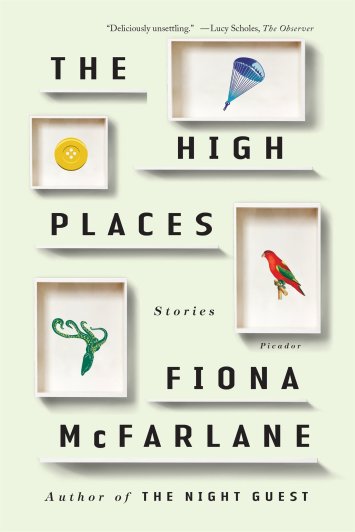
- Author: Fiona McFarlane
- Title: The High Places (13 stories, 288 pg)
- Genre: short stories
- Published: 2016
- List of Challenges 2020
- Monthly plan
- #AWW2020
- @AusWomenWriters
Introduction:
- Fiona McFarlane is the winner of £30,000 Dylan Thomas Prize 2017.
- The prize is open to writers in the English language aged 39 and under.
- NOTE: Longlist for Dylan Thomas Prize 2020 will be announced
- at the Jaipur Literature Festival @JaipurLitFest
- 24 Jan 2020 0800 GMT (0900 CET) 1900 Sydney Australia
Conclusion:
- Here are a few more stories I tried to summarize.
- Short stories are a joy to read….
- …but a chore to review!
- I’m always searching for the right template for a
- short story collection blogpost.
- I thoroughly enjoyed this book.
- Everyone will have their own favorites stories
- …but mine are:
- Mycenae (Janet….I loved her!)
- Man and Bird ( …shortest story in collection…but packs a punch!)
- Violet, Violet (enchanting, had to laugh out-loud!)
- The High Places (reveals the meaning of the title!)
- #MustRead Fiona McFarlane
Exotic Animal Medicine
- POV: 3rd-person narrative focused on one character Sarah.
- Plot: Sarah: animal veterinarian who specializes in exotic animal medicine.
- On her wedding day the newly-weds are involved in a car crash
- on their way to her surgery job…an accident on a dark country road.
- My Question: Sarah cares for victim of car accident
- ..but had Sarah had too much to drink?
- Conflict: Sarah’s inner struggle accident, no witnesses, old man dies.
- Theme: Burden of guilt is heavy….hard feeling to handle. What should I do?
- Ending: is satisfying but not a neatly tied up conclusion.
Conclusion:
First reading:
I read the story too quickly. I formed an ‘ending’ in my thoughts before I even finished the story. I was taking the easy way out and assumed this would be a cut and dry story about the burden of guilt. I missed the essential role played by the cat Queen of Sheba!
Second reading:
I knew this story had more to offer than meets the eye. It won a very prestigious literary prize in 2009 at th school where McFarlane was studying: University of Texas in Austin. Also having read an article by Joe Morgan in The Guardian about reflection and quiet absorption…the art of slow reading. I decided to take it slowly.
The story took on a whole new dimension.
….the parallel between the cat Sheba and Mr. Ronald! It felt that Sarah the main character had a telepathic connection with the cat in the surgery.
Mr. Ronald….dying in the car moaned as did the cat in its cage many miles away.
This gave the story a ‘spooky’ feeling.
Mycaene:
- POV: First Person Janet tells the story and interacts in the story as well.
- Plot: 2 couples (60+) (college friends) on a reunion holiday in Greece
- Characters: Janet – Murray (live in AUS) Amy – Eric (live in USA)
- Theme: marriage
- Timeline: 1 week
- Clever play on words: Cornwall is south westernmost point of England
It is where the couples as young students spent a holiday.
Relationships were tested.
“Marriage is like that, isn’t it, …It reaches a point.” - Strong point: Feeling of pathos
I can relate to Janet because I understand what it feels like to have a girlfriend
who runs the show, steals the spotlight with no care of what others may feel!
Art Appreciation:
- POV: Third Person narrator is in a “god-like” position
in which he can see into the minds of the characters. - Plot: Henry is a gambling man. He likes to weigh his odds and options
- He likes a little profit…a little loss.
- But what happens when he discovers love does not work this way!
- Characters: Henry (28 yr) – Ellie (fiancé) Kath (mistress)
- Theme: marriage; loneliness
- Timeline: 1,5 year
- Strong point: Character development (Henry)
Henry utilizes the emotions of others to his own ends.
Machiavellian…he is motivated out of pure, calculating self-interest.
Man and Bird:
- POV: 3rd person
- Plot: fall of a local preacher when he doubts his faith
- Characters: preacher and white parrot
- Theme: faith
- Timeline: unspecified in story
- Strong point: symbol of a parrot seen as a messenger from God
…but the preacher feels he is “mindlessly mimicking” God’s message
…as a parrot mimics speech! - Strong point: McFarlane ‘bookends’ her story.
The imagery that introduced the story…ends the story.
This gives the reader a feeling that loose ends are tis up
…. of coming full circle. - NOTE: story contains no dialogue an is shortest story in the collection
Unnecessary Gifts
- POV: First Person Philip (father) tells the story and interacts in the story as well
- Plot:
- Grandparents provide Phil and Glenda state-of-the are devices….see
- Title: “Unnecessary Gifts” to attach to James and Greg to track their movements.
- …to keep their grandchildren safe. But the parents did not keep up the surveillance.
- Boys disappear from neighbourhood….where are they?
- Characters:
- Philip – Glenda – Greg – James ( father/mother/sons)
- Tony (playmate of James and Greg)
- Tony’s brother (security guard in store at the mall)
- Theme: parenting
- ….grandparents are savvy of dangers that their own children do not see!
- Timeline: 1 day (…with flashbacks to provide background family info)
- Strong point: tension…mention of police report,
- security tapes and Tony’s brother’s statement on
- …2nd page is foreshadowing that something is going to go wrong!
- Weak point: the aforementioned ‘tension …where did it go?
- The story fizzles out completely! Deflates like a cold soufflé!
- I’m very disappointed with this selection…it had so much potential.
- It feels like Mcfalrlane’s heart and concentration are not really in
- this story: “she phoned it in.”
Those Americans Falling From the Sky
- POV: First Person Jeanie tells the story and interacts in the story as well
- Plot: pastoral description of life @home for Jeanie en Nora
- ….and the impact of US airmen in the town of Merrigool.
- But the story enters around 8 dead airmen whose
- plane crashed behind their farm and one missing parachutist.
- Their souls began to cause trouble in the area.
- Characters:
- Edith (60+) neighbor
- Nora – Jeanie (sisters)
- Maggie (mother) – Frank (stepfather of sisters)
- Theme: nostalgia
- Weak point: the story felt a bit pointless
- Memories of life on a farm during WW II in Australia
- …nothing else.
- “Their souls began to cause trouble in the area”
- …sounded like an excellent opportunity to write some great
- …subplots but McFarlane did not flesh this out.
#AWW2020 Wild Sea: a history of the southern ocean
- Author: Joy McCann
- Title: Wild Sea: a history of the southern ocean (258 pg)
- Published: 2018
- Genre: non-fiction
- Rating: C+
- Trivia: 2019 Australian Book Industry Awards (ABIA) longlist
- List of Challenges 2020
- Monthly plan
- #AWW2020 @AusWomenWriter
The Southern Ocean:
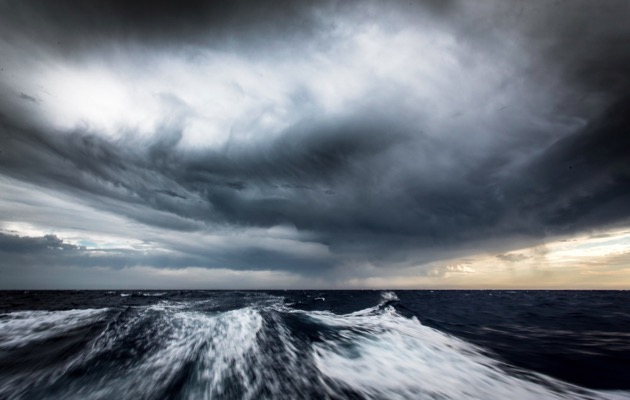
- Solo sailors call it ‘the South’, as if to emphasize its alien difference.
- The Southern Ocean is a place most of us have never been to
- …and never wish to visit.
- It is a realm of cold grey skies and raging winds
- …that eternally circulate round the bottom of the world.
Antartic Circumpolar Ocean Current:
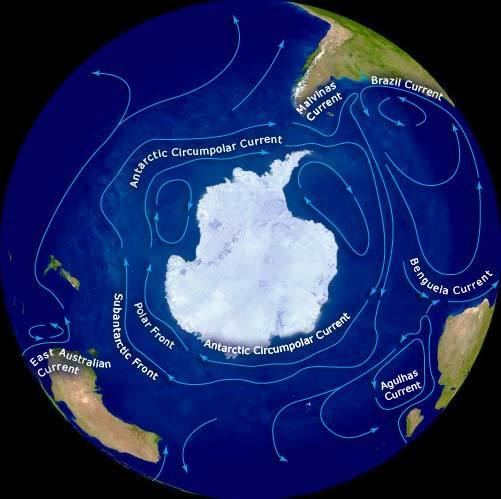
Ch 1 Ocean – continental drift
- Pangaea –> current pattern of continents –> creation of oceans
- The continents don’t change or move independently
- …but are transported by the shifting tectonic plates.

Ch 2 Winds
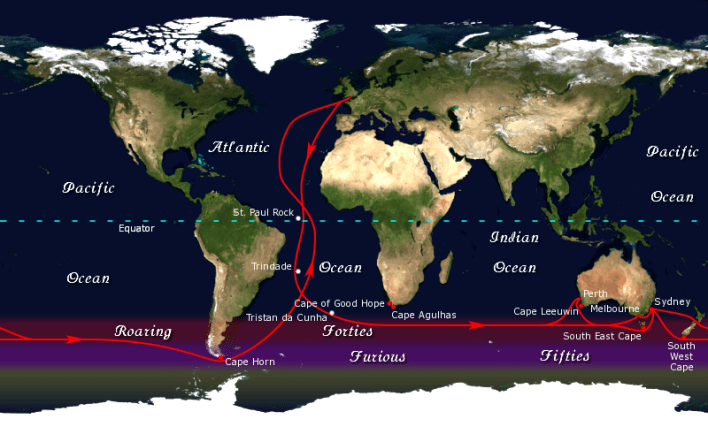
Clipper Route…. took advantage of the Roaring Forties and Furious Fifties winds….92 days London — Sydney 1862.
Ch 3 Coast
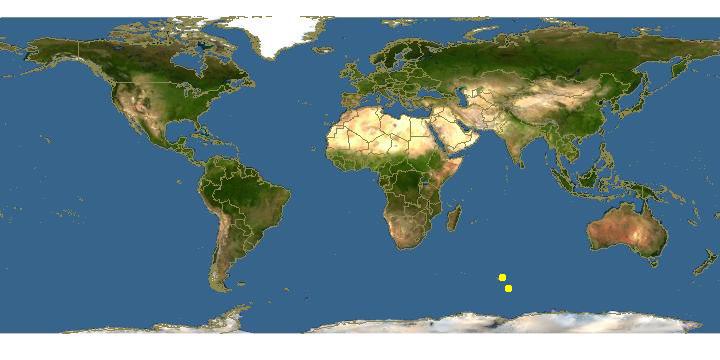
Located in the southern Indian Ocean off the eastern coast of Africa and just north of Antarctica are the Kerguelen Islands. A French territory, this island group (known as Îles de la Desolation in French) is considered to be one of the most isolated places on Earth. (…2 little white dots!)
Ch 4 Ice
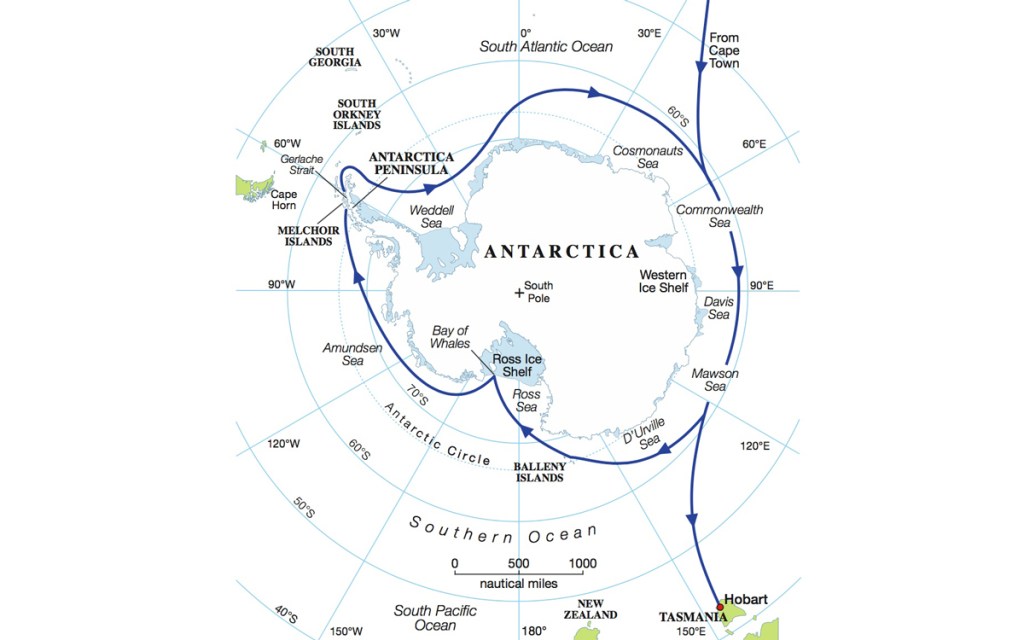
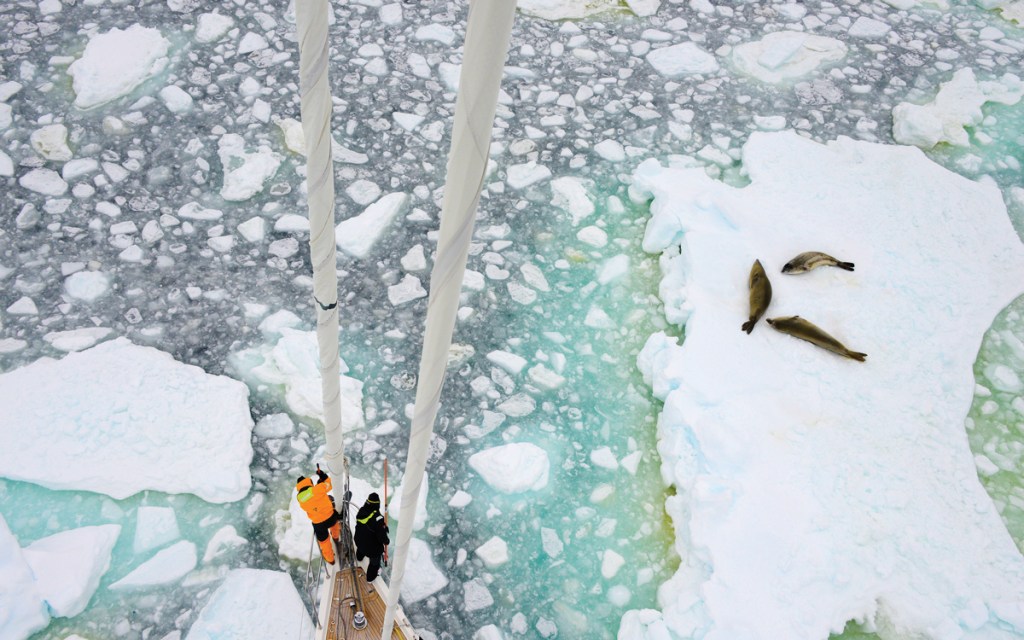
- To sail from the Southern Ocean towards the open waters of the Ross Sea you have to push through the ice a number of times….an ice barrier 100 miles wide.
- As the Southern Ocean is dominated by strong westerly winds it encourages a clockwise route.
- Antartica is only accessible for a few weeks in summer (January-February).
- By March ships risk being trapped in sea ice until the next spring.
- The ice begins to close in trapping you for the winter
- ….an experience no one is likely to survive.
Ch 5 Deep
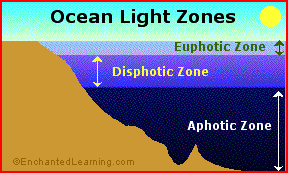
- The ‘twilight zone is formally known as the dysphotic zone.
- Below 1000 meters lies the midnight zone…complete darkness.
Ch 6 Current
- ANIMATION of Antarctic Bottom Water
- A remarkably detailed animation of the movement of the
- …densest and coldest water in the world around Antarctica.
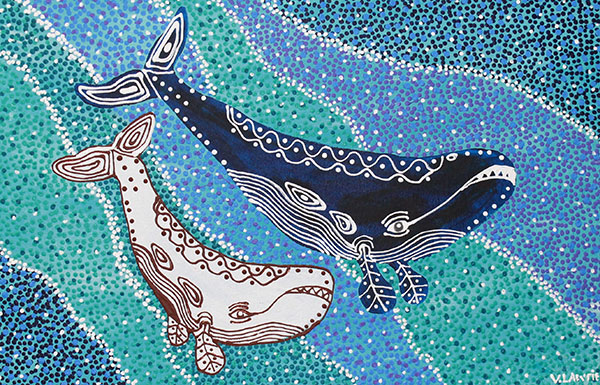
- The whale is the totem of the Mirning people (Ngargangurie)
Ch 7 Convergence
- The Southern Ocean is no longer simply a remote space devoid of human habitation.
- The Earth is dependent upon the ocean’s heartbeat of seasonal ice
- …its carbon-filled lungs and slow circulation of its deep currents.
- Ocean covers 80 per cent of the Southern Hemisphere.
- Australia sits at an ocean cross-roads.
- Changes in the southern oceans may also alter the
- ….climate processes that control rainfall over Australia.
- We need to understand the influence of the
- …southern oceans on climate and sea levels.
- This book is a good place to start!
- #Bravo Joy McCann

Conclusion:
- Detailing a mysterious realm that’s as vital to our existence as the air we breathe.
- Wild Sea: a history of the southern ocean
- is
- As the title says …it is a history
- …and Joy McCann uses many 19th C references.
- I must applaud the author because in her NOTES
- …she also includes many links to websites
- …(Kindle edition) with a trove of information.
- The only weak point in the book is
- ….I was always tempted to leave the text to often and explore
- the links she provided!
- PS: book contains some beautiful illustrations
- ….perfect viewing with Kindle!
- (…I never knew an albatross could be so big!! …see foto)
- Reading tips:
- Roving Mariners: Australian Aboriginal Whalers and Sealers in the Southern Oceans (2012)
- Slicing the Silence: Voyaging to Antarctica – T. Griffiths (2010)
 NancyElin.blog