
#Non-Fiction The Moth Snowstorm
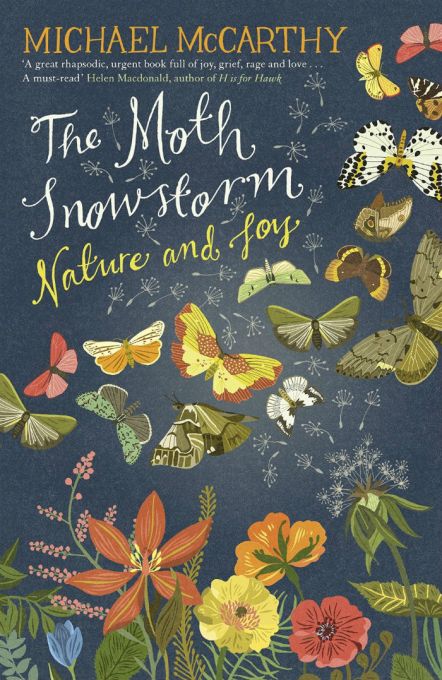
- Author: Michael McCarthy
- Title: The Moth Snowstorm Nature and Joy
- Published: 2015
- Genre: non-fiction
- List of Challenges 2020
- Monthly plan
Finished: 19.01.202
Genre: non-fiction
Rating: C
Conclusion:
- You can’t say M. McCarthy does not have a creative style.
- You will find Adam and Eve, Neil Armstrong, Prospero and Ariel from
- The Tempest….all on one page.
- Birds and butterflies swoop through the paragraphs.
- The estuary of the Dee is Elysium for McCarthy
- …..but not for me.
- This book is not my cup of tea!
- If you want to take a journey into nature
- …my recommendations are:
- Foxes Unearthed: A Story of Love and Loathing in Modern Britain by Lucy Jones
- The Shepherd’s Life: A People’s History of the Lake District by James Rebanks.
#AWW2020 sign-up post read: 5/40
- Goal: READ 40 books
- Start: 19 January 2020
- End challenge: 31 December 2020
READ: 5/40
- Death of Noah Glass – Gail Jones
- I, Clodia and Other Portraits – A. Jackson*
- King of the Air: The turbulent life of Charles Kingsford Smith – Ann Blainey*
- Prima Facie – Suzie Miller (play)
- Lenny’s Book of Everything – Karen Foxlee (YA) shortlist PM award 2019*
- The Body Horror Book – C. Fitzpatrick 2017 Aus Shadows Award NF/Criticism*
- Icefall – S. Gunn – 2018 Aurealis Award Best SF novella* READ
- Remembered Presences – Alison Croggon*
- Stop Being Reasonable – Eleanor Gordon-Smith*
- The World Was Whole – Fiona Wright
- Wild Sea: history of the southern ocean – J. McCann READ
- Finding Eliza – L. Behrendt
- Accidental Feminists – J. Caro*
- The Dead Still Cry Out – H. Lewis 2018 (Waverly Library) NIB*
- Honor – Joanna Murray-Smith (play)
- The Man on the Headland – Kylie Tennant
- The Timeless Land – E. Dark*
- Say No To Death – D. Cusack*
- The Rest is Weight (short stories) – Jennifer Mills
- Heat and Light (short stories) – Ellen van Neerven
- Pulse Points (short stories) – Jennifer Down
- The Circle and the Equator (short stories) – Kyra Giogri
- Marriages – (6 short stories) – Amy Witting READ
- A Baker’s Dozen (short stories) Dorothy Hewett*
- Fragments – Antigone Kefala – 2017 winner Queensland Poetry Collection
- Interval – Judith Bishop (2018) poetry
- Rainforest – Eileen Chong poetry
- The Berry Man – Patricia Cornelius (play)*
- The Call – Patricia Cornelius (play)*
- Stories From the Warm Zone – (short stories) Jessica Anderson*
- Highway of Lost Hearts – Mary Anne Butler #AWW2020 (play)* – READ
- Transparency – (play) – Suzie Miller READ
- Jump For Jordan – D. Abela 2013 Griffin Award (play)*
- Danger Music – E. Ayres Shortlist People’s Choice QLD Award 2018*
- Her Mother’s Daughter: A Memoir – Nadia Wheatly
- Imperfect – Lee Kofman
- The Yield – Tara June Winch
- The Torrents – O. Gray (play)*
- Kill the Messenger – Nakkaih Lui (play)*
- The High Places – Fiona McFarlane (13 short stories) READ
#ReadIreland 2020 The Irish Writer and the World
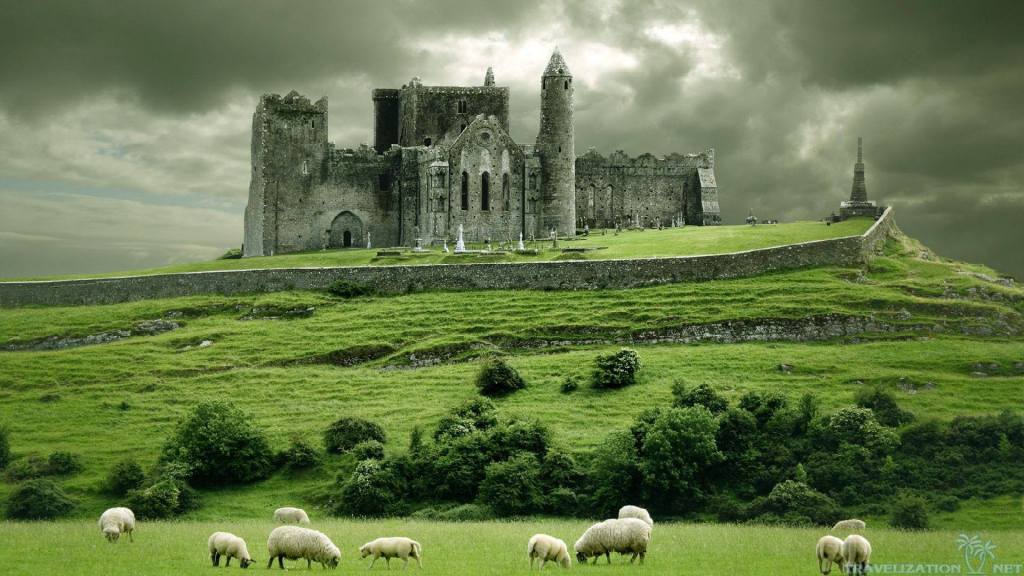
- Author: Declan Kiberd
- Title: The Irish Writer and the World (331 pg)
- Published: 2005
- Genre: non-fiction
- List of Challenges 2020
- Monthly plan
- #ReadingIrelandMonth20
- #Begorrathon20
Ch 1 Introduction
Central theme – cultural forces which appear opposites often turn out to have common ground on which they can meet!
Goal – zone of free debate to allow an intelligent savouring of differences as well as similarities
Error – leaders ignore the ‘cultural domain and are led by mere politics.
James Joyce – perfect example….a writer who made himself European without ceasing to be Irish.
Ch 2 The fall of the Stage Irishman
Stereotypes:
Stage Irishman (19th C)
Caricature of an Irish stage drunk, clowning his way with stories between bars
He wears an Irish mask: exploiting the quaint Irish peasantry
for the amusement of a ‘superior’ foreign audience.
The stage Irishman was generally “garrulous, boastful,
…unreliable, hard-drinking, belligerent (though cowardly).
Anti-Stage Irishman
Caricature of an holier-than-thou Irishman
refusing any taint of the Stage Irishness.
Stage Gael
Caricature of the long suffering suffering peasantry of the west of Ireland
ignoring the awful poverty.
“Gaelic morons here with their bicycle clips and handball medals” (Flann O’Brien)
Stage Writer:
Stage Irishman is a thing of the past.
Ireland is in danger of replacing it with the Stage Writer:
…legendary drinking of Brendan Behan (died 41 yr)
Flann O’ Brien (died 54 yr) and Patrick Kavanagh (died 63 yr).
Irish Literary Modernism (20th C)
Seamus Heaney, Martin O’Cadhain and Sean O’ Riordain are
masters who brought Irish writing into the 20th C.
They gave their countrymen a true image of themselves.
19th C
Rejection on romantic Irish novelists (C. Wickham 1826-1882)
— dealing sympathetically with Irish life, manners, quaint customs
and the insuppressible humor of the peasantry.
20th C
Acceptance of new generation of writers
–“…which the people would be shown in all their naked hideousness” (Yeats)
That author was Flann O’ Brien (aka Brian O’Nolan). Novel An Béal Bocht
The Irish expression “to put on the poor mouth” is mildly pejorative.
Peasant farmers would exaggerate the direness of one’s situation
to evoke sympathy, charity of creditors and landlords or generosity of customers.
Ch 3 Storytelling: the Gaelic tradition
- “The best things come in small packages.” (Anne Enright)
- The short story…
- has been the most popular literary form with readers.
- permits intense self-expression.
- author selects a single aspect of life to reveal his personality.
- is credible, written in private for the critical solitary reader.
- exploits minor triumphs, sadness of the commonplace man.
Conclusion:
- I was looking for insights into Irish writers and their works.
- I enjoyed the introduction, ch 1 about Irish stereotypes and
- ch 2 about Irish and short stories.
- Liked: ch 1-2-3 (15%)
- Disliked: ch 4-19
- The rest of the book was centered around
- nationalism, multiculturalism,
- do you write in Gaelic or in English….which is preferred?
- ..75th commemoration of the Easter Uprising,
- museums, colonialism, poets Synge vs Yeats etc.
- All are scholarly discussions worth reading
- ….but was not what I was looking for.
- #CherryPickWhatYouLike
#ReadIreland 2020 Irish Theatre

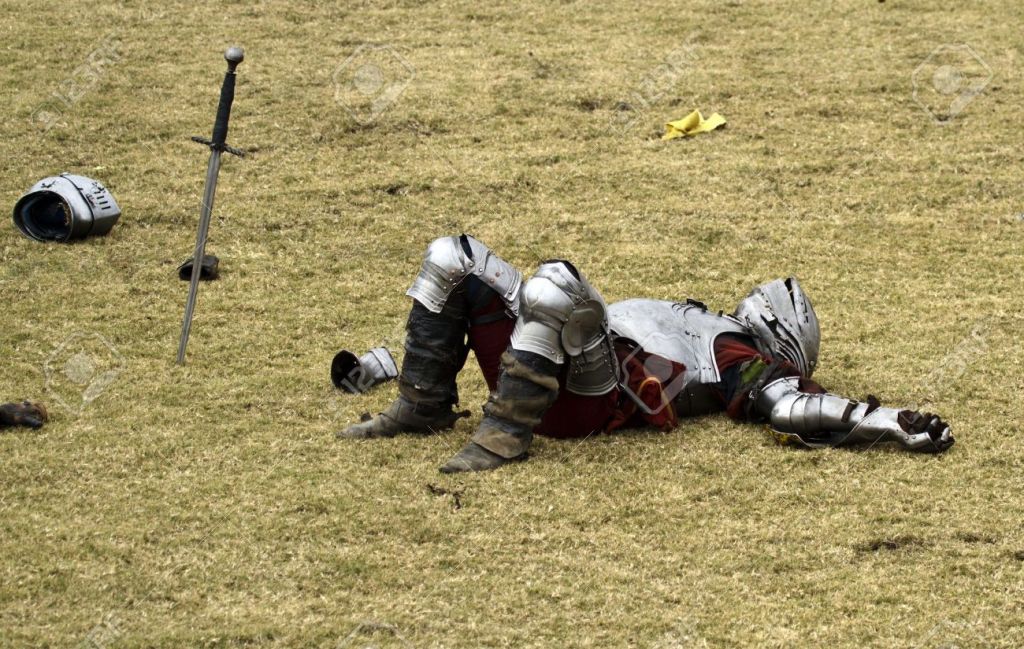
Set Design by Francis O’Connor for play “The Big House” (Abbey Theatre)
- Author: H. Lojek
- Title: The Spaces of Irish Drama (135 pg)
- Published: 2011
- Genre: non-fiction
- List of Challenges 2020
- Monthly plan
- #ReadingIrelandMonth20
- #Begorrathon20
Introduction:
- There is so much to learn from Helen Lojek’s essays.
- I have selected a few ideas to share with you.
- I learned to think more about the title of a play.
- You would be surprised what the author had hidden in it!
- I learned to look carefully at the setting.
- Who knew you could compare a bar (pub) with purgatory!
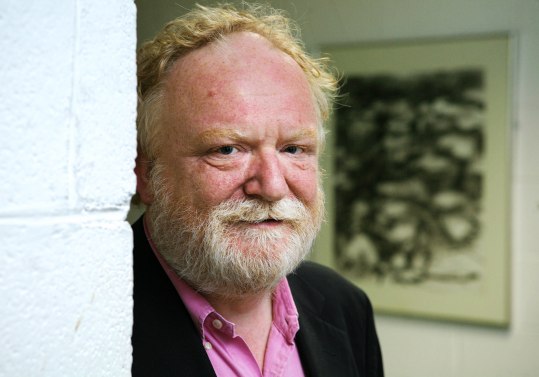
The Gates of Gold by Frank McGuinnes
- Setting: the domestic interior
- Stage: divided in “living room” and bedroom (“dying room) – EMPHASIS ON THEMES
- Title: explore meaning ‘The Gate’ is the theatre the partners founded in Dublin.
- On a metaphysical level the title frames Gabriel’s looming death.
- Stage directions: Silence: there is a definite significance of silence and lack of action
- Silence and lack of motion can be just as powerful as dialogue and action
- Irony: characters… Conrad is teaching Gabriel how to die
- …and Gabriel is teaching his partner how to live!!
- Dialogue: overlapping it is a
- …challenge to read or follow but provides a reflective commentary.
- Major threat: inescapable biological reality of death
- Ireland: the Irish future has arrived with
- …neither priest nor colleen nor greenfield in sight.


The Weir by C. McPherson
- Setting: local bar
- Bar = sacred place or even purgatorial where people
- can tell the truth b/c no one will return here.
- People ease their loneliness by sharing their interior lives.
- Stage: aging photos on the wall, barflys are male, the fire is peat and
- …the preferred drink is Guinness.
- Titel: is a metaphor The Wier for damned up emotion/feelings
- that will spill out in their stories…
- “on one side it is quite calm on the other side water is being squeezed through.”
- Lots under the surface is coming out.
- Stage directions: Silence: TV and radio are present but not turned on.
- Patrons would rather tell stories.
- Irony: Valerie….the ‘intruder’ is leaving the city for rural Irish landscape
- ….while other characters are rushing to the city!
- Dialogue: no indication that is bar has a window so exterior space
- …is only what the characters describe.
- Major threat: never-seen-but-often-discussed toerists (modernity)
- Ireland: rural area…a place for lonely bachelors and nonworking bathrooms
- …where Valerie comes to heal.

Nancy @ The Movies “Messiah” (Netflix)
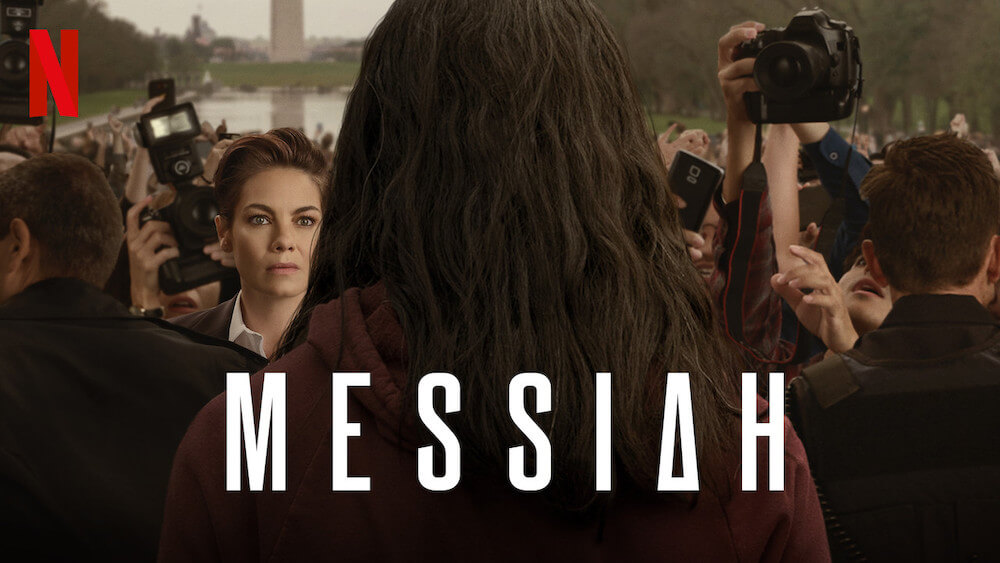
NANCY AT THE MOVIES
- For a change I’ll give you a NETFLIX review instead of a book.
- Well, I had nothing to do yesterday so I watched MESSIAH on Netflix.
- The action is driven by the enterance of an outsider….a Messiah.
- Messiah season two hasn’t been confirmed, but surely it’s only a matter of time.
- Messiah could run for years.
- Now this is great news if you are an evangelical
- ….but if you like a strong plot, dramatic dialogue
- ( …all the CIA agent says when asked what the problem is: “It’s nothing”
- …this doesn’t move the narrativie along!)
- ……you will be sorely disappointed.
- IMDB gave it a 7.9 score…that must be a misprint.
- So, if you want to be bored for hours
- …..I highly recommend it!
#Non-fiction From Russia With Blood
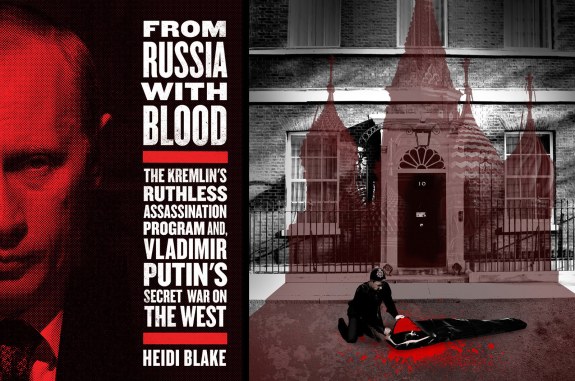
- Author: Heidi Blake
- Title: From Russia With Blood (336 pg)
- Published: 2019
- Genre: non-fiction
- List of Challenges 2020
- Monthly plan
Finished: 15.01.2020
Genre: non-fiction
Rating: D-
#ReadNonFictionYear
Conclusion:
If you want REAL investigative journalism
read Luke Harding
A Very Expensive Poison
If you want to read a REAL Putin scholar
read Dr. Fiona Hill
Mr Putin: Operative in the Kremlin
Last thoughts:
Honest opinion? This book was a waste of time.
“old news” …if you have been reading the newspapers
since 2000!
I can’t imagine this as a page turner, except when I was turning
a dozen pages at a time hoping it would get better.
#SoDisappointed
#Non-Fiction Nixon at the Movies
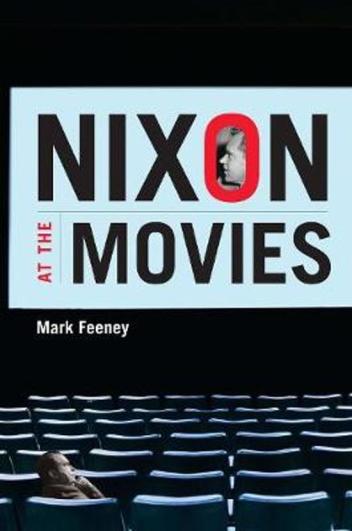
- Author: Mark Feeney
- Title: Nixon At The Movies (436 pg)
- Published: 2004
- Genre: non-fiction
- List of Challenges 2020
- Monthly plan
Conclusion:
- This book was a delight to read.
- I love politics and the movies!
- The author uses movies Nixon choose to see
- …some multiple times…to expose the character of Nixon.
- It is a combination of a psychological biography and cinematic history.
- Nixon was in The White House for 67 months.
- He screened no less than 500 movies!
- Nixon hated meeting people.
- But Nixon loved the movies
- Movies had all the vividness and pageantry of life
- —without any of the human complications.
- The movies were not only larger than life
- …they were safer than life.
- This quote in the epilogue sums it all up:
- “Where a Lincoln appeals to our aspirations,
- …a Kennedy to our fantasies
- …Nixon just is.”
- Trump spends his time on the golf course
- Obama romps on the basketball court and
- …Nixon at the Movies!
- #MustRead
Trivia:
- Favorite movie: Patton
- Favorite actor(s): John Wayne and Clint Eastwood
- Favorite genre: westerns
- Favorite director: John Ford
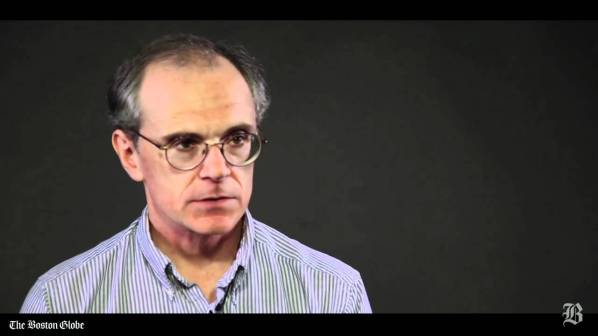
- Feeney graduated from Harvard in 1979.
- He and worked for the paper ever since, as a researcher, writer, and editor.
- A finalist for the 1994 Pulitzer Prize for Feature Writing.
- He he won the 2008 Pulitzer Prize for Criticism.
#Non-Fiction The Churchill Factor

- Author: Boris Johnson
- Title: The Churchill Factor (400 pg)
- Published: 2014
- Genre: non-fiction
- List of Challenges 2020
- Monthly plan
Finished: 13.01.2020
Genre: non-fiction
Rating: A+++++
#ReadNonFictionYear
Introduction:
- I started this book before the UK’s general election.
- It is fascinating to see how Boris Johnson
- emulates his hero, Churchill!
- Winston Churchill tipped the scales of destiny in 1940.
- We should all be thankful for his courage, pluck and
- famous message June 1940 to the British people:
“We shall go on to the end.
We shall fight in France,
we shall fight on the seas and oceans,
we shall fight with growing confidence and growing strength in the air,
we shall defend our island, whatever the cost may be.
We shall fight on the beaches,
we shall fight on the landing grounds,
we shall fight in the fields and in the streets,
we shall fight in the hills;
we shall never surrender…”
Conclusion:
- This book was a delight to read!
- Not stuffy or dry
- …but filled with insights and humor as
- Johnson weaves the narrative between war,
- politics and Churchill’s personal life.
- Boris Johnson is a savvy politician
- ….but also an excellent writer!
- #MustRead
- PS: John Lithgow is wonderful as Winston Churchill
- in Netflix series The Crown...
- #MustSee
#NonFiction The Year of Lear: Shakespeare in 1606
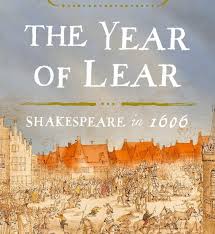
- Author: J. Shapiro
- Title: The Year of Lear
- Published: 2015
- Genre: non-fiction
- List of Challenges 2020
- Monthly plan
Introduction:
- This book is about what Shakespeare (WS) wrote in and
- around 1606 and what was taking place at that time.
- It is a slice of a writer’s life.
- WS’s emotional life in 1606 is lost to us.
- But by looking at what he wrote in dialogue in these times (King Lear (1605),
- Anthony and Cleopatra (1606), Macbeth (1605)
- …we can begin to recover what he was thinking about.
What did I learn?
- Shakespeare’s defining feature was his
- overhauling of plots old plays then inventing his own.
- Ch 1-7 were the most interesting (50% of the book)
- giving me new insights about “King Lear”.
- The play turns on King Lear’s
- ill-fated decision to divide his kingdoms.
- Does the king go mad b/c foolishly divided his kingdoms or
- b/c of his ruinous relationship with his daughters?
What did 1606 mean for Shakespeare?
- The description of the Gunpowder Plot to blow up
- the House of Lords was evidence
- ..that resentments were bubbling up.
- Shakespeare and other playwrights recognized
- that something had changed in their world.
Conclusion:
- Shakespeare struggled to find his footing in the early years of the 1605-1607.
- No year’s output would be more extraordinary than that of 1606.
- He finished this year—King Lear, Macbeth, and Antony and Cleopatra.
- They form a trilogy of sorts that
- collectively reflect their fraught cultural moment.
- An outburst of The Plague in July 1606
- ..had a clear impact on WS and his plays.
- In Macbeth the ringing of church bells
- for the dead and dying is most striking:
- “The dead man’s knell / Is there scarce asked for who;
- and good men’s lives expire before the flowers in their caps…” (Act 4, scene 3)
Last thoughts:
- I wanted to know more about Shakespeare’s plays
- and had to do some serious ‘cherry-picking’ to extract
- what I was looking for.
- 75% is history and only 25% is really about the plays by Shakespeare.
- Too much history….not enough Shakespeare!
- #InformativeButDisappointing
 NancyElin.blog