
#DNF: The Merchants of Truth

- Author: J. Abramson
- Title: The Merchants of Truth
- Published: 2019
- Trivia: DNF
- List of Challenges
- Monthly planning
- Non-Fiction List
Finished: 07.02.2019
Genre: non-fiction
Rating: NO SCORE
Conclusion:
- I’m being brutally honest
- I wanted to love this book because I am a news-junkie.
- I thought I would enjoy knowing more about
- Buzzfeed and Vice…but the selections were bland.
- Techies are bringing entertainment not news.
- Buzz staying within boundaries but
- …Vice pushing the limits of ‘edgy’.
- Even the chapters about NYT and Washington Post
- …in part one could not
- ‘hook’ me into reading any further.
- Old school established customs/conservatism in
- boardrooms of the icons in the 1980s publishing world
- is not a great springboard into an interesting book.
- Scandals that brought down Peter Arnett and Dan Rather
- ….some millennials would say “Who?”
Last Thoughts:
- I used to force myself to finish everything I started,
- which I think is quite good discipline when you’re young,
- but once you’ve established your taste, and the penny drops
- that there are only a certain number of books
- you’ll get to read before you die
- So I’m closing this book and ….moving on.
#Classic: A Tale of Two Cities
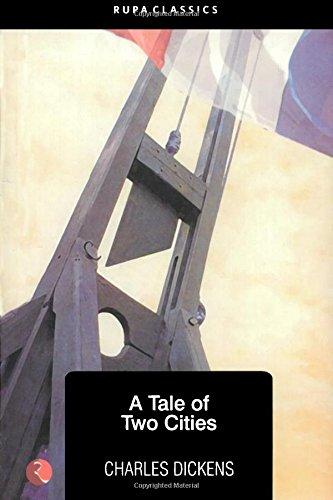
- Author: C. Dickens
- Title: A Tale of Two Cities
- Published: 1859
- Plot: Wikipedia
- List Reading Challenges
- Monthly planning
- Classic Club Master list
Introduction:
- This book needs NO introduction…but here goes!
- A Tale of Two Cities (1859) is a historical novel.
- The plot centers on the years leading up to the French Revolution
- and culminates in the Jacobin Reign of Terror.
- Set in London and Paris, it tells the story of two men
- Charles Darnay and Sydney Carton,
- …who look similar but are very different in traits.
- The book starts with the iconic paradox:
- “It was the best of times, it was the worst of times,
- it was the age of wisdom, it was the age of foolishness…. etc.”
- The book ends with the famous haunting words:
- “It is a far, far better thing that I do, than I have ever done;
- it is a far, far better rest that I go to than I have ever known.”
Conclusion:
- You must put your “Dickens hat” on
- to get through…
- Part 1:
- cryptic beginning (Dover mail coach)
- “zoom out” ch 5 ‘The Wine-Shop’
- to give you and idea of the chaos in Paris
- gaunt scarecrows = peasants
- broken casket spilling wine = blood
- approaching tempest = revolution.
- Best quote:
- “…every wind shook the rags of the scarecrows in vain,
- for the birds (aristocrats),
- …fine of song and feather, took no warning.”
- You will need some coffee
- to get through…
- Part 2:
- Tellson’s Bank controls its staff and customers
- Best quote:
- If the bank took on a young worker
- “…they kept him in a dark place, like a cheese,
- until he had the full Tellson flavor and blue-mould upon him.”
- Father and daughter bonding (Dr. Manette and Lucie)
- Emerging love entanglements
- French Revolution rages on
- Part 3:
- You will need kleenex
- to get through…
- the last ‘page-turning’ chapters
- …with the guillotine in the backround!
Dickens Template: – (This book contains very few ‘Dickens’ comic elements).
- Love triangle: Lucie Manette – Darnay – Carton
- Deaths : Marquis Evrémonde (assassinated) – Sydney Carton (guillotine, indifferent, and alcoholic attorney) – child killed under marquis’ carriage (Gaspard’s son) – Foulon (hanged, unscrupulous financier ancien régime) – Mme Defarge (shot with her own gun!)
- Nicknames: Ladybird (Lucie) – The resurrection man (Cruncher) grave robber.
- Star crossed lovers: Lucie Manette and Charles Darnay
- Little person (dwarf): None
- Little baby dies: None
- Prop: (secret) document found in chimney in cell 105 North Tower Bastille
- Dr. Manette’s letter (which is read to the court) (Book 3, ch 10)
- Eccentric but loving character: None
- Lawyer(s): Mr Stryver and Sydney Carton
- Banker: Mr. Jarvis Lorry
- Unrequited love: Sydney Carton for Lucie Manette
- Profesional money lender: None
- Villian: Mme T. Defarge
- Trusting and naive girl: None
- Young lower class gir who reached a good position: none
- Marriage: Charles Darnay and Lucie Manette
- Simpleton character….but very loving: none
- Schoolmaster: none
- Fairy godmother: none
- Maid/nurse: Miss Pross (reminds me nurse Peggoty in David Copperfield)
- Dickens likes to toss shoes in stories: Dr. Manette is also a cobbler
- Quirky names: none
- Son caring for father: none
- Daughter caring for father: Lucie Manette – Dr. Manette
- Theater: none
- Friends for life: none
- Pub: none
- Comic relief character: none
- Theme: revenge Mme DeFarge: always knitting
- “…with the steadfastness of fate”
- Malapropism: Dickens is famous for his witty malapropism:
- Cruncher speaks of the year of our Lord as “Anna Dominoes”.
- Apparently under the impression that
- ..the Christian era dated from the invention of a popular game
- …by a lady named Anna. (this book had very few comic moments…)
- Literary technique: extended metaphor “buzzing blue-flies” (book 2, ch 3)
- Flies suggest that the way the spectators hovered
- ..around the trial is similar to flies that are attracted to a potential feast.
- Dickens creates a clear comparison between the two items.
- Foreshadowing most poignant quote: book 2, ch 13 (Carton–> Lucie)
- “…think now and then that there is a man who would
- …give his life to keep a life you love beside you.”
Last Thoughts:
- After reading A Tale of Two Cites I felt closure.
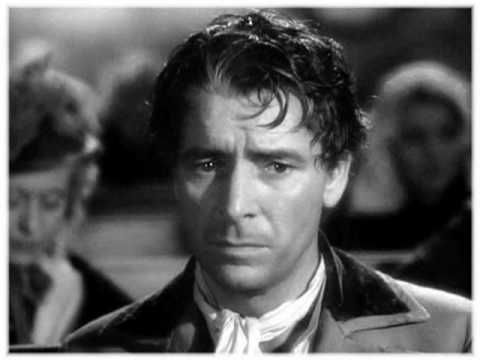
- I was mesmerized by the movie version (1935) seen
- on TV in the 60s’ with my mother.
- Nothing impresses a child more than a guillotine!
- Then in high-school this was my first classic ‘study’.
- I remembered nothing about the book
- …except Mme Defarge and her knitting.
- Now it was time to re-read the book as an adult.
- #MustRead
Ronald Coleman as the classic Sydney Carton.
#Classic: Heart of Darkness

- Author: J. Conrad (1857-1924)
- Title: The Heart of Darkness
- Published: 1902
- Audio book: 3 hr 49 min
- Narrator: Kenneth Branagh
- Plot: Wikipedia
- List of Challenges
- Monthly plan
- Classic Club Master list
Introduction:
- Despite my restraint (book embargo) I still bought
- 5 classic books in January.
- I was disappointed….not having enough self-control.
- The plan for February is to read as many classics as
- I can….on my IPOD!
- There are 20 audio classics just waiting for me.
- The Heart of Darkness has been on TBR since 2017.
Quickscan:
- Love triangles: none
- Women: Kurtz’ fiancée in Brussels and native mistress in Congo
- Major characters: Marlow and Kurtz
- Minor character: “The Russian” (…very irritating Russian accent on audio book)
- Genre: Gothic horror novella
- Plot twists: no twists or turns only the the idea of
- ‘what is going to happen’ kept me reading
- POV: unnamed narrator (1st pers) tells the reader about
- Marlow telling his story also as 1st person narrator (frame POV)
- Title: The Heart of Darkness: interiour workings of the mind
- Symbol: journey up Congo River = sin
- Symbol: journey down Congo River = redemption
- Structure: 3 parts
- present day London/Belgium
- journey from Congo Central station –> to Kurtz up the Congo River
- return to Europe and a meeting with Kurtz’ fiancée
- Message: obsession that drives its victim (Kurtz) beyond the limits of humanity
- Message: the darkness of the human heart…man’s capacity for evil.
- Setting: London –> Belgium –> Congo –> Belgium
- Major theme: madness, moral corruption
- Minor themes: racism, violence
- Body count: 2 (Kurtz and helmsman)
- Conrad’s statement: cynical, critical take on European Imperialism
Conclusion:
- This was NOT my favorite Conrad novel/novella.
- I had to force myself to sit down an listen to this audio book.
- Part 1 started with lyrical descriptions of moon, sea, mist, light
- that initially hooked me to keep reading.
- Unfortunately these were the only beautiful descriptions in the book IMO.
- Part 2: chaotic description of a steamship struggling to creep up river.
- Part 3: climax: Marlow and Krutz finally meet.
- Conrad did me a favor and described his book for me
- with his comments about Kurtz’ pamphlet:
- “vibrating with eloquence…but too high strung”.
- This book is Conrad’s way of asking ourselves
- …if we would have the courage like Kurtz to peer over
- …the edge of the abyss: “The horror, the horror”.
Last thoughts:
- Conrad captured something about the way power
- operated across continents and race.
- I would highly recommend the award winning
- book Congo by David Reybourck. (2014)
- It is a gripping epic imperialistic policy of the Belgians in Congo.
- . . . more exciting than the novel The Heart of Darkness!
Favorite quote:
Part 1:
“Watching the coast…is like thinking about an enigma
There it is before you smiling, frowning, inviting,
grand, mean, insipid or savage and always mute with an air of whisper
‘Come and find out.’
#Classic: The Twelve Caesars (Suetonius)

- Author: Suetonius (69 – 122 AD)
- Title: The Twelve Caesars
- Written: 121 AD
- Genre: biography (Wikipedia The Twelve Caesars)
- List of Challenges
- Monthly plan
- Classic Club Master list
Quickscan: List of Roman Emperors
Notes:
- This is not a book that I would choose to snuggle up with
- on a cold winter day. Thus I decided to listen to the audio book.
- I could keep doing my chores….etc and still absorb the
- tidbits of history that I did not know!
- 50 % of the book is about the first 3 Caesars:
- Julius, Augustus, Tiberius chapters 1-18
- Audio book 40 chapters (20 min per chapter)
- Roman emperor was a risky job: only 3 died of natural causes
- …the rest were assassinated or committed suicide!
Julius Caesar (reigned 5 years)
- He wore laurel crowns as often as possible.
- The wreath suited Caesar especially well with
- the green leaves hiding his balding head.
- It was good to be reminded that Servilia (b.104 BC, d. 42 BC)
- was just a wicked as Livia was
- during her relationship with Augustus Caesar.
- Livia remains in my memory in TV series I, Claudius.
- Servilla came be seen in TV series Rome.
- The series I, Claudius NEVER showed
- …the audience the sadistic cruelty of Tiberius!
- You have to read about it to believe it!
Augustus Caesar (reigned 40 years)
- Father: Gaius Otavius (politician) but he died when AC was 4 years old.
- Adopted father: Julius Caesar.
- Wives: each of these marriages lasted 2 yr Clodia, Scribonia
- Livia was here to stay.
- She was a shrewd woman, 23 yr marriage, no children, 1 miscarriage.
- Augustus also divided city regions and districts,
- …appointed nightly watch against fires (sort of fire brigade).
- Calendar: Augustus was born in September named 8th month August
- because in this month he received his first council ship.
- Lists: These pages about Augustus Caesar is a long list of achievements:
- circus games, gladiators, laws, allocating corn
- exhibiting curiosities: rhino, tiger and extremely long snake!
- Lists: of omens Augustus Caesar believed to foreshadow trouble (2 crows attack an eagle!)
- As soon as Livia comes on the scene
- ….the narrative becomes more interesting.
- After watching the TV series I, Claudius
- I could apply a face (actor, actress) to many names!
- Julia: Daughter is banished for 5 years for her lewd behavior.
- Strong point: personal habits were described
- …negligent in dress, took afternoon naps with his shoes always on!
- Augustus slept in the same chamber on Palatine Hill for 40 years.
- His private room where he was NOT to be
- disturbed (top floor Palatine Hill home) called “Syracuse”.
Tiberius pg 104 (reigned 22 years)
- He was emperor Augustus Caesar’s successor.
- Augustus adopted Tiberius (his mother was Livia AC’s 2nd wife)
- Tiberius was a reluctant emperor!
- Livia (mother) demanded equal share of power.
- Mother and son parted on bad terms.
- When she died Tiberius annulled her will and did not grieve his loss!
- Daughter-in-law Agrippina the Elder
- claimed Tiberius had her husband Germanicus murdered.
- Germanicus was Tiberius’ nephew AND adopted son.
- Tiberius banished her to the island of Pandateria.
- …and ordered a centurion to beat out one of her eyes!
- Tiberius was not finished yet….
- He starved his 2 (adoptive) grandsons to death.
- Tiberius was sadist…deriving pleasure from cruelty.
- In one day 20 people (men, women and boys) were killed flung down
- the Gemonian Stairs (steps located in the ancient city of Rome)
- …and then dragged into the Tiber River.
- He put a centurion to death for stealing a peacock out of his orchard!
- #Ouch
Conclusion:
- I took notes about the first 3 Caesars.
- You can discover the other rulers yourself!
- This was an excellent overview of these emperors
- The book solidified my understanding of the
- Julio-Claudian (27 BC-68 AD)
- Flavian dynasties (68-96 AD)
- Audio book narrator: Charles Griffin (excellent).
- The writing is clear, simple and easy to understand.
- Strong point:
- Insights into the social and political order of the times
- …and the psychology of these powerful yet flawed individuals.
- I loved the music played between chapters….imperial!
Last thoughts:
- Roman emperors are not known as being compassionate
- …but Emperor Vespasian was the exception!
- If you like historial fiction perhaps you would like Lindsey Davis’
- The Course of Honour.
- The love story of Vespasian and his mistress
- …the freed slave woman Antonia Caenis.
- This book recreates Ancient Rome’s most turbulent period.
#Classic: Moby Dick
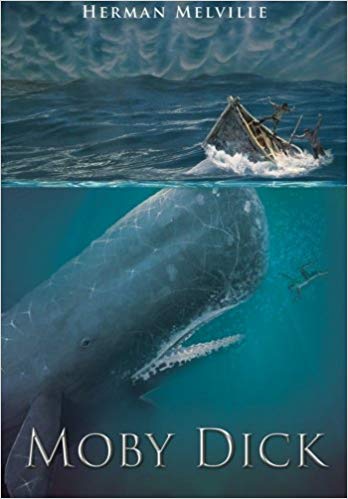
- Author: H. Melville
- Title: Moby Dick
- Published: 1851
- Trivia: PLOT Wikipedia
- Chunkster: 450 pg or more
- CC Spin #19 @The Classics Club – FINISHED !
- List of Challenges
- Monthly plan
- Classic Club Master list
Quickscan: Mixture of plots:
1. Overcoming the Monster: (the White Whale)
3. Quest: (Destroy the White Whale)
4. Voyage and Return: (whaling trip on the Pequod)
5. Comedy: (Stubb dialogue)
6. Tragedy: (Dead of Queeseg)
7. Rebirth: Ishmael (character survives after so many perils)
9. Rebellion against the one: (Starbuck thinks of killing Ahab to save ship/crew)
Characters: my favorites….
Ishmael:
- The narrator in the book, not only relaying the story
- …but going on at length about whale facts and
- various philosophical questions.
Queequg:
- He demonstrates that despite one’s appearance
- …people have more in common than they believe.
- Queequg also brings life through death. (coffin is float for survival)
Secret motto:
- Ego non baptizo te in nomine patris, sed in nomine diaboli!
- Ahab howls these words as harpoon iron is devoured the baptismal blood.
- ”I baptize thee, not in the name of the Father, but in the name of the Devil.”
- Captain Ahab is speaking to his harpoon as it tastes whale blood for the first time.
- The quote is significant because Herman Melville wrote to his
- …friend Nathaniel Hawthorne that
- ..the line was the book’s secret motto.
Conclusion:
- On the most basic level, the White Whale in the novel
- is the object of Ahab’s obsession.
- Everything in the plot of Moby-Dick is directed
- …toward the final, tragic confrontation between
- …Ahab, his crew, and the White Whale.
- The White Whale wins the fight.
- Ahab and nearly the entire crew of the Pequod die.
- The fact that the White Whale cannot be beaten
- ….contributes to the way it is used as a symbol.
- Power of Moby Dick is symbolic of God.
- Symbol of a force man cannot defeat.
- Pursuit of God: Ahab purses God in a manner driven by hate
- …vengeance rather than something peaceful.
Last thoughts:
- Ch 1-54 is worth the read….but then I hit a wall!
- Ch 55-100….it was a ‘touch and go’ endeavor to keep reading!
- There’s a lot of scrimshaw and blubber!
- The last 30 chapters finally capture my attention again.
- This book would be much improved
- …without the whaling tutorial! (ch 56)
- Sometimes tiresome and challenging
- is a compliment about a classic book.
- It’s like climbing a mountain….hard work
- …but the view is terrific when you get to the top!
- Now…the view from the top
- …wasn’t worth the hike.
- #YouHaveBeenWarned
My notes:
November 29, 2018
Learning some basic concepts that play an important role in Moby Dick
Melville creates well rounded characters
The first paragraph describes my start
December 2, 2018
Slowly moving forward:
December 6, 2018
Starting ch 28 ….now we finally meet Ahab!
30 pages a day…
December 11, 2018
Ch 70: I pushed through ch 54-70 which is more or less
Ch 1-54 is a good narrative….I expect once we get back to the conflict
Ch 94: More whaling…stay away from whale spuits,
The only chapter with some narrative was
January 9, 2019
Finshed during the Christmas holidays.
#Classic Flannery O’Connor
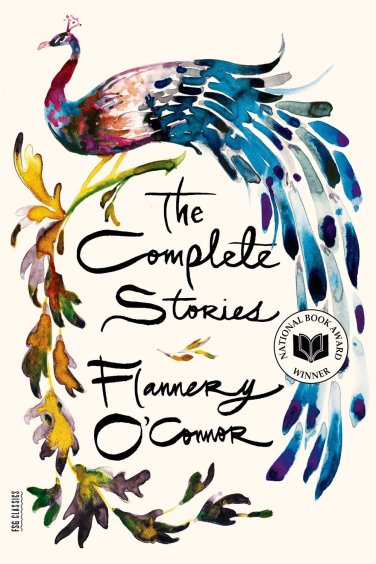
- Author: Flannery O’ Connor (1925-1964)
- Backround information (Wikipedia)
- Title: The Selected Stories (31)
- Trivia: Complete Stories won the
- 1972 U.S. National Book Award for Fiction.
- List of Challenges
- Monthly plan
- Classic Club Master list
Conclusion:
- I’ve had this book on TBR for 2 years!
- I was very, very impressed.
- It would be bleak stuff if it weren’t so enthralling,
- ….and sometimes laugh-out-loud funny.
- O’Connor works in major social issues (race) and religious themes
- …( suffering, epiphany), but doesn’t hit the reader over the head with them.
- Some stories are dark with a surprise ending.
- Strong point: She writes the Negro dialect as if she
- …spoke it herself, and portrays
- …southern speech patterns easily.
- I took me 4 days to read all 31 (long) short stories.
- A Displaced Person is 42 pages
- The Lame Shall Enter First is 38 pages
- 10 stories are between 20-29 pages
- 54% very good stories!
- Reading up on O’Connor’s life, which came to an early end from illness,
- ….it wasn’t hard for me to see how some of
- …her own personal trials must have informed her work.
- #MustRead Classic
Table of Contents:
- The Geranium – Old man (lives with daughter NYC) homesick for the South (YES)
- The Barber – man and barber have a political discussion (YES)
- Wildcat – blind man can’t see but can smell the wildcat (YES)
- The Crop – writer (O’Connor?)….glimpse how a writer plots a story
- The Turkey – young boy…chases turkey, wants to impress family (YES)
- The Train – young man on train trip…felt like a pointless story
- The Peeler – Fast talking potato peeler salesman vs blind street preacher
- The Heart of the Park – Enoch spies on ladies at the swimming pool strange story
- A Stroke of Good Fortune – Ruby is having a baby…but she doesn’t know it!
- Enoch and the Gorilla – Enoch stares at the ape in the zoo
- Good Man is Hard to Find – famous O’Connor story (YES)
- A Late Encounter With the Enemy – grandfather attends granddaughter’s graduation
- The Life You Save May Be Your Own – one-arm drifter marries young girl (YES)
- The River – young neglected boy taken to river baptizing by his babysitter
- A. Circle of Fire – three teenage boys come for unexpected visit
- The Displaced Person – widow (dairy farm) tries to decide if she will fire employee (YES)
- A Temple of the Holy Ghost – 14 yr girls (Catholic school) visit their mother’s friend (YES)
- The Artificial Nigger – Grandfather takes grandson on first train trip to Atlanta (YES)
- Good Country People – Bible salesman comes to the door….fools everybody. (so-so)
- You Can’t Be Any Poorer Than Dead – grand uncle-nephew…bury me. (YES haunting)
- Greenleaf – widow owns dairy farm with 2 lazy sons – neighbour’s bull is in her herd! (YES)
- A View of the Woods – grandfather – granddaughter (9 yr)..his heir – haunting story (YES)
- The Enduring Chill – son travels from NYC back home to mother. (very funny…YES)
- The Comforts of Home – Mother takes ‘con-artist’ in home… (surprise ending…YES)
- Everything That Rises Must Converge Mother-son on a bus ride (absolutely amazing YES)
- The Partridge Festival – young man (23 yr) visits his two great-aunts (very good..YES)
- The Lame Shall Enter First – Father-son (11 yr) grieving for dead mother (powerful…YES)
- Why Do the Heathen Rage? widow faced with having an immature and inept young son
- Revelation – strange patients in the doctor’s waiting room
- Parker’s Back- drifter/handy-man ends up marrying hyper-religious wife…trouble.
- Judgement Day – Old man (lives with daughter NYC) longs to return to the South to die
#Classic: The Symposium
- Author: Plato
- Title: The Symposium
- Written: 380 BC…but the narrative is set in 416 BC
- Setting: Agathon’s house (playwright, poet)
- List of Challenges
- Monthly plan
- Classic Club Master list
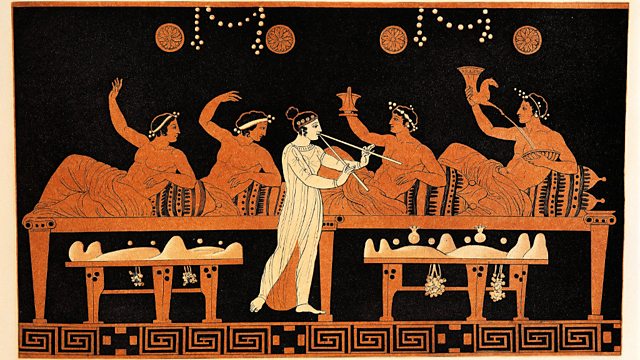
What is The Symposium?
- This masterpiece of philosophy is
- …a dramatic dialogue set at a
- dinner party in ancient Athens.
- The guests agree not to drink because
- …they have over indulged on the previous night.
- The men discuss the nature of Love.
Why did Plato write The Symposium?
- Socrates was interested in the symposium
- as en educational form where erotic
- relationships took place.
- But the symposium was also place of great
- fun, merriment and entertainment.
Who was influenced by The Symposium?
- An Essay on the Beautiful.
- Ficino, M. translated the Platonic dialogues into latin in the Renaissance
- Freud, S. read and studied The Symposium
Most important metaphor?
- This topic is long and complicated.
- I added this link if you are interested.
- Ladder of Love (Wikipedia)
What is the significance of a drinking party?
- This was a ‘gentleman’s club’.
- There was a bawdy side but
- ..the most important aspect was
- the establishment of
- older male-younger male relationships.
- The older male (the lover)
- would guide the younger male (beloved)
- into Athenian social and political life
- in return for sexual favors.
Who are the important guests?
- Aristophanes – one of the greatest Athenian poets
- Phaerdus – associate of Socrates
- Eryximachus – doctor
- Aristodemus – narrator
- Aristophanes – poet, playwright
- Pausanias – lover of Agathon
- Agathon – tragic poet who is the host of the party
- Socrates – Athens’ most famous philosopher
- Alcibiades – important politician, rich, influential, womanizer
What are the major themes?
- Major: passionate love, desire, nature of knowledge
- Minor: virtue, happiness
What is characteristic of the speeches?
- In each of the speeches the nature of virtue is presented:
- Phaerdus – heroic deeds on the battlefield are important
- Agathon – poetic expertise is important
- Socrates – intellectual virtue is important
- Each speech is designed to praise Eros.
- Speeches explain how desires can be shaped
- to help us lead a better and happier life.
- Central is all the speeches is the concept of happiness.
How do speakers describe physical desire (Eros)?
Phaerdus (young student of rhetoric and poetry)
Romantic love (male/female and male/male) is praiseworthy.
If we’ve sacrificed our life for our beloved
…the gods will reward us after death.
This type of romantic love sounds admirable
…but there is also a lot of ‘dying young’!
Pausanias (legal expert)
The quality of erotic depends on the object of your love
…and the manner of your love.
He divides love into heavenly and common love.
Heavenly: lover (older) – beloved (younger) focuses on
the younger males spiritual development.
Common: physical love for either male or female
Eryximachus (doctor)
He divides erotic love in good and bad.
The doctor broadens erotic love to a cosmic force
..in medicine, music, climate, farming.
Good attraction of love = harmony and health
Bad attraction of love = disease and illness
Aristophanes (one of the greatest Athenian poets)
His speech is iconic.
This is a quirky almost absurd description how humans evolved.
Must read to appreciate Aristophanes imagination!
Love will make us find our other half.
Agathon (tragic poet who is the host of the party)
He gives a dazzling speech and receives the most applause.
The other speakers praise the benefits that eros (desire) brings
(heroic deeds on the battlefield…harmony and health)
But Agathon says…you can’t give another what you don’t have yourself!
Lovers are thus honorable, beautiful, wise and just.
Socrates (most famous Greek philosopher)
He tells a story that Diotima taught him!
She is a fictional priestess. She provides the
question and answer template possible
… that Socrates loves to use!
Diotima says what Socrates wants to say
…and Socrates is now the willing pupil.
Drunken Alcibiades…disrupts the party!
He give a moving passionate speech about the joy and
pain of loving Socrates.
Poor Alcibiades….he loves the right man in the wrong way.
I thought this was the most memorable speech! (shocker)
Conclusion:
- 5 speeches (Phaedrus, Eryximachus, Aristophanes, Pausanias, Agathon)
- 1 cross-questioning and speech about the truth of Love (Socrates)
- 1 dicey speech by Alcibiades
- …that is a ‘tell-all’ about his affair with ex-lover Socrates!
- After all the guest give their speeches
- …of course Socrates will be the last to speak.
- He dazzles and confuses me with his ‘typical questions”
- (conversation with priestess Diotima)
- This is the part of Socrates….I dread reading
- …he makes me think!
- You have to have at least a good 10 hrs sleep
- ..and be sharp of mind if you intend
- …to read anything involving Socrates!
- Reading time:
- It took me the entire day to read + notes (131 pages)
- I hope this review can help you and don’t hesitate
- …to try this #Classic for the die-hards!
#Classic: Richard II
Ben Whishaw
- Author: W. Shakespeare
- Title: Richard II
- Written: 1593
- PLOT Wikipedia
- List of Challenges
- Monthly plan
- Classic Club Master list
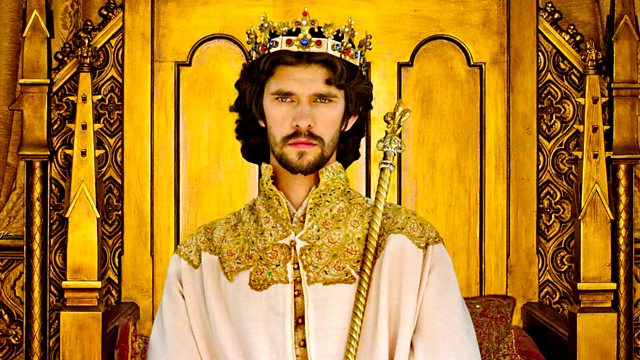
- Trivia: BBC series The Hollow Crown
- Ben Whishaw was awarded BAFTA
- …..best actor prize 2012 as Richard II
Quickscan:
- Love triangles: None!
- Focus: the king is God’s appointee and above the law
- Family issue: Richard II steals cousin’s inheritance (Bolingbroke)
- Richard II: amateur politician, monarch treats England as a possession
- Henry Bolingbroke Duke of Herford: Machiavellian strategist
- Betrayal: Bolingbroke returns from banishment
- …instigates a coup, imprisonment and murder
- Pivotal scene: Act 4,1 – Richard removes his crown
- ” I give this heavy weight from off my head
- …And this unwieldy sceptre from my hand…”
- Minor characters with major role….move plot along:
- Duchess of Gloucester – devastated by loss her husband
- Duchess of York – exemplifies love for a child
- Queen Isabel – exemplifies devotion to husband Richard II
- Setting: England, Wales,
- …Westminster Hall (Act 4: deposition of Richard II)
- …Castles Flint, Pomfret, Berkeley and Tower of London
- Major theme: legal vs divine right to rule
- Minor theme: honor
- “My honor is my life; both grow in one
- Take honor from me; my life is done (Act 1)
- Symbol: hand mirror (Act 4,1)
- Richard speaks to images of himself in a mirror.
- ….then shatters the glass (his identity)
- Body count: 16
- Shakespeare mixes fact and fiction:
- Richard II wife, Queen Isabel, is an adult when she was widowed in the play.
- Reality: Isabel was a child bride (7 yr) and was widowed at 10 yrs old.
- Genre: history play used by Elizabethan monarch to legitimize power
- Shakespeare’s statement: Act 3,2
- “I had forgot myself; am I not king?
Awake, thou coward majesty! thou sleepest.”
Last thoughts:
- Once you know basic story line….
- this is a very readable play
- …and you learn about British history!
- #MustRead Classic
Watched DVD The Hollow Crown episode Richard II
- Act 1, 2: left out (short scene with John of Gaunt and Duchess of Gloucester)
- Act 3,1 beheading of traitors Bugsy and Greene (OMG)
- Act 3, 2 beautifully filmed…Richard II realizes….he’s doomed.
- Act 3,2 here where you find the title.
- “…for within the hollow crown that rounds the mortal temples of a king
- Keeps Death his court and there the antic sits…”
- Act 3,4 (short garden scene) the queen eavesdrops on the
- …gardener and hears her husband has abdicated.
- This scene is more powerful on film than in the play.
- Act 4, 1: so impressive!
- The film emphasizes the ‘Christ-like’ image of Richard II being
- brought to Westminster Hall in flowing
- …white robes and riding on a donkey!
- An emotional Richard II finally hands the “hollow crown’
- ….over to his cousin Bolingbroke. (future Henry IV)
- Reading the play first then
- …seeing it on film is absolutely thrilling.
- Act,5 5: …what a death scene Richard II.
- This DVD is truly worth you time and money!
Basic story line:
- Richard II is called upon to settle a dispute
- …between his cousin Henry Bolingbroke (future Henry IV)
- and Thomas Mowbray. (Act 1)
- Richard II calls for a duel but then halts it just before swords clash.
- Both duelers are banished from the realm. (Act 2)
- When Richard II banishes Bolingbroke and confiscates his property.
- …he begins a chain of events that bring about his own downfall.
- Richard II then leaves for wars against the rebels in Ireland.(Act 3)
- Bolingbroke returns to claim back his inheritance. (Act 3)
- Bolingbroke forces Richard II to abdicate. (Act 4)
- Bolingbroke takes Richard prisoner and lays claim to the throne. (Act 5)
- Henry Bolingbroke Duke of Herford becomes King Henry IV.
#Classic: Rebecca
- Author: D. du Maurier
- Title: Rebecca
- Published: 1938
- List of Challenges
- Monthly plan
- Classic Club Master list
Quickscan:
- Lovers: Young girl met in Monte Carlo…(name?) and Max
- Family issue: reputation – Manderley must not fall into the hands of illegitimate heir
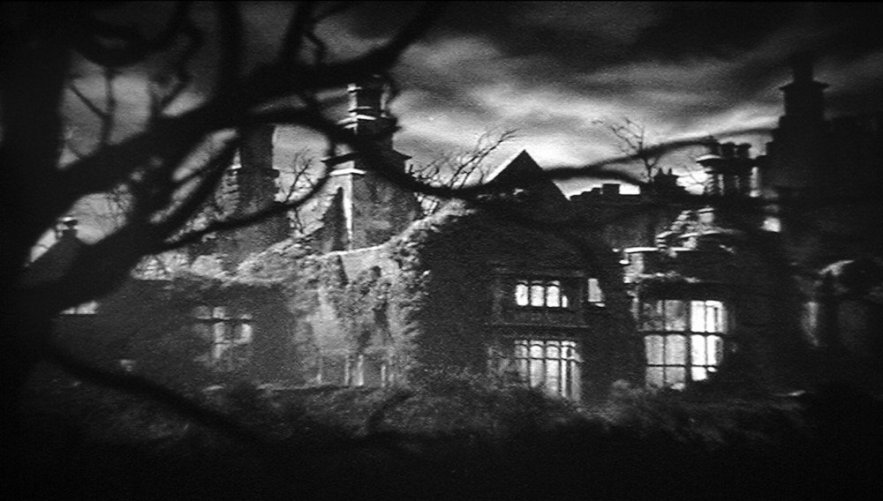
- Hook: Ch 1: mysterious, lyrical introduction about the estate of Manderley.
- Genre: Gothic romance…later a thriller
- Focus: heroine, her fears of physical danger real? or just paranoia?
- Pivotal plot twist: Max’ confession
- Villain: Mrs. Danvers manipulative, cold, ruthless (arsonist!)
- Heroine Mrs. de Winter: girl –>woman, child bride –> mature wife
- Minor character who plays major role: Col. Julyan
- Symbol: sea (Rebecca) deceptive beauty and destructive force
- Symbol: rhododendrons (Rebecca)
- “..stood 50 feet high twisted and entwined with bracken…” (pg 1)
- …”a lilac mated with a copper beech…”(heroine and Max) (pg 1)
- …so different one is a shrub…the other a tree.
- Motif: Feeling of a ghost in the house.
- Du Maurier’s statement: ” Last night I dreamt I went to Manderley again.” (iconic)
- Writing: very little information about heroine (no name!)
- Writing: frame story. begins at the end, moves into flashbacks
- Irony: We root for the criminal to escape punishment.
- Setting: Manderley, Cornish Coast
- Major themes: memory, reputation, appearance vs reality
- Max still in love with Rebecca?...reality: he hates her.
- Mrs. Danvers loyal servant?…reality: she terrorizes her mistress.
- Minor themes: isolation, entrapment (second wife)
- Body count: 1
Why is Rebecca similar to Othello?
Chapter 23:
- ” All married men with lovely wives are jealous, aren’t they?
- And some of ’em just can’t help playing Othello.”
Heroine and Desdemona:
- Innocence can be dangerous, even fatal.
- The young wife considers suicide.
- Desdemona is killed by Othello because
- ….she is innocent
- thinking she can be friendly with other men and still
- remain loyal and honorable in her marriage.
Heroine and Desdemona:
- Desdemona and Mrs. de Winter
- …were both young wives married to
- …men 20+ years older.
- Both women think
- …love is equivocal to submission.
Othello and Max:
- Othello and Max de Winter go to
- extremes to preserve their reputation
- …they both kill!
- Othello —> Desdamona is alleged of having an affair
- Max —> Rebecca tauted husband…expecting a child
- …pass it off as Max’ heir! (Manderley)
Othello and Max:
- Both men reject reason and clarity and rational thinking.
- They focus heavily on emotion and extreme passion.
- “Le crime passionnel”
Title:
- Book is titled Othello...but it is all about Iago!
- Book is titled Rebecca…but it is all about second wife, Mrs. de Winter!
Last thoughts:
- I had to ‘sleep on it’ to decide what I really thought of this book.
- I’m NOT following the herd on this one.
- The book was readable…in parts lyrical (ch 1)
- …but Du Maurier is not consistent.
- After two-thirds of the book
- …I finally got interested (Max’ confession).
- It is an average book that has
- …a cult following which keeps it on our radar.
- It started out so well.
- ..then it dropped below my endurance level.
- Dialogue was first person simple…
- and Mrs. Danvers was predictable spooky.
- This easy classic read will
- …always find its audience….just not me!
- I dare to be disliked while saying:
- the first bite was delicious….but
- it satisfies no craving.

#AWW2019 Louise Mack
- Author: Louise Mack (1870-1935)
- Title: A Woman’s Experiences in the Great War
- Genre: non-fiction
- Published: 1915
- List of Challenges
- Monthly planning
- Non-Fiction List
- #AWW2019
- AWW Gen 2 Bill @The Australian Legend
Quickscan:
- In 1914 when war broke out Louise Mack was in Belgium
- where she continued to work as the first woman
- war correspondent for the
- Evening News and the London Daily Mail.
- This book is her eye-witness
- …account of the German invasion of Antwerp.
- 28 September – 10 October 1914 (1 week and 5 days)
Conclusion:
- While I read to this book I had to think of
- …the difference between Marie Colvin (1956-2012)
- foreign affairs correspondent for the British newspaper
- The Sunday Times and Louise Mack (1870-1935).
- While the Zeppelin returns to attack Antwerp
- I read Louise Mack saying:
- “…I saw my powder puff. I saw my bag.”
- “…no slippers came under my fingers,
- and I wanted slippers
- in case of going out into the streets.“
- I must just accept that this book
- …was written more than 100 years ago.
Last thoughts:
- Weak point: choppy writing style.
- Strong point: The chapters 46-47 were of special
- interest for me (I live in Netherlands)
- They describe Louise Mack’s impression
- of the Dutch welcoming
- …Belgium refugees after the fall of Antwerp.
- Good eye-witness reporting.
- …but very outmoded.
 NancyElin.blog