
4
Dec
Power Without Glory
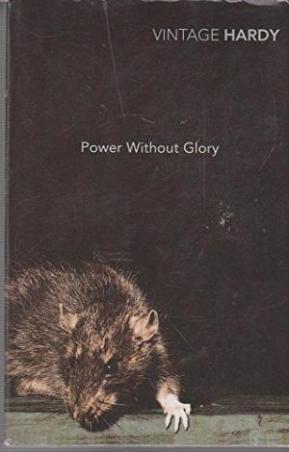
- Author: F. Hardy (1917-1994)
- Title: Power Without Glory (672 pages)
- Published: 1950
- List of Challenges 2017
- Lists of Awards
Conclusion:
- Frank Hardy wanted to expose poverty and
- the extent of political corruption in various aspects of Australian life.
- Hardy also wanted to make the case for the Communist Party.
- A novel aimed at a popular readership
- …about prominent figures in Australian politics
- and Catholic Church could do real damage.
- Weak point: Explosive at the time of publication (1950)
- ….the book loses some punch if you are not familiar
- ….with Australian politics 1920 – 1950.
- Archbishop Malone = Archbishop of Melbourne Daniel Mannix
- John West = John Wren
- John Wren was not a gangster, but a big city boss who
- …excelled at machine politics, and even funded the Catholic Church.
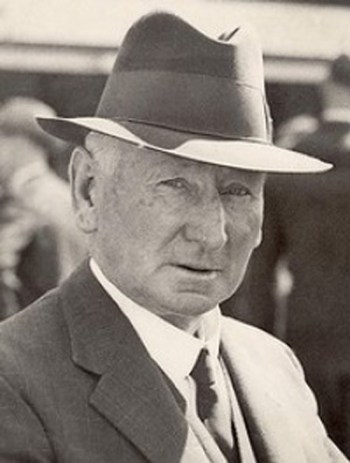
- Title: reference pg 390:
- “He (Wren) did not want glory — he wanted power without glory.”
- The title of Hardy’s novel is
- ….derived from the the end of the Lord’s Prayer (Pater Noster).
- “…For thine is the kingdom, and the power and the glory, for ever.”
- I had the luck having read the biography about Mannix by
- Brenda Niall … so the puzzle pieces all fell into place!
- Hardy does embellish the novel with claims of adultery.
- In 1951 Hardy was slapped with a libal suit.
- He had implied that John Wren’s wife Ellen had an affair by having her
- …“character”, Nellie West, bear another man’s child.
- Frank Hardy was found not guilty.
- Last thoughts:
- Coined as the most influential novel published in Australia in the 20th C
- …you have to read it taking into account
- the political climate in Melbourne at the time.
- It is and remains an…
- #AustralianClassic.
 NancyElin.blog